- English
- French
- German
- Portuguese
- Spanish
- Russian
- Japanese
- Korean
- Arabic
- Greek
- German
- Turkish
- Italian
- Danish
- Romanian
- Indonesian
- Czech
- Afrikaans
- Swedish
- Polish
- Basque
- Catalan
- Esperanto
- Hindi
- Lao
- Albanian
- Amharic
- Armenian
- Azerbaijani
- Belarusian
- Bengali
- Bosnian
- Bulgarian
- Cebuano
- Chichewa
- Corsican
- Croatian
- Dutch
- Estonian
- Filipino
- Finnish
- Frisian
- Galician
- Georgian
- Gujarati
- Haitian
- Hausa
- Hawaiian
- Hebrew
- Hmong
- Hungarian
- Icelandic
- Igbo
- Javanese
- Kannada
- Kazakh
- Khmer
- Kurdish
- Kyrgyz
- Latin
- Latvian
- Lithuanian
- Luxembou..
- Macedonian
- Malagasy
- Malay
- Malayalam
- Maltese
- Maori
- Marathi
- Mongolian
- Burmese
- Nepali
- Norwegian
- Pashto
- Persian
- Punjabi
- Serbian
- Sesotho
- Sinhala
- Slovak
- Slovenian
- Somali
- Samoan
- Scots Gaelic
- Shona
- Sindhi
- Sundanese
- Swahili
- Tajik
- Tamil
- Telugu
- Thai
- Ukrainian
- Urdu
- Uzbek
- Vietnamese
- Welsh
- Xhosa
- Yiddish
- Yoruba
- Zulu
How to Choose the Perfect Pressure Sensor for Your Project?
Before you can choose the right pressure sensor, you need to know what your product needs and what the world is like. The best sensor should be able to correctly measure your goal pressure range and work in harsh conditions like high and low temperatures, shaking, and corrosive media. In addition to basic requirements, the long-term success of a project depends on how well it works with other systems, how well it follows the rules, and how reliable the provider is. The pressure sensor you choose has a direct effect on how well the system works, how safe it is, and how much it costs to run, whether you're building diesel engine aftertreatment systems or running heavy construction equipment. This detailed guide walks you through the important things you need to think about to make sure your investment is accurate and lasts a long time.
Understanding Pressure Sensors and Their Key Characteristics
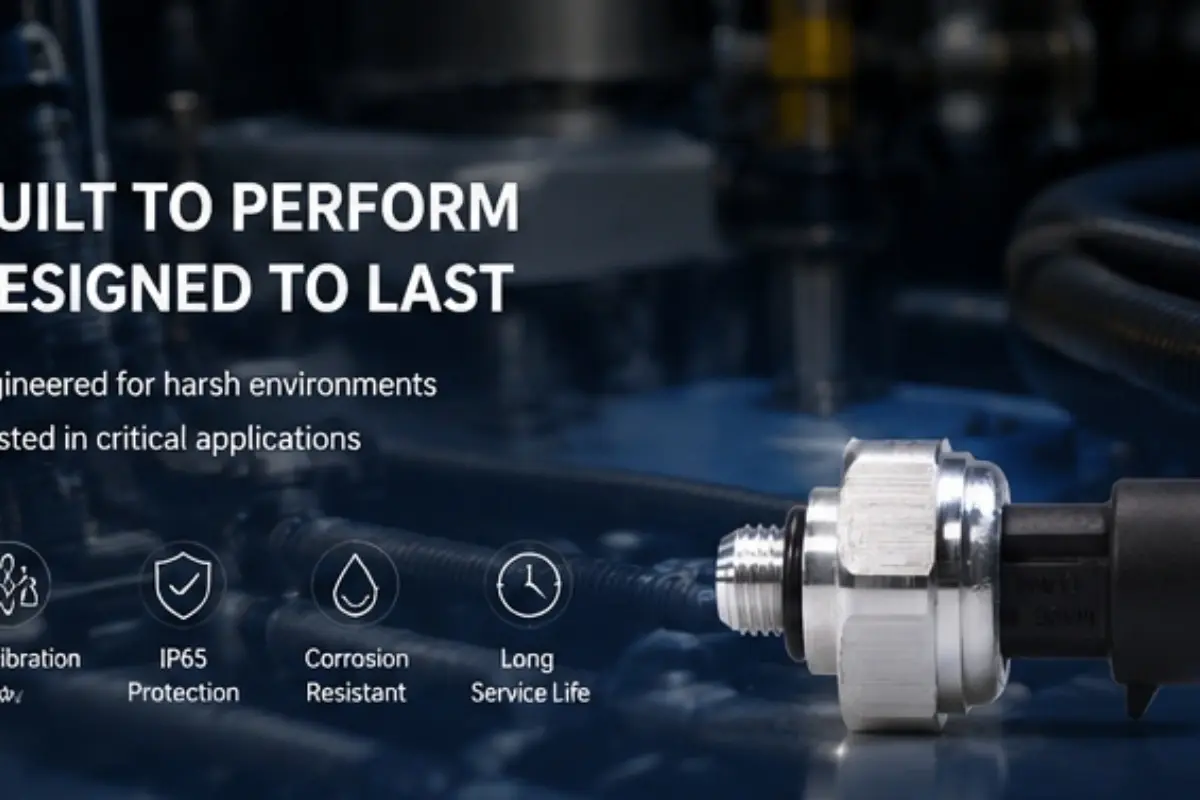
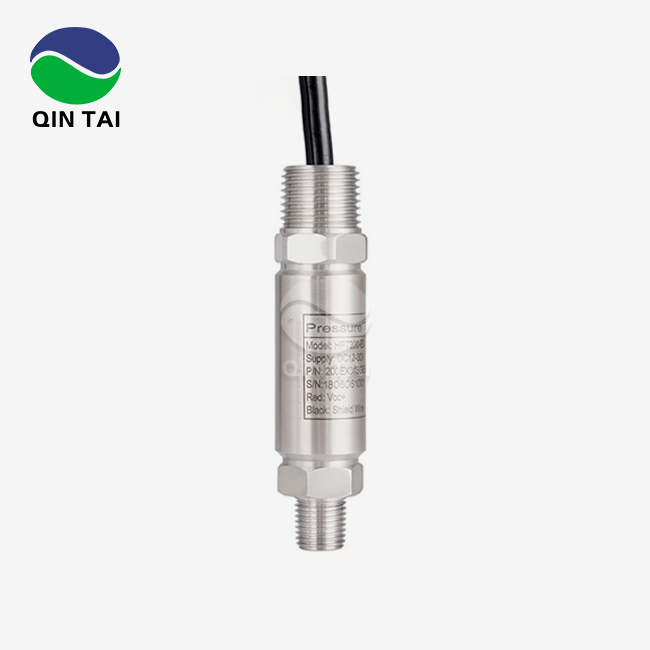
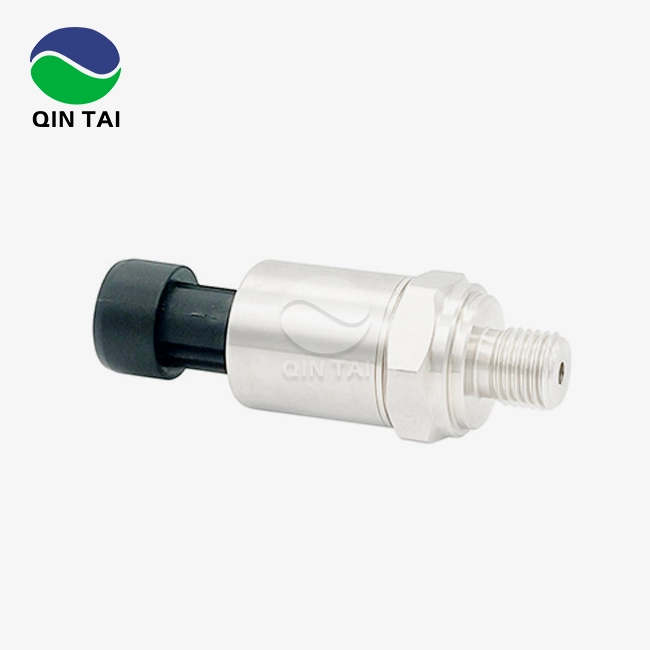
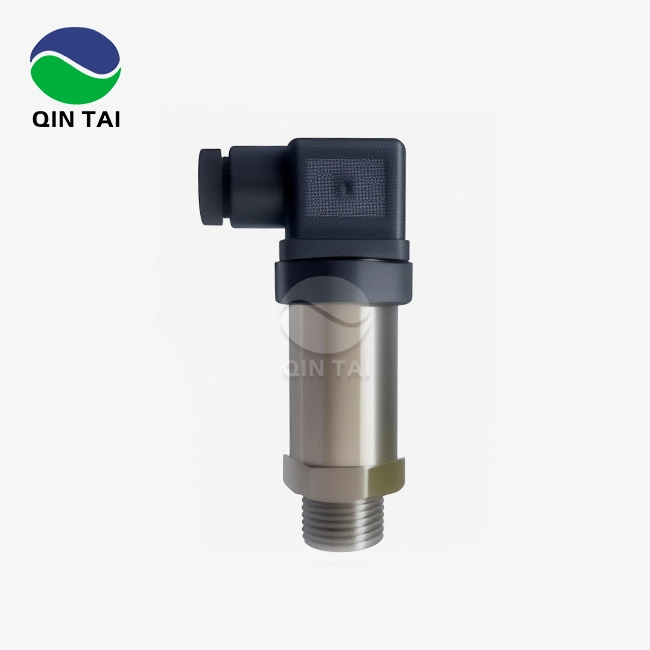
Pressure sensors turn mechanical pressure into electrical signs that tracking systems can understand and use to take action. These devices are different from simple mechanical gauges because they allow for real-time data collection, remote tracking, and automatic control strategies that are necessary for modern industrial operations. There is a difference between pressure sensors and pressure transducers that many people get wrong. Sensors pick up on changes in pressure, while transducers turn that information into standard electrical output signs that can be sent to control systems.
How Pressure Measurement Technologies Differ?
Different types of pressure sensor devices are used for different tasks. Strain gauge sensors are used a lot in industry because they are reliable and don't cost a lot of money. When pressure is put on a diaphragm, these devices measure the tiny changes in shape. They turn mechanical strain into changes in electricity that are related to the strain. The process of measuring works in a logical order: pressure bends the sensing element, strain gauges pick up changes in size, and signal processing hardware turns these changes into standard electrical outputs that can be measured in Pascals or pounds per square inch.
Capacitive sensors work great in situations where steadiness is very important and temperature changes are kept to a minimum. One electrode of a capacitor is a ceramic diaphragm. When pressure is applied, it changes the gap distance to a set electrode, which changes the capacitance in a proportional way. In ongoing monitoring uses, this contactless measurement concept cuts down on mechanical wear, making the device last longer.
Piezoelectric sensors react right away to changes in dynamic pressure. This makes them perfect for checking diesel engine combustion pressure and high-frequency vibration research. But they can't properly measure static pressure, so they can only be used in certain situations. Piezoresistive sensors can respond quickly and measure static pressure, but they usually cost more than strain gauge options.
Application-Specific Performance Requirements
Manufacturers of heavy trucks look for pressure sensor units that can handle steady shaking and changes in temperature while still staying calibrated over long periods of time. Rugged housings that can withstand dust, water, and mechanical pressure are needed for construction equipment. Agricultural equipment needs sensors that work reliably even when they are exposed to chemicals, fertilizers, and big changes in temperature throughout the year. In generator set applications, long-term steadiness without drift is important because recalibration is expensive and causes problems in remote sites.
Aftertreatment systems for diesel engines have very strict standards. Sensors that watch over selective catalytic reduction systems need to be able to keep urea from crystallizing while measuring the difference in pressure across particulate filters correctly. To follow pollution rules, like EPA standards in the US, sensors must be confirmed accurate and have been shown to last for thousands of working hours.
Criteria for Selecting the Right Pressure Sensor (Criteria Screening Approach)
To choose the right pressure sensor, you need to carefully compare their technical specs to the needs of the project. If you hurry through this process, you might make mistakes that cost a lot and only show up after the delivery.
Defining Measurement Specifications
Correct pressure sensor design starts with choosing the right pressure range. To keep sensors from being damaged by overpressure during short-lived events, engineers should figure out the highest pressure that is likely to happen and choose ones that are rated at least 150% of that value. Different uses have different accuracy needs. For example, emission control systems may need ±0.5% full-scale accuracy, while tracking that isn't as important can handle ±2%. Response time is very important in dynamic situations like tracking combustion, where control changes can be made in real time at the millisecond level.
Environmental and Durability Considerations
The operating temperature range has a direct effect on how reliable the pressure sensor is and how accurate the measurements are. Temperatures above 150°C are experienced by sensors that are placed near exhaust systems. This means that high-temperature designs with the right adjustments are needed. Ingress protection ratings show how well a sensor keeps out dust and water. Sensors with an IP67 rating are good for most mobile equipment uses, while sensors with an IP69K rating need to be used in high-pressure washdown settings.
In mobile equipment uses, vibration protection is very important. Diesel engines constantly vibrate, which wears down sensors that weren't properly defined by connecting parts or internal components that break down over time. Sensors that meet automotive standards usually describe their vibration resistance in terms of the frequency range and the amount of the motion.
Chemical affinity is something that can't be ignored. Diesel exhaust gases, urea solutions, hydraulic fluids, or toxic process chemicals are some of the things that can touch sensor diaphragms. Wetted materials made of stainless steel don't react with most industrial fluids. Specialized coatings or rare metals, on the other hand, protect against very strong media.
Balancing Performance and Cost
High-precision pressure sensor models that use modern temperature compensation and digital data processing are more accurate, but they cost more. Applications that need very tight tolerances are worth the extra money, while tracking tasks that aren't as strict can get by with cheaper designs that still work well. The price you pay for something plus the work to set it up, the need for regular maintenance, and the regularity of replacements are all part of the total cost of ownership. Even though they cost less at first, sensors that need to be re-calibrated often or break down quickly end up costing more in the long run.

Matching Pressure Sensor Types to Specific User Needs (Demand Matching Approach)
Different businesses have different working needs that affect the best choice of pressure sensor.
Diesel Engine OEM Requirements
When adding pressure sensor components to production cars, engine makers put regulatory compliance, output scalability, and supply chain reliability at the top of their list of priorities. Sensors must have approvals that show they meet the pollution rules for the areas they are aimed at. The US Environmental Protection Agency has strict rules for on-board diagnostic devices. For example, sensors must be able to show that they are accurate and can find problems.
When sensors are used in big amounts, they need to work the same way every time. Manufacturers with a good reputation use statistical process control to make sure that every sensor meets the requirements without needing to be adjusted individually. This method of making cuts down on the time it takes to set up a production line and gets rid of the need for expensive testing steps after production.
Long-term supply deals keep manufacturers from having to worry about how to keep up with production plans when parts become obsolete. Established sensor suppliers keep their product lines going for as long as a car does, making sure that new parts are always available for warranty and aftermarket repair needs.
Aftertreatment System Integrator Needs
Companies that are making SCR and diesel particulate filter systems need pressure sensor solutions that can be easily integrated. Electrical interface compatibility with current control modules keeps redesigning expensive, and programmable factors let engines run at their best. Digital methods, such as CAN bus, allow for complex diagnosis and planned maintenance. Analog voltage outputs are better for simple tasks.
Product creation cycles are sped up by making technical help easier to get. Quick engineering help solves problems with integration, finds the best places for sensors, and understands measurement data. Fast delivery cuts down on the time needed for sample iterations, which helps keep development plans competitive.
Aftermarket and Repair Channel Priorities
Repair shops and parts wholesalers stress that their pressure sensor products are available when they're needed, have low prices, and can be used in a wide range of situations. Universal sensors that work with a wide range of car types simplify inventory management while expanding market reach. Simple installation steps cut down on the time and training needed for technicians, which increases the revenue of the service department.
Rates of product failure have a direct effect on the cost of warranties and how happy customers are. Reliable sensors in the field cut down on comebacks and protect the names of distributors. When manufacturers back their products with full warranties, it shows that they trust the quality of their goods and protects them financially against flaws.

Automechanika Istanbul 2026 (19-22,May,2026)
We look forward to your visit,warmly welcome to our booth 11A-B117-5!
Get your free ticket online now:
https://www.automechanikaistanbulplus.com/register/en

SENSOR+TEST, June 9 – 11, 2026
We look forward to your visit,warmly welcome to our booth 1-634!
Get your free ticket online now:
https://www.sensor-test.de/service/ticket/?52790
How to Procure Pressure Sensors Efficiently?
Strategic buying practices get good pressure sensor parts at good prices and lower supply risks at the same time.
Evaluating Supplier Capabilities
Manufacturers who offer full certificates show that they are dedicated to quality management and following the rules. ISO 9001 certification means that quality systems have been in place for a while, while IATF 16949 covers the needs of the automotive industry in particular, covering things like the approval process for production parts and the principles of continuous growth. Product safety approvals, such as UL and CE, show that a product meets the electrical safety and electromagnetic compatibility standards in the market it is intended for.
Intellectual property portfolios show how innovative a company is and how deep its technical knowledge is. When companies spend money on research and development, they protect new discoveries by applying for patents. This shows that they are stars in technology and that their products are always getting better. Since they started in 2001, companies like Qintai have built up large patent portfolios. For example, their 58 idea patents show that they are always coming up with new pressure sensor technologies.
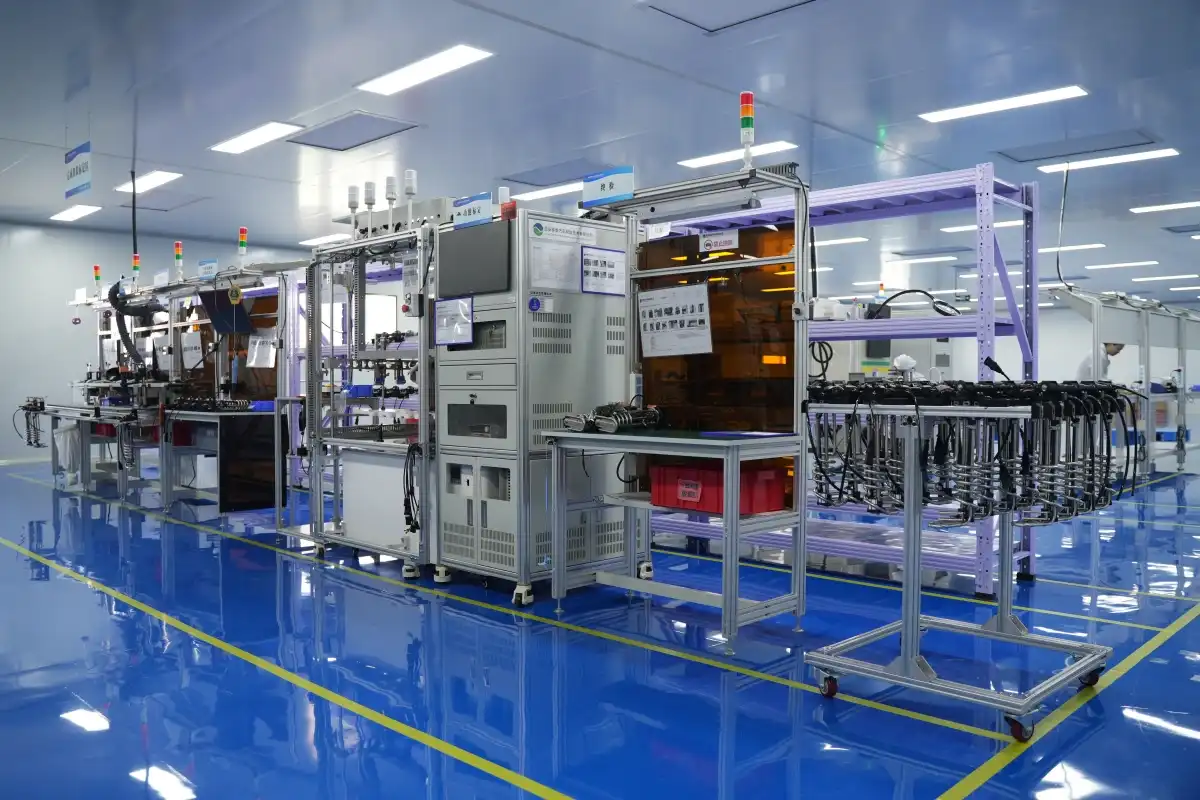
Assessing production ability keeps supplies from being interrupted when demand goes up. Tier-one suppliers to big engine makers have shown they can increase production while keeping quality standards high. You can be sure that a seller will be able to meet number promises by looking at customer references and the capabilities of the production site.
Negotiating Favorable Terms
Volume purchasing deals use the buying power of many people to get better pressure sensor prices. When you commit to annual volumes, you can often unlock tiered price systems that lower the cost per unit by a large amount. When you use blanket buy orders with scheduled releases, you can balance the costs of keeping inventory with volume discounts and make sure that the supply of parts fits the schedule for production.
Technical risk is kept to a minimum by asking for samples to be tested for quality before placing big orders. Full tests should be done to make sure that the measurements are accurate, that the system can handle the surroundings, and that it works with other systems in real-life situations. Putting money into approval testing keeps systems from not working together and failing in the field, which can be very expensive.
Warranty terms and return policies protect against problems with the way the product was made and changes to the specifications. Making clear records of the length of the warranty, the steps for analyzing failures, and the logistics of replacements sets standards and speeds up the settlement of quality issues.
Maintaining Pressure Sensor Accuracy and Longevity
Disciplined upkeep methods extend the life of pressure sensor units and keep their measurement accuracy.
Calibration Protocols and Schedules
Regular testing makes sure that pressure sensor measurements stay accurate even as parts age and are exposed to the environment. For important uses, like pollution tracking systems, calibration must be done once a year against NIST-traceable standards. For less important uses, the time between calibrations can be extended to 24 or 36 months. Keeping testing records shows that you are following quality control systems and government rules.
During calibration, the output of the sensor is compared to precise reference standards that cover the whole measurement range. Deviations that are too big for what is acceptable cause the sensor to be adjusted or replaced. Field calibration is easier with digital sensors that have adjustable offsets than with traditional sensors, which may need to be physically adjusted or replaced.
Preventive Maintenance Best Practices
Regular inspections find pressure sensor problems before they get bad enough to cause crashes. Physical harm, corrosion, or link degradation can be seen with the naked eye. Electrical testing makes sure that the source power, output signal quality, and insulation resistance are all correct. Inspection of the pressure port gets rid of any buildup of junk that might get in the way of measurements or hurt sensing elements.
Using the right installation methods keeps things from breaking down too soon. If you mount sensors in the way that the maker suggests, fluids or air won't get trapped and affect the accuracy. Specifications for torque keep mechanical stress harm from happening during fitting. For electrical connections to work, they need to be properly sealed to keep water out and have safe strain relief to keep wires from wearing out.
Protecting the environment makes things last longer in difficult situations. Coverings called protective boots keep connections dry and clean. Choosing the right place to mount something reduces its exposure to high temperatures, direct spray, and mechanical contact. Corrosive deposits can be removed before they damage the sensor by cleaning it regularly.
Conclusion
In order to choose the best pressure sensor for your needs, you have to weigh technical features, environmental demands, legal requirements, and cost. Heavy machinery, diesel engine systems, and parts for aftertreatment all work in tough conditions that need sensors that are reliable and accurate. Making smart choices means carefully looking at the measurement needs, sensor technologies, provider abilities, and total ownership costs in a planned way. Working with experienced makers who offer full technical help, proven product quality, and easy customization speeds up the success of a project. Maintenance and calibration procedures that are followed to the letter protect your investment in key sensing infrastructure and keep it working well over time.
FAQ
Q1: What distinguishes pressure sensors from pressure transducers?
A: Pressure sensors notice changes in pressure and send electrical signals. Pressure transducers, on the other hand, take measurements of pressure and turn them into standard transmission signals, such as 4-20mA current loops, that can be sent to control systems over long distances. Transducer properly refers to the whole signal conditioning and output stage, but the words are often used to refer to the same thing.
Q2: How frequently should industrial pressure sensors be calibrated?
A: Pressure sensor calibration frequency relies on how important the application is, how it is used, and any rules or regulations that apply. For certification purposes, emission control systems usually need to be calibrated once a year. For general industry tracking, this can go up to 24 months. In harsh working conditions with high temperatures or toxic materials, proof may need to be done more often.
Q3:Can pressure sensors withstand the demands of automotive and aerospace applications?
A: Automotive-grade pressure sensor units experience thorough approval testing including temperature cycling, vibration resistance, and electromagnetic compatibility proof. Sensors that meet IATF 16949 standards show that they can be used in the production of cars. Even stricter rules apply to aerospace uses, which usually need specialized designs with a lot of paperwork and traceability.
Partner with Qintai for Reliable Pressure Sensor Solutions
Choosing tested pressure sensor technology from a well-known manufacturer will protect your investment and speed up the project timeline. Qintai Automotive Emission Technology Co., Ltd. has more than 20 years of experience in industry sensors and systems that clean diesel engines. Our many certificates, such as ISO 9001, IATF 16949, and REACH, show that we are firmly committed to quality and following all rules. We know the high standards that diesel engine uses need because we are the main OEM provider to Weichai Power, Yuchai Power, and Quanchai Power. Our independent research and development team is always coming up with new ideas to keep up with changing performance and emission rules.
We offer flexible customization to meet the needs of your unique purpose, from making prototypes to mass production. Our research team is here to help you with any technical questions you have throughout the whole project, whether you need sensors for heavy trucks, building equipment, farm equipment, or generator sets. Email us at info@qt-sensor.com right now to talk about your pressure sensor needs and get samples that show how good our quality and performance are. You can see all of our products at qt-sensor.com. We serve people in more than 60 countries around the world.
References
1. Webster, J. G., & Eren, H. (2014). Measurement, Instrumentation, and Sensors Handbook: Spatial, Mechanical, Thermal, and Radiation Measurement (2nd ed.). CRC Press.
2. Bao, M. H. (2012). Analysis and Design Principles of MEMS Devices. Elsevier Science.
3. Fraden, J. (2016). Handbook of Modern Sensors: Physics, Designs, and Applications (5th ed.). Springer International Publishing.
4. Pallas-Areny, R., & Webster, J. G. (2001). Sensors and Signal Conditioning (2nd ed.). John Wiley & Sons.
5. Wilson, J. S. (2005). Sensor Technology Handbook. Newnes.
6. Norton, H. N. (1989). Handbook of Transducers. Prentice Hall.

Our customers’ satisfaction speaks for our quality — contact us to experience the same reliable service.