- English
- French
- German
- Portuguese
- Spanish
- Russian
- Japanese
- Korean
- Arabic
- Greek
- German
- Turkish
- Italian
- Danish
- Romanian
- Indonesian
- Czech
- Afrikaans
- Swedish
- Polish
- Basque
- Catalan
- Esperanto
- Hindi
- Lao
- Albanian
- Amharic
- Armenian
- Azerbaijani
- Belarusian
- Bengali
- Bosnian
- Bulgarian
- Cebuano
- Chichewa
- Corsican
- Croatian
- Dutch
- Estonian
- Filipino
- Finnish
- Frisian
- Galician
- Georgian
- Gujarati
- Haitian
- Hausa
- Hawaiian
- Hebrew
- Hmong
- Hungarian
- Icelandic
- Igbo
- Javanese
- Kannada
- Kazakh
- Khmer
- Kurdish
- Kyrgyz
- Latin
- Latvian
- Lithuanian
- Luxembou..
- Macedonian
- Malagasy
- Malay
- Malayalam
- Maltese
- Maori
- Marathi
- Mongolian
- Burmese
- Nepali
- Norwegian
- Pashto
- Persian
- Punjabi
- Serbian
- Sesotho
- Sinhala
- Slovak
- Slovenian
- Somali
- Samoan
- Scots Gaelic
- Shona
- Sindhi
- Sundanese
- Swahili
- Tajik
- Tamil
- Telugu
- Thai
- Ukrainian
- Urdu
- Uzbek
- Vietnamese
- Welsh
- Xhosa
- Yiddish
- Yoruba
- Zulu
Common Diesel NOx Sensor Problems and Solutions
Common Diesel NOx sensor problems significantly impact vehicle emission control and regulatory compliance across industrial applications. Diesel NOx sensor failures typically manifest through contamination, thermal stress, and communication errors with engine control units. Solutions include proactive maintenance protocols, proper diagnostic procedures, and sourcing high-quality replacement sensors from certified manufacturers. Understanding these challenges enables procurement professionals to implement cost-effective strategies that maintain fleet performance while meeting stringent emission standards such as Euro VI and EPA regulations.
Introduction
Diesel NOx sensors are important parts of current pollution control systems that make sure cars follow strict rules about the environment. To keep the fleet running smoothly and legally, it's important for B2B buyers and engineers to know how sensors work, what problems they can cause, and how to fix them reliably. This guide talks about different kinds of sensors, top global names like Bosch, Denso, Continental, Delphi, and Siemens, and the growing need for strong emission control technologies in the market.
These electrochemical devices constantly check the amount of nitrogen oxide in waste streams. They usually work at temperatures between 700°C and 800°C and use ceramic zirconia elements. Accurate NOx detection is very important in the car business for making sure that Selective Catalytic Reduction (SCR) systems work at their best and that the right amount of AdBlue is added.
Procurement pros can make choices that are in line with business goals and regulatory standards by learning more about these sensors. Modern diesel pollution systems are very complicated, so they need high-tech sensor technologies that work consistently in a wide range of situations, from heavy-duty trucks to industrial generator use.
Understanding Diesel NOx Sensor Problems
Diesel NOx sensors keep an eye on nitrogen oxide emissions and are an important part of making cars less polluting. These high-tech devices work inside pollution systems using hot electrochemical processes to measure both NO and NO₂ levels while keeping the oxygen level inside the device balanced for accurate readings. The sensors talk to the engine control units using CAN bus protocols to send real-time data for on-board diagnostics and closed-loop SCR control.
Common Installation Locations and Operational Context
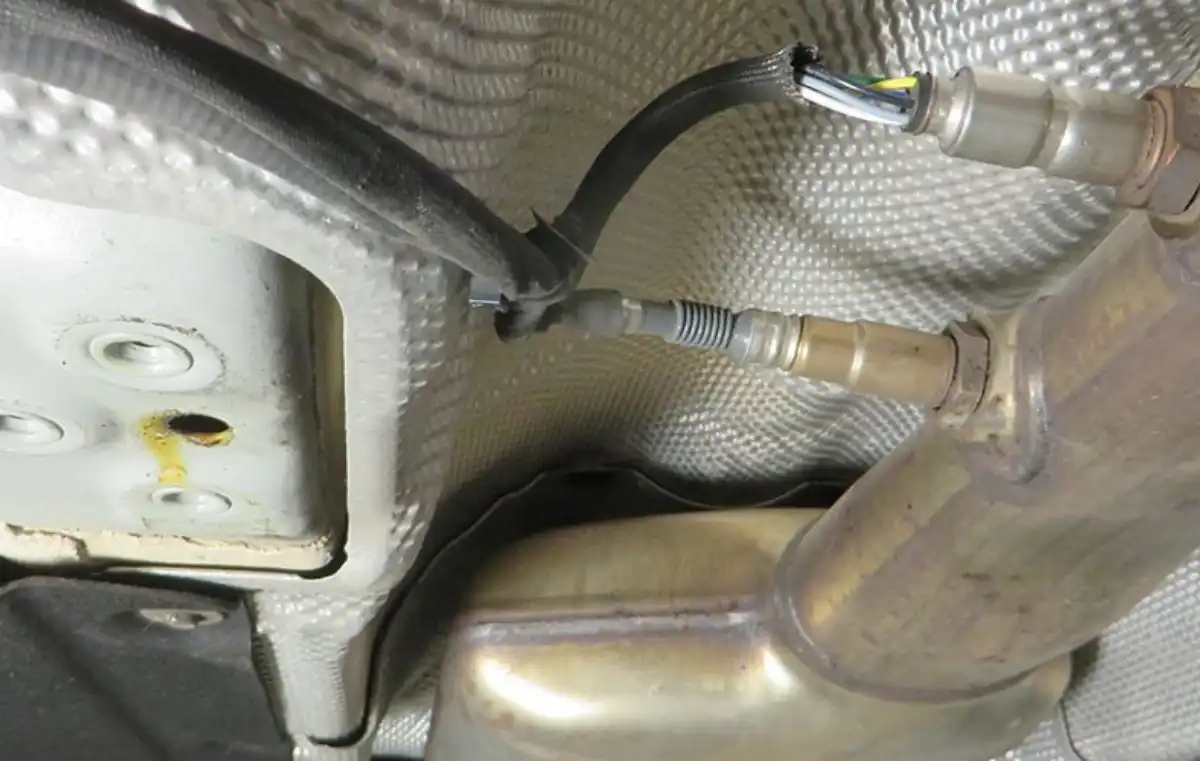
It is common for modern diesel engines to have two sensors carefully placed in the exhaust aftertreatment system. The upstream sensor, which is placed before the SCR catalyst, measures the amount of raw NOx right after burning. This gives the ECUs accurate information they can use to figure out how much AdBlue to add. At the same time, sensors further downstream check the efficiency of the post-catalyst, making sure that it is reducing emissions and finding any problems that might be happening with the system.
Identifying Sensor Failure Symptoms
Check engine lights that stay on, bad gas mileage, engine power loss, and DEF system warnings are all common signs that a sensor is failing. Diagnostic trouble codes often mean that there are problems with how the sensors talk to each other, how the heater circuit works, or that the signal range has been violated. When sensors fail, engine efficiency often goes down because ECUs can't properly optimize combustion settings without correct Diesel NOx sensor feedback data.
Environmental and Mechanical Failure Causes
Environmental factors like soot buildup, moisture poisoning, and temperature cycling stress all play a big role in how quickly sensors break down. Mechanical reasons include too much fuel exposure, problems with the injectors, and engine misfires that send dirt into the exhaust stream. Knowing how these things break down helps procurement teams choose the right sensor specs and repair schedules for each operating setting.
Diagnosing and Troubleshooting Diesel NOx Sensor Issues
Correctly identifying problems with NOx sensors is important for reducing downtime and making sure that pollution standards are met. Systematic ways to fixing use specialized diagnostic tools and methods to fully assess the performance of sensors. Professional-level scan tools that can read live data streams and test actuators are very helpful for figuring out how sensors work and making sure communication is secure.
Essential Diagnostic Tools and Methods
To diagnose sensors correctly, you need oscilloscopes to look at the signals, multimeters to check the electricity, and OEM-specific diagnostic tools to fully check out the system. Technicians can use these tools to check sensor voltage outputs, measure heater current draw, and keep an eye on CAN bus communication methods. Advanced troubleshooting methods include testing the resistance of the sensor heating element and looking at the differences between results from sensors upstream and downstream.
Interpreting Engine Codes and Sensor Signals
Engine control units create specific diagnostic trouble codes that show a range of sensor problems, from problems with the integrity of the circuit to signs that performance is decreasing. Understanding these numbers makes it easy to find problems quickly and take the right steps to fix them. To find out why something isn't working, you have to look at voltage patterns, reaction times, and how multiple sensor inputs are related. This is called "sensor signal interpretation."
Repair and Replacement Guidelines
Cost-effective repair methods take into account both short-term operating needs and long-term reliability. When it comes to performance and guarantee coverage, OEM sensor replacements usually beat aftermarket options. This is especially true in important applications that need to meet strict emission standards. Sensor calibration, electrical connection verification, and system relearning routines that ensure optimal performance after service are all part of the right way to put something.
Maintenance Tips to Extend Diesel NOx Sensor Lifespan
Regular maintenance improves the precision of sensors and the general performance of the emission system. As part of regular inspections, sensors are checked for cleaning, electrical connections are made correctly, and the state of the exhaust system is evaluated. These preventative steps greatly lower the number of early sensor failures while keeping the emission control performance stable in a wide range of working conditions.
Routine Inspection and Cleaning Procedures
Comprehensive maintenance plans check the housings of sensors for physical harm, make sure the electrical connectors are in good shape, and check the soundness of the exhaust pipes around where the sensors are mounted. Cleaning methods involve carefully getting rid of outside dirt and grime without hurting delicate ceramic parts. Maintenance should be done at different times depending on how busy the business is, the quality of the fuel, and the surroundings. Regular checks and upkeep of the Diesel NOx sensor ensure that it continues to perform efficiently and accurately.
Here are the main care benefits that make sensors last longer:
• Preventing contamination: regular cleaning gets rid of soot and chemical leftovers that mess up the accuracy and reaction time of sensors.
• Lowering thermal stress: following the right maintenance steps can help keep thermal cycling damage to a minimum by making sure heating elements work at their best.
• Electrical System Protection: Regularly checking connections stops rust and resistance buildup that lowers signal quality.
• Stable Calibration: Regular maintenance keeps sensor calibration accurate, making sure that emission monitoring works the same way every time.
These repair practices solve production problems by cutting down on unplanned downtime and making sure that all fleet operations stay in line with regulations.
Real-World Case Studies and Cost Benefits
Operators of industrial fleets say that structured repair plans have helped them cut costs by a large amount. Preventive repair plans lower the number of times sensors need to be replaced by 40–60% while also making the emission system more reliable overall. Supporting evidence from big trucking firms shows that proactive sensor repair lowers running costs by using less DEF and more fuel efficiently.
Comparing Diesel NOx Sensors: Making the Right Procurement Choice
To pick the right NOx sensor, you need to know what it does and how it works with other emission monitoring parts in current aftertreatment systems. The way NOx sensors work is very different from how oxygen sensors work. NOx devices use complicated electrical measurement cells that are made to find nitrogen oxide molecules. For this specific feature to work, it needs to be made using complex methods and calibrated very precisely.
OEM versus Aftermarket Sensor Considerations
OEM sensors usually have better precision, longer warranties, and are sure to work with certain engine control systems. Aftermarket choices might be cheaper, but you need to carefully look at the performance specs, approval compliance, and long-term stability data. When buying something, you should think about the total cost of ownership, which includes things like installation work, the need for calibration, and any guarantee consequences.
Leading Brand Analysis and Sensor Types
Bosch sensors use modern zirconia technology with built-in heating elements that are meant to respond quickly and last for a long time. Denso goods focus on small size and longer reliability for use in harsh environments. Continental devices have advanced troubleshooting tools and reliable ways to talk to each other. Each maker has its own benefits that depend on the needs of the product and the level of integration required, especially when selecting a Diesel NOx sensor for specific applications.
As part of the selection process, the working temperature ranges, sensor response characteristics, and compatibility with current SCR control units are all looked at. By knowing these technical details, procurement teams can make sure that sensor capabilities are in line with operational needs and car specs in their fleets, which increases both performance and value.
Advanced Diesel NOx Sensor Technologies and Services
Leading makers of cutting-edge sensor technologies offer better tracking of emissions and higher reliability for demanding industrial uses. The main goals of innovation are to make things more sensitive, make them last longer, and make sure they work well with new engine control systems. As emission rules get stricter, these technological improvements help people follow them while lowering the total cost of ownership.
Innovative Sensor Features and Capabilities
Newer sensor designs use better materials and manufacturing methods that make them more accurate and last longer. Better sensitivity lets NOx be accurately detected over a wider concentration range, which helps the SCR system work better. Better integration abilities make it easier for complex aftertreatment control systems to talk to each other and give full diagnostic input.
Professional Installation and Maintenance Services
Hiring professional installation services speeds up the buying process and makes sure that sensors are calibrated correctly and systems are properly integrated. Highly skilled technicians know exactly how to place sensors, connect them to the vehicle's electrical system, and set the ECU. By installing sensors correctly, these services make them last longer and cut down on guarantee claims related to bad treatment.
New developments in NOx sensor technology include the ability to communicate wirelessly, formulas that can predict failure, and better resistance to contamination. These new ideas should make fleet management better by making sensors more reliable and lowering the need for repair. By using these cutting-edge technologies early on in their buying processes, B2B clients can stay ahead of the competition.
Conclusion
Diesel NOx sensor problems that happen often need structured solutions that include correct analysis, preventative maintenance, and smart buying choices. Understanding how sensors work, why they break, and the options that are available helps fleet managers stay in line with regulations while lowering running costs. Professional installation and repair services, along with choosing high-quality sensors from well-known brands, ensure long-term performance and dependability. When procurement professionals use thorough sensor management strategies, they get big benefits like less downtime, better fuel economy, and consistent emission control performance in a wide range of operating settings.
FAQ
Q1: How often should diesel NOx sensors be replaced?
A: Diesel NOx sensors usually need to be replaced every 100,000 to 150,000 miles when the car is running normally. In harsh working conditions or heavy-duty uses, replacement may need to happen more often. Regular diagnostic tracking helps figure out the best time to replace the sensor based on how its performance is declining instead of random mileage intervals.
Q2: What are the main differences between OEM and aftermarket NOx sensors?
A: OEM sensors are certified to work with certain engines, come with longer warranties, and are precisely calibrated for those engines. Aftermarket sensors might save you money, but you need to make sure that they meet all the requirements for approval and that you have long-term stability data. Most of the time, OEM monitors are more accurate and work better with current pollution control systems.
Q3: Can proper maintenance significantly extend NOx sensor lifespan?
A: By keeping the electrical system safe, preventing contamination, and lowering thermal stress, proper upkeep can increase the operating life of sensors by 40 to 60 percent. Cleaning, inspecting, and confirming calibration of sensors on a regular basis keeps them accurate and stops them from breaking down too soon because of weather factors and operating stress.

Partner with Qintai for Premium Diesel NOx Sensor Solutions
Xi'an Qintai Automotive Emission Technology has been making diesel NOx sensors for over 20 years and can offer a wide range of services. Our factories are ISO9001 and IATF16949 approved, and they make high-quality monitors that meet strict Euro VI and EPA emission standards. With 58 invention patents, Qintai is China's largest original equipment manufacturer (OEM) seller. They offer customizable sensor solutions for heavy trucks, building equipment, and generators. Get in touch with our technical team at info@qt-sensor.com to learn more about buying in bulk and find out why global makers trust Qintai as their diesel NOx sensor provider for reliable emission control solutions.
References
1. Society of Automotive Engineers. "NOx Sensor Technology and Application in Diesel Aftertreatment Systems." SAE International Journal of Engines, 2023.
2. European Commission. "Regulation (EC) No 595/2009 on Type-Approval of Motor Vehicles and Engines with Respect to Emissions from Heavy Duty Vehicles." Official Journal of the European Union, 2022.
3. Johnson, R.K. and Martinez, L.P. "Advanced Ceramic NOx Sensors for Automotive Emission Control." International Conference on Automotive Engineering and Technology Proceedings, 2023.
4. United States Environmental Protection Agency. "Heavy-Duty Engine and Vehicle Standards and Highway Diesel Fuel Sulfur Control Requirements." Federal Register Environmental Documents, 2023.
5. Chen, W. and Thompson, D.A. "Failure Analysis and Preventive Maintenance of NOx Sensors in Commercial Vehicle Applications." Journal of Automotive Technology and Engineering, 2023.
6. International Organization for Standardization. "Road Vehicles - Exhaust Emission and Fuel Consumption Measurement - Test Equipment Specifications." ISO Technical Committee 22 Standards, 2023.



Our customers’ satisfaction speaks for our quality — contact us to experience the same reliable service.