- English
- French
- German
- Portuguese
- Spanish
- Russian
- Japanese
- Korean
- Arabic
- Greek
- German
- Turkish
- Italian
- Danish
- Romanian
- Indonesian
- Czech
- Afrikaans
- Swedish
- Polish
- Basque
- Catalan
- Esperanto
- Hindi
- Lao
- Albanian
- Amharic
- Armenian
- Azerbaijani
- Belarusian
- Bengali
- Bosnian
- Bulgarian
- Cebuano
- Chichewa
- Corsican
- Croatian
- Dutch
- Estonian
- Filipino
- Finnish
- Frisian
- Galician
- Georgian
- Gujarati
- Haitian
- Hausa
- Hawaiian
- Hebrew
- Hmong
- Hungarian
- Icelandic
- Igbo
- Javanese
- Kannada
- Kazakh
- Khmer
- Kurdish
- Kyrgyz
- Latin
- Latvian
- Lithuanian
- Luxembou..
- Macedonian
- Malagasy
- Malay
- Malayalam
- Maltese
- Maori
- Marathi
- Mongolian
- Burmese
- Nepali
- Norwegian
- Pashto
- Persian
- Punjabi
- Serbian
- Sesotho
- Sinhala
- Slovak
- Slovenian
- Somali
- Samoan
- Scots Gaelic
- Shona
- Sindhi
- Sundanese
- Swahili
- Tajik
- Tamil
- Telugu
- Thai
- Ukrainian
- Urdu
- Uzbek
- Vietnamese
- Welsh
- Xhosa
- Yiddish
- Yoruba
- Zulu
How NOx Sensors Help Meet Euro 6 Emission Standards
NOx emission sensors play a fundamental role in achieving Euro 6 compliance by continuously monitoring nitrogen oxide concentrations in diesel exhaust systems. These sophisticated devices enable precise control of Selective Catalytic Reduction (SCR) systems, ensuring optimal urea injection rates and maintaining emission levels within regulatory thresholds. Modern NOx emission sensor technology provides real-time feedback to Engine Control Units (ECUs), allowing diesel engines to operate efficiently while meeting stringent environmental standards required across European markets.
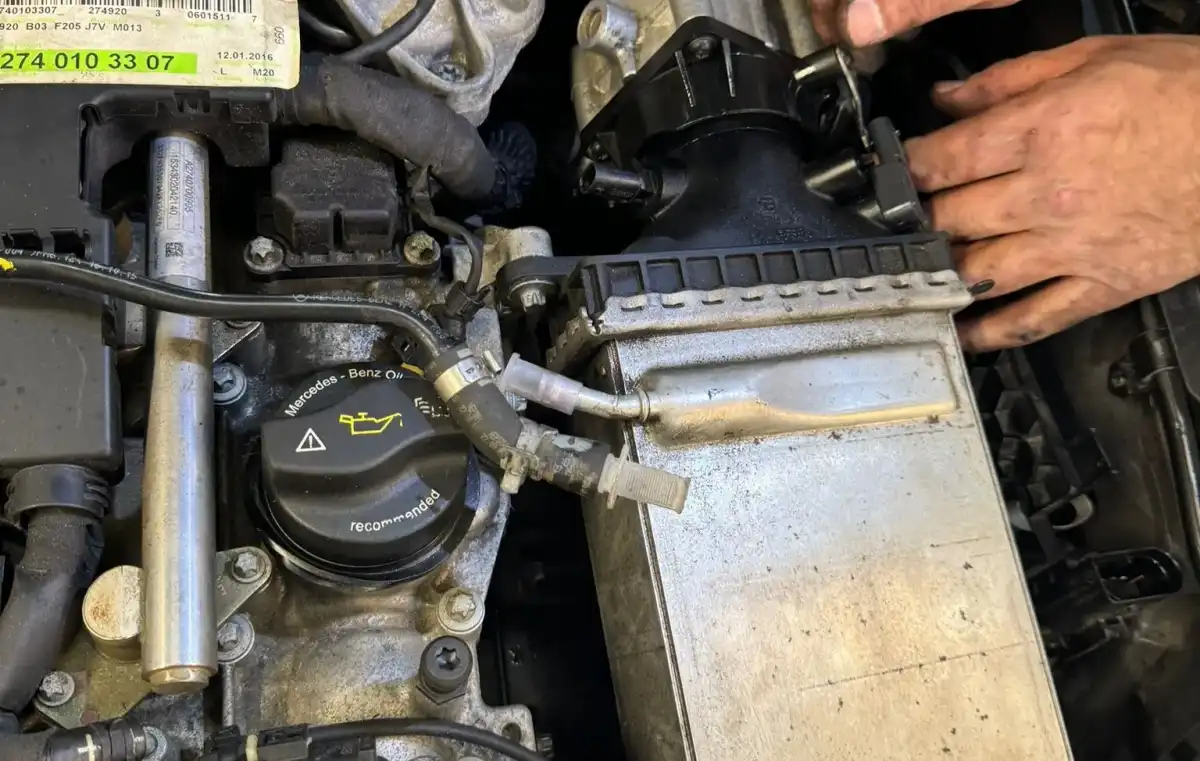
Understanding NOx Sensors and Their Role in Complying with Euro 6
The Euro 6 emission standards are the strictest pollution controls ever put in place for cars in Europe. They require diesel vehicles to cut their nitrogen oxide emissions by a large amount. The rules say that NOx pollution must stay below 80 mg/km for passenger cars and 400 mg/kWh for heavy-duty vehicles. This makes things very hard for companies that make engines and systems that treat exhaust.
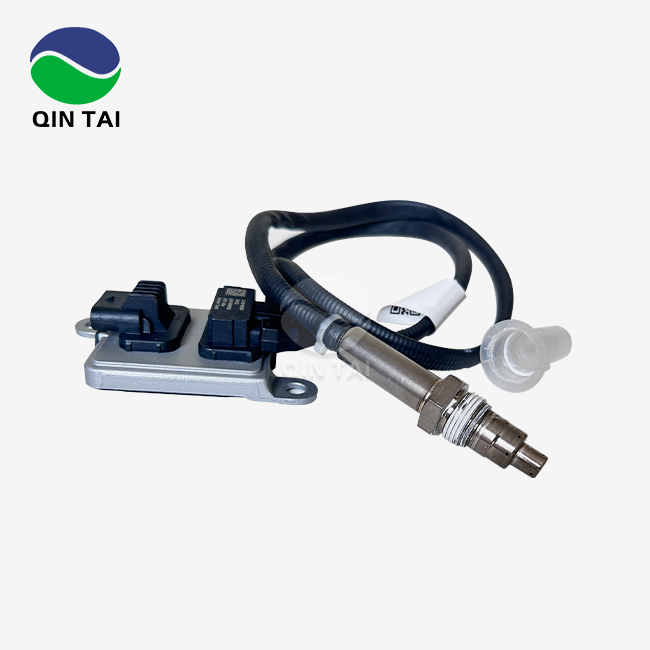
NOx sensors use zirconia-based solid electrolyte technology to correctly measure nitrogen oxide levels. They work by using electrochemical detection principles. The sensor has several chambers where exhaust gases mix with oxygen ions in a controlled way. This creates voltage signs that are related to the amount of NOx in the air. NOx sensors are different from regular lambda sensors, which can only measure oxygen levels, because they use an electrochemical process.
There is a reference electrode, a measurement electrode, and a heated element inside the sensor that keeps the best working temperatures between 650°C and 850°C. Nitrogen oxides react with oxygen ions on the electrode surface when exhaust fumes enter the sensor chamber. This creates measured electrical currents that the Engine Control Unit reads as concentration values.
To meet Euro 6 standards, most modern diesel cars have two NOx sensor setups. The upstream sensor checks the raw pollution from the engine and sends information to the SCR system control algorithms. The sensor further downstream checks the amount of NOx after the catalyst, which allows closed-loop feedback control and On-Board Diagnostics (OBD) tracking.
SCR systems use NOx sensor data to figure out the exact amount of urea to pump, which lowers the amount of AdBlue needed while still meeting pollution standards. The sensors talk to the ECUs using Controller Area Network (CAN) protocols, sending concentration data, temperature readings, and diagnostic state data in real time.
Different types of NOx sensors are used in Euro 6 uses, and each one is made to meet specific operating needs. Wideband NOx sensors are more accurate over a wide range of concentrations, while narrowband sensors are more cost-effective for less difficult tasks. Modern sensors have built-in tests that can instantly find internal problems and changes in calibration.
Different makers use different communication methods. For better dependability and diagnostics, most current sensors use digital CAN bus interfaces. Analog voltage outputs are still used by some old systems, but they are being used less and less in new Euro 6 systems.
Key Benefits of NOx Emission Sensors for Commercial and Passenger Vehicles
NOx sensors have a lot of benefits that go beyond just following the rules. They help make operations more efficient and cut costs in both industrial and passenger car settings. These benefits last for the whole lifetime of the car, from the time it is first used until it is replaced, especially when using a high-quality NOx emission sensor.
Accurate NOx testing makes sure that cars always meet Euro 6 pollution standards for as long as they are used. Overages that could lead to fines or car recalls are stopped by real-time tracking, which protects manufacturers from huge financial losses. The sensors allow exact control of the SCR system, which keeps emissions in line even as engine parts age and performance changes.
Optimizing SCR operation lowers total pollutant output while keeping engine performance, which has benefits for the environment that go beyond instant compliance. This double benefit helps companies with their environmental efforts and meets their legal responsibilities at the same time.
Through better combustion control techniques, NOx sensors help improve fuel economy. The sensors give correct information about emissions, which lets the ECUs change the time of injections, boost pressure, and EGR rates to get the most out of the engine. Compared to open-loop methods, this closed-loop control usually saves 2 to 4 percent of fuel.
The sensors can also work with more complex engine calibration methods that balance pollution, speed, and economy. Real-time NOx data lets engineers use aggressive burning tactics that don't break pollution rules. This increases power output and fuel economy.
Modern NOx sensors have advanced monitoring features that make vehicles more useful and lower the cost of upkeep. Self-monitoring features built in find sensor wear, contamination, and electricity problems before they affect how well the system works. Finding faults early stops sudden breakdowns that could lead to expensive downtime or fixes that need to be done right away.
Diagnostic data from NOx sensors also tells us a lot about the health of the SCR catalyst and how well the urea injector is working. By keeping an eye on conversion efficiency trends, you can use forecast maintenance plans to find the best times to change parts and keep operations running smoothly.
Choosing the Right NOx Sensor for Euro 6 Compliance – A Decision Support Framework
To choose the right NOx sensors, you need to carefully look at their technical specs, the supplier's skills, and the need for long-term assistance. When making purchases, people need to make sure that they're balancing performance needs with cost concerns and making sure that they have solid supply chain partnerships.
Different types of vehicles put different demands on the performance and longevity of NOx sensors. Heavy-duty industrial cars need sensors that can handle changes in temperature, vibration, and exhaust gas pollution. For passenger cars, it's important to have quick reaction times and low power consumption while still being accurate in a variety of operating situations.
Generator sets and building tools are examples of industrial uses that need very high durability and long-term stability. These uses usually happen in hard conditions and for long periods of time, so they need sensors that are made to be reliable in industrial settings.
On the market for NOx sensors, there are a number of well-known companies that have a track record of meeting Euro 6 standards. When it comes to products, big foreign names have wide ranges that can be used in cars, trucks, and factories, including advanced NOx emission sensor solutions. When choosing a seller, you should look at things like their expert help, manufacturing quality certifications, and global service networks.
Supplier relationships should include more than just buying parts. They should also include professional collaboration, application engineering help, and alignment of the long-term product plan. Suppliers that have been around for a while usually have better warranty terms, faster technical help response times, and more complete documentation sets.
The most important performance factor is the accuracy of the sensor. For Euro 6 compliance, measurement accuracy must be within ±10% across all working areas. Response time has a big effect on the quality of SCR control. Faster sensors allow for more accurate doses of urea and better control of emissions.
Temperature stability makes sure that the product works the same way in all kinds of conditions, and shaking resistance keeps it from breaking down too soon in tough situations. Electrical compatibility with current ECU ports makes integration easier and lowers the cost of development.
Installation, Calibration, and Maintenance Guide for NOx Sensors
For NOx sensors to work well and last a long time, they need to be installed, calibrated, and maintained correctly. Following the manufacturer's instructions will ensure exact readings, compliance with regulations, and the longest possible life for the sensor.
Where you put a NOx sensor has a big effect on how accurate your measurements are and how long the sensor lasts. Upstream sensors should be put in areas of the exhaust flow where there is little movement and the gas is mixed evenly. Thermal shock can be avoided by keeping the sensor far enough away from the engine's exhaust ports and placing it in the right way to get the most gas exposure.
To keep electrical connections from failing because of water or pressure, they need to be carefully inspected. To keep the signal's integrity and stop electromagnetic interference, use connections and routing methods that were recommended by the maker. In situations where temperatures are very high, protective caps and heat shields may be needed.
When new NOx sensors are first turned on, they usually need to be calibrated to set their basic performance characteristics. Calibration methods vary from manufacturer to manufacturer, but in general, sensors are exposed to known gas amounts and ECU settings are changed to match. Some more modern sensors can self-calibrate, which makes placement easier and cuts down on the time needed for commissioning.
Regular calibration checks make sure that the accuracy of the sensor stays high over its lifetime. Portable gas analyzers can compare sensor results to well-known standards to find drift or decline before it affects compliance. Calibration intervals rely on how hard the application is and what the maker suggests.
Preventive maintenance keeps NOx sensors working well and increases their lives. Visual checks done on a regular basis can find physical harm, contamination, or corrosion in connectors that could affect performance. Electrical testing makes sure that the heater works right and that the data output is correct.
Replacement times depend a lot on the function and the quality of the sensor. Sensors in commercial vehicles may need to be replaced every 200,000 to 400,000 miles, but sensors in private cars usually last longer than 150,000 miles. Condition-based replacement strategies that cut costs while keeping reliability are possible by keeping an eye on diagnostic trouble codes and performance trends, particularly with NOx emission sensor monitoring.
Future Trends and Innovations in NOx Sensor Technology for Emission Control
New technologies keep making NOx sensors better, which helps meet changing government rules and operating needs. These new ideas focus on making things more accurate, lasting longer, and connecting in ways that work with current car designs.
Next-generation NOx sensors have better electrode materials and protective layers that make them last longer and be less likely to get contaminated. Advanced ceramic surfaces offer better protection to thermal shock, and improved electrode formulas raise the sensitivity and reaction time.
Miniaturization attempts make sensors smaller and lighter while keeping their performance levels the same. Compact designs make it possible to put things in places with limited room and lower the cost of materials. Built-in heating parts cut down on warm-up times and power use for better economy.
The Internet of Things (IoT) is changing how NOx sensors work, making it possible to watch from afar and plan repairs ahead of time. Fleet management tools and real-time tracking of emissions across all car populations can be supported by wireless connectivity choices. Cloud-based analytics systems use sensor data to find patterns in performance and make repair plans more effective.
Edge computing is built into smart devices so that data can be processed and decisions can be made locally. These features lower the amount of data needed for connection while improving diagnostic tools. Machine learning algorithms can spot small changes in performance that mean a failure or a loss of tuning is about to happen.
In the future, emission guidelines are expected to set even tighter NOx levels and make monitoring more important. Manufacturers of sensors are working on goods that will meet the expected Euro 7 standards while still being able to work with older systems. Multi-sensor setups and advanced signal processing methods may become more popular as the need for accuracy grows.
Real-time pollution tracking could require the ability to log and report data all the time. These new rules will be supported by sensors that can store data and communicate with each other. These sensors will also give fleet managers and makers useful practical insights.
Conclusion
NOx emission sensors are one of the most important technologies for meeting Euro 6 standards. They make it possible for diesel cars to meet strict environmental requirements while still running efficiently. The complex electrochemical detection principles and combination with SCR systems allow for accurate, real-time tracking of emissions that helps with both following the rules and improving performance.
New sensor technologies have a lot of benefits, such as better fuel economy, the ability to predict repair needs, and longer system durability. To make execution work, you need to pay close attention to the steps for installation, check the calibration regularly, and plan ahead for upkeep. As emission standards keep changing, new sensor technologies with smart connections and better materials will make sure that they stay compliant and help improve operations in a wide range of vehicle and industrial settings.
FAQ
Q1: What makes NOx sensors different from oxygen sensors in Euro 6 applications?
A: NOx sensors use advanced electrochemical sensing methods that are intended to measure the amount of nitrogen oxide present, while oxygen sensors only measure the amount of oxygen present. NOx sensors have many measurement cells and complex electrode arrangements that let them pick out nitrogen oxides even when other parts of the exhaust gas are present. This unique design makes it possible to precisely track NOx pollution for controlling the SCR system and making sure that regulations are being followed.
Q2: How do dual NOx sensor configurations improve Euro 6 compliance?
A: One sensor is put upstream of the SCR catalyst and the other is put downstream of it. This allows closed-loop pollution control and full system tracking. The sensor upstream measures the raw pollution from the engine to control the amount of urea that is injected. The sensor downstream checks the performance of the catalyst and allows OBD troubleshooting. This setup makes sure that the SCR works as efficiently as possible while also offering a backup for checking that it is in line with regulations.
Q3: What factors influence NOx sensor replacement intervals?
A: How often sensors need to be replaced depends on how they are used, the quality of the fuel, how often they are maintained, and how they were designed. Heavy-duty uses that sit idle for a long time or are exposed to high temperatures usually need to be replaced more often. High-sulfur fuels can speed up the wear and tear on sensors, but regular upkeep and proper placement can make them last longer. Condition-based replacement strategies that cut costs while keeping efficiency are possible by keeping an eye on diagnosis codes and performance trends.
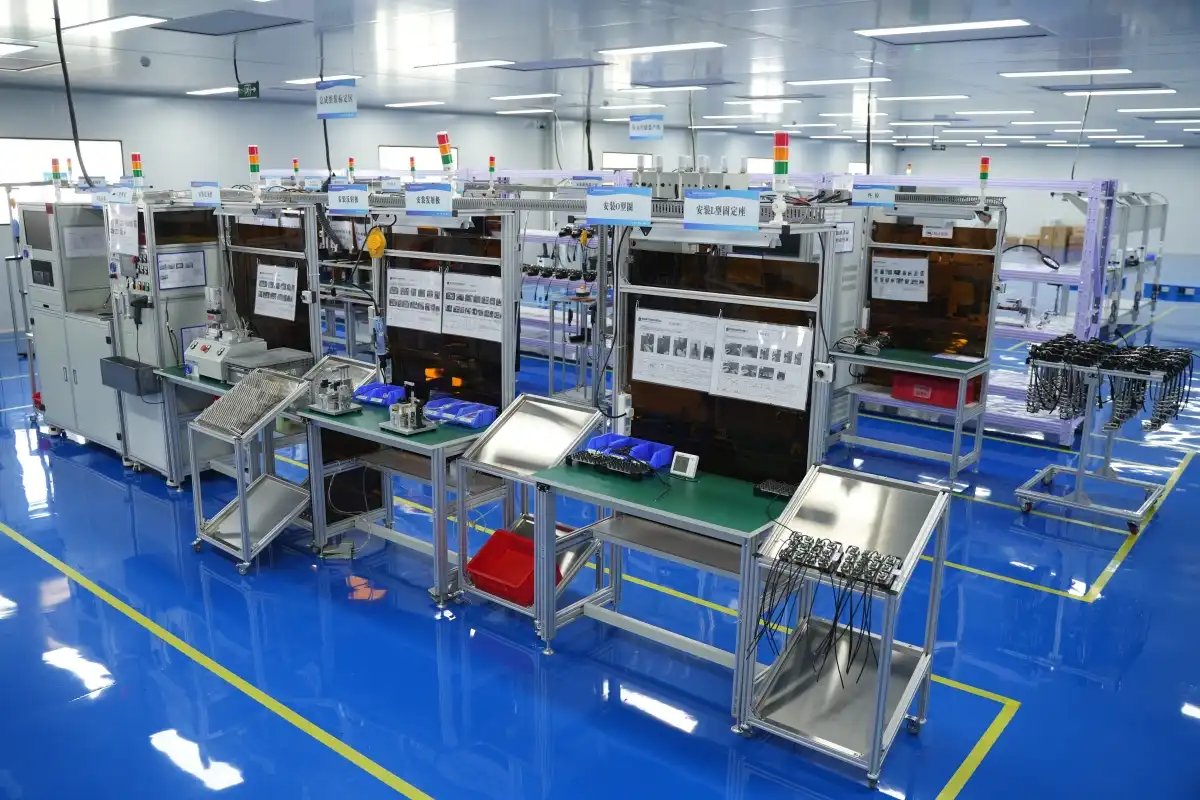
Partner with Qintai for Premium NOx Emission Sensor Solutions
Qintai is the biggest NOx emission sensor maker in China. They use cutting-edge sensor technologies to make sure that all of their products meet Euro 6 standards. We offer complete aftertreatment options, such as high-performance pressure sensors and SCR system components, and have been doing this since 2001, giving us more than 20 years of specialized knowledge. Our factories are ISO9001, IATF16949, and CE approved, and they work with top companies in the industry, like Weichai Power, Yuchai Power, and Quanchai Power, to support global OEM agreements.
To meet the needs of your unique application, we offer flexible customization options, fast delivery times, and full technical help. Our independent research and development team is always coming up with new ideas to provide dependable, low-cost solutions that are protected by 58 invention patents. Email our scientific staff at info@qt-sensor.com to talk about your NOx emission sensor needs and find out how Qintai's tried-and-true technologies can help your emission control systems.
References
1. European Commission Regulation (EC) No 715/2007: Euro 6 Emission Standards for Light-Duty Vehicles and Implementation Guidelines.
2. Society of Automotive Engineers International Standard SAE J2403: NOx Sensor Performance Requirements and Test Procedures for Heavy-Duty Applications.
3. International Organization for Standardization ISO 27891: Diesel Engine NOx Sensor Specifications and Calibration Methods for Automotive Applications.
4. Automotive Electronics Council Component Technical Committee Report: NOx Sensor Reliability Standards for Commercial Vehicle Applications.
5. European Environment Agency Technical Report: Impact Assessment of Euro 6 Emission Standards on Diesel Vehicle Technology Development.
6. Institution of Mechanical Engineers Publication: Advanced NOx Sensing Technologies for Modern Diesel Aftertreatment Systems and Regulatory Compliance.
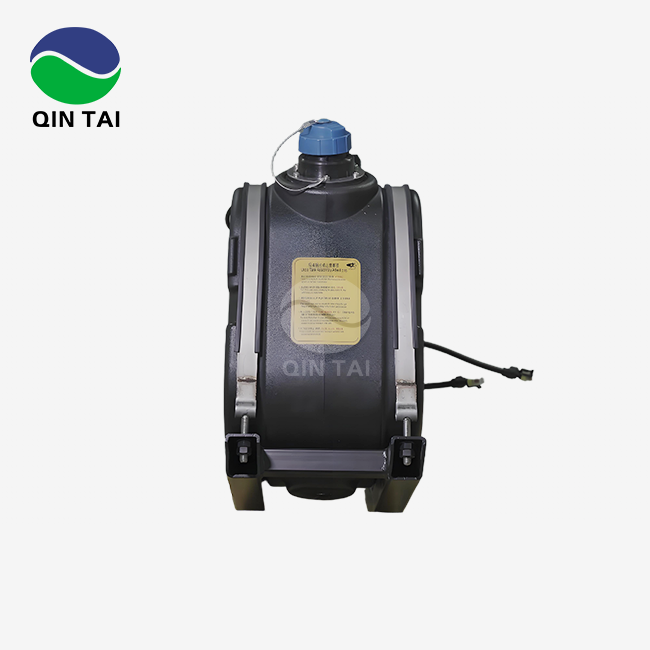

Our customers’ satisfaction speaks for our quality — contact us to experience the same reliable service.