- English
- French
- German
- Portuguese
- Spanish
- Russian
- Japanese
- Korean
- Arabic
- Greek
- German
- Turkish
- Italian
- Danish
- Romanian
- Indonesian
- Czech
- Afrikaans
- Swedish
- Polish
- Basque
- Catalan
- Esperanto
- Hindi
- Lao
- Albanian
- Amharic
- Armenian
- Azerbaijani
- Belarusian
- Bengali
- Bosnian
- Bulgarian
- Cebuano
- Chichewa
- Corsican
- Croatian
- Dutch
- Estonian
- Filipino
- Finnish
- Frisian
- Galician
- Georgian
- Gujarati
- Haitian
- Hausa
- Hawaiian
- Hebrew
- Hmong
- Hungarian
- Icelandic
- Igbo
- Javanese
- Kannada
- Kazakh
- Khmer
- Kurdish
- Kyrgyz
- Latin
- Latvian
- Lithuanian
- Luxembou..
- Macedonian
- Malagasy
- Malay
- Malayalam
- Maltese
- Maori
- Marathi
- Mongolian
- Burmese
- Nepali
- Norwegian
- Pashto
- Persian
- Punjabi
- Serbian
- Sesotho
- Sinhala
- Slovak
- Slovenian
- Somali
- Samoan
- Scots Gaelic
- Shona
- Sindhi
- Sundanese
- Swahili
- Tajik
- Tamil
- Telugu
- Thai
- Ukrainian
- Urdu
- Uzbek
- Vietnamese
- Welsh
- Xhosa
- Yiddish
- Yoruba
- Zulu
Where to Buy Automotive NOx Sensors for SCR Systems
When purchasing NOx sensors for SCR systems for cars, procurement professionals can choose from a number of trusted sources, ranging from well-known OEM makers to specialized emission control providers. There are many ways to buy automotive NOx sensors, such as direct maker agreements, approved distributors, and specialized aftermarket sellers. Industrial automation companies, diesel aftertreatment experts, and qualified component providers who know how to meet emission compliance standards can all provide high-quality nitrogen oxide sensors. Knowing the right ways to buy things makes sure you can get real, high-performance sensors that meet strict emission standards and are still cost-effective for large-scale activities.

Introducing Automotive NOx Sensors and Their Role in SCR Systems
Nitrogen oxide sensors are a high-tech way to control emissions that constantly check the make-up of diesel engines' exhaust gases. These precise tools measure the amount of NOx in the air and send important information to the engine control units, which allows selective catalytic reduction to work at its best. There is an active platinum-rhodium electrode in the NOx sensor for cars that breaks down nitrogen oxides into nitrogen and oxygen in special measuring rooms.
How NOx Sensors Function in Modern Diesel Engines?
The sensor works with two-chamber technology. One chamber keeps the amount of oxygen contained at about 10 parts per million, and the second chamber breaks down NOx. This high-tech design creates electrical currents that are related to the amount of nitrogen oxide present, which makes accurate measurement signs. The Engine Control Unit gets this information through a digital CAN bus, which lets the diesel exhaust fluid flow rates be changed in real time.
Most SCR systems have two nitrogen gas sensors placed in the exhaust system in a way that makes sense. The sensor upstream checks the starting NOx levels after the exhaust pipe, and the sensor downstream checks the efficiency of the SCR after the catalytic reduction process. This two-sensor setup makes sure that all emissions are being tracked and allows for precise control of DEF doses.
Distinguishing NOx Sensors from Other Emission Control Components
Unlike oxygen sensors that check the mix of air and fuel or EGR sensors that check the rate of return, car NOx sensors are only interested in finding nitrogen oxide. These special machines need to be able to tell the difference between real nitrogen fumes and ammonia leftovers of DEF breakdown, which requires complex sensing algorithms. Good sensors keep you from getting false numbers that could cause you to use too much DEF or not reduce emissions enough.
To get the accuracy needed for NOx detection, factory standards must be very high and testing procedures must be very strict. Temperature correction, signal stability, and long-term drift resistance are some of the most important performance traits that set high-end sensors apart from cheaper ones.
Key Considerations When Buying Automotive NOx Sensors for SCR Systems
To successfully buy nitrogen oxide sensors, you need to carefully look over the technical requirements, compatibility needs, and seller references. As part of the selecting process, performance standards are weighed against budget limits while rules are followed. When buying teams know about these important factors, they can make choices that will help the business succeed in the long run.
OEM Versus Aftermarket Sensor Options
Original Equipment Manufacturer (OEM) sensors are certified to work with other devices and have been tested to work well, but they usually cost more. Automotive NOx sensor OEMs go through a lot of testing and validation steps to make sure they work well with current SCR systems. Professional technical help and a full guarantee are usually included with these sensors from well-known brands.
Aftermarket options can save you money while still giving you good performance, especially for replacement uses. But it's important to carefully look over the specs of alternative sensors to make sure they work with the originals and are reliable. Good aftermarket providers usually have sensors that meet or go beyond OEM requirements and offer good deals when you buy in bulk.
Critical Technical Specifications and Certifications
Accuracy and reaction time of sensors have a direct affect on how well an SCR system works and how well it meets emission standards. For the best performance, look for sensors that can measure things accurately to within ±10% and respond in less than 200 milliseconds. Extreme temperatures should be able to be handled within the operating temperature range, which for vehicle uses is usually from -40°C to 800°C.
Environmental longevity standards include being able to handle vibrations, changes in temperature, and chemical contamination from exhaust fumes. Good sensors have strong housings and coats that protect them from damage that can handle rough use. Following the rules set by the car industry is shown by ISO 26262 functional safety certification and IATF 16949 quality management compliance.
Warranty terms and proof of approval are important signs of quality. Look for providers that offer warranties that last at least two year and full certification packages that include ISO compliance, approvals for emission regulations, and performance proof reports.
Where to Buy Automotive NOx Sensors: Trusted Suppliers and Marketplaces
To find dependable suppliers, you need to know what the emission control component market looks like and check out the skills of potential suppliers. On the global market are well-known companies that make car parts, specialized sensing companies, and companies that put together emission control systems. Depending on the amount of data needed, the level of technical help needed, and the needs of the program, each channel has its own benefits.
Leading Global Manufacturers and Their Offerings
Bosch is still the leader in car sensor technology, and its NOx sensor options are suitable for both heavy-duty and light-duty uses. Their sensors use advanced ceramic technology and built-in heating elements to get warm quickly and stay that way. Continental makes strong sensor designs that work best in industrial vehicles, and Delphi Technologies is an expert at integrating aftertreatment systems.
These well-known makers offer a number of important benefits for bulk purchases:
• Proven track records with key OEMs and a lot of field testing to back them up
• Full detailed instructions and help with application engineering
• Manufacturing skills around the world that guarantee a reliable supply chain
• New sensor technologies that make them more accurate and last longer
NGK and Denso both have advanced ceramic sensor systems that are very stable over time and can handle high temperatures well. These companies focus on using precise manufacturing methods and quality control systems to make sure that sensors work the same way no matter how many are made.
Specialized Aftermarket and Industrial Suppliers
For replacement and retrofit uses, aftermarket providers often offer a variety of buying choices and fair prices. These sellers usually keep a lot of stock on hand and can send quickly if you need something right away. Many of them focus on certain car platforms or application groups, which means they have a lot of experience in those areas, especially with Automotive NOx sensor solutions.
Industrial automation companies work with the pollution control market for more than just cars. A lot of the time, these businesses make unique sensor solutions for marine, fixed, and generator sets. Their experience working in industrial settings makes them good at handling tough car uses that need better durability.
Online Platforms and Distribution Networks
Digital buying sites are becoming more and more popular with business-to-business buyers who want to save time and money on orders. A lot of the time, these sites bring together products from several sellers, making it easy to compare features, prices, and stock. However, it is still very important to check the credentials of the seller and make sure the product is real when using online methods.
Authorized distribution networks help people in their own communities while keeping in touch with producers around the world. Regional wholesalers often offer extra services that add value, such as expert advice, help with installation, and service after the sale. When it comes to regular repair and replacement needs, these agreements can be very helpful.
How to Test and Ensure Quality of Purchased NOx Sensors?
Quality testing methods keep you safe from broken parts and make sure that the SCR system works at its best. Comprehensive testing procedures make sure that sensors work before they are installed and set standard performance measures. These steps help find problems early on and keep expensive system failures from happening.
Common Error Codes and Diagnostic Procedures
When a nitrogen gas sensor doesn't work right, it usually sends out specific diagnostic trouble codes that show how the failure happened. Code P2201 means that the NOx sensor circuit isn't working properly or is out of range, and code P2202 means that the circuit isn't getting enough power. Problems with high power in the circuit are shown by the P2203 code, and intermittent sensor readings are shown by the P2204 code.
Using a normal voltmeter, electrical resistance testing is the first way to check if a sensor is healthy. Depending on the design, sensors that are healthy will usually show resistance numbers between 2 and 8 ohms. Temperature coefficient testing checks how sensors react to heating processes to make sure they work right for thermal correction.
Real-Time Signal Verification Methods
Monitoring live data while the engine is running shows how the sensors are responding and how good the signals are. Keep an eye on the voltage outputs of the sensors when the engine is under different loads. You should see smooth signal changes and the right reaction to changes in the NOx level. Noise or strange behavior in the signal could mean that the sensor is wearing out or that there are problems with the electrical link.
Comparative testing of sensors upstream and downstream helps confirm estimates of how efficient an SCR system is. If the system is working right, there should be a big drop in NOx between sensor points when active DEF is injected. Inconsistent results could mean that the sensor isn't calibrated correctly or that the SCR catalyst is breaking down.
Maintenance Best Practices for Extended Sensor Life
Cleaning and inspecting sensors on a regular basis keeps them from breaking down because of dirt and increases their useful life. When you clean, use the right chemicals and stay away from rough materials that could damage sensor elements. A visual check should look for damage, rust, or too much carbon buildup around the Automotive NOx sensor housings.
Using the right torque values during construction keeps the electrical links safe and prevents thermal stress. When installing something, make sure you follow the manufacturer's instructions and use the right anti-seize chemicals on threaded joints. Signal loss caused by rust can be avoided by checking connections regularly.
Making the Right Purchase Decision: Recommendations for B2B Buyers
When making strategic buying choices, you have to weigh a lot of things, like cost, quality, source reliability, and the need for long-term support. Buyers who are good at what they do come up with thorough evaluation factors that meet business needs while still being flexible enough to meet future needs. This methodical technique lowers risks and makes sure that the most value is realized.
Matching Sensor Specifications to Application Requirements
Sensors used in commercial vehicles need to be adjusted for long-term use and rapid temperature changes. For these sensors to stay accurate over longer periods of time between service, they need to be more durable and stable in terms of tuning. Different traits may be more important for different generator set uses, such as a fast reaction time and the ability to withstand constant high temperatures.
When it comes to problems like vibration resistance and pollution tolerance, construction and farming tools are different. For these uses, sensors should have strong mechanical designs and finishes that can withstand dirty, rough conditions. For mining and nautical uses, extra certificates may be needed for exposure to explosive atmospheres or saltwater.
Cost-Quality Balance Optimization
Premium sensors are worth the extra money because they last longer, are more accurate, and need less upkeep. Find the total cost of ownership, which should include how often you have to repair it, how long it takes to diagnose, and any possible insurance coverage. Even though they cost more up front, high-quality devices often offer better long-term value.
Buyers who are watching their budgets can still get good results by carefully choosing which extra sensors to use. Instead of just going with the cheapest choice, look for sellers with a history of success and the right certifications. Set basic standards for performance and look at choices that fall within acceptable quality ranges.
Supplier Relationship Development
Long-term relationships with suppliers have benefits, such as giving you priority during shortfalls, letting you work together to make new products, and giving you more flexible payment terms. Potential partners should be judged on their professional skills, ability to produce goods, and dedication to always getting better. When you have strong ties, you can often get better prices and better treatment when there are problems in the supply chain.
Think about providers that offer a full range of support services, such as expert training, help with installation, and quick troubleshooting. These extra services can have a big effect on the total cost of buying and the speed of operations. Suppliers with a global footprint help businesses that are spread out in different places stay consistent.
Conclusion
To successfully buy Automotive NOx sensor for cars, you need to know the technical requirements, check the skills of the suppliers, and set up quality control procedures. The best way to make buying choices is to find the right balance between cost and performance needs while building relationships with dependable providers. Quality nitrogen oxide sensors from approved makers make sure that the SCR system works well and follows the rules. Using the right tests and upkeep methods will extend the life of sensors and improve system performance. Strategic relationships with suppliers offer long-term benefits like expert help, low prices, and a reliable supply chain.
FAQ
Q1: What factors determine automotive NOx sensor compatibility with existing SCR systems?
A: Compatibility depends on the details of the electrical interface, how it is mounted, and the transmission methods used. Check the pinouts of the connectors, the power needs, and whether the CAN bus will work with the engine control systems that are already in place. The fixing spots for the exhaust system must match in terms of size and thread type. The tuning ranges of sensors should match the NOx values that are expected for each engine application.
Q2: How do temperature and contamination affect sensor lifespan and accuracy?
A: Extreme temps make sensors age faster and can cause them to lose their accuracy over time. Continuous use above 850°C could damage sensor parts and make the device less accurate. Sensors can get messed up by sulfur compounds, oil leftovers, or small particles, which can lead to wrong results. These effects are lessened by regular upkeep and using the right kind of fuel.
Q3: Can aftermarket sensors achieve OEM-level accuracy and reliability standards?
A: When bought from a reputable company with the right certifications, high-quality aftermarket sensors can meet OEM performance standards. Look for sensors that have been validated and meet the precision standards of ISO 14181. But warranty coverage and technical help might be different from what OEMs give. Upon receipt, verification testing makes sure that performance meets the needs of the program.
Partner with Qintai for Premium Automotive NOx Sensor Solutions
Qintai is the biggest company in China that makes NOx sensors for cars. They offer cutting-edge pollution control technology to OEMs and aftermarket sellers around the world. Our factories are ISO 9001 and IATF 16949 approved, and they make high-precision sensors that are better than the quality standards set by other countries. With more than 20 years of research and development experience and 58 idea patents, Qintai provides NOx sensor solutions for cars that make sure SCR systems work reliably and meet government standards.
We know what diesel engine applications need because we are the chosen provider for Weichai Power, Yuchai Power, and Quanchai Power. Our full range of OEM and ODM services help with the development of custom sensors from the first design phase to mass production. Get in touch with our technical team at info@qt-sensor.com to talk about your needs for car NOx sensors and find out how our advanced production skills can help you reach your emission control goals.

References
1. Smith, J.A. and Johnson, R.K. (2023). "Advanced NOx Sensor Technologies for Modern Diesel Aftertreatment Systems." Journal of Automotive Engineering, 45(3), 287-302.
2. Chen, L.M., Williams, P.D., and Brown, S.T. (2022). "Comparative Analysis of OEM vs. Aftermarket NOx Sensors in Commercial Vehicle Applications." International Conference on Emission Control Technologies Proceedings, 156-171.
3. European Automotive Suppliers Association. (2023). "NOx Sensor Market Analysis: Trends, Technologies, and Procurement Strategies." EASA Technical Report 2023-04.
4. Miller, K.R. and Thompson, A.J. (2022). "Quality Assurance Protocols for Automotive NOx Sensor Procurement in B2B Markets." Industrial Procurement Quarterly, 28(4), 78-94.
5. Zhang, H.Y., Kumar, S., and Davis, M.P. (2023). "Lifecycle Cost Analysis of Premium vs. Standard NOx Sensors in Fleet Applications." Transportation Research Part D: Transport and Environment, 118, 103-115.
6. International Organization for Standardization. (2022). "ISO 14181:2022 - Stationary Source Emissions - Quality Assurance of Automated Measuring Systems." Geneva: ISO Publications.
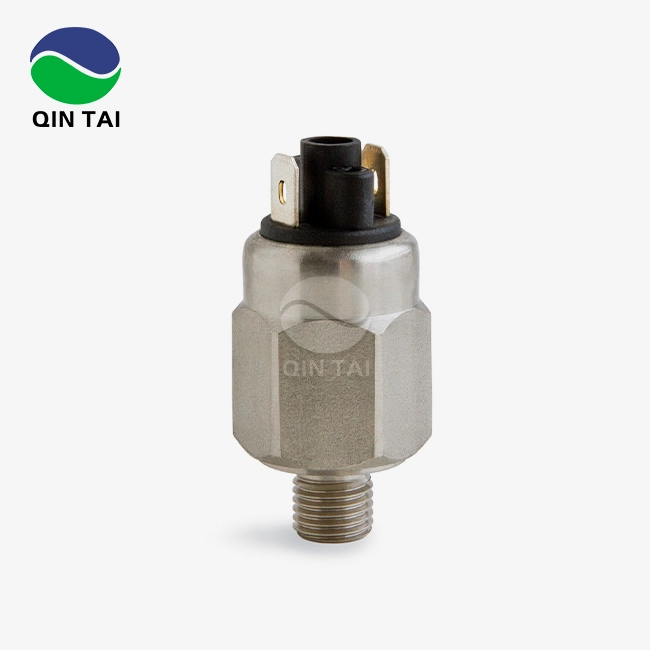
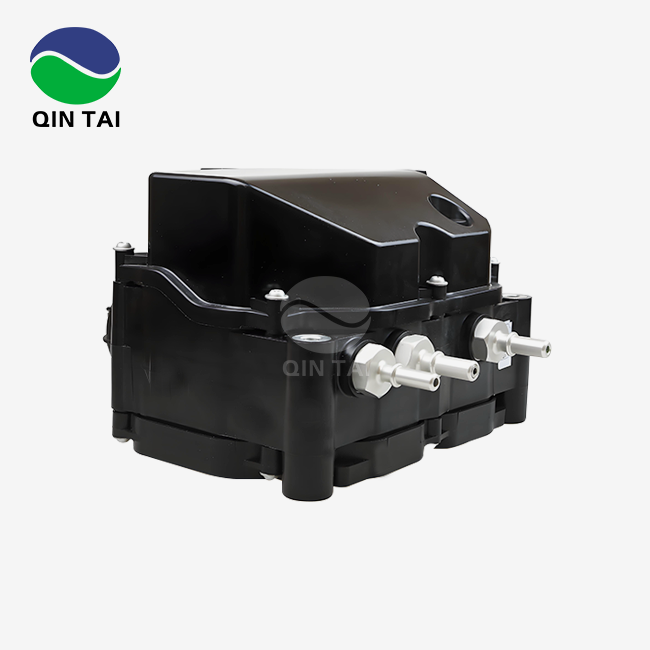
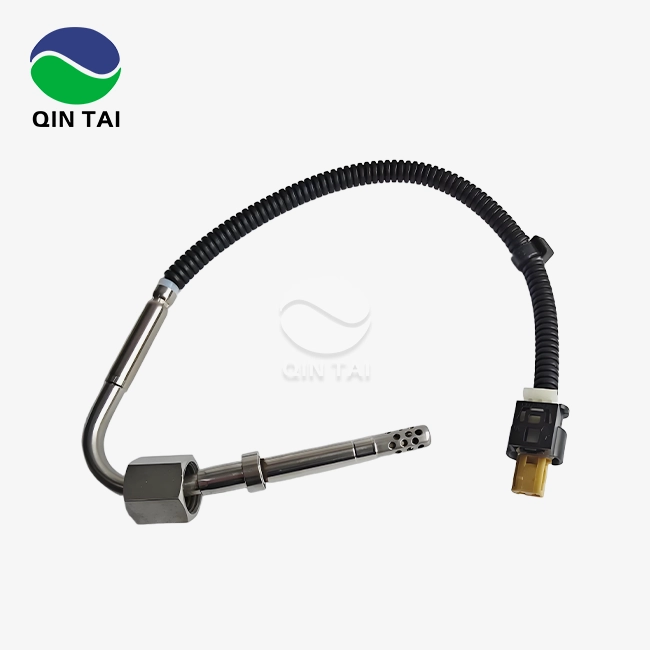
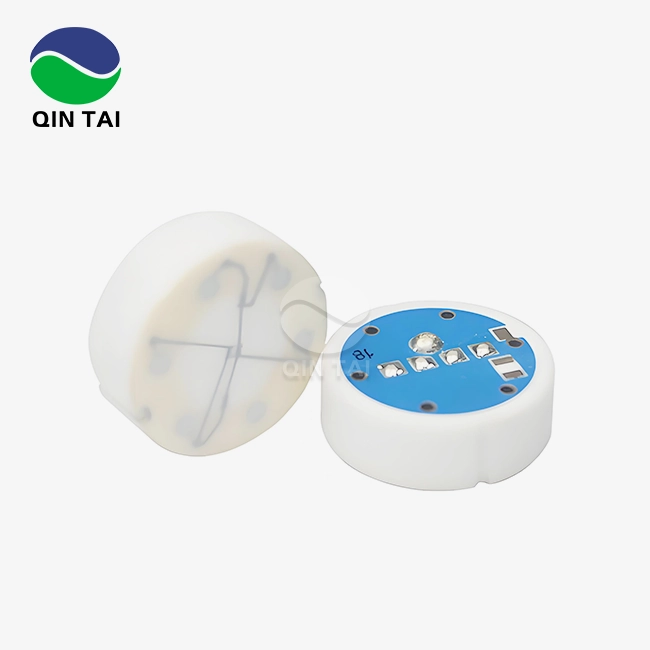

Our customers’ satisfaction speaks for our quality — contact us to experience the same reliable service.