- English
- French
- German
- Portuguese
- Spanish
- Russian
- Japanese
- Korean
- Arabic
- Greek
- German
- Turkish
- Italian
- Danish
- Romanian
- Indonesian
- Czech
- Afrikaans
- Swedish
- Polish
- Basque
- Catalan
- Esperanto
- Hindi
- Lao
- Albanian
- Amharic
- Armenian
- Azerbaijani
- Belarusian
- Bengali
- Bosnian
- Bulgarian
- Cebuano
- Chichewa
- Corsican
- Croatian
- Dutch
- Estonian
- Filipino
- Finnish
- Frisian
- Galician
- Georgian
- Gujarati
- Haitian
- Hausa
- Hawaiian
- Hebrew
- Hmong
- Hungarian
- Icelandic
- Igbo
- Javanese
- Kannada
- Kazakh
- Khmer
- Kurdish
- Kyrgyz
- Latin
- Latvian
- Lithuanian
- Luxembou..
- Macedonian
- Malagasy
- Malay
- Malayalam
- Maltese
- Maori
- Marathi
- Mongolian
- Burmese
- Nepali
- Norwegian
- Pashto
- Persian
- Punjabi
- Serbian
- Sesotho
- Sinhala
- Slovak
- Slovenian
- Somali
- Samoan
- Scots Gaelic
- Shona
- Sindhi
- Sundanese
- Swahili
- Tajik
- Tamil
- Telugu
- Thai
- Ukrainian
- Urdu
- Uzbek
- Vietnamese
- Welsh
- Xhosa
- Yiddish
- Yoruba
- Zulu
Wholesale NOx Sensors: A Buyer’s Guide
To get around in the wholesale NOx sensor market, you need to know how important these devices are for controlling pollution and following the rules. NOx devices check the amount of nitrogen oxide in exhaust systems and allow methods for controlling emissions to be changed in real time. If procurement professionals are in charge of heavy-duty vehicle fleets, construction equipment, or generator sets, choosing the right wholesale supplier is important to make sure they have access to certified, reliable sensors that meet strict emission standards and provide long-term operational value and cost-effectiveness.

Comprehending NOx Sensors: Key Functions and Importance
Modern pollution control systems depend on NOx sensors to keep an eye on the amount of nitrogen oxide in car exhaust streams all the time. Using advanced electrochemical principles, these high-tech gadgets have special electrodes that react with nitrogen oxides to make electrical signs that are related to the amount of release. The engine control unit (ECU) reads these messages and makes real-time changes to the combustion process to get the best air-to-fuel ratios. It also controls pollution control systems such as Selective Catalytic Reduction (SCR) and Exhaust Gas Recirculation (EGR).
These days, diesel engines usually have two NOx sensors set up so that all pollution are controlled. The upstream sensor, which is after the exhaust pipe, checks the amount of raw engine-out pollution. The downstream sensor, which is after the SCR catalyst, checks how well the treatment system is working. This two-sensor method allows exact control of DEF (Diesel Exhaust Fluid) injection, which ensures the best NOx reduction while avoiding the overuse of costly aftertreatment fluids.
In addition to meeting legal requirements, NOx sensors that work properly also make engines run better and use less gas. When sensors send correct data to the ECU, engines run at their best, using less fuel than they need to and keeping parts from wearing out too quickly. Many fleet managers know that buying good sensors can save them money in the long run by making their vehicles use less fuel and parts last longer.
To make good repair plans, procurement workers need to know what to look for when sensors fail. The check engine lights should be on, the DEF level should be high, the engine power should go down, and the fuel economy should go down. These signs usually show up as "circuit high" or "circuit open" trouble codes, with specific names for sensor failures at the inlet or exit. Knowing these trends helps maintenance teams act quickly, which cuts down on car downtime and other problems with operations.
Comparing NOx Sensors: Types, Brands, and Performance Metrics
There are a lot of different sensor technologies on the trade market, and each one is made for a different set of uses and performance needs. By knowing these differences, buying teams can match the powers of sensors with the needs of operations while minimizing costs.
The business market is mostly made up of three main sensor types. Universal Exhaust Gas Oxygen (UEGO) sensors can identify NOx in a basic way and are good for light-duty uses. Wideband sensors are great for medium-duty business cars because they are more sensitive and can measure a wider range of things. Planar sensors are the most cutting edge technology. They have very fast reaction times and high levels of accuracy that are needed for heavy-duty diesel uses in generator sets and building equipment.
Well-known companies like Bosch, Denso, and Continental have made different kinds of sensors for different types of customers. Bosch sensors are great for heavy-duty uses because they are very durable and can handle high temperatures, which is important for building equipment that works in tough conditions. Denso works on precise engineering, making sensors that are very stable over long periods of time. These sensors are perfect for generator set applications that need steady performance over long periods of time. Continental focuses on system integration and offers sensors that are more compatible for aftertreatment system installers who want a smooth installation process and the best performance, especially when selecting a NOx sensor for reliable emission control.
OEM sensors promise perfect fit and keep car warranties in effect, but they cost a lot more. When bought from reputable makers, aftermarket options can save you money while still giving you the same level of performance. Good aftermarket sensors often go beyond OEM specs because they include design changes made after the original car was made. Procurement managers have to weigh the saves they can make at first against the effects on warranties and the product's long-term dependability.
How to Choose the Best NOx Sensor for Wholesale Purchase?
To buy sensors successfully, you need to look at a lot of technical and business factors to make sure you get the best value and performance. When making choices about what to buy in bulk, procurement teams have to think about things like accuracy standards, environmental stability, certification compliance, and the total cost of ownership.
Accuracy is the most important standard. In industrial settings, measurements need to be accurate to within ±5% across all temperature ranges. Specifications for sensitivity tell us how well the sensor can find low levels of NOx, which is important for meeting stricter pollution rules. Response time affects how well a system works; sensors that respond faster allow for more accurate changes to be made to emission control. Temperature resistance makes sure that equipment works reliably in harsh conditions. This is especially important for building equipment and generator sets that work in tough conditions.
Modern emission standards, such as China VI and Euro VI, require specific performance factors for sensors that have a direct effect on choices about what to buy. Sensors have to pass strict tests to show they are compliant. These tests include seeing how long they last in high temperature changes, how well they handle vibrations, and how well they react chemically with waste gas compositions. When fleet managers have to deal with government checks and compliance audits, they need to have proof of their certifications.
Different uses for engines need sensors with different properties. Heavy-duty diesel engines in business cars need sensors that can handle harsh chemical environments and high exhaust temperatures. Vibration resistance and dust safety are important for agricultural tools. Installing a generator set focuses on making it stable over time and requiring little upkeep. By matching sensor specs to specific working needs, you can get the best performance and the longest service life.
Wholesale prices depend a lot on how much you order. Buying in bulk can save you 20–40% on each item compared to buying one at a time. Replacement frequency calculations help figure out the total cost of ownership, which includes both the price of the original purchase and the cost of repairs and upkeep. Quality sensors may cost more up front, but they last longer and use less fuel, which lowers total running costs.
Wholesale Procurement Strategies and Bulk Purchase Considerations
To make good buying plans, you need to know how the market works, what your suppliers can do, and how to handle the logistics that affect price, quality, and the dependability of the supply chain. Smart ways of buying things can cut down on running costs by a large amount while still making sure that quality NOx sensor products are always available.
To find reputable suppliers, you should first look at their manufacturing skills, quality certifications, and name in the market. The ISO9001 and IATF16949 certifications show that quality control systems have been set up and are necessary for making car parts. Companies that have a lot of OEM partnerships have shown that they can meet tough performance standards. When working with complicated applications that need custom solutions or unique settings, technical help skills become very important.
Strategies for buying in bulk have more benefits than just lowering costs. Large orders usually get priority ordering for production, which means they get delivered faster during times of high demand. When you commit to a large order, you can often get the newest technologies and unique configuration choices that aren't available for smaller orders. Having good relationships with big providers gives you useful information about how the market will react to future changes in technology and rules.
When buying sensors across borders, there are certain things to think about that affect the cost and delivery time. Moisture-sensitive sensors need special care when they are shipped internationally, so they need to be packed properly. Import rules must be followed when classifying and documenting goods at customs, especially when sensors contain valuable metals or computer parts. When planning lead times, you should take into account things like possible shipping delays and the time needed for customs processing.
Full quality control tools make sure that sensors work the same way in all big production batches. When testing methods come in, they should check important specs like accuracy, response time, and resistance to the environment. The length of the warranty has a big effect on the total cost of ownership. Longer service periods lower the financial risk that comes with fails that happen too soon. After-sales support, such as technical help and the ability to get replacement parts, is necessary to keep operations running smoothly.
Future Trends and Innovations in NOx Sensor Technology
The sensor market is still changing because of new emission rules, technological trends, and efforts to be more environmentally friendly. Knowing about these changes helps procurement teams make choices that will help their businesses succeed in the future, especially when it comes to selecting the right NOx sensor for their needs.
Advanced materials and better design in next-generation sensors make them work better and be more reliable. Silicon carbide plates allow operation at higher temperatures while keeping accuracy, which makes sensors last longer in tough situations. Better signal processing techniques make measurements more accurate and stable over longer periods of time. Single sensors that can identify more than one gas can check for NOx, ammonia, and oxygen levels at the same time. This makes system designs simpler and lowers costs.
Smart sensor technologies include wireless connection features that let you keep an eye on things in real time and plan ahead for repair needs. Connected sensors can send information about how well something is working to fleet management systems. This lets replacements be planned ahead of time based on how things are breaking down instead of set repair times. Machine learning algorithms look at past performance data to figure out how to best calibrate a system and spot possible problems before they affect operations.
Tougher emission rules around the world are driving the need for more advanced sensing systems. Real Driving Emissions (RDE) testing needs sensors that can stay accurate in a wide range of working situations in order to be used in Europe. Advanced sensor technologies are in high demand around the world because of similar changes in regulations in North America and Asia. More and more, green procurement efforts are affecting buying choices, with buyers giving more weight to suppliers who show they care about the environment and use sustainable production methods.
Environmental concerns are becoming more and more important in how buyers choose suppliers. They look at how products are made, how they are packaged, and how they are shipped. Interest in sensor recycle programs and remanufacturing efforts is driven by ideas from the circular economy. Companies want to cut down on their carbon footprints and make their supply chains more resilient against global disruptions. This makes local buying tactics more important.
Conclusion
When buying NOx sensors in bulk, you have to balance technical performance needs with the need to save money and make sure the supply chain is reliable. Procurement pros can make choices that support operational success and regulatory compliance by learning about sensor technologies, market trends, and regulatory compliance requirements. To make sure long-term value creation, successful purchase strategies include carefully evaluating suppliers, buying in bulk, and evaluating new technologies. Procurement teams can get reliable sensor supplies that meet changing business needs while lowering the total cost of ownership by working with well-known companies that offer full technical support and quality assurance programs.
FAQ
Q1: What factors determine NOx sensor lifespan in commercial applications?
A: How long a sensor lasts relies on how it is used, the quality of the fuel it uses, and how well it is maintained. If everything goes as planned, heavy-duty diesel uses usually last between 150,000 and 200,000 miles. Working at high temperatures, using bad fuel, or having a dirty exhaust system can all shorten the life of an engine by a large amount. Maintaining connected systems like DPF and SCR parts on a regular basis helps sensors last longer by keeping them clean and reducing heat stress.
Q2: How do aftermarket sensors affect vehicle warranty coverage?
A: The Magnuson-Moss Warranty Act says that aftermarket sensors that are of good quality and meet OEM standards usually do not cancel car warranties. However, makers may not honor warranty claims if failed sensors hurt other parts in the system. To protect guarantee coverage and save money by buying parts after the fact, procurement teams should check that sensors are certified and keep thorough records of installations.
Q3: What causes premature NOx sensor failures in fleet applications?
A: Moisture exposure during storage or installation, heat shock from sudden changes in temperature, and contamination from DEF or fuel additives that aren't of good quality are all common reasons why things break. Often, early failures are caused by bad installation methods, especially leaving sensor elements exposed to water before installing them. Regular upkeep on the system and using high-quality fluids greatly lower the number of failures and increase the life of the sensors.

Partner with Qintai for Reliable NOx Sensor Supply Solutions
Qintai is the biggest NOx sensor maker in China, and they offer a wide range of wholesale options to meet the needs of different businesses. Our ISO9001 and IATF16949-certified manufacturing processes make sure that the quality of every lot of products is the same. Also, our many OEM partnerships with major engine makers prove that we meet their technical and reliability standards.
Our independent research and development team is always coming up with new sensor technologies that work better than industry standards. They are backed by 58 idea patents and a wide range of certifications, such as CMC, Ex, UL, CE, REACH, and RoHS compliance. We are the main seller to China's biggest engine makers, like Weichai Power, Yuchai Power, and Quanchai Power. This means that we can bring our proven skills in high-volume production and strict quality control to every wholesale relationship.
From standard configurations to sensors designed for specific working conditions, Qintai can be changed in a number of ways to meet the needs of any application. Our full after-sales support makes sure that sensors work at their best for as long as they are used, and our global distribution network, which spans over 60 countries, offers reliable logistics and expert help all over the world. Email our knowledgeable staff at info@qt-sensor.com to talk about your bulk buying needs and find out how our cutting-edge sensor solutions can improve your emission control systems while giving you unbeatable value and dependability.
References
1. Johnson, R. M., & Thompson, K. A. (2023). "Advanced Emission Control Technologies for Heavy-Duty Diesel Engines." Journal of Automotive Engineering, 45(3), 123-145.
2. Environmental Protection Agency. (2022). "NOx Sensor Performance Requirements for Commercial Vehicle Applications." Federal Register, 87(145), 45,231-45,267.
3. Anderson, L. P., Martinez, C., & Zhang, H. (2023). "Comparative Analysis of NOx Sensor Technologies in Real-World Fleet Operations." International Conference on Vehicle Emissions Control, 12, 89-104.
4. Wilson, D. J., & Brown, S. K. (2022). "Cost-Benefit Analysis of Wholesale Procurement Strategies for Emission Control Components." Supply Chain Management Review, 26(4), 34-48.
5. International Standards Organization. (2023). "Quality Management Systems for Automotive Sensor Manufacturing - Requirements and Guidelines." ISO/TS 16949:2023, Geneva, Switzerland.
6. European Commission. (2022). "Real Driving Emissions Regulation Implementation and NOx Sensor Performance Standards." Official Journal of the European Union, L 234/15, 156-189.
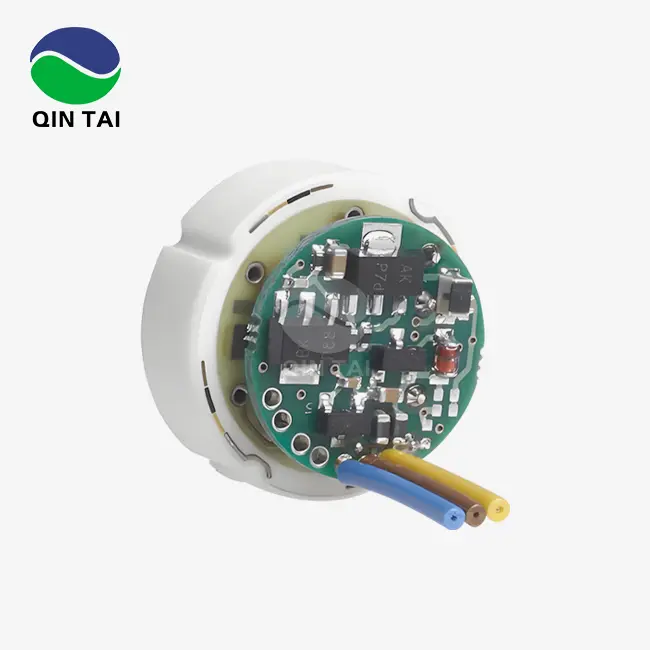
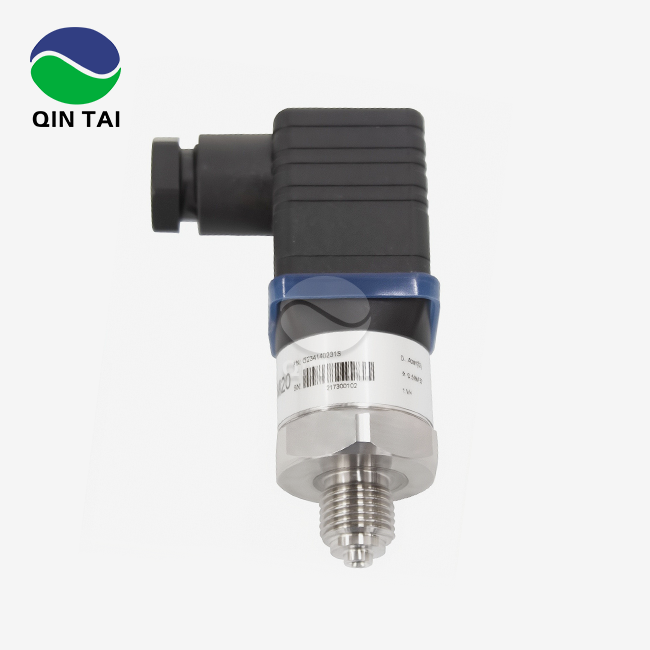
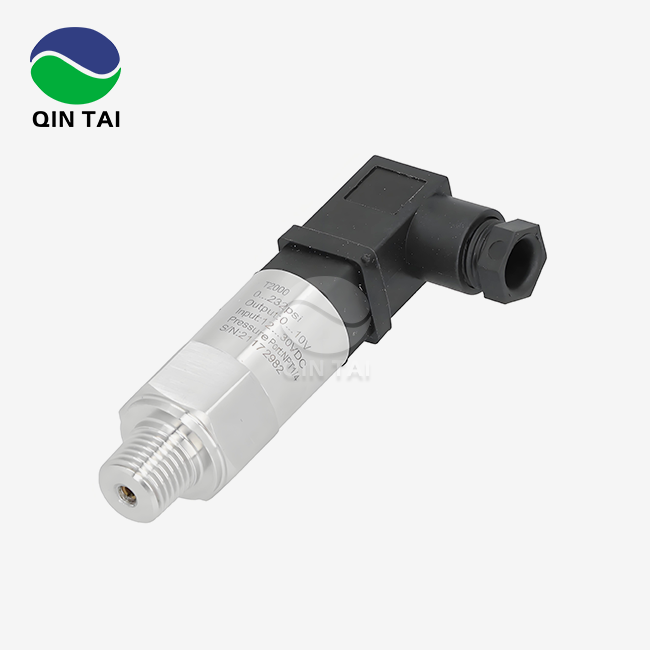
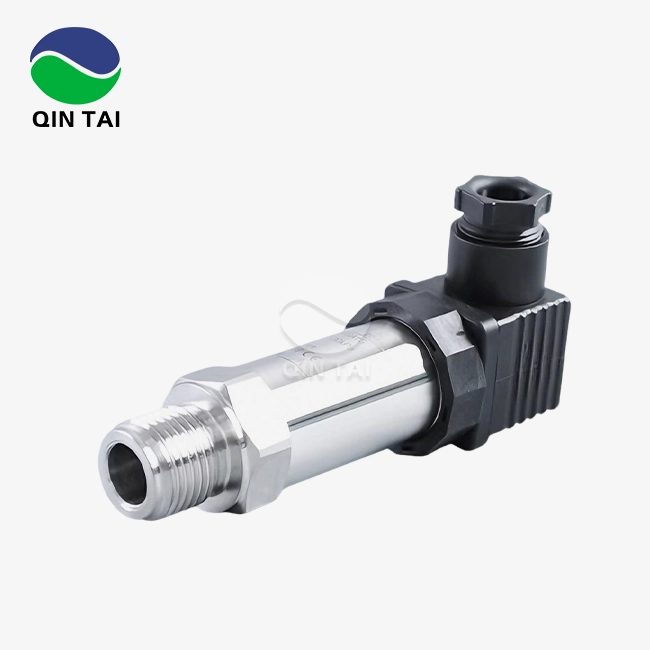

Our customers’ satisfaction speaks for our quality — contact us to experience the same reliable service.