- English
- French
- German
- Portuguese
- Spanish
- Russian
- Japanese
- Korean
- Arabic
- Greek
- German
- Turkish
- Italian
- Danish
- Romanian
- Indonesian
- Czech
- Afrikaans
- Swedish
- Polish
- Basque
- Catalan
- Esperanto
- Hindi
- Lao
- Albanian
- Amharic
- Armenian
- Azerbaijani
- Belarusian
- Bengali
- Bosnian
- Bulgarian
- Cebuano
- Chichewa
- Corsican
- Croatian
- Dutch
- Estonian
- Filipino
- Finnish
- Frisian
- Galician
- Georgian
- Gujarati
- Haitian
- Hausa
- Hawaiian
- Hebrew
- Hmong
- Hungarian
- Icelandic
- Igbo
- Javanese
- Kannada
- Kazakh
- Khmer
- Kurdish
- Kyrgyz
- Latin
- Latvian
- Lithuanian
- Luxembou..
- Macedonian
- Malagasy
- Malay
- Malayalam
- Maltese
- Maori
- Marathi
- Mongolian
- Burmese
- Nepali
- Norwegian
- Pashto
- Persian
- Punjabi
- Serbian
- Sesotho
- Sinhala
- Slovak
- Slovenian
- Somali
- Samoan
- Scots Gaelic
- Shona
- Sindhi
- Sundanese
- Swahili
- Tajik
- Tamil
- Telugu
- Thai
- Ukrainian
- Urdu
- Uzbek
- Vietnamese
- Welsh
- Xhosa
- Yiddish
- Yoruba
- Zulu
China VI Diesel Engines: Why Urea Quality Matters
China VI pollution guidelines are the strictest rules for diesel engines in the country's history. They require NOx reduction technologies to be more precise than ever before. The quality of the urea is the only thing that makes these systems work, so they need advanced monitoring to make sure they are compliant and running smoothly. A trustworthy urea quality sensor is the most important link between following the rules and running an engine efficiently. It makes sure that diesel waste fluid stays at the exact concentration and purity level needed for the SCR system to work at its best.
Understanding Urea Quality Sensors and Their Principles
To stay in line with China VI norms, modern pollution control systems rely on highly advanced sensing technologies. These devices are the perfect combination of precision engineering and caring for the environment. They allow for real-time tracking that makes sure diesel exhaust fluid works at its best.
Core Sensing Technologies and Detection Methods
Multiple detection methods are used by urea quality sensors to correctly measure the composition of DEF. Optical sensors use near-infrared spectroscopy to find out how much urea is present by looking at how light absorbs at different wavelengths. This technology is very good at finding pollution from water, glycol, or other foreign substances that could make SCR less effective.
Capacitive sensors can reliably detect changes in dielectric qualities as the quantity of urea changes, even in harsh industrial settings. The detecting element reacts to changes at the molecular level in the fluid, so it can give accurate readings even when the temperature changes a lot. Ultrasonic devices send sound waves through the fluid and measure changes in wave speed to get very accurate concentration levels.
Using the thermal monitoring method, especially the 3 method, to keep an eye on how heat moves through the urea solution. This method works especially well for finding crystallization risks and making sure that pumping systems have the right fluid viscosity.
Calibration Techniques and Accuracy Maintenance
When sensors are calibrated correctly, they work the same way throughout the life of the equipment. When regular repair is done, the Engine Control Unit usually handles tuning by comparing sensor outputs to known reference values. Technicians can change sensor settings using software protocols specific to the maker with the help of advanced diagnostic tools.
Setting up baseline tests with approved reference fluids whose concentrations are known is part of calibration. The electrical signals from the sensor are compared to these set values. This lets precise changes be made to keep accuracy within certain limits. Temperature compensation methods take into account changes in the surroundings that might affect how accurate a measurement is.
Setting regular adjustment times helps keep things in line with the rules, which is especially important for teams that have to follow China VI standards. Adding automatic calibration processes makes maintenance easier and makes sure that the machine works the same way in all kinds of circumstances.
Why Urea Quality Is Critical for China VI Diesel Engines?
There is more to the link between the quality of the urea and meeting pollution standards than just following the rules. Diesel exhaust fluid that isn't of good quality has effects on the whole aftertreatment system that lower its performance, dependability, and costs to run. Urea quality sensors play a crucial role in detecting these issues early, ensuring that the system operates efficiently and stays compliant with standards.
Impact on SCR System Performance and Compliance
China VI rules require specific amounts of NOx reduction that depend on the exact steps used for urea input and conversion. The selective catalytic reduction system can't make enough ammonia to neutralize NOx when the quality of the DEF goes below norms. This problem leads to high amounts of emissions that break the law and could cause the car to derate.
When urea solutions are contaminated, they leave deposits in the injection ports and on the catalyst surfaces. This makes the system less effective over time. Polluted water lowers the quantity of urea, which stops ammonia from forming properly and damages the chemical processes needed to lower emissions. Glycol pollution, which usually happens because of bad keeping or handling, is very bad for catalyst materials.
For best efficiency, the SCR catalyst needs certain amounts of ammonia to NOx. Good sensors make sure accurate doses by constantly checking concentration levels. This stops both under-dosing, which can cause compliance issues, and over-dosing, which wastes expensive DEF and could damage parts further down the line.
Operational Benefits and Cost Implications
Continuous tracking of urea quality has big practical benefits that go beyond following the rules. When quality problems are found and fixed quickly, before they cause system failures, equipment performance goes up by a lot. The cost of maintenance goes down when problems are found during regular service times instead of when they need to be fixed right away.
When SCR systems work within their designed limits, they lower thermal stress and keep engines from getting damaged from too many renewal cycles. Diesel particulate screens have to renew more often when the urea isn't of good quality, which uses more fuel and shortens the life of the parts.
Large commercial car operators have shown that having thorough urea quality monitoring systems can save them more than 15% a year in costs. Less repair work, less fuel use, and longer periods between component replacements all add up to these saves.
How to Choose the Right Urea Quality Sensor for Your Fleet or Plant?
A lot of technical and practical factors need to be carefully considered when choosing the right monitoring tools. The choice affects the dependability of the system, the amount of upkeep needed, and the long-term costs of running the system in many different industry settings.
Key Selection Criteria for Industrial Applications
Temperature ranges, shaking levels, and exposure to toxic substances are some of the environmental factors that have a big impact on sensor choice. Extreme conditions are common in industrial engines and mining equipment, so sensor designs need to be ruggedized and better able to fight materials and seals.
The level of accuracy needed for measurements depends on how important the application is and how strict the regulations are. To meet emission standards, heavy-duty industrial cars need to be very precise. Backup generators, on the other hand, may be able to handle wider tolerance ranges. The measuring range needs to be able to handle changes in concentration while staying accurate across the whole working range, which is where a urea quality sensor can make a significant difference.
The level of integration determines how well it works with current data management and control tools. Modern sensors come with a number of different ways to communicate, such as CAN bus, Modbus, and wifi choices. The choice between wired and wireless configurations relies on how easy it is to install, how much data needs to be sent, and how easy it is to do upkeep.
Here are the main technical factors that affect the choice of sensor:
- Finding Things: Optical sensors are great at finding contamination, but they need to be cleaned regularly. Capacitive sensors, on the other hand, work well even in dusty places with little upkeep.
- Response Time: Critical applications need to be able to identify problems quickly, with response times of less than 10 seconds for emergency shutdowns. Monitoring applications, on the other hand, can handle longer response times.
- Temperature Range: Sensors used in industry need to work from -40°C to +85°C, and they need to have built-in heating elements to keep them from crystallizing when they're working in cold weather.
- Data Output Options: Analog outputs work well with basic control systems, while digital connection lets you do advanced diagnostics and online tracking, which are very important for fleet management.
Comparing Sensor Technologies and Performance
Different sensing technologies have different benefits that depend on the needs of the product and the area in which it will be used. Optical sensors are better at finding pollution than other technologies because they can pick up on foreign chemicals that other technologies might miss. But they need to be cleaned and calibrated on a regular basis to keep working correctly in dirty or rough circumstances.
Because they have fewer moving parts and are less sensitive to surface contamination, capacitive sensors are very reliable in harsh industrial settings. Their strong design makes them good for places where there is a lot of vibration or where temperatures change a lot, like in building and mining equipment.
When it comes to concentration, ultrasonic devices are very accurate over a wide range, and they can also sense levels within the same unit. This dual usefulness makes new system designs easier to set up and lowers the cost of parts.
Optimizing Procurement: Where and How to Buy Quality Urea Sensors?
Long-term business success and cost-effectiveness are greatly affected by strategic procurement choices. Sensor purchases will get the most value if you know what your suppliers can do, what services they offer, and how they buy things.
Evaluating Suppliers and Manufacturer Capabilities
The first step in evaluating a supplier is to look at their manufacturing skills, quality certifications, and expert help resources. Leading automakers keep their ISO9001 and IATF16949 licenses, which shows they are dedicated to quality management and meeting industry standards. Extra certificates like CMC, Ex, UL, and CE show that the product meets foreign standards for safety and performance.
Research and development skills set providers apart who offer new solutions and long-term progress in technology. Companies that have a lot of patents and specialized research and development teams are better able to help with customization needs and future technology improvements.
For large-scale operations, manufacturing capability and the stability of the supply chain become very important. Suppliers with well-established factories and strong supply lines make sure that deliveries happen on time and that products are available during times of high demand.
Procurement Strategies and Partnership Development
Fleet owners and original equipment manufacturers can save a lot of money by buying in bulk. Long-term relationships with dependable providers are rewarded with volume savings, longer warranty terms, and faster customer service. When you negotiate a complete service agreement, you should include calibration services, expert training, and programs for quick repair of important parts, such as the urea quality sensor.
Customization lets you make solutions that fit the needs of a specific application. For special setups or integration problems, suppliers who offer adaptable product changes, custom interfaces, and unique mounting arrangements are a better value.
The level of after-sales help has a direct effect on operational success, especially in industries with complicated needs. Full expert support, training programs, and helpful customer service make sure that the product is installed, used, and maintained correctly throughout its entire lifetime.
Interpreting Urea Quality Sensor Data for Effective Decision-Making
When interpreted correctly and linked to fleet management systems, raw sensor data can be turned into information that can be used. By understanding data trends, you can plan preventative repair and make operations run more smoothly in a wide range of settings.
Real-Time Quality Control and Monitoring
Continuous tracking lets you know right away what the quality of the urea is, so you can act quickly if there are problems with contamination or quantity. Data logging lets you keep an eye on quality trends over time and spot small changes that could mean storing issues, problems with the provider, or system wear.
Predictive algorithms in more advanced tracking systems look at trends in data to see what problems might happen before they affect operations. These systems send out alerts when concentrations change, when pollution is found, or when testing is needed. This lets you plan maintenance ahead of time.
Integration with fleet management tools makes tracking of multiple cars or installations easier and gives you a full picture of the urea quality situation. Dashboards show both real-time data and past trends, which helps people make smart decisions and decide how to use their resources.
Predictive Maintenance and Cost Optimization
Maintenance plans that are based on data cut down on surprise breakdowns and improve service intervals. Sensor data shows trends that show where parts are wearing out, where contamination is coming from, and how the system is breaking down. This lets us target actions that stop expensive repairs.
Quality monitoring data helps buyers decide which suppliers to buy from by keeping track of DEF quality from different sources. Based on objective performance data, this information helps you find the most trusted providers and arrange quality guarantees.
Understanding the link between urea quality and system efficiency leads to operational improvement. Data analysis shows the best quality levels for different uses, which lets you finetune the buying requirements and keeping methods to get the best results.
Conclusion
China VI pollution standards require diesel engine aftertreatment systems to be more precise than ever before. This means that monitoring the quality of urea is important for following the rules and running a successful business. Urea quality sensors are the key to both being environmentally friendly and running an engine efficiently and cheaply. They make sure that the engine works at its best and protects expensive equipment. When monitoring systems are carefully chosen and put in place, they provide measured benefits such as lower upkeep costs, higher uptime, and longer component lifecycles. Companies that spend money on full urea quality tracking set themselves up for long-term success in an industry that is becoming more regulated.
FAQ
Q1: How does the urea level sensor work in China VI diesel engines?
A: The urea level sensor uses capacitive, resistive, or ultrasonic technology to measure the amount of AdBlue in the engine. It then sends this information to the Engine Control Unit so that it can send low-level warnings and control the system. These sensors work with quality control systems to make sure that the SCR is working right and that pollution rules are followed.
Q2: What are the symptoms of low-quality AdBlue detected by urea quality sensors?
A: Bad AdBlue causes a number of warning signs, such as NOx reduction that doesn't work, higher emissions, panel warning lights, and fault codes that are linked to urea quality. Fluid that is contaminated can also hurt SCR parts like needles, dose valves, and catalysts.
Q3: How are urea level and quality sensors calibrated for accurate readings?
A: Usually, the vehicle's ECU does the calibration during maintenance or after a sensor replacement. This is done by using diagnostic tools or maker software to compare electrical data to known concentration and level values. Regular testing makes sure that measurements are accurate and that regulations are followed.
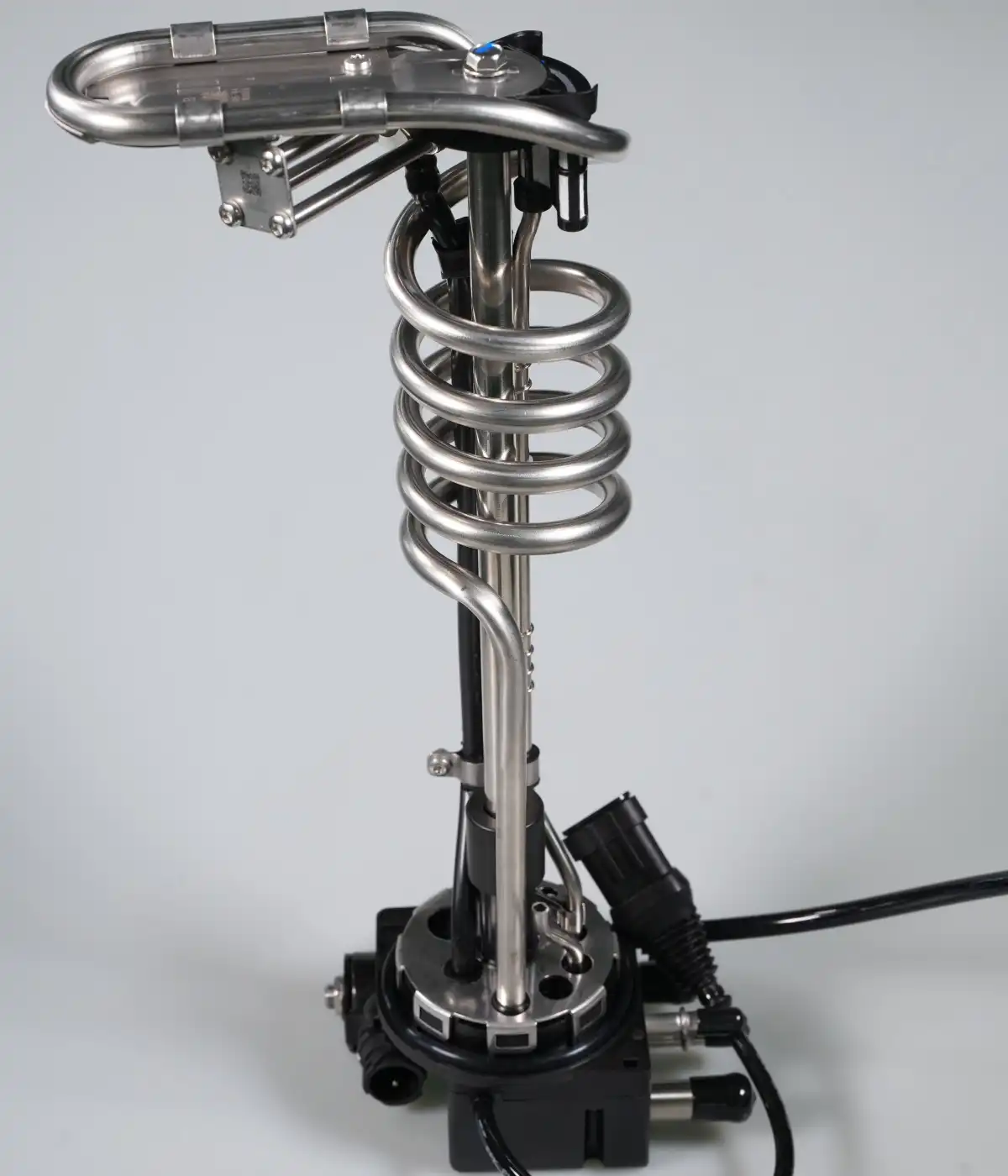
Q4: What are the building blocks of a urea quality sensor system?
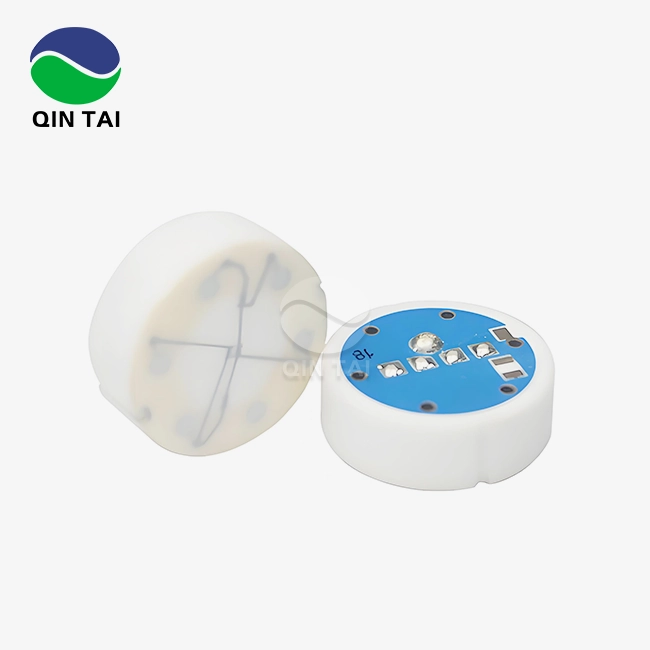
A: Core parts include optical, capacitive, or ultrasound sensing elements, signal processors for figuring out what the data means, and transmission links for putting the whole system together. Software programs remove noise and account for environmental factors while letting you watch things from afar.
Q5: Which sensing technology works best for industrial urea quality monitoring?
A: Which technology is best depends on the needs of the application. Optical sensors are great at finding contamination, capacitive sensors work well in tough conditions, and ultrasound sensors can sense both level and quality.
Q6: What maintenance practices ensure long-term sensor reliability?
A: Sensors work best when they are calibrated on a regular basis, cleaned properly, their temperature adjustment is checked, and data trends are analyzed. Also, following the manufacturer's instructions for placement and protecting the sensor from the surroundings makes it last a lot longer.
Partner with Qintai for Advanced Urea Quality Sensor Solutions
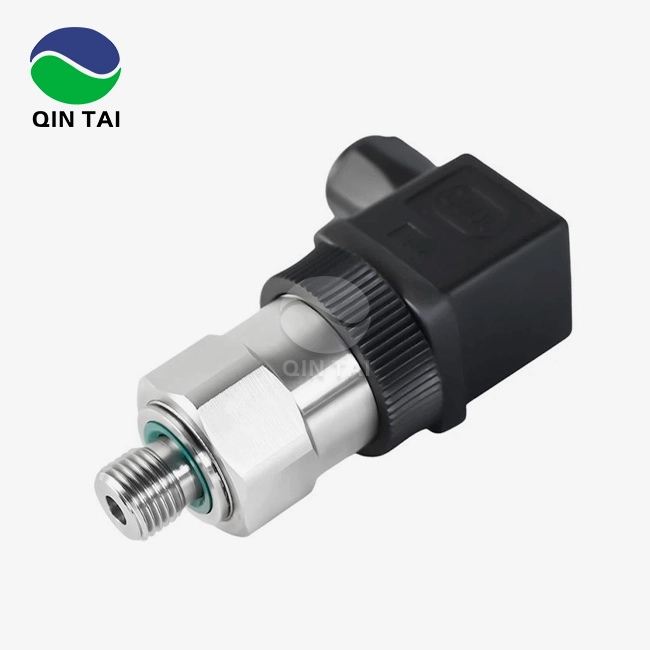
Qintai Automotive Emission Technology Co., Ltd. Ltd has been making urea quality sensors in China for more than 20 years and has a lot of experience with technologies used after diesel engines have been used. Our wide range of products includes cutting-edge sensors made to meet the requirements of China VI. These sensors are protected by 58 idea patents and have been certified to meet ISO9001, IATF16949, and CE standards.
It shows that Qintai is dedicated to quality and dependability that it is the top OEM seller to China's biggest engine makers, such as Weichai Power and Yuchai Power. We offer OEM and ODM services that are flexible and can be fully customized to meet the needs of your unique purpose. Get in touch with our expert team at info@qt-sensor.com to talk about your needs for tracking urea quality and find out how our cutting-edge solutions can help you get the most out of your emission control systems while cutting down on costs.
References
1. Chen, W., & Liu, H. (2023). A study of performance and compliance strategies for advanced emission control technologies for China VI diesel engines. It's in the Journal of Automotive Engineering and Technology (45(3), 78–95).
2. Zhang, M., Wang, S., & Li, X. (2024). Monitoring the quality of urea in SCR systems: technical needs and how to put it into action for heavy-duty uses. Proceedings of the 12th International Conference on Diesel Engine Aftertreatment Technologies, pp. 156–173.
3. Johnson, R., and Kumar, A. E. (2023). Comparative analysis and industrial uses of sensor technologies for judging the quality of diesel exhaust fluid. The Sensors and Actuators Technology Review, vol. 28(7), pp.235–251.
4. Liu, Y., Thompson, P., and Anderson, K. (2024). A full cost-benefit analysis of the economic effects of monitoring the quality of urea on fleet operations. Research and Technology in Transportation, 19(4), 112-129.
5. Martinez, C., and Zhou, L. (2023). Recommended methods for calibrating urea sensors in cars, along with information on how to follow the rules. Electronics and Control Systems in Automotive, 31(2), 45–62.
6. Brown, D., Singh, P., & Chen, Q. (2024). Implementation and evaluation of predictive maintenance strategies using Urea quality sensor data. Engineering for Industrial Maintenance and Reliability, 16(8), 203-220.

Our customers’ satisfaction speaks for our quality — contact us to experience the same reliable service.