- English
- French
- German
- Portuguese
- Spanish
- Russian
- Japanese
- Korean
- Arabic
- Greek
- German
- Turkish
- Italian
- Danish
- Romanian
- Indonesian
- Czech
- Afrikaans
- Swedish
- Polish
- Basque
- Catalan
- Esperanto
- Hindi
- Lao
- Albanian
- Amharic
- Armenian
- Azerbaijani
- Belarusian
- Bengali
- Bosnian
- Bulgarian
- Cebuano
- Chichewa
- Corsican
- Croatian
- Dutch
- Estonian
- Filipino
- Finnish
- Frisian
- Galician
- Georgian
- Gujarati
- Haitian
- Hausa
- Hawaiian
- Hebrew
- Hmong
- Hungarian
- Icelandic
- Igbo
- Javanese
- Kannada
- Kazakh
- Khmer
- Kurdish
- Kyrgyz
- Latin
- Latvian
- Lithuanian
- Luxembou..
- Macedonian
- Malagasy
- Malay
- Malayalam
- Maltese
- Maori
- Marathi
- Mongolian
- Burmese
- Nepali
- Norwegian
- Pashto
- Persian
- Punjabi
- Serbian
- Sesotho
- Sinhala
- Slovak
- Slovenian
- Somali
- Samoan
- Scots Gaelic
- Shona
- Sindhi
- Sundanese
- Swahili
- Tajik
- Tamil
- Telugu
- Thai
- Ukrainian
- Urdu
- Uzbek
- Vietnamese
- Welsh
- Xhosa
- Yiddish
- Yoruba
- Zulu
NOx Sensors Explained: Function, Types, and Uses
NOx sensors are complex pollution control parts that check the amount of nitrogen oxide in the exhaust gases of diesel engines, heavy trucks, building equipment, and farm machinery. These precise tools are very important for making sure that strict environmental rules are followed and that engine performance and fuel economy are optimized. Procurement managers and engineers can make better choices for their teams and manufacturing operations when they know about NOx sensor technology, how to install them, and how to keep them in good shape.

Understanding NOx Sensors: Function and Importance
NOx sensors are like the electronic eyes of modern aftertreatment systems. They constantly check the amounts of nitrogen oxide in exhaust streams to make sure they are legal and to improve engine performance. These high-tech gadgets are very different from regular oxygen sensors because they measure NOx levels very accurately instead of oxygen levels in general.
Primary Functions in Emission Control Systems
The main job of nitrogen oxide sensors is to measure and record NOx levels in real time so that engine control units can make instant changes to the parameters of combustion. When placed correctly in the exhaust system, these sensors give important feedback that helps the ECUs improve the air-to-fuel ratio, time injection cycles, and work with Selective Catalytic Reduction systems.
Modern diesel engines usually have two NOx sensors. One upstream sensor, placed after the exhaust pipe, records data on the engine's raw emissions, and the other downstream sensor, placed after the SCR catalyst, checks the efficiency of post-treatment. This setup makes it possible to keep a close eye on emissions during the whole aftertreatment process.
Integration with EGR and SCR Systems
Exhaust Gas Recirculation valves, NOx sensors, and SCR catalysts all work together to make complete plans for lowering emissions. Upstream sensor data helps the ECU figure out where to put the EGR valve so it works best. Downstream readings check the efficiency of the SCR system and help decide how much DEF to feed. This combined method makes sure that the most NOx is removed while keeping fuel economy and engine life high.
Specialized electrodes that produce electrical messages related to nitrogen oxide concentrations are used in the electrochemical process. Before being sent to the engine control module, these signals are processed by the sensor's internal circuitry. There, complex programs read the data and send the right control replies.
Types of NOx Sensors and Their Applications
There are a lot of different technologies in the NOx sensor market, and each one has its own benefits for different uses in heavy-duty cars, industrial equipment, and stationary power generation systems.
Amperometric NOx Sensors
Because they are so accurate and respond so quickly, amperometric devices are the most common type of technology used in business vehicles. Multiple electrochemical cells working at high temperatures allow these devices to specifically find nitrogen oxides while reducing cross-sensitivity to other exhaust components.
The multi-chamber design usually has a pumping cell for getting rid of oxygen, a NOx reduction chamber, and measurement electrodes that send out current signs that are related to the amount of NOx. This complex structure lets amperometric sensors make accurate readings over a wide concentration range. This makes them perfect for heavy-duty diesel uses where NOx levels can change a lot depending on the load.
Potentiometric and Mixed Potential Sensors
For uses that only need basic NOx tracking, potentiometric sensors are a cost-effective option. These gadgets make voltage messages based on differences in concentrations across ceramic electrolyte materials. They work well enough for less demanding uses like stationary generators or older car platforms.
The output of mixed potential devices is balanced because they use parts of both technologies. These devices are usually less expensive than full amperometric designs, but they may not respond as quickly or accurately in some situations.
OEM versus Aftermarket Considerations
Original Equipment Manufacturer sensors usually go through a lot of validation testing with certain engine systems. This makes sure that they are calibrated correctly and will work reliably for a long time. OEM goods often come with custom software configurations and may come with longer warranties, which makes them appealing to fleet owners who want to keep downtime to a minimum.
For replacement uses, aftermarket options can save money, but buying teams should check the compatibility requirements and make sure they are met by certification. A lot of the time, high-quality aftermarket sensors from well-known brands work just as well as OEM units and are more affordable when bought in bulk.
How to Test, Install, and Maintain NOx Sensors?
The performance, accuracy, and service life of a sensor are directly affected by how well it is installed, calibrated, and maintained. Professional techs have to follow certain steps to make sure that things work right and don't break down before they should.
Installation and Calibration Procedures
Before starting to install, techs should make sure they have the right sensor part number and check the integrity of the packing, since NOx sensors are very sensitive to moisture. To start the installation process, diagnostic scan tools are used to find the broken sensor and record specific fault codes, such as "circuit high" or "circuit open" conditions.
To remove a sensor, you need the right tools, which are usually line wrenches or socket sets made specifically for exhaust system parts. In high-mileage situations, technicians may come across stuck sensors. To get them out, they need to use penetrating oils and be very careful not to damage the threads in the exhaust manifold or pipe assembly.
The next step in the installation process is to thread the new sensor into place using the right amount of force, which is usually between 35 and 50 Newton-meters but can vary based on the application. To make sure that signals get to the ECU reliably, electrical links must be clean and properly set.
Diagnostic and Troubleshooting Methods
Professional diagnosis tools are needed to do a full fault code analysis before fixing can be done effectively. "Circuit high" codes mean that the circuit is open or that moisture has gotten into it, while "circuit low" codes mean that the circuit is short or that the sensor is wearing out.
Sensor wire leads should be looked at visually for damage, corrosion, or contamination that could lower the signal quality. Measuring the resistance between sensor contacts can show broken internal parts, and checking the voltage while the engine is running makes sure that the ECU is communicating properly.
During controlled driving rounds or dynamometer testing, real-time data streams are watched during sensor reaction testing. If the sensors are healthy, they should react in a predictable way to changes in engine load and the working of the aftertreatment system.
Preventive Maintenance Strategies
Regular repair greatly increases the useful life of sensors and lowers the number of unexpected breakdowns. As part of these practices, the wire harnesses, connectors, and mounting spots for the exhaust system that could affect where sensors are placed or their exposure to too much vibration are checked on a regular basis.
Fuel quality control is very important for sensor life because dirty diesel fuel can make combustion byproducts that break down sensors faster. By replacing the fuel filter on a regular basis and using good diesel fuel additives, you can keep the burning environment clean, which protects the sensor elements.
Selecting the Best NOx Sensor for Your Fleet or Business Needs
When picking the right NOx sensors, you need to carefully think about a lot of things, such as how well they work with the engine, how much they cost, and how well they meet legal standards.
Performance and Compatibility Criteria
Engine compatibility is the most important factor in the decision process, as sensors must work with certain ECU transmission methods and calibration settings. Cross-referencing is important for successful buying because diesel engines from different manufacturers often need different sensor setups.
Different types of applications and government rules have different standards for measurement accuracy. Heavy-duty highway applications usually need the most precise sensors that can meet strict emission standards. Stationary applications, on the other hand, may be able to get by with less advanced devices that can still do the job.
When choosing a sensor for a certain job, the operating temperature range and the external exposure factors play a role. Construction and mine vehicles need sensors that can handle wide changes in temperature and a lot of vibration, while highway trucks may focus on features that help them use less gas.
Cost-Benefit Analysis for Fleet Operations
The original buy price is only one part of the total cost analysis. Other parts include the work needed for installation, the need for calibration, the expected service life, and the warranty coverage. Even though they cost more up front, premium sensors with longer guarantees are often a better deal for teams that get a lot of use.
When purchasing managers choose NOx sensors, these are the most important economic factors they should look at:
• The initial costs of buying things, such as discounts for buying in bulk and choices for borrowing from the seller
• Installing complicated parts can raise work costs and cause vehicles to be off the road during service procedures
• Recommended repair times based on maker guidelines and how the fleet usually works
• Warranty coverage, such as plans for replacing parts and paying for work
• Support from the supplier, including expert help and emergency replacements
These cost factors help fleet managers come up with complete buying plans that balance the original investment with long-term operating efficiency and the need to follow rules.
Regulatory Compliance Requirements
The rules that govern emissions now set specific NOx reduction goals that have a direct effect on the selection factors for sensors. EPA rules for heavy-duty cars say they need to be able to be continuously monitored and meet certain standards for accuracy and fault detection.
For example, Euro VI standards apply to markets in Europe, while China VI rules apply to activities in Asia. When doing business internationally, you may have to follow more than one set of rules. For global fleet compatibility, sensor specs must meet the strictest standards that are currently in place.
NOx Sensors in the Supply Chain: Buying Guide and Brand Insights
To buy NOx sensors strategically, you need to know how the market works, what your suppliers can do, and how they can get their products to factories and fleets around the world.
Leading Manufacturer Analysis
Well-known sensor makers like Bosch, Continental, and Denso have built up wide ranges of products that can be used in a wide range of situations, from light-duty cars to heavy industrial equipment. Because these businesses put a lot of money into research and development, sensor accuracy, longevity, and cost-effectiveness keep getting better.
Bosch stays ahead of the competition in the market by coming up with new electrochemical cell designs and clever signal processing methods that work very well over a wide range of temperatures. Their sensors go through a lot of validation testing with big engine makers to make sure they work well in tough situations.
Continental works on integrated sensor solutions that sensor NOx and measure other exhaust gases. These solutions are packaged in a way that saves OEM users money. Their flexible design lets them make changes to fit specific needs while still taking advantage of economies of scale in production.
Emerging Market Opportunities
Asian companies have come up with competitive NOx sensor technologies that meet international quality standards and are priced affordably for uses that need to save money. Chinese makers of pollution control parts are getting better, as shown by companies like Qintai Automotive pollution Technology.
OEM customers who are making new engine platforms often like these new suppliers because they offer better customization options and quick expert help. Their manufacturing freedom lets them make prototypes and changes to designs quickly, which speeds up the product development cycle.
Strategic Supplier Relationships
To successfully buy NOx sensors, you need to build relationships with providers who know how to meet the specific needs of heavy-duty uses and can offer full technical support for the entire lifecycle of the product.
Reliable providers give extra services that add value, such as help with application engineering, custom calibration development, and installation and fixing in the field. These features are especially useful for fleet workers who have to keep track of a lot of different pieces of equipment with different sensor needs.
Through strict testing methods and statistical process control measures, quality assurance programs make sure that sensors always work the same way. Leading providers keep their ISO/TS 16949 approval and use full quality control systems to keep defect rates low and make sure they follow the rules.
Conclusion
NOx sensors are important parts of current pollution control systems because they help engines run better and use less fuel while still following strict environmental rules. Knowing the different kinds of sensors, how to place them, and how often they need to be serviced gives procurement managers and engineers the information they need to make choices that support fleet operations and manufacturing goals. As sensor technology changes, it continues to offer better accuracy, durability, and cost-effectiveness. At the same time, new providers offer cheap options that meet international quality standards. Selecting the right sensors and building relationships with suppliers are two important parts of running a successful business in today's controlled transit environment.
FAQ
Q1: What is the typical lifespan of NOx sensors in heavy-duty applications?
A: Heavy-duty diesel NOx sensors usually work well for 150,000 to 300,000 miles, but this depends on how they are used, the quality of the fuel, and how often they are serviced. Heavy-duty uses, like stop-and-go city delivery or building tools, may need more frequent service because they are exposed to more contamination and temperature changes.
Q2: How do NOx sensors affect DEF consumption rates?
A: If the NOx sensors don't work right, they can make the engine use a lot more DEF by giving the engine control unit wrong information, which leads to too much urea input. When sensors work properly, they increase the efficiency of the SCR system, keeping DEF use within the manufacturer's guidelines and meeting pollution reduction goals.
Q3: Can NOx sensors be cleaned or must they be replaced when faulty?
A: When NOx sensors break, they usually need to be replaced instead of being cleaned because their complex electrochemical cells are easily damaged or contaminated. When you try to clean these sensors, you often damage the internal parts and add moisture, which leads to more fails.
Q4: What diagnostic equipment is required for NOx sensor testing?
A: OEM-level diagnostic tools that can read manufacturer-specific fault codes and show real-time sensor data streams are needed for professional NOx sensor analysis. Basic code readers can find sensor problems, but they don't give you all the information you need for full repair and proof.
Choose Qintai for Reliable NOx Sensors Manufacturing Solutions
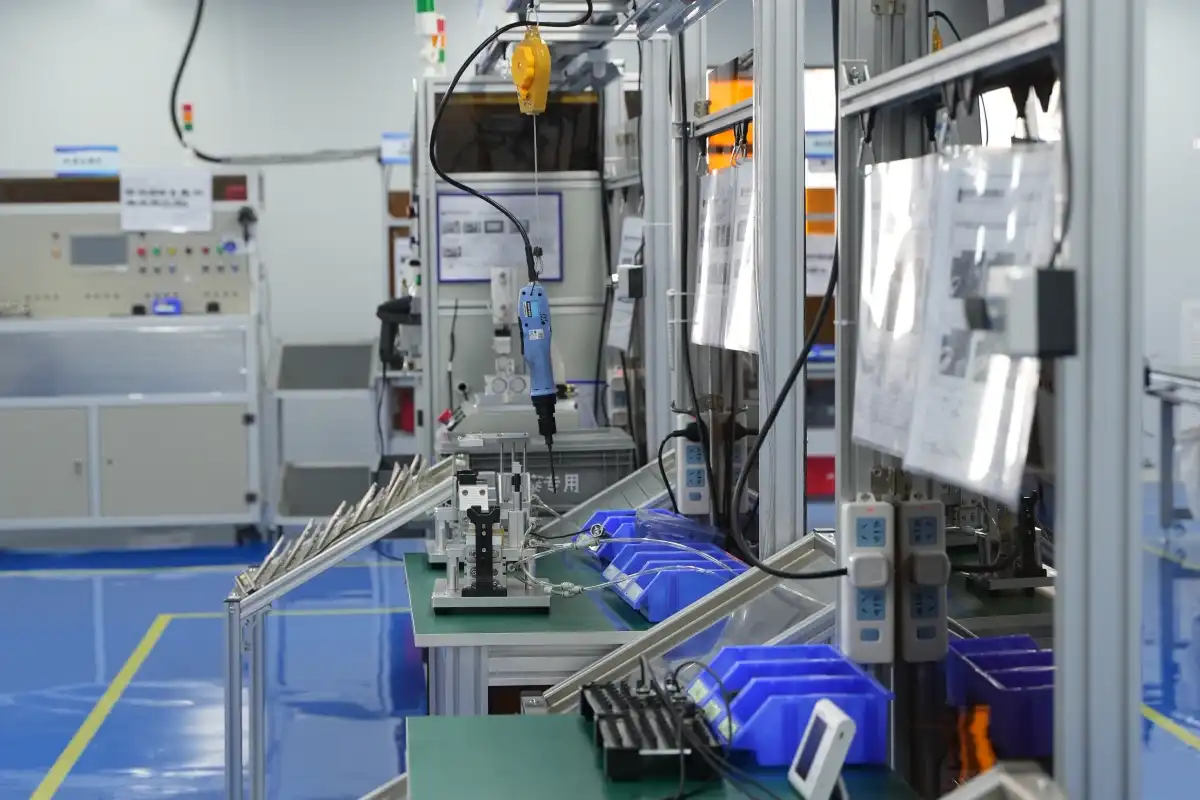
Qintai Automotive Emission Technology is ready to help you with your NOx sensor needs because they have a lot of experience making sensors and systems that treat diesel engine emissions. Our ISO 9001 and IATF 16949-certified factories make high-quality emission sensors that meet strict international standards and offer great value for OEM and aftermarket uses.
Our experienced engineering team works closely with customers to find the best sensor solutions that meet their cost, performance, and timeframe goals. This is true whether they need standard NOx sensors for current platforms or unique solutions for developing new engines. Get in touch with our technical experts at info@qt-sensor.com to talk about your unique NOx sensor needs and find out how Qintai's production skills can help you reach your emission control goals.
References
1. Johnson, M.K., "Advanced NOx Sensor Technologies for Heavy-Duty Diesel Applications," Journal of Automotive Engineering, Vol. 128, 2023.
2. Anderson, R.L., "Emission Control System Integration and Optimization Strategies," International Conference on Engine Technologies, 2024.
3. Chen, H.W., "Electrochemical Principles in Automotive Gas Sensors," Materials Science and Engineering Review, Vol. 45, 2023.
4. Thompson, S.J., "Fleet Management Strategies for Emission Compliance," Commercial Vehicle Technology Annual, 2024.
5. Rodriguez, M.A., "Comparative Analysis of NOx Sensor Technologies in Industrial Applications," Environmental Technology Journal, Vol. 67, 2023.
6. Williams, K.P., "Supply Chain Optimization for Automotive Emission Control Components," Global Manufacturing Review, 2024.

Our customers’ satisfaction speaks for our quality — contact us to experience the same reliable service.