- English
- French
- German
- Portuguese
- Spanish
- Russian
- Japanese
- Korean
- Arabic
- Greek
- German
- Turkish
- Italian
- Danish
- Romanian
- Indonesian
- Czech
- Afrikaans
- Swedish
- Polish
- Basque
- Catalan
- Esperanto
- Hindi
- Lao
- Albanian
- Amharic
- Armenian
- Azerbaijani
- Belarusian
- Bengali
- Bosnian
- Bulgarian
- Cebuano
- Chichewa
- Corsican
- Croatian
- Dutch
- Estonian
- Filipino
- Finnish
- Frisian
- Galician
- Georgian
- Gujarati
- Haitian
- Hausa
- Hawaiian
- Hebrew
- Hmong
- Hungarian
- Icelandic
- Igbo
- Javanese
- Kannada
- Kazakh
- Khmer
- Kurdish
- Kyrgyz
- Latin
- Latvian
- Lithuanian
- Luxembou..
- Macedonian
- Malagasy
- Malay
- Malayalam
- Maltese
- Maori
- Marathi
- Mongolian
- Burmese
- Nepali
- Norwegian
- Pashto
- Persian
- Punjabi
- Serbian
- Sesotho
- Sinhala
- Slovak
- Slovenian
- Somali
- Samoan
- Scots Gaelic
- Shona
- Sindhi
- Sundanese
- Swahili
- Tajik
- Tamil
- Telugu
- Thai
- Ukrainian
- Urdu
- Uzbek
- Vietnamese
- Welsh
- Xhosa
- Yiddish
- Yoruba
- Zulu
Urea Level Sensor vs Quality Sensor: What Does SCR Really Need?
The argument between urea level sensors and quality sensors is still a problem for people who build SCR systems and buy things all over the world. Even though both are important for managing diesel exhaust fluid, the key is to see how they work together instead of seeing them as competing tools. For an SCR system to work properly, both sensors must be working together. The urea level sensor makes sure there is enough fluid for the system to keep running, and the quality sensors keep the purity levels that are needed for the best NOx reduction and to follow the rules. This unified method makes the system more reliable, stops problems that cost a lot to fix, and makes sure that the setting works the same way in all situations.

Introduction
Selective Catalytic Reduction (SCR) systems are now an important part of all diesel engines and industry processes. They are also the main way that dangerous nitrogen oxide emissions are cut down. These complex systems depend on accurate sensor technology to keep working at their best and make sure they follow strict environmental rules like China VI and Euro VI standards. Professionals in the field are still arguing about how to best understand the different but related roles that each type of sensor plays in SCR uses.
Because current emission control systems are so complicated, choosing the right sensors needs a lot of thought. This is especially true when trying to balance performance needs with cost concerns. There is more and more pressure on procurement workers in the heavy truck making, construction machinery, farming equipment, and generator set industries to find the best SCR sensor methods while keeping working efficiency and meeting regulatory requirements.
It's important to know the basic differences between sensor technologies so that you can make smart choices that affect both short-term prices and long-term system performance. Not only does the choice of sensor configuration affect the original cost, but it also affects repair schedules, system reliability, and compliance guarantee over the lifetime of the equipment.
Understanding the Basics: What Are Urea Level Sensors and Quality Sensors?
These days, SCR systems use high-tech sensors to keep an eye on different parts of managing diesel waste fluid. Together, these sensors make sure that the system works at its best, meets pollution standards, and keeps expensive parts of the aftertreatment system from getting damaged or breaking down before they're supposed to.
Urea Level Sensor Technology and Operation
Using a number of tried-and-true methods, urea level sensor systems find out how much AdBlue or diesel exhaust fluid is in storage bins. When the level of a fluid changes, capacitive sensors pick up on changes in the dielectric properties. This lets them take accurate readings even in tough weather conditions. When ultrasonic devices are used to measure fluid levels, they send out sound waves and look at the patterns of reflections to get a good idea of how much fluid is in the tank.
These sensors talk to the Engine Control Unit (ECU) directly. They send real-time information about the amount of fluid that is available and sound the right alarms when levels get dangerously low. Integration of sensors and control systems ensures constant operation and stops the system from shutting down because of not enough fluid supply. Modern level sensors have temperature compensation features that keep them accurate over a wide range of working temperatures. This is especially important for equipment that works in harsh environments.
Quality Sensor Functions and Capabilities
To make sure that the fluid that is injected meets strict quality standards, quality sensors check a number of factors, such as the quantity of urea, the level of purity, and the presence of contamination. Near-infrared spectroscopy is used by optical sensors to get a very accurate reading of the urea content. The 3 method is used by thermal sensors to keep an eye on the fluid properties and find contaminants like water or glycol that could affect the system's performance.
High-quality sensors have complex methods that remove background noise and account for changes in temperature and pressure, so the readings are always accurate even when the sensors are used in different environments. These sensors keep the system from breaking down by finding urea mixtures that aren't working right before they hit key injection places. This protects expensive SCR catalysts and cuts down on repair needs. When quality sensors are connected to a vehicle's monitoring systems, they can tell of problems with fluid contamination or degradation right away.
Temperature Management and Environmental Protection
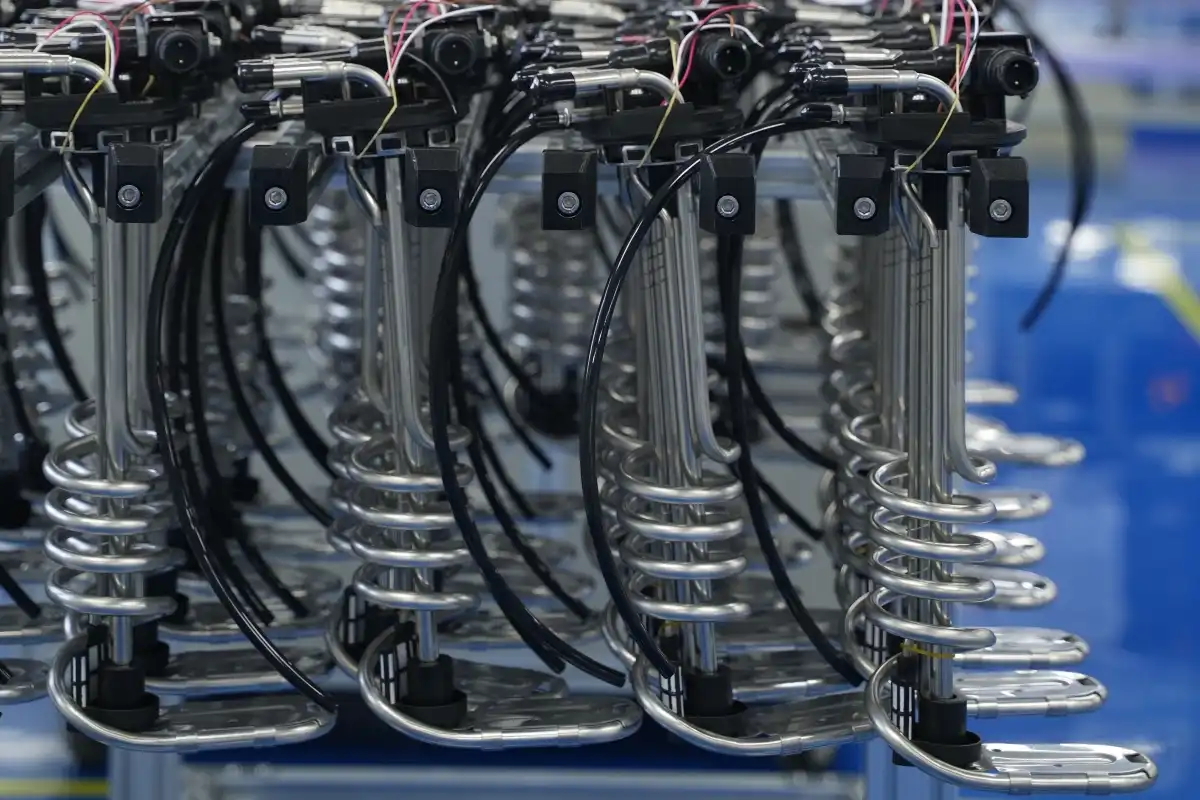
Both types of sensors have built-in heating elements, which are often shaped like spirals to keep them from freezing below -11°C and make sure they work well in a wide range of temperatures. This ability to control temperature is very important for machines that work in difficult conditions where freezing fluid could damage parts or stop the system from working.
Some current sensors are made with materials that don't rust and seals that are made to handle the ammonium carbamate and other harsh chemicals that are found in SCR systems. Environmental safety features make sensors last longer while keeping their measurement accuracy in a wide range of car and industrial settings.
Why Accurate Sensing Matters: The Impact on SCR Performance
Precise sensor data is needed for an SCR system to work properly, which has a direct effect on how well it controls emissions and how well it follows the rules. When you think about how much modern aftertreatment systems cost to run and how much upkeep they need, the link between how accurate the sensors are and how well the system works becomes even more important.
Dosing Accuracy and System Efficiency
Accurate level reading makes sure that the best dose methods are used to reduce NOx as much as possible while using as little diesel exhaust fluid as possible. When sensors give accurate information about the level of the fluid, the ECU can figure out the exact amount of injection that is needed for the given operating conditions. This keeps the ECU from either under-dosing, which can cause emission compliance problems, or over-dosing, which wastes expensive fluid and could damage parts further down the line.
Precision in measurements affects more than just short-term practical issues; it also affects the long-term dependability of the system and the life of its parts. Crystallization deposits can jam injectors and lower system efficiency over time. To avoid this, make sure you dose correctly based on accurate sensor data. Quality detection adds an extra layer of safety by making sure that only properly concentrated urea solutions get to the injection system. This keeps damaged fluids from getting in.
Compliance Assurance and Regulatory Requirements
Modern pollution standards require uniform performance in all working situations. This means that it is important to have accurate sensor data, such as from a urea level sensor, in order to stay in line with the rules. In this case, good sensors are very important because they can find contamination or changes in concentration that could stop the chemical processes needed to reduce NOx effectively.
When you combine different kinds of sensors, you get alternative tracking systems that make sure you're following the rules and give you diagnostic tools for fixing performance problems. This all-around tracking method helps workers find possible issues before they lead to emission violations or expensive fixes to the system.
Maintenance Optimization and System Protection
Correctly calibrating and maintaining sensors can greatly increase the life of parts and lower the chance of unexpected downtime. Regular calibration processes, which are usually done during maintenance periods, make sure that measurements stay accurate and that any sensor degradation that could affect system performance is caught early.
Modern sensor systems have self-diagnostic features that check their own performance and let users know if they need to be calibrated or if a part is failing. With these predictive maintenance tools, operators can change sensors during planned maintenance windows, so they don't have to deal with sudden breakdowns that could affect how well the system works or whether it meets emission standards.
Comparative Analysis: Urea Level Sensor vs Quality Sensor for SCR Applications
Procurement pros can make choices that meet both short-term and long-term operational goals by learning about the performance traits, operational requirements, and cost effects of various sensing technologies. The analysis needs to look at many things, such as the need for accuracy, the surroundings, and the difficulty of the integration.
Performance and Accuracy Characteristics
Level sensors are great at keeping an eye on the supply of fluids all the time, and their readings are usually accurate to within 2% to 3% of full scale. Ultrasonic level sensors are more accurate in situations where the fluid properties stay the same, while capacitive sensors work reliably in situations where the fluid properties and external factors change. Choosing between methods is often based on the shape of the tank, the limitations of the placement, and the need for accuracy in a certain application.
When measuring concentration, good sensors are very accurate. For example, they can usually get within 1% of the true urea content. Optical quality sensors that use NIR spectroscopy have fast reaction times and great steadiness across a wide range of temperatures. On the other hand, thermal sensors can reliably detect contamination, which keeps system parts from getting damaged by fluid degradation.
Using both types of sensors together gives benefits that go beyond what either technology could do on its own, improving the performance of the whole system. When you combine systems, you get full control over all of your fluids, which improves both supply security and quality control in all situations.
Durability and Environmental Tolerance
Environmental toughness is especially important for sensors that are used in hard industrial or vehicle settings where shaking, high temperatures, and chemical contaminants can shorten the life of parts. When it comes to SCR uses, level sensors usually have tough housings and mounting systems that don't move, so they stay accurate even when the engine is running or when industrial equipment is shaking.
Because they have more complex visual or thermal sensing elements that could be affected by dirt or physical damage, high-quality sensors need extra safety. High-tech sensors have built-in self-cleaning features and safe shields that keep the optics clear and stop dirt and dust from building up and affecting the accuracy of the measurements.
When choosing the right sensor technology, it's important to think about the environmental challenges that will be faced in the target applications. For example, temperature changes, chemical exposure, and different amounts of mechanical stress are all big differences between car, industrial, and marine applications.
Cost-Effectiveness and Return on Investment
When choosing sensors, you need to look at both the original costs and the long-term operating costs, such as the cost of upkeep, calibration, and replacement over the equipment's useful life. Urea level sensor systems usually don't need as much money to get started, but they do a good job of tracking fluid supplies and are reliable. This makes them a good choice for cost-conscious situations where other methods of quality monitoring can be used.
Quality sensors cost more up front, but they protect against costly system fixes that are needed because fluids are contaminated or worn out. Often, the extra money spent is worth it because it keeps the system from getting clogged injectors, catalyst poisoning, or other damage. This is because upkeep costs go down and parts last longer.
When using strategic buying methods, you should look at the total cost of ownership instead of just the initial purchase price. This is especially important when looking at sensors for high-value tools or situations where system downtime costs a lot to run.
Choosing the Right Sensor for Your SCR System: A Buyer's Guide
To choose the right sensors, you need to carefully think about the needs of the application, the limitations of the operation, and the sensors' ability to work with other systems in a way that meets both short-term and long-term operating goals. Technical specifications, compliance requirements, and the supplier's abilities that support successful execution and ongoing help must all be taken into account during the decision-making process.
Application-Specific Selection Criteria
Based on working needs, environmental factors, and performance standards, different uses need different sensor configurations. In heavy truck uses, reliability and vibration resistance are usually given top priority. At the same time, cost-effectiveness is also important for fleet operations where a lot of vehicles need to have sensors replaced over time. In construction and farming machines, protecting the environment and being reliable are often very important, even in harsh situations like dust, temperature changes, and mechanical shock.
For generator set uses, especially backup power or sites in remote areas, you need sensors that work reliably over a long period of time and don't need much upkeep. Longer service intervals are typical in these settings, which makes sensor dependability and the ability to self-diagnose even more important for keeping power from going out when it's needed the most.
For industrial exhaust gas treatment, you need high-precision sensors that can work nonstop in tough conditions and give you the accuracy you need to improve the process and follow the rules. Advanced sensor features, such as the ability to watch from a distance and connect to plant control systems, are often useful in these situations.
Technical Specifications and Compliance Standards
Specifications for purchases must include important performance factors like measurement range, precision, response time, and environmental working limits that are right for the job. Extreme climates make temperature working ranges even more important for equipment that works there. Chemical compatibility standards change depending on the type of fluid and any contaminants that might be present in a given application.
To make sure that the electrical specs, such as how much power is used, the types of signals that are output, and the communication protocols that are used, are compatible with current system designs, expensive changes to control systems or wiring harnesses must not be needed for the integration to work smoothly. For some uses, it may be necessary to follow car standards like ISO 26262 for practical safety or industrial standards like IEC 61508.
Certification needs are very different depending on the market and the application. For example, automotive applications usually need IATF 16949 certification, while industrial applications might need ATEX certification for compatibility with explosive atmospheres or marine certification for maritime applications.
Future Trends: How Sensor Technology Is Shaping SCR Systems?
As sensor technology changes, SCR system performance keeps getting better. New features are also being added that make operations more efficient and lower the need for upkeep. Urea level sensor advancements, for example, contribute to more accurate measurements and reliability. Knowing about new trends helps procurement workers make smart choices that help their companies benefit from new technology while keeping current investments from becoming obsolete too soon.
Smart Diagnostics and Predictive Maintenance
More and more advanced sensor systems have built-in clever troubleshooting tools that keep an eye on their own performance and give information about the health of the whole system. Machine learning algorithms look at trends in sensor data to guess when things might break down before they do. This lets maintenance be planned ahead of time, which cuts down on unexpected downtime and saves money on repairs.
Integration with cloud-based analytics tools lets you keep an eye on the performance of sensors across whole fleets or sites from afar. This gives you useful information about how often to service your sensors and lets you find problems early on before they affect many units. These features are especially useful for operators who are in charge of large fleets of equipment or sites that are far away and where regular repair methods are too expensive or hard to get to.
Sensor fusion technologies that mix data from different types of sensors are making tracking systems stronger. These systems are more accurate and more reliable overall because they have backups. These unified methods show the way SCR sensor technology will go in the future, as systems get smarter and need more from them.
IoT Integration and Connectivity
When Internet of Things (IoT) features are added to sensor systems, they can be monitored from afar, data can be stored, and they can work with business management systems to make processes run more smoothly across whole companies. Sensors can send data directly to cloud platforms using wireless communication methods like Wi-Fi, LTE, and specialized industrial networks. This is possible without having to put a lot of wires.
Real-time data makes it possible for dynamic optimization methods to change how the SCR system works based on what's happening right now while keeping performance at its best even as business needs change. This connectivity is very helpful for fleet management apps because it lets them do centralized tracking and repair scheduling, which cuts down on costs and makes sure that rules are followed.
Adding edge computing to sensor systems lets data be processed and decisions made locally, which cuts down on the need for bandwidth and speeds up response times for important system functions. This method to distributed intelligence is a big step forward in sensor technology that makes the system work better while lowering its reliance on constant connection.
Regulatory Evolution and Technology Response
As global rules on emissions continue to get stricter, there is a growing need for more advanced sensor technologies that can meet changing standards with greater accuracy and dependability. New measurement methods and monitoring technologies are being made in direct response to government rules, as well as in anticipation of future rules that may call for even higher levels of performance.
When international emission standards are harmonized, it makes it possible for uniform sensor solutions to be made. These solutions lower the cost of development and give global equipment makers economies of scale. This trend toward standardization is good for both makers and end users because it makes things simpler and easier to find parts and support services across foreign markets.
Conclusion
It's not a case of either/or for SCR systems when they have to choose between urea level sensors and quality sensors. Integrated sensor strategies that mix quality assurance functions with level tracking functions work best for modern aftertreatment applications. Level sensors keep an eye on the fluid supply and make sure the system keeps running. Quality sensors keep expensive parts safe and make sure emissions rules are followed by finding contamination and tracking concentration. The best sensor setup relies on the needs of the application, the rules that must be followed, and the limitations of the business. These factors are different in different markets and industries. For execution to go well, sensor technologies, supplier skills, and integration needs that meet both short-term and long-term operating goals must be carefully considered.
Partner with Qintai for Advanced SCR Sensor Solutions
Qintai is ready to help you with your SCR sensor needs with a full range of urea level sensor options. They have more than 20 years of experience in diesel engine aftertreatment technology. As China's top OEM sensor seller with 58 invention patents and all foreign approvals, we offer tried-and-true sensor technologies that meet the strict needs of markets around the world. Our in-house research and development (R&D) lets us make custom sensor solutions for specific uses, and our production capacity lets us handle both small-scale prototypes and large-scale production needs.
Our expert team is here to help you from the beginning of the design process all the way through production. This is true whether you need standard sensor setups or custom designs for specific uses. Get in touch with our sensor experts at info@qt-sensor.com to talk about your unique needs and find out how our cutting-edge sensor technologies can improve the performance of your SCR system while also making sure it meets all regulations and works reliably.
References
1. Johnson, M. R. and Williams, K. L. "Advanced Sensor Technologies for Diesel Exhaust Aftertreatment Systems." SAE International Journal of Engines, Vol. 15, No. 3, 2022.
2. Chen, H. and Rodriguez, A. "Comparative Analysis of Urea Quality Sensing Methods in SCR Applications." International Journal of Automotive Technology, Vol. 23, No. 4, 2023.
3. Thompson, D. R. "Sensor Integration Strategies for Modern SCR Systems: Performance and Reliability Considerations." Automotive Engineering International, Vol. 131, No. 2, 2023.
4. Park, S. J. and Kumar, R. "Predictive Maintenance Applications for SCR Sensor Systems in Heavy-Duty Vehicles." IEEE Transactions on Vehicular Technology, Vol. 72, No. 1, 2023.
5. Anderson, B. M. "Environmental Durability Testing of Urea Sensors for Industrial SCR Applications." Journal of Manufacturing Science and Engineering, Vol. 145, No. 6, 2023.
6. Liu, X. and Martinez, C. "Cost-Benefit Analysis of Integrated Sensor Strategies in Commercial Vehicle SCR Systems." Transportation Research Part D: Transport and Environment, Vol. 118, 2023.
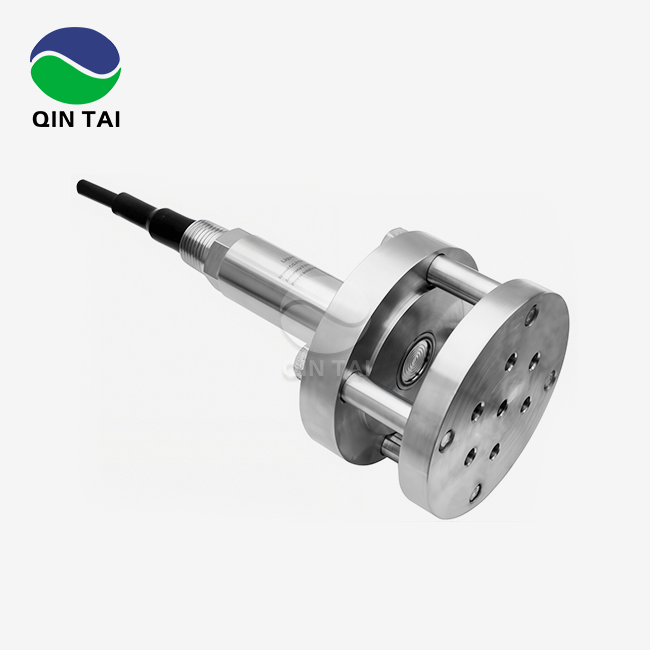
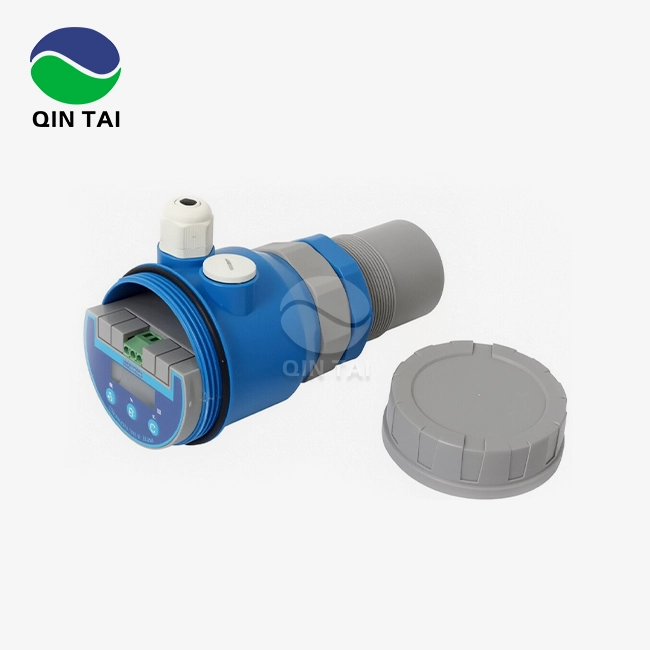
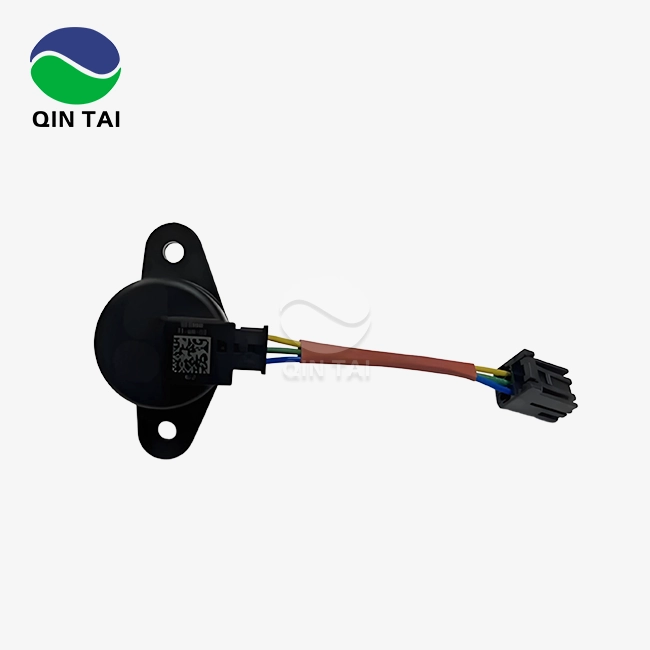

Our customers’ satisfaction speaks for our quality — contact us to experience the same reliable service.