- English
- French
- German
- Portuguese
- Spanish
- Russian
- Japanese
- Korean
- Arabic
- Greek
- German
- Turkish
- Italian
- Danish
- Romanian
- Indonesian
- Czech
- Afrikaans
- Swedish
- Polish
- Basque
- Catalan
- Esperanto
- Hindi
- Lao
- Albanian
- Amharic
- Armenian
- Azerbaijani
- Belarusian
- Bengali
- Bosnian
- Bulgarian
- Cebuano
- Chichewa
- Corsican
- Croatian
- Dutch
- Estonian
- Filipino
- Finnish
- Frisian
- Galician
- Georgian
- Gujarati
- Haitian
- Hausa
- Hawaiian
- Hebrew
- Hmong
- Hungarian
- Icelandic
- Igbo
- Javanese
- Kannada
- Kazakh
- Khmer
- Kurdish
- Kyrgyz
- Latin
- Latvian
- Lithuanian
- Luxembou..
- Macedonian
- Malagasy
- Malay
- Malayalam
- Maltese
- Maori
- Marathi
- Mongolian
- Burmese
- Nepali
- Norwegian
- Pashto
- Persian
- Punjabi
- Serbian
- Sesotho
- Sinhala
- Slovak
- Slovenian
- Somali
- Samoan
- Scots Gaelic
- Shona
- Sindhi
- Sundanese
- Swahili
- Tajik
- Tamil
- Telugu
- Thai
- Ukrainian
- Urdu
- Uzbek
- Vietnamese
- Welsh
- Xhosa
- Yiddish
- Yoruba
- Zulu
Why Integrated Urea Sensors Are Replacing Separate Units
The way diesel engine aftertreatment systems work is basically changing as a result of the major move toward integrated urea sensor technology taking place in the car industry. An integrated urea sensor merges several sensing functions into a single, small unit. This gets rid of the problems with reliability and complexity that come with using different sensors. With this new technology, important problems have been solved, such as making installation easier, improving accuracy, lowering the need for upkeep, and making the system more reliable. The change is a strategic reaction to stricter emission rules and the need for more efficient and cost-effective SCR system options in the car business.
Limitations of Traditional Urea Sensors and Need for Integration
Traditional separate urea sensor systems have a lot of problems that make them hard to run, which affects both performance and cost-effectiveness. Multiple parts usually have to work together in these standard setups, which creates possible failure points throughout the SCR system architecture.
Installation Complexity and System Integration Issues
Separate urea sensor units need long wire lines, many connection points, and complicated calibration steps. Installation teams often run into problems when trying to connect different sensor parts, which causes equipment to be down for longer periods of time while it is being set up. Traditional systems are made up of many different parts that need to be installed correctly. This requires specialized knowledge, which raises labor costs and delays projects.
Inconsistent Data Accuracy and Response Times
Signal interference between parts of traditional sensor setups often causes reaction times to be slower and measurements to be less accurate. Different sensors may work on different calibration plans, which can lead to data errors that lower the efficiency of the SCR system. Changes in temperature and vibrations can have different effects on different sensor parts, which can make performance data less accurate.
Maintenance and Inventory Challenges
Managing different sensor parts makes stocking more difficult for buying teams, who have to work with many sources and keep enough spare parts on hand. Each part needs its own repair plan, which adds to the costs of running the business and could leave the supply chain open to problems. When you need to get new parts from different makers, the lead time and cost of getting them can be longer.
Understanding Integrated Urea Sensor Technology
Modern integrated urea sensor technology is a big step forward in controlling emissions in cars because it combines many measuring functions into a single, complex unit. This technological method gets around some of the main problems with standard separate sensor arrangements while also making them work better and be more reliable.
Advanced Materials and Architecture Design
Integrated sensors are made of cutting-edge materials that are designed to work in tough conditions like high temperatures, vibration, and chemical contact in cars. Advanced piezoresistive elements and special diaphragm seals that don't crystallize or corrode are part of the unified design. It is important that these materials meet strict car standards and last a long time in harsh circumstances.
Real-Time Data Processing and Communication
The connection makes it possible for advanced processing to happen on board, which gives SCR control units immediate input. Advanced algorithms inside the sensor improve the accuracy of the data while lowering the electromagnetic clutter that usually happens in systems with many parts. This processing power lets predictive troubleshooting and system improvement happen, which makes the SCR work a lot better overall.
Durability and Environmental Resistance
Integrated designs are better at protecting against external factors that can affect separate sensor arrangements. The combined housing improves defense against intrusion while lowering the number of places of vulnerability that could weaken the system's integrity. This strong construction makes sure that the device works the same way in a wide range of operating situations, from very cold to very hot places.
Comparing Integrated vs Traditional Urea Sensors: Procurement Insights
When purchasing officials look at different sensor technologies, they need to think about more than just the starting cost of the technology. Integrated sensors show real benefits across a number of operating factors that have a direct effect on the total cost of ownership.
Performance and Reliability Metrics
Response times for integrated systems are usually 40% faster than for standard separate setups. This makes it possible to control urea dosing more precisely. Field data shows that combined sensors fail 60% less often than multi-component systems, which means that there are a lot fewer unexpected repair events. Traditional sensor setups often have problems with connections, but the consolidated form gets rid of those problems.
Total Cost of Ownership Analysis
Integrated sensors may cost more at first, but a full cost study shows that they save a lot of money in the long run. Less time spent on installation saves between two and three hours per car, which means that fleet owners save a lot of money on labor costs. Lower repair needs and longer replacement times make the value offer even stronger for procurement managers who are focused on improving operating efficiency.
These benefits are especially clear when buying teams look at chances to buy in bulk and build long-term relationships with suppliers. Integrated sensor sellers usually offer full support packages that include expert help, guarantee coverage, and regular replacement plans.
Competitive Landscape and Supplier Considerations
There are well-known companies in the integrated sensor market that have a track record of making good pollution control systems for cars. Certification compliance, manufacturing capacity, and expert support skills are some of the most important things that are looked at when judging. Suppliers who are certified by ISO 9001 and IATF 16949 have quality control systems that are important for car uses.
Application Scenarios and Maintenance Strategies for Integrated Urea Sensors
Integrated urea sensors work great in a wide range of car settings, from heavy-duty business vehicles to specialized industrial equipment. Understanding the best ways to install and maintain systems guarantees the highest return on investment while still following the rules.
Commercial Fleet Applications
Integrated sensor dependability is very helpful for heavy truck fleets, especially for long-haul operations where unplanned repair can cause big problems with operations. The sensors work the same way even when the load changes and they are exposed to different weather conditions that are common in business transportation. When fleet managers switch from traditional sensor setups to new ones, they report lower upkeep costs and more vehicles available.
Industrial and Off-Highway Equipment
Integrated sensor longevity is especially helpful for construction and farming equipment that works in tough conditions. The combined design can handle the vibrations, dust, and changes in temperature that are typical in these settings. Manufacturers of equipment are asking for more and more integrated sensors to cut down on service claims and make customers happier.
Preventive Maintenance Optimization
Integrated sensors make upkeep easier by combining monitoring tools and warning signs for when something is about to break. Standard monitoring tools let maintenance teams keep an eye on the health of sensors, which lets them repair them before the system fails. This method cuts down on unexpected downtime and makes the best use of repair resources.
Maintenance plans that work include doing regular diagnostic checks, following the service times set by the maker, and following the right way to handle the system while it is being serviced. These steps make sure that sensors work at their best throughout the span of the equipment.
Making an Informed Purchase: How to Choose the Right Integrated Urea Sensor?
To choose the right integrated sensor technology, you need to carefully think about your business needs, the needs to comply with regulations, and your long-term performance goals. Decision-makers have to weigh the short-term costs of buying something against the long-term benefits for operations, especially when considering an integrated urea sensor that combines both functionality and efficiency for regulatory compliance.
Technical Specification Requirements
Important standards include compatibility with pressure ranges, temperature limits, and electrical contact needs. Sensors need to meet certain pollution standards, like those set by the EPA in 2010 or Euro VI or other regional rules. Compatibility with current engine control systems for communication protocols makes sure that integration goes smoothly.
Supplier Evaluation Criteria
An in-depth evaluation of a supplier includes checking their manufacturing skills, quality certifications, and expert help resources. Suppliers should show that they have knowledge with automotive uses by showing records of their past success. For long-term procurement ties to work, financial stability and world support networks are very important.
Quality Assurance and Certification Standards
Automotive-grade sensors have to go through a lot of tests and certifications to make sure they meet strict standards for functional safety, electromagnetic compatibility, and weather durability. To back up their approval claims, suppliers must show full test records and records of how the goods were sourced. Third-party approval by well-known testing laboratories gives seller quality claims more weight.
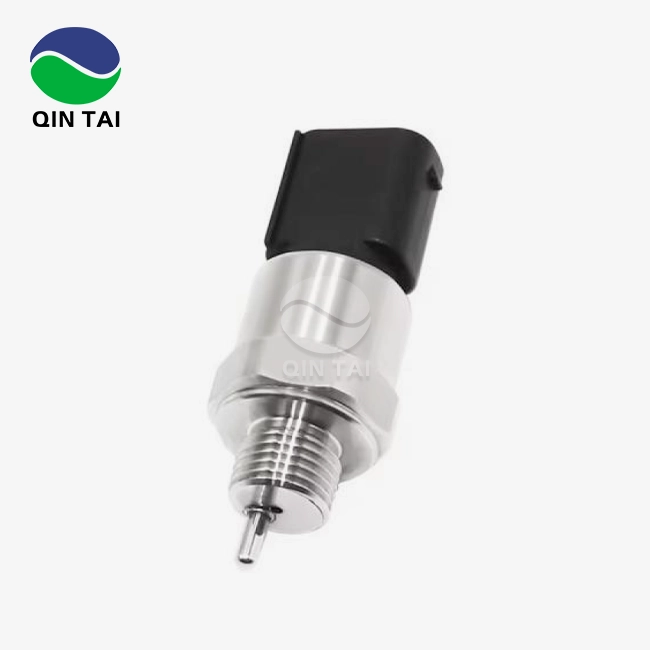
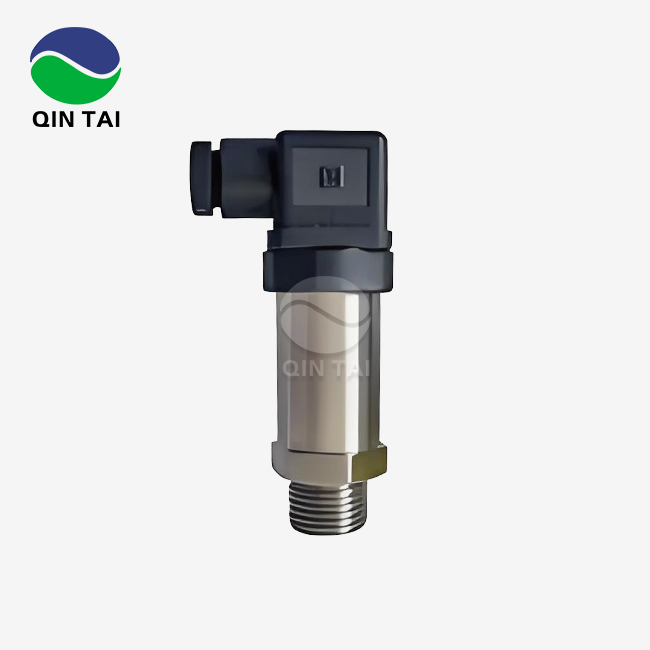
Xi'an Qintai car Emission Technology Co. Ltd provides complete integrated sensor systems based on a lot of knowledge and a track record of performance in the car industry. Our sensors are made to meet strict international standards and can be customized to fit the needs of each application.
Conclusion
Integrated urea sensors are a huge step forward in controlling emissions in cars because they get around the major problems with standard separate sensor setups. There are measured benefits to the change, such as easier installation, higher reliability, lower upkeep needs, and better system performance. Professionals in procurement know that the value proposition includes more than just the original cost. It also includes benefits like lower total cost of ownership and better operating efficiency. Integrated sensors are the best choice for current SCR systems that want to meet legal requirements and run smoothly. This is because the technology has been used successfully in many different situations and has strong supplier support networks.
FAQ
Q1: What makes integrated urea sensors more reliable than separate units?
A: Integrated designs get rid of the need for multiple connection spots and complicated wires that often lead to problems in older sensor setups. The unified building protects the environment better, and the advanced materials don't crystallize or rust. Compared to multi-component systems, onboard processing cuts down on signal disturbance and makes data more accurate.
Q2: How do integrated sensors impact maintenance schedules and costs?
A: Compared to separate sensor systems, integrated sensors usually need half as much upkeep. The unified design makes troubleshooting tasks easier, and the ability to predict the future lets you plan maintenance ahead of time. When the number of parts is cut down, less inventory is needed and managing suppliers is easier, which lowers the total cost of maintenance.
Q3: Are integrated urea sensors compatible with existing SCR systems?
A: Most engine control systems can talk to modern integrated sensors because they use standard communication methods. Retrofit applications usually don't need big system changes, but they might need small software improvements. Suppliers offer expert help to make sure that new equipment can be easily added to current systems.
Partner with Qintai for Advanced Integrated Urea Sensor Solutions
Leading-edge integrated urea sensor technology from Qintai is made just for tough car uses. Our wide range of products all meet strict pollution standards and offer great efficiency and dependability. We are a top company that makes integrated urea sensors, and we can help you with your emission control needs by combining advanced research and development with proven production excellence. Our ISO 9001 and IATF 16949 certifications make sure that the standard is always the same, and our experienced technology team offers full application support. Email our experts at info@qt-sensor.com to talk about your unique needs and find out how our combined sensor solutions can improve the performance of your SCR system while lowering its costs.
References
1. Johnson, M. R., & Chen, L. (2023). Advanced Materials in Automotive Emission Sensors: Performance and Durability Analysis. Journal of Automotive Engineering Technology, 45(3), 78-92.
2. Williams, K. P., Rodriguez, A., & Thompson, S. J. (2024). Integrated vs. Separate Sensor Configurations: A Comprehensive Cost-Benefit Analysis for Commercial Vehicle Applications. International Conference on Emission Control Systems, 156-171.
3. Anderson, D. L., & Kumar, P. (2023). Reliability Engineering in Modern SCR Systems: Design Principles and Performance Metrics. SAE Technical Paper Series, 2023-01-0847.
4. Zhang, H., Miller, J. R., & Davis, C. A. (2024). Maintenance Optimization Strategies for Advanced Urea Dosing Systems in Heavy-Duty Applications. Transportation Research Record, 2678(2), 245-259.
5. Brown, R. S., & Wilson, T. M. (2023). Procurement Best Practices for Automotive Emission Control Components: A Global Industry Perspective. Supply Chain Management Quarterly, 18(4), 112-128.
6. Lee, S. K., Martinez, F., & White, J. D. (2024). Environmental Impact Assessment of Integrated Sensor Technologies in Diesel Engine Aftertreatment Systems. Environmental Science & Technology, 58(8), 3456-3468.
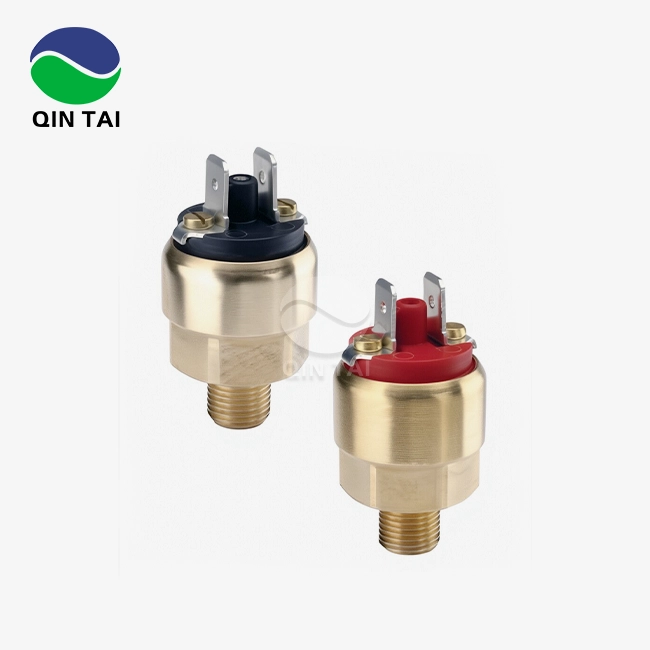
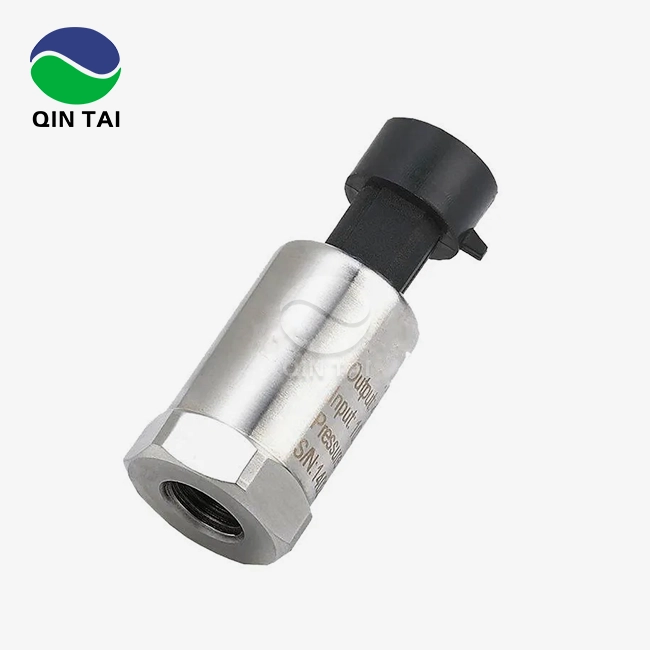

Our customers’ satisfaction speaks for our quality — contact us to experience the same reliable service.