- English
- French
- German
- Portuguese
- Spanish
- Russian
- Japanese
- Korean
- Arabic
- Greek
- German
- Turkish
- Italian
- Danish
- Romanian
- Indonesian
- Czech
- Afrikaans
- Swedish
- Polish
- Basque
- Catalan
- Esperanto
- Hindi
- Lao
- Albanian
- Amharic
- Armenian
- Azerbaijani
- Belarusian
- Bengali
- Bosnian
- Bulgarian
- Cebuano
- Chichewa
- Corsican
- Croatian
- Dutch
- Estonian
- Filipino
- Finnish
- Frisian
- Galician
- Georgian
- Gujarati
- Haitian
- Hausa
- Hawaiian
- Hebrew
- Hmong
- Hungarian
- Icelandic
- Igbo
- Javanese
- Kannada
- Kazakh
- Khmer
- Kurdish
- Kyrgyz
- Latin
- Latvian
- Lithuanian
- Luxembou..
- Macedonian
- Malagasy
- Malay
- Malayalam
- Maltese
- Maori
- Marathi
- Mongolian
- Burmese
- Nepali
- Norwegian
- Pashto
- Persian
- Punjabi
- Serbian
- Sesotho
- Sinhala
- Slovak
- Slovenian
- Somali
- Samoan
- Scots Gaelic
- Shona
- Sindhi
- Sundanese
- Swahili
- Tajik
- Tamil
- Telugu
- Thai
- Ukrainian
- Urdu
- Uzbek
- Vietnamese
- Welsh
- Xhosa
- Yiddish
- Yoruba
- Zulu
How to Calibrate a Urea Quality Sensor Correctly
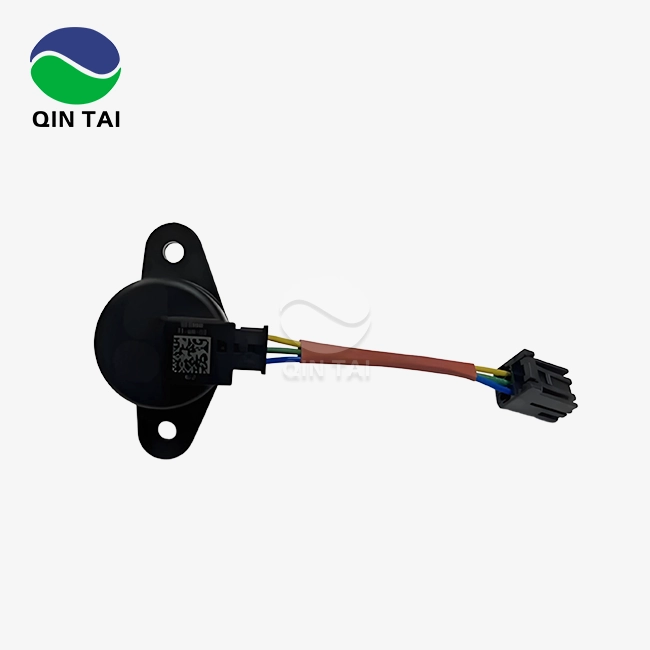
To properly calibrate a
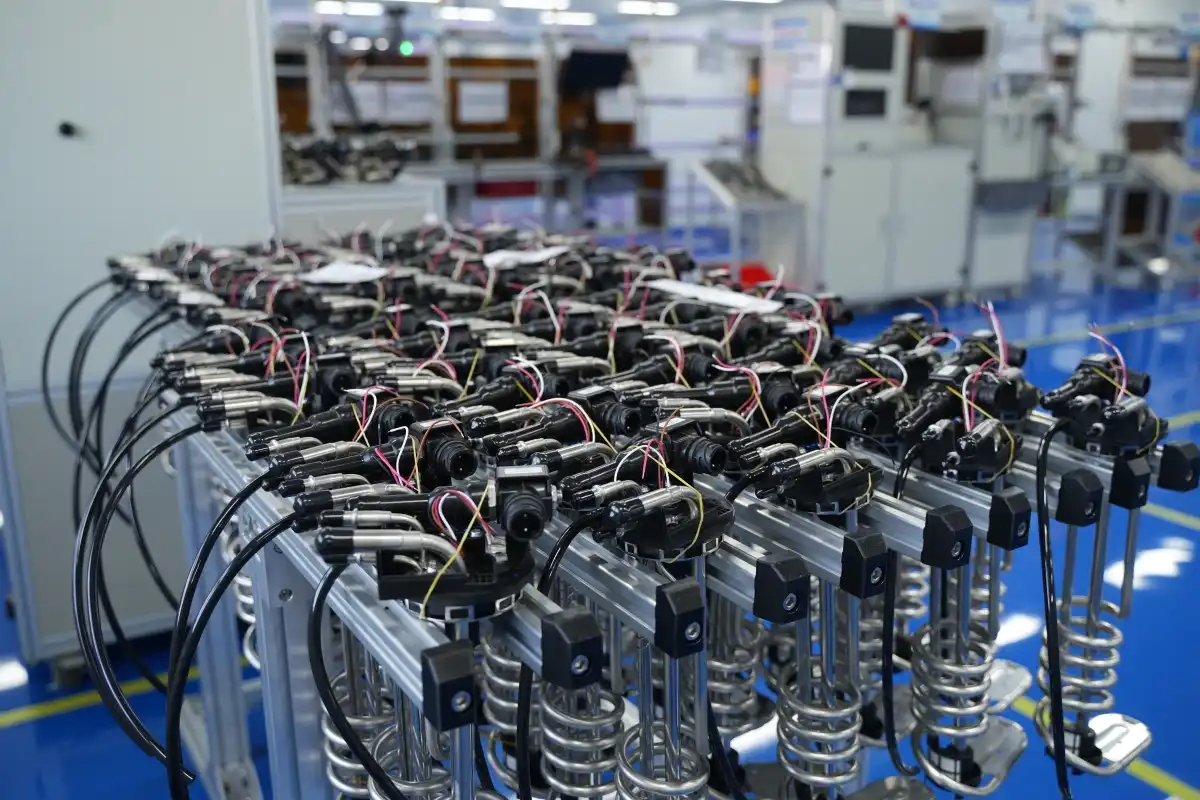
, you need to pay close attention to the surroundings, certified reference solutions, and OEM-specific procedures. Usually, deionized water is used to fix the zero point, and then verified AdBlue solutions with known concentrations are used for span calibration. Accurate readings of urea concentration can only be made with proper calibration. This lets SCR systems keep reducing NOx as efficiently as possible while still reaching strict emission standards. In order for the calibration process to work reliably for a long time, it needs to be finished with temperature compensation, contamination prevention, and confirmation through cross-reference testing.
Understanding Urea Quality Sensors and Calibration Basics
Accurate readings of urea content are very important for modern SCR systems that want to reduce NOx as much as possible. For aftertreatment system management to go well, people need to know how these tools work and why tuning is important.
Primary Sensor Technologies Used in SCR Applications
Several sensor technologies are used in the car and industry fields to check the quality of urea. Near-infrared (NIR) spectroscopy is used by optical sensors to look at patterns of light absorption. This lets them measure concentrations very accurately across a wide range of temperatures. When exact tracking of AdBlue quality is needed, these sensors really shine. This is especially true in heavy-duty truck fleets where emission compliance is still very important.
Capacitive sensors can reliably detect changes in the dielectric property as urea amounts change, even in tough industrial settings. Their solid-state design means they don't need as much upkeep and keep working accurately over long periods of time between service. Ultrasonic sensors send out sound waves and look at how they are reflected to figure out both level and quality factors at the same time. This makes them useful for monitoring systems that are built into tanks.
The Critical Importance of Sensor Calibration
Calibration has a direct effect on how well an SCR system works and how well it follows the rules. When sensors aren't calibrated, they can send out fake trouble codes, which can cause service calls and downtime that aren't necessary. More importantly, wrong urea pumping rates lower the effectiveness of NOx reduction, which could lead to pollution violations and expensive fines.
According to research, sensors that are properly calibrated stay accurate within º2% over a period of 12 months. On the other hand, units that aren't calibrated may lose accuracy more than 10% in just six months. This breakdown hurts the performance of the catalyst, raises the cost of upkeep, and makes the whole system less reliable. Regular testing plans help stop these problems and increase the life of parts.
Essential Tools and Reference Materials
For calibration to work, there must be approved standard solutions with concentration values that can be tracked. Most of the time, these solutions have uniform AdBlue samples at a 32.5% urea content and deionized water for zero-point calibration. Temperature-controlled storage keeps the solution's stability and stops it from crystallizing while testing is being done.
OEM monitoring software has calibration methods that are made to work with certain types of sensors. These apps show workers how to do things step-by-step and write down the results of the calibration for quality control records. Precision temperature measuring tools also make sure that correction takes place in certain weather conditions.
Common Challenges and Causes of Calibration Errors
Finding possible tuning problems before they affect the system's performance helps keep the SCR working consistently. Understanding these problems lets you plan preventive maintenance and cuts down on mistakes that come up out of the blue, especially when using a urea quality sensor to monitor the system's efficiency.
Environmental Factors Affecting Sensor Performance
Changing temperatures are the most difficult thing about the surroundings for calibrating urea sensors. When temps drop below -11°C, AdBlue crystallizes, leaving behind solid deposits that mess up sensor data. On the other hand, too much heat speeds up the breakdown of urea, which changes concentration levels and makes measurements less accurate.
Another major problem is contamination from outside sources. Water getting into the system lowers the amounts of urea and glycol from cooling system leaks messes up measurements. Particulate matter from tank air systems can build up on sensor surfaces, making signals less clear over time and necessitating more frequent calibrations.
In mobile applications, vibration and mechanical stress can make it hard to place sensors and connect them to the power. These situations could add signal noise or lead to occasional contact problems that make measurements less stable. These effects on the environment can be lessened by using the right installation methods and inspecting things on a regular basis.
Sensor Aging and Component Degradation
Over time, the electronic parts inside sensors naturally break down, which changes how accurate measurements are and how stable the calibration is. LED output or photodiode sensitivity changes can happen to optical sensors, which means that the span needs to be adjusted more often to keep the accuracy. The reference circuits in capacitive sensors can drift, which means they need to be recalibrated to a new zero point.
In tough workplace settings, being exposed to chemicals speeds up the aging process. Urea breakdown can release ammonia fumes that can damage sensor housings or dirty optical windows. Figuring out these trends of wear and tear helps set up the right calibration and repair plans.
Human Factors and Procedural Errors
A big chunk of sensor reliability problems are caused by wrong testing methods. Using standard solutions that are out of date or contaminated leads to wrong testing results that get worse over time. Systematic mistakes that affect long-term performance can be caused by not controlling the temperature properly during testing.
Problems arise during fixing and insurance claims when there are gaps in the documentation. Keeping full calibration records with timestamps, solution lot numbers, and information about the surroundings helps with quality control and finds problems that keep happening.
Step-by-Step Guide to Calibrate a Urea Quality Sensor Correctly
To get accurate testing results, you need to carefully follow the steps for planning, carrying out, and checking the results. By following set procedures, you can be sure that the accuracy will be the same for all sensor types and uses.
Pre-Calibration Preparation and Safety Considerations
The first step in getting ready is making sure that the weather conditions meet OEM standards. During the calibration process, the temperature should stay stable between 15 and 25°C, and the humidity should stay below 70% to keep sensor surfaces from getting wet. Urea breakdown doesn't build up ammonia if there is enough air flow.
When making reference solutions, it's important to pay close attention to how they should be stored and when they go bad. Samples of certified AdBlue must be kept sealed until they are used, and they should be slowly brought to room temperature to avoid heat shock. To make sure reliable baseline readings, the deionized water used for zero-point testing should have a resistivity level above 1 Mₚcm.
Safety rules include wearing the right safety gear, like gloves that can handle chemicals and safety glasses. Before starting calibration processes, tools, paperwork materials, and communication devices need to be put away in order in the workspace. It's important to go over emergency plans again, especially for places that are cut off and where ammonia levels could build up, particularly when working with a urea quality sensor in such environments.
Zero-Point and Span Calibration Procedures
Using approved deionized water for zero-point calibration sets the sensor's default reaction. Before putting the sensor into the standard solution, it needs to be cleaned and dried well. Give the temperature enough time to settle down, usually three to five minutes, before starting the calibration process through the OEM diagnostic software.
To find out the sensor's full-scale reaction, Span calibration uses an approved AdBlue solution with 32.5% urea. Gentle stirring keeps the fluid homogeneous and stops bubbles from forming, which could mess up optical readings. The tuning program shows users how to make adjustments that are right for their sensor type.
Multi-point calibration using intermediate concentration numbers is an example of an advanced calibration method. This method makes the measurement range more straight and gives better accuracy for tasks that need to control concentrations very precisely. Traceability rules and quality control methods are supported by writing down all measuring points.
Validation and Documentation Requirements
Cross-checking sensor values against separate reference data is part of calibration validation. Before putting the sensor back into service, this step makes sure that the adjustment was done correctly and looks for any possible mistakes in the process. Most acceptance standards need numbers to be within 1% of the reference values.
Full records include times of calibration, expert names, reference solution lot numbers, and information about the surroundings. Digital record-keeping systems make it easier to look at trends and help with strategies for planned repair. These records are necessary for guarantee claims and checks to make sure that rules are being followed.
Best Practices and Tips for Maintaining Sensor Calibration
To keep calibration accuracy over long periods of time, you need repair plans that take both technical and business factors into account. These steps help make sensors more reliable while keeping their maintenance costs as low as possible.
Optimal Calibration Scheduling Strategies
How often you need to calibrate relies on the type of sensor, how hard the job is, and how well it needs to work. For high-precision uses, calibration may need to happen every month, but for normal automotive purposes, it usually works fine every three months. These intervals are affected by the environment in a big way. For example, harsh industry areas need more frequent attention.
Data-driven scheduling methods find the best calibration time by looking at trends in sensor performance. Keep an eye on drift rates and patterns of accuracy loss to make predictive repair plans that meet the needs for reliability while also being efficient. This method cuts down on calibrations that aren't needed and makes sure that performance standards stay the same.
When regular maintenance tasks are integrated, productivity is maximized and downtime is kept to a minimum. Scheduling sensor calibration with regular repair intervals cuts down on the time that a vehicle or piece of equipment is unavailable and makes sure that all of the aftertreatment parts get the care they need. These unified methods are backed up by detailed instructions for upkeep.
Contamination Prevention and Storage Guidelines
To keep things from getting contaminated, you need to pay attention to how they are handled and stored. Before calibration, the sensor surfaces should be cleaned with the right chemicals. To keep them clean, reference solutions should stay sealed and clearly labeled. Using special tools for testing lowers the chance of adding foreign substances.
Storage methods keep the security of the standard answer for long periods of time. Controlling the temperature stops compounds from crystallizing and breaking down, and storing them in the dark stops photochemical breakdown of sensitive compounds. Inventory rotation makes sure that there are always new options for important monitoring tasks, especially when dealing with a urea quality sensor that requires precise calibration.
Training and Personnel Development
Calibration programs that work depend on having skilled workers. Full training includes types of sensors, how to calibrate them, safety rules, and what paperwork is needed. Technicians stay up to date on new technologies and processes by going to regular refresher classes.
Certification programs show that technicians are skilled and help with quality control. Written tests, actual demos, and ongoing performance reviews are common parts of these programs. Keeping records of certified technicians helps customers trust you and meets legal standards.
Selecting the Right Urea Quality Sensor for Your Needs: Calibration and Beyond
To pick the best sensor options, you have to weigh the needs of the application against technical performance, tuning requirements, and total ownership costs. When procurement workers understand these trade-offs, they can make choices that are better for the business in the long run.
Comparative Analysis of Leading Sensor Manufacturers
There are a lot of different choices for sensors on the market, all made by well-known companies. Each one has its own calibration and help features. Bosch sensors are built to last and come with full diagnostic integration, which makes them perfect for high-volume OEM uses. Standardized methods are used in their calibration processes, which means that technicians of all skill levels can get the same results with less training.
Continental sensors focus on modular designs that make repair and tuning easier to do in the field. Their built-in temperature compensation makes them less sensitive to their surroundings, and their simpler calibration methods cut down on downtime during maintenance. These features are especially helpful for truck apps that need to finish services quickly.
Denso sensors use cutting edge optical technologies that make them very accurate and stable over long periods of time. For precision uses, the performance benefits of their calibration processes are worth the extra money and training needed to do them. Their full expert support helps customers make the most of their calibration plans and fix problems that are hard to understand.
Total Cost of Ownership Considerations
When evaluating sensor investments, it's important to look at more than just the original buy price. The frequency of calibration has a direct effect on upkeep costs. For example, some sensor technologies need to be calibrated once a month, while others work effectively every three months. Over a normal 5 to 7-year service life, labor costs, reference solution costs, and downtime effects add up to a lot of money.
Long-term ownership costs are affected by things like warranty terms and the availability of expert help. Manufacturers that give full calibration training, technical hotlines, and new parts add value that goes beyond what the sensor can do at first. These support services are especially important for foreign businesses that need to make sure that everyone meets the same performance standards.
Buying in bulk can lower the cost of each sensor while making sure that the specs are the same across big fleets or industrial setups. You can get more value by negotiating calibration training, reference solutions, and technical support as bundled deals. This also makes managing vendors easier.
Conclusion
Correctly calibrating the urea sensor is a key part of making sure that the SCR system works well and doesn't release harmful fumes. The step-by-step process described here—which includes planning, running, checking for errors, and continued upkeep—ensures uniform performance across a wide range of applications. When buying and engineering teams know about sensor technologies, environmental issues, and best practices, they can make decisions that lower the total cost of ownership while still following the rules. Regular testing plans, along with the right training and paperwork, are what make long-term SCR system operation possible, especially when using a reliable urea quality sensor.
FAQ
Q1: How often should I calibrate my urea quality sensors?
A: How often you need to calibrate relies on the type of sensor, how hard the job is, and how well it needs to work. Standard car applications may need to be calibrated every three months, while high-precision industrial applications may need to be checked every month. Extreme temperature changes, pollutants, and vibrations in the environment can make calibrations need to be done more often. By keeping an eye on trends of sensor drift, you can find the best plans that balance dependability with working efficiency.
Q2: What are the signs that indicate my sensor needs recalibration?
A: Several signs point to the need for recalibration, such as readings that aren't consistent across multiple sensors, fault codes that are linked to the quality of the urea, poor SCR system performance with higher emissions, and readings that deviate a lot from what was expected. Crystalline layers on sensor surfaces, reference solutions that aren't the right color, or pollution that can be seen in the urea tank are all physical signs. Diagnostic scans done on a regular basis help find these problems before they affect how well the system works.
Q3: Can I perform calibration on-site or do I need specialized facilities?
A: With movable tools and approved reference solutions, many calibration processes can be done on-site. Specialized centers, on the other hand, have benefits like controlled environments, high-tech diagnostic tools, and trained experts. For regular maintenance, on-site testing works well. For more complicated problems or precise tasks, however, conditions in a lab may be better. When picking between these choices, think about how accurate you need to be, how many tools you have access to, and how well-trained your technicians are.
Partner with Qintai for Premium Urea Quality Sensor Solutions
China's top urea quality sensor maker, Qintai, has been coming up with new ideas for over 20 years and offers full testing support services. Our automotive-grade sensors use cutting-edge optical and capacitive technologies that were made to work with SCRs. With IATF16949 certification and 58 idea patents, we offer stability that meets global pollution standards and can help you with your calibration needs with expert technical support.
Our skilled engineering team can make calibration methods that are specific to your needs, whether you're working in an automobile, industrial, or marine setting. Comprehensive training programs make sure that your technicians always get the same results, and our global distribution network makes sure that reference solutions are always available and that techs can get help quickly. Get in touch with info@qt-sensor.com to talk about your needs for a urea quality sensor source and find out how our tried-and-true options can improve the performance of your SCR system.
References
1. Society of Automotive Engineers. "Recommended Practice for Diesel Exhaust Fluid Quality Assurance." SAE Standard J2906, 2021.
2. International Organization for Standardization. "Road Vehicles - AdBlue - Quality Requirements and Test Methods." ISO 22241 Series, 2019.
3. European Automobile Manufacturers Association. "SCR System Calibration Guidelines for Heavy-Duty Applications." Technical Report ACEA-HD-2020, 2020.
4. American Society for Testing and Materials. "Standard Test Method for Urea Concentration in Diesel Exhaust Fluid." ASTM D5189-20, 2020.
5. Institute of Electrical and Electronics Engineers. "Recommended Practice for Sensor Calibration and Validation in Automotive Applications." IEEE Standard 2700-2017, 2017.
6. Environmental Protection Agency. "Diesel Exhaust Fluid Quality Control and Sensor Calibration Procedures." EPA Technical Bulletin EPA-420-B-21-003, 2021.


Our customers’ satisfaction speaks for our quality — contact us to experience the same reliable service.