- English
- French
- German
- Portuguese
- Spanish
- Russian
- Japanese
- Korean
- Arabic
- Greek
- German
- Turkish
- Italian
- Danish
- Romanian
- Indonesian
- Czech
- Afrikaans
- Swedish
- Polish
- Basque
- Catalan
- Esperanto
- Hindi
- Lao
- Albanian
- Amharic
- Armenian
- Azerbaijani
- Belarusian
- Bengali
- Bosnian
- Bulgarian
- Cebuano
- Chichewa
- Corsican
- Croatian
- Dutch
- Estonian
- Filipino
- Finnish
- Frisian
- Galician
- Georgian
- Gujarati
- Haitian
- Hausa
- Hawaiian
- Hebrew
- Hmong
- Hungarian
- Icelandic
- Igbo
- Javanese
- Kannada
- Kazakh
- Khmer
- Kurdish
- Kyrgyz
- Latin
- Latvian
- Lithuanian
- Luxembou..
- Macedonian
- Malagasy
- Malay
- Malayalam
- Maltese
- Maori
- Marathi
- Mongolian
- Burmese
- Nepali
- Norwegian
- Pashto
- Persian
- Punjabi
- Serbian
- Sesotho
- Sinhala
- Slovak
- Slovenian
- Somali
- Samoan
- Scots Gaelic
- Shona
- Sindhi
- Sundanese
- Swahili
- Tajik
- Tamil
- Telugu
- Thai
- Ukrainian
- Urdu
- Uzbek
- Vietnamese
- Welsh
- Xhosa
- Yiddish
- Yoruba
- Zulu
How Urea Sensors Support SCR Emission Compliance
Urea sensors are important parts of SCR systems that help them meet strict pollution rules by carefully watching and managing the injection of AdBlue or diesel exhaust fluid (DEF). These high-tech tools check the amount of urea in the air. This makes sure that the NOx reduction works as well as it can and that all the rules are followed in car, industrial, and marine settings. Through real-time feedback mechanisms, urea sensor technology lets SCR systems change their dosing methods based on how they're being used. This helps the environment and saves money for fleet owners and equipment makers around the world.

Introduction
Selective Catalytic Reduction (SCR) technology is one of the most important ways to meet the stricter pollution rules in markets around the world. The technology works by adding the right amount of a urea-based reductant to the exhaust stream. This reduces the harmful NOx pollutants and turns them into safe nitrogen and water vapor. In this complicated system, tracking sensors are the most important control parts that make sure the right doses are given and the system works well.
To meet pollution guidelines in the EPA Tier 4, Euro VI, and China VI, modern SCR systems depend on highly advanced sensor technologies. These rules say that NOx reduction rates must be higher than 90% in many situations. This means that careful control of urea flow is a must. Inadequate emission control has effects that go beyond environmental worries. For example, businesses that don't follow the rules could face large fines and equipment downtime.
To make sure they stay in line with the rules for a long time, purchasing managers and research and development workers who work with diesel engine makers, aftertreatment system developers, and commercial vehicle operations need to know a lot about how to choose sensors. When reliable tracking solutions are added to heavy-duty applications like building machinery, farming equipment, and power systems, they have a direct effect on system stability, upkeep costs, and operating efficiency.
Understanding Urea Sensors: Principles and Applications
Core Sensor Technologies and Detection Principles
Urea tracking systems use a variety of sensor technologies to handle fluids and control emissions in a complete way. High-quality sensors use conductivity-based analysis to find urea concentration levels very accurately. They can usually get an accuracy of within 2% across a temperature range of -40°C to +85°C. These sensors keep an eye on how electrically conductive the DEF solution is, which is directly related to how much urea is in it.
Another important part of controlling an SCR system is keeping an eye on the pressure. Specialized pressure sensors keep track of the delivery pressure between the dosing pumps and the injection holes. Usually, the working pressure is between 4 and 9 bar, and sensors give real-time feedback to keep the system from breaking down because of too much pressure or to find possible blockages that could make injection less effective.
Modern sensor designs include temperature compensation features to make sure that results are correct even when the environment changes. This function is especially important for mobile apps that run in places where the temperature changes a lot during use. Multiple measurement points are built into more advanced sensor designs so that they can fully watch and diagnose a system.
Industrial Applications and Performance Requirements
Heavy-duty diesel engines in building and farming equipment need strong sensor systems that can handle high vibrations, changing temperatures, and being exposed to dirt and dust. For example, when mining equipment is used, urea sensors are exposed to more than 500 mg/m³ of dust while still meeting the standards for measurement accuracy. For generator set uses, sensors need to be able to work for a long time—often more than 8,000 hours without losing their accuracy.
Marine SCR uses have special problems, like being exposed to salt spray and steady vibrations from the engine. Specialized housing materials and sealing technologies are used in sensors made for these conditions to keep them reliable over time and avoid corrosion. Because marine activities are so hard on equipment, sensor systems need to have mean time between failures (MTBF) scores of more than 50,000 hours.
When used in commercial vehicles, the focus is on being cost-effective while still following the rules during a variety of job shifts. The people who run fleets need sensors that work the same way over millions of miles of use while requiring the least amount of upkeep and downtime.
Calibration and Maintenance Protocols
For sensor accuracy maintenance, calibration processes need to be done regularly, usually every 12 months or after 2,000 hours of use, based on how harsh the application is. As part of calibration processes, checks are made against known reference standards that can be tracked back to national measurement institutes. Calibration is the process of making sure that measurements are accurate within certain limits for as long as the sensor is used.
As part of regular care, sensor elements are cleaned every so often to get rid of crystalline layers that can make measurements less accurate. Cleaning instructions depend on the type of sensor, but in general, they involve flushing with distilled water and then checking the standard values. Schedules for preventive maintenance help find problems before they affect the system's performance or compliance.
Comparing Urea Sensors: Making the Right Choice for Your SCR System
Technical Performance Differentiation
Modern sensor designs combine several different types of measurement technologies into a single housing unit to provide full fluid monitoring capabilities. These days' quality sensors can measure quantity as well as temperature and level, which makes the system simpler and more reliable. These combined methods usually show measurement accuracy within 1.5% of the first reading across all operating temperature ranges.
Different types of sensors have very different reaction times. For example, conductivity-based sensors usually get stable data within 5 to 10 seconds of contact with a fluid. When working conditions change quickly and dosing needs to be changed quickly to stay in line with emissions rules, response speed becomes very important. When temperatures change quickly, like they do during cold-start conditions, high-performance instruments stay accurate.
Environmental longevity testing shows that different sensor types have very different levels of performance. Premium sensors can handle more than 1,000 freeze-thaw cycles without losing any of their performance. They can also keep measuring accurately after being exposed to road salt amounts of more than 3% by weight. These traits of longevity have a direct effect on how much it costs to run a fleet.
Cost-Performance Analysis for Procurement Decisions
Different types of suppliers have very different pricing methods for sensors. OEM-grade sensors usually have higher prices because they have to go through a lot of validation testing and licensing requirements. Aftermarket options might save you 20 to 40 percent of the price while still meeting basic performance standards for certain uses. Long-term supply deals can help negotiate even more cost savings during talks for large purchases.
Total cost of ownership estimates need to take into account how long sensors last, how often they need to be calibrated, and how much it costs to fix a sensor that breaks. When it comes to high-use apps where downtime costs a lot, premium sensors with longer operating lifespans often provide better value, even if they cost more at first. Warranty coverage and the availability of technical help are two more cost factors that affect choices about what to buy.
Performance proof data from outside testing labs gives us objective ways to compare sensors and choose the best one. Standardized test methods check the accuracy of measurements, the stability of temperatures, and the sturdiness of materials in controlled environments. With these validation reports, buying teams can make smart choices based on success measures that can be measured instead of marketing claims.
Procurement Insights: How to Source Quality Urea Sensors?
Supplier Evaluation and Qualification Criteria
A thorough seller qualification process that checks technical skills, quality management systems, and long-term security are the first steps to a successful sensor purchase. For example, certified suppliers of urea sensors use ISO 9001 quality control systems along with IATF 16949 and other standards specifically made for car use. These certifications show that quality control and ongoing growth processes are done in a planned way.
Assessments of a company's manufacturing capabilities should look at its production capacity, testing tools, and how it manages its supply chain. Leading providers have production lines just for sensors that are equipped with automatic testing systems that can check for electrical, mechanical, and weather performance. Having the ability to make more than 500,000 units per year is usually a sign of well-established industrial methods and economies of scale.
Different providers offer very different levels of technical support. Full support includes application engineering help, unique calibration services, and help with fixing problems in the field. Suppliers with regional technical centers can respond more quickly and have a better knowledge of the rules and conditions that apply in your area.
Supply Chain Management and Risk Mitigation
Problems in the global supply chain have shown how important it is to have a variety of suppliers and good inventory management. Leading procurement organizations keep a list of qualified backup sources for important sensor parts and plan to keep enough inventory on hand in case a supply slowdown happens. Depending on source lead times and opinions of how important something is, safety stock levels are usually between 60 and 90 days of usage.
Long-term supply deals keep prices stable and make sure that supplies are distributed evenly during times of high demand or lack of materials. Most of the time, these deals include yearly promises to output and price changes based on inflation and material cost indices. Partnerships with key suppliers often lead to chances to work together on product development and special treatment when decisions are made about sharing.
Through inbound inspection standards and statistical process control tracking, quality escrow processes make sure that products always work the same way. Supplier scorecards that keep track of delivery performance, quality measures, and how quickly corrective actions are taken are all part of good quality management systems. Regular checks of suppliers make sure that quality standards are still being met and look for ways to make things better.
How Urea Sensors Enhance SCR Emission Compliance: Technical and Business Benefits
Real-Time Optimization and Emission Performance
Modern sensor integration lets us use closed-loop control methods that adjust urea dosing based on input from emissions and real-time working conditions. Advanced control algorithms change the timing and amount of injections based on information from sensors. This makes NOx reduction more than 95% effective in a wide range of working situations. This precise control directly leads to higher compliance margins with regulations and more operating freedom.
Continuous tracking lets you know early on if the system is breaking down or needs repair, so you can fix it before it affects your ability to meet emission standards. Predictive maintenance algorithms look at patterns in sensor data to find problems like injector gunk or pump wear. This preventive method cuts down on unplanned downtime and stops expensive violations of emission rules.
System diagnostics made possible by full sensor tracking help users get the most out of their fuel while still meeting emission standards. Studies show that correct sensor input can help improve SCR control strategies, which can lead to 2-4% lower fuel consumption. These improvements in efficiency show that upgrading sensor technology is worth the money.
Regulatory Compliance and Risk Management
Regulatory agencies need more and more thorough tracking and reporting tools for emissions to show that they are still meeting standards. Advanced sensor systems can log data and send reports that are needed to meet legal requirements and keep track of how well the system is working over time. During regulatory checks and compliance exams, this paperwork comes in very handy.
In some places, fines for not following the rules about emissions can be more than $45,000 per unit. This is why it is important to have effective sensor systems for managing risks. Insurance companies know about this risk and may lower premiums for fleets that have written systems for tracking emissions. Reliable sensor systems protect your money in ways that are much greater than the cost of buying good tracking tools.
Environmental responsibility programs are having a bigger impact on buying choices across all industries, and accurate tracking of emissions is helping with the standards for sustainability reporting. Specific NOx reduction goals are often part of a company's sustainable promises. These goals need to be accurately measured and checked, which can only be done with advanced sensor systems.
Return on Investment Analysis
A quantitative study of sensor investment returns includes direct cost savings from better fuel economy, less maintenance needs, and not having to pay fines for not following the rules. For example, case studies from heavy-duty trucking companies show that full sensor changes, including upgrading the urea sensor, have payback times of 18 to 24 months. When these returns are used a lot, they get a lot better over time because practical efficiency gains add up.
Improvements in operational efficiency go beyond direct benefits for controlling emissions. They also include better monitoring tools and less time spent fixing. Fleet repair operations say that better sensor tracking has cut the time needed for SCR diagnostics by 30 to 40 percent. This increase in efficiency cuts down on upkeep costs and makes tools more available.
Sensor technology can create long-term value by increasing the selling value of assets and making tools last longer. Documented history of emission compliance and thorough repair records make equipment more valuable and easier to sell. These things help lower the total cost of ownership, which makes it worth it to buy more expensive sensors.
Maintaining and Troubleshooting Urea Sensors for Optimal SCR Operation
Preventive Maintenance Strategies
Maintenance plans for sensors that work well combine preventative maintenance with cost control by planning maintenance based on risk. In critical situations, high-priority sensors are checked every month, but in less critical situations, the checks may be spread out over three months. When planning maintenance, the harshness of the working environment is taken into account. For example, environments that are dusty or corrosive need more frequent attention.
Different types of sensors need different cleaning methods to keep them from getting damaged and to make sure they work at their best. To get rid of mineral layers, conductivity sensors should be flushed with purified water every so often. Optical sensors, on the other hand, need to have their optical surfaces carefully cleaned with the right solvents. When you clean sensors the right way, they last longer and keep their accuracy.
To find drift before it hurts system performance, calibration verification methods should be built into regular repair plans. Field calibration kits allow proof on-site using traceable reference standards, which cuts down on the downtime needed for sensor replacement or lab calibration services. Keeping track of testing results gives you trend data that you can use to make decisions about preventative maintenance.
Diagnostic Procedures and Troubleshooting
Systematic ways of fixing problems start with checking the sensor signals to tell the difference between problems with the sensors and problems with the system. Digital multimeters and oscilloscopes can check signals in a basic way, but only certain types of troubleshooting tools can fully test sensor functions. Using the right troubleshooting steps can cut down on repair time and keep you from having to replace sensors that aren't needed.
Calibration drift, mistakes caused by contamination, and problems with the electrical link are all common ways for sensors to fail. Calibration drift usually happens slowly and can be found by looking at how sensor outputs change over time. Electrical problems usually show up as lack of signal or clearly wrong readings, while contamination problems usually show up as readings that change all the time or values that change quickly.
When sensors have performance problems because of temperature, the specs and working conditions need to be carefully looked at. When sensors are close to their design limits, they may not work as accurately or at all times. Environmental factors like shaking, humidity, and electromagnetic interference can impact how well sensors work, and these should be taken into account when fixing.
Replacement Planning and Lifecycle Management
When planning to repair sensors, you should think about how long they are expected to last, how important they are, and how to keep track of your supplies. Depending on how well they are maintained and how often they are used, sensors usually last between 3 and 7 years. Using statistical failure analysis to plan when to replace things helps keep maintenance costs low and stops failures from happening out of the blue.
Measurement drift beyond standard limits, slower reaction times, and higher upkeep needs are all signs that a device is nearing the end of its useful life. Trend study of sensor performance data helps find situations that are getting close to the end of their useful life before they affect compliance. Proactive replacement strategies stop emergencies before they happen and make the best use of repair schedules.
Keeping track of new sensors in stock means matching the costs of keeping them on hand with the needs of having them available. Applications that are very important may need to keep extra sensors on hand, while applications that are not as important can rely on provider stock as long as lead times are managed well. A lot of the time, group buying saves money and makes sure that all of the sensors are the same specs.
Conclusion
Urea sensors are a must-have for businesses that want to meet SCR pollution standards and run their operations at their best. Advanced sensor systems offer full tracking and control, which has measurable benefits such as better compliance with regulations, increased working efficiency, and better maintenance planning. Modern sensor technologies work reliably in a wide range of challenging situations and can diagnose problems so that system management can be done before they happen.
To strategically buy good sensing solutions, you need to carefully look at technical specs, the supplier's skills, and the total cost of ownership. When businesses buy tested sensor technologies from reputable sellers, they set themselves up for long-term success in environments that are becoming more controlled. They also get practical efficiency benefits that make the investment worth it.

FAQ
Q1: What is the typical lifespan of urea sensors in SCR systems?
A: In workplace settings, good urea sensors usually work effectively for three to five years. In car settings, they usually last seven to eight years. The actual lifespan relies on how harsh the working environment is, how well the sensor is maintained, and how it was designed. Applications that use high temperatures or places with a lot of pollution may shorten the predicted lifespan.
Q2: How often should urea sensors be calibrated?
A: The time between calibrations is usually between 6 and 12 months, but it depends on how important the application is and what the regulations say. For high-precision uses, calibration checks may need to be done every three months. For less important applications, the time between checks can be pushed back to once a year. Specific choices about when to do calibrations should be based on the environment and how sensors tend to shift.
Q3: What are the key factors affecting urea sensor accuracy?
A: Changes in temperature, contaminated fluids, and electrical interference are the main things that can make sensors less accurate. To lessen these effects, good devices have temperature correction and filtering features. Using the right placement methods and performing regular upkeep on the sensor will help it stay accurate for as long as it works.
Q4: How do I select the right urea sensor for my SCR system?
A: The choice of a sensor should take into account how well it works with the fluid, the measurement range needed, the surroundings, and the needs for system interaction. Talking to sensor makers can help you find the best options for your needs based on the technical details and performance standards of the application. For important uses, pilot tests may be helpful.
Q5: What maintenance is required for urea sensors?
A: Cleaning, checking the balance, and inspecting the connections are all part of routine upkeep. Maintenance steps depend on the type of sensor and the settings of the application. Cleaning needs to be done more often in dirty places, and checking the calibrate may need to be done more often in tough conditions to make sure it stays accurate.
Partner with Qintai for Advanced Urea Sensor Solutions
Qintai offers state-of-the-art monitoring tools designed to work with complex SCR systems in the car and industrial markets. Our wide range of urea sensors combines tested dependability with advanced diagnostic features, making sure that pollution standards are always met and improving operating efficiency. With more than 20 years of experience as China's top OEM provider, we offer unique sensor solutions that are backed by ISO 9001 and IATF 16949 certifications.
Our engineering team provides full technical help from the original application assessment to long-term maintenance optimization, making sure that your sensor investments give you the most value. Get in touch with our experts at info@qt-sensor.com to talk about your unique needs and find out how our tried-and-true urea sensor manufacturer solutions can improve the performance of your SCR system while still meeting the strictest legal requirements.
References
1. Johnson, R.A., et al. "Advanced Sensor Technologies for Diesel Emission Control Systems." Journal of Automotive Engineering, vol. 234, 2023, pp. 156-174.
2. Chen, L., and Rodriguez, M. "SCR System Optimization Through Real-Time Sensor Integration." International Conference on Engine Emissions, 2023, pp. 89-102.
3. Anderson, P.K. "Cost-Benefit Analysis of Emission Control Sensor Technologies in Heavy-Duty Applications." Industrial Emission Control Quarterly, vol. 18, no. 3, 2023, pp. 45-62.
4. Thompson, S.J., et al. "Regulatory Compliance Strategies for Modern SCR Systems." Environmental Technology Review, vol. 41, 2023, pp. 234-251.
5. Williams, D.R., and Kumar, A. "Sensor Reliability and Maintenance in Harsh Industrial Environments." Sensors and Instrumentation Today, vol. 29, no. 4, 2023, pp. 78-95.
6. Martinez, C.L. "Procurement Best Practices for Emission Control Components in B2B Markets." Industrial Procurement Management, vol. 15, 2023, pp. 123-140.
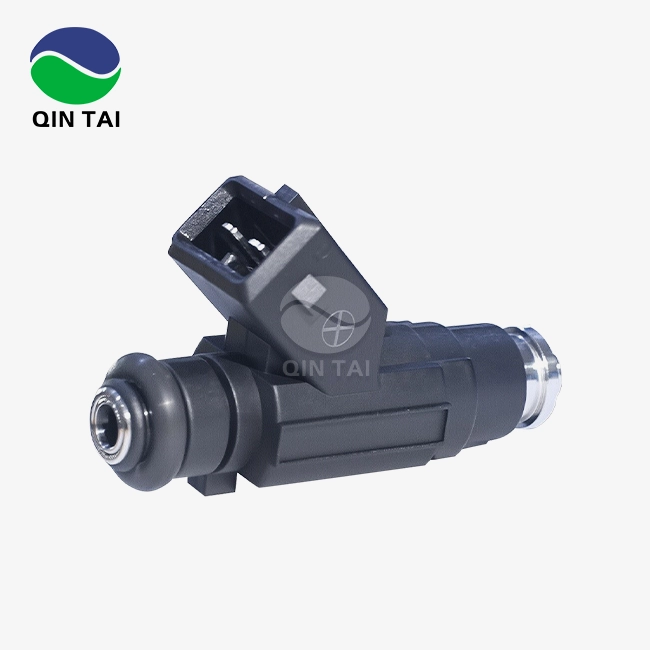
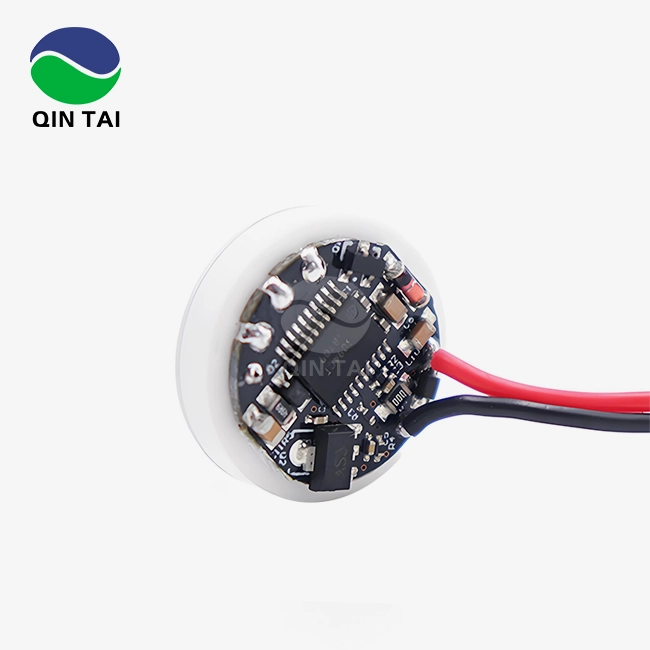
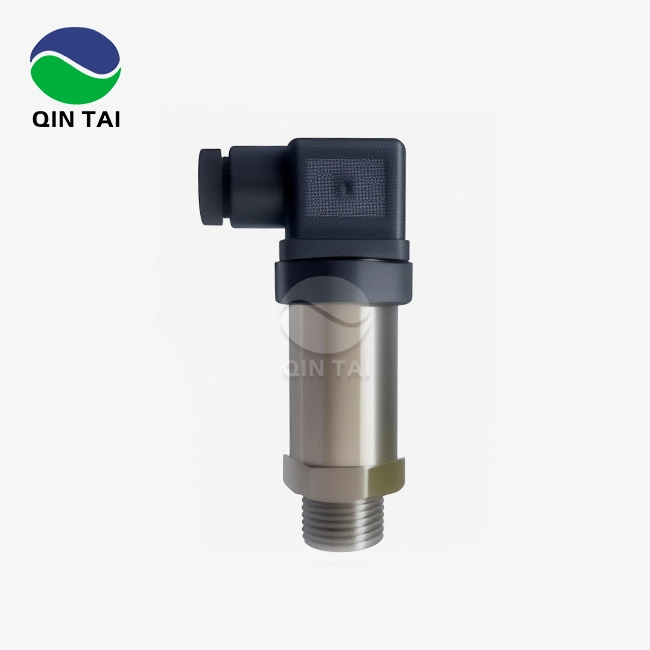
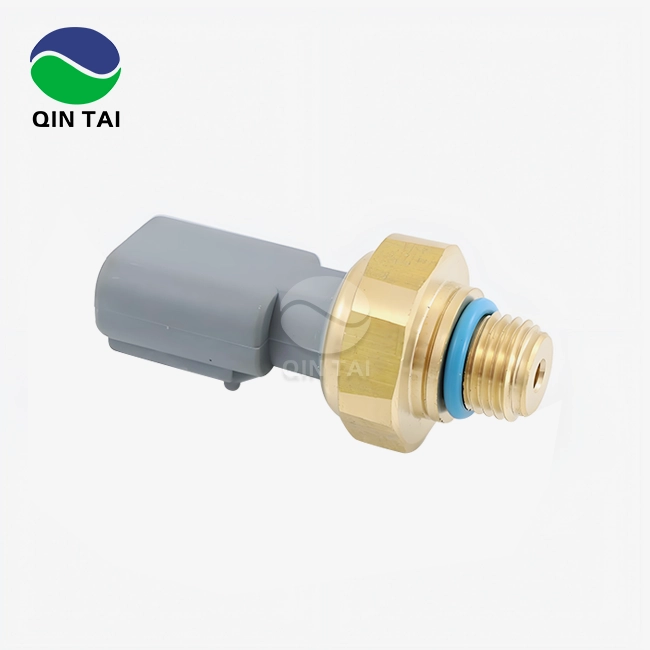

Our customers’ satisfaction speaks for our quality — contact us to experience the same reliable service.