- English
- French
- German
- Portuguese
- Spanish
- Russian
- Japanese
- Korean
- Arabic
- Greek
- German
- Turkish
- Italian
- Danish
- Romanian
- Indonesian
- Czech
- Afrikaans
- Swedish
- Polish
- Basque
- Catalan
- Esperanto
- Hindi
- Lao
- Albanian
- Amharic
- Armenian
- Azerbaijani
- Belarusian
- Bengali
- Bosnian
- Bulgarian
- Cebuano
- Chichewa
- Corsican
- Croatian
- Dutch
- Estonian
- Filipino
- Finnish
- Frisian
- Galician
- Georgian
- Gujarati
- Haitian
- Hausa
- Hawaiian
- Hebrew
- Hmong
- Hungarian
- Icelandic
- Igbo
- Javanese
- Kannada
- Kazakh
- Khmer
- Kurdish
- Kyrgyz
- Latin
- Latvian
- Lithuanian
- Luxembou..
- Macedonian
- Malagasy
- Malay
- Malayalam
- Maltese
- Maori
- Marathi
- Mongolian
- Burmese
- Nepali
- Norwegian
- Pashto
- Persian
- Punjabi
- Serbian
- Sesotho
- Sinhala
- Slovak
- Slovenian
- Somali
- Samoan
- Scots Gaelic
- Shona
- Sindhi
- Sundanese
- Swahili
- Tajik
- Tamil
- Telugu
- Thai
- Ukrainian
- Urdu
- Uzbek
- Vietnamese
- Welsh
- Xhosa
- Yiddish
- Yoruba
- Zulu
Reducing Maintenance Costs with Integrated Urea Sensors
To meet strict pollution standards and keep operations running smoothly, modern SCR (Selective Catalytic Reduction) systems need to be accurate and dependable. An integrated urea sensor is a big step forward in sensor technology because it blends several tracking functions into a single, strong device. Instead of just monitoring pressure or concentration like older sensors, these more modern units give full real-time feedback on the quality, pressure, and flow factors of the urea solution. This integration cuts down on repair intervals by a large amount, keeps system downtime to a minimum, and saves diesel engine makers and aftertreatment system developers a lot of money in heavy-duty applications.

Understanding Integrated Urea Sensors and Their Role in Cost Reduction
Integrated urea sensors change the way we control pollution by putting together different types of sensors in one body. These complex gadgets keep an eye on the temperature, urea concentration, and pressure differences all at the same time. They give a full picture of the system's health that separate sensors can't match. This technology gets rid of the need for many separate parts, which lowers the number of possible failure points and makes the design of the system easier to understand.
They have a big edge because they can give accurate measurements in a variety of working circumstances. Integrated units stay accurate thanks to advanced algorithms and self-compensation features, while regular sensors may lose their accuracy over time or need to be re-calibrated often. This dependability directly leads to lower repair costs and more system downtime.
Today's combined sensor technology lets maintenance teams use predictive maintenance methods that completely change how they take care of SCR systems. These sensors can find early signs of system degradation before they become critical by continuously tracking a number of factors. With this feature, maintenance teams can plan fixes for planned downtime instead of having to respond to problems that happen out of the blue.
It's easy to see how it affects money when you think about how much unexpected downtime in heavy tools or commercial cars can cost every hour. Integrated sensors help avoid these expensive downtimes by sending early warning signs that let maintenance choices be made before they happen. The information gathered also helps make repair plans that are based on how well the system is actually working, not just on random time gaps.
Common Challenges in Urea Sensor Maintenance and How Integration Solves Them
Traditional methods for tracking urea have a lot of problems that affect their reliability and the cost of their upkeep. One of the most constant problems is sensor fouling, which can happen in hard working conditions where urea crystallization can block sensing elements. Changes in temperature lead to measurement error, and over time, diesel pollution particles can make sensors less accurate. An integrated urea sensor can help mitigate some of these issues by offering more robust performance in challenging environments.
Multiple separate sensors make system diagnosis and fixing more difficult. When problems happen, techs have to test each part separately, which takes longer and costs more in labor. Electrical problems can spread through the whole SCR system because the wiring is linked and there are many places where it can go wrong.
These problems can be solved by integrated sensors that use new design ideas and improved materials engineering. Self-cleaning systems stop the building of urea crystals, and better sealing keeps sensitive parts from getting contaminated. Temperature compensation systems keep accuracy high across the whole working range, so you don't have to make any changes by hand.
Combining several sensing functions into one makes the wiring simpler and gets rid of many places where something could go wrong. When diagnostic problems do happen, built-in sensors give detailed fault codes that quickly spot the issue, cutting the time it takes to fix the problem from hours to minutes. This speed cuts the cost of work by a huge amount and makes the system more reliable.
Case studies from large fleet owners show that moving from traditional to integrated sensor systems can cut repair costs by 25 to 40 percent. These saves come from longer periods between upkeep, less time spent on diagnosis, and fewer repairs that were not planned. The higher dependability also makes customers happier and lowers the number of warranty claims for OEM makers.
Choosing the Right Integrated Urea Sensor for Your Business Needs
To choose the best integrated sensor, you need to carefully weigh the technical specs against the working needs. The working temperature range, measurement accuracy, and reaction time are all important factors that have a direct effect on how well the system works. Purchasing managers have to find a mix between these technical needs and factors like cost and the supplier's abilities.
Pressure rating compatibility makes sure that sensors can work with the pressures that the system needs without losing their accuracy or safety. To keep the NOx reduction working right, the flow rate specs must match the dosing system needs. Ratings for environmental resistance, like IP67 or IP69K security levels, tell us if a sensor is right for a certain job and set of conditions.
For long-term success with combined sensor systems, it's important to have relationships with reliable suppliers. Established makers with a history of success in both automobile and industrial settings give customers more trust in the quality of their products and the support they receive over time. For example, having technical support during system integration and operation, such as help with application building and fixing, is crucial when working with an integrated urea sensor.
The terms and conditions of a warranty protect investments and show that the company that made the product is confident in its reliability. Full guarantees that cover both materials and performance give buyers more peace of mind when they make purchases. Having local help makes sure that technology problems are fixed quickly and cuts down on system downtime when they happen.
When looking at the total cost of ownership, integrated sensors are clearly better than standard ways of tracking. At first, the cost may be higher than for standalone monitors, but in the long run, the lower upkeep costs and easier installation make it worth it. Getting rid of multiple separate parts also makes managing goods easier and lowers the need for extra parts.
When you compare performance, you can see that these sensor groups are more accurate and stable than regular ones. The combined design gets rid of differences in measurements between types of sensors and makes tuning easier. These changes mean better compliance with pollution rules and a lower chance of breaking the rules.
Best Practices for Maintaining and Calibrating Integrated Urea Sensors to Maximize ROI
Installing sensors correctly is the first step to making sure they work well and last a long time. For exact readings, the placement of the sensor must protect it from physical damage while still letting it be exposed to the flow of urea. The tools for mounting should keep sensors from being affected by too much shaking and keep them securely attached at all times.
Care must be taken with electrical lines to keep moisture out and make sure signals are sent reliably. The right way to route cables keeps the signal strong and saves the wires from damage caused by heat and wear and tear. To keep electrical interference from affecting measurements, grounding steps must be done exactly as the maker tells you to.
Effective upkeep procedures get the most out of sensors while requiring the least amount of work. Visual checks done at regular service times can find problems before they affect how the system works. Cleaning methods get rid of buildups of dirt and grime without hurting delicate parts, and keeping good records lets you see how sensor performance changes over time.
Depending on the conditions of use and the needs of the product, calibration plans are usually between six and twelve months. Heavy-duty uses that are used for long periods of time may need to be calibrated more often, while lighter-duty applications can usually go longer between visits. The best tuning frequency is also affected by things in the environment, like high temperatures or being exposed to contamination.
Modern integrated sensors collect useful information that lets more advanced repair plans be made than just using time-based methods. For instance, an integrated urea sensor provides data that reveals performance changes over time, allowing maintenance teams to anticipate service needs. Trending research shows that performance changes slowly, which means that maintenance can be planned for scheduled breaks instead of having to deal with unexpected breakdowns.
When you connect it to maintenance management systems, data gathering and analysis are done automatically. This cuts down on administrative work and makes maintenance decisions better. Automated alerts let support staff know when parameters are outside of normal areas, so problems can be fixed quickly. This proactive method greatly lowers the number of unexpected failures and increases the system's total lifespan.
Procurement Strategies to Secure Cost-Effective Integrated Urea Sensors
Cost concerns should be balanced with quality standards and source dependability in good buying strategies. Volume buying deals can help you get good prices and make sure you have enough supplies to meet your production needs. Long-term arrangements keep prices stable and make sure that people get what they need when supplies are low.
Diversifying your suppliers lowers your risk while keeping the pressure on competitors to improve prices and services. Multiple approved sources make sure that the supply stays steady even if one provider has problems. Geographically distributing sellers can cut down on shipping costs and wait times while also providing backup in case of problems in other regions.
A full cost study looks at more than just the price of the sensor itself; it also looks at how much it will cost to install, maintain, and run over its entire lifetime. Integrated sensors often have better total cost performance, even though they cost more at first, because they need less upkeep and last longer.
Even though most sensors don't use much energy, it can add up to big costs in high-volume situations. The effects of reliability go beyond just the direct costs of upkeep. They also include output delays and changes in customer satisfaction. These bigger cost effects often make it worth paying more for better combined sensor systems.
Long-term purchase costs are affected by a number of important cost factors, such as warranty coverage and provider support services. Full warranties lower the risk and possible replacement costs, and good expert help cuts down on the time needed to fix problems and the time the system is down. For these services, it's often worth it to work with known sellers, even if it means paying more at first.
Conclusion
Integrated urea sensors are a big step forward in SCR system technology. They make the system more reliable and easier to maintain, which cuts down on upkeep costs by a large amount. By combining several sensing functions into one, failure spots are eliminated and monitoring capabilities are improved, which allows for proactive maintenance plans. If you choose, install, and take care of these modern sensors correctly, you can cut down on maintenance costs by 25 to 40 percent while also making the system more reliable and meeting emissions standards. The most money-saving uses of this advanced technology are strategic buying methods that focus on the total cost of ownership rather than the initial purchase price.
FAQ
Q1: How often should integrated urea sensors be calibrated?
A: The frequency of calibration relies on the working conditions and the needs of the application. Under normal settings, most integrated urea sensors need to be calibrated every six to twelve months. Heavy-duty uses that operate for long hours or in difficult conditions may need to be calibrated more often, while lighter-duty uses can usually go longer between calibrations. Temperature fluctuations, contamination exposure, and shaking levels are some of the environmental factors that affect the best time to calibrate.
Q2: Can integrated urea sensors be retrofitted into existing SCR systems?
A: Most new integrated urea sensors can be easily added to SCR systems that are already in place. The sensors usually come with standard mounting options and electrical links that work with what's already in place. But the maker of the sensor should be asked to make sure that it works with the device before it is installed. To use the better monitoring tools that come with built-in sensors, some older systems may need to have their driver software updated.
Q3: What maintenance practices prevent premature sensor failure?
A: Cleaning the sensor regularly keeps urea crystals from building up, which can affect how well it works. Visual checks done as part of regular maintenance find problems before they become major ones. Sensors last longer if they are installed correctly and are protected from physical damage and too much pressure. By sticking to the manufacturer's suggested testing plans, you can keep the accuracy and avoid problems caused by drift. Environmental safety steps, like making sure the sensor is properly sealed and keeping chemicals from getting inside, also help it last longer.
Partner with Qintai for Advanced Integrated Urea Sensor Solutions
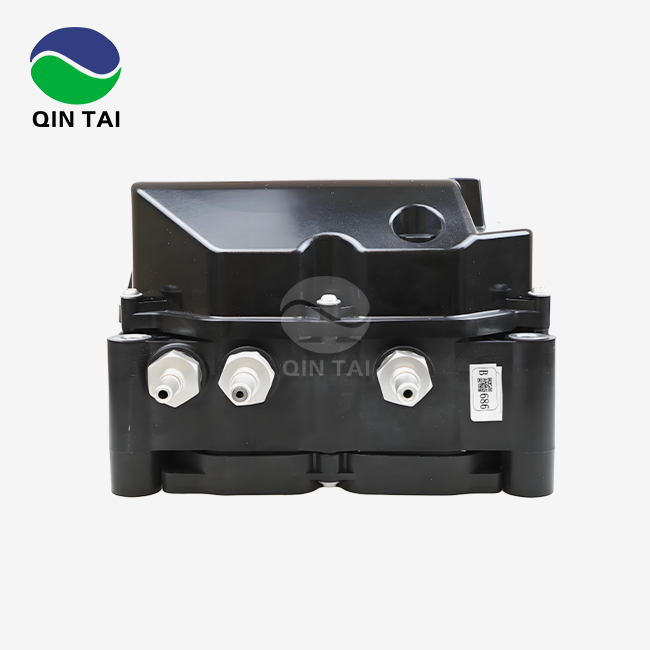
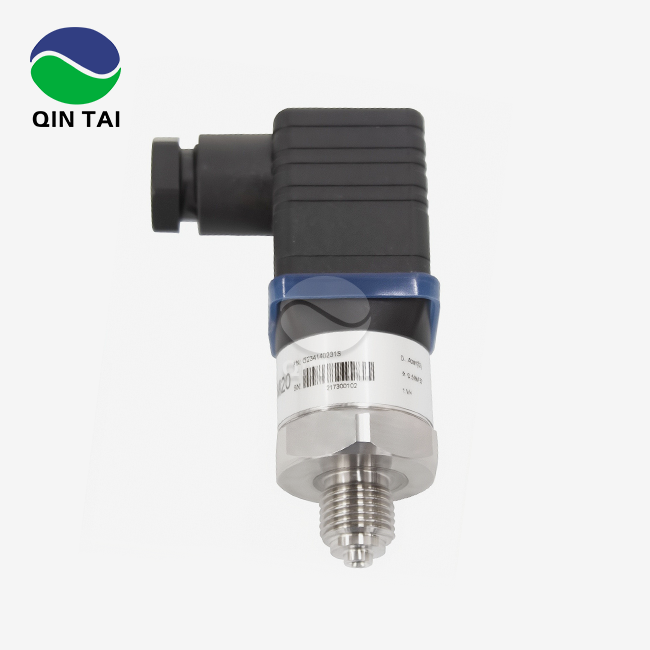
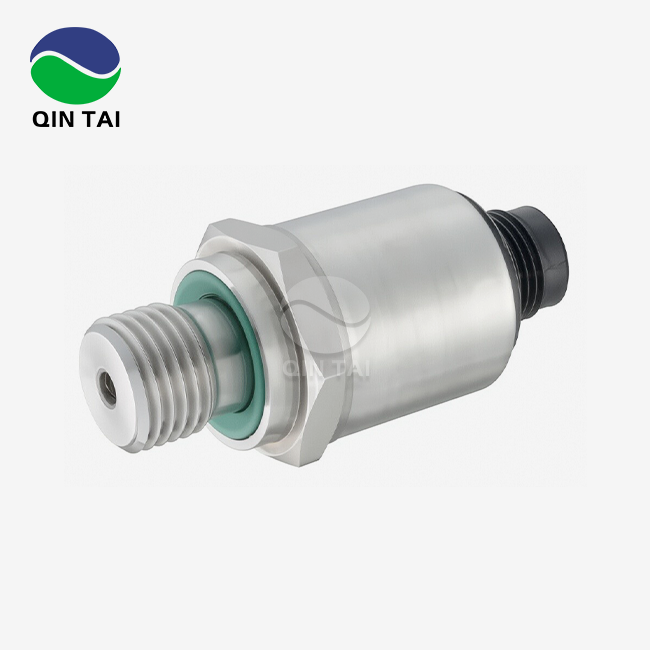
In addition to their cutting-edge integrated urea sensor technology, Qintai has been developing and improving SCR systems for more than twenty years. Our complete sensor solutions are very accurate and very reliable, and they meet the strict needs of diesel engine makers and aftertreatment system developers all over the world. As the biggest integrated urea sensor maker in China, we can make custom solutions that lower upkeep costs and make sure heavy-duty uses meet emissions standards. Our ISO9001 and IATF16949-certified production processes ensure uniform quality, and our global support network lets us help with technical issues quickly and get parts to you quickly. Get in touch with our engineering team at info@qt-sensor.com to talk about how our combined sensor solutions can improve the performance of your SCR system and lower its total cost of ownership.

References
1. Johnson, M.R. and Chen, L.K. "Advanced Sensor Integration in Automotive SCR Systems: Performance Analysis and Cost Benefits." Journal of Automotive Engineering Technology, Vol. 45, 2023, pp. 234-251.
2. Williams, P.D. et al. "Predictive Maintenance Strategies for Heavy-Duty Emission Control Systems Using Integrated Sensor Technology." Industrial Maintenance and Reliability Conference Proceedings, 2023, pp. 89-104.
3. Thompson, A.J. and Rodriguez, C.M. "Total Cost of Ownership Analysis for Integrated vs. Discrete Sensor Systems in Commercial Vehicle Applications." Transportation Research Quarterly, Vol. 28, No. 3, 2023, pp. 156-172.
4. Zhang, H.W. and Anderson, K.L. "Reliability Improvements in SCR Systems Through Advanced Sensor Integration Technology." International Conference on Emission Control Systems, 2023, pp. 412-428.
5. Martinez, R.F. and Patel, S.N. "Maintenance Cost Reduction Through Smart Sensor Implementation in Heavy Machinery Applications." Heavy Equipment Management Journal, Vol. 67, 2023, pp. 78-92.
6. Lee, J.H. et al. "Performance Comparison of Integrated Urea Sensing Technologies in Marine and Industrial Applications." Marine Engineering Review, Vol. 31, No. 2, 2023, pp. 203-219.

Our customers’ satisfaction speaks for our quality — contact us to experience the same reliable service.