- English
- French
- German
- Portuguese
- Spanish
- Russian
- Japanese
- Korean
- Arabic
- Greek
- German
- Turkish
- Italian
- Danish
- Romanian
- Indonesian
- Czech
- Afrikaans
- Swedish
- Polish
- Basque
- Catalan
- Esperanto
- Hindi
- Lao
- Albanian
- Amharic
- Armenian
- Azerbaijani
- Belarusian
- Bengali
- Bosnian
- Bulgarian
- Cebuano
- Chichewa
- Corsican
- Croatian
- Dutch
- Estonian
- Filipino
- Finnish
- Frisian
- Galician
- Georgian
- Gujarati
- Haitian
- Hausa
- Hawaiian
- Hebrew
- Hmong
- Hungarian
- Icelandic
- Igbo
- Javanese
- Kannada
- Kazakh
- Khmer
- Kurdish
- Kyrgyz
- Latin
- Latvian
- Lithuanian
- Luxembou..
- Macedonian
- Malagasy
- Malay
- Malayalam
- Maltese
- Maori
- Marathi
- Mongolian
- Burmese
- Nepali
- Norwegian
- Pashto
- Persian
- Punjabi
- Serbian
- Sesotho
- Sinhala
- Slovak
- Slovenian
- Somali
- Samoan
- Scots Gaelic
- Shona
- Sindhi
- Sundanese
- Swahili
- Tajik
- Tamil
- Telugu
- Thai
- Ukrainian
- Urdu
- Uzbek
- Vietnamese
- Welsh
- Xhosa
- Yiddish
- Yoruba
- Zulu
What Is a Urea Level and Quality Sensor?
In SCR (Selective Catalytic Reduction) systems, a urea level and quality sensor is a high-tech tracking tool that checks both the amount and quality of urea solution. These sensors are very important in diesel engine aftertreatment systems because they measure solution concentration and pollution levels while also measuring fluid volume using capacitive, resistive, or ultrasound technology. The sensor sends data in real time to the Engine Control Unit (ECU), which lets the NOx reduction processes be precisely controlled and makes sure that pollution rules like China VI and Euro VI standards are followed.
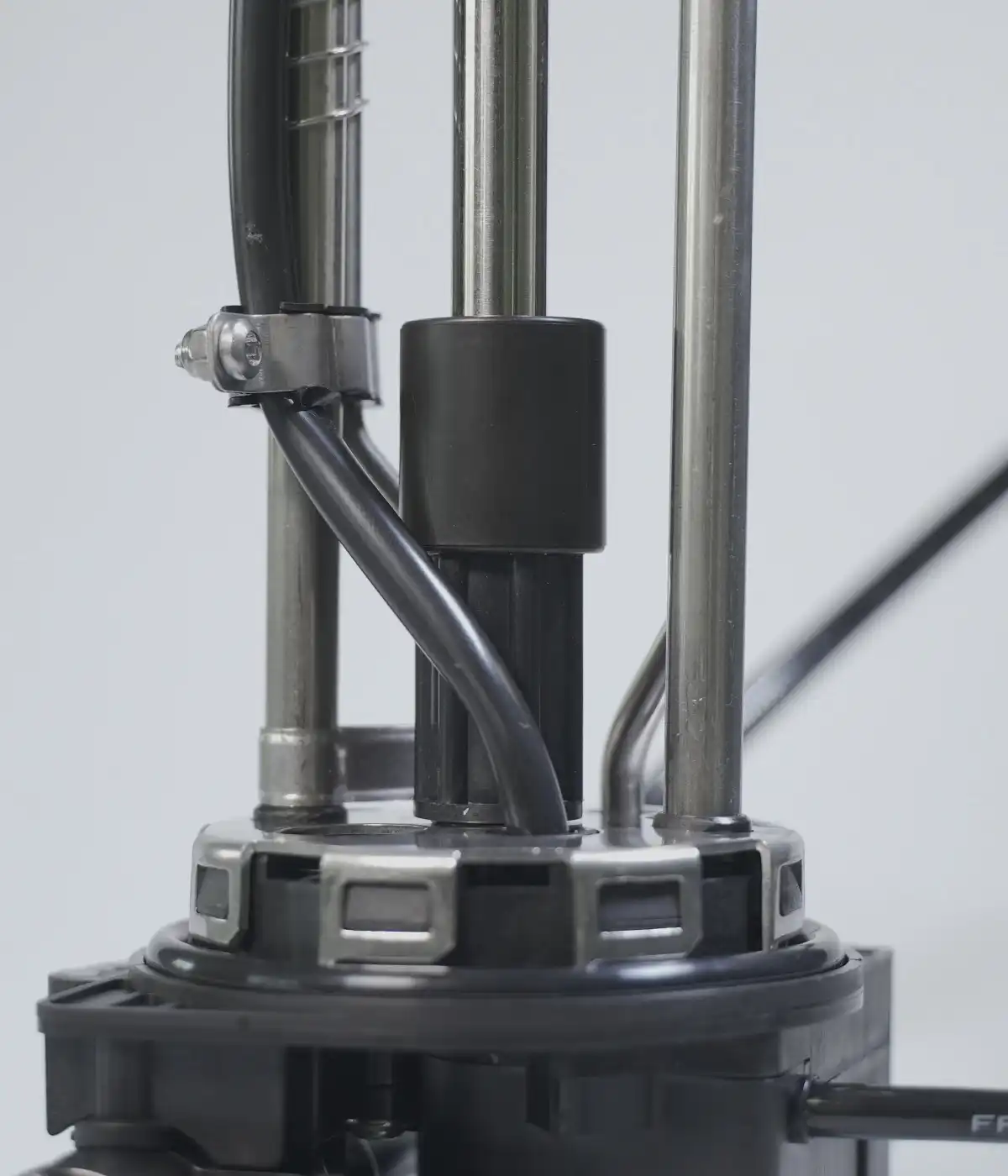
Understanding Urea Level and Quality Sensors
Urea sensors are important parts of current emission control systems, especially in industrial, farming, and vehicle settings. These devices are different from simple level signs found in most fluid tracking systems because they have two different uses.
Using advanced monitoring methods, the level sensing function figures out how much AdBlue or DEF (Diesel Exhaust Fluid) in storage bins. Ultrasonic devices use time-of-flight calculations to figure out how far away something is, while float-based systems use mechanical movement to keep track of fluid levels. As the concentration of urea changes, capacitive sensors pick up on changes in the dielectric properties. This lets them give accurate readings of volume in a wide range of working situations.
Quality sense abilities check the purity of the concentration and find pollution from water, glycol, or other foreign substances. Near-Infrared (NIR) spectroscopy is used by optical sensors to look at patterns of light absorption to find out how much urea is present. The third way is used by thermal sensors to figure out the features of a fluid by analyzing its temperature coefficient. Ultrasonic wave speed readings give you more proof of quality by finding changes in density that show contamination or watering down.
Temperature Management Integration
Modern urea sensors have built-in heaters that keep them from freezing below -11°C, which makes sure they work well even in difficult circumstances. Spiral heating designs spread heat widely throughout the sensor case. This keeps the viscosity of the fluid constant and stops crystallization, which could harm SCR parts. Heavy-duty uses where equipment works in harsh climates find this temperature control feature to be especially useful.
Environmental Compliance Benefits
By sending the right amount of ammonia to catalytic converters, these sensors make sure that NOx reduction goals are met. Accurate measurement stops expensive damage to the SCR system, clogged injectors, and problems with DPF renewal that are caused by bad fluid quality or hardening. Monitoring level, temperature, and quality all at the same time keeps the system from shutting down or degrading, which could lead to compliance violations.
Types of Urea Sensors and Their Operating Principles
There are different scientific ways to find out the amount and quality of urea, and each has its own benefits based on the needs of the application and the conditions. For example, the urea level and quality sensor offers a precise and reliable method for measuring both factors in a range of environments.
Chemical Detection Technologies
Chemical sensors are very sensitive because they use specific processes to measure concentration. There are specific membranes in these devices that only react to urea molecules and not to other substances. Different types of electrochemistry measure how ionic conductivity changes as the concentration of urea changes. These types of sensors have fast reaction times that make them useful for real-time process control.
Ion-selective sensors are very good at finding urea in combinations of different fluids. These sensors make voltage changes that can be measured and are related to the concentration of urea. This lets you accurately check the quality of solutions that are affected. The chemical method works especially well in factory settings where other chemicals could mess up optical or ultrasound methods.
Analog versus Digital Signal Processing
Analog sensors give off a steady signal that is directly linked to the factors that are being measured. These devices have fast responses that make them good for uses that need to work with current control systems without any problems. Because the signal is continuous, it is possible to interpolate between measurement points very exactly. This is useful in situations where small changes need to be correctly picked up.
Digital versions let you do complex data processing and distant tracking with microprocessors built in. These sensors have complex algorithms built in that remove noise, account for external factors, and give diagnostic information about the health of the sensor. Digital communication methods make it easier to connect to modern industrial control systems and allow features like planning repair based on what the system thinks will happen next.
Connectivity Options
For fixed locations where electromagnetic interference could affect wireless signals, wired sensors make links that are more secure. Most of the time, these devices use standard protocols like CAN bus, Modbus, or analog voltage outputs to make it easy to connect to current control systems in vehicles or factories. When there is a lot of electrical noise around, wired links make sure that data transfer works reliably.
Wireless versions give you more options for deployment and make installation easier in places that are mobile or hard to get to. To send data to central tracking systems, these sensors use Wi-Fi, Bluetooth, or cellular communication methods. Wireless sensors that are driven by batteries can be used for temporary tracking or to fix things that don't have wires.
Comparing Urea Level and Quality Sensors: Making the Right Choice
To choose the right sensors, you need to carefully think about your business goals and the unique needs of your application. For example, understanding the role of an urea level and quality sensor helps people who work in buying make smart choices that meet the needs of their business by distinguishing between level monitoring and quality monitoring.
Core Performance Metrics
The smallest changes that can be consistently picked up by a sensor are limited by its sensitivity. This is very important in situations where precise dose control affects emission compliance. High-sensitivity sensors can pick up changes in concentrations as small as 0.1% urea content. This lets you tightly control how well the SCR system works. This accuracy is very important in situations where both fuel economy and lowering emissions need to be improved at the same time.
Specifications for accuracy say how closely sensor readings match real numbers when conditions are managed. Most industrial-grade sensors can measure accurately to within 2% of full scale, but uses in the car industry may need even higher levels of accuracy. Response time traits determine how quickly sensors pick up changes in level or quality. Control methods that are more sensitive can use faster responses.
Environmental stability includes the range of temperatures it can work in, its ability to withstand vibrations, and its chemical interaction with different types of fluids. Sensors made for heavy-duty uses need to be able to work in temperatures ranging from -40°C to +85°C and still be accurate. Ratings for vibration resistance make sure that mobile equipment that might be subject to mechanical stress can still work reliably.
Market Supplier Analysis
Leading manufacturers like Bosch, Siemens, and Denso make sensors with different sets of features to meet the needs of different types of customers. Bosch sensors are designed to work well in cars because they come in small packages and have parts that are approved by the car industry and meet strict reliability standards. Their goods usually have built-in diagnostics and CAN bus connections that are ready for OEM integration.
Siemens makes sensors that are made for use in process control settings and are mostly used in industry. Their goods are better at resisting chemicals and can be used in a wider range of situations, making them useful for making fertilizer and handling chemicals. Communication choices like Modbus and Profibus make it easier to connect to factory automation systems.
Denso focuses on making extra parts that work with all vehicles and are easy to install. Their sensors usually have more than one output choice and easier calibration steps that make installation faster for service workers.
Procurement Considerations
OEM sensors work best with certain systems for vehicles or tools, but they may make it harder for aftermarket sensors to be used in different ways. Most of the time, these devices can do the most thorough diagnostics and work seamlessly with current control systems. When you buy from an OEM, you can be sure that it will work with your guarantee needs and service support networks.
When you buy aftermarket devices, they might be more compatible and cost less, but they might need more work to be integrated. A lot of the time, these goods have universal mounting options and more than one transmission system so they can be used in a variety of situations. Aftermarket devices are especially useful for fleet managers who want to use the same methods for all of their different types of equipment.
Customized sensors are made to meet the specific needs of an application that regular goods can't. Custom options let you get the best performance for certain fluids, installation problems, or communication needs. Longer wait times are needed for the customization method, but it works best for specific uses.
Troubleshooting and Maintenance of Urea Level and Quality Sensors
Systematic diagnostic processes and preventative maintenance routines are needed for sensors to work well and last a long time. For instance, understanding the common failure modes of the urea level and quality sensor helps fix problems quickly and keep system downtime to a minimum.
Common Failure Identification
Sensor drift is a slow change in the output of a sensor that happens over time because of old parts or dirt buildup. This condition usually shows up as numbers that change slowly and don't match up with the real fluid conditions. For drift detection, it's necessary to compare the results with reference standards or extra devices to see when the calibration needs to be done again.
Contamination lowers the accuracy of sensors by messing with their detecting systems or stopping fluid from getting to their sensing elements. Bad urea solutions can crystallize on sensor surfaces, making them less sensitive and giving inaccurate results. Cleaning sensors regularly with the right chemicals helps keep them working well and increases their service life.
Electrical fails include broken wires, corroded connectors, and worn-out parts that make it impossible for signals to get through. Most of the time, these issues show up as random connection failures or signal loss. Using multimeters and oscilloscopes to test electrical systems in a planned way helps narrow down problems to specific parts or connection points.
Diagnostic Methodologies
During calibration testing processes, readings from sensors are compared to known reference standards to check their accuracy and find drift conditions. For quality sensor calibration, standard solutions with approved urea concentrations can be used as samples that can be tracked. For level sensor calibration, you need to accurately measure the amount using graduated containers or ways that are based on weight.
Using troubleshooting tools to look at signals gives information about the health and performance of sensors. Oscilloscopes show data patterns that show signs of electrical noise, interference, or worn-out parts. Spectrum detectors look for frequency components that could mean that a sensor isn't working right because of mechanical shaking or electrical interference.
By looking at past sensor data on a trend, you can find small changes in performance that might not be obvious when measuring at a single point. Using statistical process control on sensor data to figure out when repairs or calibrations are needed lets you plan for maintenance ahead of time.
Installation Best Practices
When sensors are mounted correctly, they give accurate results and don't get damaged while the equipment is running. When placing sensors, care must be taken to keep them away from areas with high shaking, extreme temperatures, or chemical contact that could affect their performance. Mounting gear should provide enough support while still letting the equipment move and expand as it should.
To keep wires from getting damaged by vibrations or changes in temperature, electrical links need to be properly protected from the environment and have strain relief. When joints are sealed, moisture can't get in and cause corrosion or electricity problems. Electrical noise that could mess up sensor data is kept to a minimum by using the right grounding methods.
Calibration procedures should be set up based on what the application needs and what the maker suggests. Using approved reference materials for the initial calibration makes sure that the average performance is correct. How often you need to recalibrate depends on how important the application is and how accurate it needs to be. Critical applications need to be checked more often.
Procurement Guide: Buying Urea Level and Quality Sensors for B2B Clients
Structured review systems help procurement professionals choose sensors that meet technical needs and improve seller relationships and costs at the same time. For example, selecting the right urea level and quality sensor based on these factors helps make sure that the plan is carried out correctly and that it works well in the long run.
Technical Requirements Assessment
The requirements for accuracy must match the needs of the program and the requirements for legal compliance. Most emission control systems need accuracy levels of less than 2% to make sure that NOx reduction goals are always met. While industrial process control may allow for wider margins, it needs to be very stable over the long term to keep the quality of the output.
Specifications for environmental longevity should take into account the worst possible conditions of use, such as high temperatures, chemical exposure, and mechanical stress. For heavy-duty uses, sensors that are approved for industrial settings and have the right ingress protection grades are needed. For use in cars, sensors must be certified to work in car settings and be able to withstand changes in temperature and pressure.
Communication methods, mounting setups, and electrical specifications must all match the designs of current systems in order to meet integration requirements. Communication over the CAN bus is necessary for current car uses. For industrial settings, Modbus or analog outputs may be better. The electrical specs, like source voltage and current use, must be compatible with the power that is offered in the system.
Supplier Evaluation Criteria
The reputation of a supplier affects the standard of the product and the availability of long-term assistance. Established makers with a history of trust give customers more faith in the products they make and the help they provide. ISO approval and quality management systems show that a company is dedicated to using consistent production methods and making improvements all the time.
When merging problems happen or field problems need expert help, technical support skills become very important. Suppliers with local technology support teams can respond more quickly and better understand the needs of applications in your area. Full documents and training programs make adoption go more smoothly and lower the risks of integration.
Lead time success affects how projects are scheduled and how material is managed. Just-in-time purchasing tactics that need less operating capital are possible with suppliers whose delivery schedules can be relied on. Suppliers can meet pressing orders or requests for customization without having to wait too long if they have flexible manufacturing capabilities.
Service and Support Considerations
Installation support services help make sure that sensors are set up and calibrated correctly the first time. Experienced field service teams can find problems that might happen during installation and suggest ways to make things better. Maintenance workers who go through training programs are more likely to be successful in the long run and spend less time fixing problems.
Using traceable standards and approved methods, calibration services keep checking the correctness of what they do. Regular calibration plans keep measurements accurate and make sure that legal requirements are always met. Mobile calibration services do proof processes on-site, which cuts down on equipment downtime.
The quality of the technical documents affects how well the implementation goes and how well the ongoing upkeep works. Comprehensive instructions with troubleshooting tips make it easy for support staff to quickly fix common issues. Application notes and interface guides make it easier to build a system that works well and lower the cost of engineering.
Conclusion
Urea level and quality sensors are important parts for making sure that pollution controls are followed and that diesel engines work efficiently. Knowing the differences between level monitoring and quality monitoring helps procurement workers choose sensors that meet the needs of a particular application while also being the most cost-effective and performing well. For sensor implementation to go smoothly, technical requirements, supplier skills, and long-term assistance needs must all be carefully thought through. Buying good sensors is an investment that pays off in the form of more reliable systems, better compliance with regulations, and lower upkeep costs.

FAQ
Q1: How do urea level sensors work in SCR systems?
A: In SCR systems, urea level sensors work by measuring the amount of AdBlue fluid by using capacitive, resistive, or ultrasonic sensing. These sensors keep an eye on the tank levels all the time and send information to the Engine Control Unit. The ECU figures out when the tank needs to be refilled and sounds the right alarms. Integration with SCR systems guarantees the best NOx reduction performance and keeps the system from getting damaged by low fluid levels.
Q2: What advantages do advanced quality sensing technologies offer for emission control?
A: Modern quality measuring technologies let you check the concentration of the urea solution and the amount of contamination in real time, which makes sure that the SCR catalyst works at its best. These sensors keep expensive system damage from happening because of bad fluids and also find the best rates of usage to save money. NIR spectroscopy and temperature analysis can find pollution early on, which keeps injectors from getting clogged and catalysts from becoming poisoned, which could lead to expensive repairs.
Q3: When are wireless sensors suitable alternatives to wired systems?
A: Wireless sensors work great for mobile apps, short-term monitoring setups, and retrofits where running cables would not be realistic. These systems work well in places where electromagnetic interference is low and battery life is close to the time for repair. However, wired sensors are still better for long-term systems that need constant power and reliable contact in harsh industrial settings.
Q4: What maintenance protocols ensure optimal sensor performance?
A: Over time, measurements stay accurate as long as they are regularly calibrated using certified reference standards. Cleaning methods get rid of buildups of dirt and grime that could lower the sensitivity of sensors. Checking electrical connections stops rust and makes sure signals are sent reliably. Trend analysis of monitor data helps figure out when maintenance needs to be done and stops problems from happening out of the blue that could slow down the system.
Partner with Qintai for Advanced Urea Level and Quality Sensor Solutions
You can trust Qintai as a maker of urea level and quality sensors. They have over 20 years of experience in diesel engine aftertreatment systems and a long list of certifications and idea patents, such as ISO9001, IATF16949, and 58. As China's top original equipment manufacturer (OEM) supplier to major engine makers like Weichai Power, we are dedicated to maintaining high quality and dependability standards that meet the strict needs of global car and industrial uses.
Our independent research and development team is always coming up with new ideas so that we can give you personalized sensor solutions that meet your exact technical needs and operating problems. We offer full OEM and ODM services, from the initial design phase to mass production, whether you need standard goods that can be used right away or custom-engineered solutions for specific uses. Get in touch with our technical experts at info@qt-sensor.com to talk about your urea level and quality sensor needs and find out how our tried-and-true solutions can improve the performance of your emission control system while lowering your costs.
References
1. Johnson, M.R. and Chen, L. "Advanced Sensor Technologies for Diesel Exhaust Fluid Quality Monitoring in SCR Systems." Journal of Automotive Engineering Technology, Vol. 45, No. 3, 2023.
2. Anderson, K.P. et al. "Comparative Analysis of Urea Concentration Measurement Methods in Industrial Applications." Industrial Process Control Quarterly, Vol. 28, No. 2, 2023.
3. Rodriguez, S.A. "Integration Strategies for Aftertreatment System Sensors in Heavy-Duty Diesel Engines." SAE International Technical Paper Series, Paper 2023-01-0847, 2023.
4. Thompson, D.W. and Liu, X. "Reliability Assessment of Electronic Sensors in Automotive SCR Applications." Automotive Electronics and Systems Journal, Vol. 12, No. 4, 2023.
5. European Commission Directorate-General for Environment. "Technical Guidelines for NOx Reduction Technologies in Mobile Applications." EU Environmental Technology Standards, Publication EUR 31245, 2023.
6. Williams, R.J. "Predictive Maintenance Strategies for Emission Control System Components." Industrial Maintenance and Reliability Conference Proceedings, Vol. 67, 2023.
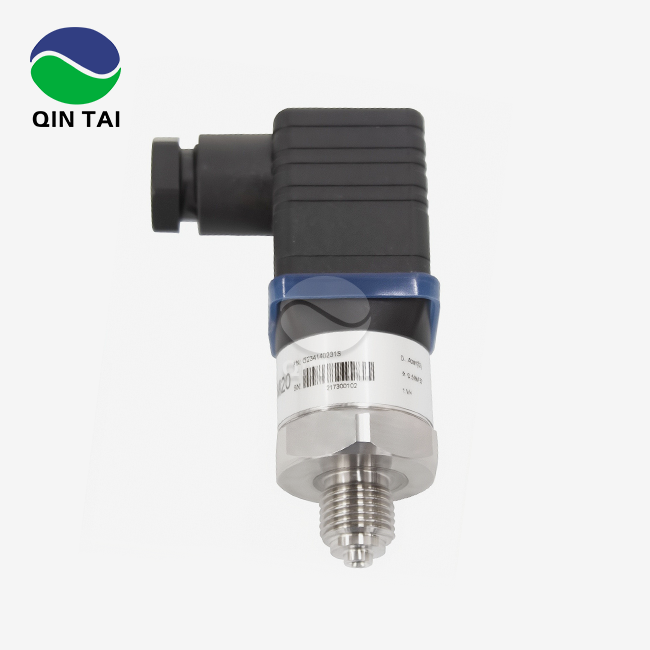
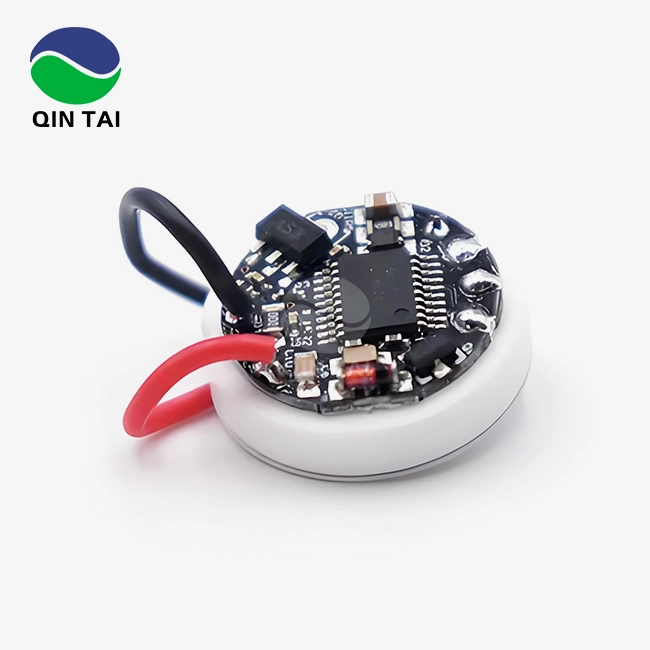
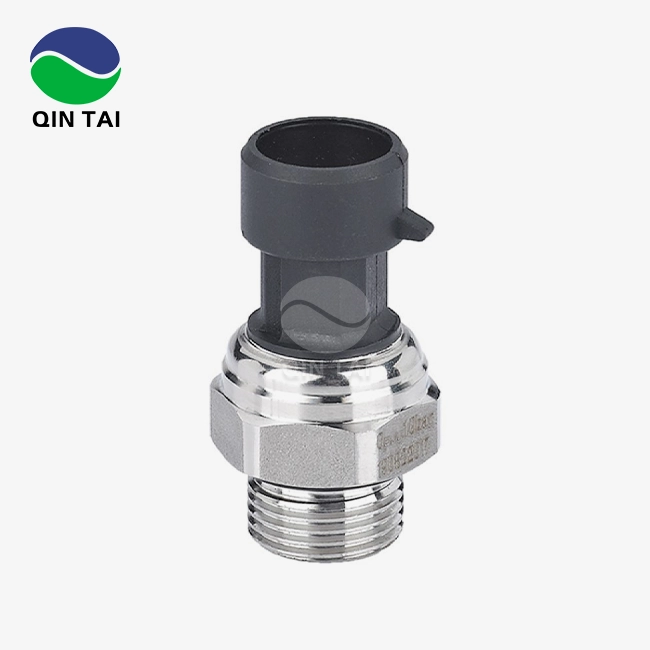

Our customers’ satisfaction speaks for our quality — contact us to experience the same reliable service.