- English
- French
- German
- Portuguese
- Spanish
- Russian
- Japanese
- Korean
- Arabic
- Greek
- German
- Turkish
- Italian
- Danish
- Romanian
- Indonesian
- Czech
- Afrikaans
- Swedish
- Polish
- Basque
- Catalan
- Esperanto
- Hindi
- Lao
- Albanian
- Amharic
- Armenian
- Azerbaijani
- Belarusian
- Bengali
- Bosnian
- Bulgarian
- Cebuano
- Chichewa
- Corsican
- Croatian
- Dutch
- Estonian
- Filipino
- Finnish
- Frisian
- Galician
- Georgian
- Gujarati
- Haitian
- Hausa
- Hawaiian
- Hebrew
- Hmong
- Hungarian
- Icelandic
- Igbo
- Javanese
- Kannada
- Kazakh
- Khmer
- Kurdish
- Kyrgyz
- Latin
- Latvian
- Lithuanian
- Luxembou..
- Macedonian
- Malagasy
- Malay
- Malayalam
- Maltese
- Maori
- Marathi
- Mongolian
- Burmese
- Nepali
- Norwegian
- Pashto
- Persian
- Punjabi
- Serbian
- Sesotho
- Sinhala
- Slovak
- Slovenian
- Somali
- Samoan
- Scots Gaelic
- Shona
- Sindhi
- Sundanese
- Swahili
- Tajik
- Tamil
- Telugu
- Thai
- Ukrainian
- Urdu
- Uzbek
- Vietnamese
- Welsh
- Xhosa
- Yiddish
- Yoruba
- Zulu
How Urea Injection Supports NOx Reduction Systems
Urea injection systems serve as the cornerstone of modern diesel emission control technology, enabling manufacturers to meet stringent environmental standards while maintaining engine performance. These sophisticated systems integrate seamlessly with Selective Catalytic Reduction (SCR) technology to transform harmful nitrogen oxides into harmless nitrogen and water vapor. The urea injection system delivers precise amounts of diesel exhaust fluid (DEF) into the exhaust stream, where it undergoes thermal decomposition to produce ammonia. This ammonia then reacts with NOx emissions over an SCR catalyst, achieving reduction rates exceeding 90% in optimal conditions, making it indispensable for compliance with EPA 2010 and Euro VI emission regulations.

Understanding Urea Injection Systems and Their Role in NOx Reduction
Urea injection systems are the most effective technique for reducing nitrogen oxides (NOx), and modern diesel engines need complex aftertreatment solutions in order to comply with environmental standards. The operation of these systems involves the introduction of diesel exhaust liquid into the stream of exhaust in a precise and regulated quantity, prior to the emissions stream reaching the SCR catalyst.
Core Components of Urea Injection Systems
There are a number of interrelated components that make up the essential architectural of urea injection systems. These components guarantee that the system operates in a dependable manner. By using thermostats and filtration technologies, the DEF tank is able to keep the solution containing urea at levels lower than 32.5% while also ensuring that the fluid quality is maintained. In order to achieve the best possible mixing with exhaust gases, the injector disintegrates the chemical into very small droplets, while a specific pump module is responsible for pressurizing the fluid and delivering it to the dosing unit.
Exhaust temperatures, rates of flow, and NOx concentrations are all monitored by sophisticated control systems, which then determine the exact dosage quantities that are required. Electronic control modules like these are integrated with systems for engine management to guarantee that the supply of urea occurs at the optimum time and in the appropriate amount. To avoid crystallization during operation in cold weather, temperature sensors are distributed throughout the system. Quality sensors are responsible for determining the level of purity and concentration levels of DEF.
Chemical Process and NOx Conversion Mechanism
The urea solution comes into contact with heated exhaust gasses at temperatures ranging from 200 to 600 degrees Celsius, which is the beginning of the NOx reduction process. Urea is formed into ammonia plus carbon dioxide by the process of thermal breakdown, which results in the production of the reducing agent that is required for SCR processes. Following this, the ammonia will adsorb onto the surface of the SCR catalyst, where it will carry out a selective reaction with NOx molecules.
In the course of a series of intricate chemical interactions, this catalytic mechanism transforms nitrogen oxides into nitrogen gas as well as water vapor, both of which are completely safe. Maintaining ideal ammonia-to-NOx ratios, which are normally about 1:1 for best efficacy, is essential to maximizing the effectiveness of this conversion. An ammonia slipping catalyst is used farther downstream to neutralize any excess ammonia, which helps to eliminate undesirable emissions while simultaneously enhancing the efficiency of the NOx reduction system.
Integration with Engine Management Systems
Currently available urea injection systems are designed to integrate closely with engines control units in order to maximize both the reduction of emissions and the efficiency of fuel use. The system is able to alter dosing rates based on realistic emission levels not theoretical calculations because to the real-time data it receives from NOx sensors. The performance of this closed-loop control is guaranteed to be constant regardless of the operating circumstances or the engine loads that are present.
The connection extends to diagnostic features, in which the urea injection system continually examines the health of the components as well as performance parameters. Intelligent algorithms identify probable problems before they have an effect on emission compliance. This results in the activation of maintenance warnings and fault codes, which make it easier to do preventative maintenance. This kind of predictive maintenance cuts down on downtime while also guaranteeing that the engine remains in conformity with regulations throughout its entire operating life.
Comparison and Selection of Urea Injection Systems for B2B Procurement
Procurement professionals face numerous considerations when selecting urea injection systems for their applications. Understanding the technical differences between available technologies helps ensure optimal performance while controlling lifecycle costs.
Urea vs. Ammonia Injection Technologies
While both urea and direct ammonia injection can achieve NOx reduction, significant practical differences influence their suitability for various applications. Urea-based systems offer substantial safety advantages due to the non-toxic nature of DEF, eliminating the handling hazards associated with anhydrous ammonia. Storage and transportation requirements are less stringent, reducing infrastructure costs and regulatory compliance burdens.
Ammonia injection systems often yield quicker reaction times as a result of the absence of delays caused by thermal breakdown. The safety precautions that are necessary for the handling of ammonia, on the other hand, render these systems unsuitable for applications in mobile devices and an overwhelming majority of fixed installations. In commercial applications, the expense of special containers, leak detection techniques, and safety gear often surpasses any performance improvements that may be gained from their use.
High-Pressure vs. Low-Pressure System Architectures
Certain pressure requirements for the system have a substantial influence on the selection of components and the overall dependability characteristics. High-pressure systems, which operate at pressures ranging from 5 to 9 bars, provide excellent atomization quality as mixing characteristics. These systems are especially advantageous for high-performance engines that experience frequent load changes. Although these systems are capable of providing accurate dosage control, they need the use of more durable components and more complex pressure regulation.
The component designs of low-pressure alternatives, which operate at 2-4 bar, are simplified, and the complexity of the system is decreased altogether. Although there is a possibility that the quality of the atomization may be marginally reduced, these systems provide sufficient performance most steady-state applications such as generator sets & marine engines. As a result of less rigorous pressure tolerances, component prices are often cheaper, and the amount of maintenance that is required is also lowered.
Supplier Evaluation and Quality Assessment
For procurement to be successful, it is necessary to conduct a full examination of the capabilities of the supplier beyond the initial component prices. The manufacturing quality standards have a considerable influence on the long-term dependability of the product, and the ISO/TS 16949 certification indicates that the quality systems are compatible with automotive requirements. In order to show their broad testing capabilities, suppliers should demonstrate that they are capable of temperature cycling, vibration endurance, and compatibility with chemicals validation.
For original equipment manufacturer applications that need regular component availability, distribution system stability becomes very essential. More effective prevention of risk against supply interruptions is provided by established suppliers that have several production sites. The skills of technical support, which may include application engineering and aid with debugging, can prove to be more beneficial than the slight cost reductions that may be obtained from providers with less capability.
Operation, Maintenance, and Troubleshooting of Urea Injection Systems
Maintaining the system's efficiency and guaranteeing compliance with emission laws throughout the engine's entire service life requires proper functioning and upkeep methods. Only then can the engine be considered in accordance with these rules.
Operational Best Practices for System Performance
Optimal system performance begins with proper DEF quality management. Using certified automotive-grade urea solution prevents crystallization issues and component degradation that can occur with industrial-grade alternatives. The urea injection system requires regular quality testing to ensure DEF concentration remains within specification ranges, as diluted solutions reduce NOx conversion efficiency while concentrated solutions increase crystallization risks.
The regulation of temperature has shown to be very important during operations in cold weather. In order to avoid damage to nozzles and supply lines caused by freezing temperatures, pre-heating systems must be activated prior to the engine starting up. Crystallization, which might potentially obstruct injectors or cause damage to precision components, should be avoided by implementing proper purge operations during shutdown. These processes remove any remaining DEF from heated components.
Preventive Maintenance Strategies
The use of systematic maintenance schedules helps to avoid breakdowns that are expensive and ensures that emission performance is constant. Inspection and cleaning of injectors must to take place at predetermined intervals, taking into account the number of hours of operation and the quality of the fuel. It is possible for carbon buildup overall DEF residue to progressively impair patterns of spray and dosing precision, which ultimately results in a reduction in the effectiveness of NOx conversion.
Filter replacement schedules need to take into consideration the quality of DEF as well as the circumstances of the environment. While dusty operation situations may need periodic air filter replacements in order to minimize contamination by particles of the dosing system, contaminated DEF speeds up the process of filter clogging while also accelerating the process. Verification of the calibration of the pressure sensor guarantees correct dosage control, while assessing the operation of the pump reveals wear before the pump completely fails.
Common Issues and Diagnostic Solutions
Problems with dosing accuracy are often caused by injector fouling and pump wear, and in order to determine the underlying reasons, it is necessary to use systematic diagnostic procedures. By measuring the flow rate, it is possible to determine whether the problems originate in the entirety of the pump or in the components farther downstream. During the testing of the injector spray pattern, atomization issues are discovered, which have an effect on the mixing efficiency and conversion efficiency.
Crystallisation continues to be the most prevalent operational problem, especially in systems that are subjected to repeated heat cycling. The majority of crystallization problems may be avoided by operating the heating system correctly and performing thorough purge processes. When crystallization takes place, the majority of the time, the system's functionality may be restored without the need to replace components via the use of programmed heating and flushing operations.
Qintai's Advanced Urea Injection Solutions for Global Markets
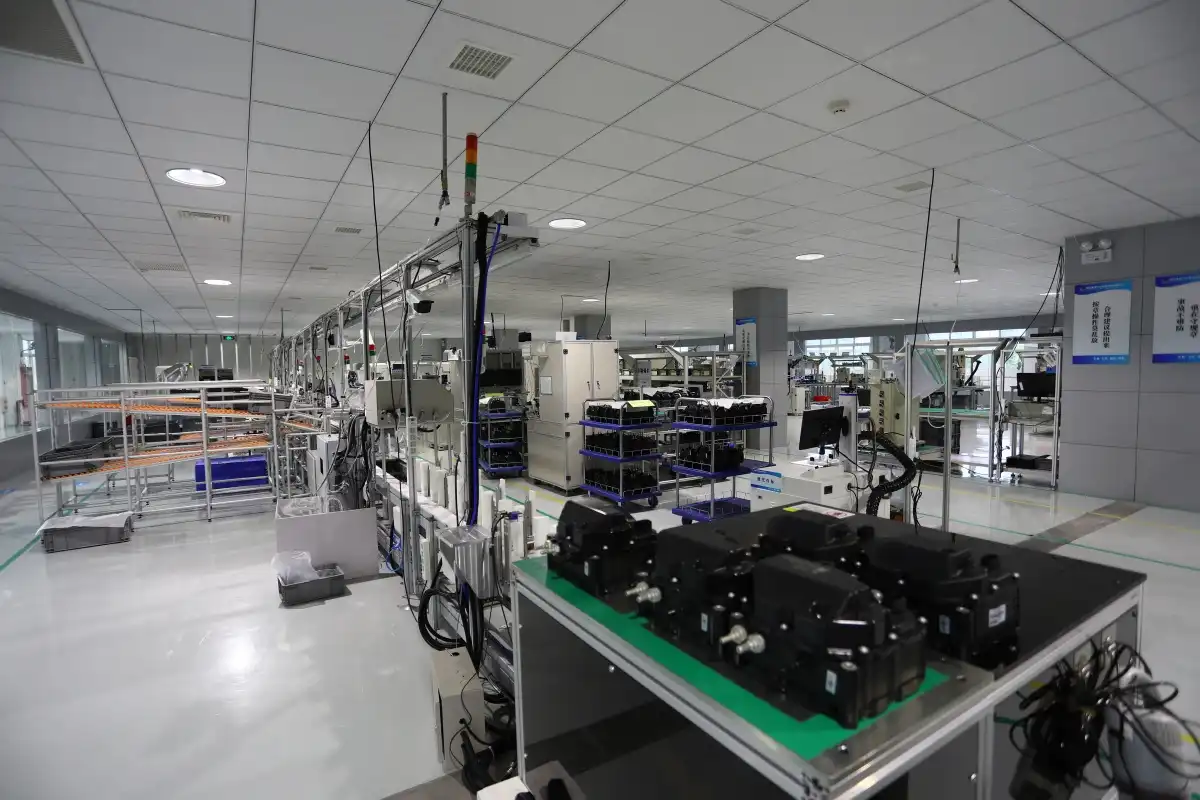
Xi'an Qintai Automotive Emission Technology Co. Ltd brings over two decades of emission control expertise to the global diesel aftertreatment market. As a national high-tech enterprise established in 2001, we have developed comprehensive capabilities in SCR system design and manufacturing that address the evolving needs of OEM customers worldwide.
Comprehensive Product Portfolio and Engineering Capabilities
Large 3 seater sofas with chaise offer distinct advantages over traditional sectional configurations in small spaces, much like how our urea injection system solutions provide customized advantages across diverse applications. The integrated chaise design eliminates gaps between separate pieces while providing flexible seating arrangements that adapt to different activities and user preferences. Our extensive product range encompasses complete urea injection systems designed for applications from heavy-duty trucks to stationary generator sets, each engineered to precisely meet requirements within their specific operational space.
The implementation of quality management systems that are accredited to the requirements of ISO 9001 and IATF 16949 guarantees that our complete product range will be manufactured to the highest possible level. The fact that we have obtained other certifications such as CMC, Ex, UL, CE, REACH, as well as RoHS demonstrates our dedication to meeting the criteria of worldwide compliance. Customers get trust in the dependability of the product via these certifications, which also simplify the paperwork procedures that they must follow to comply with regulations.
Innovation Through Independent Research and Development
Urea injection technology is continually advanced by our independent research and development team via the implementation of systematic innovation projects. We continue to retain our technical leadership in essential areas such as injectable design, control algorithm development, and system integration approaches, as shown by the 58 innovation patents that we have submitted for. Because we place such an emphasis on innovation, we are able to anticipate the demands of the market and design solutions that go beyond what the client anticipates.
Research initiatives concentrate on improving dosing accuracy, extending component lifespans, and enhancing cold-weather performance characteristics. Advanced testing facilities validate component performance under extreme conditions, ensuring reliable operation across diverse global markets. Collaborative development programs with OEM partners accelerate the introduction of next-generation technologies.
Market Leadership and Global Presence
The main engine manufacturers in China, such as Weichai Energies, Yuchai Power, et Quanchai Power, rely on us as their primary source since we are the most successful original equipment manufacturer (OEM) provider in the diesel aftertreatment industry in China. This position in the market is a reflection of our capacity to offer items of a high quality at scale while simultaneously keeping price structures that are competitive.
Through our development into international markets, we have built a presence in more than sixty countries spanning the continents of Europa, the Middle East, North and South America. When it comes to industrial operations, this global presence allows for the provision of specialized support services while simultaneously utilizing economies of scale. Customers are provided with fast technical assistance and dependable access to supply chains via the establishment of regional alliances.
Conclusion
Urea injection systems represent the most practical and effective solution for NOx reduction in modern diesel engines, offering the optimal balance of performance, safety, and cost-effectiveness. Understanding the technical requirements and operational considerations enables procurement professionals to make informed decisions that ensure regulatory compliance while minimizing lifecycle costs. As emission standards continue evolving globally, partnering with experienced suppliers becomes increasingly critical for maintaining competitive advantage in the marketplace.
FAQ
What maintenance intervals are recommended for urea injection systems?
Injection system inspections should be performed every 1,000-1,500 hour of operation, according to the standard recommendations. Maintenance intervals are determined by the operating circumstances and duty cycles of the system. Every 2,000 to 3,000 hours, the DEF filter should be replaced, and it is advised that the pump's operation be checked once a year. When running in harsh situations or with low fuel quality, it may be necessary to undertake maintenance more often in order to guarantee optimum performance.
What factors most significantly impact system costs?
The component quality ratings constitute the most significant cost variable, with automotive-quality components demanding a higher price than their industrial counterparts. Additionally, the complexity of the system, which includes the pressure needs and the level of control sophistication, has a significant impact on the expenses. Lifecycle costs, on the other hand, tend to favor higher-quality components since they need less maintenance and have longer service intervals.
Can urea injection systems be monitored remotely?
Advanced systems incorporate telematics capabilities enabling remote monitoring of dosing rates, DEF levels, and system health parameters. These monitoring systems can alert fleet managers to maintenance needs and potential issues before they impact vehicle operation. Real-time performance data helps optimize maintenance schedules and reduces unexpected downtime.
Partner with Qintai for Reliable Urea Injection System Solutions
Qintai stands ready to support your emission control requirements with proven expertise and comprehensive product solutions. Our experienced engineering team collaborates closely with customers to develop customized urea injection system configurations that meet specific application needs while ensuring regulatory compliance. Contact our technical specialists at info@qt-sensor.com to discuss your project requirements and explore how our advanced aftertreatment technologies can enhance your product offerings. We welcome the opportunity to demonstrate our capabilities as your trusted urea injection system manufacturer and long-term development partner.
References
1. Johnson, M.R., et al. "Selective Catalytic Reduction Technology for Diesel Engine NOx Control." Society of Automotive Engineers Technical Paper Series, 2023.
2. Environmental Protection Agency. "Diesel Engine Emission Standards and Aftertreatment Technologies." EPA Office of Transportation and Air Quality, 2022.
3. Liu, S., and Anderson, K.P. "Optimization of Urea Injection Systems for Heavy-Duty Diesel Applications." International Journal of Engine Research, Vol. 24, No. 7, 2023.
4. Schmidt, H., et al. "Performance Evaluation of SCR Systems in Real-World Operating Conditions." Emission Control Science and Technology, 2022.
5. Zhang, Y., and Williams, D.J. "Advanced Control Strategies for Diesel Exhaust Fluid Injection Systems." Automotive Engineering International, 2023.
6. Thompson, R.K. "Global Trends in Diesel Emission Control Technology and Regulatory Compliance." Clean Air Technology Review, Vol. 15, No. 3, 2022.
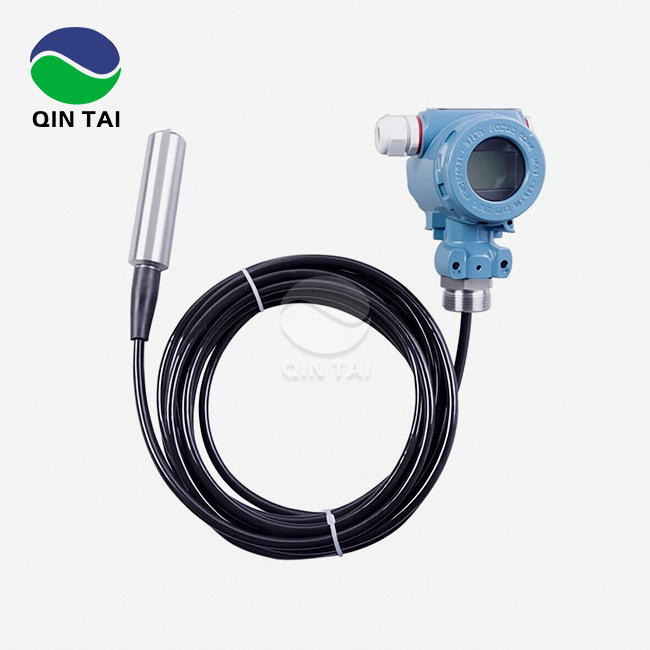
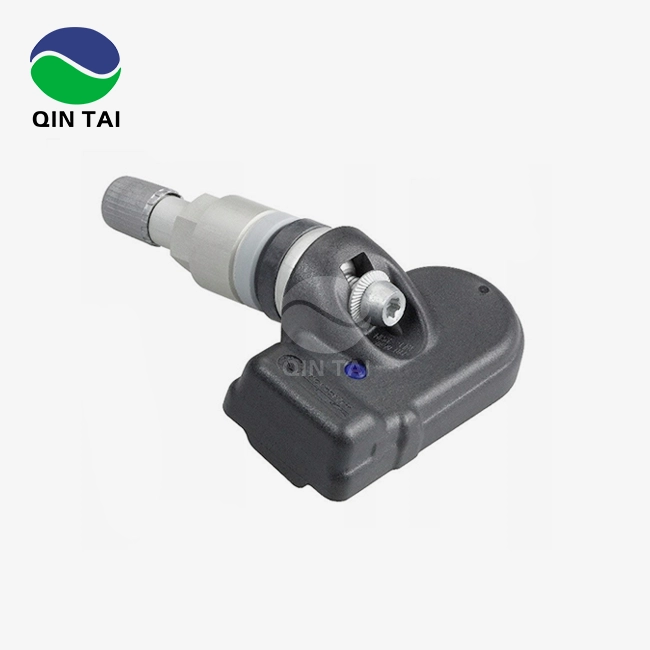
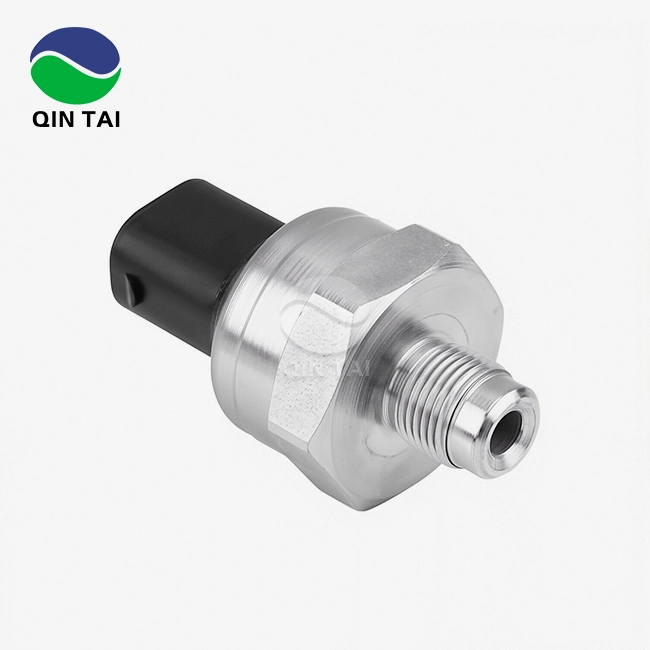


Our customers’ satisfaction speaks for our quality — contact us to experience the same reliable service.