- English
- French
- German
- Portuguese
- Spanish
- Russian
- Japanese
- Korean
- Arabic
- Greek
- German
- Turkish
- Italian
- Danish
- Romanian
- Indonesian
- Czech
- Afrikaans
- Swedish
- Polish
- Basque
- Catalan
- Esperanto
- Hindi
- Lao
- Albanian
- Amharic
- Armenian
- Azerbaijani
- Belarusian
- Bengali
- Bosnian
- Bulgarian
- Cebuano
- Chichewa
- Corsican
- Croatian
- Dutch
- Estonian
- Filipino
- Finnish
- Frisian
- Galician
- Georgian
- Gujarati
- Haitian
- Hausa
- Hawaiian
- Hebrew
- Hmong
- Hungarian
- Icelandic
- Igbo
- Javanese
- Kannada
- Kazakh
- Khmer
- Kurdish
- Kyrgyz
- Latin
- Latvian
- Lithuanian
- Luxembou..
- Macedonian
- Malagasy
- Malay
- Malayalam
- Maltese
- Maori
- Marathi
- Mongolian
- Burmese
- Nepali
- Norwegian
- Pashto
- Persian
- Punjabi
- Serbian
- Sesotho
- Sinhala
- Slovak
- Slovenian
- Somali
- Samoan
- Scots Gaelic
- Shona
- Sindhi
- Sundanese
- Swahili
- Tajik
- Tamil
- Telugu
- Thai
- Ukrainian
- Urdu
- Uzbek
- Vietnamese
- Welsh
- Xhosa
- Yiddish
- Yoruba
- Zulu
DEF Quality Sensor vs Refractometer: Which Is More Accurate?
When determining accuracy between these two measurement technologies, DEF quality sensors consistently deliver superior precision for real-time monitoring applications. Advanced electrochemical and optical sensor technologies provide continuous measurement with accuracy rates exceeding 98% under optimal conditions, while refractometers offer reliable spot-check capabilities with 95-97% accuracy but require manual operation and proper calibration. The choice ultimately depends on your specific application requirements, operational environment, and compliance needs.
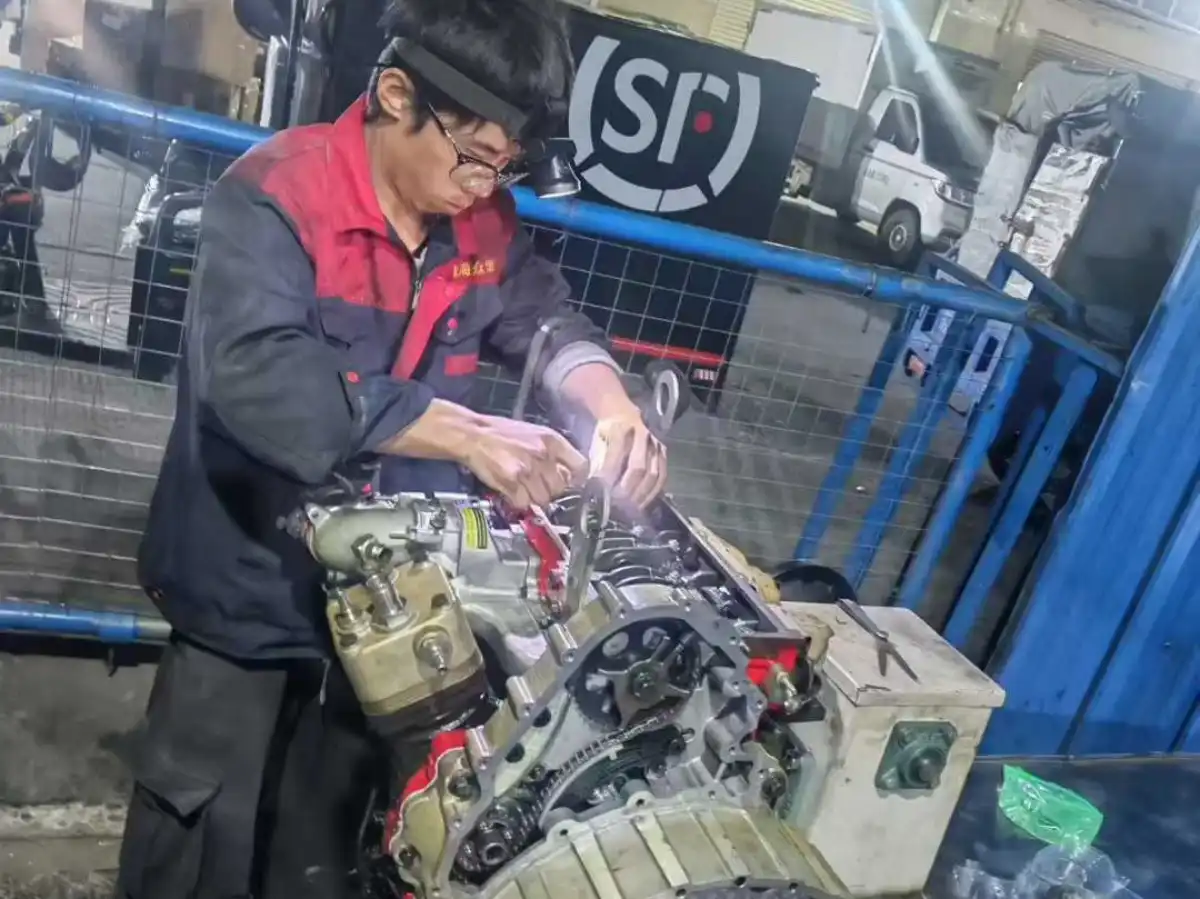
Understanding DEF Quality Measurement Technologies
Electronic devices and optical refractometers are the two main types of measurement tools used in diesel exhaust fluid tests. Both are very important for keeping pollution standards and engine speed high, but they work in very different ways.
Electronic Sensor Technologies and Operating Principles
To measure urea levels in real time, modern DEF quality sensors use complex electrochemical and optical techniques. These devices are built right into the systems of vehicles, so they can keep an eye on things all the time and help with automatic emission control methods. Electrochemical sensors check the conductivity of ions, and optical sensors look at how light is absorbed to find out how concentrated something is.
Modern sensor designs include methods for adjusting to changes in temperature and features for finding pollution. Because of these features, they can give accurate readings in a wide range of weather situations. This makes them perfect for heavy-duty uses where reliable performance is very important. The ability to integrate lets engine control units talk to each other without any problems, so the system can react right away to changes in quality.
Refractometer Technology and Measurement Methods
To find out the refractive index of DEF liquids, refractometers use the way light bends to measure it. How much the light beam bends as it goes through the sample tells the device how concentrated the sample is. This laser measurement method has been tested and shown to work well in both the lab and the field.
To get accurate results from a manual refractometer, the person using it needs to know how to use it and how to calibrate it correctly. Digital versions have better user interfaces and automatically adjust for weather, which lowers the chance of mistakes made by humans. Because these tools are portable, they can be used for spot checks and quality assurance processes.
Accuracy and Reliability Comparison: DEF Quality Sensors vs Refractometers
There are a lot of performance factors that affect measurement reliability and compliance results that play a role in the accuracy discussion between these technologies. When procurement managers know about these differences, they can make better choices based on business needs, especially when considering advanced options like the DEF quality sensor for more precise monitoring.
Precision Metrics and Performance Standards
When properly calibrated and kept, electronic devices usually have an accuracy level of 98 to 99.5%. The ability to do continuous tracking gives you real-time info that lets you fix problems right away when they happen. Temperature compensation features keep the accuracy even when the working range is from -40°F to 185°F, which meets strict automobile standards.
Refractometers are accurate 95–97% of the time when they are used by trained professionals in ideal circumstances. When measurements are taken by hand, they can be different depending on how the person is doing it, the lighting, and how often the measurements are taken. But the fact that they are not connected to electricity systems makes them useful for checking and backup testing.
Environmental Factors Affecting Measurement Accuracy
A number of environmental factors have a big effect on how well both measuring methods work. Changes in temperature, amounts of contamination, and exposure to shaking can all affect how well and how long a sensor works. Electronic devices have compensation methods built in to lessen these effects, but refractometers need to be adjusted by hand for changes in temperature.
Each technology has its own problems that come up when it comes to contamination. When crystallized urea crystals or alien substances come in contact with sensors, they may move or stop working. To keep their visual clarity and measurement accuracy, refractive indices need clean samples and to be cleaned on a frequent basis.
Troubleshooting Common Accuracy Issues
Sensor precision problems are often caused by problems with the electrical connections, the building of dirt or dust, or changes in the calibration. As part of regular upkeep, connections are checked, cleaning is done, and tuning is checked from time to time. Modern sensors have built-in diagnostic tools that help find speed problems before they affect how the system works.
Accuracy problems with refractors are usually caused by how often they are calibrated, how the samples are prepared, or how the person uses the machine. Standardized processes and good training programs help reduce the chance of mistakes made by people. Calibration with certified standard solutions on a regular basis makes sure that performance is the same for all workers and testing settings.
Practical Considerations for B2B Procurement and Application
Before making a purchase choice, you need to carefully consider the total cost of ownership, the needs for integration, and the availability of long-term help. When choosing measurement technologies for fleet uses, these practical factors often take precedence over the original buy price.
Cost Analysis and Total Ownership Evaluation
Electronic sensor systems cost more to buy at first, but they are cheaper to run because they require less work and can be monitored automatically. Integration with current engine management systems gets rid of the need for human testing and keeps records of compliance all the time. For big fleets, bulk buying agreements can cut unit costs by a large amount, especially when considering high-quality options like the DEF quality sensor.
Refractometer systems have lower start-up costs, but they need ongoing manual checking work. Because they are movable and don't need to be connected to a vehicle's electrical system, they are a good value for smaller activities or backup testing. Due to the simple optical design and strong construction, maintenance costs are kept to a minimum.
Integration Requirements and System Compatibility
CAN bus, J1939, and proprietary interfaces are just a few of the transmission methods that modern DEF quality sensors offer. This adaptability makes sure that it works with a number of different engine control systems and aftertreatment parts. The plug-and-play design makes installation easier and cuts down on the time it takes to integrate.
The fact that refractorometers don't depend on car systems means that they can be used with any kind of tools. The physical process adds to the functionality of electronic tracking systems by allowing for checks. This freedom is helpful when trying to figure out what's wrong with a computer system.
Maintenance Demands and Service Requirements
Every so often, electronic monitors need to be calibrated, their electrical connections checked, and they need to be cleaned of any dirt or dust. The monitoring features help find upkeep issues before they become a problem. Professional service support makes sure that the monitor works at its best throughout its entire lifecycle.
Regular calibration, cleaning of the optical parts, and review of the protected case are all parts of maintaining a refractor. Because it is so easy, trained operators can do basic repair tasks on it. The major costs for ongoing upkeep are calibration solutions and cleaning supplies.
Decision-Making Framework: Which Technology Should You Choose?
To choose the right measurement tool, you need to carefully think about your business needs, your compliance needs, and the features of your fleet. This approach helps people make choices about what to buy based on specific use cases.
Real-Time Monitoring vs. Periodic Testing Needs
Electronic sensor technologies are very useful for uses that need to do continuous tracking. The real-time data lets the system respond right away and keep records of compliance without any help from a person. For fleet operations with high usage rates to stay efficient, they need this level of automation, which can be achieved with advanced systems like the DEF quality sensor.
Refractometer options may be good for situations where checking needs to be done on a regular basis. Regular physical testing can help places like maintenance shops, quality control labs, and verification testing programs meet compliance standards. Organizations that don't have a lot of technical tools will like the lower operating complexity.
Fleet Scale and Operational Complexity
Electronic tracking systems are usually worth the money for businesses with a lot of vehicles because they cut down on labor costs and make it easier to show compliance. The ability to gather data in one place helps fleet management tools and meet regulatory reporting needs. Standardization across all kinds of vehicles makes training and servicing easier.
Refractometer options may be better for smaller businesses because they require less capital and give them more freedom in how they run their business. Because it is portable, testing can be done on a variety of car types and in a variety of places without having to change the infrastructure. Compared to computer system merging, training needs are still very low.
Compliance Documentation and Regulatory Requirements
Electronic devices automatically record compliance, which makes the process of filing government reports easier. The ability to do constant tracking shows ongoing compliance instead of just checking at one point in time. This paperwork is useful for government checks and the certification process.
When checking by hand, you need to follow more rules for paperwork to show that you follow them regularly and correctly. The manual records have to meet the rules about how often they need to be tested and who can operate them. Following the right steps will make sure that you pass the audit and keep operations running smoothly.
Conclusion
When you compare the accuracy of DEF quality sensors and refractometers, you can see that each has its own benefits that depend on the needs of the application. Electronic sensors are better for ongoing tracking because they are more accurate than 98% of the time, while refractometers are better for spot checks because they are accurate 95–97% of the time. Instead of just looking at the original accuracy requirements, procurement choices should take into account operating complexity, fleet size, compliance needs, and the total cost of ownership. When used and kept correctly, both technologies play important roles in making sure that pollution rules are followed and that engines work well.
FAQ
Q1: How can I identify signs of a faulty DEF quality sensor?
A: Changing concentration values, dashboard warning lights, poor engine performance, and diagnostic trouble codes are all common signs. Electronic sensors can show patterns of drift, temperature compensation that doesn't work right all the time, or contact problems with engine control systems. Regular diagnostic scans and tests by hand help find sensor degradation before it leads to total failure.
Q2: Can refractometers replace sensors for regulatory compliance purposes?
A: Refractometers can be used with computer monitoring systems to help them do their job, but they usually can't take the place of the constant monitoring that emission rules demand. For compliance paperwork, most regulatory systems need monitoring tools that work in real time. Refractometers, on the other hand, are useful for proof testing, calibration processes, and backup measurement tasks when electronic systems fail.
Q3: What are trusted sources for purchasing DEF quality measurement equipment?
A: Original equipment makers, approved wholesalers, and qualified aftermarket providers with the right insurance and technical support are all examples of reputable sellers. Long-term practical success depends on checking certificates, being able to track calibrations, and having access to service after the sale. Professional installation help and training programs make buying tools a lot more valuable.
Partner with Qintai for Premium DEF Quality Sensor Solutions
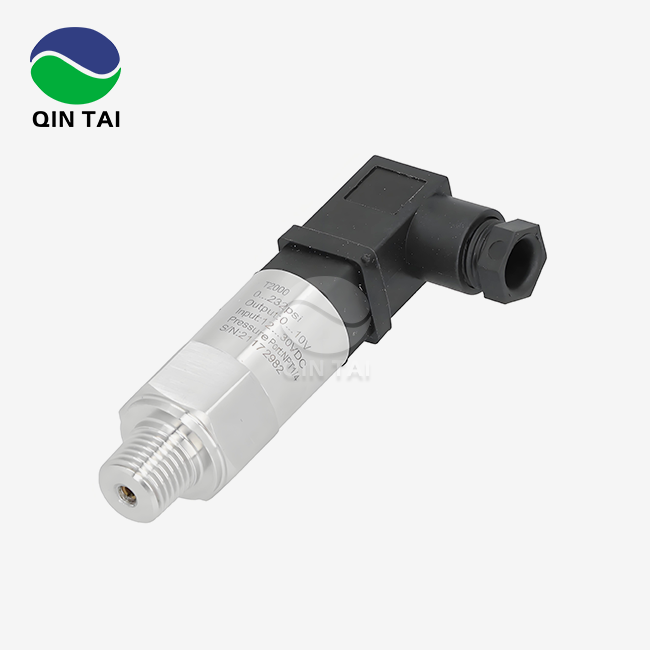
Because Qintai has a lot of experience in diesel engine aftertreatment technology, we are the best company to make DEF quality sensors for tough industrial uses. Our ISO9001 and IATF16949-certified production methods make sure that the quality is always the same and meets strict emission compliance standards. We offer tried-and-true sensor technologies that work well with current aftertreatment systems. We have 58 idea patents and partnerships with major Chinese engine makers like Weichai Power and Yuchai Power. Get in touch with our expert team at info@qt-sensor.com to talk about your unique needs and find out how our customizable sensor solutions can help you control emissions better while also cutting down on costs.
References
1. Society of Automotive Engineers. "Diesel Exhaust Fluid Quality Standards and Testing Methods for Heavy-Duty Applications." SAE International Journal of Engines, 2023.
2. Environmental Protection Agency. "Heavy-Duty Engine and Vehicle Standards and Highway Diesel Fuel Sulfur Control Requirements." Federal Register Documentation, 2024.
3. International Organization for Standardization. "Road Vehicles - AdBlue Quality Requirements and Test Methods - Part 1: Quality Requirements." ISO 22241-1:2019.
4. American Petroleum Institute. "Diesel Exhaust Fluid Specifications and Quality Assurance Guidelines for Commercial Vehicle Applications." API Technical Report, 2023.
5. European Committee for Standardization. "Automotive Fuels - Diesel Exhaust Fluid (AdBlue) - Requirements and Test Methods." EN 14216:2021.
6. National Institute of Standards and Technology. "Measurement Uncertainty and Calibration Procedures for Diesel Exhaust Fluid Quality Assessment Equipment." NIST Technical Publication, 2024.
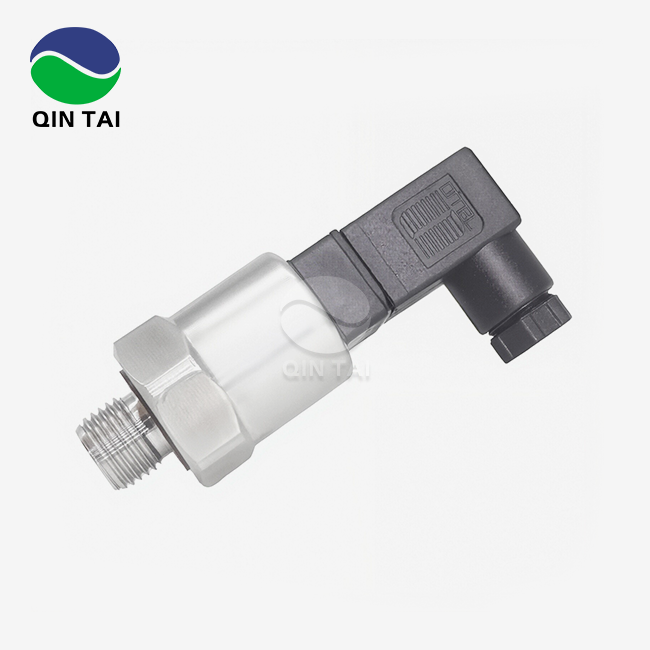

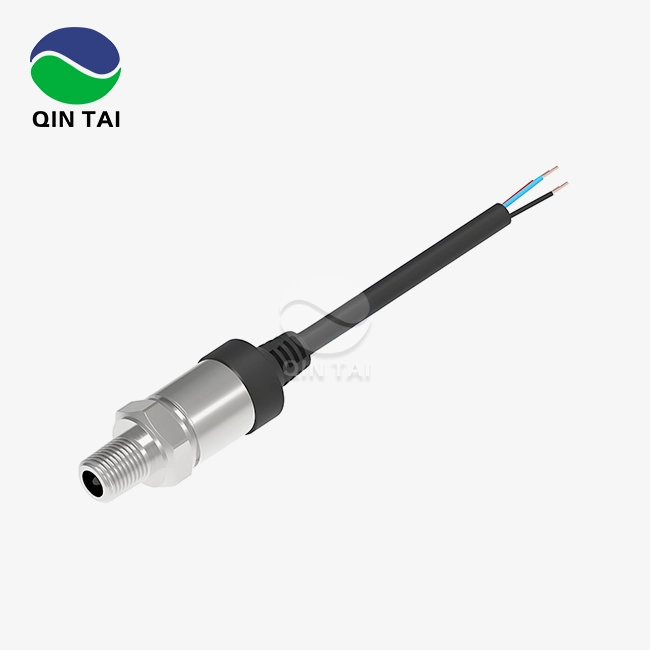

Our customers’ satisfaction speaks for our quality — contact us to experience the same reliable service.