- English
- French
- German
- Portuguese
- Spanish
- Russian
- Japanese
- Korean
- Arabic
- Greek
- German
- Turkish
- Italian
- Danish
- Romanian
- Indonesian
- Czech
- Afrikaans
- Swedish
- Polish
- Basque
- Catalan
- Esperanto
- Hindi
- Lao
- Albanian
- Amharic
- Armenian
- Azerbaijani
- Belarusian
- Bengali
- Bosnian
- Bulgarian
- Cebuano
- Chichewa
- Corsican
- Croatian
- Dutch
- Estonian
- Filipino
- Finnish
- Frisian
- Galician
- Georgian
- Gujarati
- Haitian
- Hausa
- Hawaiian
- Hebrew
- Hmong
- Hungarian
- Icelandic
- Igbo
- Javanese
- Kannada
- Kazakh
- Khmer
- Kurdish
- Kyrgyz
- Latin
- Latvian
- Lithuanian
- Luxembou..
- Macedonian
- Malagasy
- Malay
- Malayalam
- Maltese
- Maori
- Marathi
- Mongolian
- Burmese
- Nepali
- Norwegian
- Pashto
- Persian
- Punjabi
- Serbian
- Sesotho
- Sinhala
- Slovak
- Slovenian
- Somali
- Samoan
- Scots Gaelic
- Shona
- Sindhi
- Sundanese
- Swahili
- Tajik
- Tamil
- Telugu
- Thai
- Ukrainian
- Urdu
- Uzbek
- Vietnamese
- Welsh
- Xhosa
- Yiddish
- Yoruba
- Zulu
Common Reasons for Pressure Transmitter Failure
Pressure sensors break down for a number of related reasons that make them less useful in many industrial settings. It's important for teams that are in charge of diesel engine aftertreatment systems to understand these failure trends because correct pressure reading has a direct effect on emissions compliance and system life. These devices have a pressure sensor inside that senses changes in physical force and turns them into electrical messages. However, they are often not reliable because of things in the surroundings that put stress on them, electrical problems, mechanical wear, calibration drift, and mistakes made during installation. When sourcing and maintenance teams know about these failure modes, they can come up with ways to avoid problems, choose high-quality parts, and work with makers who can provide stable, approved solutions that can handle tough situations in heavy-duty applications.
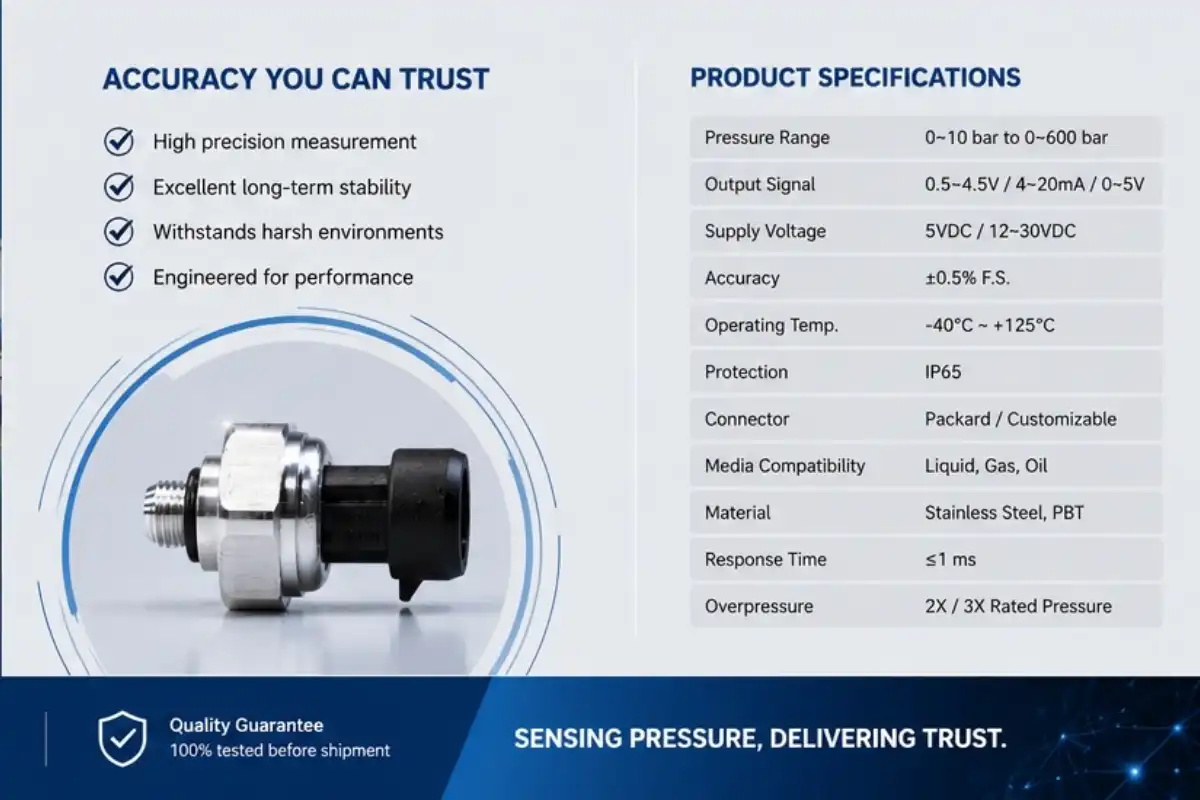
Understanding Pressure Transmitter Failures
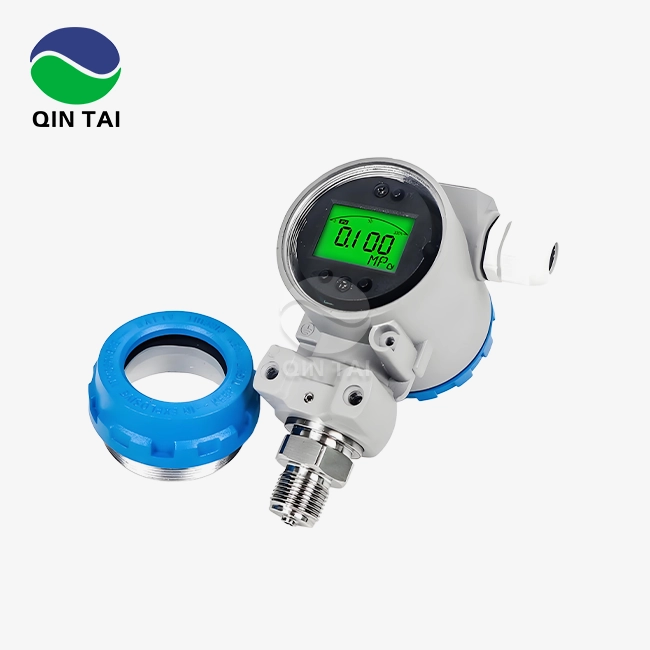
Pressure sensors are an important part of process control in many areas, such as in cars, building equipment, and generators. These gadgets have sensing parts that react to the pressure of a fluid or gas, transmission parts that turn changes in shape into voltage signals, and conditioning circuits that sets up data for control systems. Transmitters send messages over long distances to tracking equipment. This is different from basic pressure sensors, which only measure force.
Core Components and Signal Conversion
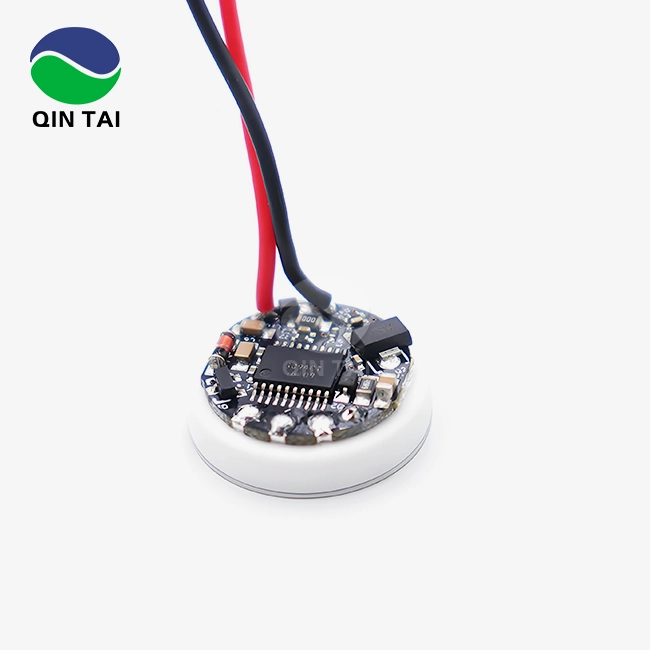
When pressure is put on the detecting element, which is usually a clay diaphragm or strain gauge, it changes shape. This change in the real world changes capacitance or resistance, which leads to a proportional electrical output. Then, noise is filtered out by signal filtering circuits, and the output is scaled to industry-standard ranges like 4-20 mA or 0-5 VDC. This makes it possible for programmable logic computers and data collection systems to work with the signal.
Distinguishing Transmitters from Related Devices
Transmitters boost and process signals to produce conditioned outputs that are perfect for industrial networks, while pressure sensors only provide raw sensing capabilities. Transducers are a more general term for devices that can both sense and send signals. This difference is important when choosing parts for SCR systems or DPF tracking, because keeping the signal strong over long wire runs stops false readings that could cause extra regeneration cycles or compliance warnings.
Recognizing Failure Symptoms and Operational Impact
When a transmitter fails, readings become irregular, outputs become frozen, or there is no signal at all. In diesel aftertreatment systems, wrong pressure readings from DPF differential sensors can slow down renewal, which can lead to particulate buildup and possible heat damage. In the same way, when a DEF tank pressure sensor fails, it messes up dose plans, which in turn hurts NOx reduction performance and regulation compliance. These effects lead to unplanned downtime, warranty claims, and expensive pollution violations that hurt both the company's budget and its image.
Top 5 Common Causes of Pressure Transmitter Failure
Industrial settings put a lot of stress on transmitters, which breaks them down faster in a number of ways. Figuring out these ways things can go wrong lets you take specific steps to fix them during the planning, installation, and upkeep stages.
Environmental Stressors
Extreme changes in temperature, water getting in, and chemical contact are the main natural risks. During renewal, diesel exhaust systems are often heated to more than 600°C, and in cold markets, the air temperature may drop below -40°C. This heat stress makes the sensing elements and housings expand at different rates, which could crack ceramic diaphragms or weaken seals.
Moisture getting in through damaged gaskets speeds up internal rust and cuts off electrical paths. Chemicals like diesel exhaust fluid, engine coolants, and hydraulic fluids can damage the housing and sensor surfaces of receivers that don't have the right compatibility ratings. In tough settings, devices with IP67 or better water protection and materials like Hastelloy or stainless steel 316L will last longer if you choose them.
Electrical Issues
Signals can't be sent between emitters and control units when there are problems with the wiring or electromagnetic interference. Damaged insulation, rusted contacts, and weak connections can cause shorts or opens that happen from time to time, making the results unsteady. Electromagnetic fields are made by high-current ignition systems, alternators, and electric motor drives. These fields couple with unshielded sensor lines and add noise to pressure readings.
Electrical instability is made even worse by issues with grounding. Ground loops happen when emitter housings don't have the right links to the earth. These loops add voltage changes to signal routes. These sources of interference can be lessened by using twisted-pair insulated wires, keeping them away from high-current conductors, and setting up single-point grounding methods. Electrical problems that happen a lot on mobile equipment platforms can be avoided by choosing receivers with strong EMI filters and galvanic separation.
Mechanical Damage from Vibration and Impact
Heavy-duty uses put receivers through constant shaking and shock loads that wear out structural parts and break threaded connections. Multi-axis acceleration curves put stress on solder joints, wire ties, and diaphragm clips on sensors that are placed on engines. Shocks that happen off-road or while moving tools can forever change the shape of sensing elements or break electronic systems.
When process connections on a pressure sensor become loose due to vibration, pressure media can leak past the threads. This lowers the accuracy of measurements and could contaminate sensing chambers. Installing receivers that can handle vibrations (usually 10 g RMS or higher for mobile equipment) and using damper clamps or flexible capillary connections lowers the transfer of mechanical stress. Failures don't spread when fixing tools and process parts are checked on a regular basis.
Calibration Drift and Sensor Accuracy Degradation
Material creep, temperature hysteresis, and media effects can cause sensing elements to work differently over time. Even though capacitive ceramic sensors are very stable, they still experience offset drift of 0.1 to 0.25% full scale per year when used normally. When strain gauges are subject to temperature changes that are outside of their adjustment range, they may show faster shift rates.
Particulate that builds up on sensing diaphragms in exhaust systems adds mass that changes the zero setting and slows down the dynamic reaction. Attacks with chemicals slowly wear away sensitive surfaces, changing their mechanical properties and how they pass pressure to signals. Measurement accuracy is kept up by checking annual calibrations against NIST-traceable standards and doing more frequent field checks in important situations. If you choose receivers with digital output standards like CANbus, you can do tests from afar that show when drift is too high before they cause process upsets.
Improper Installation Practices
A big part of early fails is caused by mistakes during installation. When process links are over-tightened, leftover stresses are created that warp sense elements, causing lasting zero changes and nonlinearity. Under-tightening lets leaks happen and vibrations cause things to become open. If the impulse line isn't sloped properly, condensation can build up and slow down pressure bursts or freeze in cold weather, stopping the transfer of real process pressures.
Putting receivers in places where they will be directly hit by smoke or fluid spray speeds up degradation. Design gaps are lost when torque specs, rotation requirements, and temperature derating rules are not followed. Following the assembly instructions, using the right thread seals that are compatible with the process media, and making sure there are enough heat buffers will make sure that transmitters work within their tested performance ranges.
How to Troubleshoot and Prevent Pressure Transmitter Failures?
Systematic testing methods and proactive repair procedures help reduce unexpected downtime and increase the useful life of assets. Decisions about procurement have a big effect on long-term dependability because they set the quality standards and support systems.
Diagnostic Workflow for Root Cause Identification
When transmitters fail, organized debugging quickly finds the parts that are causing the problem. To rule out power problems, start by comparing the source voltage and current draw to the specs in the datasheet. Using a portable pressure calibrator or comparing results to two separate reference emitters, you can measure output signals with certified test tools under known pressure conditions.
Check the wires for damage, rust, or bad connections by checking the resistance to continuity and insulation. Check the surroundings for things like extreme temperatures, wetness, and shaking levels that might be higher than what the device can handle. Check the maintenance records to see if there are any calibration events or trends of failures that point to systemic problems. This organized way separates broken sensors from issues with installation or changes at the system level.
Calibration Protocols and Maintenance Scheduling
When sensing elements get older, they need to be calibrated more often to keep measurements accurate. Set intervals based on what the maker says—usually 12 to 24 months for safe applications—and how bad the process is. Important places to check for pollution may need to be checked every six months to make sure they're still meeting regulations. Calibration processes should use approved standards that can be tracked back to national measurement institutes and cover the whole working range.
As part of routine maintenance, sense ports are cleaned to get rid of deposits, process connections are checked for leaks, cable quality is checked, and secure mounting is confirmed. Keeping records of readings taken as-found and as-left helps find drift patterns that help with planning replacements before they affect operations. Partnering with makers that offer field testing services or training for in-house techs makes things easier in terms of logistics while still upholding quality standards.
Selection Criteria for Reliable Pressure Sensing Solutions
When choosing receivers, you need to carefully weigh the needs of the application against the powers of the product. Match the pressure range to the running conditions and leave enough overpressure—usually 1.5 to 2 times the standard working pressure—to keep the diaphragm from rupturing during transients. Choose the accuracy classes that meet your needs for control and compliance, keeping in mind that tighter limits cost more.
Corrosive attack can be avoided if the materials are compatible with the process media. Wetted parts must be able to handle diesel exhaust condensates, urea solutions, and hydraulic oils that are made for that purpose. Ratings for temperatures should include both extremes in the environment and direct warmth from nearby parts. Ratings should be lowered when long-term contact gets close to limits. Electrical types—intrinsically safe, explosion-proof, or general-purpose—need to match the places where they will be installed.
Strategic Supplier Partnerships
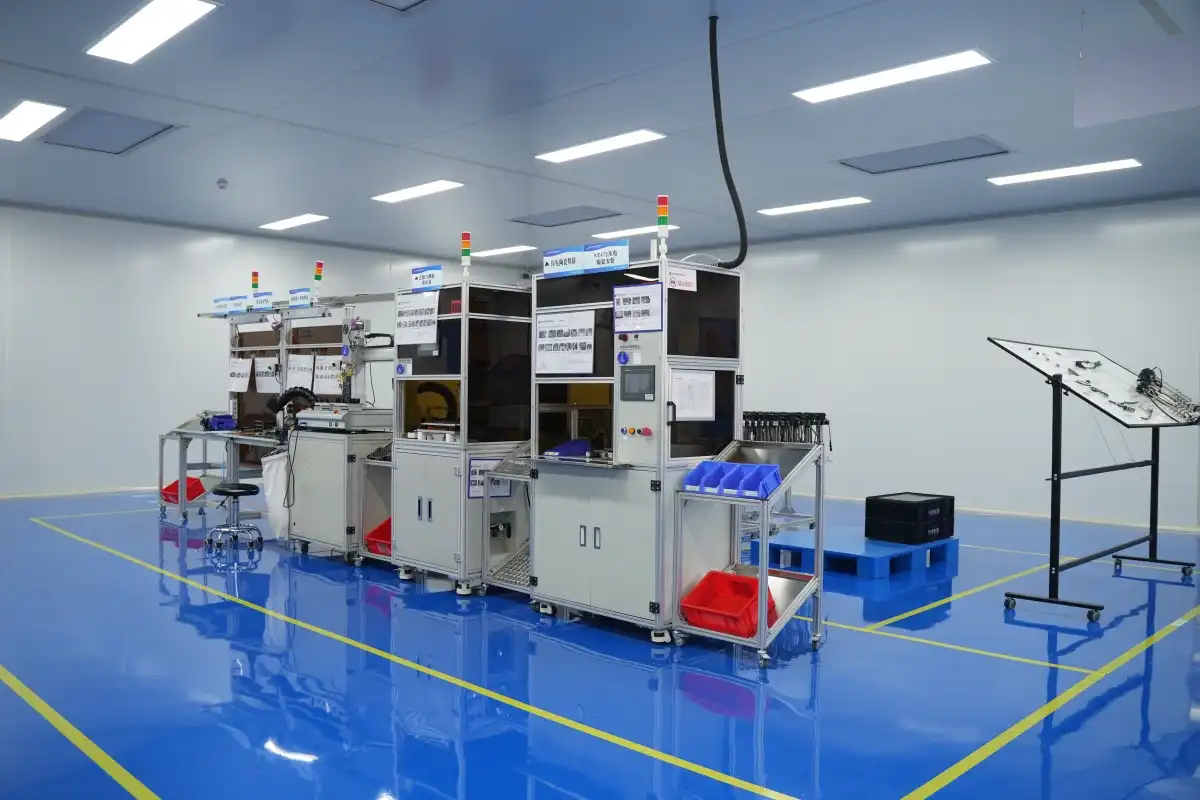
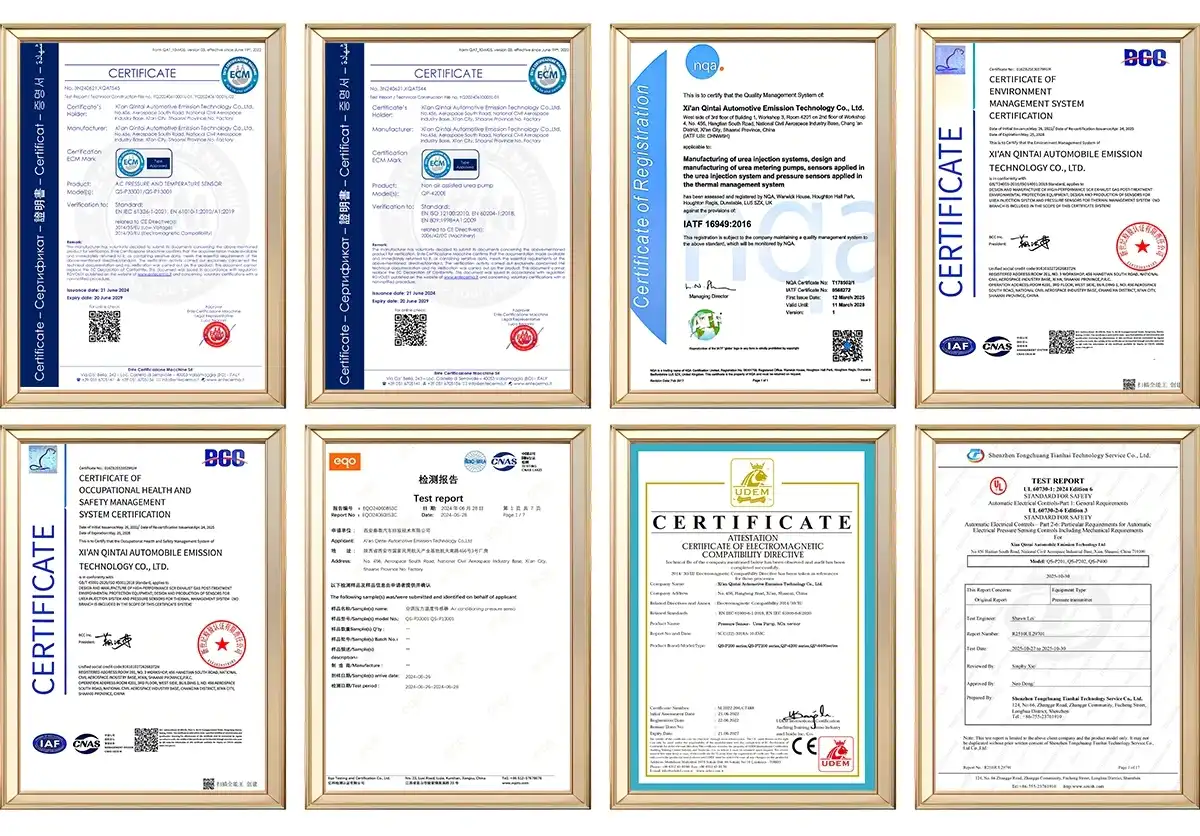
Long-term dependability of a pressure sensor depends a lot on what the provider can do that goes beyond what the product specs say. IATF 16949-certified manufacturing quality systems show process controls that are good enough for the car industry and keep failure rates low. Before putting the design into the field, it is put through a lot of tests to make sure it is sturdy. These tests include temperature cycling, shaking endurance, and EMI sensitivity.
When technical support is quick to respond, it helps solve problems with applications during integration and fixing. Access to customization services lets you change the interface, the pressure range, or the way the housing is set up to fit the specifics of your system. Total cost of ownership is affected by warranty terms and the availability of new parts. Suppliers who keep extra stock and offer advance swap programs lower the risk of downtime.
Conclusion
Understanding how failures happen, following strict testing procedures, and making well-informed purchasing decisions are all important for making sure that pressure transmitters work well. In industrial settings, measurement accuracy is at risk because of things like electrical shocks, mechanical wear, calibration drift, and installation mistakes. Long-lasting performance is built on proactive repair plans, choosing the right sensors based on business needs, and building smart relationships with qualified makers. As rules about emissions get stricter and operating pressures rise, buying approved, high-quality pressure sensor solutions pays off in the long run by lowering downtime, ensuring compliance, and making asset management better.
FAQ
What calibration intervals prevent pressure sensor drift?
How often calibration is done relies on how important the product is and how bad the surroundings is. As a general rule, commercial use should be checked once a year, but measures that are important for emissions may need to be checked every six months. Extreme temperatures, toxic media, or high vibrations are all examples of harsh conditions that need to be checked every three months.
How do pressure sensors differ from transmitters?
Pressure sensors pick up changes in force and send out raw electrical signals that are related to the pressure that is being applied. Transmitters have sensors and signal processing hardware that boosts, filters, and standardizes outputs so they can be sent over long distances to control systems. This difference is important when choosing parts for remote tracking networks that need to make sure the signal stays strong over long wire runs in order to get accurate data.
What strategies mitigate environmental damage to transmitters?
Choosing devices with the right entry protection ratings—at least IP67 for outdoor or washdown areas—keeps water out. Choosing materials that are compatible with the process media protects against chemical attack, and rating temperatures higher than the practical limits allows for thermal cycles. Putting in heat shields, moisture barriers, and sound dampeners makes safe layers that make things last longer in tough situations.

SENSOR+TEST, June 9 – 11, 2026
We look forward to your visit,warmly welcome to our booth 1-634!
Get your free ticket online now:
https://www.sensor-test.de/service/ticket/?52790
Partner with Qintai for Reliable Pressure Sensor Solutions
Xi'an Qintai makes pressure sensor options that are designed to meet the specific needs of diesel aftertreatment systems and heavy-duty uses. Our ISO9001 and IATF16949 standards prove that we use consistent manufacturing methods that make sure parts are the same throughout high-volume production. As the major OEM provider to Weichai Power, Yuchai Power, and Quanchai Power, we've shown that we can meet strict emission compliance standards, such as China VI and Euro VI, while keeping our prices low.
Our independent research and development team (R&D) keeps improving sensor technologies—they have 58 idea patents—to make them more resistant to heat, shaking, and electromagnetic interference (EMI). We offer full customization services that let you change pressure ranges, electrical connections, and mechanical setups to fit your exact needs. Qintai offers the dependability and relationship depth needed for long-term success with in-stock inventory that allows for fast shipping and quick technical support throughout the lifecycles of products. Email our team at info@qt-sensor.com to talk about your pressure sensor needs with a reputable company that is ready to help you reach your buying goals.
References
1. Johnson, M.R., & Chen, L. (2021). Industrial Pressure Measurement: Principles and Practice. Technical Publishing International.
2. Anderson, K.P. (2020). "Failure Mode Analysis of Capacitive Pressure Transducers in Automotive Applications." Journal of Automotive Engineering, 145(3), 278-294.
3. Society of Automotive Engineers. (2022). SAE J1939 Digital Communications Standard for Heavy-Duty Vehicles. SAE International Standards.
4. Williams, D.T., & Patel, S.K. (2019). "Environmental Effects on Sensor Performance in Diesel Exhaust Systems." Sensors and Actuators B: Chemical, 298, 126-141.
5. International Organization for Standardization. (2021). ISO 15500-2: Road Vehicles - Compressed Natural Gas Fuel System Components - Part 2: Performance and General Test Methods. ISO Publications.
6. Martinez, E.F. (2023). Predictive Maintenance Strategies for Industrial Instrumentation. Process Control Engineering Press.

Our customers’ satisfaction speaks for our quality — contact us to experience the same reliable service.