- English
- French
- German
- Portuguese
- Spanish
- Russian
- Japanese
- Korean
- Arabic
- Greek
- German
- Turkish
- Italian
- Danish
- Romanian
- Indonesian
- Czech
- Afrikaans
- Swedish
- Polish
- Basque
- Catalan
- Esperanto
- Hindi
- Lao
- Albanian
- Amharic
- Armenian
- Azerbaijani
- Belarusian
- Bengali
- Bosnian
- Bulgarian
- Cebuano
- Chichewa
- Corsican
- Croatian
- Dutch
- Estonian
- Filipino
- Finnish
- Frisian
- Galician
- Georgian
- Gujarati
- Haitian
- Hausa
- Hawaiian
- Hebrew
- Hmong
- Hungarian
- Icelandic
- Igbo
- Javanese
- Kannada
- Kazakh
- Khmer
- Kurdish
- Kyrgyz
- Latin
- Latvian
- Lithuanian
- Luxembou..
- Macedonian
- Malagasy
- Malay
- Malayalam
- Maltese
- Maori
- Marathi
- Mongolian
- Burmese
- Nepali
- Norwegian
- Pashto
- Persian
- Punjabi
- Serbian
- Sesotho
- Sinhala
- Slovak
- Slovenian
- Somali
- Samoan
- Scots Gaelic
- Shona
- Sindhi
- Sundanese
- Swahili
- Tajik
- Tamil
- Telugu
- Thai
- Ukrainian
- Urdu
- Uzbek
- Vietnamese
- Welsh
- Xhosa
- Yiddish
- Yoruba
- Zulu
How Do Pressure Sensors Work
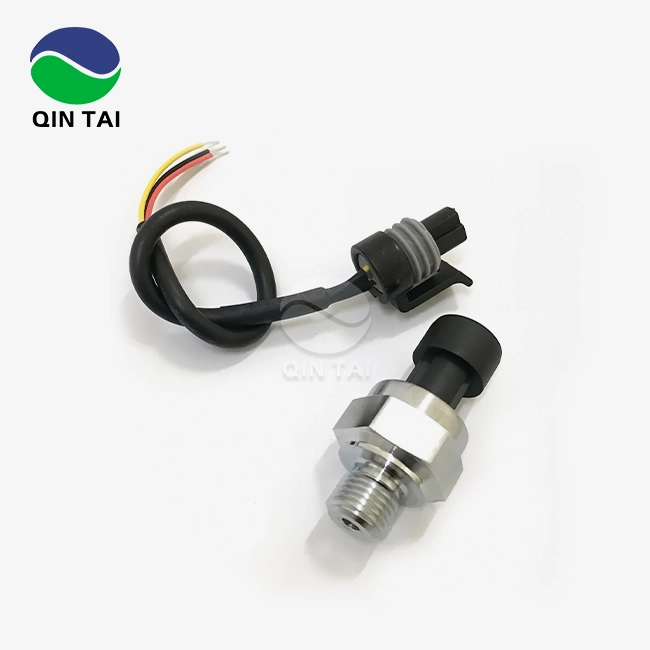
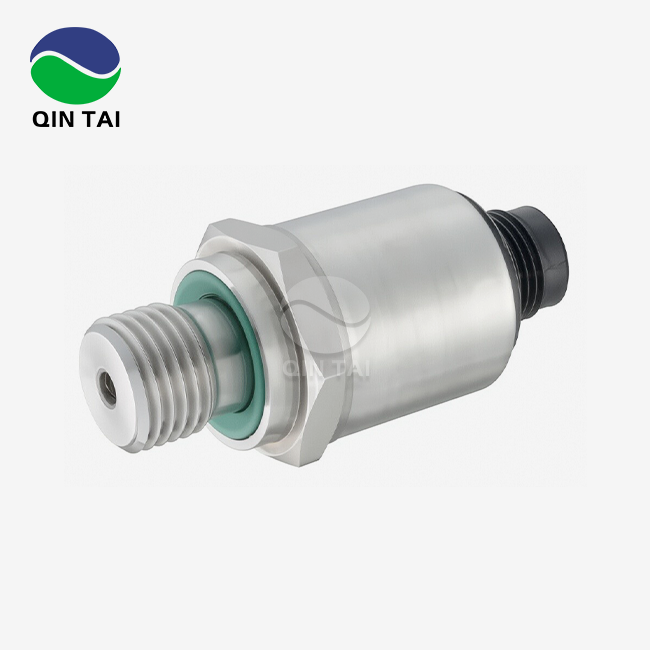
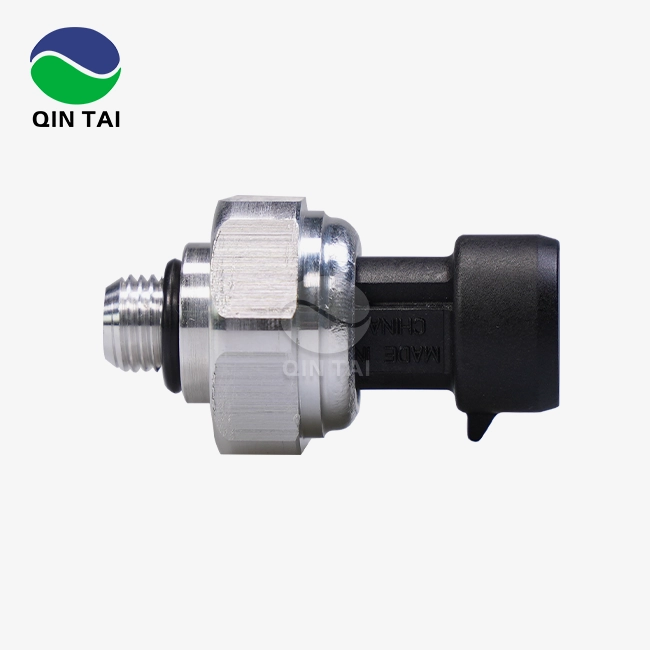
A pressure sensor picks up and records the force acting on a surface per unit area. It then turns this mechanical pressure into an electrical signal that can be used for control and tracking. Different measuring parts, like strain gauges, capacitive plates, or piezoelectric crystals, that directly react to changes in pressure make these sensors work. These elements change shape or electrical qualities when pressure is put on them. This causes a voltage, current, or capacitance change that can be monitored, processed, and shown as useful data for commercial uses.
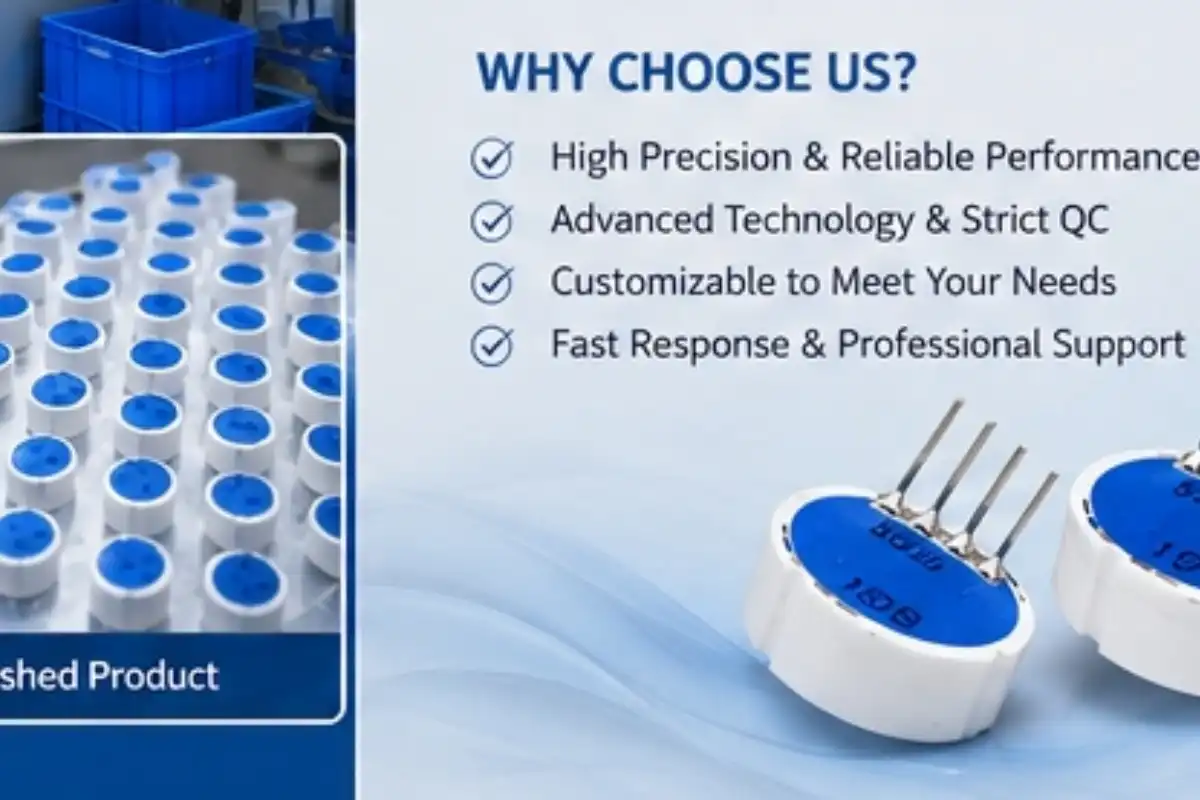
Understanding Pressure Sensors: Working Principles and Types
Pressure sensors turn physical force into measured electrical outputs. This lets people in the automobile, environmental, and industry fields keep a close eye on things and make precise controls. When these sensors are put under fluid or gas pressure, they measure pressure by picking up on changes in the shape or electrical properties of their sensitive elements.
What Is a Pressure Sensor and How Does It Differ from a Transducer?
A pressure sensor notices changes in pressure and sends out a signal in response. A pressure transducer, on the other hand, usually has extra signal filtering circuits to give a standard output that can be directly connected to control systems. In the business world, the words are often used equally, but sensors usually have more advanced signal processing options. Knowing this difference helps buying teams choose the right gadget for their needs in terms of application and system support.
Piezoresistive Pressure Sensors: Strain Gauge Technology
Piezoresistive sensors have strain gauges attached to a membrane that bends when pressure is put on it. The resistance of the strain gauge changes in a way that is related to the pressure level as the diaphragm bends. A Wheatstone bridge circuit is used to measure this change in resistance by turning the mechanical displacement into a voltage output. Piezoresistive sensors work well in harsh industrial settings because they are sensitive, can detect a wide range of pressures, and are very durable. Because they have been tested and proven to work reliably, they are perfect for diesel engine control systems, SCR aftertreatment uses, and heavy-duty machinery that needs to keep working well even when it is vibrating or the temperature changes a lot.
Capacitive Pressure Sensors: High Precision Measurement
A movable diaphragm is placed close to a set electrode in capacitive pressure sensors to create a changeable capacitor. As the pressure changes, the diaphragm moves closer or farther away from the set plate. This changes the capacitance between the two. This change in capacitance is turned into an electrical output that is related to the pressure that is being applied. Capacitive sensors are very accurate, stable, and don't change much with temperature, so they can be used in situations where exact readings need to be taken over long periods of time. Their low power needs and great long-term steadiness make them useful for tracking emissions and protecting the environment, where measurement accuracy directly affects following the rules.
Piezoelectric Pressure Sensors: Dynamic Pressure Monitoring
Piezoelectric sensors use crystals that make electricity when they are physically pushed by changes in pressure. Instead of measuring steady conditions, these sensors are great at measuring dynamic pressures, which change quickly. Because they respond quickly, they are useful for analyzing burning, keeping an eye on hydraulic systems, and other tasks that involve sudden changes in pressure. While piezoelectric technology isn't used as much in steady-state tracking, it works perfectly for tasks that need to collect high-frequency pressure data.
Specialized Sensor Variants for Extreme Conditions
Modern pressure sensors are made to work in tough industrial settings, such as high-temperature exhaust systems, chemically toxic areas, and explosive atmospheres. Extreme weather sensors are made with special materials, coats that protect them, and strong housings that keep their accuracy and dependability. Wireless pressure sensors don't need cables in places that are hard to get to, so they can be installed in a variety of ways while still providing accurate measurements. These special versions meet the tough needs of building equipment, generator sets, and industrial waste gas treatment systems, where normal sensors wouldn't work well because of the conditions.
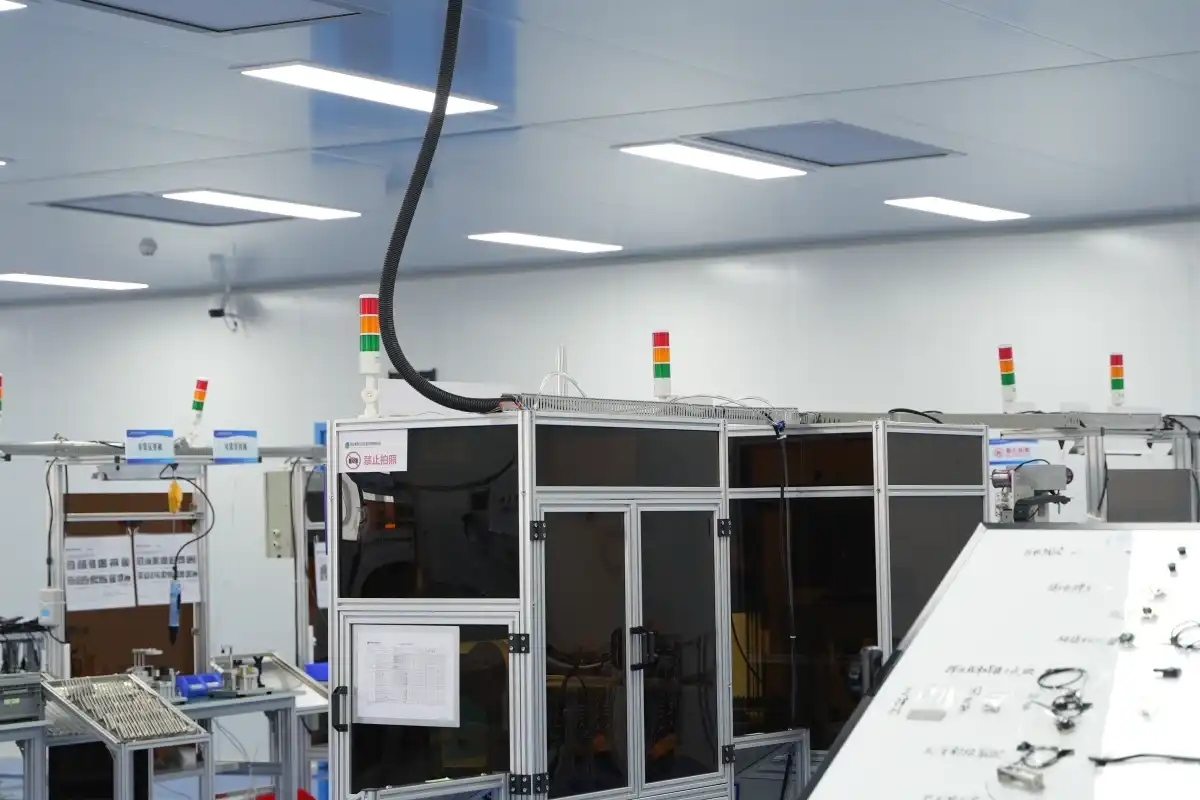
Key Applications of Pressure Sensors in Industrial and Automotive Sectors
Pressure sensors are important parts of many different types of industries because they give real-time data that is needed to improve processes, keep an eye on safety, and follow the rules.
Diesel Engine Management and Emission Control
In diesel engines, pressure sensors check the pressure in the intake pipe, the backpressure in the exhaust, and the performance of the SCR system to make sure the engine burns fuel efficiently and meets pollution standards. These sensors send important information back to the engine control units, which lets them precisely control the time of fuel injection, the turbocharger, and the return of waste gas.
To meet the emission guidelines for China VI and Euro VI, sensors must be very stable and very accurate. This is because even small measurement mistakes can lead to emission violations or performance loss. For big trucks, building equipment, and farm equipment, the long-term compliance with emissions standards, field performance, and the results of pollution tests are all directly affected by how reliable the pressure sensors are.
SCR and DPF Aftertreatment Systems
Diesel Particulate Filter and Selective Catalytic Reduction systems need accurate pressure readings to keep an eye on system health, find out when filters are full, and manage the recycling processes. Differential pressure sensors check the drop in pressure across DPF filters to show how much soot has built up and start regeneration processes when certain amounts are reached. In SCR systems, pressure sensors check how well the dosing module is working and find any problems with the system that might lower the NOx reduction efficiency.
To meet production deadlines, aftertreatment system designers need sensors that work well with a variety of system designs, let them change the output signals, and can be delivered quickly. How well the sensor works and how often it needs to be serviced are directly related to how well the aftertreatment system works.
Industrial Process Control and Safety Monitoring
Pressure sensor technology is used in hydraulic systems, pneumatic controls, compressed air networks, and steam transfer systems in manufacturing facilities. Monitoring the pressure all the time keeps the process quality high, stops damage to tools, and makes the best use of energy. When pressure goes out of certain ranges, sensors let maintenance teams know. This lets them use predictive maintenance methods that cut down on downtime and make equipment last longer.
When safety is very important, using two or more pressure sensors makes sure that pressure tanks, stoves, and other equipment that could be dangerous if the pressure changes is always being watched. When sensors are added to computerized maintenance management systems, tracking and data analysis can be done from one place for the whole building.
Generator Set and Power Generation Applications
Generator sets that work in mines, power plants, and backup power installations need pressure sensors that are long-lasting and can keep working even when the load changes. These sensors keep an eye on the pressure of the oil, coolant, and fuel systems to make sure they work properly for long periods of time. Industrial-grade sensors that have been shown to last a long time cut down on repair needs and increase efficiency in power generation uses that are very important for survival. Generator sets work in harsh environments with high humidity, extreme temperature changes, and dirty or toxic air, which makes normal sensor designs difficult to use.
Comparison and Selection Guide for Pressure Sensors
To choose the right pressure sensor technology, you need to know how different types of sensors work, how much they cost, and what kinds of applications they are best for.
Piezoresistive vs. Capacitive Technology Comparison
Because piezoresistive sensors can respond to a wider range of pressures, take less time to respond, and cost less per unit, they are good for high-volume uses in industry and cars. Their strong build can handle the shocks, vibrations, and wide changes in temperature that are usual in diesel engine settings. Capacitive sensors are more accurate, more stable over time, and less likely to change temperature. This makes them useful for precision measurement tasks where error levels need to stay within narrow ranges.
Capacitive sensors usually cost more, but their better performance makes them worth the extra money in situations where precise measurements affect product quality or legal compliance. When deciding what to buy, people should compare the initial cost of the sensor to its overall ownership costs, which should include how often it needs to be calibrated, how often it needs to be replaced, and the possible costs of measurement mistakes.
Sensor Output Configurations and System Integration
There are different kinds of output signals for pressure sensors, such as analog voltage, current loop outputs, digital communication methods, and the ability to send data wirelessly. When used in tough industrial settings, analog voltage outputs may be affected by electrical noise, but they are easy to integrate. For remote monitoring systems, current loop outputs are better because they block noise better over longer wire runs.
Digital communication methods make it possible for advanced diagnosis, remote setup, and multisensor networks that make wires less complicated. To choose the right output setup, you need to know about the installation lengths, current control system connections, and the possibility of electromagnetic interference in the application area.
Environmental Considerations and Housing Selection
Operating temperature ranges, media compatibility, and water protection scores all play a big role in choosing the right sensor for a job. To keep their accuracy and dependability, sensors that are exposed to exhaust gases need to be rated for high temperatures, made of materials that don't corrode, and sealed in a special way.
Designs that are resistant to vibration protect sensing parts in moving and rotating machines. Housings that are resistant to explosions meet safety standards in dangerous places. Understanding the weather challenges in your application will help sensors last longer and prevent unexpected breakdowns that slow down operations and raise maintenance costs.
Evaluating Reputable Manufacturers and Certification Standards
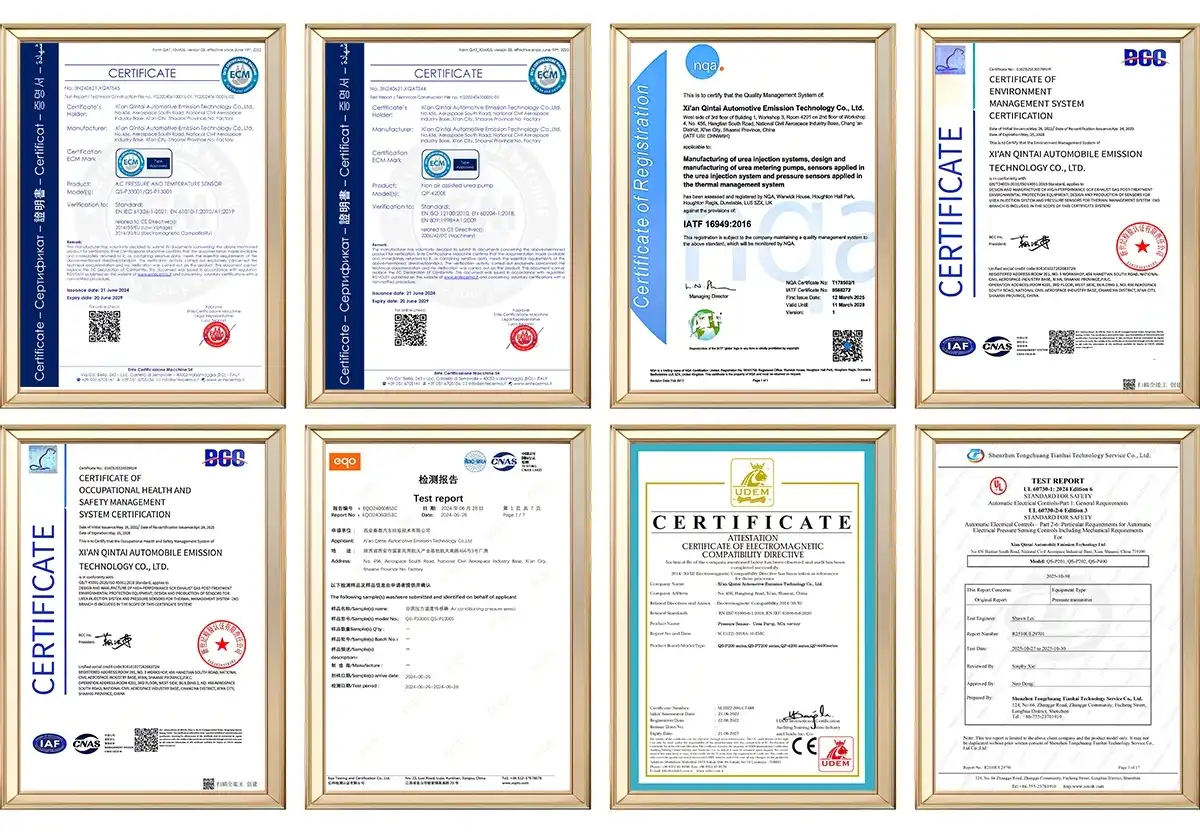
Companies like Honeywell, Siemens, Omron, and Omega have built a reputation for quality that is always the same, excellent, expert support, and a wide range of products. However, new companies that offer ISO9001, IATF16949, and application-specific standards offer cheap options that can be easily customized and offer quick service.
Certification standards make sure that manufacturing methods, quality control systems, and the dependability of products are all true. They also give buying teams concrete criteria for judging suppliers. When looking for sensors for uses that need to meet strict emission standards, make sure that the providers have the right car quality certifications and can provide all the necessary paperwork. This will make sure that the products meet all the rules and keep working well for as long as they are used.

SENSOR+TEST, June 9 – 11, 2026
We look forward to your visit,warmly welcome to our booth 1-634!
Get your free ticket online now:
https://www.sensor-test.de/service/ticket/?52790
Pressure Sensor Calibration, Testing, and Datasheet Interpretation
To keep pressure sensor measurements accurate, you need to know how to do calibrations, follow testing methods, and figure out what technical specifications mean.
Calibration Methods and Frequency Requirements
Calibration of a pressure sensor compares the sensor's output to known reference standards across the measurement range. This shows that the sensor is accurate at several pressure points. In the lab, primary calibration sets the baseline performance characteristics by using deadweight tests or precision pressure controls. Field calibration checks the accuracy of sensors in their set conditions, finding any drift or decline that needs to be fixed.
How often you have to calibrate relies on how important the application is, how it is used, and any rules or regulations that apply. Applications that measure emissions may need to be calibrated once a year to keep their approval, but applications that aren't as important may be able to go longer between calibrations based on past performance data. Making calibration plans strikes a balance between the accuracy of measurements, the cost of running the business, and the availability of tools.
Procurement Testing and Sample Evaluation
Checking success before committing to large orders is an important part of effective buying. When evaluating samples, sensors should be tested in situations that are similar to what they will be used for, such as changing temperature and pressure and being exposed to the environment. By comparing sensor results to those from reference tools, you can measure accuracy and find problems that might be affecting performance. It's easier to guess how reliable something will be in the field when you look at a lot of samples.
Reviewing the documentation makes sure that approvals are accurate, that requirements are met, and that the product can be tracked. To help them make quality choices, procurement teams should ask for calibration certificates, material licenses, and data from dependability tests. Suppliers who offer open sample programs and detailed technical paperwork show that they care about their customers' success and the clarity of their products.
Interpreting Technical Specifications and Datasheets
The parameters in a datasheet describe what a sensor can and can't do. These parameters need to be carefully interpreted in order to match sensors to application needs. The accuracy specs show the biggest mistake that can happen when measuring, which is usually given as a portion of the full scale or number. The minimum and highest measured pressures are set by the pressure range. The middle range is usually where efficiency is best. Response time shows how fast sensors respond to changes in pressure, which is important for uses that need to be flexible.
Temperature factors measure changes in performance over a wide range of working temperatures. This is very important for uses where temperature changes a lot. The burst pressure and proof pressure numbers show how strong the mechanical system is and how much stress it can handle. When purchasing managers know these factors, they can compare goods fairly and choose sensors that offer the best mix of performance, dependability, and price for certain uses.
Conclusion
Business-to-business buyers can make smart choices about pressure sensors that improve performance, cost, and supply chain stability by learning about how they work, the different technologies that are available, and how to buy them. From piezoresistive and sensitive sensing technologies to special versions for harsh settings, picking the right sensors means matching their technical skills with what they need to do.
Diesel engine management, pollution control aftertreatment, industrial process tracking, and power production are all areas that need sensors that work accurately, reliably, and for a long time. A good buying process combines scientific requirements with the supplier's skills, price, and the chance of a long-term relationship. Using the tips in this guide, buying managers and technical experts can find pressure sensors that meet government standards, work reliably, and help the company reach its goals.
FAQ
What factors affect pressure sensor accuracy in industrial applications?
Changes in temperature, mechanical vibration, fitting stress, media compatibility, and electrical interference are some of the things that can affect how accurate a measurement is. When the temperature changes, it affects the features of materials and the way electrical parts work, which leads to measurement shift. These effects are lessened by using the right temperature adjustment devices. Because shaking can mess up measurements or damage sensing parts, mobile equipment needs to be built to be resistant to it.
How often should pressure sensors be calibrated in emission control systems?
To keep their certifications up to date, emission control applications usually need to be calibrated once a year. However, the exact requirements depend on the application and the region. Documented calibration tracking is needed for pressure sensors that help with pollution testing or monitoring that is reported to regulatory bodies. If the working conditions are very tough or the measurement accuracy is very high, some uses benefit from testing times that are longer.
Can pressure sensors be customized for specific OEM applications?
Yes, good makers let you make a lot of changes, such as to the mechanical layout, electrical connections, pressure levels, output signs, and weather conditions. Customization allows for the best collaboration, better performance, and standing out in areas with lots of competition. Working with providers who offer technical help, testing, and flexible manufacturing speeds up development and makes sure sensors meet all requirements. Customization usually needs a minimum order quantity to cover the costs of tools and engineering. This means that it works best for well-known goods or high-volume uses.
Partner with Qintai for Reliable Pressure Sensor Solutions
Xi'an Qintai Automotive Emission Technology Co., Ltd. Ltd. is ready to help you with your pressure sensor needs because they have a lot of experience with diesel engine aftertreatment systems and car sensing solutions. We are a national high-tech company that has been around since 2001. We are known as the best OEM pressure sensor seller in China, and our main users are Weichai Power, Yuchai Power, and Quanchai Power. Our 58 idea patents and ISO9001, IATF16949, CMC, Ex, UL, CE, REACH, and RoHS quality certifications show that we are dedicated to technical excellence and production quality.
We have our own research and development department that works to improve product performance, dependability, and compliance with China VI and Euro VI emission standards all the time. Our OEM and ODM services are very open and allow for customization from the first design phase all the way through mass production. This makes sure that the sensors work perfectly with your systems. Qintai provides the security, consistency, and expert support your applications need, whether you need sensors for big trucks, building equipment, farming equipment, generator sets, or the integration of an aftertreatment system. Contact our team at info@qt-sensor.com to talk about your unique needs, look into the ways we can customize our products, and experience the quick relationship that has made us the best pressure sensor maker in China.
References
1. Webster, J. G., & Eren, H. (2014). Measurement, Instrumentation, and Sensors Handbook: Spatial, Mechanical, Thermal, and Radiation Measurement (2nd ed.). CRC Press.
2. Wilson, J. S. (2005). Sensor Technology Handbook. Newnes.
3. Fraden, J. (2016). Handbook of Modern Sensors: Physics, Designs, and Applications (5th ed.). Springer.
4. Bao, M. H. (2000). Micro Mechanical Transducers: Pressure Sensors, Accelerometers and Gyroscopes. Elsevier Science.
5. Pallas-Areny, R., & Webster, J. G. (2001). Sensors and Signal Conditioning (2nd ed.). John Wiley & Sons.
6. Nawrocki, W. (2016). Measurement Systems and Sensors (2nd ed.). Artech House.
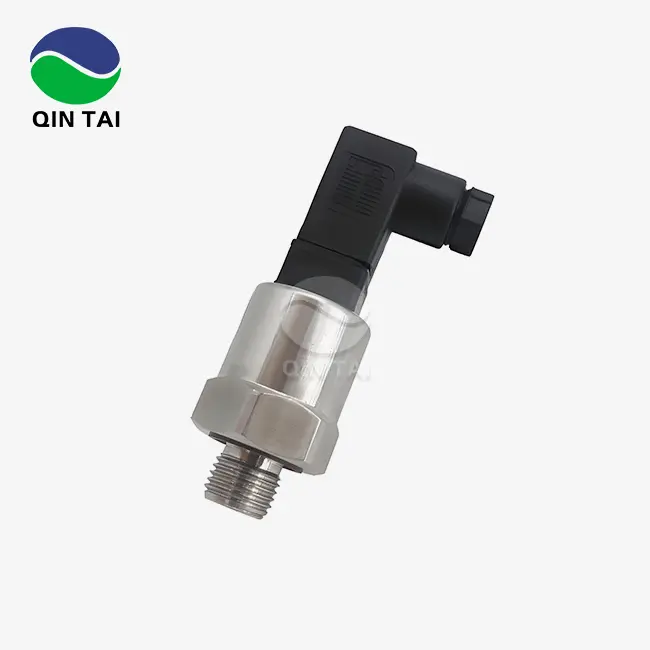

Our customers’ satisfaction speaks for our quality — contact us to experience the same reliable service.