- English
- French
- German
- Portuguese
- Spanish
- Russian
- Japanese
- Korean
- Arabic
- Greek
- German
- Turkish
- Italian
- Danish
- Romanian
- Indonesian
- Czech
- Afrikaans
- Swedish
- Polish
- Basque
- Catalan
- Esperanto
- Hindi
- Lao
- Albanian
- Amharic
- Armenian
- Azerbaijani
- Belarusian
- Bengali
- Bosnian
- Bulgarian
- Cebuano
- Chichewa
- Corsican
- Croatian
- Dutch
- Estonian
- Filipino
- Finnish
- Frisian
- Galician
- Georgian
- Gujarati
- Haitian
- Hausa
- Hawaiian
- Hebrew
- Hmong
- Hungarian
- Icelandic
- Igbo
- Javanese
- Kannada
- Kazakh
- Khmer
- Kurdish
- Kyrgyz
- Latin
- Latvian
- Lithuanian
- Luxembou..
- Macedonian
- Malagasy
- Malay
- Malayalam
- Maltese
- Maori
- Marathi
- Mongolian
- Burmese
- Nepali
- Norwegian
- Pashto
- Persian
- Punjabi
- Serbian
- Sesotho
- Sinhala
- Slovak
- Slovenian
- Somali
- Samoan
- Scots Gaelic
- Shona
- Sindhi
- Sundanese
- Swahili
- Tajik
- Tamil
- Telugu
- Thai
- Ukrainian
- Urdu
- Uzbek
- Vietnamese
- Welsh
- Xhosa
- Yiddish
- Yoruba
- Zulu
What Does A Pressure Sensor Do
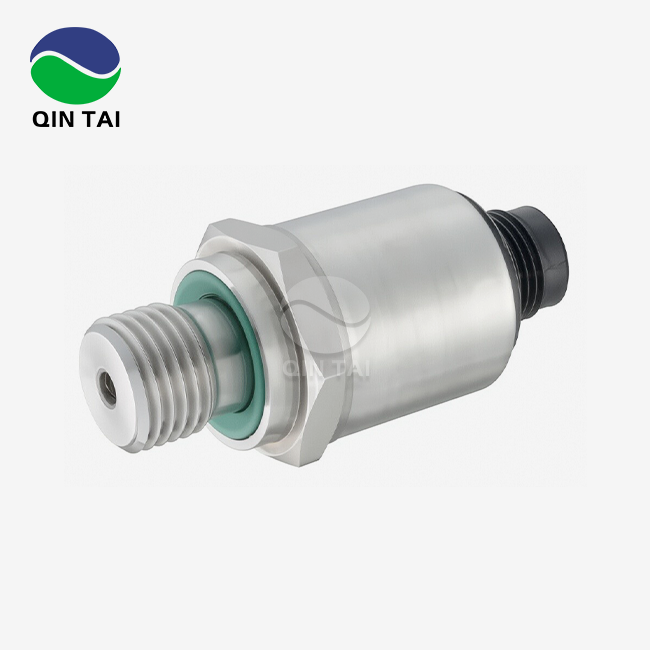
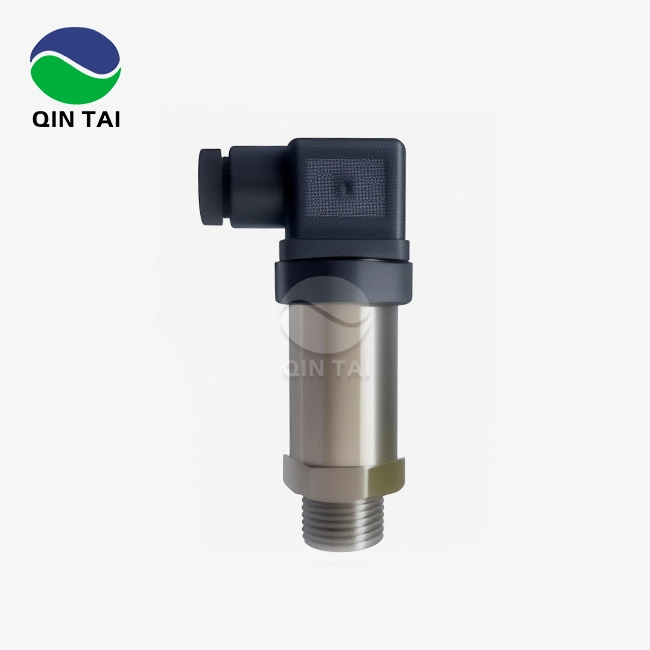
A pressure sensor is a machine that finds and measures the force acting on a certain area of a gas or liquid, then turns this physical event into electrical data that can be measured. With these tools, repair teams can keep an eye on equipment in real time, figure out how it will break down, and take steps to stop problems before they get out of hand. The sensor instantly warns workers when pressure in tanks or pressured systems deviates from predetermined limits. This lets them take quick corrective action that saves both people and property.
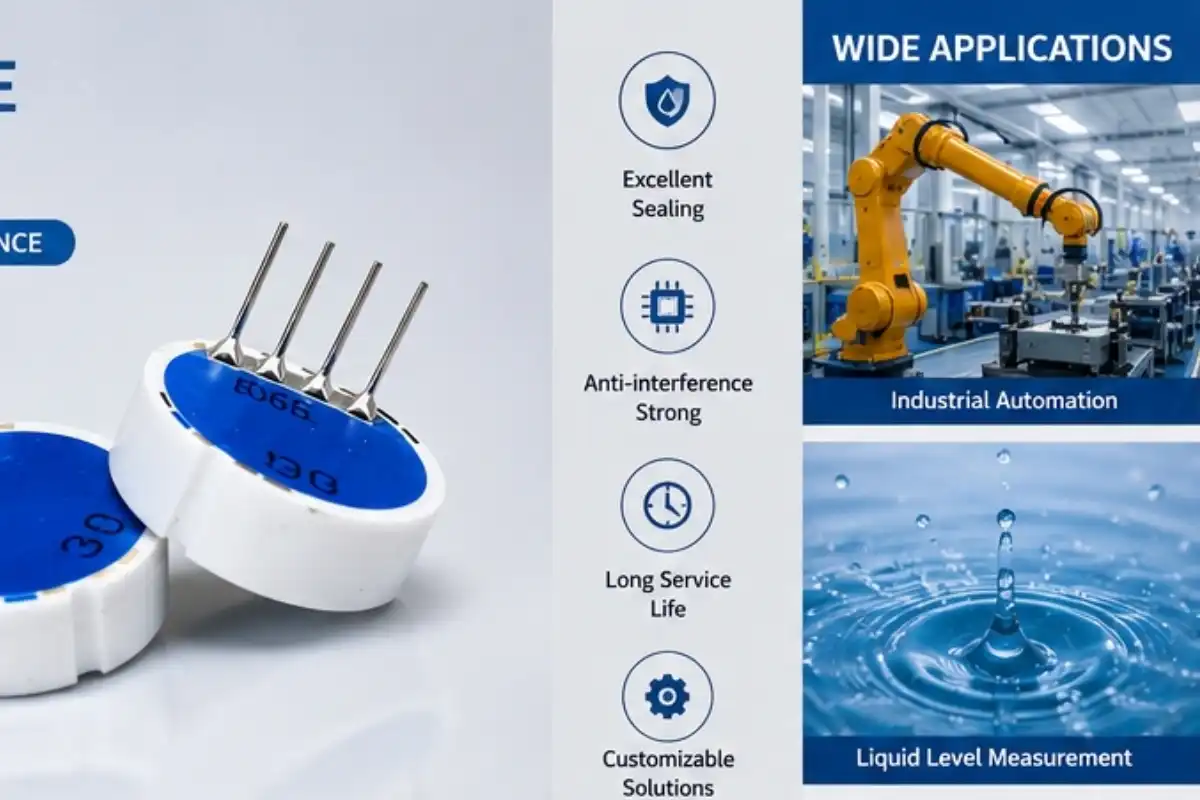
Understanding Pressure Sensors: What They Do and How They Work?
Pressure measurement devices keep an eye on how force is distributed across important structures all the time, acting as the brains of industrial operations. The words "pressure sensor" and "pressure transducer" are often used equally, but there is a small difference between the two: sensors only notice changes in pressure; transducers also turn those changes into standard electrical outputs that can be used by tracking systems.
Core Working Principles Behind Pressure Detection
These days, pressure sensors are mostly powered by three main technologies. When mechanical stress changes the shape of strain gauges used in piezoresistive devices, the electrical resistance changes. When force is put on it, a thin diaphragm bends, which changes the gauge's resistance in a way that depends on how strong the pressure is.
Capacitive pressure sensors have two wires, one that stays in place and one that moves. Changes in pressure move the diaphragm, which changes the capacitance between the sensors and leads to voltage readings. When solid materials are put under mechanical stress, piezoelectric devices directly produce electrical charges. This makes them very sensitive to changes in dynamic pressure in aircraft and automobile uses.
Signal Processing and Output Options
Modern industrial systems need data forms that can be used in a variety of ways. Analog outputs send constant voltage or current signals (usually 4–20 mA or 0–10V) that show pressure values in a proportional way. They are easy to use and work with a lot of different control systems. Digital sensors send separate data bits using standards like I²C, SPI, or CAN bus. This lets you do advanced troubleshooting, build networks of multiple sensors, and easily connect them to customizable logic computers. Digital designs make it easier to set up remotely and keep signals strong over long wire runs, which is why they are becoming more popular in global monitoring networks.
Environmental Factors Affecting Measurement Accuracy
Managing external factors is important for getting accurate pressure readings. If you don't use calibration curves or built-in temperature sensors to fix measurement drift caused by changes in temperature, the material properties in sense elements will change. Vibration and mechanical shock can give wrong results or speed up the wear and tear on parts.
Another problem is that different types of media can be acidic, have rough particles, or have high viscosity fluids, which means that special diaphragm materials and protection coats are needed. Regularly calibrating against approved standards keeps the accuracy within certain limits, which is especially important in situations where regulatory compliance requires proof of tracking.
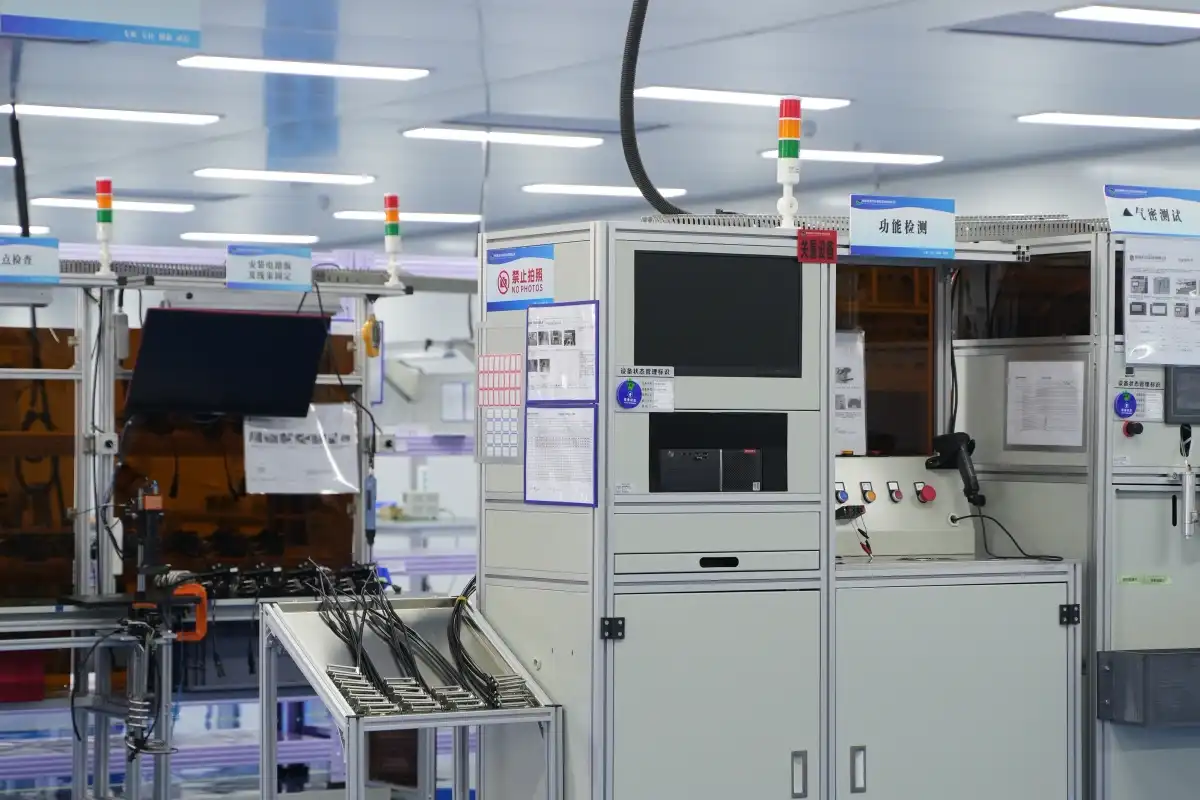
Types of Pressure Sensors and Their Industrial Applications
How devices read pressure numbers depends on the measurement reference they use. Absolute sensors are needed to figure out altitude and keep an eye on sealed systems because they measure in relation to a perfect vacuum. Gauge sensors use the pressure in the air as their reference. This makes them perfect for use in tire pressure or hydraulic systems where the environment affects how they work.
Differential sensors are very important for keeping an eye on filters, measuring flow, and keeping HVAC systems running smoothly. Vacuum sensors work best in low-pressure settings below air pressure. They are used in chip manufacturing and in the lab. When sealed gauge sensors lock a reference pressure inside the device, they give stable baseline readings that don't depend on changes in the atmosphere.
Technology-Based Sensor Categories
In addition to the types of measurements used, building technology also sets the performance qualities. Because they are reliable and inexpensive, piezoresistive types are used a lot in industry. Capacitive types work best in high-precision labs where steadiness is more important than weather resistance.
Wireless pressure sensors don't need any wire, so they can be used for tracking in places with moving parts, limited access, or dangerous environments where cables could be dangerous. Ceramic or sapphire diaphragms are used in high-temperature sensors to keep the structure strong and the measurements accurate in exhaust systems, furnaces, or downhole oil drilling where temperatures are higher than 300°C.
Real-World Application Scenarios
In diesel engine aftertreatment systems, pressure sensors check the difference in pressure across particulate screens and start regeneration processes when buildup stops exhaust flow. Monitoring hydraulic pressure is important for construction equipment to keep the system from overheating and to get the best performance from the actuators.
Agricultural equipment uses pressure input to control the spread of sprayers, which makes sure that chemicals are always applied evenly. Oil pressure sensors are needed in generator sets to find lubrication problems before they cause damage to the bearings. Chemical processing plants use sensors that don't rust in reactor tanks where precise pressure control within small working windows is needed to improve the process.
Selecting the Right Pressure Sensor: Key Considerations for B2B Procurement
Setting program conditions is the first step in making procurement choices. The pressure range needs to include the normal working conditions plus safety limits. Sensors that are too small risk damage from being too far out of range, while units that are too big lose clarity. The operating temperature range tells us what materials and technology are acceptable. To check if two media are compatible, you have to compare their chemical reactions, viscosity, and particle counts with diaphragm materials such as titanium, stainless steel, or fluoropolymer coats.
Accuracy and Long-Term Reliability Assessment
The accuracy of a sensor is given as a portion of the full scale or as absolute pressure units. A sensor that measures between 0 and 100 bars could have a mistake of up to 0.5 bars across its whole range. Higher-grade devices are needed for applications that need better control, but they are much more expensive.
Long-term stability means that measurements don't change over months or years. This is important for situations where recalibration is hard to do or costs a lot of money. Digital sensors often have self-diagnostic features that show when drift is happening. This helps with predictive maintenance strategies that stop quality problems before they affect production.
Evaluating Manufacturers and Supply Chain Factors
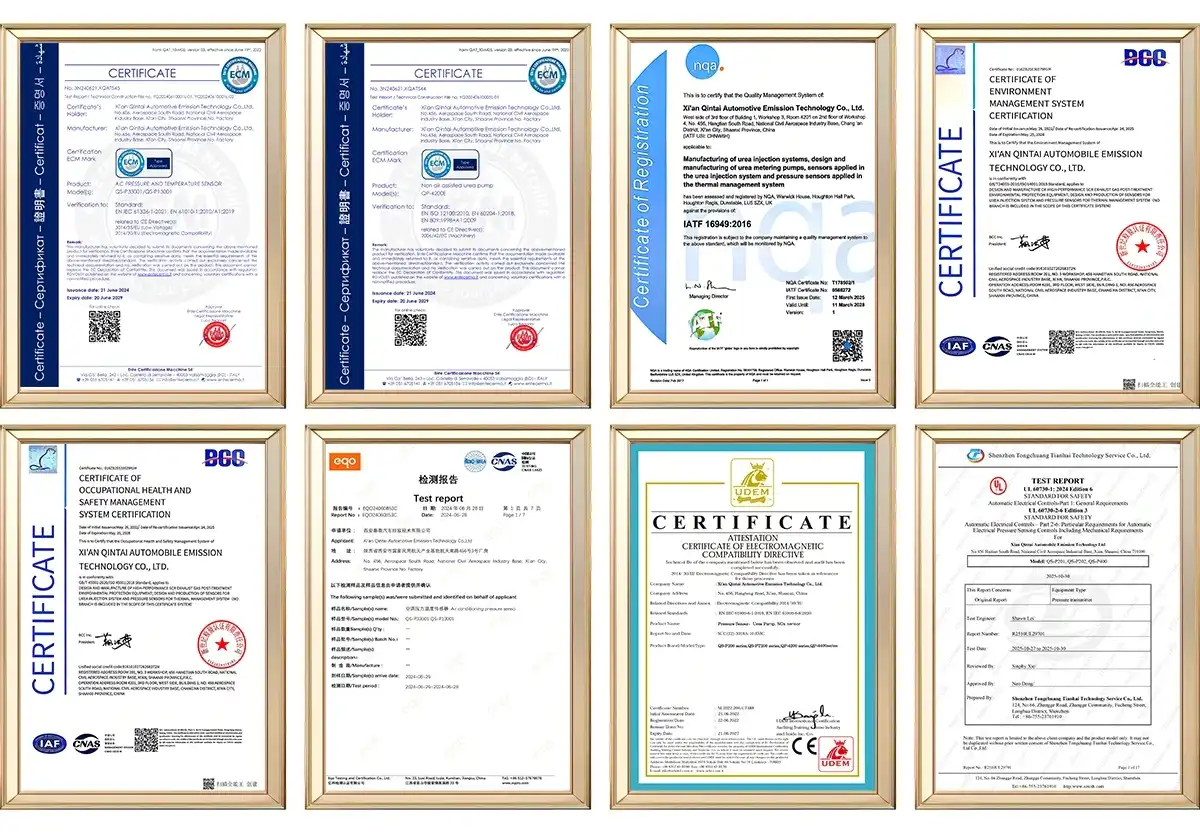
Certifications like ISO 9001, IATF 16949 for car uses, and ATEX or IECEx for rates in dangerous atmospheres show that a company is trustworthy. It doesn't matter what kind of technical support you have; engineering teams need quick help with merging, fixing, and customization. Lead times affect project plans, especially when sensors are custom-built or when a lot of them are ordered at once.
Suppliers that offer OEM partnerships offer collaborative design, group production that is already set, and cost models that are best for making a lot of products. As China's top OEM provider to Weichai Power, Yuchai Power, and Quanchai Power, Qintai has the production scale and quality control that big diesel engine makers need to meet pollution standards and make mass production as efficient as possible.
Maintaining and Troubleshooting Pressure Sensors to Ensure Longevity
The accuracy of measurements from a pressure sensor starts with calibration. In industrial settings, things need to be checked against approved standards once a year, but in difficult situations, they may need to be checked every three months. Calibration labs use deadweight testers or precision pressure controls to apply known pressures. They then compare sensor outputs to dependable standards and change the zero and span settings to get back to original specs. Audit trails must be kept up to date in order for ISO compliance and quality management systems to work.
Preventive Maintenance Best Practices
A physical check shows early signs of wear and tear. There shouldn't be any rust, pitting, or warping on the diaphragms. For electrical links to work, the ends must be clean, tight, and free of rust. Process separation valves let you take out sensors without shutting down the system, which lowers the cost of repair. Protective measures increase service life. For example, placing sensors so they are not directly hit by fluids stops degradation, and putting them in a way that lets condensation drain stops fluid buildup that throws off readings. Firmware changes that makers put out to improve performance methods or add new features are good for digital devices.
Diagnostic Techniques for Common Issues
Sensor drift shows up as a slow shift away from the real pressure number. This is usually caused by mechanical stress release or temperature cycling. The amount of movement is found by comparing it to other sensors or portable reference gauges. Signal noise shows up as numbers that aren't consistent with what they should be. This is usually caused by electromagnetic interference, bad grounding, or deteriorating wire protection.
By looking at output data with an oscilloscope, noise patterns can be found that help with methods for reducing noise. Zero pressure readings could mean that the diaphragm has ruptured, the impulse lines are blocked, or the electronics have failed. A physical check and electrical continuity test can find the source of the problem and help you decide whether it is cheaper to fix it in the field or restore it in the factory.
Future Trends and Innovations in Pressure Sensor Technology
Microelectromechanical systems (MEMS) technology keeps making the pressure sensor smaller and better at what it does. Silicon micromachining makes sense elements smaller than a rice grain, which lets them be used in medical devices and household products that don't have a lot of room. Economies of scale in MEMS manufacturing drive down costs, which makes pressure sensing useful in places it wasn't before. Wireless sensor networks don't need any wiring, which cuts installation costs by 40–60% in retrofit situations and lets you set up tracking systems in ways that aren't possible with connected systems.
Industry 4.0 Integration and Smart Manufacturing
When sensors are connected to the internet, they go from being inactive measuring tools to being smart points in distributed data systems. Cloud-connected sensors send data to machine learning algorithms, which look for small trends that point to impending failures. This improves maintenance plans and cuts down on unplanned downtime. Edge computing is built into sensor electronics, which lets processing happen locally. This cuts down on network usage while keeping real-time reaction. Standardizing protocols like OPC UA and MQTT makes it easier for systems from different vendors to work together. This stops vendors from locking you into their systems and protects the value of your equipment investments as technologies change.
Emerging Applications and Market Growth
New sensors are being made for the renewable energy sector because wind turbines need to keep an eye on pitch control, solar thermal plants need to be able to measure steam pressure accurately, and hydrogen fuel cell systems need to be able to precisely control gas pressure. When more electric cars are on the road, pressure sensing needs to be added to battery cooling systems, brake-by-wire designs, and heat management circuits.
Qintai's independent research and development team is always coming up with new ways to meet the changing needs of the market. With 58 idea patents, the company is a star in diesel aftertreatment and sensing technology creation. With this kind of dedication, companies can take advantage of new possibilities while still meeting the needs of customers who buy big trucks, building equipment, and generator sets.

SENSOR+TEST, June 9 – 11, 2026
We look forward to your visit,warmly welcome to our booth 1-634!
Get your free ticket online now:
https://www.sensor-test.de/service/ticket/?52790
Conclusion
Pressure sensors are essential to all industrial processes because they turn physical force into information that can be used to improve safety, make sure processes run more smoothly, and follow rules. Procurement managers and engineers can make decisions that balance performance, reliability, and cost by understanding how sensors work, what they need for specific applications, and how to keep them in good shape. As technology moves toward better, more connected solutions, working with experienced makers gives you access to new goods backed by quality systems that have been tried and tested and quick technical help that keeps you ahead in tough markets.
FAQ
What distinguishes pressure sensors from pressure transducers in practical applications?
Transducers specifically transform those physical readings into standardized electrical outputs, despite the fact that pressure sensors and transducers are frequently used equally. Most current gadgets can do both of these things, so the difference is mostly symbolic in buying situations.
How often should industrial pressure sensors undergo calibration?
How often you calibrate depends on how important the program is and how it is being used. Quality-controlled industrial environments usually need to be checked once a year, while dangerous chemical or high-temperature environments may need to be checked every three months to make sure measurements are accurate and regulations are followed.
Can a single sensor type serve multiple applications across different systems?
Flexible sensors do exist, but for best performance, the features of the sensor need to be matched to the needs of the application. Different uses have very different pressure ranges, accuracy classes, media compatibility, and weather scores. This is why custom picking is more reliable than one-size-fits-all methods.
Partner with Qintai for Reliable Pressure Sensor Solutions
Established in 2001 as a national high-tech company, Qintai is known as China's top maker of pressure sensors thanks to its strict quality standards and constant new product development. Our goods are guaranteed to meet China VI and Euro VI pollution guidelines, which are important for the use of diesel engines. They are certified by ISO9001, IATF16949, and other foreign organizations. We offer customized OEM/ODM solutions from the initial design stage through mass production, making sure they work with SCR aftertreatment systems and meet a wide range of industry needs.
Our in-house R&D is backed by 58 idea patents. Being the main seller to Weichai, Yuchai, and Quanchai, three of China's biggest power companies, shows that we have the steadiness, regularity, and production capacity that tough jobs need. Technical support teams are available to help quickly and easily throughout the duration of a product, and flexible customization lets you meet specific interface and parameter needs. Get in touch with our engineering experts at info@qt-sensor.com to talk about your pressure measuring needs and find out how Qintai's knowledge can help your system work better and your supply chain run more smoothly.
References
1. Webster, J.G. (2020). The Measurement, Instrumentation and Sensors Handbook, Second Edition. CRC Press.
2. Fraden, J. (2016). Handbook of Modern Sensors: Physics, Designs, and Applications, Fifth Edition. Springer.
3. Wilson, J.S. (2018). Sensor Technology Handbook. Elsevier Science.
4. Bao, M. (2019). Analysis and Design Principles of MEMS Devices. Elsevier.
5. Ripka, P. & Tipek, A. (2021). Modern Sensors Handbook. ISTE Ltd and John Wiley & Sons.
6. Kress, H. (2017). Pressure Measurement Fundamentals and Industrial Applications. Technical Publishing International.
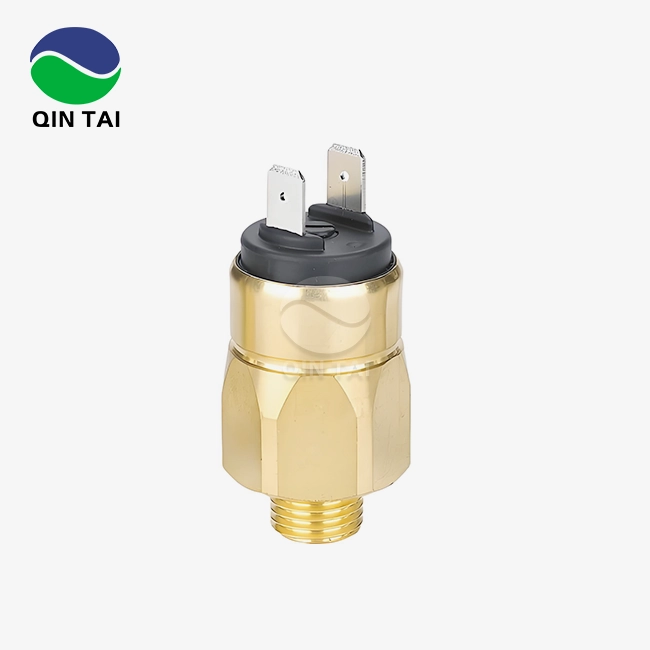

Our customers’ satisfaction speaks for our quality — contact us to experience the same reliable service.