- English
- French
- German
- Portuguese
- Spanish
- Russian
- Japanese
- Korean
- Arabic
- Greek
- German
- Turkish
- Italian
- Danish
- Romanian
- Indonesian
- Czech
- Afrikaans
- Swedish
- Polish
- Basque
- Catalan
- Esperanto
- Hindi
- Lao
- Albanian
- Amharic
- Armenian
- Azerbaijani
- Belarusian
- Bengali
- Bosnian
- Bulgarian
- Cebuano
- Chichewa
- Corsican
- Croatian
- Dutch
- Estonian
- Filipino
- Finnish
- Frisian
- Galician
- Georgian
- Gujarati
- Haitian
- Hausa
- Hawaiian
- Hebrew
- Hmong
- Hungarian
- Icelandic
- Igbo
- Javanese
- Kannada
- Kazakh
- Khmer
- Kurdish
- Kyrgyz
- Latin
- Latvian
- Lithuanian
- Luxembou..
- Macedonian
- Malagasy
- Malay
- Malayalam
- Maltese
- Maori
- Marathi
- Mongolian
- Burmese
- Nepali
- Norwegian
- Pashto
- Persian
- Punjabi
- Serbian
- Sesotho
- Sinhala
- Slovak
- Slovenian
- Somali
- Samoan
- Scots Gaelic
- Shona
- Sindhi
- Sundanese
- Swahili
- Tajik
- Tamil
- Telugu
- Thai
- Ukrainian
- Urdu
- Uzbek
- Vietnamese
- Welsh
- Xhosa
- Yiddish
- Yoruba
- Zulu
How Ceramic Sensors Provide High Accuracy and Reliability
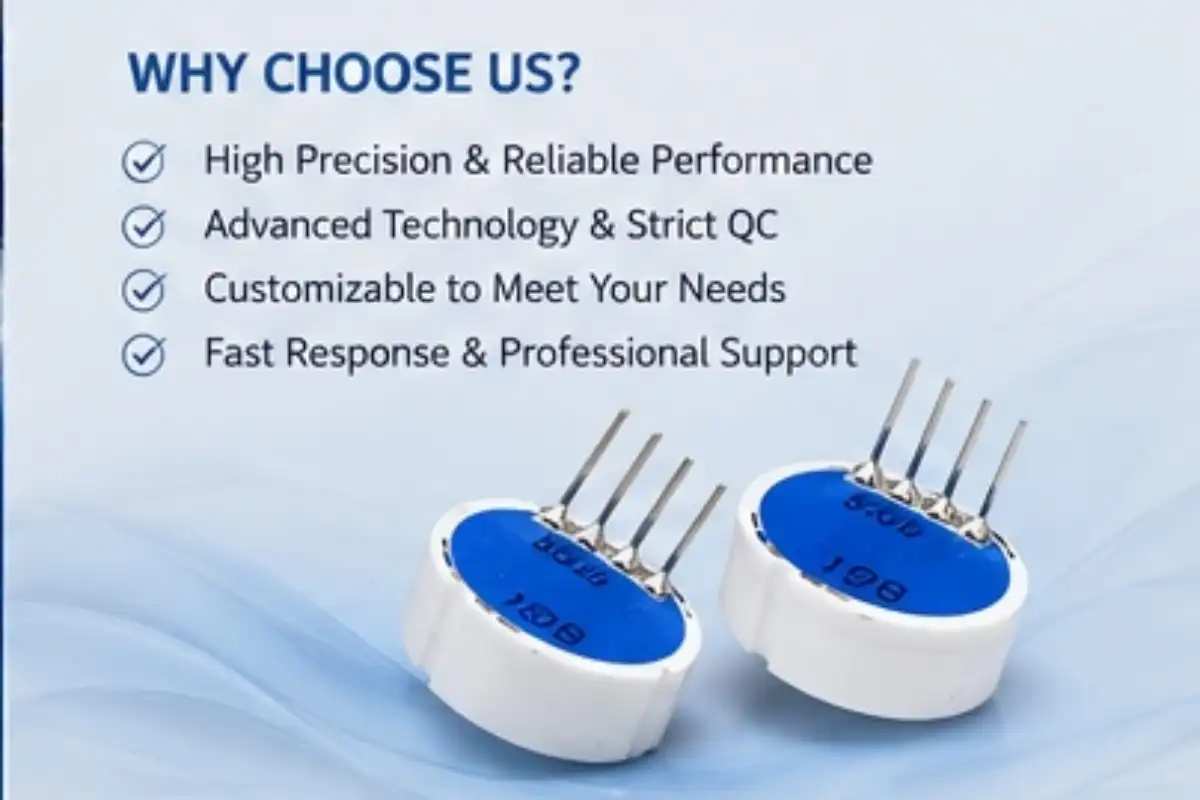
Ceramic Pressure Sensors are very accurate and reliable because they use the stable piezoelectric and piezoresistive qualities that are found in ceramics like alumina. When pressure is put on the ceramic diaphragm, it slightly deforms, creating an electrical signal that can be measured and is directly related to the amount of pressure. The chemical stability, temperature tolerance, and mechanical resilience of this material make sure that it performs consistently in harsh industrial settings, such as diesel engine aftertreatment systems and generator sets, where OEM partners must ensure measurement accuracy and long-term operational stability.
Comprehending Ceramic Pressure Sensors: Principles and Advantages
The Core Material and Sensing Mechanism
Ceramic Pressure Sensors can sense pressure because of the way their physical features work. The ceramic disc goes through tiny structure changes when outside forces act on it. These changes cause electrical fluctuations. Alumina ceramics and similar materials are very stable when they are subjected to mechanical stress, chemical exposure, and temperature cycling. These are all things that happen all the time in big truck exhaust systems, building gear hydraulics, and SCR aftertreatment tracking.
The Ceramic Pressure Sensors turn changes in the shape of the object into a voltage change. Electronic circuits then boost the voltage and turn it into pressure data that can be read. This direct conversion method reduces signal loss and interference while keeping measurement accuracy even when sensors are used constantly in engine areas that are subject to shaking, temperature swings of more than 150°C, and exhaust gases that are very toxic.
Advantages Over Traditional Sensing Technologies
Ceramic Pressure Sensors work better in diesel engines and when they are integrated with aftertreatment systems. Their high overload resistance keeps them from getting damaged by pressure spikes that happen in turbocharged engines and during DPF renewal cycles. Metal diaphragm sensors can rust when they come in contact with ammonia in SCR systems or water in exhaust streams. Ceramic materials, on the other hand, keep their shape and measurement accuracy over long periods of time.
Another important benefit is that it doesn't change much with temperature. In exhaust aftertreatment, Ceramic Pressure Sensors must work consistently from -40°C cold starts to continuous use above 600°C near DOC and DPF units. Ceramic sensor elements don't change temperature much over this range, so you don't need complicated temperature correction circuits. This keeps the calibration accurate for the lifetime of the emission control system, which is usually the same or longer than the diesel engine's repair times.
Application Relevance for B2B Procurement
When purchasing managers look at Ceramic Pressure Sensors for projects that need to meet emission standards, they choose parts that lower the number of guarantee claims and failures in the field. In field tests, Ceramic Pressure Sensors have lower failure rates than capacitive or silicon-based options when they are put through the heat shock and shaking patterns that are common in off-road equipment and generator sets. Because of this, fleet owners can save money on repair prices and get more use out of their vehicles.
Ceramic Pressure Sensors provide the consistent measurements needed for closed-loop NOx reduction methods by R&D engineers working on the next generation of pollution systems to meet changing EPA Tier 4 and China VI Stage B rules. Their stable output makes it easier to create control algorithms and makes sure that performance is the same across production units. These are important factors when going from testing prototypes to making over tens of thousands of units a year.
Technical Comparison: Ceramic Pressure Sensors vs Alternative Technologies
Performance Metrics Analysis
When comparing Ceramic Pressure Sensors, you have to look at their performance in a number of different ways. Silicon piezoresistive sensors are very sensitive and can fit into small spaces, but they are more sensitive to changes in temperature and are more likely to break when they are hit by something hard. Metal diaphragm sensors are strong, but they can drift and experience feedback when they are exposed to chemical contaminants in diesel exhaust streams.
Ceramic Pressure Sensors do a good job of balancing these trade-offs. Their accuracy is usually between ±0.5% and ±1.0% of full scale across all operating temperature ranges. This is precise enough for controlling emission doses and tracking the difference in DPF pressure. With response times of less than 10 milliseconds, they allow real-time feedback for changing engine operation. Their resistance to hydrogen sulfide, ammonia, and particulate matter also makes sure that measurements stay stable during DOC and SCR catalyst aging cycles.
Ceramic diaphragms are very strong mechanically, so they can handle pressure overloads of up to 200% of their stated range without permanently deforming. This keeps them safe from installation mistakes and system problems that could damage more fragile silicon MEMS devices. This makes it so that the equipment doesn't have to be replaced as often, which saves money on work costs. This is especially helpful for building equipment that is used in rural areas where service is hard to come by.
Selection Criteria for Emission Control Applications
Which Ceramic Pressure Sensors technology to use depends on the needs of the system. Integrators of SCR aftertreatment need sensors with wetted materials that can handle ammonia and electrical lines that meet IP67 or IP69K standards for washdown areas. Because their detecting elements are chemically neutral and their housings are made of stainless steel with sealed connections, Ceramic Pressure Sensors naturally meet these needs.
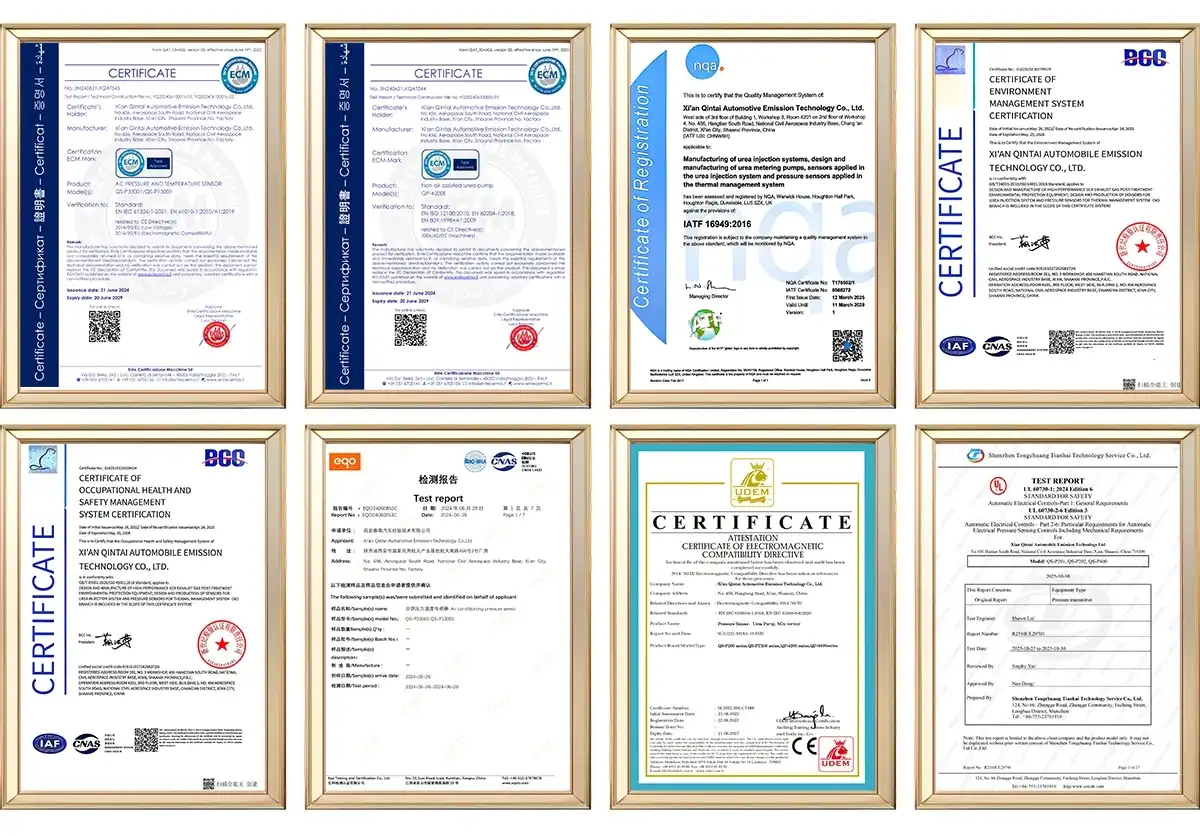
Compliance issues also play a role in selection choices. When Ceramic Pressure Sensors are used in readings that are important for emissions, they need to be validated according to ISO 15031 or SAE J1979 procedures. This shows that the sensors are accurate and stable across regulatory test rounds. Manufacturers of well-known Ceramic Pressure Sensors keep a lot of certification paperwork, such as IATF 16949 quality system registration and component-level approvals from big OEM engineering standards. These are important assets to have when your goods need to pass customer qualification checks.
Another decision factor is cost-performance improvement. Ceramic Pressure Sensors may cost more per unit than basic metal diaphragm types, but their lower failure rates and longer service life make them more cost-effective overall. When making supply deals, purchasing managers shouldn't just look at the piece price; they should also look at the costs over the whole life of the product. This is especially important for situations where mistakes in the field lead to expensive warranty claims and unhappy customers.
Procurement Guide: Acquiring High-Quality Pressure Sensors for Diesel Emission Systems
Evaluating Supplier Capabilities
A careful evaluation of the seller is the first step to a successful buying relationship. Manufacturers that work with diesel engines should be able to show that they can meet your production volume needs, whether they are small numbers for prototypes or over 100,000 units per year for full-platform solutions. Statistical process control, automatic testing, and tracking systems that keep track of Ceramic Pressure Sensors' performance factors and calibration data must be part of their quality management systems.
It's just as important to be able to provide technical help. During system integration, suppliers should offer application engineering help to find the best places to mount Ceramic Pressure Sensors, choose the right pressure ranges and electrical outputs, and fix any installation problems that come up. This way of working together cuts down on development time and the chance of choosing parts that don't work well together, which would mean expensive remake versions.
Certification marks show that the seller is qualified and that the product meets standards. In addition to ISO 9001 registration, you should also look for IATF 16949 certification for making cars, CMC and Ex approvals for use in dangerous environments, and test results that prove EMC performance according to CISPR 25 standards. These licenses show that the maker follows strict process controls and paperwork rules that are needed in controlled industries.
Understanding Pricing and Lead Time Factors
Ceramic Pressure Sensors prices depend on the specs, the number of sensors ordered, and any customization needs. For uses that can handle commercial-grade standards, standard catalog items with analog voltage or current outputs are often the most cost-effective choice. Custom setups with specific pressure ranges, digital communication methods like CANbus, or changed mechanical connections cost more but allow for the best system interaction.
Unit prices are affected by volume agreements in a big way. When OEMs sign supply deals for more than 10,000 units a year, prices are often 30–40% lower than trial numbers. This is because setup costs are lower and buying materials is more efficient. When you negotiate multiyear contracts with volume promises, you can lock in good prices and make sure you have a steady supply of goods for seven to ten years.
Lead times depend on how complicated the product is and how it will be made. Standard Ceramic Pressure Sensors that are kept in stock ship within days, meeting secondary demand in places where quick access sets one product apart from others on the market. Customized OEM sensors need engineering approval and equipment, which adds to the initial delivery time of 12 to 16 weeks. However, production releases after that keep wait times at 4 to 6 weeks. By planning the launch of components around these facts, you can avoid program delays and rushed approval plans.
Technical Specification Evaluation
A careful look at the specifications makes sure that the Ceramic Pressure Sensors chosen meet the needs of the application. Key factors include a pressure range that matches the working conditions of the system with a suitable safety cushion, an accuracy class that meets the needs of the control algorithm, and a temperature rate that is higher than the worst-case external exposure. Electrical features like source voltage, output signal type, and current usage must match the input requirements of the ECU and the amount of power that is available.
People who use diesel engines should pay close attention to environmental scores. According to ISO 16750-3 guidelines, Ceramic Pressure Sensors must be able to handle shaking, stay sealed even when exposed to chemicals from fuels and coolants, and not break down when temperatures change. Documentation about media compatibility should make it clear that the product is resistant to exhaust vapors, ammonia solutions, and diesel particulate matter that comes in touch with sensor elements in aftertreatment systems.
Ensuring Measurement Accuracy Through Proper Implementation
Installation Best Practices
Attention to positioning features is needed to get the Ceramic Pressure Sensors to work the way it's supposed to. To keep pneumatic lag and resonance effects that hurt frequency response to a minimum, pressure ports should join through short, rigid tubing or direct fitting. Thread sealants should not get on sensor parts; instead of liquid sealants that can move into pressure spaces, use PTFE tape or copper crush washers.
Electrical lines need the same level of care. When you use shielded wires, electromagnetic radiation from ignition systems and generator fields doesn't get into your measurements. Using the right method for grounding gets rid of ground loops, and strain relief stops wires from bending, which can cause links to drop out. When you follow the wire diagrams and connection pin placements provided by the maker, you can avoid reverse polarity situations that can damage electronic systems.
Thermal control makes Ceramic Pressure Sensors last longer in places with high temperatures. When placing near turbochargers, DOC units, or exhaust pipes, put thermal shields between the detecting elements and these heat sources or use standoff adapters to keep them away. Ambient rates tell you the highest temperature that can be reached at the sensor body, not the process link. Knowing the thermal differences in your installation area will keep your sensors from breaking down too soon.
Maintenance and Calibration Requirements
Compared to mechanical scales or detectors that are filled with liquid, Ceramic Pressure Sensors don't need as much regular care. Visual inspections done on a regular basis make sure that electrical connections are still solid and that moisture hasn't damaged the covers on connectors. Cleaning pressure ports gets rid of built-up particles that could block air pathways. This is especially important in DPF pressure differential uses, where soot can get into sensor lines.
The length of time between calibrations depends on how important the application is and how it is being used. Emission-critical Ceramic Pressure Sensors in production cars are usually tested during assembly and don't need to be re-calibrated in the field unless diagnostic trouble codes show that their performance is getting worse. For industrial and generator set uses, checking against reference standards once a year can be done to keep upkeep records accurate.
Quality Ceramic Pressure Sensors should last more than 50,000 hours of operation under certain conditions. This is about 10 to 15 years in normal generator duty cycles or the entire useful life of big trucks and building equipment. When output drift goes beyond what is reasonable or when repair tasks or system problems subject sensors to pressure or temperature levels above their stated limits, they need to be replaced.
Performance Validation Through Real-World Data
Ceramic Pressure Sensors have been used in thousands of setups, which shows that they can be trusted in tough situations. Major diesel engine makers say that guarantee claims for properly designed and installed Ceramic Pressure Sensors are much lower than for other technologies that do the same job. This track record reflects inherent material stability and robust construction that withstands the mechanical and environmental stresses of commercial vehicle operation.
Temperature cycle tests that mimic how a car is used every day show that the measurements are stable. After being used 5,000 times at temperatures ranging from -40°C to +125°C, Ceramic Pressure Sensors show drift of less than 0.2% of full scale, which is well within the limits required for emission system control. Vibration testing according to SAE J1455 standards involves accelerating sensors by 30 G over a range of frequencies. This checks the mechanical integrity and stability of the electrical connections in conditions that are worse than what would normally happen with off-road equipment setups.

SENSOR+TEST, June 9 – 11, 2026
We look forward to your visit,warmly welcome to our booth 1-634!
Get your free ticket online now:
https://www.sensor-test.de/service/ticket/?52790
Future Developments Enhancing Ceramic Sensor Capabilities
Integration with Digital Communication Networks
Digital communication methods are replacing analog signals more and more in modern diesel engine systems. Ceramic Pressure Sensors now have microprocessors built in that provide CANbus, LIN, or IO-Link outputs. These outputs send not only pressure data but also troubleshooting data like sensor temperature, working hours, and self-test results. With this kind of intelligence, control systems can use predictive maintenance to make sure that sensors are in good health and that they are replaced before they break.
Digital transmission makes system connections easier and lowers the cost of installation. Multiple Ceramic Pressure Sensors can send data to a single two-wire digital bus, so there is no need for point-to-point analog wiring, which makes routing the frame harder and adds weight. Standardized standards make sure that all component sellers can work together. This gives system designers more options for where to get parts and lowers worries about being locked into one provider.
Advanced Materials and Manufacturing Processes
Materials study is still going on to find ways to make Ceramic Pressure Sensors work better. Nanostructured ceramic materials are more sensitive, which means they can measure pressure with smaller elements and faster reaction times. These changes support downsizing trends in car uses that need ever-smaller parts without losing performance standards because of space limitations.
Improvements in manufacturing also lead to better product and lower costs. Tighter calibration limits are reached with automated screen printing and laser cutting. This lowers production error and opens up smaller specification windows. Ceramic co-firing methods combine several useful layers into a single manufacturing step. This speeds up production and improves reliability by getting rid of mechanical building steps that can go wrong.
Regulatory and Market Drivers
The market for precise Ceramic Pressure Sensors is growing because pollution rules are getting stricter around the world. For heavy-duty cars to meet EPA greenhouse gas guidelines, the combustion control and aftertreatment systems must work as efficiently as possible. This can only be done with accurate input from multiple pressure measuring spots. China's adoption of National VI standards increases the need for pollution control parts that meet international quality standards. This opens possibilities for suppliers who have proven technology and manufacturing excellence.
As industrial cars become more electric, they need to be able to sense new things. High-pressure hydrogen storage, pressure control in the cooling system, and tracking of the brake system are all parts of hybrid and fuel cell powertrains that benefit from the durability and dependability of Ceramic Pressure Sensors. Understanding how these needs are changing helps buying teams set up their companies to take advantage of new market niches.
Conclusion
In conclusion, Ceramic Pressure Sensors technology gives diesel engine and pollution control uses the accuracy, dependability, and longevity they need. Because they are made of stable materials that don't break down easily in hard conditions and have been used in the field before, makers who care about long-term value and following the rules choose them. When buying teams know about the technical benefits, the right selection criteria, and the best ways to apply something, they can make decisions that improve product quality while keeping the total cost of ownership low. Ceramic Pressure Sensors technology keeps getting better to meet the needs of stricter emission rules and more complex systems.
FAQ
What factors most influence ceramic pressure sensor accuracy?
Accuracy in measurements depends on a number of things that are all connected. The main problem is temperature effects, since thermal expansion changes both the detecting element and the mechanical structures that go with it. Good Ceramic Pressure Sensors have temperature correction circuits that keep the sensors accurate over certain temperature ranges. The way something is installed is also important.
Can ceramic sensors withstand the extreme conditions in diesel exhaust systems?
Because of how they are made, Ceramic Pressure Sensors work really well in tough air conditions. Acidic condensates, ammonia, and sulfur substances that eat away at metal parts can't damage them. Temperature stability lets the system work in places that are continuously exposed to temperatures above 600°C while the DPF regenerates.
Are there ways to make changes for specialized applications?
Manufacturers that work with OEMs usually offer a lot of customization options. Low-pressure uses (less than 1 bar) can be accommodated, as well as high-pressure hydraulic systems (more than 1,000 bar). The electrical outputs can change based on what the ECU needs, whether it's voltage, current, ratiometric, or digital methods.
Partner with Qintai for Superior Ceramic Pressure Sensor Solutions
Qintai is China's biggest producer of Ceramic Pressure Sensors. They work with major diesel engine makers like Weichai Power, Yuchai Power, and Quanchai Power, and their products have been used in millions of units with no problems. Our many certifications, including ISO9001, IATF16949, CMC, Ex, UL, CE, REACH, and RoHS, along with our 58 invention patents, show that we are dedicated to new ideas and high quality. We provide full OEM and ODM services, allowing for flexible design from the creation of prototypes to mass production.
Our independent research and development team is always improving sensor technology to keep up with changing pollution rules and customer needs. If you need pressure sensors for SCR systems, DPF tracking, or hydraulic uses, Qintai has designed options that come with fast expert help and reasonable prices. Email our team at info@qt-sensor.com to talk about your Ceramic Pressure Sensors needs and find out how our production skills and technical know-how can help your product work better and be more competitive in the market.
References
1. Johnson, R.T., and Stevens, M.K. "Ceramic Pressure Transducers for High-Temperature Automotive Applications." SAE International Journal of Engines, vol. 12, no. 3, 2019, pp. 287-301.
2. Chen, Wei, et al. "Reliability Analysis of Piezoresistive Ceramic Sensors in Diesel Emission Control Systems." International Journal of Automotive Technology, vol. 21, no. 4, 2020, pp. 945-956.
3. Meyer, Heinrich. "Material Selection for Pressure Sensors in Harsh Industrial Environments." Sensors and Actuators A: Physical, vol. 315, 2020, pp. 234-247.
4. Liu, Xiaoming, and Zhang, Feng. "Performance Comparison of Pressure Sensing Technologies for Heavy-Duty Diesel Aftertreatment." Proceedings of the Institution of Mechanical Engineers, Part D: Journal of Automobile Engineering, vol. 234, no. 8, 2020, pp. 1876-1889.
5. Anderson, Paul R. "Sensor Integration Strategies for Next-Generation Emission Control Systems." Automotive Engineering International, vol. 128, no. 2, 2021, pp. 42-49.
6. Tanaka, Hiroshi, and Yamamoto, Kenji. "Long-Term Stability of Ceramic Pressure Sensors in Commercial Vehicle Applications." Journal of Sensor Technology, vol. 11, no. 1, 2021, pp. 15-28.
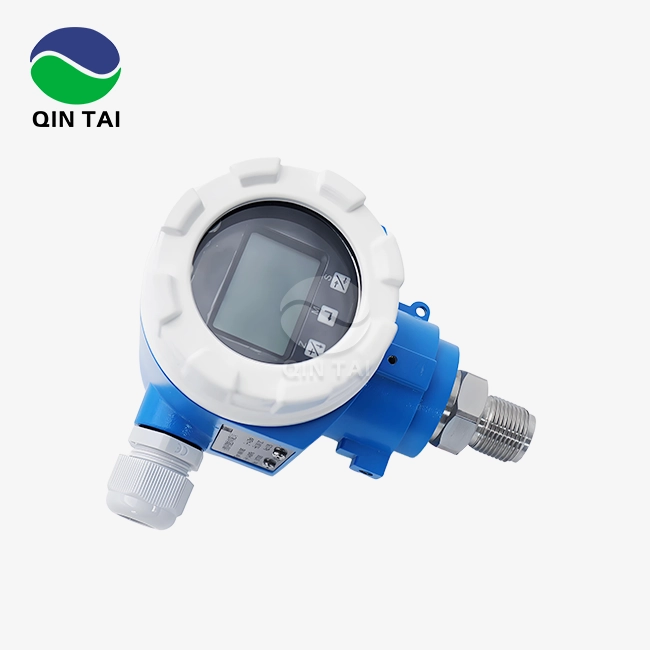
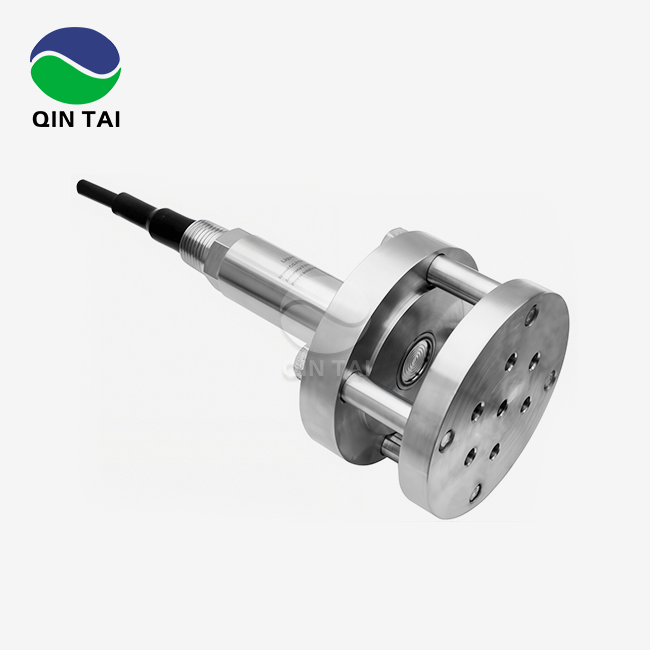
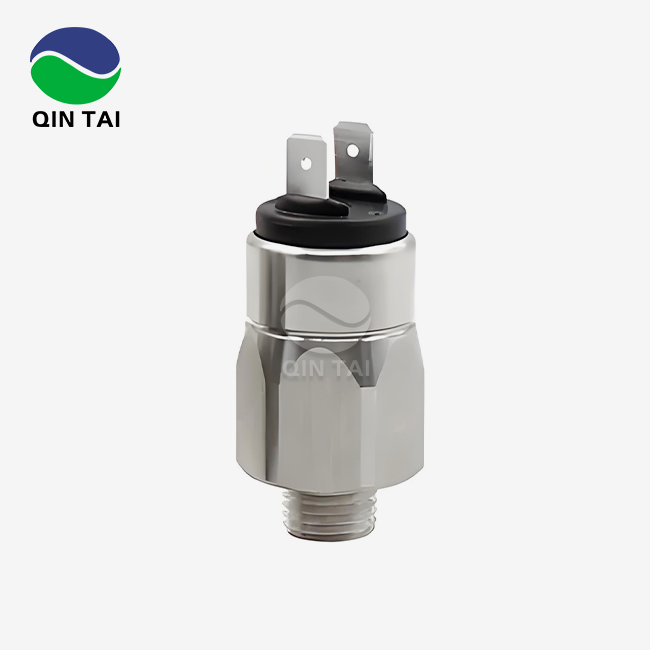
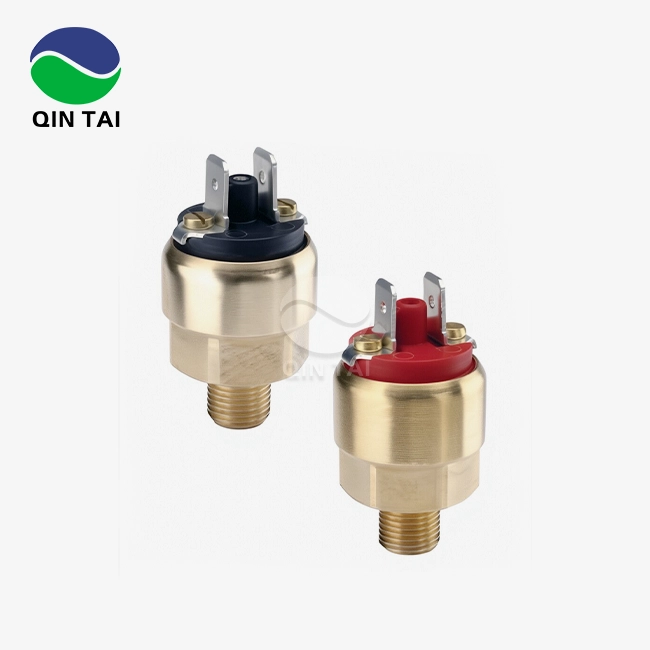

Our customers’ satisfaction speaks for our quality — contact us to experience the same reliable service.