- English
- French
- German
- Portuguese
- Spanish
- Russian
- Japanese
- Korean
- Arabic
- Greek
- German
- Turkish
- Italian
- Danish
- Romanian
- Indonesian
- Czech
- Afrikaans
- Swedish
- Polish
- Basque
- Catalan
- Esperanto
- Hindi
- Lao
- Albanian
- Amharic
- Armenian
- Azerbaijani
- Belarusian
- Bengali
- Bosnian
- Bulgarian
- Cebuano
- Chichewa
- Corsican
- Croatian
- Dutch
- Estonian
- Filipino
- Finnish
- Frisian
- Galician
- Georgian
- Gujarati
- Haitian
- Hausa
- Hawaiian
- Hebrew
- Hmong
- Hungarian
- Icelandic
- Igbo
- Javanese
- Kannada
- Kazakh
- Khmer
- Kurdish
- Kyrgyz
- Latin
- Latvian
- Lithuanian
- Luxembou..
- Macedonian
- Malagasy
- Malay
- Malayalam
- Maltese
- Maori
- Marathi
- Mongolian
- Burmese
- Nepali
- Norwegian
- Pashto
- Persian
- Punjabi
- Serbian
- Sesotho
- Sinhala
- Slovak
- Slovenian
- Somali
- Samoan
- Scots Gaelic
- Shona
- Sindhi
- Sundanese
- Swahili
- Tajik
- Tamil
- Telugu
- Thai
- Ukrainian
- Urdu
- Uzbek
- Vietnamese
- Welsh
- Xhosa
- Yiddish
- Yoruba
- Zulu
Understanding Pressure Sensor Stability: Comprehensive Guide
Understanding how stable a pressure sensor is is very important when looking at measuring tools for important business uses. Stability tells you whether a sensor will give you accurate numbers over the course of its useful life or start to become less reliable over time. Pressure sensors pick up on force over a certain area and turn that mechanical input into electrical signs. The security of these parts has a direct effect on safety during operation, pollution control systems, predictive maintenance programs, and diesel engines, aftertreatment systems, and generator sets. If the steadiness isn't stable, even the most advanced methods for meeting pollution standards can fail. For this reason, this quality must be met in high-stakes buying choices.
Fundamentals of Pressure Sensor Stability
What Defines Stability in Measurement Devices?
Stability is a pressure sensor's ability to keep giving the same readings when it is subject to the same pressure for long amounts of time. While accuracy measures how close a number is to the real one, stability measures how performance changes over time and in different environments. This difference is important because a monitor can be correct at first but become less reliable over time. Changing temperatures, vibrations, humidity, and chemical contaminants can all make it hard for a device to stay stable. This is especially true in diesel engine settings, where exhaust gases, thermal cycling, and mechanical stress make conditions very difficult to work in.
Parameters Affecting Long-Term Performance
How well sensing elements keep their balance depends on a number of things. Changes in temperature make materials expand and contract, which changes the way strain gauges and diaphragms work. Over time, tiny changes in the structure of sense elements are caused by mechanical stress from pressure spikes. The effects of aging show up as material wear, which happens when springy parts are bent over and over again.
The environment includes things like water getting in, dirt and dust getting in, and chemicals that break down electrical links and sensor surfaces. Knowing these factors helps purchasing managers figure out which sensor designs can handle the needs of a certain application without breaking down too soon.
Common Stability Challenges Across Technologies
Stability problems are unique to each type of sensor technology. Different types of piezoelectric sensors are great at measuring dynamics, but they have problems with temperature drift and charge leaks over time. Capacitive designs have great clarity, but they are still affected by electromagnetic radiation and changes in the dielectric that happen with temperature.
MEMS-based sensors help make things smaller, but they may move over time because silicon structures relax over time. Traditional designs for strain gauges work well, but they need to be carefully thermally balanced. By being aware of these technology-specific flaws, engineers can match sensor types to application needs and avoid costly problems where device capabilities don't match up with real-world operations.
Core Principles Behind Pressure Sensor Stability
Understanding Drift and Its Root Causes
Drift is the slow change in pressure sensor output that doesn't cause changes in pressure. The cause of this event is more than one. When sensing diaphragms bend over and over, they wear out the material. This causes lasting damage that changes the standard readings. Changes in temperature can damage electrical parts because of problems with the design, like not enough thermal insulation.
Inaccurate calibration during production causes beginning gaps that get bigger over time. Interference from electromagnetic fields or vibrations from the outside adds noise that lowers the quality of the data. Drift needs complete solutions that include choosing the right materials, designing the structure, coming up with adjustment methods, and making sure that quality control processes are used throughout the whole manufacturing process.
Hysteresis and Repeatability Concerns
Hysteresis is the difference between what a pressure sensor says when the pressure goes up and when it goes down to the same number. This effect happens because of friction in mechanical parts and the loss of energy when materials move. Too much hysteresis makes it hard to precisely handle closed-loop systems and makes testing processes more difficult.
Repeatability mistakes happen when the same pressure inputs lead to different results during different measurement rounds. These differences usually mean that covering parts are worn out, sensing surfaces are dirty, or signal processing circuits aren't working right. Both of these problems have a direct effect on steadiness and need to be taken into account when reviewing sensor specifications.
Advanced Methods for Enhancing Stability
Modern sensor makers use a number of methods to make their products more stable over time. Ceramic sensor elements that don't rust and stay the same size across a wide range of temperatures are one example of a new material creation. Optimized sensor design has detecting sections that are physically separate from each other so that temperature differences and mechanical connection to mounting structures are kept to a minimum.
When you use digital correction, you can store calibration factors that make up for changes in temperature and wear and tear. Hermetic sealing keeps outside contaminants from getting into internal parts. These improvements have made it possible for the latest generation of sensors to meet stability standards measured in parts per million per year. This means that they can be used for years without having to be calibrated again in demanding applications like SCR aftertreatment systems.
Comparing Sensor Options Based on Stability
Matching Stability Requirements to Applications
Based on how important the application is, different businesses need different amounts of security. Controlling the emissions from a diesel engine needs pressure sensors that stay accurate within the legal ranges even when they are serviced. Ruggedized designs that can handle vibration and shock while still giving accurate numbers are good for construction equipment.
Cost-effectiveness is a top priority for agricultural equipment uses, but steadiness is also needed for yearly use. Generator sets need to be as reliable as they are for industrial use, with little to no drift over years of constant use. Knowing these different needs helps buying teams set the right stability levels so they don't over-specify and make costs go up for no reason.
Critical Stability Metrics for Evaluation
When considering sensor choices, it's important to pay close attention to a number of stable measures. Long-term drift standards show how much the value is predicted to change each year, and they are usually given as a percentage of the full scale or in exact pressure units. Temperature drift factors explain how sensitive something is to changes in temperature, which is important for uses where the temperature can change a lot.
Response time stability makes sure that instruments keep their speed traits even as their parts age. Specifications for repeatability spell out how consistent things are between measuring rounds. These factors work together to figure out the total error budget over the working lifetime. This has a direct effect on whether devices will meet application standards without having to be re-calibrated every so often.
Balancing Stability Against Other Factors
When making procurement choices, you have to weigh steadiness against other factors that are important. Pressure sensors with better stability usually come with higher prices, so you need to do a cost-benefit study to see if the investment is worth it. Because of their small size, tiny MEMS devices may not be a choice, even if they are less stable. When using batteries, power consumption is important because ultra-stable devices may draw too much current.
When project plans can't allow for longer wait times, delivery times affect which provider is chosen. A good buying process combines these factors by putting requirements in order of importance based on how instability affects specific applications. This makes sure that resources are focused on requirements that really have an effect on practical results.
Maintaining and Calibrating Pressure Sensor Stability
Importance of Regular Calibration Programs
Even pressure sensors that are very stable need to be calibrated on a regular basis to make sure they stay accurate and find early signs of wear and tear. Calibration tools set the standard for performance, keep track of drift rates, and allow replacements to be made before instability problems cause problems with operations. In static calibration, known pressure standards are used to make sure that the result is correct across the whole measurement range.
Dynamic tuning checks how well a system responds when conditions change. The regularity of calibration relies on how important the application is, what the maker recommends, and how much change has been seen. For example, emission-critical applications usually need to be checked once a year, while less important systems may be able to go longer between checks, every two or three years.
Troubleshooting Stability Issues in Field Operations
Systematic analysis finds the reasons why pressure sensors become unstable when they shouldn't. Sudden changes in output usually mean that diaphragms are broken, electrical connections aren't working right, or moisture has gotten into a part and needs to be replaced. Gradual drift could be caused by getting older or pollution in the environment, and it might be possible to clean it up or reset it. If the results aren't lining up, it could be because of electromagnetic interference, vibration coupling, or an unstable power source that needs to be fixed during installation.
Temperature-related changes show that the thermal adjustment isn't good enough, so the sensors need to be replaced with ones that are better suited to their needs. Writing down the different ways that sensors can fail shows systemic problems that help improve specifications for future purchases.
Preventative Maintenance Best Practices
Taking proactive steps increases the life of sensors and keeps them stable. By using the right installation places and protected covers, environmental control lowers the exposure to high temperatures and wetness. Sensing elements that are fragile can be kept from breaking by being handled carefully during installation. Visual checks done on a regular basis can find rust, broken connections, or physical damage before they start to affect how well something works.
New problems are found by checking the performance on a regular basis between official testing times. These tips are especially helpful in tough places like diesel exhaust systems, where acidic gases and temperature changes speed up wear and tear. They help maintenance teams get the most out of sensors while keeping measurement accuracy.

SENSOR+TEST, June 9 – 11, 2026
We look forward to your visit,warmly welcome to our booth 1-634!
Get your free ticket online now:
https://www.sensor-test.de/service/ticket/?52790
Procurement Tips for Stable Pressure Sensors
Identifying Market Differentiators
There are different levels of security for pressure sensors on the market, and they cost different amounts. Premium makers spend more on better materials, more thorough testing, and strict quality control, which pays off in the long run by making the products last longer and needing less upkeep.
Mid-tier sources strike a mix between price and performance, making them good for uses where middling security is enough. When buying teams know about these market groups, they can choose suppliers based on how important the application is. This way, they can avoid both over-specification, which loses money, and under-specification, which increases operational risks by causing fails too soon.
Evaluating Supplier Capabilities and Support
It's not just the product specs that go into choosing a supplier; the production skills and support systems are also important. When projects need uniform quality across big amounts, mass production ability is important. Customization lets you change the design and make the parameters work best for your program. Being quick to technical help makes fixing and application building easier during integration.
The terms of the warranty show that the maker trusts the product to work well. Support is available throughout the operating duration based on the quality of the after-sales service. All of these things affect the total cost of ownership, which is more than just the buying price. This is especially true for OEM users who are setting up long-term supply ties.
Key Considerations for Bulk Orders
When you buy a lot of something, you have to follow certain rules. Lead time promises keep production plans on track and make sure that shortages of parts don't cause assembly to be held up. Sample evaluation programs allow proof testing before agreeing to full amounts, which lowers the chance that the specifications won't match. Instead of just believing what the maker says, datasheet inspection checks the claimed specs through third-party tests.
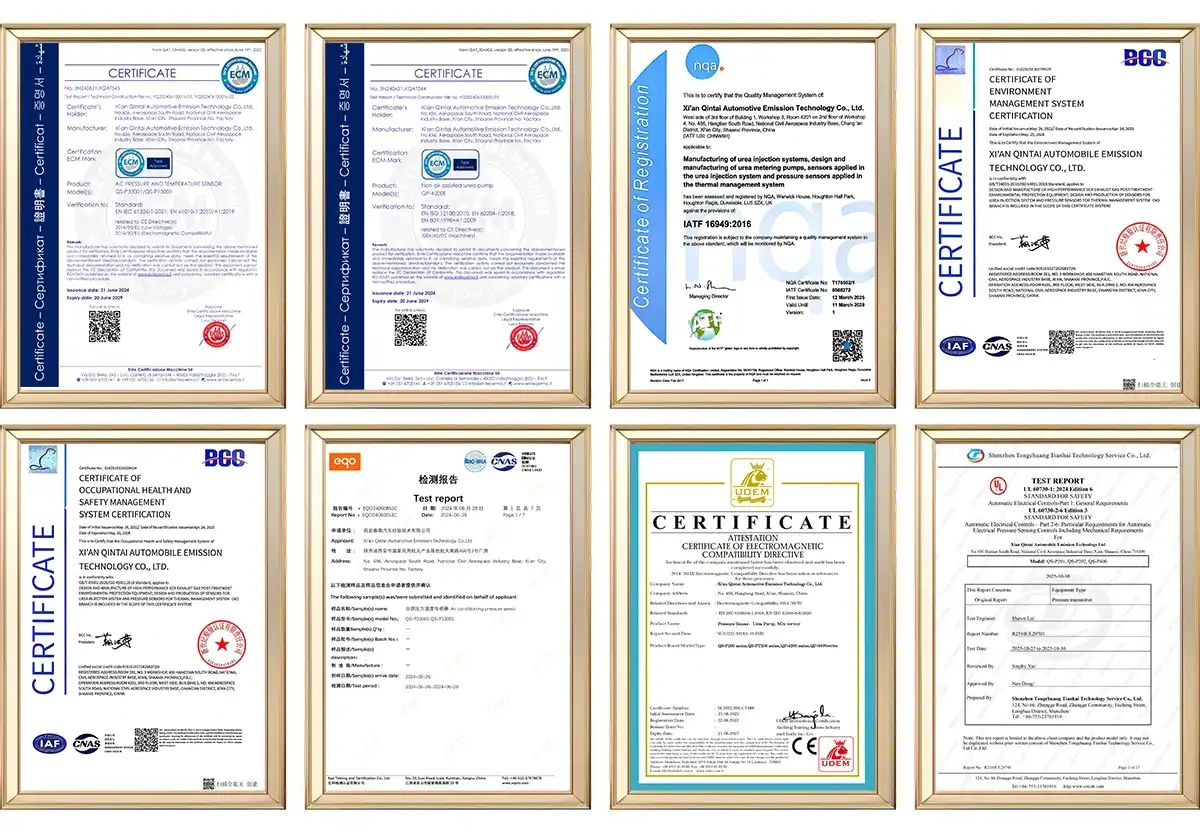
Verification of certification shows that the product meets the requirements of important standards, such as IATF16949 for car use or ISO9001 for quality management. Setting up these rules for buying things protects against quality problems and production delays that cost a lot of money and hurt business efficiency.
Conclusion
The stability of a pressure sensor is a key factor in determining how accurate measurements are over the course of its working lifecycle in challenging industrial settings. Knowing about stabilizing principles, evaluation measures, and upkeep needs helps you make smart purchase choices that combine the need for performance with the available budget. Technologies keep getting better. For example, new materials, better architecture, and digital balancing methods have made modern devices more stable than ever before.
To make execution work, you need to make sure that the sensor's capabilities meet the needs of the application, set up the right testing tools, and work with sellers who provide both high-quality goods and full support. These procedures help keep measurement systems accurate and dependable, which helps with emission control, planned maintenance, and running diesel engines, aftertreatment systems, and industrial equipment efficiently.
FAQ
How Does Temperature Affect Sensor Stability?
There are several ways that temperature affects pressure sensor consistency. When sense elements are heated, they expand and contract, which changes their mechanical and electrical qualities. Different materials have different temperature factors, which causes them to expand and contract differently, which causes stress and changes the measurements.
What Distinguishes Sensors from Transmitters Regarding Stability?
Pressure sensors turn pressure into basic electrical signals, while emitters add signal filtering, signal increase, and standard output circuits. Most of the time, transmitters are more stable because they have built-in electronics that compensate for temperature, linearize, and do digital processing to fix problems like drift and non-linearity.
What Are Recommended Calibration Intervals?
The regularity of calibration relies on how important the application is, the working setting, and the shift rates that have been seen. Applications that depend on diesel engines for pollution control usually need to be checked once a year to make sure they are following the rules. Based on data from past stable tests, industrial process control may be extended to every two years.
Partner with Qintai for High-Stability Pressure Sensor Solutions
Qintai Automotive Emission Technology Co., Ltd. makes pressure sensors that are specially designed to be very stable in diesel engine aftertreatment uses. Since 2001, we've been doing research and development for more than 20 years and have come up with sensing methods that stay accurate in harsh emission control settings. Our ISO9001, IATF16949, and industry-specific certifications show that we are dedicated to quality control systems that guarantee consistently high-quality production. We know what stable standards are important for China VI and Euro VI compliance because we are the main OEM provider to Weichai Power, Yuchai Power, and Quanchai Power in China.
Qintai lets you fully customize their products by changing the sensor inputs, pressure ranges, and output features to fit your exact needs. Our separate research and development team is always coming up with new ways to make things more stable, such as using better materials, structures, and digital adjustment methods. Our supply chain infrastructure helps you meet your purchase plan, whether you need samples for proof testing or shorter wait times for large-scale production. Get in touch with our technical team at info@qt-sensor.com to talk about your stability needs and find out how our experience as a pressure sensor maker can improve the accuracy of your measurements while lowering your total cost of ownership over the course of your business's lifecycle.
References
1. Webster, J.G., Eren, H. (2014). Measurement, Instrumentation, and Sensors Handbook: Spatial, Mechanical, Thermal, and Radiation Measurement. CRC Press.
2. Fraden, J. (2016). Handbook of Modern Sensors: Physics, Designs, and Applications. Springer International Publishing.
3. Wilson, J.S. (2005). Sensor Technology Handbook. Elsevier.
4. Pallas-Areny, R., Webster, J.G. (2001). Sensors and Signal Conditioning. John Wiley & Sons.
5. Bau, H.H., de Rooij, N.F., Kloeck, B. (1994). Mechanical Sensors: Sensors - A Comprehensive Survey. VCH Publishers.
6. Ripka, P., Tipek, A. (2007). Modern Sensors Handbook. ISTE Ltd.
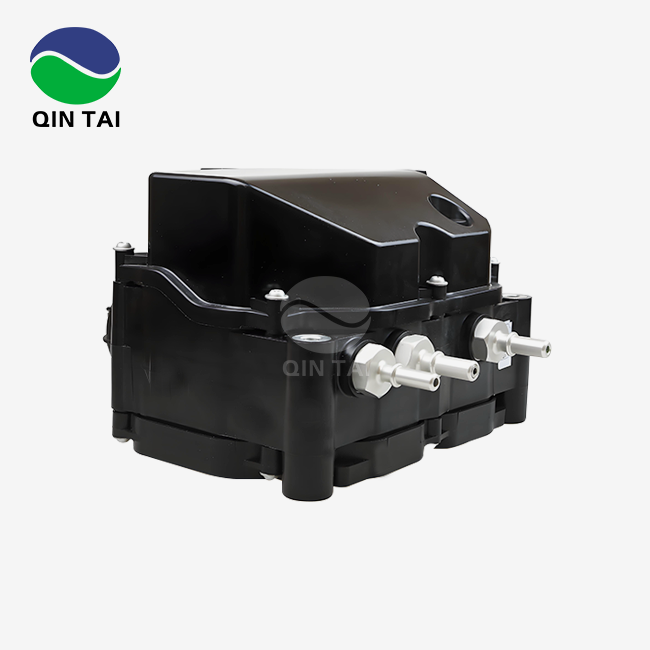
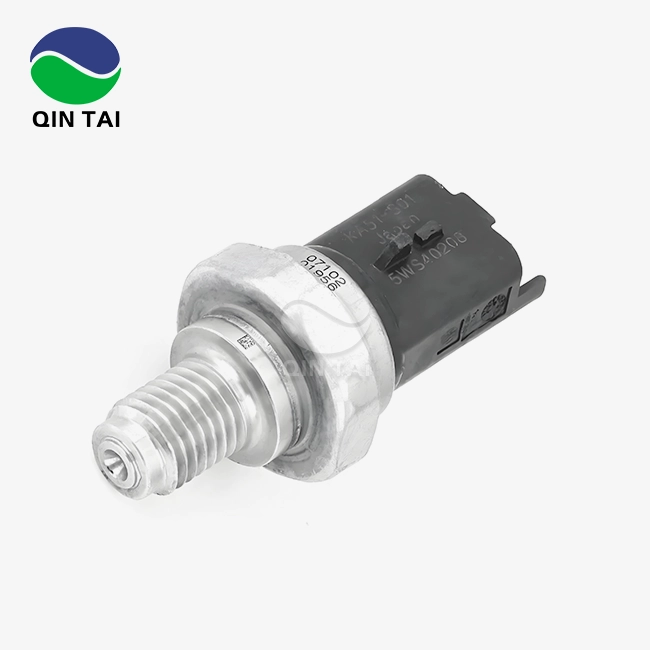
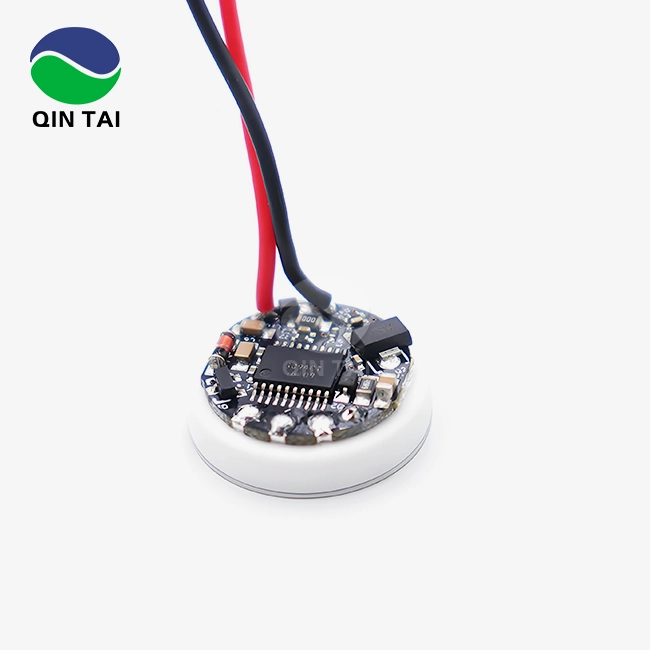

Our customers’ satisfaction speaks for our quality — contact us to experience the same reliable service.