- English
- French
- German
- Portuguese
- Spanish
- Russian
- Japanese
- Korean
- Arabic
- Greek
- German
- Turkish
- Italian
- Danish
- Romanian
- Indonesian
- Czech
- Afrikaans
- Swedish
- Polish
- Basque
- Catalan
- Esperanto
- Hindi
- Lao
- Albanian
- Amharic
- Armenian
- Azerbaijani
- Belarusian
- Bengali
- Bosnian
- Bulgarian
- Cebuano
- Chichewa
- Corsican
- Croatian
- Dutch
- Estonian
- Filipino
- Finnish
- Frisian
- Galician
- Georgian
- Gujarati
- Haitian
- Hausa
- Hawaiian
- Hebrew
- Hmong
- Hungarian
- Icelandic
- Igbo
- Javanese
- Kannada
- Kazakh
- Khmer
- Kurdish
- Kyrgyz
- Latin
- Latvian
- Lithuanian
- Luxembou..
- Macedonian
- Malagasy
- Malay
- Malayalam
- Maltese
- Maori
- Marathi
- Mongolian
- Burmese
- Nepali
- Norwegian
- Pashto
- Persian
- Punjabi
- Serbian
- Sesotho
- Sinhala
- Slovak
- Slovenian
- Somali
- Samoan
- Scots Gaelic
- Shona
- Sindhi
- Sundanese
- Swahili
- Tajik
- Tamil
- Telugu
- Thai
- Ukrainian
- Urdu
- Uzbek
- Vietnamese
- Welsh
- Xhosa
- Yiddish
- Yoruba
- Zulu
The Lifespan of an Industrial Pressure Sensor
Under normal working conditions, an industrial pressure sensor should last between 5 and 15 years. However, this can vary a lot depending on the type of sensor used, its exposure to the environment, and how well it is maintained. High-quality pressure sensors made of new materials and with safety features can keep working well for a long time. This is why they are very important for diesel engine systems, tracking SCR aftertreatment, and controlling emissions. Learning about the factors that affect lifespan helps procurement managers and research and development engineers choose devices that balance high initial costs with long-term dependability. This has a direct effect on the total cost of ownership and system downtime.
Understanding Industrial Pressure Sensors and Their Lifespan
Modern machines are controlled by industrial pressure sensors, which turn physical force into electrical signs that can be used in HVAC systems, heavy-duty gas engines, building equipment, and farming machines. These tools measure pressure, which is the force acting on a certain area. This lets repair plans be planned ahead of time, which stops major breakdowns and makes operations run more smoothly.
What Distinguishes Pressure Sensors from Pressure Transducers?
The terms are sometimes used equally, but there are some small differences between them. A pressure sensor picks up changes in pressure and turns them into electrical signals. A pressure transducer, on the other hand, usually has extra signal processing circuits to make the output standard for controls or display systems. Both are very important parts of emission control systems, especially in SCR and DPF aftertreatment systems that need to keep an eye on exact exhaust pressure to make sure they follow China VI and Euro VI rules.
Common Sensor Technologies and Their Operational Principles
In certain manufacturing settings, each type of sensor technology has its own unique benefits. Strain gauges in piezoresistive sensors change shape when they are under pressure, which changes the electrical resistance in a way that is related to the force that is being applied. Because it is built to last and can handle a wide range of pressures, this technology works great in cars and big trucks. A ceramic diaphragm is used as one electrode in capacitive sensors.
When pressure is applied, the diaphragm deforms, which changes the capacitance between the electrodes. This makes the sensors very accurate for generator sets and fixed power uses. When put under mechanical stress, piezoelectric devices make electrical charges. This makes them perfect for measuring changing pressure in hydraulic systems. Even though they are not as popular, optical sensors can work in hospital or clean-room settings because they don't get affected by electromagnetic interference.
Expected Lifespan Under Industrial Conditions
Real-world working conditions have a much bigger impact on how long a sensor lasts than what the maker says it should. Sensors that are put in temperature-controlled rooms with little vibration may last longer than 15 years. On the other hand, sensors that are exposed to extreme temperature changes, toxic exhaust gases, or constant mechanical shaking from building equipment may need to be replaced within 5 to 7 years.
Electrical stability also affects how long something lasts. Sensors with strong signal conditioning don't move and stay calibrated for longer. By knowing these factors, procurement professionals can choose devices with the right ratings that meet the needs of the application without naming too many expensive features or putting reliability at risk by not protecting them well enough.
Key Factors That Influence the Lifespan of Pressure Sensors
Several practical and external factors work together to decide whether a pressure sensor lasts for years without breaking or breaks too soon. When engineering teams are aware of these factors, they can set up repair plans and safety steps that get the best return on investment.
Environmental and Operational Stressors
Extreme temperatures are one of the worst things that can happen to sensors and shorten their lives. Diesel engine aftertreatment systems regularly subject sensors to exhaust temperatures above 650°C, which calls for special ceramics and metals that can handle high temps. Electrical connections and sensing elements corrode faster when it's humid, especially in farming equipment that is used in wet circumstances.
Vibration from piston engines and mobility equipment wears down mechanical parts. Chemicals in cleaning agents or fuels that are high in sulfur also break down sealing materials and diaphragms. Choosing sensors with environmental standards that go above and beyond what they are likely to be exposed to, like IP67 waterproof casings or industrial-grade temperature factors, is an important way to make sure they are safe.
Calibration and Maintenance Requirements
Material creep, seal wear, and computer component aging all cause measurement accuracy to slowly decrease over time. Setting adjustment times based on how important the application is keeps the sensors reliable. Heavy truck pollution systems that have to pass government tests may need to be calibrated every year, but backup generator sets that aren't used very often can go longer between checks, up to 24 or 36 months.
As part of regular maintenance, electrical connections should be checked for rust, mounting stability should be checked to avoid stress buildup, and safety screens should be replaced to stop particles from getting in. If you don't do these routines, performance will go down faster and mistakes that risk system safety or legal compliance are more likely to happen without being noticed.
Performance Degradation and Accuracy Drift
Sensors don't usually fail in a big way. Instead, their accuracy slowly decreases over time, showing up as measurement bias or more noise. This wear and tear affects emission control systems by making SCR systems use the wrong amount of diesel exhaust fluid or not noticing when dangerous pressure builds up during DPF regeneration cycles. Using condition tracking to keep an eye on how sensor output changes over time lets you replace them before they stop working correctly, which can save you time and money. Digital adjustment methods and temperature-correction circuits in more advanced sensor designs prevent drift better than basic analog devices. Their higher starting cost is justified by longer service intervals and higher dependability.
How to Choose a Pressure Sensor to Maximize Operational Life?
Strategically choosing the right sensor technology for the job ensures the best lifespan and total cost performance. This needs looking at a lot of technical factors, as well as the skills and long-term support system of the source.
Matching Sensor Technology to Application Demands
Diesel engine makers need sensors that can handle constant shaking, changes in temperature between the engine's cab and the exhaust, and the harmful results of burning. These needs can be met by piezoresistive sensors with diaphragms made of stainless steel or Inconel. These sensors stay accurate over a wide temperature range. SCR system integrators look for sensors whose output ports can be changed, such as 4-20mA current loops, CANbus digital protocols, or ratiometric voltage, and which work well with current control systems.
Aftermarket parts sellers are looking for sensors that can work with a variety of car systems. This will make their inventory simpler and help them sell more items faster. Manufacturers of generator sets only use industrial-grade parts that have a mean time between failures of more than 100,000 hours, which can be backed up by data from rapid life testing.
Critical Selection Criteria for Longevity
Aside from the basic pressure range and output type, other factors in a pressure sensor directly affect the operating lifespan. The measurement's stability across working temperatures is based on its temperature coefficient of offset and span; values below 0.02% full scale per °C show better stability. Response time is very important in dynamic situations like tracking engine burning, where damage can't happen if recognition happens at the millisecond level. Media compatibility makes sure that measuring fluids don't damage the sensing diaphragms chemically.
For example, sensors that touch diesel fumes need to be able to work with sulfuric and nitric acid condensates. When electronics are installed outside, humidity resistance guards them, and shaking rates measure how strong the mechanical parts are. Digital output sensors have benefits such as being less likely to be affected by electromagnetic interference and having built-in tests that show whether the sensor is calibrated or if there is a problem.
Evaluating Supplier Credibility and Support
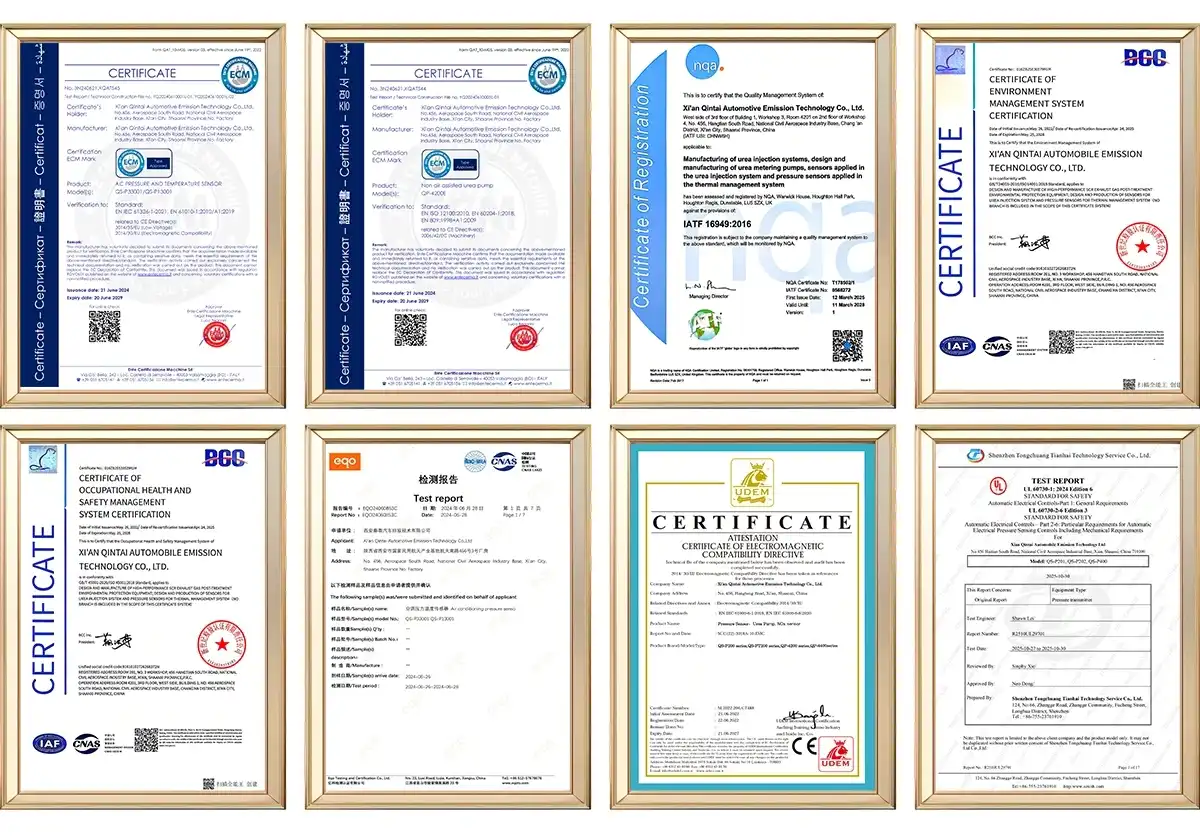
Buying choices include more than just the specs on a data sheet. They also include the skills of the seller and the possibility of a long-term relationship. Certifications like ISO9001, IATF16949, and approvals specific to the business like ATEX or UL show that the company has quality control methods and follows the rules. Looking at patent files shows that a company is still investing in research and development. Companies with a lot of idea patents usually have more advanced designs and can quickly change their products.
Stability in the supply chain is very important for OEM production; suppliers with committed production capacity and ties with raw material providers can keep deliveries on schedule even when demand goes up. After-sales support, such as expert advice, quick response to warranty claims, and the ability to provide new parts, sets apart providers who see their relationships with customers as partnerships rather than deals. Companies like Bosch and Honeywell have built their names on decades of steady quality. Specialty makers, like TE Connectivity, have a lot of experience making sensors that work in tough environments.
Best Practices for Extending the Lifespan of Industrial Pressure Sensors
Proactive strategies that combine preventative maintenance with environmental protection make sensors last longer and systems more reliably. Using these methods lowers the total cost of ownership and cuts down on unexpected downtime.
Preventative Maintenance and Environmental Protection
Structured repair plans keep small problems from getting worse and leading to fails. Visual checks done on a regular basis find rust, physical damage, or contamination before they make measures less accurate. Using multimeters to check the quality of electrical connections makes sure that they are properly grounded and finds high-resistance contacts that weaken signals. Protective steps that are geared to specific threats make services last a lot longer.
For outdoor use, waterproof cases that meet IP67 standards keep water out, and vibration-dampening mounts keep sensors safe from damaging mechanical energy. Electronics that are sensitive to temperature are kept safe in places with a lot of heat by heat shields or cooling fins. Particulate screens at sensor ports keep sensing elements from getting dirty, which is especially important on dusty farmland or building sites.
Leveraging Advanced Sensor Features
Modern sensor technologies have built-in features that make them last longer and keep their accuracy better. Low-power designs stop components from overheating, which speeds up the aging process. This is especially helpful in setups with a lot of parts that need to be cooled. Digital output sensors with built-in microprocessors can use temperature adjustment methods to keep their accuracy across a wide range of working temperatures.
This gets rid of the shift that happens with analog devices. Built-in tests show the state of calibration and find problems like pressure spikes or electrical faults. This allows condition-based maintenance, which changes sensors based on how worn they are instead of just randomly choosing when to do so. These advanced features explain higher prices by lowering the cost of upkeep and making the system more reliable.
Real-World Success Stories
A business building's HVAC system was improved by replacing old analog monitors with digital ones that could automatically adjust to different temperatures and send troubleshooting reports. Over three years, the change cut the number of repair calls by 40% and made the system more efficient by making pressure control more accurate.
A water company that checked the pressure in 50 remote stations on a pipeline increased the lives of sensors from 6 to 11 years by making sure they were calibrated every year and putting them in protected housings that kept them out of direct sunlight and high temperatures. These examples show that small investments in good equipment and regular repair can have big effects on how well a business runs.

SENSOR+TEST, June 9 – 11, 2026
We look forward to your visit,warmly welcome to our booth 1-634!
Get your free ticket online now:
https://www.sensor-test.de/service/ticket/?52790
Procurement Tips for Industrial Pressure Sensors: Ensuring Value and Reliability
Procurement strategies that work well balance short-term cost concerns with long-term value creation. This is especially important for OEM integration and high-volume uses where pressure sensor performance affects whole product lines.
Navigating Supplier Offerings and Pricing
In 2026, supplier brochures will show how technology is still improving and how much competition there is. When comparing products, you need to look at more than just the unit price. You also need to look at the total cost, which includes shipping, minimum order amounts, payment terms, and access to expert support. Volume prices encourage buying in bulk, but the costs of keeping supplies and the risk of items going out of style must be balanced out by the savings.
OEM agreements that offer customizable sensors for specific uses—for example, sensors with different mounting options, output protocols, or better weather ratings—often offer more value than changing standard products. To get an exact total cost estimate, you should ask for thorough quotes that list the costs of customization, tools, and different levels of price for different quantities.
Quality Versus Cost Considerations
When people only look at the lowest unit price when they decide what to buy, the total cost of ownership often goes up because the product breaks down sooner, there are more insurance claims, and the brand's image is hurt. Premium sensors from well-known brands cost more, but they are worth it because they are made with better materials, go through strict testing, and have been shown to work reliably. A $50 monitor that works correctly for 12 years is a better deal than a $30 device that needs to be replaced every 5 years, and that's before you think about the cost of installation and the time the system is down.
Checking the quality systems of suppliers, such as their licenses, testing methods, and tracking processes, can give you an idea of how well the product is likely to work. SensorTechnics and Amphenol, for example, built their names on scientific know-how and quick customer service that lowers risk in important uses. To find the best balance between quality and cost, you need to know which parts are most important for the job. For example, emission-critical monitors in controlled equipment need high-end devices, but tracking that isn't tied to safety can use cheaper options.
Building Strategic Supplier Relationships
When you work with a seller for a long time, you get more benefits than just lower prices. When people work together, they can make new products that meet changing application needs, get access to new technologies early, and decide what to do first when supplies are low. When suppliers know what their customers' roadmaps are, they can suggest strategic design improvements and give market information about changes in regulations or developments in the competition.
Setting up favorite seller deals with volume promises guarantees supply chain priority and lower prices. Reviewing delivery performance, quality measures, and response on a regular basis is a good way to keep everyone on the same page and find ways to make things better. With these strategic partnerships, sellers become partners who want the success of both parties.
Conclusion
The length of time that industrial pressure sensors work directly affects how reliable equipment is, how much it costs to maintain, and how well it follows the rules in diesel engine systems, aftertreatment uses, and industrial equipment. Procurement workers and engineers can make decisions that reduce the total cost of ownership by learning how sensor technology, weather factors, upkeep practices, and source choice all work together. When you buy high-quality sensors that are right for the job and do regular upkeep and take safety precautions, you can see a clear change in how long they last and how well they work. As rules on emissions get stricter and equipment gets more complicated, it's important to work with makers that can provide technical support, customizable options, and quick responses in order to stay ahead of the competition and improve operations.
FAQ
How often should industrial pressure sensors be calibrated?
How often calibration is done depends on how important the tool is and where it is used. Heavy cars and building equipment that must follow the rules usually need to have their emission monitors checked once a year. However, backup generator sets or non-safety uses may be able to go longer between checks, up to 24 or 36 months. Extreme temperatures, vibrations, or chemical contact in harsh settings speed up drift and require more frequent testing.
What distinguishes a pressure sensor from a pressure transducer?
A pressure sensor picks up changes in pressure and turns them into electrical signals. A pressure transducer, on the other hand, has extra signal processing hardware that makes the output formatted and consistent for controls or display systems. Transducers usually give out standard outputs like 4-20mA current loops or 0-10V voltage signals. Basic sensors, on the other hand, might send out raw millivolt signals that need to be adjusted by an outside device.
Are waterproof pressure sensors worth the additional cost?
It is important for outdoor sites, farm equipment, and washdown areas that waterproof sensors that meet IP67 standards keep water out, which can damage electronics and cause rust. The small price increase—usually 15–25% over normal versions—is worth it when you think about how much replacements cost, how much work it takes to install them, and how much downtime there is when they break down because of moisture.
Partner with Qintai for Long-Life Industrial Pressure Sensor Solutions
Qintai Automotive Emission Technology Co., Ltd. has more than 20 years of experience in diesel engine SCR aftertreatment sensors. They offer independent research and development (R&D) as well as industrial-grade stability that makes products last longer. Our qualifications as a pressure sensor maker include ISO9001, IATF16949, and a wide range of environmental standards. We also have 58 design patents that show we are always coming up with new ideas.
Leading diesel engine makers like Weichai Power, Yuchai Power, and Quanchai Power buy sensors from us because we are China's top original equipment manufacturer (OEM). Our sensors are made to work in tough emission control settings. Our full range of OEM and ODM services allow for customization from the first design phase through mass production. We also offer expert help to make sure you choose the right sensors for your needs. Get in touch with info@qt-sensor.com to talk about your pressure sensor needs and find out how our track record in aftertreatment uses can help you make your equipment more reliable and in line with regulations.
References
1. Industrial Pressure Sensor Technology and Applications Handbook, Society of Automotive Engineers International, 2023.
2. Peterson, M., "Environmental Effects on Pressure Transducer Longevity in Heavy-Duty Diesel Applications," Journal of Engine Research, Vol. 45, 2022, pp. 234-251.
3. Emission Control System Component Reliability Study, International Council on Clean Transportation, 2023.
4. Wagner, K. and Chen, L., "Comparative Analysis of Pressure Sensor Technologies for Aftertreatment Systems," SAE Technical Paper Series, 2024.
5. Industrial Sensor Maintenance Best Practices, American Society of Mechanical Engineers, 2023.
6. Global Automotive Sensor Market Analysis: Technology Trends and Lifecycle Management, Frost & Sullivan Research, 2024.
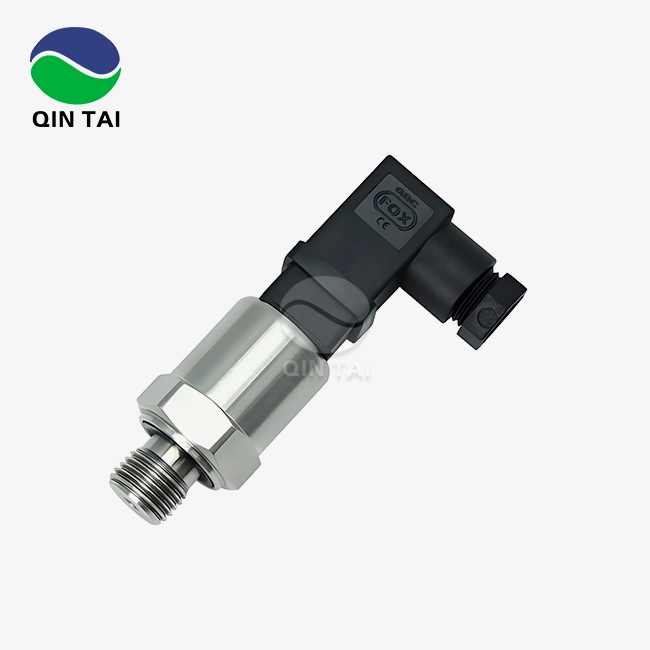
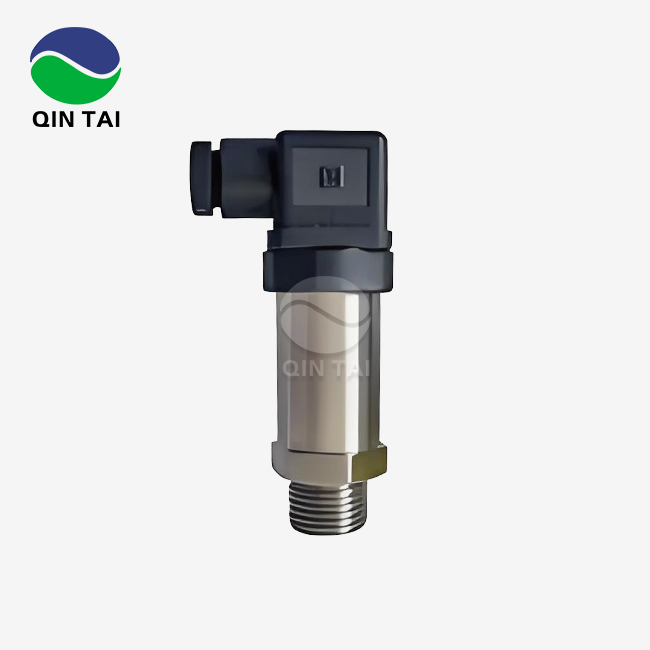
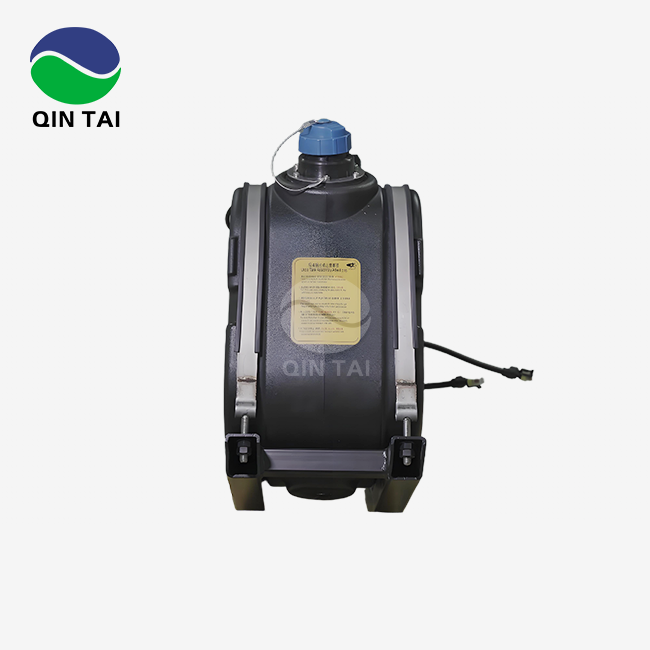


Our customers’ satisfaction speaks for our quality — contact us to experience the same reliable service.