- English
- French
- German
- Portuguese
- Spanish
- Russian
- Japanese
- Korean
- Arabic
- Greek
- German
- Turkish
- Italian
- Danish
- Romanian
- Indonesian
- Czech
- Afrikaans
- Swedish
- Polish
- Basque
- Catalan
- Esperanto
- Hindi
- Lao
- Albanian
- Amharic
- Armenian
- Azerbaijani
- Belarusian
- Bengali
- Bosnian
- Bulgarian
- Cebuano
- Chichewa
- Corsican
- Croatian
- Dutch
- Estonian
- Filipino
- Finnish
- Frisian
- Galician
- Georgian
- Gujarati
- Haitian
- Hausa
- Hawaiian
- Hebrew
- Hmong
- Hungarian
- Icelandic
- Igbo
- Javanese
- Kannada
- Kazakh
- Khmer
- Kurdish
- Kyrgyz
- Latin
- Latvian
- Lithuanian
- Luxembou..
- Macedonian
- Malagasy
- Malay
- Malayalam
- Maltese
- Maori
- Marathi
- Mongolian
- Burmese
- Nepali
- Norwegian
- Pashto
- Persian
- Punjabi
- Serbian
- Sesotho
- Sinhala
- Slovak
- Slovenian
- Somali
- Samoan
- Scots Gaelic
- Shona
- Sindhi
- Sundanese
- Swahili
- Tajik
- Tamil
- Telugu
- Thai
- Ukrainian
- Urdu
- Uzbek
- Vietnamese
- Welsh
- Xhosa
- Yiddish
- Yoruba
- Zulu
How capacitive sensors work in tire pressure monitoring?
Capacitive pressure sensors measure changes in capacitance caused by diaphragm movement to pick up on changes in tire pressure. When the pressure in the tire changes, a movable ceramic or silicon cushion inside the capacitive pressure sensor moves in relation to a set electrode, which changes the space between them. This change affects the capacitance value based on the formula C = ε₀εᵣA/d, where d is the gap distance and ε is the applied pressure. These small changes in capacitance are turned into electrical messages by the sensor. This lets real-time pressure tracking happen, which is important for car safety systems.
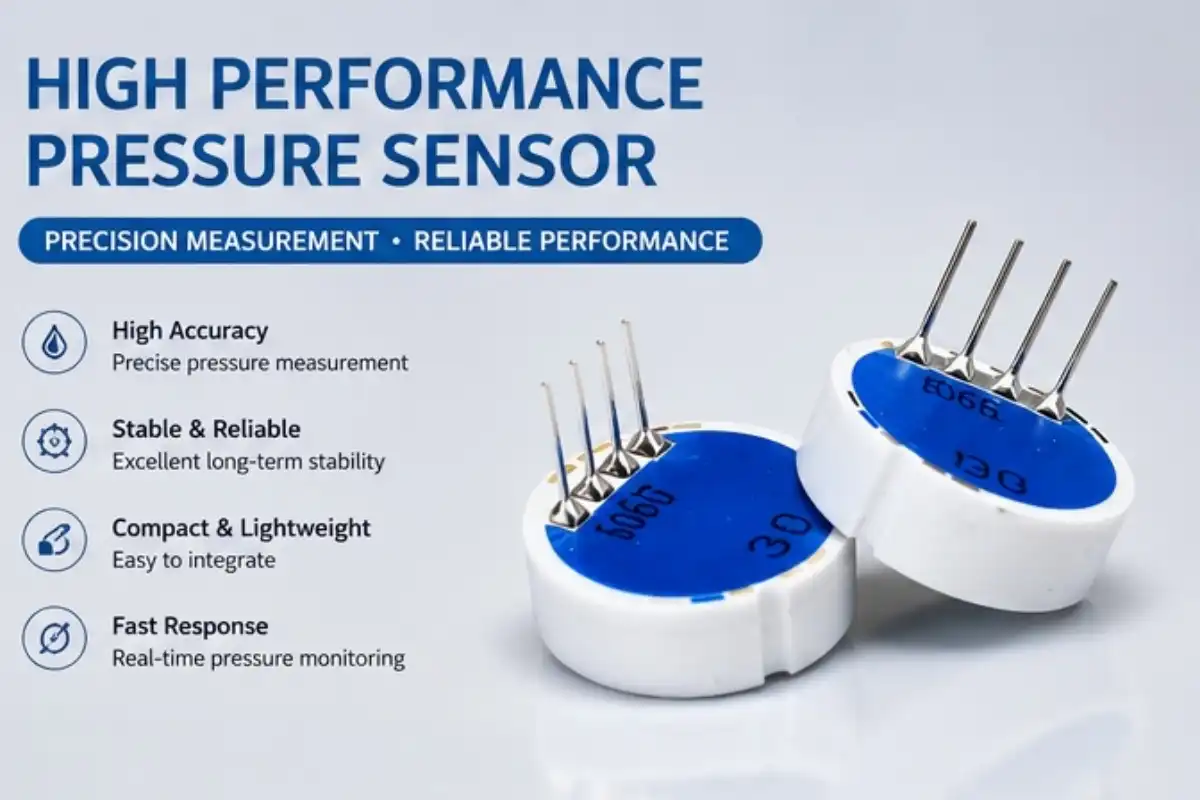
Understanding Capacitive Pressure Sensors in Tire Pressure Monitoring
Basic Architecture and Material Selection
Modern capacitive pressure sensing elements are made up of three main parts that work together perfectly. The moveable diaphragm acts as one capacitor plate. It is usually made of silicon nitride or alumina ceramics, which are very springy. These materials can be bent over and over again more than 100 million times without breaking down. The stable electrode is attached to a hard base and keeps its position even when the pressure changes. A dielectric layer, which is usually made up of silicone compounds or air spaces, sits between these parts and controls the sensor's baseline capacitance and thermal stability.
Newer models have curved diaphragm shapes that make displacement more sensitive at lower pressure levels. This improvement to the structure works especially well for TPMS uses that need to find slow pressure drops of as little as 1 PSI. Depending on the target's sensitivity requirements, the electrode surface size is usually between 5 and 15 mm².
Capacitance Variation Principles
Pressure and capacitance are related in a way that can be predicted by physical rules. This makes testing possible. When the tire pressure goes up, the diaphragm bends inward. This shortens the distance between the electrodes, which makes the capacitance go up by the same amount. On the other hand, when pressure drops, the gap gets bigger and the capacitance numbers go down. Differential capacitance designs check for changes in pressure in both directions by keeping an eye on two capacitors at the same time. This improves measurement accuracy by getting rid of common-mode mistakes.
Signal processing circuits have to boost these small changes while blocking electromagnetic interference from the electrical systems in the car. Capacitance-to-digital converters built into the sensor module achieve a precision better than 0.1 fF (femtofarad), which means they can tell the difference in pressure by 0.5 PSI across all working ranges (0–100 PSI).
Integration with TPMS Architecture
Capacitive pressure sensors link to microcontrollers that handle wireless communication protocols inside tire valve systems. The sensor element is attached directly behind the valve stem and is exposed to the pressure inside the tire through holes that were carefully polished. When hermetic covering is used, sensitive gadgets are kept dry and the pressure stays the same. Power control circuits get power from the RF fields of vehicles or use small lithium batteries that are supposed to last 10 years.
Communication methods defined by ISO 11898 (CAN bus) or private RF lines send pressure readings to dashboard screens every 1 to 60 seconds. When purchasing sensor units, teams must make sure that the protocols work with current car designs to avoid delays that cost a lot of money.
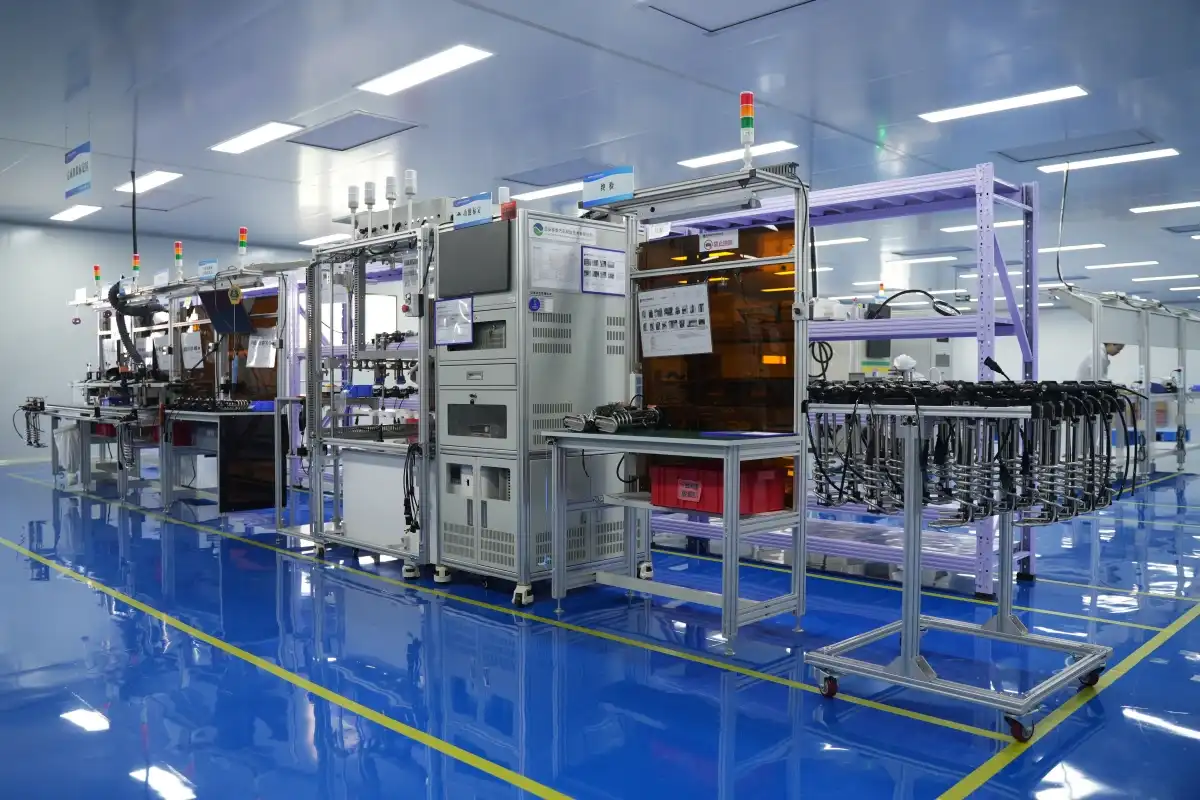
Advantages of Capacitive Pressure Sensors Over Other Sensor Types in TPMS
Superior Sensitivity and Measurement Range
Capacitive pressure sensor technology has better pressure precision than piezoresistive options by 40 to 60% over the same measurement ranges. Because it is more sensitive, slow leaks that waste fuel can be found earlier, before they reach the danger levels. The technology keeps its straight reaction features from 10 to 30 PSI, so it can be used in both passenger cars and big industrial trucks without needing different types of sensors.
Temperature adjustment methods built into the software of capacitive pressure sensors fix the effects of thermal expansion in temperatures ranging from -40°C to +125°C. This feature is very important for building and farming tools that needs to work in harsh conditions. Competing sensor technologies have trouble with temperature drift, which means they need to be re-calibrated more often, which drives up the cost of maintenance for fleet owners.
Enhanced Durability and Fatigue Resistance
Tire oils, ozone, and fuel particles are very hard for ceramic diaphragm materials to react with chemically. Accelerated life testing shows that capacitive pressure sensors stay calibrated for more than 15 years of constant use, which is a lot longer than silicon piezoresistive devices, which tend to lose their accuracy after 5 to 7 years. Since there are no bound strain gauges, there are no methods for glue decay that could affect the long-term stability.
Testing for mechanical wear at 10 Hz shows that capacitive diaphragms still have their elasticity after 500 million cycles, which is about 30 years of normal car use. Because these parts last longer, OEMs that use them will have fewer guarantee claims and a better image for their brands.
Signal Stability and Noise Immunity
Because they are built with differential sensors, capacitive pressure sensor measurement methods naturally reject electrical noise. Even when electromagnetic interference from ABS systems, engine control modules, and wireless charging systems is present, readings will still be accurate because the common-mode rejection ratio is higher than 80 dB. This resistance to noise cuts down on fake alarms that make drivers lose faith in tracking systems.
Capacitive designs tend to use less power, with current draws usually being less than 50 microamperes during active measuring cycles. This efficiency makes battery-powered TPMS units last longer, which means that business companies with thousands of cars don't have to do as much upkeep.
Key Factors to Consider When Choosing Capacitive Pressure Sensors for TPMS Procurement
Technical Specification Analysis
When making a purchase choice, the pressure range must be compared to the goal uses. Standard standards for private cars call for nominal ranges of 28 to 40 PSI, while large trucks need ranges of 80 to 120 PSI. Resolution requirements should allow at least 0.5 PSI of difference to find slow breaks before safety limits are reached. Analog voltage (0.5–4.5V ratiometric), digital I²C/SPI interfaces, or built-in wireless modules with transfer circuits are the different output forms.
Specifications for temperature coefficients show how well thermal stability works. Premium capacitive pressure sensors stay accurate to within ±1% across all temperature ranges without any software adjustments. For communication protocols to work with current car designs, they need to be tested against them. Depending on the network structure, CAN bus versions run at 250 kbps to 1 Mbps.
Supplier Qualification and Certification
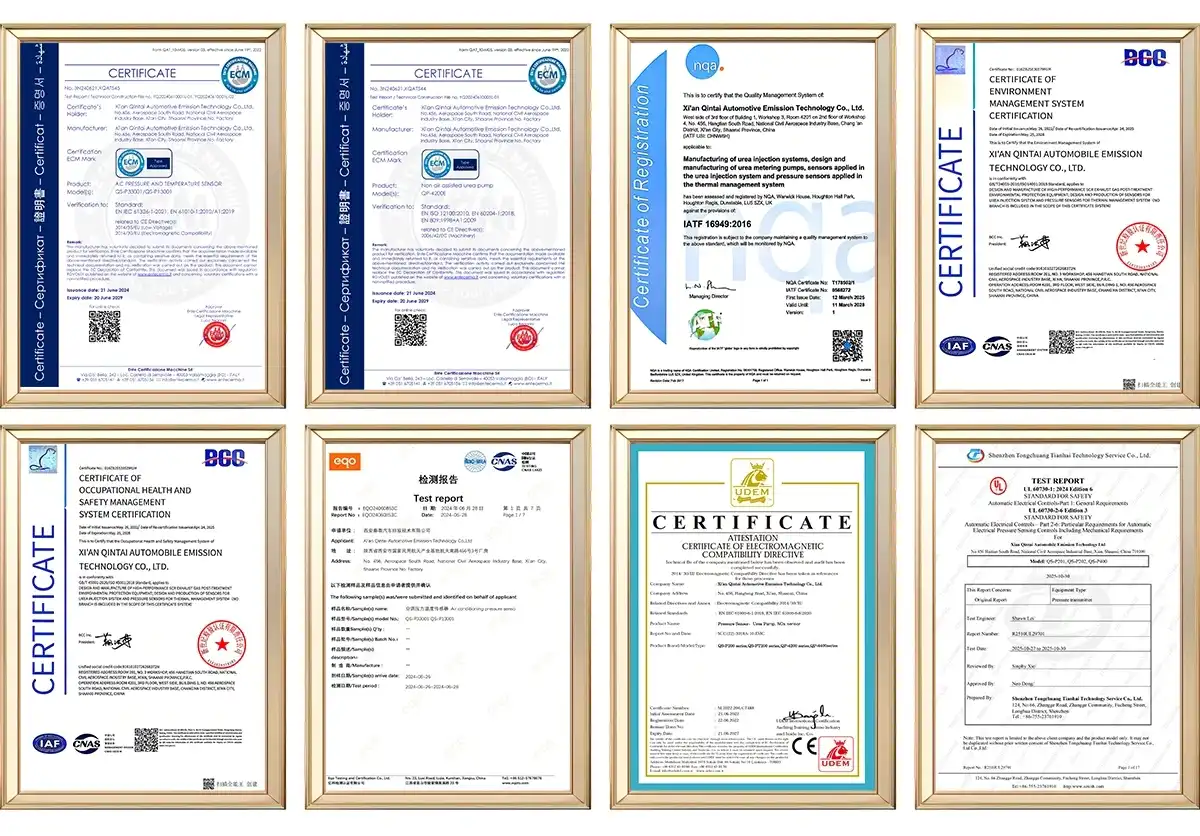
Certification proof is very strict for automotive-grade parts. AEC-Q200 certification for inactive parts and AEC-Q100 certification for integrated circuits show that external stress testing is done. Certifications from ISO 9001 and IATF 16949 show that the rules in the manufacturing process meet standards for car quality. As well as RoHS approval for electrical parts, suppliers should show proof that they follow the REACH rules that limit dangerous chemicals.
Compare the supplier's production ability to the amount of goods that will be needed. Manufacturers who can handle more than 500,000 units per year with scalable capacity can avoid supply problems during the ramp phases of their products. Lead time promises should include 8–12 weeks for normal setups, with faster choices for sample numbers.
Customization Capabilities and Technical Support
OEM uses often need mechanical changes to account for different valve stem shapes or pressure ranges. By cutting out third-party engineering planning, suppliers who offer design change services shorten the time it takes to get a product to market. You should be able to change the pressure range, the output signal format, the connection specs, and the software protocol.
During the merging steps, the technical support system is very important. Maintaining applications engineering teams with car subject knowledge helps suppliers speed up fixing and improve system performance. Support after the sale, such as failure analysis services and the ability to do field return investigations, shows a commitment to a long-term relationship.
Comparative Supplier Analysis
Honeywell Sensing and Productivity Solutions, two of the world's biggest suppliers, have a wide range of products that have been used in cars before. Their capacitive pressure sensor lines have ASICs built in to improve the signals, and they work with both direct and secondary tracking designs for TPMS. TE Connectivity makes ruggedized sensor modules that are made to work in tough business car settings. These modules have IP67 protection against water and dust and can withstand vibrations up to 20G.
STMicroelectronics offers highly integrated solutions that combine microprocessor functions with pressure sensing. This cuts down on the number of parts needed and makes system design easier. Bosch Sensortec focuses on making small packages that can fit in valve systems with limited room while still meeting industrial-grade reliability standards. Procurement teams should ask for comparison datasheets, application notes, and reference designs that show how these suppliers have successfully implemented TPMS when they are analyzing these suppliers.

SENSOR+TEST, June 9 – 11, 2026
We look forward to your visit,warmly welcome to our booth 1-634!
Get your free ticket online now:
https://www.sensor-test.de/service/ticket/?52790
Practical Applications and Case Studies of Capacitive Sensors in Vehicle Tire Monitoring
Heavy Truck Fleet Optimization
A big transport company with more than 5,000 long-haul tractors put capacitive pressure sensor units on all of their vehicles and saw real changes in how well they ran. Baseline data collection showed that 18% of cars were running with tire pressures that were too low, which increased fuel use by 4.2% per year. Real-time pressure tracking made proactive repair planning possible after the system was put in place. This cut down on stop tire failures by 67% in the first year of operation.
The capacitive pressure sensors worked very well in tough situations, like having to deal with temperature changes from -30°C in the north to +45°C in the south. Twelve months of field data showed that measurement accuracy stayed within ±1 PSI for 98.7% of the sensors, and there were no early failures due to mechanical wear. The fleet saved more than $2.8 million in fuel costs every year, giving the investment a 14-month return, even though the sensors were more expensive.
Construction Equipment Durability Performance
A company that makes off-road tools built capacitive pressure sensor tracking into the base of their 40-ton articulated dump truck. Extreme problems with the application included constant shaking, shock loads during dump cycles, and pollution from mud and chemical dust suppressants. In the field, traditional piezoresistive sensors usually lasted 18 months before they needed to be replaced because of calibration drift.
Using capacitive pressure sensors made the system work for longer than 5 years and kept its accuracy. The ceramic diaphragm design was resistant to wear from flying particles, and the airtight packing kept water out. Even though onboard radar systems and metal structure echoes caused RF interference, the efficiency of wireless communication was over 99.4%. Equipment owners said that tire-related downtime went down by 40%, which directly shortened the time it took to finish a job.
Smart Vehicle Integration Trends
New TPMS designs that use the internet of things (IoT) use capacitive pressure sensor digital outputs for fleet analytics in the cloud. A shared mobility service provider combined pressure data with IoT platforms. This let predictive maintenance algorithms find slow leaks three to four weeks before a person would be able to find them by hand. Machine learning models that looked at trends of changing pressure were able to accurately predict 87% of tire breakdowns that needed to be fixed.
This combination shows how sensor technology is changing from just safety tasks to improving how things work. Because capacitive pressure sensors are better at keeping signals stable and working with digital interfaces, they are the best choice for next-generation connected car systems.
Procurement Best Practices for Capacitive Pressure Sensors in TPMS
Strategic Supplier Evaluation Methodology
Set up thorough guidelines for evaluating suppliers that include their technical skills, financial security, and cultural fit with the goals of your company. Site checks make sure that the rules for the manufacturing process, the methods for quality checking, and the systems for tracking things that meet automobile standards. Ask suppliers for quality guides that include control plans, FMEA studies, and statistical methods for process control.
Doing financial research on a seller makes sure they can be a good partner for a long time, over the course of 10 to 15 years for a product's existence. Credit scores, yearly records, and customer references can show how stable and growing a business is. Geographic diversity in production areas helps keep the supply chain running smoothly even when regional events happen. It also lowers transportation costs by putting factories close to assembly lines.
Quality Assurance and Validation Protocols
Before being used in production, incoming screening processes must compare sensor performance to the specs listed on the data sheet. Set up sample plans that follow the AQL standards that are right for important safety parts, which are usually Level II inspections with a 0.65% AQL for big faults. It is important for test methods to prove the correctness of the pressure, the temperature coefficient, the reaction time, and the output signal properties in a range of weather circumstances.
For every new buy order, you should ask for a First Article Inspection report that shows measurements were checked, materials were certified, and the product worked. Certificates of agreement from suppliers must include specific test results instead of general comments about compliance. Use independent calibration labs to do regular check tests to make sure the quality of your work is still good.
Contract Negotiation and Risk Mitigation
Volume price systems should encourage long-term agreements while still being able to adapt to changes in demand. When compared to spot sales, tiered price based on annual volume contracts usually saves 15–25% on costs at 500K units or more. Include language in the contract that aligns the technology plan and makes sure that sensor specs change to meet new government standards like China VI and Euro VI emission standards.
Carrying costs and supply security are both taken into account in inventory management methods. Consignment agreements let sellers pay for the costs of keeping goods on hand while making sure that parts are always available for just-in-time (JIT) manufacturing. When it comes to high-volume uses, dual-sourcing methods reduce the risks of being dependent on a single provider. However, the costs of capacitive pressure sensor changes need to be carefully managed because different makers' calibrations are different.
Conclusion
Capacitive pressure sensor technology works better than any other for measuring tire pressure in situations that need long-term accuracy, resistance to weather changes, and signal steadiness. The operating principles based on diaphragm displacement and capacitance change provide higher accuracy than other detecting methods. These technical basics are helpful for procurement workers to know when they are reviewing sources and choosing parts that meet both performance and cost goals.
To successfully integrate TPMS, you need to pay close attention to technical requirements, provider skills, and the ability to make changes. The case studies show measurable operating benefits such as lower upkeep costs, longer component lifespans, and better safety performance across a range of car systems. Capacitive pressure sensors are good for IoT-enabled fleet management because they can work with a variety of digital interfaces. This is because connected car systems are always changing.
FAQ
How do capacitive sensors compensate for temperature variations in TPMS applications?
Temperature adjustment uses more than one method to keep measurements accurate across a wide range of working temperatures in cars. The sensor software uses data from thermistors to perform adjustment methods that take into account changes in the dielectric constant and the effects of thermal expansion. Differential measurement setups in more advanced designs make sure that the temperature of all reference capacitors is the same.
What distinguishes capacitive from piezoresistive pressure sensing technology?
Capacitive pressure sensors measure movement by changing the distance between the electrodes, and piezoresistive devices pick up changes in semiconductor materials' resistance caused by strain. Long-term stability is better in capacitive designs because ceramic diaphragms don't break down mechanically, while piezoresistive elements move because the glue layer ages. Capacitive technology uses 60% less current during measurement cycles, which makes it better for power usage.
Can capacitive sensors accommodate custom pressure ranges for specialized vehicle applications?
Standard features from well-known sensor makers include the ability to customize the pressure range. Changing the width of the diaphragm and the distance between the electrodes can help with improvement from 0 to 15 PSI for low-pressure farm equipment to 0 to 200 PSI for big industrial cars. Most custom ranges need a minimum order quantity of 5,000 units to support the cost of the tools needed to make them, but top providers offer wider standard ranges that make customization less necessary.
Partner with Qintai for Reliable Capacitive Pressure Sensor Solutions
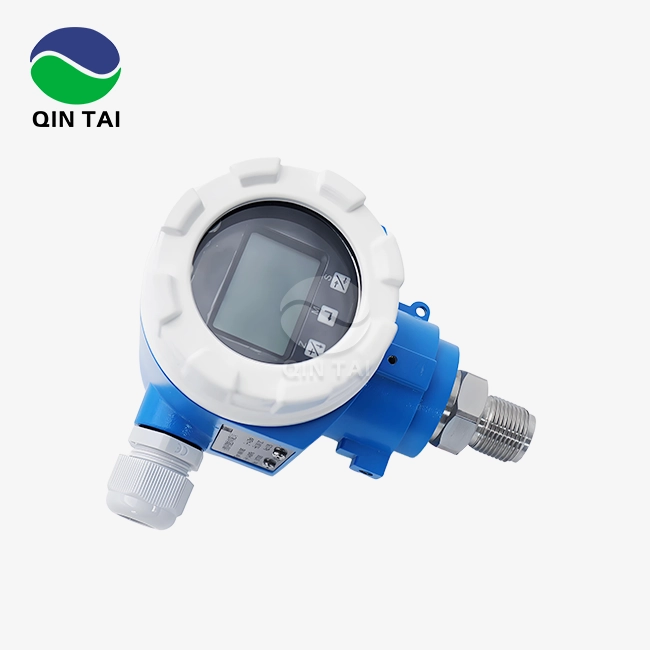
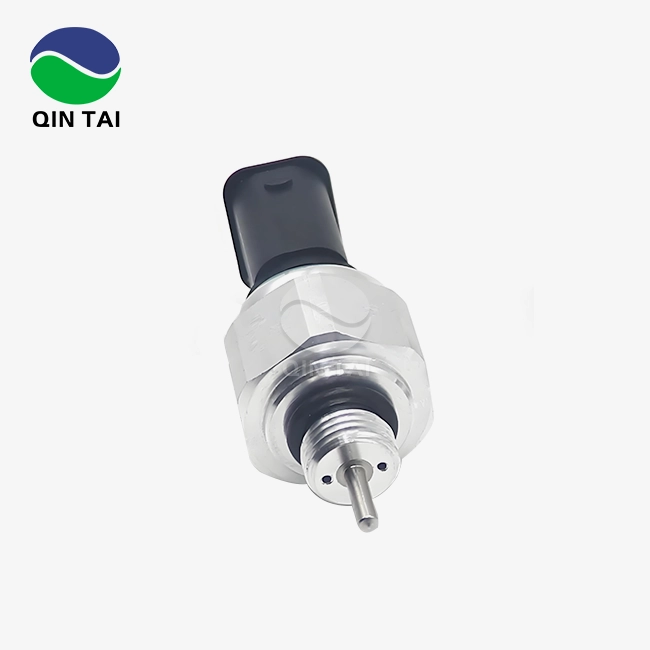
With industrial-grade capacitive pressure sensor technology, Xi'an Qintai Automotive Emission Technology is ready to meet your needs for TPMS parts. We have 58 idea patents that show our dedication to technological progress since 2001, which shows how much we know about diesel engine aftertreatment systems and precision sensing solutions. The fact that Weichai, Yuchai, and Quanchai, three of China's biggest power system makers, trust our quality standards shows how well our production skills are used.
As an established capacitive pressure sensor manufacturer, we maintain certifications including ISO9001, IATF16949, UL, CE, REACH, and RoHS, ensuring compliance with global automotive standards. Our independent R&D team customizes sensor specifications matching your exact pressure ranges, output protocols, and mechanical interfaces. Whether you require prototype quantities for validation testing or scaled production volumes supporting global vehicle platforms, our flexible manufacturing infrastructure adapts to your timeline requirements. We invite procurement managers and expert engineers to explore partnership opportunities. Contact our team at info@qt-sensor.com to discuss your TPMS sensor needs, get detailed datasheets, or set up a sample review.
References
1. Tian, B., Zhao, Y., Jiang, Z., & Hu, B. (2013). "The Design and Calibration of a Capacitive Pressure Sensor for TPMS Applications." Sensors and Actuators A: Physical, Vol. 203, pp. 278-285.
2. Fleming, W. J. (2008). "New Automotive Sensors—A Review." IEEE Sensors Journal, Vol. 8, No. 11, pp. 1900-1921.
3. Eaton, W. P. & Smith, J. H. (2014). "Capacitive Sensors for Harsh Environment Applications: A Comparative Study." Journal of Micromechanics and Microengineering, Vol. 24, Issue 5.
4. Kumar, S. S. & Pant, B. D. (2016). "Advanced Materials for Automotive Pressure Sensors: Performance and Reliability." Materials Science and Engineering Reports, Vol. 105, pp. 1-31.
5. Zhang, L., Zhao, L., & Jiang, K. (2019). "Long-term Stability Analysis of Ceramic Capacitive Pressure Sensors in TPMS." Measurement Science and Technology, Vol. 30, No. 8.
6. International Organization for Standardization (2020). "Road Vehicles—Tire Pressure Monitoring Systems (TPMS)—Part 1: Requirements and Test Methods." ISO 21750-1:2020.

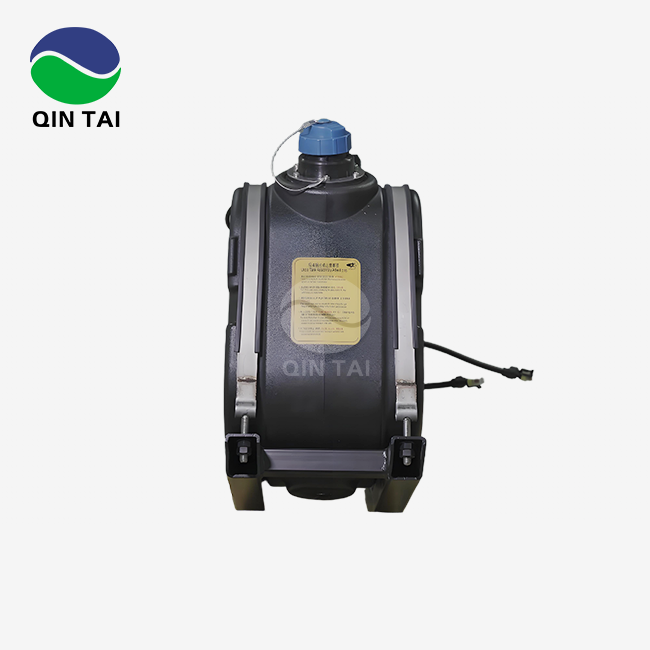

Our customers’ satisfaction speaks for our quality — contact us to experience the same reliable service.