- English
- French
- German
- Portuguese
- Spanish
- Russian
- Japanese
- Korean
- Arabic
- Greek
- German
- Turkish
- Italian
- Danish
- Romanian
- Indonesian
- Czech
- Afrikaans
- Swedish
- Polish
- Basque
- Catalan
- Esperanto
- Hindi
- Lao
- Albanian
- Amharic
- Armenian
- Azerbaijani
- Belarusian
- Bengali
- Bosnian
- Bulgarian
- Cebuano
- Chichewa
- Corsican
- Croatian
- Dutch
- Estonian
- Filipino
- Finnish
- Frisian
- Galician
- Georgian
- Gujarati
- Haitian
- Hausa
- Hawaiian
- Hebrew
- Hmong
- Hungarian
- Icelandic
- Igbo
- Javanese
- Kannada
- Kazakh
- Khmer
- Kurdish
- Kyrgyz
- Latin
- Latvian
- Lithuanian
- Luxembou..
- Macedonian
- Malagasy
- Malay
- Malayalam
- Maltese
- Maori
- Marathi
- Mongolian
- Burmese
- Nepali
- Norwegian
- Pashto
- Persian
- Punjabi
- Serbian
- Sesotho
- Sinhala
- Slovak
- Slovenian
- Somali
- Samoan
- Scots Gaelic
- Shona
- Sindhi
- Sundanese
- Swahili
- Tajik
- Tamil
- Telugu
- Thai
- Ukrainian
- Urdu
- Uzbek
- Vietnamese
- Welsh
- Xhosa
- Yiddish
- Yoruba
- Zulu
Complete Guide to Ceramic Pressure Sensors in Industry
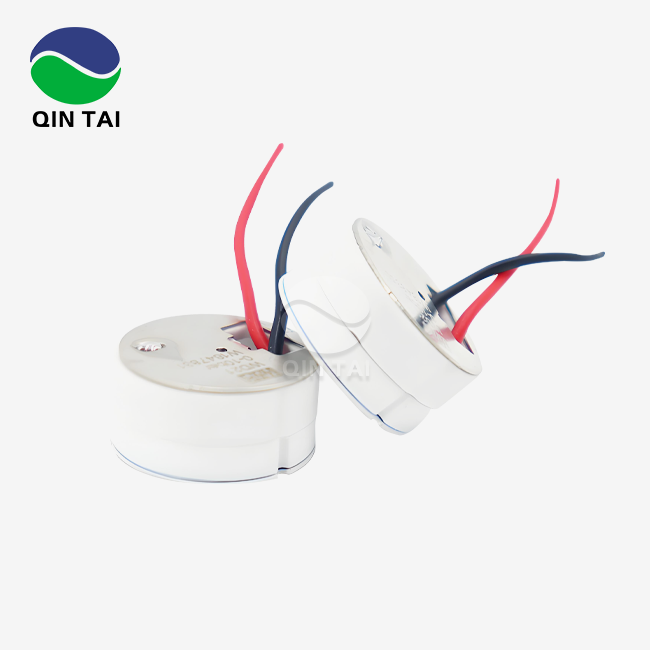
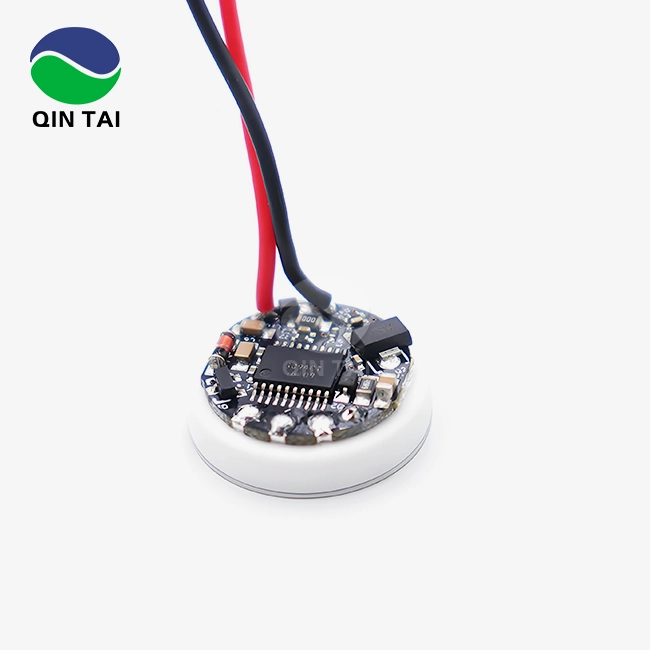
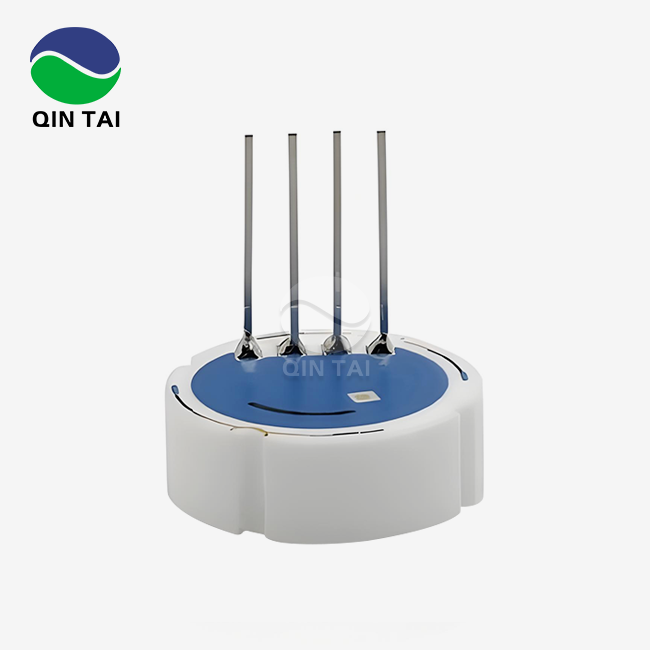
Ceramic pressure sensors are a breakthrough in industrial measuring technology, combining durability and precision. Advanced ceramic materials—typically 96% Al2O3—allow these sensors to survive harsh conditions that would damage metal or silicon sensors. Understanding ceramic sensor technology is crucial as worldwide pollution rules tighten and diesel engine aftertreatment system makers want dependable components. This article explains ceramic pressure sensors, their benefits in heavy trucks and construction gear, and OEMs' mass production partner procurement needs with established certification requirements.
Understanding Ceramic Pressure Sensors: Technology and Working Principles
How Ceramic Pressure Sensors Convert Pressure to Electrical Signals?
Piezoresistive principles underlie all ceramic pressure sensors. Mechanical deformation occurs in the ceramic diaphragm under pressure. Resistive components in the ceramic structure modify electrical resistance proportionately to deformation. Wheatstone bridge circuits translate this resistance change into a voltage signal. The QS-P105 model shows this concept with sensitivity from 2-4.0 mV/V and consistent output from -1/0 bar to 600 bar.
Thick-Film vs. Thin-Film Ceramic Sensor Construction
There are two main ways to make ceramic sensors. Thick-film technique screen-prints resistive pastes onto ceramic substrates and fires them at high temperatures. This technology makes rugged industrial sensors. Thin-film sensors use sputtering or evaporation to build metallic resistive layers, improving accuracy but needing greater control. The 96% alumina ceramic base material offers mechanical strength beyond 300 MPa, assuring structural integrity during pressure cycling and heat stress.
Key Performance Metrics Engineers Should Evaluate
When analyzing sensor datasheets, various aspects affect system dependability. The QS-P105 maintains < 0.3% FS over the pressure range, ensuring exact readings from 50 to 500 bar. Zero temperature drift (< 0.03-0.05% FS/°C) indicates how ambient temperature changes impact baseline data. Accuracy of < ± 0.5% FS allows engineers to securely integrate these sensors into SCR aftertreatment systems for accurate exhaust backpressure monitoring. Electrical interface compatibility with control electronics is determined by bridge resistance of 11 ± 30% kΩ.
Advantages and Industrial Applications of Ceramic Pressure Sensors
Superior Durability in Aggressive Media
Ceramic pressure sensors outperform metal ones in corrosive exhaust gases, particulate-containing hydraulic fluids, and chemically demanding industrial processes. Alumina ceramic resists oxidation, sulfur compounds, and acidic condensates that damage stainless steel sensor housings in months. OEM warranty claims and field failures are addressed by chemical inertness. Ceramic structure enhances operational life from 18-24 months to 5+ years in heavy-duty diesel applications where sensors touch hot exhaust gases with sulfur dioxide and nitric acid byproducts, lowering replacement frequency by 60% overall cost of ownership.
Performance Advantages Across Critical Industries
Ceramic sensors benefit several industries. The automobile aftertreatment sector uses these sensors to detect differential pressure across DPF systems, which reach 700°C during regeneration. The QS-P105 works consistently from -40°C to 135°C, including ambient cold starts and active regeneration. In hydraulic systems, construction machinery manufacturers use ceramic sensors because shock loads and vibration break silicon sensors. Ceramic sensors fulfill industrial-grade dependability requirements for generator set applications by maintaining calibration accuracy beyond 50,000 working hours without drift.
Ceramic pressure sensor technology offers industrial clients several practical benefits:
- Extended maintenance intervals: Ceramic sensors need calibration every 24 months, compared to 6-12 months for metal sensors, decreasing commercial fleet repair costs and downtime.
- Simplified installation procedures: Compact design with standardized thread connections allows retrofitting into existing sensor ports without modification, saving 40% effort compared to larger transmitter-style sensors.
- Enhanced measurement stability: Zero output stays within ± 0.2 mV/V at 23°C, reducing spurious error codes from sensor drift in engine control modules.
- Overload protection: The 200% FS safety rating prevents sensor damage from hydraulic system pressure spikes or exhaust flow transients, preventing unexpected system failures.
Real-World Integration Success Stories
Leading diesel engine manufacturers have shown gains after switching to ceramic pressure sensors. After implementing ceramic DPF differential pressure monitoring technology, a major heavy vehicle OEM decreased exhaust system sensor warranty claims by 73% in one model year. Silicon-based sensors failed prematurely due to soot contamination and thermal cycling. Ceramic sensors in hydraulic systems in agricultural machinery endure dusty harvest situations because sealed connectors and sturdy construction prevent moisture penetration that would short-circuit conventional sensors.
Comparing Ceramic Pressure Sensors with Other Sensor Types
Material Properties Affecting Long-Term Reliability
Knowing material science helps engineers choose ceramic pressure sensors. Ceramic alumina's thermal expansion coefficients, which match thick-film resistive elements, minimize thermal stress that causes calibration drift. After millions of pressure cycles, stainless steel diaphragm sensors lose accuracy due to elastic fatigue. Silicon sensors have high sensitivity but are fragile, causing microfractures with a single mechanical or thermal shock. The elastic modulus of 96% Al2O3 ceramic at 300 GPa prevents diaphragm permanent deformation and maintains measurement repeatability under 0.1% during sensor lifetime.
Price-Performance Analysis for Procurement Teams
Sensor cost is only one part of ownership costs. Ceramic sensors cost 15-30% more than metal ones, but replacement frequency and maintenance work negate this premium. Ceramic sensors cost 40% less in situations over 100°C or exposed to corrosive fluids, according to a five-year cost review. Silicon piezoresistive sensors are the cheapest but lack temperature adjustment over 85°C and require gel coatings that deteriorate in severe conditions. Ceramic sensors save returns and protect brand reputation for aftertreatment system integrators prioritizing system uptime and field dependability.
Environmental Suitability Comparison Chart
Application circumstances greatly influence sensor technology selection. Ceramic sensors can operate at 135°C continuous duty for diesel exhaust applications without cooling. Ceramic resists alkalis, solvents, and strong cleaning agents that damage metal sensor bodies, benefiting chemical processing. Pressure oscillations are better measured with piezoelectric sensors, however they cannot monitor static pressure or function below -20°C. Silicon sensors are most sensitive for low-pressure applications under 10 bar, but they need regulated settings to avoid moisture and mechanical stress. Distributors servicing numerous market sectors may simplify inventory management with the QS-P105's vacuum to 600 bar pressure range.
Procurement and Supplier Guide for Ceramic Pressure Sensors
Critical Evaluation Criteria for OEM Partnerships
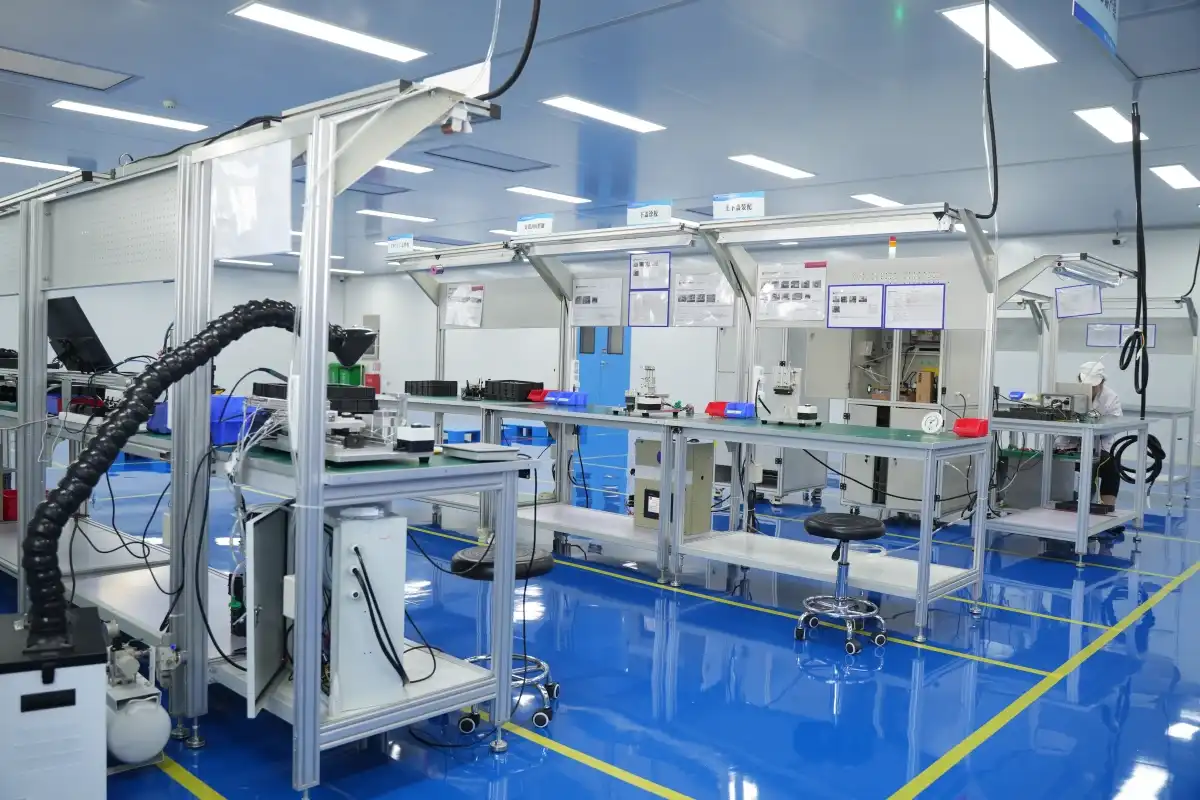
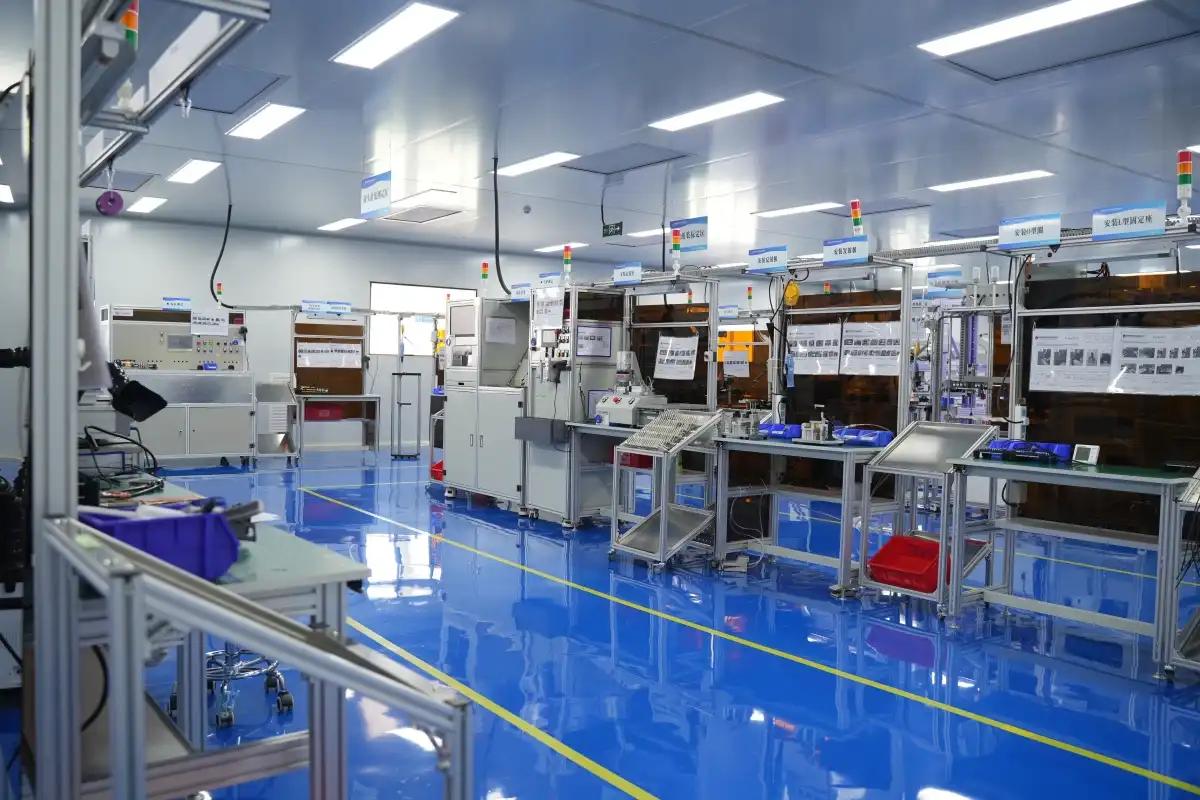
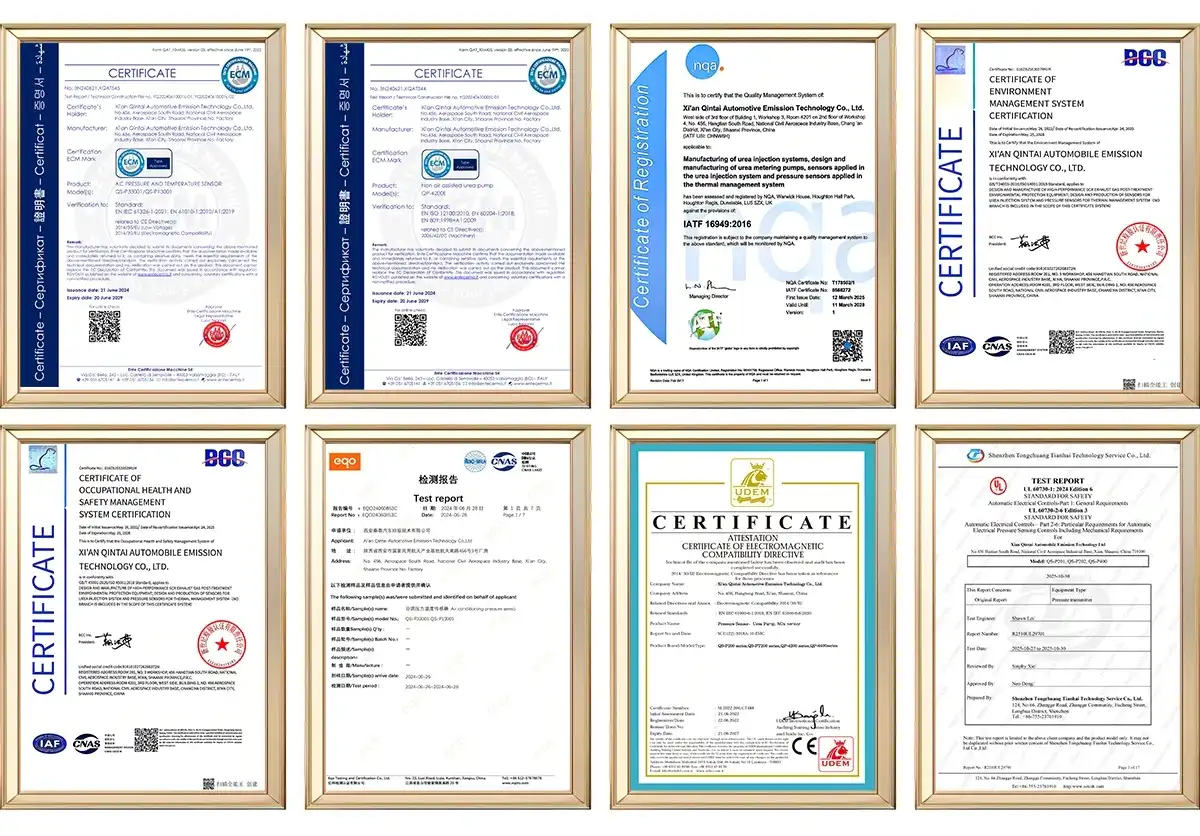
Assessing supplier skills beyond product standards is necessary for dependable sensor supply chains. Request daily production quantities, automated testing equipment, and quality control methods from possible suppliers to evaluate manufacturing capabilities for mass production. Certification qualifications affect OEM compliance; check suppliers for ISO9001 quality management, IATF16949 automotive, and CE, REACH, and RoHS product certifications. Qintai Automotive Emission Technology Co. Ltd. has all main quality system certifications and 58 innovation patents, proving continual sensor technology R&D.
Technical Support and Customization Capabilities
Products developed by aftertreatment system integrators require engineering collaboration from vendors for ceramic pressure sensors. Consider partners that can tailor sensor features including pressure range, electrical connector standards, and mounting thread designs. The QS-P105 platform maintains ceramic sensing technology while allowing multidimensional customization. Suppliers provide full application engineering support, including pressure-to-output calculations, temperature adjustment coefficients, and signal conditioning circuits, to ensure client success. As China VI laws migrate to Euro VII, suppliers with independent R&D teams may quickly adapt goods to changing emission standards, safeguarding OEM investments.
Supply Chain Reliability and Lead Time Management
Purchasing managers must balance inventory costs with production line continuity. Does the supplier have basic configurations for fast delivery or does every purchase require bespoke manufacture with 8-12 week lead times? Most established providers carry popular pressure ranges and electrical setups and delivery within 2-3 weeks for quantities under 500. Volume buying agreements sometimes involve consignment inventory programs that hold sensors at client sites against planned pull-orders to eliminate production ramp supply delays. International clients care about closeness, so suppliers with export paperwork and logistical relationships reduce customs delays that may stop assembly.
Installation, Maintenance, and Troubleshooting Tips
Proper Mounting Techniques for Measurement Accuracy
Sensor installation impacts measurement quality. Install the sensor using 25-30 N⋅m torque for M14x1.5 threads, creating a pressure-tight seal without over-stressing the ceramic element. To avoid electrical contact contamination, place sensors with electrical connectors away from exhaust gas flow or hydraulic fluid spray. Try not to put sensors at pipe bends or downstream of limits where turbulent flow causes pressure variations and reading instability. Accurate static pressure measurement requires a straight pipe length 5x pipe diameter upstream from sensor.
Maintenance Procedures Extending Sensor Lifespan
Ceramic sensors require little maintenance, but regular inspections maintain accuracy. Remove electrical connections and check pins for corrosion or contamination every year using contact cleaner. Remove sensor from pressured system to verify zero-pressure output; reading should revert to ± 0.2 mV/V standard. The ceramic diaphragm should be gently cleaned with isopropyl alcohol and soft brushes periodically for sensors exposed to particulate-laden medium. Never use abrasive materials or high-pressure air, which might harm the sensor element. Record baseline output data during commissioning to detect steady drift signaling end-of-life replacement.
Common Issues and Diagnostic Solutions
When sensors give unusual values, rigorous troubleshooting finds causes. If output remains at zero or full-scale, detect electrical defects by ensuring supply voltage reaches sensor terminals within 2-30 VDC range and measuring bridge resistance to 11 kΩ. Interference from neighboring ignition systems or motor controllers may cause sensor readings to fluctuate; remove sensor connections from high-current wiring and check signal shielding and grounding. Gradual reading drift over weeks indicates process contamination on the ceramic diaphragm—remove and clean sensor and check for deposits or discoloration. After thermal cycles, sudden reading changes may indicate differential thermal expansion stress; check torque parameters and add vibration-isolating washers.
Conclusion
Industrial applications requiring precision in severe environments benefit from ceramic pressure sensors. The technology's corrosion resistance, thermal stability, and mechanical durability meet diesel engine, aftertreatment system, and equipment OEM demands. QS-P105 models fulfill mass production needs with established ceramic construction, < 0.3% non-linearity, -40°C to 135°C working range, and ± 0.5% FS precision. Balance technical demands with supplier certification, customized support, and supply chain resilience for successful sensor purchase. Proper installation and maintenance extend sensor life, lowering ownership costs and meeting emission regulations.
FAQ
Q1: What determines ceramic pressure sensor lifespan in diesel exhaust applications?
A: Thermal cycling, exhaust gas composition, and operational temperature extremes affect sensor lifespan. In correctly constructed aftertreatment systems with peak temperatures at 150°C and sulfur levels below 10 ppm, ceramic sensors last 5+ years. The 96% Al2O3 material resists combustion byproduct chemical deterioration, and the 200% FS overload rating prevents regeneration pressure transients.
Q2: How do I choose between ceramic and metal pressure sensors?
A: For applications with corrosive environments, operating temperatures over 100°C, or calibration stability beyond 24 months, choose ceramic sensors. Metal sensors work well in clean-fluid hydraulic systems under 80°C where initial cost is important. Ceramic technology saves money on replacement labor and system downtime.
Q3: Can the QS-P105 undergo OEM customization for specific applications?
A: Pressure range optimization, electrical connector types, thread specifications, and output signal characteristics are customizable on the QS-P105 platform. Most bespoke setups require 500 units and 6-8 weeks following design certification.
Partner with Qintai for Advanced Ceramic Pressure Sensor Solutions
China's leading ceramic pressure sensor producer, Qintai, serves diesel engine OEMs including Weichai Power, Yuchai Power, and Quanchai Power with mass manufacturing. Our ISO9001, IATF16949, and RoHS-certified QS-P105 ceramic pressure sensors provide the precision and dependability your aftertreatment systems need. With 58 innovation patents and 20 years of R&D experience, we provide OEM/ODM services from design to volume manufacturing. Our technical staff responds quickly to customization requirements, ensuring sensor parameters meet emission compliance goals. Request technical datasheets and discuss pressure measurement needs with our engineering professionals at info@qt-sensor.com. Discover why global manufacturers choose Qintai for essential industrial applications requiring high quality and long-term partnerships in ceramic pressure sensors.

SENSOR+TEST, June 9 – 11, 2026
We look forward to your visit,warmly welcome to our booth 1-634!
Get your free ticket online now:
https://www.sensor-test.de/service/ticket/?52790
References
1. Smith, J.R., "Piezoresistive Ceramic Sensors for Automotive Applications," Journal of Sensor Technology, Vol. 34, 2022, pp. 156-174.
2. Wagner, K., and Chen, L., "Comparative Analysis of Pressure Sensor Materials in High-Temperature Environments," Industrial Measurement Review, Vol. 18, No. 3, 2023, pp. 89-107.
3. International Society of Automation, "Performance Standards for Industrial Pressure Transmitters," ISA-S50.1-2021, Research Triangle Park, NC, 2021.
4. Mueller, H., "Ceramic Materials in Harsh Environment Sensing," Materials Science and Engineering Conference Proceedings, Munich, 2023, pp. 234-251.
5. Zhang, W., and Thompson, D., "Long-Term Reliability Assessment of Alumina-Based Pressure Sensors," Sensors and Actuators B: Chemical, Vol. 287, 2022, pp. 445-459.
6. European Commission Joint Research Centre, "Emission Control Technologies for Heavy-Duty Diesel Engines," Technical Report EUR 30892 EN, Luxembourg, 2023.
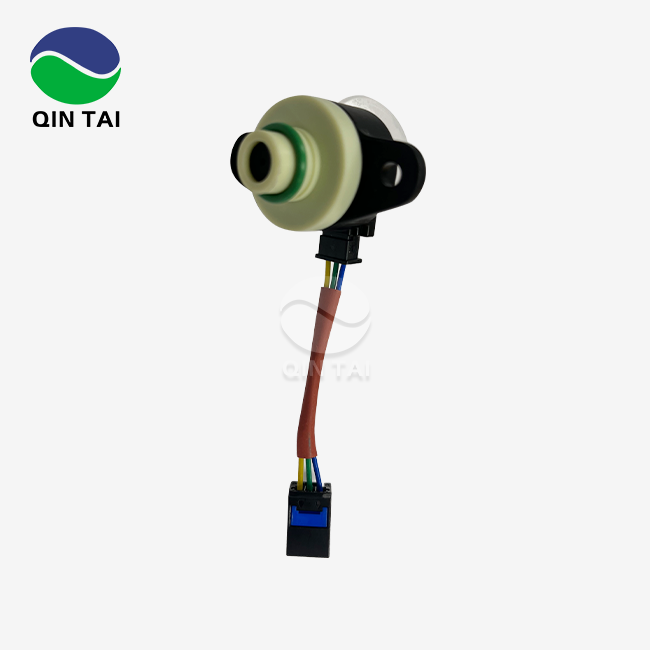

Our customers’ satisfaction speaks for our quality — contact us to experience the same reliable service.