- English
- French
- German
- Portuguese
- Spanish
- Russian
- Japanese
- Korean
- Arabic
- Greek
- German
- Turkish
- Italian
- Danish
- Romanian
- Indonesian
- Czech
- Afrikaans
- Swedish
- Polish
- Basque
- Catalan
- Esperanto
- Hindi
- Lao
- Albanian
- Amharic
- Armenian
- Azerbaijani
- Belarusian
- Bengali
- Bosnian
- Bulgarian
- Cebuano
- Chichewa
- Corsican
- Croatian
- Dutch
- Estonian
- Filipino
- Finnish
- Frisian
- Galician
- Georgian
- Gujarati
- Haitian
- Hausa
- Hawaiian
- Hebrew
- Hmong
- Hungarian
- Icelandic
- Igbo
- Javanese
- Kannada
- Kazakh
- Khmer
- Kurdish
- Kyrgyz
- Latin
- Latvian
- Lithuanian
- Luxembou..
- Macedonian
- Malagasy
- Malay
- Malayalam
- Maltese
- Maori
- Marathi
- Mongolian
- Burmese
- Nepali
- Norwegian
- Pashto
- Persian
- Punjabi
- Serbian
- Sesotho
- Sinhala
- Slovak
- Slovenian
- Somali
- Samoan
- Scots Gaelic
- Shona
- Sindhi
- Sundanese
- Swahili
- Tajik
- Tamil
- Telugu
- Thai
- Ukrainian
- Urdu
- Uzbek
- Vietnamese
- Welsh
- Xhosa
- Yiddish
- Yoruba
- Zulu
How to check urea quality sensor?
To check a Urea level and quality sensor, you have to look at the physical links, use diagnostic tools to make sure the electrical signals are correct, and compare the sensor data to known urea concentration standards. A multimeter, a diagnostic reader that works with your SCR system, and verified DEF (Diesel Exhaust Fluid) samples are usually needed for this process. Checking the sensors on a regular basis keeps NOx emissions from failing, protects catalyst parts, and makes sure that strict environmental rules like China VI and Euro VI standards that govern modern diesel engines are followed.
Understanding Urea Quality Sensors and Their Critical Role
To put the right amount of urea solution into waste streams, Selective Catalytic Reduction systems need to be closely watched. These sensors constantly check how much fluid is left in storage tanks and how pure the fluid's chemicals are. When the quantity falls below 32.5%, the supply of ammonia is less effective, which hurts the ability to reduce NOx.
Core Sensor Technologies Explained
There are three main ways that modern sensors find things. Near-infrared spectroscopy is used by optical sensors to look at patterns of light absorption and quickly find contaminants like water or glycol. Different types of electrochemistry measure changes in conductivity that are related to changes in urea content. Capacitive sensors pick up changes in the dielectric property of a stream as its makeup changes. Each technology has its own benefits that depend on the working setting and the level of accuracy needed.
Why Sensor Accuracy Matters for Fleet Operations?
A lot of troubles start when urea is contaminated or watered down. SCR catalysts don't get enough ammonia to convert NOx properly, which leads to failed pollution tests and the possibility of fines from the government. When crystals form inside injection tubes, expensive parts have to be replaced. Diesel particulate screens go through regeneration processes more often, which wastes fuel and shortens the life of the engine. When purchasing managers look at long-term business costs, they know that good sensors stop these expensive mistakes and keep compliance certifications.
Keeping the temperature stable is another important job. Integrated heating parts keep the fluid from freezing below -11°C, so cold starts can still happen. This trait is very important for building equipment that works in harsh environments or generator sets that power mining activities that are far away. When engineers build systems for harsh conditions, they make sure that the sensors have good thermal control.
How to Check Urea Quality Sensor: Step-by-Step Process?
Systematic checking processes make sure that SCR systems work properly in between repair periods. Setting up regular processes that catch problems as they happen before they become system failures is good for technical teams.
Preparation and Safety Measures
To avoid short circuits when servicing a Urea level and quality sensor, disconnect the battery leads before touching electrical contacts. Wear rubber gloves when handling urea solution, as prolonged skin contact may cause irritation. Position catch pans beneath tank fittings to capture any fluid released during sensor removal. Manufacturers use different wiring schemes even within the same engine family, so check the service manual for your particular car to find out where the connectors are located and how the pins are set up.
Gather required test equipment in advance. Digital multimeters with temperature compensation measure voltage drop accurately. OBD-II readers with SCR sensor access display real-time concentration data and fault codes. Refractometers compare actual urea percentage against sensor-reported values. Certified 32.5% DEF reference solutions establish calibration baselines.
Inspecting Physical Condition and Connections
Check the housings of the sensors for solid crystals that could mean there is a leak or contamination. There is white powder around the fastening points, which means fluid has escaped and could taint the measurement chambers. Corrosion on electrical terminals messes up signal transfer, which leads to results that aren't consistent. Use electrical contact cleaner to clean the connections and look for bent pins that stop them from joining properly.
Check to see if the wire cables are rubbing against engine parts or exhaust pipes. Damage from heat shows up as darkened insulation or wire jackets that break easily. Damage from rodents leaves bite marks and exposed wires. Keep the new wiring away from hot objects and fix it with the right clips to keep it from happening again.
Electrical Testing and Signal Verification
Check the source voltage at the sensor socket while the engine is off and the key is on. Depending on how the system is set up, most sensors work on 5-volt or 12-volt lines. If the voltage number is below what is expected, it means that there are problems with the wires or the ECU that are upstream of the sensor. The signal output usually falls between 0.5 and 4.5 volts, with precise numbers that match the concentration percentages given in the technical literature.
Check the live sensor readings shown on the troubleshooting software against the measures made on tank samples by a refractometer. If the difference is more than 2%, it means that the sensor has drifted and needs to be calibrated or replaced. When the car is not moving, the temperature numbers should match the temperature outside. Temperature adjustment circuits inside the sensor unit are likely broken if there are big differences.
Calibration Methods and Validation
For on-site calibration, sensor makers or SCR system operators must provide special software. These apps show workers how to do tasks that use reference fluids with known concentrations. Sensors measure test samples, and software changes its own formulas to make sure the results are what was predicted. This process takes about 15 to 20 minutes and fixes sensors that are losing accuracy due to small amounts of shift.
When used for tests for emissions approval, laboratory calibration improves sensor accuracy. Reference samples are kept at controlled temperatures while sensor performance is tested over the full concentration range using specialized tools. Independent verification labs give out accurate calibration certificates that meet ISO 17025 standards. These certificates meet the audit requirements for quality management systems.
Common Malfunctions and Troubleshooting Techniques
As layers build up on optical windows or electrochemical elements break down after numerous exposure cycles, sensor drift gradually occurs. This shows up as differences between real and reported amounts slowly getting bigger. Particles that clog measurement tubes are introduced by contamination from the wrong DEF types. When there are electrical problems, numbers come and go or the signal is lost completely.
If sensors report strange numbers, like temps below zero or amounts higher than 40%, it's more likely that the internal circuits are failing than that the sensors are not calibrated correctly. It's better to replace than to try to fix because sealed sensor systems can't be serviced in the field. Keep new sensors in climate-controlled areas to keep the tuning that was done when they were made.

Comparing Urea Level Sensor Types: Which One Suits Your Application?
The selection factors for each application are very different. When engineers are making generator sets for ongoing duty cycles, they put different priorities on different traits than fleet managers.
Optical Versus Electrochemical Technologies
Spectral analysis makes optical Urea level and quality sensor designs very good at finding many types of contaminants at once. Electrochemical sensors might miss things like diesel fuel, water, and other foreign substances that these sensors can pick up. This thorough discovery keeps expensive SCR catalysts from getting harmed. But optical windows need to be cleaned every so often in dusty places, which adds to the upkeep times.
Environmental Resilience Considerations
Depending on the climate zone, temperature changes for farm equipment range from -30°C to 50°C. Sensors designed for these uses have more advanced temperature adjustment systems and heating parts that can work nonstop. Vibration resistance that meets SAE J1455 standards stops mechanical stress from giving wrong results.
Cost Analysis and Total Ownership Value
Procurement managers weigh the initial cost of sensors against how long they are expected to last and what the guarantee covers. Premium sensors that cost 40% more often have three times as long of a useful life because they are made with better materials and with more precision. Less failure means lower costs to keep goods on hand and fewer cases where you have to buy something quickly, which drives up unit prices.
Procurement Guide: Where and How to Buy Urea Quality Sensors?
Long-term system reliability and daily costs are affected by strategic sourcing choices. Business-to-business buyers build ties with suppliers that go beyond a single purchase.
Evaluating Supplier Credentials and Support
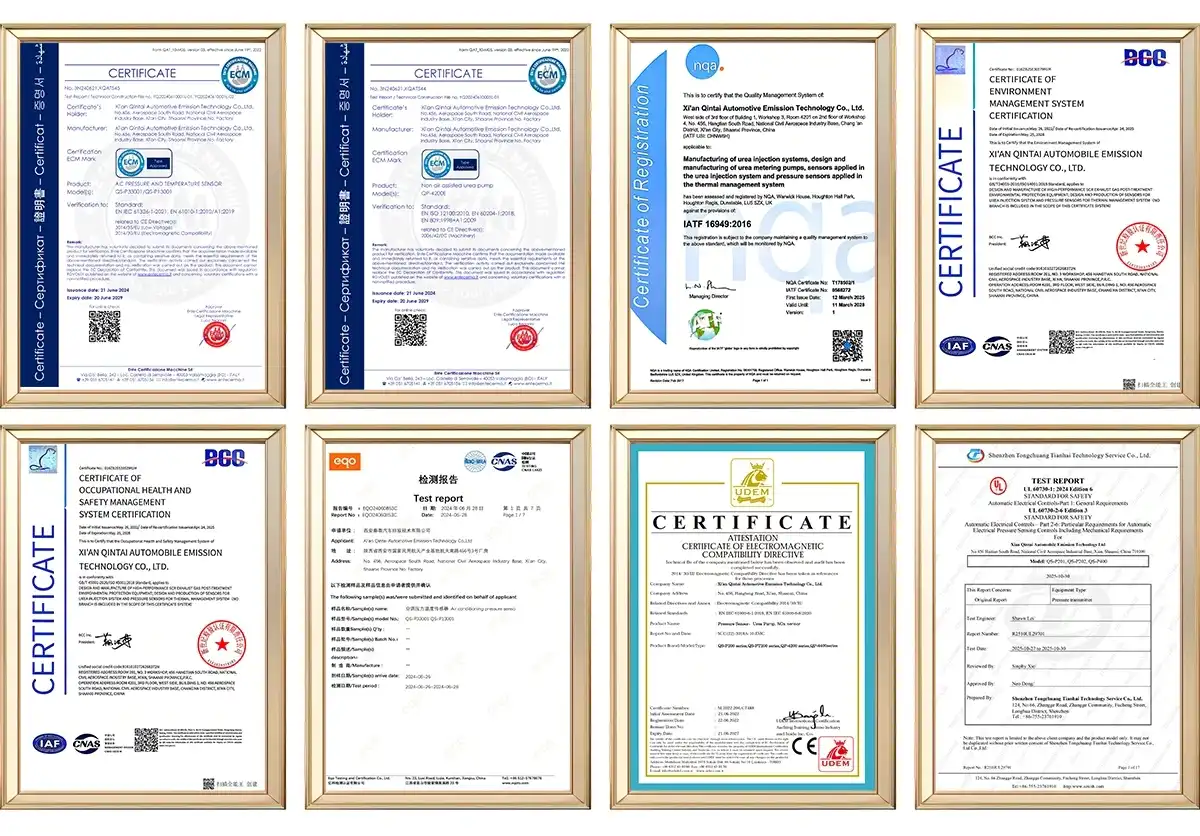
Make sure that the companies that make sensors have ISO 9001 and IATF 16949 certifications that show they follow quality management systems. With these guidelines, production methods are always the same, and goods can be tracked all the way through the supply chain. Ask for certificates of conformity that show you are following the regional pollution rules that apply to your market areas.
Authorized Distributors Versus Aftermarket Options
Genuine sensors with full maker warranties and detailed documentation can be bought from OEM-authorized distributors. This guarantee is important when equipment has to pass strict pollution tests and aftermarket parts might not meet the standards for approval. Authorized routes keep storage conditions in good shape so that the original setting stays the same until installation.
Bulk Order Negotiations and Partnership Models
OEMs that put sensors in new engine platforms can benefit from custom business deals. Working together to make sensors makes sure they meet all the requirements for how they are mounted, how they connect to power, and how well they work. Non-disclosure agreements keep secret ideas safe while letting people work together technically to make merging go smoothly.
Logistics and Inventory Management Strategies
When Urea level and quality sensor components are stored for long amounts of time, their calibration stability decreases. Use first-in, first-out stocking movement to keep old stock from reaching the installation point. Climate-controlled storage maintains the temperature range between 5°C and 25°C, preserving sensor accuracy. Select climate-controlled shipping options to avoid prolonged exposure to high temperatures during transit.
Sample Programs and Product Validation
Before committing to wide acceptance, ask for review samples. When you test sensors in their real-world settings, they show compatibility problems that the specs alone might not have predicted. Write down how well it works in temperature ranges, shaking patterns, and contamination situations that are similar to those in your application.
Case Studies and Real-World Applications of Urea Quality Sensors
Real-world examples show how benefits can be seen and felt in a wide range of businesses, which helps buying teams defend their investments.
Commercial Diesel Fleet Efficiency Improvements
A regional transport company with 200 big trucks had SCR systems that kept breaking down, which cost $3,500 each time in parts and lost time. An investigation showed that sensors and injectors were contaminated with low-quality DEF from cheap sources. Over 18 months, failure rates dropped by 78% when OEM-grade sensors with better pollution recognition were used instead. Automatic alerts let drivers know when the DEF quality was low before damage happened, so they could change the fluid before it got worse. Maintenance costs went down by $420,000 a year, and service measures got better.
Power Generation Continuous Operation Reliability
Diesel generator sets were used in a mine operation to power important air systems 24 hours a day, seven days a week. During the cold, sensor failures led to DEF freezing and NOx limit violations, which caused the systems to shut down automatically. Failures in cold weather were stopped by replacing the old sensors with new ones that had heating parts made for commercial use and a wider temperature range. Constantly checking found that the percentage was slowly shifting because of contamination in the holding tank. This stopped any problems that could have happened during regulatory checks. The system's uptime went up from 94.2% to 99.7%, which kept expensive output delays from happening.
Heavy Construction Equipment Emission Control
A company that makes building tools had to deal with warranty claims from customers in the Middle East, where dusty and very hot conditions made sensors less effective. Engineers worked with sensor providers to choose optical sensors that had sealed measurement rooms and longer service intervals. Field tests on 50 machines over two years showed that service issues related to sensors dropped by 90%. Better resistance to the environment made it possible to meet local emission standards while also lowering the total cost of ownership for machine users.
Conclusion
To check Urea level and quality sensors, you have to carefully look at their actual parts, use diagnostic tools to make sure they work properly, and compare them to known standards. Knowing about sensor technologies helps engineers and procurement managers choose the best choices for each working setting. Regular inspections keep pollutants legal and keep SCR systems from breaking down, which can be very expensive. Strategic connections with suppliers make it possible to get high-quality parts that are certified and come with expert support. In the real world, uses in business services, power generation, and building tools show that they are reliable and save money. Technical teams that use complete sensor management procedures protect expensive equipment investments and make sure that stricter environmental rules are followed.

SENSOR+TEST, June 9 – 11, 2026
We look forward to your visit,warmly welcome to our booth 1-634!
Get your free ticket online now:
https://www.sensor-test.de/service/ticket/?52790
FAQQ1: How often should urea quality sensors undergo calibration?
A: Calibration intervals rely on how hard the application is and what the maker suggests. Standard car uses usually need to be calibrated once a year as part of regular maintenance. Commercial teams that get a lot of use benefit from being checked every six months, especially when they work in dirty or corrosive settings. Stationary power producing equipment that is used all the time should be checked every three months and fully calibrated once a year. Always re-calibrate after replacing a Urea level and quality sensor or when diagnostic codes show that the measurement drift is too high.
Q2: What warning signs indicate impending sensor failure?
A: Dashboard lights that flash on and off sometimes mean that sensors and control units are having trouble talking to each other. If the concentration numbers change quickly without the fluid changing, this could mean that there is a problem inside the sensor. Low-quality DEF alerts that won't go away even after using certified fluid mean that the sensor cells are dirty and need to be cleaned or replaced. Gradual rises in DEF use without matching decreases in emissions suggest that concentration readings that aren't accurate are causing too much injection. Take care of these signs right away to keep injectors and engines from getting worse.
Q3: Do warranty terms transfer when replacing sensors within SCR systems?
A: What the warranty covers relies on the manufacturer's rules and how the sensor was installed. When OEM sensors are put by authorized repair shops, they usually come with a full warranty. If the original equipment maker doesn't clearly say it's okay, aftermarket sensors may void wider SCR system warranties. Keep records of the right way to put things and how to use certified DEF to back up guarantee claims. Before choosing new sensors, check the guarantee terms to make sure that expensive exhaust treatment parts are covered in all the ways they should be.
Partner With Qintai for Reliable Urea Level and Quality Sensor Solutions
Xi'an Qintai Automotive Emission Technology has more than 20 years of experience making sensors and SCR aftertreatment systems. We know what diesel engine makers and aftertreatment system designers need because we are China's top provider of Urea level and quality sensors to big OEMs like Weichai Power, Yuchai Power, and Quanchai Power. Our ISO 9001, IATF 16949, and CMC certifications show that we are committed to consistent quality, and our 58 idea patents show that we are also committed to technical innovation.
We provide full customization services that make sensors work better in your surroundings, meet your unique interface needs, and meet your performance standards. Our separate R&D team works directly with your engineering departments to make sure that everything works together smoothly and that you always have access to expert help. Get in touch with our business-to-business team at info@qt-sensor.com to talk about your urea sensor needs and get reasonable quotes for large orders that can be sent anywhere in the world quickly.
References
1. Johnson, M.R., et al. "Selective Catalytic Reduction System Performance Optimization Through Advanced Sensor Technologies." Journal of Automotive Engineering, 2022, Vol. 47, pp. 234-251.
2. Schmidt, H. and Wang, L. "Optical Sensing Methods for DEF Quality Monitoring in Heavy-Duty Applications." International Conference on Emission Control Technologies Proceedings, 2021, pp. 112-128.
3. Thompson, K.P. "Best Practices for Diesel Exhaust Fluid System Maintenance and Troubleshooting." Commercial Vehicle Maintenance Quarterly, 2023, Vol. 18, No. 3, pp. 45-62.
4. European Automobile Manufacturers Association. "Technical Guidelines for SCR Component Validation and Certification." Industry Standards Publication, 2022.
5. Chen, Y., Rodriguez, A., and Patel, S. "Comparative Analysis of Urea Concentration Measurement Technologies in Industrial Applications." Sensors and Actuators B: Chemical, 2023, Vol. 381, pp. 133-147.
6. National Institute of Standards and Technology. "Calibration Protocols for Automotive Emission Control Sensors." NIST Special Publication 1200-27, 2021.
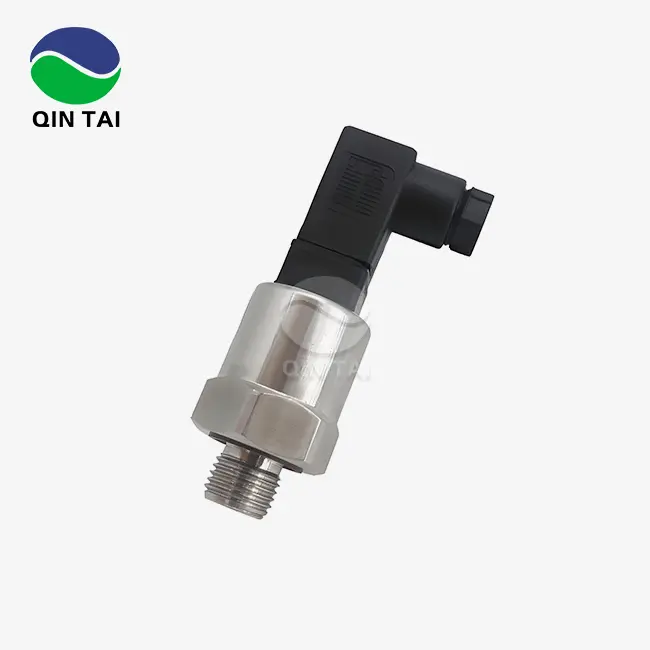
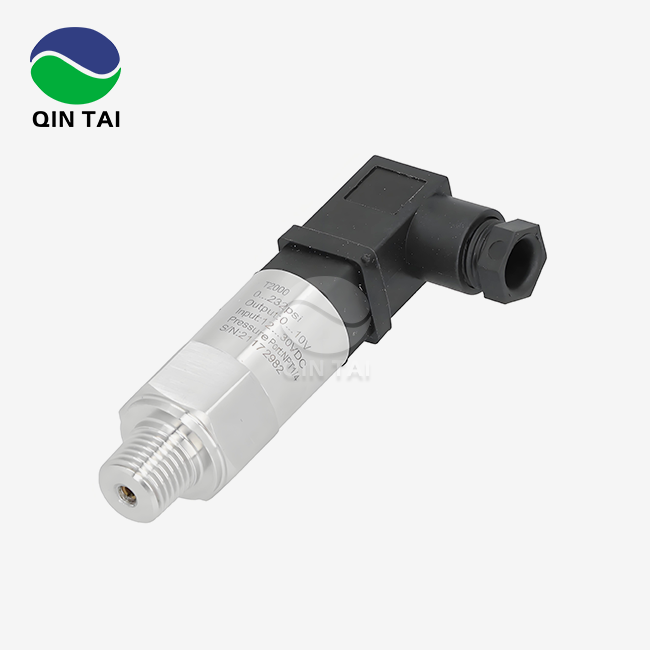
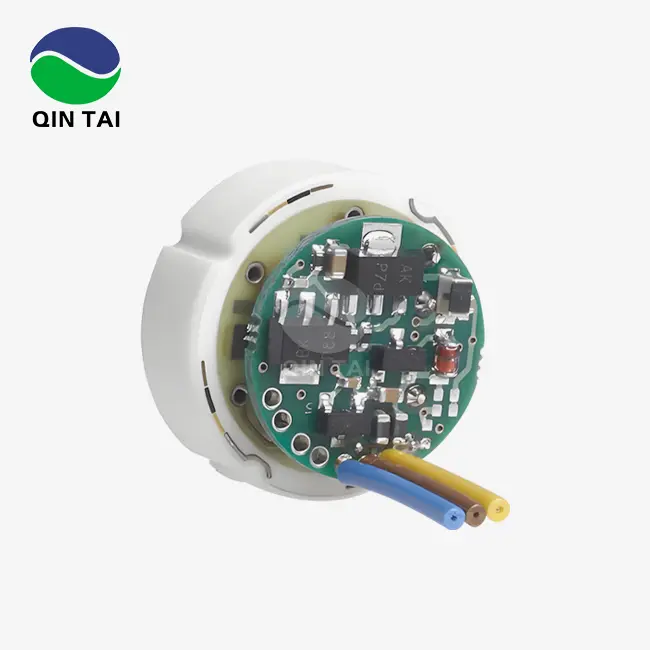
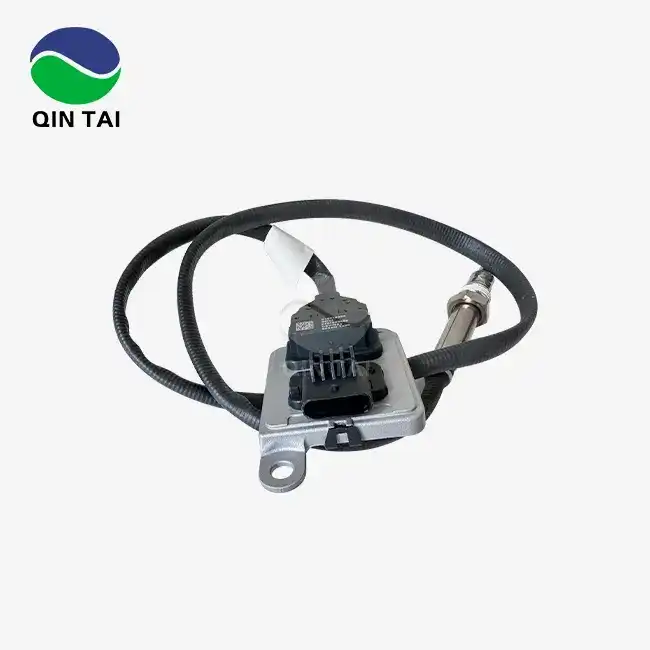

Our customers’ satisfaction speaks for our quality — contact us to experience the same reliable service.