- English
- French
- German
- Portuguese
- Spanish
- Russian
- Japanese
- Korean
- Arabic
- Greek
- German
- Turkish
- Italian
- Danish
- Romanian
- Indonesian
- Czech
- Afrikaans
- Swedish
- Polish
- Basque
- Catalan
- Esperanto
- Hindi
- Lao
- Albanian
- Amharic
- Armenian
- Azerbaijani
- Belarusian
- Bengali
- Bosnian
- Bulgarian
- Cebuano
- Chichewa
- Corsican
- Croatian
- Dutch
- Estonian
- Filipino
- Finnish
- Frisian
- Galician
- Georgian
- Gujarati
- Haitian
- Hausa
- Hawaiian
- Hebrew
- Hmong
- Hungarian
- Icelandic
- Igbo
- Javanese
- Kannada
- Kazakh
- Khmer
- Kurdish
- Kyrgyz
- Latin
- Latvian
- Lithuanian
- Luxembou..
- Macedonian
- Malagasy
- Malay
- Malayalam
- Maltese
- Maori
- Marathi
- Mongolian
- Burmese
- Nepali
- Norwegian
- Pashto
- Persian
- Punjabi
- Serbian
- Sesotho
- Sinhala
- Slovak
- Slovenian
- Somali
- Samoan
- Scots Gaelic
- Shona
- Sindhi
- Sundanese
- Swahili
- Tajik
- Tamil
- Telugu
- Thai
- Ukrainian
- Urdu
- Uzbek
- Vietnamese
- Welsh
- Xhosa
- Yiddish
- Yoruba
- Zulu
Complete Guide to SCR Urea Pressure Sensor in Diesel Engines
To meet environmental standards, modern diesel engines need to have very complicated systems that keep pollution in check. For these systems to work, the SCR urea pressure sensor is very important because it handles and sends Diesel Exhaust Fluid (DEF) properly. This makes it possible for diesel engines to put out less harmful nitrogen gas. This important part always checks the AdBlue supply line pressure and sends that information to the engine control unit in real time. As long as the amount is right, the sensor helps the engine follow the rules. This saves fuel and keeps expensive parts from breaking down. It can make a big difference in how well your fleet works and how much downtime you have if you know how to keep this thing in good shape.
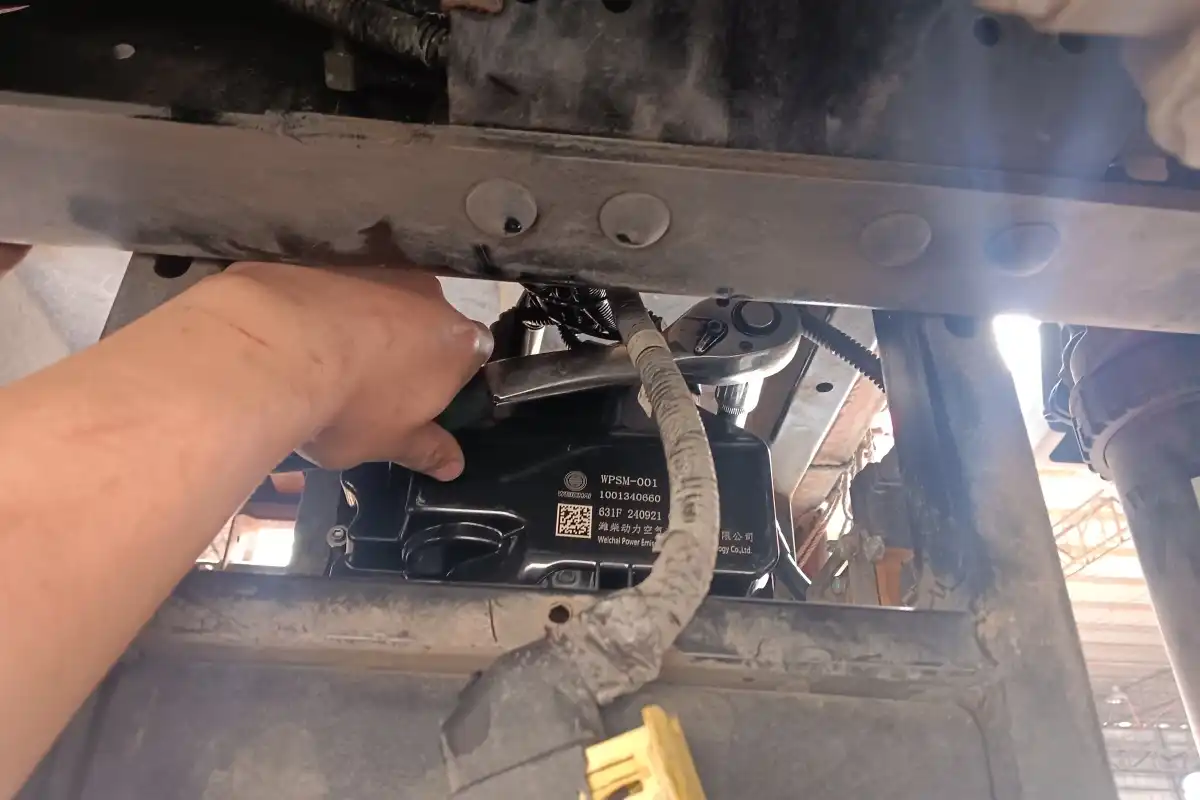
Understanding SCR Urea Pressure Sensors: Functions & Technical Overview
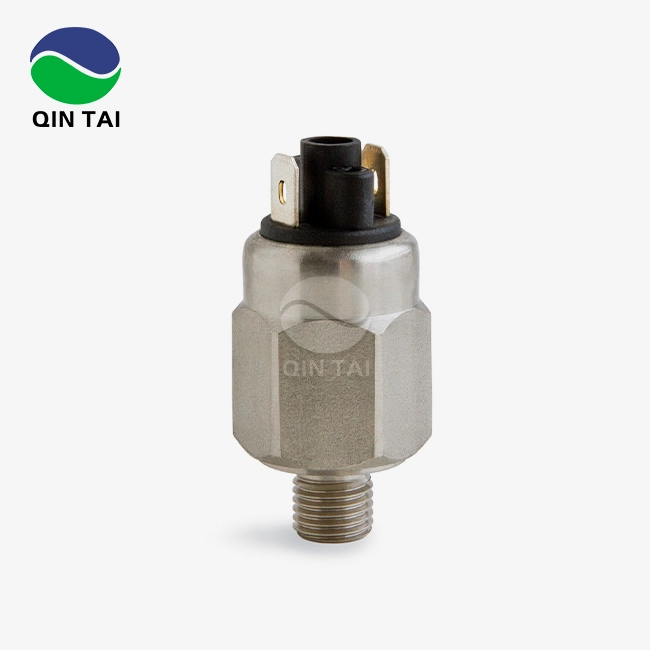
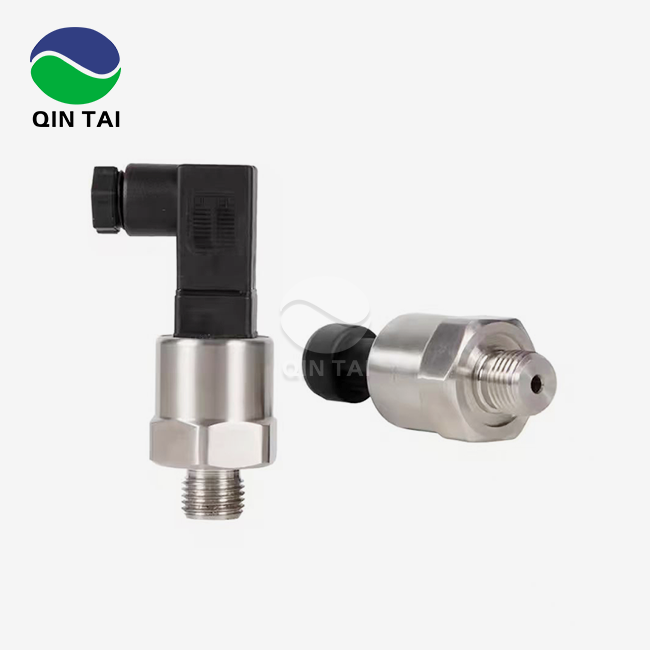
What Is an SCR Urea Pressure Sensor?
Some other names for this sensor are AdBlue pressure sensor, urea dose pressure sensor, and SCR urea pressure sensor. It is a key part of Selective Catalytic Reduction systems. The hydraulic pressure of the urea solution is checked by this unique part as it goes from the pump along the delivery line to the injection tip. The sensor always tells the SCR control unit how much pressure there is. So, the system can change how much DEF flows based on how much the engine is being used and how hot the exhaust is. If the pressure isn't checked properly, the device can't send the exact amount of fluid needed to turn nitrogen fumes into safe nitrogen and water vapor.
Core Functions and Operational Principles
This sensor is responsible for a lot more than just measuring. Through closed-loop input, it makes sure that the right amount of urea is given. This lets the control module fix any mistakes right away. When the pressure drops, the sensor knows that there are leaks, blockages, or air going into the system. People who work there will know about small issues before they get worse. It also finds cases where there is too much pressure because AdBlue has frozen or valves aren't working right. This keeps sensitive injectors from getting hurt. The device constantly checks to find issues with injectors and pumps that aren't working as well. This makes it easier for service managers to fix the problems.
Technical Specifications That Matter
There are a lot of technical things you should look at when deciding how well a sensor works. Most pressure ranges are between 0 and 10 bar, which is enough for diesel engines that are used in boats, business cars, and construction equipment. One important thing that shows how effective a system is is its response time. If the sensors are good, they should be able to send information in milliseconds, so that changes can be made quickly when the engine conditions change. Especially when it comes to temperature changes between -40°F and 185°F, shaking stress, and exhaust conditions that are bad for it, the weather resistance of a sensor determines how long it will last. Standard SCR designs make sure that everything works well together. This makes installation faster and cuts down on downtime when repairs or changes are being made.
Troubleshooting, Maintenance & Calibration of SCR Urea Pressure Sensors
Recognizing Common Failure Symptoms
Sensor problems are very clear signs of danger that need to be fixed right away. This happens a lot when the SCR urea pressure sensor doesn't send correct pressure numbers on the dashboard. These codes are linked to problems with the DEF system. If adding more DEF doesn't change how well it cleans up pollution, it could mean that the setting is off or that the sensors inside are broken. If you don't get the right pressure data, the engine might not run right, make less power, and slow down without notice. These signs can help repair teams figure out what's wrong before it gets out of hand or hurts the engine.
Practical Testing and Diagnostic Procedures
To check the data from sensors, you need to use certain tools and methods for fixing. A voltmeter can be used to check if the electricity is still flowing and to compare the sensor's voltage or current output to the manufacturer's specifications. When you compare live data readings from the engine control unit to real pressure readings from outside pressure gauges, you can see that there are problems with the calibration. As part of practical tests, the sensor's response is watched as the pump turns on and off several times to make sure the device correctly records changes in pressure during the dosing process. If there are problems with the sensors, these steps can help you tell them apart from problems with the pumps, injectors, or feed lines that are linked to them.
Installation Best Practices and Calibration Methods
It's important to place sensors properly so that they always work. To keep the mounting surfaces clean and free of dirt and to avoid stress cracks or seal damage, it is important to carefully follow the torque specs. To make sure electrical links work with regular engine vibrations, they need to be properly connected and have the right amount of pressure release. You can check the standard pressure to adjust something by hand, or you can use troubleshooting software that is connected to the car's onboard computer to have things done for you.
It's better and more constant to use automated testing, especially when working with groups that need all of their units to have the same sensor performance. Part of preventive maintenance plans should be regular checks of the wire lines, the soundness of the connectors, and the security of the mounting. When these checks are done, they should take into account things like road salt rust or changes in temperature that make parts wear out faster.
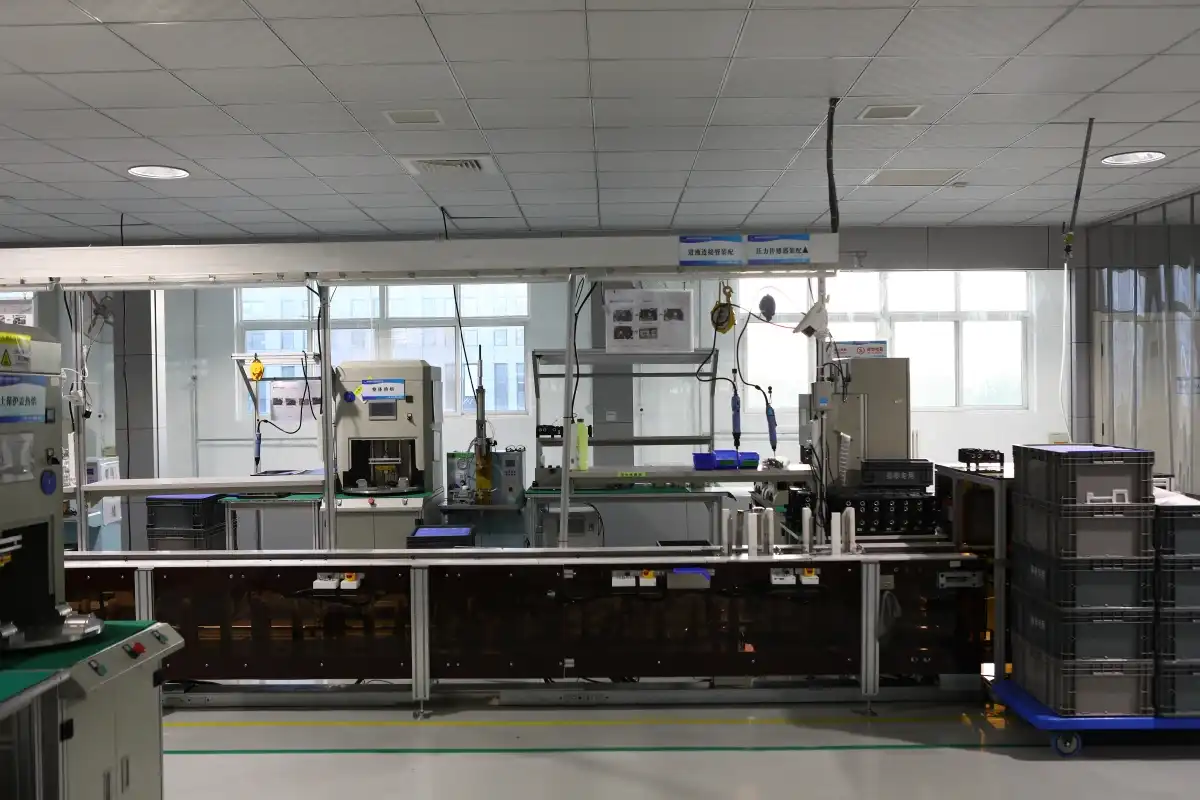
How to Choose the Right SCR Urea Pressure Sensor for Your Fleet or Production Line
Evaluating Technical and Operational Criteria
Many things that are specific to your job needs need to be carefully thought through in order to choose the right SCR urea pressure sensor. The sensor specs depend on the type of vehicle. For example, parts for heavy-duty cars that carry a lot of weight need to be better than parts for light business vehicles. The amount of use determines how long something should last, and teams that drive a lot of miles can benefit from sensor designs that are made to last longer between service times. It is important to make sure that the sensors are accurate enough to meet the emission standards set by the Environmental Protection Agency in North America or similar regulatory bodies around the world. This is because compliance rules vary from place to place.
Understanding Device Distinctions Within Emission Systems
Some other devices that do similar things are NOx sensors, DEF level sensors, and DEF quality sensors. The SCR urea pressure sensor is very different from these. In emission control systems, each of these parts does a certain job. Sensors for DEF levels monitor the level of fluid in storage tanks and notify users when supplies are running low. DEF quality sensors check the amount of pollution and concentration in fluids to protect the system from solutions that are too weak or broken down. Before and after the catalytic converter, NOx sensors measure the amount of nitrogen oxide in the exhaust streams to make sure the converter works well. These devices work together, but if you get their functions mixed up when you're shopping, you might order the wrong parts, which can make repairs take longer.
Comparing OEM and Aftermarket Options
Original Equipment Manufacturer (OEM) sensors say they will work with other devices and always do their job. To do this, they put them through a lot of tests and make sure they work with a certain vehicle. OEM parts usually cost more, but they come with a full warranty and expert help from dealerships that are authorized to sell them. Aftermarket parts can save you money when replacing a large fleet of vehicles, but quality varies a great deal from one maker to the next. Good aftermarket brands spend money on reverse engineering and proof testing to make sure their sensors meet or go beyond what the OEM needs. When comparing short-term costs to long-term dependability and help availability, it's important to think about things like price ranges, warranty terms, and the advantages of buying in bulk.
Procurement Insights: Where and How to Buy SCR Urea Pressure Sensors
Identifying Trustworthy Suppliers and Distribution Channels
In order to buy the SCR urea pressure sensor, you need to know about the different kinds of suppliers and what they can do for you. Only authorized sellers can get original parts from the original equipment manufacturers (OEMs). These parts come with full warranties and lots of paperwork. When buyers from different teams buy from wholesalers, they can choose from a wider range of goods at better prices. You can easily compare prices and buy things from online markets, but you need to be very careful to make sure the seller is real and the goods are real. It is best for businesses to buy directly from manufacturers when they need custom solutions or long-term supply deals with guaranteed access to inventory.
Understanding Pricing Structures and Negotiation Strategies
Price openness varies between sellers and is based on things like the number of orders, delivery times, and payment terms. Buyers can figure out what a product is really worth and spot fakes that are being sold for very little money if they know what the market's pricing standards are. The total cost of ownership goes down when you negotiate for bulk sales. You can often get huge discounts, longer payment terms, and faster shipping. It's important to read the warranty terms carefully, especially the parts that explain how replacements work and how long the warranty lasts. It's also important to know what could void the warranty, such as installing it wrong or making changes without permission.
Streamlining Ordering Workflows and Logistics
The procurement process should be easy to understand, and there should be strong support for transportation. It's faster to buy from the same seller again after setting up an account because you can use credit terms that have already been approved and the paperwork is easier. When broken sensors mean that a car won't run on time or that rules have to be followed, fast shipping options become very important. People make decisions based on how quickly a supplier answers technical questions. This is because being able to talk to knowledgeable support staff helps solve problems with installation and compatibility. Long-term value is created by working with providers who communicate clearly, fill orders correctly, and solve problems before they happen. This value goes beyond individual deals.

SENSOR+TEST, June 9 – 11, 2026
We look forward to your visit,warmly welcome to our booth 1-526!
Get your free ticket online now:
https://www.sensor-test.de/service/ticket/?52790
Future Trends and Innovations in SCR Urea Pressure Sensors
Emerging Technologies Enhancing Sensor Capabilities
As new technologies come out, the market for the SCR urea pressure sensor always changes to make them better and more useful. When sensors are connected to IoT platforms, their performance can be tracked from afar. This way, fleet managers can see trends in pressure across all of their vehicles on a single screen. Cloud-based analytics systems look for strange patterns that show mistakes are about to happen before they do. Telemetry apps send troubleshooting data in real time to these systems.
Micro-Electro-Mechanical Systems (MEMS) designs are used in new sensor technologies to reduce the size of parts while improving the accuracy of measurements and adjusting for temperature. Researchers working on hydrogel biosensors are looking into materials that have enzymes built into them and can swell up when pressure is put on them. This could lead to detectors that are very sensitive and can be used in the next generation of emission systems.
Regulatory Influences Shaping Market Development
The sensors that are needed and how the supply chain works change a lot when environmental laws change. More and more strict emission standards are being put in place in North America and Europe. This means that sensors need to have better diagnostic tools and higher accuracy limits. Manufacturers have to change how they make their products because of regulations that require longer warranty coverage on emission-related parts. This means that long-term durability is more important than initial cost. To keep their safety certifications and stay competitive in global markets, OEMs and aftermarket providers need to spend money on research and development to get ready for these standards to change.
Strategic Recommendations for Procurement Teams
To get ready for future sensor needs, we need to use data-driven repair methods that use predictive analytics and condition tracking. By setting up tracking systems that work from afar, you can see how healthy all of your sensors are across your fleets. This makes it easier to plan repairs and keep track of your supplies. If procurement teams know about upcoming changes to regulations, they can plan to upgrade parts ahead of time instead of rushing to meet compliance goals. When you work with creative sellers who care about technological progress, you can get access to cutting-edge solutions as soon as they are ready to be used in the real world.
Conclusion
It is the SCR urea pressure sensor that controls diesel pollution and has a direct impact on how well the system works, how long it lasts, and how well it follows the rules. To get the most out of their systems and keep the total cost of ownership as low as possible, fleet managers and engineers should learn the technical basics of how sensors work, follow strict repair procedures, and buy things that will last. Because emission rules are getting stricter and sensor technology is getting better, it's important to keep up with industry trends to stay useful and protect the environment.
FAQ
How Often Should I Calibrate My SCR Urea Pressure Sensor?
How the equipment is used and what the manufacturer says affect how long it takes to calibrate. In most cases, checks are done once a year. However, teams that are used a lot get checks more often. For sensors to stay accurate, they may need to be calibrated every three months if they are used in places that get very hot or cold or where DEF is dirty.
What Causes Most Sensor Failures?
Things often break when water gets into electrical connectors and rusts them, when the wrong amount of force is used during installation and the internal diaphragm breaks down after being exposed to crystallized urea deposits for a long time. Changes in temperature and sound stress are two other things that can make performance slowly get worse over time.
Are All SCR Urea Pressure Sensors Compatible With My DEF Tank?
It depends on the rules for the electrical interface, the pressure range, and how the devices are mounted physically for them to work together. Part numbers should match up with car repair guides to make sure they fit correctly. Technical support teams can help you figure out problems with extra features or apps that work on multiple platforms.
Partner With Qintai for Reliable SCR Urea Pressure Sensor Solutions
The company Qintai is a good one that makes and sells SCR urea pressure sensors. They make high-quality parts that are used in tough industrial and auto settings. A lot of tests are done on our sensors to make sure they measure correctly, can handle rough conditions, and work well with many different types of SCR systems. Because we know how important it is to keep your pollution in check and protect your fleet investment, we can track pressure accurately. Our expert staff can help you with running a business truck, building a fleet of tools, or setting up marine diesel engines. They can give you advice that is made just for you.
Email our experts at info@qt-sensor.com to talk about what you want to buy, get technical information, or look into unique ways to make big sales. When you go to qt-sensor.com, you can see all of our goods and get specific information that will help you decide what to buy. With low prices, a full warranty, and quick customer service, Qintai gives your operations the quality and reliability they need.
References
1. Anderson, M. J., & Roberts, K. L. (2021). Advanced Emission Control Technologies for Heavy-Duty Diesel Engines. Automotive Engineering Press.
2. Chen, W., & Thompson, R. D. (2020). Pressure Sensing Systems in Modern Automotive Applications. Journal of Sensor Technology, 45(3), 287-302.
3. European Commission. (2022). Regulation EU 2022/1234 on Type-Approval of Heavy-Duty Vehicles with Respect to Emissions. Official Journal of the European Union.
4. Martinez, S., & Patel, A. (2023). Predictive Maintenance Strategies for SCR System Components. Fleet Management Quarterly, 18(2), 45-59.
5. United States Environmental Protection Agency. (2021). Heavy-Duty Diesel Engine Emission Standards: Compliance and Testing Procedures. EPA Publication 420-R-21-003.
6. Zhang, L., Kumar, R., & Williams, J. (2022). MEMS-Based Pressure Sensors for Automotive Fluid Monitoring Systems. Sensors and Actuators A: Physical, 334, 113-128.
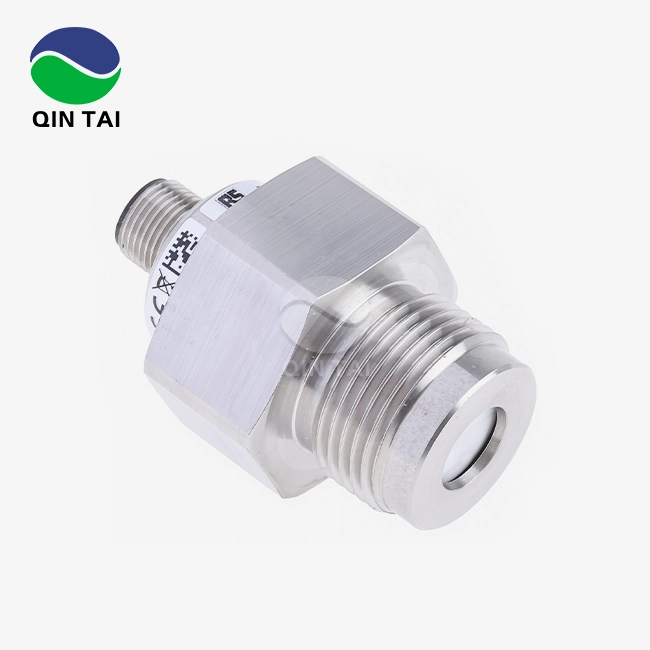
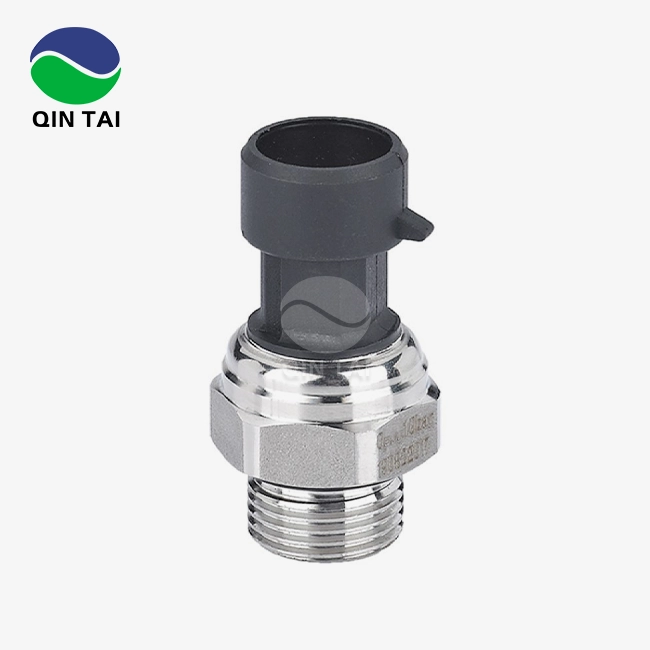

Our customers’ satisfaction speaks for our quality — contact us to experience the same reliable service.