- English
- French
- German
- Portuguese
- Spanish
- Russian
- Japanese
- Korean
- Arabic
- Greek
- German
- Turkish
- Italian
- Danish
- Romanian
- Indonesian
- Czech
- Afrikaans
- Swedish
- Polish
- Basque
- Catalan
- Esperanto
- Hindi
- Lao
- Albanian
- Amharic
- Armenian
- Azerbaijani
- Belarusian
- Bengali
- Bosnian
- Bulgarian
- Cebuano
- Chichewa
- Corsican
- Croatian
- Dutch
- Estonian
- Filipino
- Finnish
- Frisian
- Galician
- Georgian
- Gujarati
- Haitian
- Hausa
- Hawaiian
- Hebrew
- Hmong
- Hungarian
- Icelandic
- Igbo
- Javanese
- Kannada
- Kazakh
- Khmer
- Kurdish
- Kyrgyz
- Latin
- Latvian
- Lithuanian
- Luxembou..
- Macedonian
- Malagasy
- Malay
- Malayalam
- Maltese
- Maori
- Marathi
- Mongolian
- Burmese
- Nepali
- Norwegian
- Pashto
- Persian
- Punjabi
- Serbian
- Sesotho
- Sinhala
- Slovak
- Slovenian
- Somali
- Samoan
- Scots Gaelic
- Shona
- Sindhi
- Sundanese
- Swahili
- Tajik
- Tamil
- Telugu
- Thai
- Ukrainian
- Urdu
- Uzbek
- Vietnamese
- Welsh
- Xhosa
- Yiddish
- Yoruba
- Zulu
Installation Tips for Urea Pressure Sensors
It is very important to install a urea pressure sensor correctly if you want your SCR system to work well and meet strict emission standards like China VI and Euro VI. These sensors check the pressure of the urea solution (AdBlue or DEF) in the dosing system and send real-time feedback to the control unit to make sure the injector nozzle gets the right amount of urea. Putting in NOx reduction systems the right way will protect your investment, cut down on downtime, and keep your big trucks, construction equipment, farm equipment, and generator sets going well. It makes a big difference in how stable the system is, how well it meets rules, and how well it works in the long run where these sensors are put.
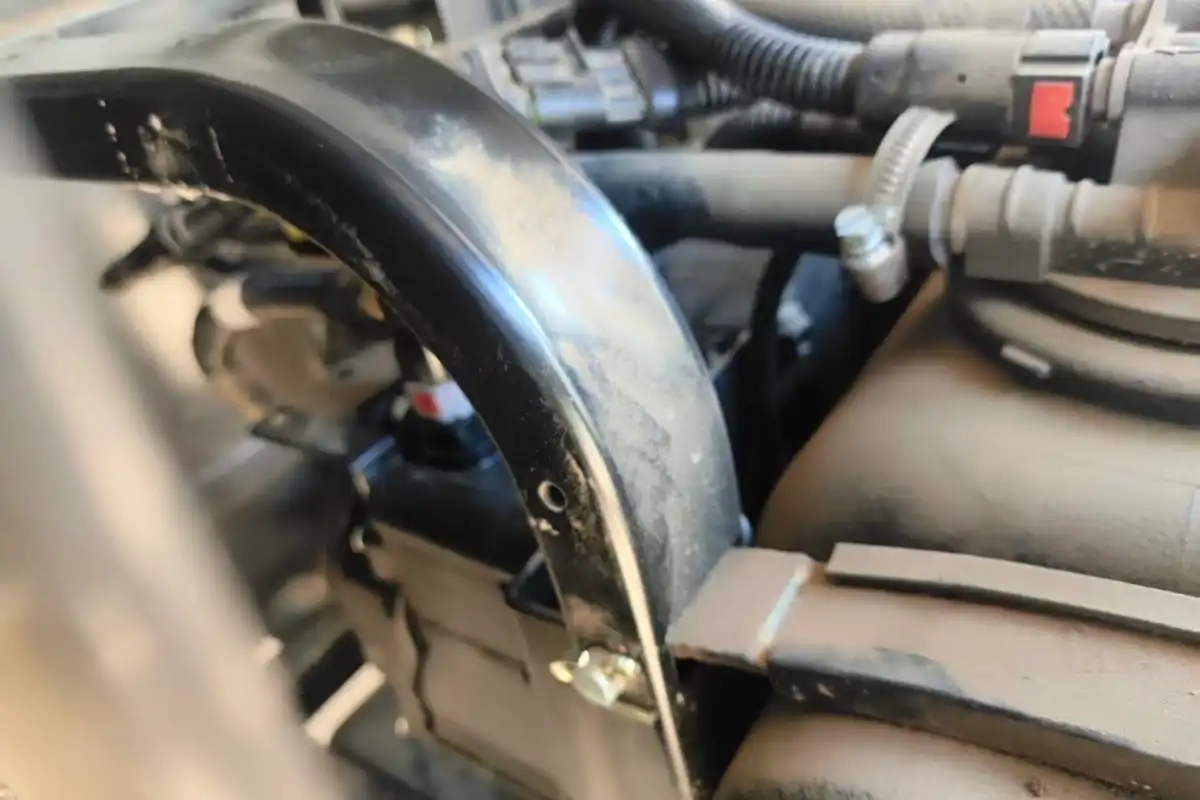
Introducing Urea Pressure Sensors Before Installation
Before you start putting these sensors in, you should know what they do and why they are important. It is impossible for the SCR aftertreatment system to do its job without urea pressure sensor. This system lowers the harmful nitrogen oxide fumes from diesel engines. They keep an eye on the pressure between the dose pump and the injection. This helps the computer control unit make sure that the urea level is right. The efficiency of this process makes sure that NOx is changed as quickly and efficiently as possible into nitrogen and water gas, which is in line with environmental laws.
Operating Principles and Key Specifications
Most urea pressure sensor use piezoresistive or capacitive technology to find changes in pressure. Because of the pressure being put on it, the sensor diaphragm changes form as the urea solution moves through the system. This change in the real world is turned into a symbol that the control unit can understand made of electricity. It's possible for this data to be either a physical voltage or a digital output.
The precision (±2% or better), the working temperature range (-40°C to +125°C), and the response time are some of the most important features. The pressure range is typically 0–10 bar. You can better match the sensor to your needs if you know these things, whether you're working with a heavy-duty truck engine or a standing generator set.
Applications Across Industries
There are lots of ways to use these sensors. That is why they keep the engines of big cars and construction tools up to code so they can be used on public roads. Agricultural equipment needs sensors that are reliable and can work in places with a lot of dust and shaking. For generator sets in mines, power plants, and other places where power isn't always available, sensors need to be very strong and stable over time.
People who work on aftertreatment systems need sensors that can connect to a variety of SCR systems and have interfaces that can be changed to fit those systems. Outside factors, rising limits, and the need to connect systems must all be carefully thought through for each application.
Impact on System Efficiency and Compliance
Which sensors are accurate has a direct link to how well a system works. There could be too much or too little urea if the sensor doesn't work right. This could lead to problems with NOx conversion, crystals buildup, or ammonia slip. It's harder to meet pollution standards because of these issues. They also make maintenance more expensive and parts wear out faster. For example, in the US, the EPA and other governmental bodies keep strict limits on emissions. If you want to stay out of trouble and get into the market, you need sensors that you can count on. If you know what the sensor does, you can help your team make choices that will help them work faster and follow the rules.
Pre-Installation Checklist: Preparing for Success
Setting up something depends on how well it's planned. There are fewer mistakes and more work to do when you have a detailed plan before you put the sensor. It also makes sure that the urea pressure sensor works fine with your SCR system.
Selecting the Appropriate Sensor Type
Sensors come in many different varieties. Level sensors and NOx sensors work and are made in different ways than urea pressure sensor. NOx sensors check the waste gas for different chemicals and level sensors check the tank to see how much urea is there. Pressure sensors pay close attention to how the fluid in the dosing system is moving. When it comes to pressure sensors, there are both analog and digital types.
In equipment with regular control units, analog sensors send a steady voltage signal that is linked to pressure. When digital sensors work with new ECUs, they use standards like CAN or LIN to offer better troubleshooting. Which one you choose will depend on how the control system is built, what troubleshooting tools you need, and how well it works with other parts you already have.
Recommended Brands and Procurement Considerations
A lot of people know the brands Bosch, Denso, Continental, and Siemens. These names have been used for a long time in both cars and factories. It's true that specialized manufacturers like Qintai are better than their rivals, but only because they do their own research and development, make goods to order, and have strong relationships with original equipment manufacturers (OEMs).
There are different types of certifications that should be looked at when choosing a provider. These include ISO9001, IATF16949, CE, and RoHS. Managers of purchasing should find a balance between quality assurance and cost control, especially when they need to find products for mass production. In the long run, the risk is lower because authorized sellers offer better warranties and expert help than alternative stores.
Verifying Compatibility with System Requirements
By making sure everything works together, you can avoid mistakes that cost a lot of money. Check to see if the pressure range of the sensor fits with how your system works. For instance, most SCR systems in cars work between 5 and 10 bar, but they might not work the same way in an industrial setting. The plugs you use must be the right kind for your wire connection.
The most common ones are Deutsch, AMP, and Bosch EV6. These grades (IP67 or IP69K) tell you how well the sensor can handle water, dust, and high-pressure cleaning. If you work in a very cold or very hot place, the temperature rates should be different. This is to make sure that the sensor works with your control unit. Look at its source voltage, output signal type, and current usage.
Tools and Safety Equipment
Before you begin, make sure you have all the things you need. To connect the hardware, you will need socket or wrenches of the right size, wire strippers, connecting tools, and multimeters to check the electricity. Make sure the torque wrenches are set up according to the manufacturer's directions. With seals or O-rings made just for urea, you can stop leaks and pollution. Wearing safety glasses, gloves that can handle chemicals, and making sure there is enough air flow in a small space are all parts of safety gear. Things go faster when you have everything you need on hand. It also shows clients and other important people that you are a professional.
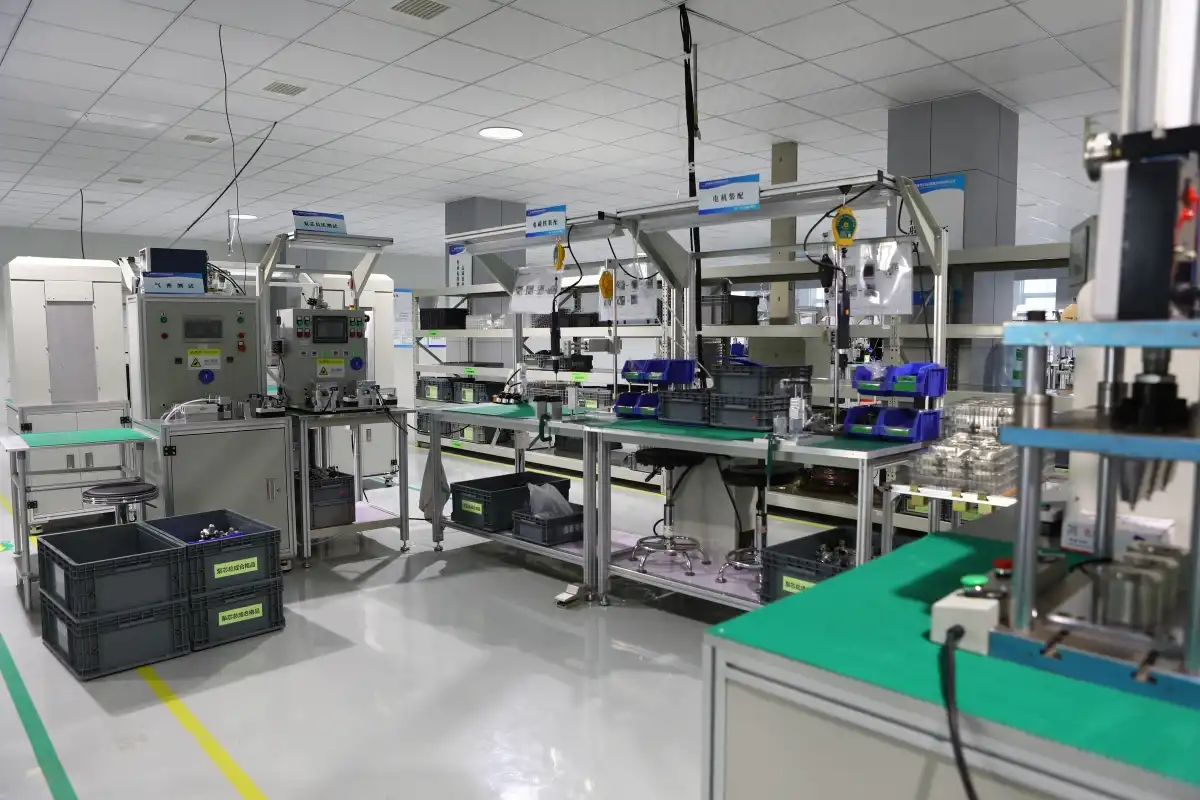
Installation Step-by-Step Guide for Urea Pressure Sensors
Urea pressure sensor will last a long time and perform properly if you put them in the right place. Damage and problems with how things work are less likely to happen when you use a methodical approach.
Selecting the Ideal Mounting Location
It's very important where you are. Avoid shaking, heat, and dirt as much as possible around the sensor while still putting it in a place that shows the right pressure at the injector. In most cases, sensors are put in the line that goes from the injection to the dose pump. Though they are close, they are still far enough away to escape direct spray or too much commotion. Do not put near parts of the engine that give off too much heat or electricity. Because of where the sensor is placed, air gaps shouldn't be able to form, which can cause numbers to be off. When picking a spot to put it, think about how easy it will be to fix things and check them in the future.
Mounting and Sealing Procedures
Make sure the fixing area is very clean before you put it together. If the seal is broken by dirt, old glue, or rust, leaks can happen. Even though there are different thread sizes, M12x1.5 and M14x1.5 are often used in cars. Use a thread sealer that can handle urea. Keep things that are made from oil away from AdBlue because they can break down. Hold the sensor in place against the fixing surface by hand until it fits. Then, use a torque wrench to get the torque that the tool's maker says you should have. This is generally between 20 and 30 Nm. It's possible to damage the body or threads if you turn the sensor too hard. If you don't fix it enough, info could leak out and be wrong.
Wiring and Electrical Connections
When connecting electrical things, you need to be very careful and precise. Read the instructions to learn how to set up the sensor's pins. Most of the time, the data output, ground, and power source are all close to each other. In this case, use insulated loom or tubes to keep the wires away from sources of heat and moving parts.
When you strip the ends of wires, be careful not to damage the leads. Also, make sure you crimp the connections correctly to make sure they are strong. Make sure the orientation is correct before connecting to the control unit. Damage can happen to electronics that are sensitive to polarity being switched. To keep water out of joints, protective boots or caulk should be used. This is especially important for uses that happen outside or in places with a lot of humidity.
Post-Installation Calibration and Testing
Calibration is the process of making sure that the sensor is accurate after it has been placed. A lot of systems today adjust themselves through the ECU, but it's safer to check it by hand. Test tools should be used to keep an eye on the output of the sensors as the dosing pump is moved through its working range. Refer to known sensors or pressure numbers to make sure the results are correct.
Keep an eye out for signs that don't go up or down quickly. See if there are any error codes or warning lights that show the contact or number is wrong or too high or too low. You can use the standard numbers to fix things over and over again. During this part of testing, bugs in the software are found before they have an effect on how the system works or whether it meets standards.
Troubleshooting and Maintenance Tips Post Installation
Even urea pressure sensor that were put in the right place need to be serviced regularly so they keep working well. Setting up a repair plan and being aware of early warning signs can help you escape major system breakdowns.
Common Signs of Sensor Malfunction
There may be signs that something is wrong with the sensors. It's possible for electrical interference, bad connections, or worn-out sensors to cause the pressure numbers to change even though the pump is still working the same. Some SCR system problem codes have to do with urea dosing, injector operation, or emission levels. Often, these codes are caused by issues with the pressure sensor. The seal has broken if you can see leaks around where the sensor is put in place. If the pressure input is wrong, the dose could be wrong, which could cause the engine to run poorly, use more DEF, or fail pollution tests. You can keep injectors, pumps, and catalytic parts from breaking down again if you take care of these signs right away.
Maintenance Routines and Cleaning Procedures
Sensors last longer and function more reliably with regular maintenance. Check the sensor and the lines that connect it every three months, or more often if you live in a harsh area. You should look for any damage, rust, or dirt on the sensor body and link. When you clean the outside of things, don't use strong chemicals that can damage seals or covers. Instead, use mild soap and water. Check to see if the electrical links are still strong and have no rust on them. Put dielectric grease on the pins that join if the maker tells you to. Keep an eye on how the medical data changes as time goes on. Any small changes in a sensor's output could mean that it is moving or wearing out. This lets you know that it needs to be calibrated or changed before it breaks.
When to Replace or Upgrade Sensors
The time of replacement strikes a balance between being cost-effective and reliable. When sensors are used in difficult conditions, get dirty, or are put under a lot of mechanical stress, they may need to be changed every 3 to 5 years or after a certain number of hours. It's possible to make things better as technology gets better. For instance, adding new sensors that are more accurate, respond faster, or allow for better tracking can help a system work better and be easier to keep up.
As you look to repair or improve equipment or emission systems, you should see if changing the sensors makes the system more reliable and in line with the rules. You can figure out if it's cheaper to replace something or fix it when you work with skilled sellers. You can do this by looking at things like insurance, expert help, and the supply chain's ability to stay full.

SENSOR+TEST, June 9 – 11, 2026
We look forward to your visit,warmly welcome to our booth 1-526!
Get your free ticket online now:
https://www.sensor-test.de/service/ticket/?52790
Selecting and Sourcing Urea Pressure Sensors: What B2B Buyers Need to Know
You can get high-quality urea pressure sensor that meet your technology needs while keeping costs low and supply chain risk under control if you know how to buy things the right way.
Key Factors Influencing Sensor Selection
The choice of sensors is affected by several things. How accurate you need to be depends on how much pollution you want to reduce and the rules that apply. Like, you need to be accurate to at least ±2% to meet China VI and Euro VI compliance guidelines. You should think about how well it can handle shocks, changes in temperature, and chemical touch from urea formation when you think about how long it will last. There's more to compatibility than just being able to put something down.
It also includes electricity connections, ways to talk, and the ability to work with present control systems. Price is still important, but the total cost of ownership, which includes warranty, professional support, and the number of times the product breaks, gives a more complete view. You can tell how reliable and quick to respond the supplier is by looking at their name and how long they've been in business with you.
Comparative Overview of Leading Manufacturers
Delphi and Valeo are big car companies that can reach users all over the world and have a lot of technical resources. This makes them good for OEM projects that need to be done in large parts. Industrial experts like WIKA have strong choices that are made for stable and heavy-duty use. Qintai is China's largest supplier of SCR parts and a key partner to Weichai Power, Yuchai Power, and Quanchai Power.
They offer low prices, quality that has been guaranteed by OEMs, and the flexibility to make changes to fit customers' needs. Their 58 invention patents and many other awards show that they are very good at technology and really want to come up with new ideas. When you compare these options, you should check their technical specs, shipping times, customization options, and customer service to make sure they fit your needs and business plan.
Procurement Strategies for Bulk and OEM Purchases
When making a big purchase, you need to plan ahead. Agreements to buy in bulk often mean better prices, but they also increase the risk of stock and the need for cash. It's important to make sure that things like performance goals, quality standards, testing methods, and acceptance processes are clear from the start of the talks. Long-term supply deals protect both price and volume, which is very helpful when the market is unstable. Look for OEM partnerships with businesses that offer design teamwork, unique engineering, and the chance to work together to make solutions that work well with each other. These agreements help you find the sensors that are best for your needs and make sure you can get supplies and help from experts for as long as the product lasts.
Navigating Certification and Quality Assurance
When something is certified, a third party says it is safe and of good quality. Some simple quality control methods are shown in ISO9001, and the needs of the car supply chain are talked about in IATF16949. Certifications like CE (Europe), UL (North America), and CCC (China) make it easy to get into markets. The REACH and RoHS rules about products and the climate are becoming more and more important for trade around the world.
As you look at different providers, make sure that the licensing information they give you is up-to-date and covers what you need. There's more to quality assurance than just diplomas. It also has rules for the production process, ways to keep track of products, and the ability to look at things as they come in. If you can, going to a supplier's factory for an audit can tell you things about their manufacturing skills and quality culture that a paper license can't.
Conclusion
To have a good installation, you need to know how the urea pressure sensor works, do a lot of prep work, use the right placing method, and commit to regular maintenance. These sensors are very important for the pollution control system to work well. You can tell by them how well the system works, how well it follows the rules, and how much it costs to keep up. You can protect your investment and make sure it works consistently in many scenarios by installing it in a structured way, making sure it's compatible, and setting up regular maintenance times. Your machine will be able to meet stricter emission standards for a long time while still running at its best if you buy high-quality sensors from trusted sellers and put them in the right place.
FAQ
What causes urea pressure sensors to fail prematurely?
Urea pressure sensor typically fail too soon due to contamination, poor fit, or external stress. It can be hard to move the sensor diaphragm if there are urea crystals around it. This can cause the wrong readings. When putting something together, if you tighten it too much, you can damage the inside, and if you tighten it too little, leaks and dirt can get in. Mechanical parts wear out faster when they are vibrated too much and don't have the right dampers. Power spikes or water getting into the electronics can mess up sensors and make them less accurate.
How often should urea pressure sensors be calibrated?
How often you need to adjust depends on how important the job is and what the rules are. Most car software immediately calibrate through the ECU when the car is running normally. Only when fixing a problem or changing a part does human proof need to be done. Calibrating tools used in harsh environments once a year is a good way to make sure they are correct and find drift. Generator sets and other fixed equipment should have their sensors checked as part of regular maintenance, which should happen about every 1000 to 2000 hours of use.
Can I interchange urea pressure sensors between different brands?
How easily the parts can be switched out depends on how well they work together mechanically and electrically. It is very important that the thread specs, physical measures, and types of connections all match up correctly. The electrical needs, like the source power, output signal type, and ways to connect, must match those of the control unit. Even if the sensor fits right, error codes or wrong doses could happen because of how the testing and repair tools are made by different companies.
Partner with Qintai for Reliable Urea Pressure Sensor Solutions
It is called Qintai Automotive Emission Technology Co., Ltd. Ltd is a dependable source for urea pressure sensor and has worked with SCR aftertreatment systems for more than twenty years. Weichai Power, Yuchai Power, and Quanchai Power all work with us and see us as their main OEM provider in China. OEMs of heavy trucks, construction equipment, and generator sets from all over the world count on our industrial-grade reliability. We make sure the quality is stable with ISO9001 and IATF16949 certifications, and our 58 idea patents show that sensor technology is always getting better.
We offer a lot of customization choices, easy-to-use OEM/ODM services, and quick expert help to make sure that your application needs are met. Around the world, we do business in over 60 places, such as South America, Europe, and the Middle East. Email our team at info@qt-sensor.com to talk about the sensors you need, get technical information, or look into ways to work together that will help you meet emission standards and make your business run more smoothly.
References
1. Society of Automotive Engineers. (2021). "SCR System Components and Performance Standards for Heavy-Duty Diesel Engines." SAE International Journal of Engines, Volume 14, Issue 3.
2. Environmental Protection Agency. (2020). "Diesel Emission Control Technology: Selective Catalytic Reduction Systems." EPA Office of Transportation and Air Quality Technical Report.
3. International Organization for Standardization. (2019). "ISO 22241: Diesel Engines - NOx Reduction Agent AUS 32 - Part 4: Refilling Interface." ISO Technical Committee 22/SC 5.
4. Bosch Automotive Technology. (2022). "Pressure Sensors for Automotive Applications: Design, Installation, and Maintenance Guidelines." Robert Bosch GmbH Technical Documentation.
5. Heavy Duty Manufacturers Association. (2021). "Best Practices for SCR System Installation and Service in Commercial Vehicles." HDMA Service and Maintenance Guidelines, Third Edition.
6. Wang, L., Zhang, H., & Chen, Y. (2023). "Advances in Sensor Technology for Diesel Engine Emission Control Systems." Journal of Automotive Engineering and Technology, Volume 12, pp. 245-267.
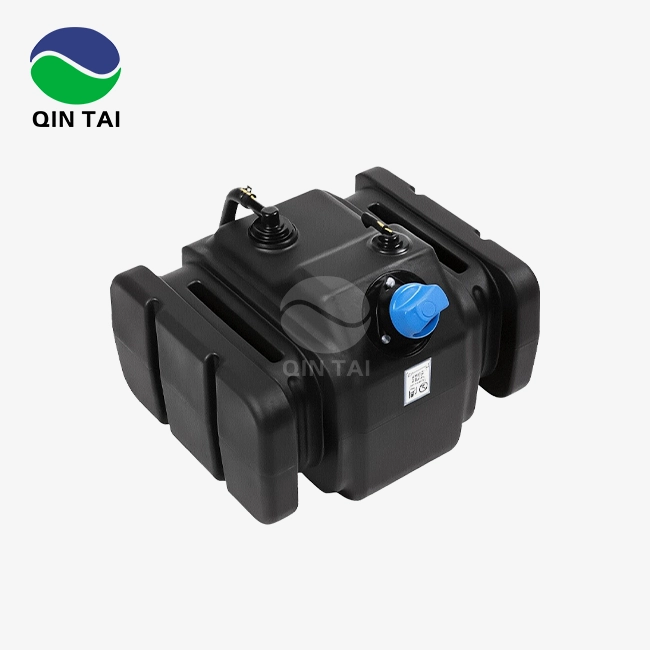
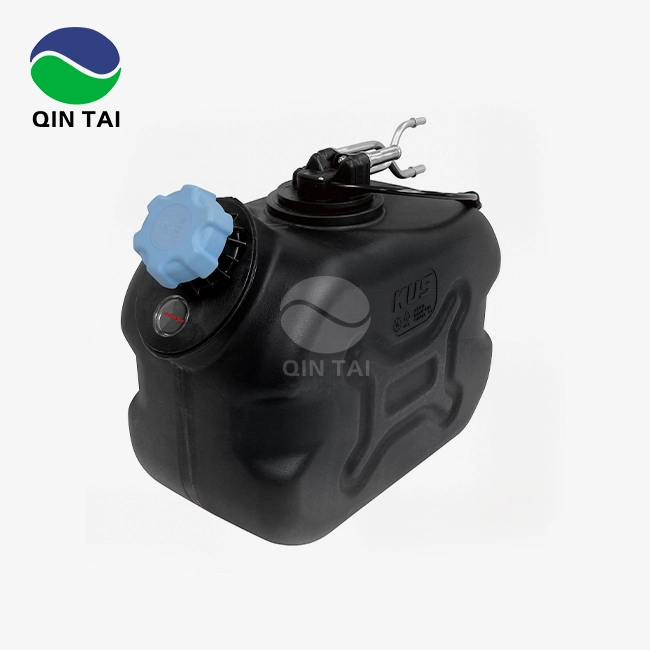
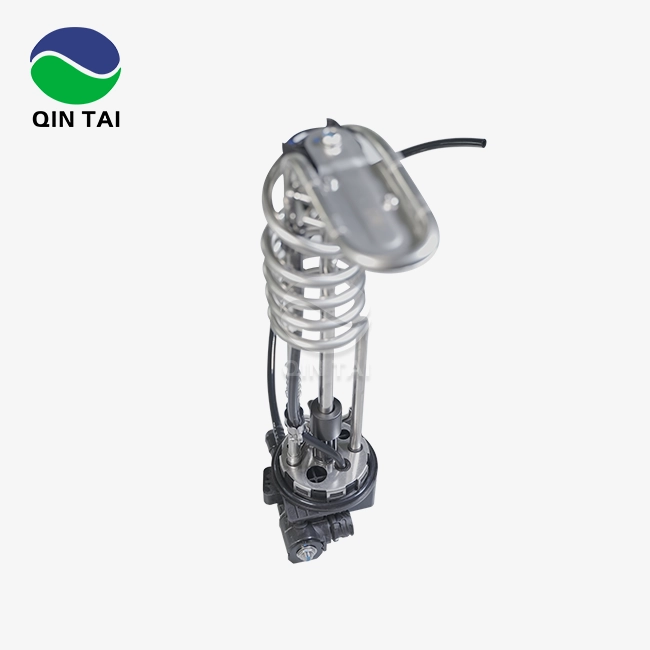
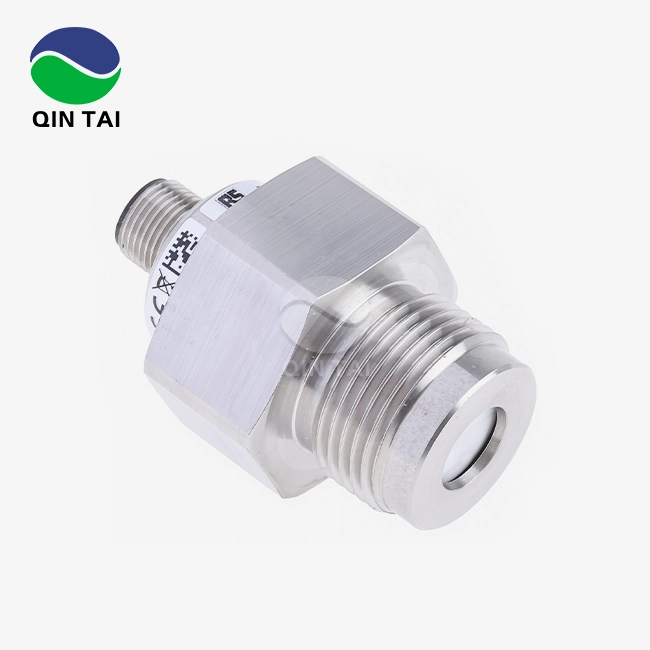

Our customers’ satisfaction speaks for our quality — contact us to experience the same reliable service.