- English
- French
- German
- Portuguese
- Spanish
- Russian
- Japanese
- Korean
- Arabic
- Greek
- German
- Turkish
- Italian
- Danish
- Romanian
- Indonesian
- Czech
- Afrikaans
- Swedish
- Polish
- Basque
- Catalan
- Esperanto
- Hindi
- Lao
- Albanian
- Amharic
- Armenian
- Azerbaijani
- Belarusian
- Bengali
- Bosnian
- Bulgarian
- Cebuano
- Chichewa
- Corsican
- Croatian
- Dutch
- Estonian
- Filipino
- Finnish
- Frisian
- Galician
- Georgian
- Gujarati
- Haitian
- Hausa
- Hawaiian
- Hebrew
- Hmong
- Hungarian
- Icelandic
- Igbo
- Javanese
- Kannada
- Kazakh
- Khmer
- Kurdish
- Kyrgyz
- Latin
- Latvian
- Lithuanian
- Luxembou..
- Macedonian
- Malagasy
- Malay
- Malayalam
- Maltese
- Maori
- Marathi
- Mongolian
- Burmese
- Nepali
- Norwegian
- Pashto
- Persian
- Punjabi
- Serbian
- Sesotho
- Sinhala
- Slovak
- Slovenian
- Somali
- Samoan
- Scots Gaelic
- Shona
- Sindhi
- Sundanese
- Swahili
- Tajik
- Tamil
- Telugu
- Thai
- Ukrainian
- Urdu
- Uzbek
- Vietnamese
- Welsh
- Xhosa
- Yiddish
- Yoruba
- Zulu
Normal operating pressure range for DEF pump
To make sure that Diesel Exhaust Fluid gets to the right places in Selective Catalytic Reduction systems, DEF pumps keep their working pressures between 3 and 20 bar. This pressure range changes depending on the type of pump, the load on the engine, and the temperature outside. An SCR pressure sensor keeps an eye on these factors all the time, giving important input that lets the urea dose be controlled in a closed loop. When pressures move outside of the allowed range, the system's efficiency goes down, which could lead to pollution violations and faster wear on parts. When buying teams know about this pressure envelope, they can choose pumps and sensors that meet both legal needs and practical realities.

Understanding the Normal Operating Pressure Range of DEF Pumps
Diesel Exhaust Fluid (DEF) pumps supply DEF at controlled levels to keep the SCR system working at its best. While the normal working range is from 3 to 20 bar, tighter limits may be needed in some situations depending on the injector's specs and how it is dosed.
Why Pressure Range Matters in SCR Systems?
Making sure the right pressure is maintained makes sure that the urea solution is properly atomized as it hits the waste stream. When the pressure drops below the minimum level, the quality of atomization goes down, which makes the droplets bigger and less likely to evaporate fully. This makes crystalline layers on the sides of the injectors and catalysts, which lowers the efficiency of the conversion and raises the backpressure. On the other hand, too much pressure can damage downstream parts, wear out seals faster, and cause pumps to break down. It has been our experience that systems that stay within the set pressure band have 15-20% longer repair intervals than systems that have frequent pressure changes.
Factors Influencing DEF Pump Operating Pressure
A number of practical factors have a direct effect on the safety of the pressure in DEF delivery systems. The temperature of the fluid has a big effect on its viscosity. When it's cold, resistance goes up, so the pump has to put out more power to keep flow rates steady. When the temperature outside drops below -11°C, DEF crystallizes, which could stop supply lines and cause dangerously high pressures. When choosing pumps for different climates, system builders need to take these thermal factors into account. The width and length of the line also affect the pressure that is needed because friction losses build up over distance. For uses where the path between the tank and the injector is longer, pumps that can produce higher standard pressures are needed.
Typical Pressure Specifications Across Applications
Most heavy-duty truck uses run at 5 to 9 bar during steady-state drive, with transient peaks hitting 12 to 15 bar during regeneration cycles. Demands for construction equipment are more varied, with pressures ranging from 4 to 18 bar based on how the equipment is loaded and how emissions are controlled. Generator sets benefit from pressure levels that are pretty stable, usually staying between 6 and 10 bar while they are running continuously. Agricultural equipment has special problems because it is exposed to dust and high temperatures. It needs strong pressure control across the whole 3–20 bar range.
SCR Pressure Sensors: Working Principles and Importance in DEF Systems
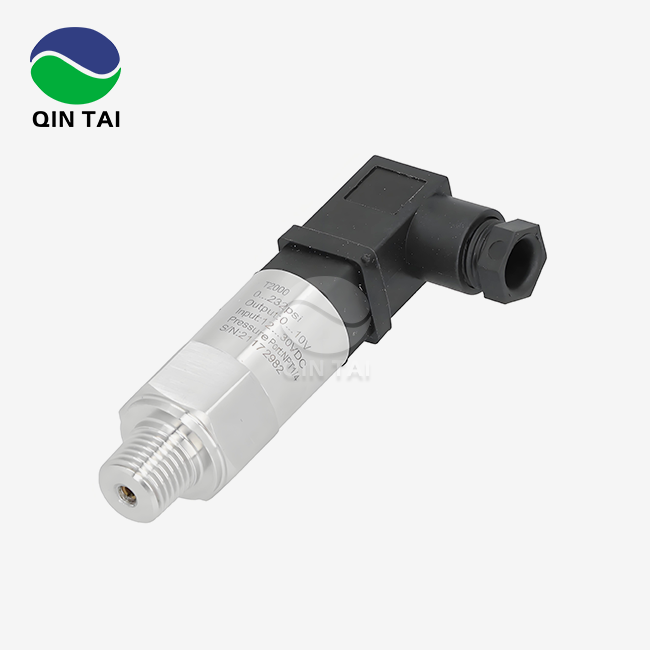
Modern DEF dosing systems depend on SCR pressure sensors for feedback, which allows for exact control and quick fault finding. These gadgets change the pressure in the air into electrical signs that engine control units can understand and use to make changes to the system right now.
How Ceramic Capacitive Pressure Sensors Function?
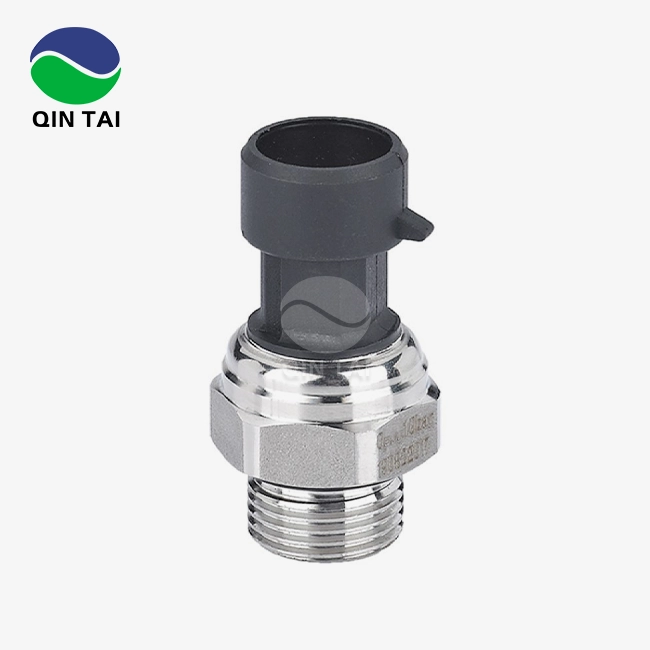
Ceramic capacitive sensors have a cushion that changes shape based on how much pressure is put on it. A set reference surface is the second electrode, and this diaphragm is the first. Together, they make a changeable capacitor. Capacitance goes up in a measurable way as pressure rises because the gap between the wires gets smaller. Through filtering circuits, this change in capacitance is turned into a voltage output that gives very accurate pressure readings. To keep the measurements stable over long periods of service, the ceramic construction works well with urea solutions and doesn't corrode. These sensors are accurate to within ±0.1% of full scale, which means they can be used in difficult emission control tasks where precise dosing affects regulatory compliance.
The Role of Urea Pressure Sensors in Closed-Loop Control
Urea dosing pressure sensors allow for complex control methods that reduce NOx as much as possible while using as little DEF as possible. The sensor gives the control unit constant feedback, which lets it change the pump speed and injection pulse width based on the real delivery pressure instead of guessing what it should be. This closed-loop method automatically accounts for wear, changes in temperature, and changes in fluid quality. Finding drops in pressure quickly finds leaks, air leaks, or clogged filters before they hurt pollution performance. Damage from frozen AdBlue or broken pressure release valves can be avoided with overpressure monitoring. Diagnostic methods use pressure data to tell the difference between a worn-out pump and a clogged injector, which helps techs make fixes quickly.
Signal Processing and Integration with Engine Control Units
Modern pressure sensors send out standard signals that can be used with control systems in cars. Across the measurement range, voltage-based outputs usually range from 0.5 to 4.5 volts. Current loop signals offer 4–20 mA for uses that need noise protection over longer wire runs. Digital methods, such as the CAN bus, make diagnostics easier by sending not only pressure values but also sensor temperatures and the state of the self-diagnosis process. Control units sample pressure data at rates higher than 100 Hz, which lets them react quickly to changing conditions. To choose the right sensor, you need to make sure that the output qualities match the input specifications of the control unit. You need to think about both the signal type and the update rate.
Comparing SCR Pressure Sensors for DEF Pump Applications
To choose the right sensors, you need to carefully look at their technical specs, how well they work in different environments, and how much they cost over their whole time. Depending on the needs of the application, each sensing technology has its own unique benefits.
Capacitive Versus Piezoelectric Technologies
Capacitive sensors are great for measuring steady and slowly changing pressure because they are very stable over time and don't move much. Because they are made of ceramic, they can work in urea conditions that are corrosive without needing protective separation diaphragms that slow down response time. Piezoelectric sensors are useful for studying injection dynamics because they respond faster to changes in pressure. However, they need special charge amplifiers and need to be re-calibrated on a regular basis. Capacitive designs are most common in production DEF uses because they are accurate, last a long time, and are inexpensive. Ceramic capacitive SCR pressure sensors can measure pressures from 1 bar to over 1,000 bar, which covers a wide range of DEF pump working windows and offers strong overload safety.
Evaluating Sensor Accuracy and Resolution
Specifications for accuracy say how much error is allowed across the measured range, and this is usually given as a fraction of full scale. A sensor with an accuracy rating of ±0.1% over a 20 bar range has mistakes of no more than ±0.02 bar, which is good enough for accurate dosing control. Resolution tells you the smallest change in pressure that the sensor can pick up, which is very important for finding trends of slow decline. High-quality car sensors can resolve 0.01 bar or better, which lets you plan repair ahead of time based on small changes in performance. Temperature coefficients show how accuracy changes across the working temperature range. High-quality sensors keep their specs from -40°C to +125°C without any adjustments.
Cost-Performance Considerations for Volume Production
When procurement managers try to balance performance with budget limits, they need to think about the total costs of ownership, which go beyond the initial purchase price. When sensors need to be re-calibrated often, the ongoing service costs quickly outweigh the savings from lower purchase costs. Reliability is an important business factor because failure rates have a direct effect on warranty claims and customer happiness.
We've found that buying sensor types that have been tested and shown to work well in the field lowers long-term costs because they don't need to be replaced as often and last longer between service visits. For OEM uses, volume rates are important. When you commit to a certain amount, you can often get 20–30% off the price while also ensuring a steady supply.
Procurement Guide: How to Buy SCR Pressure Sensors for DEF Pumps?
To find reliable sensors, you need to find sellers who have both technical know-how and quick customer service. The buying process includes more than just comparing datasheets. It also includes looking at the possibility of long-term partnerships.
Identifying Qualified Sensor Manufacturers
Manufacturers who have been around for a while show their dedication by getting widely recognized certifications. IATF16949 certification is specific to automotive quality standards, such as advanced product quality planning and production part approval processes. ISO9001 quality management systems make sure that production methods are always the same.
Explosion-proof certifications (Ex ratings) are important for sensors that are used in dangerous places, and RoHS compliance shows that the company cares about the environment when it comes to limited chemicals. Intellectual property portfolio evaluation shows how innovative a company is, as patent papers show that the company is still investing in research and development. Companies that have a lot of patents tend to have more advanced products and better expert help.
Key Specifications to Request During Sourcing
Full technical reports should have information on the pressure range, accuracy class, temperature limits, electrical output traits, reaction time, media compatibility, and environmental protection ratings. Ask for calibration certificates that are linked to national standards to show that the measurements can be tracked. Details about the mechanical link, such as the type of thread, the way it is sealed, and the style of the electrical connection, must exactly match what the system needs.
To make installation easier, find out what wire lengths are available and what unique termination choices are available. When you look at reliability data like mean time between failures (MTBF) and expected service life under certain working conditions, it can help you figure out how much maintenance will cost. Before committing to large orders, sample evaluation programs let you try SCR pressure sensors in real-world settings.
Evaluating Supplier Support Capabilities
Technical help timeliness is what sets great partners apart from good sellers. Check to see if the providers offer application engineering help during integration to help you get the best placement of sensors and signal shaping. When production plans are tight or when helping aftermarket users who can't wait for long lead times, being able to deliver quickly is important.
Inventory programs that keep a backup stock of parts make sure that they are available when demand goes up. Customization services let you make solutions that are specifically made for your needs, like changing the pressure ranges or the way the devices are mounted. After-sales help, such as managing warranties and looking into problems, shows that you care about your customers' success after the sale.
Troubleshooting and Optimizing DEF Pump Pressure Control with SCR Sensors
Effective tests use data from SCR pressure sensors to quickly find the reasons of pressure problems. Structured methods to debugging cut down on downtime and improve system stability.
Common Pressure-Related Issues and Diagnostic Approaches
Changes in pressure during steady-state operation are often a sign that air is getting into the feed line. Most of the time, the cause can be found by checking the connections at the tank pickup and pump outlet. Gradual drop in pressure under load could mean that the pump is wearing out or that there is leaking inside past the seals. Comparing the real pressure to the manufacturer's standards at known flow rates lets you figure out how much degradation there is, which helps you decide when to replace the part.
When there are sudden rises in pressure, it means that there is a blockage downstream of the pump. Crystalline or frozen DEF deposits are often to blame. Temperature connection helps tell the difference between crystallization that happens in cold weather and injection clogging. When sensors don't work right, they give numbers that don't make sense, like negative pressures or values higher than the highest pump output. By comparing pressure readings with flow rates and injector pulse sizes, you can be sure that the sensor is working correctly.
Preventive Maintenance Based on Pressure Monitoring
Condition-based repair that makes the best use of components is made possible by continuous pressure tracking. By following changes in pressure over time, you can see how performance slowly declines before it fails. Setting up standard pressure profiles for normal working modes gives you a way to look for problems.
When measured pressures don't follow the usual patterns, techs can plan preventative actions for planned repair windows instead of having to deal with breakdowns that happen out of the blue. Data logging records how pressure changes during short-lived events, giving information about how the system works that helps designers make better designs. To get a full picture of a system's health, you should record pressure along with temperature, flow rate, and dose instructions.
Emerging Technologies for Enhanced Pressure Control
Smart sensor technologies with microprocessors allow for more advanced contact and diagnosis. These gadgets can figure out what's wrong on their own, finding drift or broken parts and sending a message to repair systems before the accuracy drops too far. IoT connection lets pressure performance be tracked from afar across spread fleets, revealing structural problems affecting many units.
Predictive computers look at patterns of pressure to guess how much longer something will last, which helps decide when to replace it. Wireless sensor networks get rid of the need for expensive wire connections and make assembly easier for retrofits. In the future, pressure sensors will probably be combined with other data from the SCR system. This will create multi-parameter devices that have fewer parts but can do better diagnostics.

SENSOR+TEST, June 9 – 11, 2026
We look forward to your visit,warmly welcome to our booth 1-526!
Get your free ticket online now:
https://www.sensor-test.de/service/ticket/?52790
Conclusion
It is important to keep DEF pumps within their recommended pressure range of 3 to 20 bar in order to meet pollution standards and extend the life of the system. SCR pressure sensors give the important input that lets you control doses precisely and find problems early. To choose the right sensors, you have to weigh scientific factors like accuracy, resistance to weather damage, and cost against the needs of the application. To be successful at procurement, you need to work with qualified manufacturers who offer certified goods, the ability to customize them, and quick expert help. Pressure data can be used for quick diagnosis of problems like air leaks and component wear during effective repair. As sensor technologies get better and more devices become smart and linked, more chances open up for predictive maintenance and better system optimization.
FAQ
Q1: What causes DEF pump pressure to exceed normal operating range?
A: Overpressure usually happens when there are blocks downstream of the pump, when Diesel Exhaust Fluid freezes and stops flowing, or when pressure release valves stop working. When the temperature outside drops below -11°C, the urea solution crystallizes, blocking the supply lines and pumps. When these conditions are detected by SCR pressure sensors, safe shutdown procedures are quickly set off to keep the pump from damage.
Q2: How often should SCR pressure sensors be calibrated?
A: Ceramic capacitive pressure sensors of good quality stay accurate for 24 to 36 months when used normally and without having to be re-calibrated. Harsh settings with frequent changes in temperature or exposure to contamination may need to be checked every year. Manufacturers give field testing instructions and equipment specs for calibration. When precision drift goes beyond what is allowed, replacing the sensor is cheaper than recalibration.
Q3: Can one pressure sensor design work across different DEF pump applications?
A: Even though the basic ideas behind how sensors work stay the same, different uses need different specs. Heavy-duty cars need sensors that can handle high and low temperatures and vibrations, while stationary generator sets put long-term steadiness first. The pressure levels, power connections, and mounting styles must all be compatible with the system needs. Working with makers that allow customization ensures the best choice of sensors instead of having to make bad compromises with standard goods.
Partner with Qintai for Reliable SCR Pressure Sensor Solutions
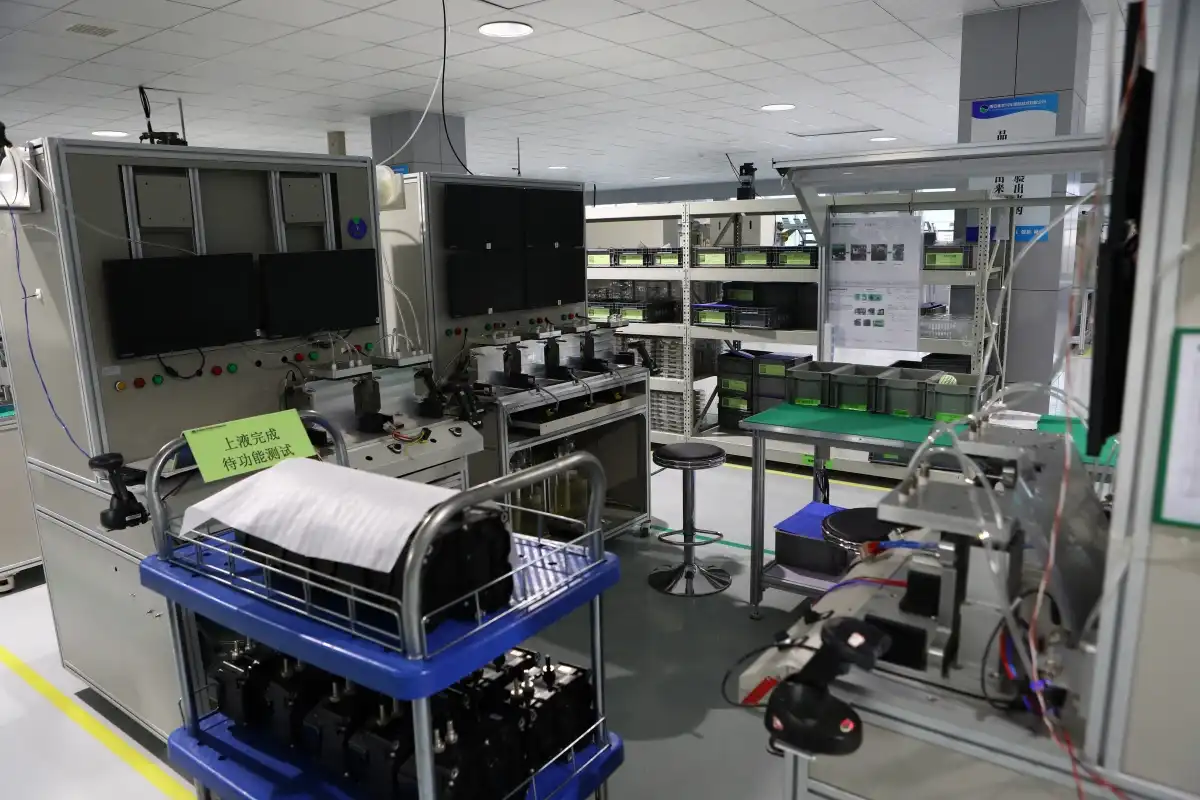
With more than 20 years of experience in specialized pollution control, Xi'an Qintai Automotive Emission Technology offers sensor systems that have been shown to work. Our ceramic capacitive SCR pressure sensors are accurate to within ±0.1% over a range of 1 to 1,000 bar, which means they can precisely control the amount of DEF used. We understand the needs of high-volume production because we are the top China OEM provider for Weichai Power, Yuchai Power, and Quanchai Power. We also keep our ISO9001, IATF16949, and RoHS certifications up to date.
Our independent research and development team has 58 idea patents and is always improving sensor technology to keep up with changing government rules. Whether you need standard SCR pressure sensor specs or special designs for specific uses, our engineering team can help you with everything from choosing the right sensor to putting it into production. Get in touch with info@qt-sensor.com to talk about your DEF system needs with a seasoned SCR pressure sensor maker who wants you to succeed.
References
1. Johnson, M.R., 2021. "Selective Catalytic Reduction Systems: Design, Operation, and Maintenance." Society of Automotive Engineers International, Warrendale, PA.
2. Chen, H. and Wang, L., 2020. "Pressure Measurement Technologies for Automotive Emission Control Applications." International Journal of Engine Research, Vol. 21, Issue 8, pp. 1342-1359.
3. Federal Motor Carrier Safety Administration, 2019. "Diesel Exhaust Fluid Quality and Handling Guidelines." U.S. Department of Transportation, Washington, DC.
4. Anderson, P.T., 2022. "Advances in Ceramic Sensor Technology for Harsh Environmental Applications." Sensors and Actuators A: Physical, Vol. 338, pp. 113-127.
5. European Automobile Manufacturers Association, 2020. "SCR System Performance Requirements for Euro VI Compliance." Brussels, Belgium.
6. Zhang, Y. and Schmidt, K., 2021. "Diagnostic Strategies for DEF Dosing Systems Using Pressure and Temperature Monitoring." SAE Technical Paper 2021-01-0583.

Our customers’ satisfaction speaks for our quality — contact us to experience the same reliable service.