- English
- French
- German
- Portuguese
- Spanish
- Russian
- Japanese
- Korean
- Arabic
- Greek
- German
- Turkish
- Italian
- Danish
- Romanian
- Indonesian
- Czech
- Afrikaans
- Swedish
- Polish
- Basque
- Catalan
- Esperanto
- Hindi
- Lao
- Albanian
- Amharic
- Armenian
- Azerbaijani
- Belarusian
- Bengali
- Bosnian
- Bulgarian
- Cebuano
- Chichewa
- Corsican
- Croatian
- Dutch
- Estonian
- Filipino
- Finnish
- Frisian
- Galician
- Georgian
- Gujarati
- Haitian
- Hausa
- Hawaiian
- Hebrew
- Hmong
- Hungarian
- Icelandic
- Igbo
- Javanese
- Kannada
- Kazakh
- Khmer
- Kurdish
- Kyrgyz
- Latin
- Latvian
- Lithuanian
- Luxembou..
- Macedonian
- Malagasy
- Malay
- Malayalam
- Maltese
- Maori
- Marathi
- Mongolian
- Burmese
- Nepali
- Norwegian
- Pashto
- Persian
- Punjabi
- Serbian
- Sesotho
- Sinhala
- Slovak
- Slovenian
- Somali
- Samoan
- Scots Gaelic
- Shona
- Sindhi
- Sundanese
- Swahili
- Tajik
- Tamil
- Telugu
- Thai
- Ukrainian
- Urdu
- Uzbek
- Vietnamese
- Welsh
- Xhosa
- Yiddish
- Yoruba
- Zulu
Location of SCR pressure sensor in diesel engines
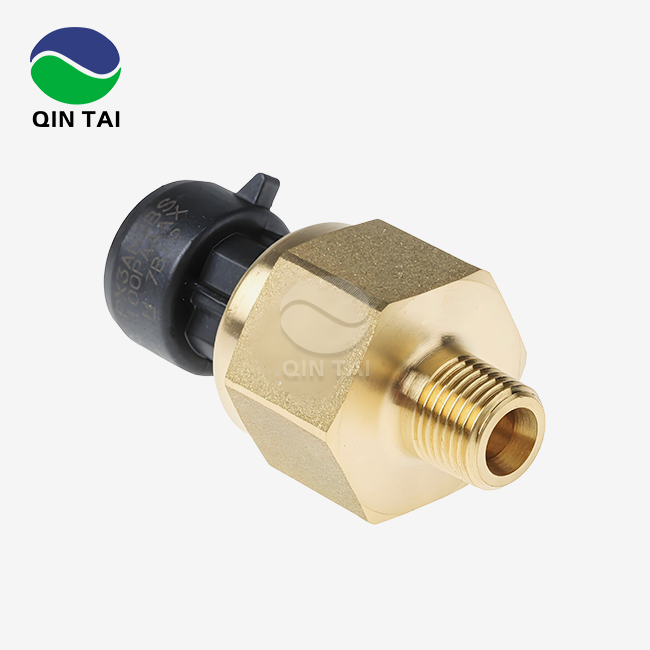
The SCR pressure sensor is placed in a specific way in diesel engine pollution control systems to correctly measure the pressure of the urea solution and make sure the engine runs at its best. This sensor tells you about changes in pressure in real time. It is usually placed along the urea dose module, between the urea pump and injection nozzle. If the sensor is put in the right place, it can find blocks, leaks, frozen AdBlue, or pump problems that could make emission compliance less likely. Installing things strategically near where urea is injected helps the engine control unit keep accurate doses, which helps meet strict pollution standards like China VI and Euro VI while avoiding costly downtime.
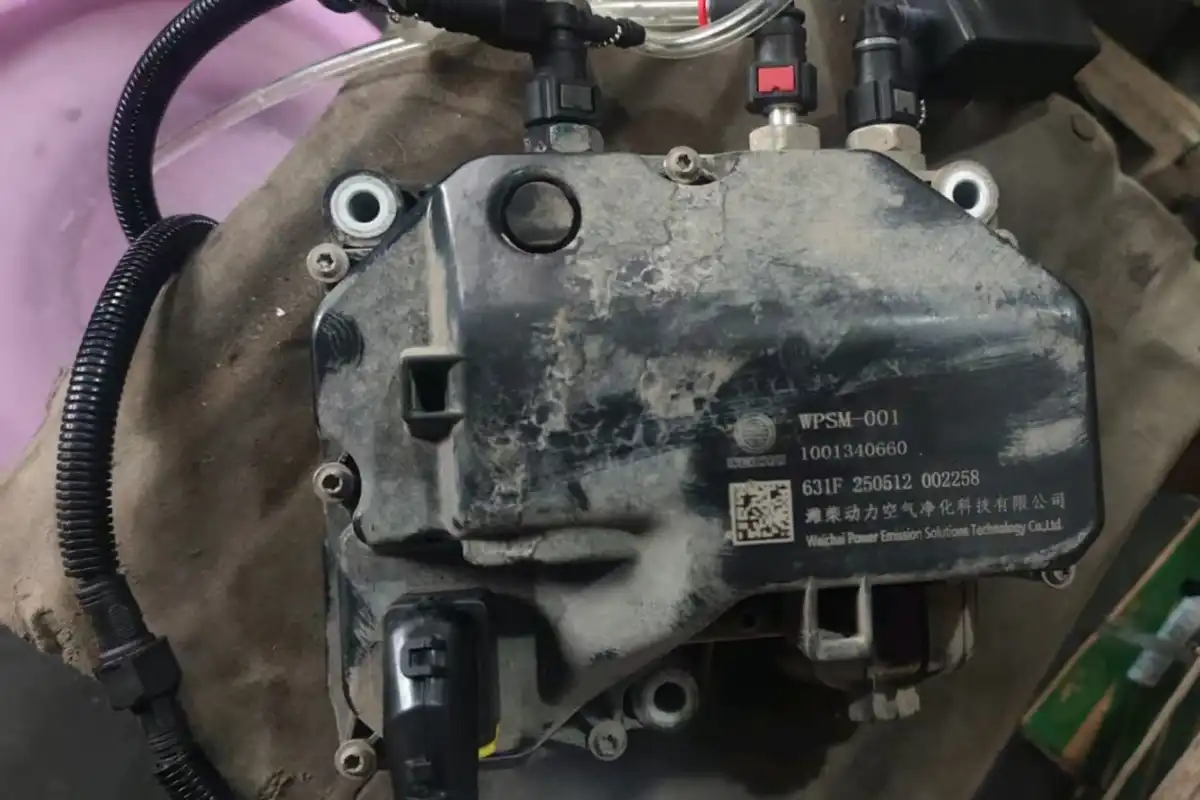
Introducing the Role and Location of SCR Pressure Sensors in Diesel Engines
Through catalytic processes, SCR aftertreatment systems turn dangerous nitrogen oxides into harmless nitrogen and water vapour. They are a key part of modern diesel emission control. In this complicated system, every SCR pressure sensor plays a very important role that affects both following the rules and running the system efficiently.
Why Location Matters for SCR Pressure Sensors?
The ability of diesel SCR systems to give accurate readings in harsh operating conditions depends on where the SCR pressure sensor is placed. Pressure data from sensors put between the urea pump and injection nozzle shows how healthy the whole dosing system is. In this place, sensors are exposed to urea conditions that are corrosive and temperatures that range from -40°C to 125°C. They are also exposed to vibration speeds higher than 500 Hz. In these harsh conditions, sensors need to be built to last, with special housings and closing systems.
Thermal stress can make measurements less accurate and parts last less long if sensors are placed too close to heat sources like the SCR catalyst. On the other hand, if it is placed too far away from the entry point, measurement delays may happen that mess up closed-loop control methods. Engineers have to find a balance between being close to measurement points and protecting the environment. Usually, they choose places with low temperature exposure that still have a direct hydraulic link to the urea delivery route.
How Pressure Sensors Enable Precise Urea Dosing?
Diesel engine control units use pressure input to figure out very accurately how much urea to inject. Through capacitive or piezoresistive transmission, the sensor turns changes in mechanical pressure into electrical information. Capacitive sensors have a ceramic plate that changes shape when pressure is put on it. This changes the capacitance between the fixed and moving electrodes. This change in capacitance leads straight to voltage output, which engine controllers read as pressure numbers.
This constant tracking lets a number of important medical tasks happen. When the pressure goes below what is normally expected, it means that there may be a leak in the delivery lines or air getting into the urea circuit. Overpressure that lasts for a long time could mean that frozen AdBlue is blocking flow routes or that the pressure release valves are broken. Rapid changes in pressure could show that the pump or injection tip is wearing out. This information is used by the engine management system to change the speed of the pump, the time of the injections, and to send out repair alerts before small problems become big enough to cause violations of the law or engine derate conditions.
Technical Specifications That Define Sensor Performance
Pressure range is one of the most important requirements for SCR uses. Most diesel systems need sensors that can measure between 0 and 10 bar. Heavy-duty uses may need longer ranges (up to 20 bar) to handle system transients like when the system starts up cold or when the load changes quickly. Response times are usually between 10 and 50 milliseconds, which lets controls respond quickly to changes in pressure.
Accuracy of measurements has a direct effect on the accuracy of doses and the performance of emissions. Ceramic capacitive pressure sensors of good quality are accurate to within ±0.1% of full scale across their entire temperature range. This accuracy makes sure that the amount of urea delivered is exactly what is needed to change NOx while also stopping overuse of urea, which could cause ammonia to leak or contaminate the catalyst further down the line. Weather compensation circuitry inside the sensor electronics keep this level of accuracy even when the weather outside changes, which would normally cause big measurement errors.
Types of SCR Pressure Sensors and Their Suitability for Diesel Engine Installation
Knowing how different transduction principles work in diesel aftertreatment situations is important for choosing the right sensor technology. There are a number of well-known technologies on the market, and each one has its own benefits for different building needs and working conditions. The SCR pressure sensor market continues to evolve to meet these demands.
Ceramic Capacitive Pressure Sensors
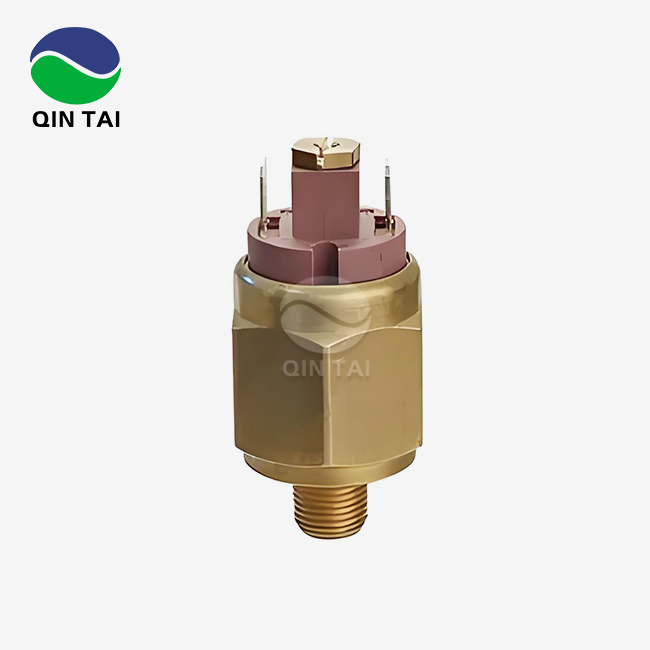
At this point, ceramic sensitive sensors are the best way to measure urea pressure in current SCR systems. An alumina ceramic cushion is built into them and serves as both a pressure sensor and a chemical shield against urea compounds, which are very corrosive. The capacitive measurement concept is very stable over a wide range of temperatures, and the output doesn't change much over long periods of time.
Because ceramics don't react with chemicals like urea and its breakdown products, these sensors work well in harsh vehicle settings. One capacitor plate is made up of the diaphragm, and the reference surface is made up of a set electrode. When pressure causes the diaphragm to bend, it changes the space between the plates. This causes changes in capacitance, which are then turned into standard output signals by complex electronics. A lot of designs have temperature sensors built into the same housing. This lets real-time adjustments work and keep the accuracy even when the temperature changes.
Piezoresistive Sensor Variants
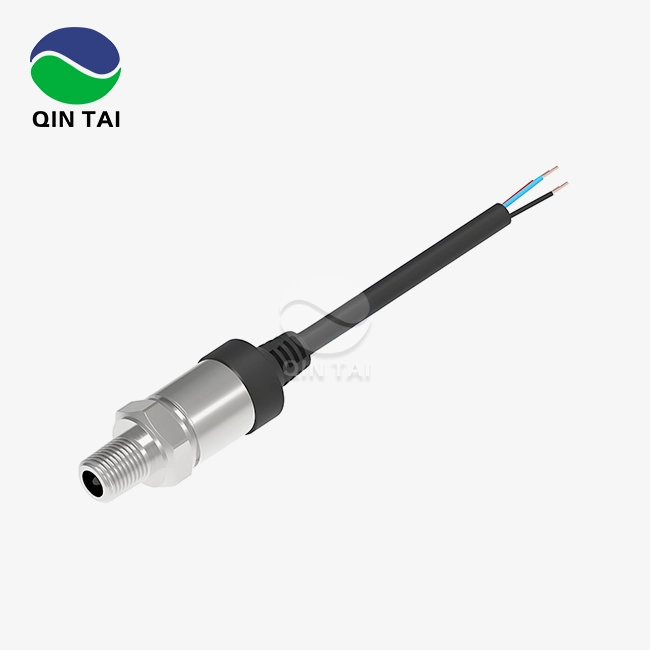
Piezoresistive sensors have strain gauges made of silicon or metal that are attached to diaphragm structures that bend when pressure is applied. Wheatstone bridge circuits are used to measure changes in resistance caused by mechanical pressure. Even though piezoresistive technologies are very sensitive and come in small packages, they can be hard to use in urea settings where media compatibility is very important.
Protection layers and isolation diaphragms are used in more advanced piezoresistive designs to keep sensing elements from coming into touch with urea, which can damage them. This design makes things more complicated, but it also lets these sensors respond quickly, which is good for keeping an eye on dynamic pressure while the engine is running quickly. Their straight output makes signal filtering easier, which lowers the overall cost of the system in high-volume production scenarios.
Selecting Sensors for Temperature Tolerance and Durability
Diesel aftertreatment systems put parts through high temperatures that test the limits of the materials they are made of. SCR pressure sensors must work consistently when the temperature drops to -40°C and they must also be able to handle being exposed to exhaust-heated parts for long periods of time at 125°C or higher. Ceramic materials are more stable at high temperatures than metal diaphragms, which can permanently change shape after being heated and cooled many times.
It's important to choose the right material for sensor housings so that the temperature expansion factors match up with the mounting areas. When temperatures change, mechanical stress can happen when growth rates aren't met, which could lead to seal failures or housing cracks. The standard in the industry is to use stainless steel bodies with ceramic detecting elements. These offer good thermal expansion compatibility and don't rust when exposed to road salt, water, or urea.
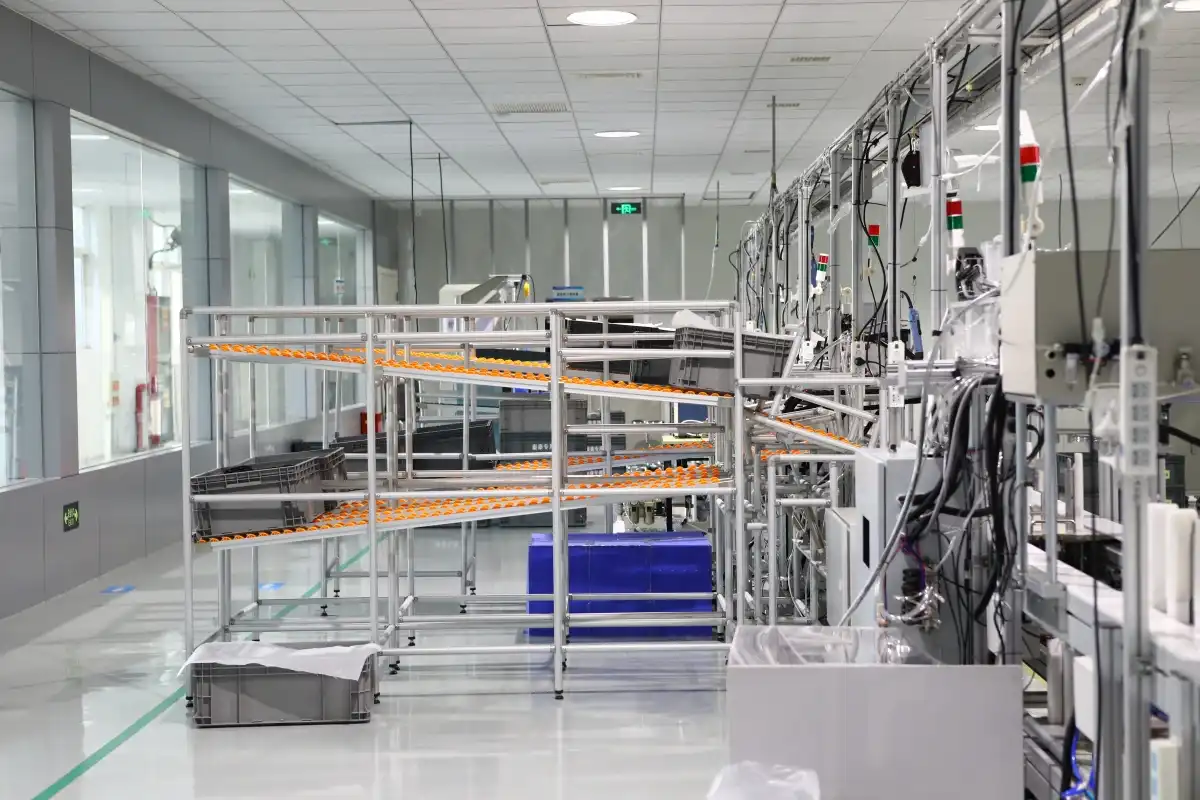
Installation Best Practices for SCR Pressure Sensors in Diesel Engines
If every SCR pressure sensor works as planned for the whole life of the engine, it depends on how they were installed correctly. Paying attention to the details of mounting, electrical connections, and calibration processes is what makes the difference between setups that work well and ones that are so problematic that they need to be replaced early.
Pre-Installation Verification Steps
Before putting any sensor in place, engineering teams should make sure that the parts they've chosen match the system requirements listed in the equipment datasheets. The pressure range, type of electrical output, connection style, and thread standards must all match what the engine control unit needs and what can be installed physically. The position of the mounting should allow enough space for the link to be accessed without interfering with nearby parts when the engine is shaking.
When using urea pressure, you should pay extra attention to the thread protector you choose. If you need to work with high-pressure urea, regular PTFE tape might not work. Instead, you should use special liquid seals that are rated to work with ammonia. By checking the torque specs, you can avoid both undertightening, which can lead to leaks, and overtightening, which can damage sensor housings or crush sealing surfaces.
Mounting Techniques and Sealing Considerations
Before installing the sensor, the fixing holes must be cleaned to get rid of any leftover urea crystals, dirt, or sealant materials. Before installing the sensor, threaded ports should be checked for damage and threads that are worn out should be fixed. Many modern sensors have O-rings or metal crush washers built in as sealing elements that need to be properly compressed to make leak-tight seals.
In systems where urea crystallisation is a constant problem, the mounting direction affects how long the sensor lasts. When you put positioning sensors in a way that their electrical connections face downward, water can get in and cause the connectors to rust. These risks are lower when the connectors are positioned safely and facing upwards or horizontally. When routeing cables, they should have service loops that can handle heat expansion and engine movement without putting stress on the electrical ends of sensors.
Electrical Integration and Signal Verification
Even though ignition systems, fuel injectors, and generator charging circuits send electromagnetic waves through the wiring between sensors and engine control modules, the signals must stay intact. Common-mode noise that could mess up pressure data is blocked by shielded wires whose shields are properly grounded. Before providing power, you must make sure that the connector pins are securely engaged by listening for clicks or looking at them.
After connecting the wires, techs should check the voltage to make sure the sensor activation and output signal levels are correct. Most pressure sensors in cars give standard outputs, which are usually between 0.5 and 4.5 volts, which show the lowest and highest pressure bands. Any changes from the expected voltage levels could mean that there are problems with the connections, that the sensor specifications are wrong, or that parts are broken and need to be replaced before the system can be put into service.
Comparative Analysis: SCR Pressure Sensors vs. Alternative Technologies in Diesel Engines
Knowing how different sensor technologies compare in terms of performance helps buying workers choose the ones that meet technical needs and have the lowest total cost of ownership. When it comes to long-term value, each SCR pressure sensor type has trade-offs between original cost, measurement accuracy, and upkeep intervals.
Performance Benchmarks Across Sensor Technologies
Ceramic capacitive sensors are typically more stable over time than other technologies. They keep their tuning accuracy even after diesel engines have been serviced for 500,000 kilometres or more. Because they don't pick up electromagnetic interference and don't change much with temperature, they are perfect for uses where measurement accuracy can't be compromised. These benefits come with small price increases that are being lowered by higher production numbers and more competition.
Piezoresistive sensors can respond more quickly, which is good for catching sudden changes in pressure during injections or pump cycles. Their less complicated signal conditioning needs can lower the cost of system integration in situations where outdoor exposure stays mild. However, drift traits mean that calibration checks need to be done more often, which could mean higher upkeep costs over longer service periods.
Vendor Landscape and Supplier Selection
On the global market for car pressure sensors, there are well-known companies that have been making diesel aftertreatment equipment for decades. Automotive OEMs expect these companies to have strict quality control systems that are certified to IATF 16949 standards. When procurement teams look at possible suppliers, they should look into their manufacturing skills, testing procedures, and field performance data that shows how reliable sensors are in real-world settings.
Chinese makers have greatly raised the quality standards and are able to offer lower prices than other producers. This change can be seen in Xi'an Qintai Automotive Emission Technology, which is the main original equipment manufacturer (OEM) seller to major Chinese engine makers like Weichai Power, Yuchai Power, and Quanchai Power. Their range of products includes sensors that have been tried to meet the environmental standards for cars. These sensors have been certified with ISO9001, IATF16949, and foreign compliance marks like CE, UL, and RoHS.
Durability Under Extreme Operating Conditions
Extreme temperatures and high pressures in the environment make diesel engines used in building, mining, and farming wear out parts faster. Changing temperatures from -40°C to +125°C is hard on electronics and sensor materials. Vibrations from moving tools and rough ground can get through mounting structures and wear out wires or cause connections to break. Chemicals like urea, diesel fuel, and engine oils are used to test how well materials work together and how well seals work.
High-quality sensors are made with features that deal with these problems in mind. Vibration-resistant cable systems have strain relief features that keep the conductors from breaking where they connect. Electronics housings that are hermetically sealed keep out wetness that could damage circuit boards or cause electrical shorts. When temperatures change quickly, metal diaphragms can break, but ceramic sensor elements don't get damaged by thermal shock.

SENSOR+TEST, June 9 – 11, 2026
We look forward to your visit,warmly welcome to our booth 1-526!
Get your free ticket online now:
https://www.sensor-test.de/service/ticket/?52790
Procurement Considerations for SCR Pressure Sensors in Diesel Engine Manufacturing and Maintenance
When making strategic procurement choices, it's important to weigh short-term cost concerns against long-term value factors like supply chain flexibility, dependability, and expert support. To get the best total cost of ownership for an SCR pressure sensor, purchasing managers need to look at more than just unit price.
Evaluating Supplier Capabilities and Support
Reliable sensor providers provide thorough technical documents such as datasheets, installation guides, and debugging steps that make the integration process faster and lower the number of engineering resources needed for system development. Technical support teams that are quick to respond can help with installation problems and give application advice that keeps costly design mistakes from happening. Customisation services let suppliers change standard products to fit specific mounting needs, socket preferences, or output signal requirements, without having to pay for the time and money needed to make a fully custom design.
Consistency in lead times is very important in production settings where stock-outs cause expensive downtime and mess up assembly plans. Established providers keep extra goods on hand and can adjust their production to meet changing demand without having to wait longer for deliveries. Geographical spread of warehouses and relationships in logistics make it possible to complete orders quickly, even for replacement parts that need to be sent quickly to service sites that are far away.
Certification Requirements and Regulatory Compliance
Diesel engines that are going to be sold in controlled markets must have parts that meet certain approval standards. Sensors sold in the European Union must have the CE mark, which verifies that they comply with the relevant law. For electricity safety, North American uses often need to be UL recognised. More and more, Chinese home markets need car parts to have China Compulsory Certification (CCC). By keeping their licenses up to date, suppliers get rid of any legal problems that might slow down the approval of vehicles or entry into the market.
During OEM checks, quality control systems for suppliers are looked at more closely than just product certifications. IATF 16949 certification makes sure that the manufacturing processes meet quality standards specific to the car industry. These standards include processes for approving production parts, analysing measurement systems, and controlling processes statistically. These methods lower the number of defects and make sure that the quality of each batch of products is the same.
Cost Analysis and Value Optimization
The prices of pressure sensors vary a lot depending on the technology, features, and where the seller stands in the market. Entry-level sensors may cost $15 to $25 per unit when bought in bulk, while high-end devices with better accuracy, wider temperature ranges, and more advanced readings cost $40 to $60 per unit. This difference in prices seems big until you look at how much it costs to make a whole car and how much it costs to handle guarantee claims when sensors fail.
Data on sensor dependability and warranty terms that protect against early failures should be looked at in procurement plans. A $20 sensor that needs to be replaced every 200,000 kilometres costs more in the long run than a $45 sensor that lasts the whole life of the engine. Extended guarantee coverage that shifts the cost of replacement to wholesalers lowers makers' financial risk and encourages them to make their products as reliable as possible. Volume pricing deals with tiered savings encourage customers to make large purchases while still letting them change the number of items they order based on production plans.
Conclusion
Putting every SCR pressure sensor in the right place, between the urea tanks and the injection nozzles, helps diesel engines meet stricter pollution rules while still running efficiently. Ceramic capacitive sensor technologies are widely used in heavy-duty applications because they are more accurate and last longer in tough aftertreatment settings. To adopt something well, you need to think about how to install it, how to make sure the supplier is reliable, and how to provide long-term help that goes beyond just thinking about how much the parts cost at first. As emission standards continue to get stricter around the world, pressure sensors will stay important parts that make sure regulations are followed and keep engine makers from having to pay large warranty claims or fines from the government.
FAQ
Q1: Where exactly should SCR pressure sensors be mounted in diesel aftertreatment systems?
A: The best place for the sensor is between the injector tip and the urea dose pump output, which is usually 150 to 300 mm from the injection point. This spot keeps temps below 125°C and gives correct readings of pressure that show how healthy the system is. When sensors are mounted too close to the SCR catalyst, they get too hot, and when they are placed too far away, measurement delays can happen that make it harder for the control to respond.
Q2: What range of pressures do pressure sensors for diesel SCR systems need to work?
A: During normal urea input processes, most SCR systems in cars work within a pressure range of 5 to 10 bar. Heavy-duty uses and cold-start situations can cause sudden pressures of up to 15–20 bar, which means sensors designed for longer ranges are needed. When choosing sensors, they should have safety margins above their maximum predicted operating pressure to keep them from getting damaged by overpressure and to make sure that measurements are accurate across the whole working range.
Q3: How do ceramic capacitive sensors differ from piezoresistive alternatives for urea applications?
A: Ceramic capacitive sensors have alumina diaphragms that don't corrode when exposed to urea and are very stable over time and can adjust to different temperatures. For urea compatibility, piezoresistive sensors need protective coverings or separation diaphragms to work faster. Capacitive technologies usually keep their accuracy better over longer service intervals, which is why they are better choices for emission-critical applications, even though they cost a little more at first.
Partner with Qintai for Reliable SCR Pressure Sensor Solutions
Xi'an Qintai Automotive Emission Technology stands ready to support your diesel engine emission control requirements with proven sensor solutions meeting international quality standards. As China's leading SCR pressure sensor manufacturer, we combine two decades of specialization with comprehensive certification portfolios including IATF16949, CE, UL, and RoHS compliance. Our engineering team provides customization services adapting sensors to your specific mounting configurations, pressure ranges, and electrical interfaces while maintaining competitive pricing backed by responsive technical support.
Whether you're developing next-generation heavy-duty engines or sourcing replacement components for aftermarket distribution, our established supply chain delivers consistent quality and availability. Contact our applications engineers at info@qt-sensor.com to discuss your project requirements and discover how Qintai sensors enhance emission control system reliability.
References
1. Johnson, M. & Williams, R. (2021). Selective Catalytic Reduction Systems: Design Principles and Component Integration. SAE International Press.
2. Chen, L., Zhang, Q., & Kumar, S. (2022). "Pressure Sensing Technologies for Automotive Urea Dosing Systems: Comparative Performance Analysis." International Journal of Automotive Technology, 23(4), 891-906.
3. European Automobile Manufacturers Association (2023). Diesel Engine Emission Control Technologies: Industry Standards and Best Practices.
4. Anderson, P. (2020). "Installation and Calibration Procedures for SCR System Pressure Sensors." Diesel Engine Technology Handbook, 3rd Edition, McGraw-Hill Professional.
5. Liu, H., Wang, F., & Schmidt, T. (2023). "Long-term Stability of Ceramic Capacitive Sensors in Urea-SCR Applications." Sensors and Actuators B: Chemical, 378, 133156.
6. International Organization for Standardization (2022). ISO 15031: Road Vehicles - Communication Between Vehicle and External Equipment for Emissions-Related Diagnostics.


Our customers’ satisfaction speaks for our quality — contact us to experience the same reliable service.