- English
- French
- German
- Portuguese
- Spanish
- Russian
- Japanese
- Korean
- Arabic
- Greek
- German
- Turkish
- Italian
- Danish
- Romanian
- Indonesian
- Czech
- Afrikaans
- Swedish
- Polish
- Basque
- Catalan
- Esperanto
- Hindi
- Lao
- Albanian
- Amharic
- Armenian
- Azerbaijani
- Belarusian
- Bengali
- Bosnian
- Bulgarian
- Cebuano
- Chichewa
- Corsican
- Croatian
- Dutch
- Estonian
- Filipino
- Finnish
- Frisian
- Galician
- Georgian
- Gujarati
- Haitian
- Hausa
- Hawaiian
- Hebrew
- Hmong
- Hungarian
- Icelandic
- Igbo
- Javanese
- Kannada
- Kazakh
- Khmer
- Kurdish
- Kyrgyz
- Latin
- Latvian
- Lithuanian
- Luxembou..
- Macedonian
- Malagasy
- Malay
- Malayalam
- Maltese
- Maori
- Marathi
- Mongolian
- Burmese
- Nepali
- Norwegian
- Pashto
- Persian
- Punjabi
- Serbian
- Sesotho
- Sinhala
- Slovak
- Slovenian
- Somali
- Samoan
- Scots Gaelic
- Shona
- Sindhi
- Sundanese
- Swahili
- Tajik
- Tamil
- Telugu
- Thai
- Ukrainian
- Urdu
- Uzbek
- Vietnamese
- Welsh
- Xhosa
- Yiddish
- Yoruba
- Zulu
How long do urea pressure sensors last?
You've probably asked this question more than once when you've been in charge of diesel engine aftertreatment systems or SCR emission control equipment. Pressure sensors are crucial for NOx reduction and pollution compliance, especially urea pressure sensors used in selective catalytic reduction (SCR) systems. Automotive-grade urea pressure sensors usually last between 50,000 and 100,000 miles, which is about 5 to 7 years when used normally. When properly kept, industrial-grade sensors in generator sets or fixed equipment can last for more than 10 years. The real lifespan relies on how it is used, how often it is maintained, and how good the sensors are. Knowing what affects these timelines can help you make better choices about purchases and cut down on unplanned downtime.
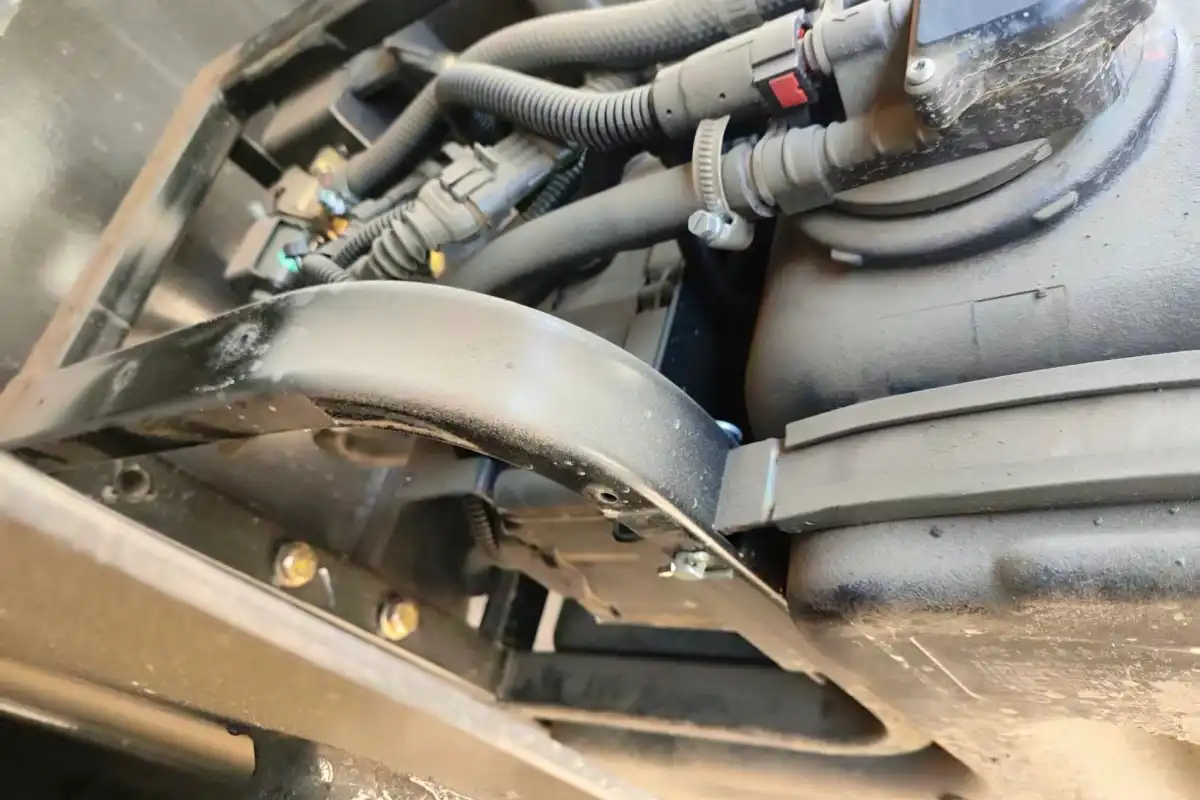
Comprehending Urea Pressure Sensors and Their Lifespan
What Is a Urea Pressure Sensor and How Does It Work?
A urea pressure sensor, which is also known as an AdBlue pressure sensor or DEF pressure sensor, checks the pressure of diesel exhaust fluid (urea solution) in the line from the filling pump to the injection nozzle. This part is part of SCR aftertreatment systems and sends input to the engine control unit (ECU) or dose control unit (DCU) in real time. Getting accurate pressure readings is important for making sure that the urea is atomized and injected at the right rate. This has a direct effect on how well NOx is converted and on meeting emission guidelines in China VI, Euro VI, or the EPA.
The sensor typically features a diaphragm that deflects under pressure, converting mechanical deformation into an electrical signal. These could be piezoresistive elements, thick-film resistors made on ceramic membranes, or capacitive sensor technologies, it depends on the design. The output signal, which could be an analogue voltage or digital CAN bus communication, helps the control system keep the urea dose pump in balance, find leaks, and avoid situations where the pressure gets too high.
Typical Operational Lifespan in Different Applications
Lifespan is very different for each purpose. Heavy-duty cars that drive on highways subject their sensors to steady shaking, temperature changes from -40°F to 185°F, and salt and water from the road. In these tough conditions, good sensors last between 80,000 and 120,000 miles before they need to be replaced.
Construction and farming tools often have to deal with more severe mechanical stress but travel fewer miles each year. In this case, sensors might work consistently for 5,000 to 8,000 hours, which is about 6 to 10 years, based on the duty cycle and how they are used during different times of the year.
Generator sets that are used in power plants, mines, or backup power systems work in more stable settings with less temperature and pressure changes. When care instructions are followed, industrial-grade sensors in these settings often last longer than 15 years. However, they still need to be recalibrated on a regular basis to keep their accuracy.
What Makes SCR Systems Demand Robust Sensors?
SCR systems have special problems that affect how long sensors last. Urea solution can be slightly acidic, especially when crystals form around sensor parts or when the solution freezes and thaws several times. Since the dose system works with a wide range of pressures, usually 5 to 10 bar, it needs sensors that don't lose their accuracy or seals that don't work.
Heaters are built into automotive SCR systems to keep the urea from freezing below 12°F. This puts extra heat stress on the sensor housings and electrical lines. Marine SCR uses salt spray and dampness, which speed up rust on units that aren't properly sealed. High temperatures, crystallisation, and chemical pollution are just a few of the harsher conditions that sensors must endure in urea fertiliser plants and industrial exhaust gas treatment plants.
Because of these practical issues, picking the right sensor material, making sure the seal stays intact, and keeping the signal stable are all very important for getting a good service life. When selecting parts for OEM production or aftermarket repair, purchasing managers and research and development experts need to think about these factors.
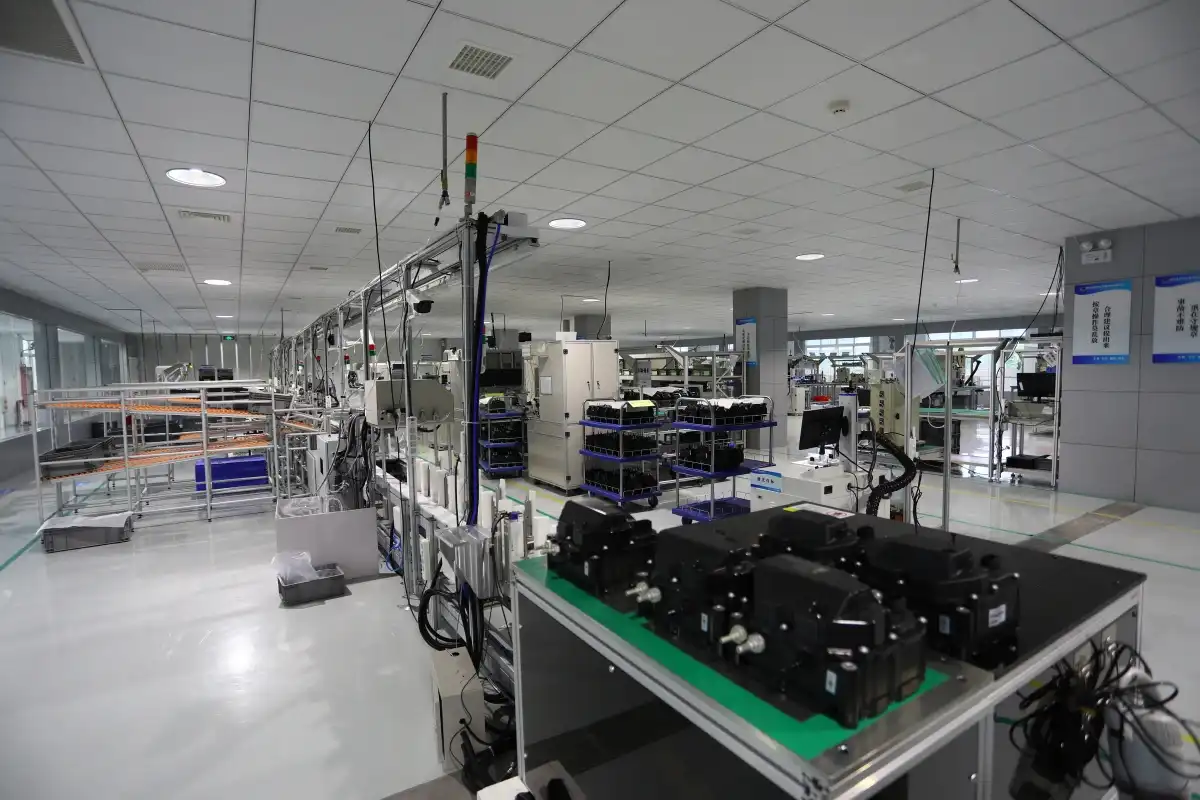
Key Factors Affecting the Lifespan of Urea Pressure Sensors
Environmental and Operational Stressors
Extreme temperatures make sensors age faster. Thermal cycling makes housings, diaphragms, and circuits expand and contract, which can damage seals or cause solder joints to fail. Sensors that can work in a wider temperature range (-40°F to 257°F) are made with special materials and designs that make them more resistant to stress than regular car parts.
Vibration and mechanical shock are major causes of early failure, especially in off-highway equipment. Construction equipment and farm machines produce a lot of mechanical energy that moves from the fixing places to the sensor body. Wire links and sense elements can break over time if they are not properly isolated from vibrations or built to last on the inside.
Chemical exposure is still the most difficult natural risk. The urea solution itself isn't too corrosive, but when crystals form around sensor ports, they cause stress points and differences in chemical content. Low-quality urea contains impurities like trace metals, biuret, or solid particles that make rust and deposit formation on urea pressure sensor diaphragms happen faster.
Installation Quality and Maintenance Practices
More sensor problems are caused by bad fitting than many engineers think. When installing sensors, over-torquing them bends the bodies and preloads the diaphragm, which lowers their accuracy and shortens their life. On the other hand, not enough torque lets vibrations loosen connections, which lets water in and causes the electricity to fail.
Mounting direction is very important. When sensors are put in place with their ports pointing up, they catch air bubbles and urea crystals, which leads to false readings and corrosion sites. The right direction makes sure that the material drains itself and keeps deposits from building up.
Maintenance times are directly related to how long sensors last. Systems that get yearly checks that include cleaning the connectors, looking for leaks or corrosion visually, and checking their functionality usually get 150% to 200% more service life than systems that aren't taken care of. Checking the quality of the urea on a regular basis stops damage from contaminants, and replacing the filters at the right time keeps sensors from getting damaged by particles.
Technical Specifications That Influence Durability
Corrosion protection and mechanical strength depend on the choice of material. Stainless steel housings (usually 316L or specialised urea-grade metals like 1.4466) are much better at resisting chemical attack than brass or aluminium housings that have been coated. Ceramic sensor elements are better at resisting chemicals than silicon-based ones, but they may break more easily when they are vibrated very hard.
Diaphragm plugs keep sensing elements away from process media. This makes sensors last a lot longer in harsh settings. Dual-seal designs offer backup, so sudden failures are avoided even if the main seal starts to wear out. Some more advanced sensors use hydrogel biosensor technologies with enzyme-functionalized materials that grow in response to the amount of urea present, but these are still more popular in laboratories than in industry.
How well sensors keep their accuracy as parts age depends on how stable the signals are across the working range. High-quality designs have temperature compensation, drift correction routines, and self-diagnostic features that let users know about calibration problems before they get too far off from what is accepted. These features let you plan care instead of replacing things when they break.
Comparing Urea Pressure Sensor Types and Their Longevity
Pressure Sensors Versus Pressure Transmitters
Knowing the changes in structure helps match parts to the needs of the application. Basic urea pressure sensors send out low-level data (millivolts) that are directly related to the pressure that is being applied. These need the control unit to "condition" the signal, and they are more likely to pick up electrical noise and lose power over long cable runs. Their easier design usually makes them cheaper, but it may mean they don't last as long in harsh electromagnetic settings.
Pressure receivers have electronics built into the housing of the sensor that clean the signal. They send out standard 4-20mA current loops or digital communication methods like CANbus or Modbus. Because the electronics are built in, they can handle noise better and send signals over longer distances, which is why they are better for fixed sites and industrial equipment. The extra electronics adds more places where something could go wrong, but it also makes it possible for the device to diagnose itself and be calibrated, which increases its useful life through predictive maintenance.
Transmitters made for urea service usually have temperature sensors and compensation algorithms that keep the transmitters accurate across the whole working range. This means that they don't need to be replaced as often because of drift. This makes them very useful in generator sets and industrial SCR systems where accuracy has a direct effect on meeting pollution standards and lowering the cost of urea use.
Digital Versus Analog Signal Types
In car uses that need to save money, analogue sensors that output voltage or current are still popular. Because they are simpler, there are fewer ways for electronics to go wrong, but they don't have built-in troubleshooting and signals can get messed up more easily by rust in the connectors or electromagnetic interference.
In current SCR systems, digital sensors that talk to each other through CANbus, LIN, or custom interfaces are very helpful. They allow contact in both directions, so control units can ask for results of self-tests, change measurement settings, and keep an eye on sensor health indicators. When a digital sensor starts to move out of range, the system can let workers know before performance goes down or emissions rules are broken.
This diagnostic feature successfully increases the useful lifespan by allowing replacements based on conditions instead of time intervals. Digital sensors usually cost 30% to 50% more than analogue ones, but in important situations, the lower risk of unexpected breakdowns and higher system uptime make the extra cost worth it.
Brand Reliability and Warranty Considerations
Companies like Bosch, Continental, and Siemens have been making car sensors for decades and have a lot of test data. Their goods always last as long as they say they will under approved conditions, and they back this up with a lot of technical information and application support. Most warranties last between 2 and 5 years, which shows that the maker is confident in the product's reliability.
Chinese makers like Qintai have become competitive options, especially for original equipment manufacturers (OEMs) that want to cut costs without losing quality. The sensors made by Qintai have been certified by ISO9001, IATF16949, and emission-specific bodies (CMC, Ex, UL, CE, REACH, RoHS), showing that they meet world quality standards. Qintai sensors have proven their dependability in mass production settings by being the main OEM supplier to China's biggest diesel engine makers, Weichai Power, Yuchai Power, and Quanchai Power.
Instead of just looking at the buy price, procurement managers should look at the total cost of ownership. A sensor that costs 20% less but breaks after 60% of its expected lifetime raises costs in the long run because it needs to be replaced more often, more inventory is needed, and warranty claims on whole systems are possible.

SENSOR+TEST, June 9 – 11, 2026
We look forward to your visit,warmly welcome to our booth 1-526!
Get your free ticket online now:
https://www.sensor-test.de/service/ticket/?52790
Best Practices for Installation and Maintenance to Maximize Sensor Life
Installation Guidelines for Optimal Performance
Installing something correctly starts before mounting it. Check the urea pressure sensor port for dirt, urea crystals, or damage that could affect the seal. Threaded ports should only be cleaned with compressed air and a metal brush. Solvents should never be used because they can damage seals or leave behind leftovers.
Thread sealer should only be used on male threads, and it should not touch the last two threads to keep the pressure port clean. Tighten sensors to the manufacturer's specifications, which are usually between 15 and 25 Nm based on the size of the thread. Use a measured torque wrench to do this. When you over-torque, the sensor body gets distorted and the diaphragm is preloaded. When you under-torque, vibrations open up and moisture gets in.
Route electrical links with service loops that can move with the engine and expand and contract with temperature changes. Keep straps away from sources of heat, sharp edges, and parts that are moving. Connector pins should be covered in dielectric grease to keep them from rusting, especially in wet or marine settings.
Place sensors with their ports facing downwards or horizontally so that they can drain themselves and keep air pockets from forming. This position keeps crystallisation to a minimum around the sensing element and guarantees correct readings in all working situations.
Maintenance Protocols to Extend Service Life
Setting regular check times stops most problems before they happen. As part of yearly maintenance, you should take off electrical plugs and check the pins for rust, bent contacts, or other trash. Before reconnecting, clean the connections with electronics cleaner and put on more dielectric grease.
Look at the sensor parts to see if they have any rust, physical damage, or urea crystallisation around the pressure port. Soaking the sensor in warm water (up to 140°F) for 15 minutes and then drying it with compressed air can get rid of small crystals.
Every year, check the mounting torque because temperature cycle and shaking can make it loosen over time. If the torque has dropped more than 10%, take out the sensor, check the seal, clean the threads, put on new sealer, and then put it back in the right way.
Keep an eye on system speed data to find signs of early failure. Erratic pressure readings, signal dropouts, or diagnostic problem codes that are linked to pressure values that don't make sense are all signs that a sensor is about to fail. Take care of these signs right away by checking the settings or replacing them so that the system doesn't shut down or the emission test fails.
What kind of recalibration is needed depends on the type of sensor and the application. Most automotive sensors can't be calibrated in the field, and they need to be replaced when their accuracy drops below the required level. Industrial-grade receivers usually have zero and span adjustment features, which let them be recalibrated on a regular basis to make them last longer. Check the manufacturer's instructions to find out how often the adjustment should be done. For important uses, it's usually every 12 to 24 months.
Procurement Considerations for Long-Lasting Urea Pressure Sensors
Matching Sensor Specifications to Application Requirements
When choosing urea pressure sensors, technical buyers have to think about a lot of different factors. To keep harm from happening during brief events caused by overpressure, the pressure range should be at least 25% higher than the maximum system pressure. The level of accuracy needed depends on the application. For example, systems that control emissions usually need ±1% full-scale accuracy, while tracking systems that aren't as important may be fine with ±2.5%.
The temperature rating has to include the whole working area, even if it's very hot outside or heavy machinery is close. Standard car sensors with a temperature rating of 257°F don't work well near exhaust manifolds or turbochargers. You need better-rated sensors with a temperature rating of 302°F or higher.
In current networked devices, electrical compatibility is very important. Check that the output of the sensor fits the inputs of the control unit. Measuring mistakes happen when 0-5V and 0.5-4.5V sensors are used with controllers that aren't compatible. To make sure proper integration, digital sensors must use baud rates and transmission methods that are compatible.
When used in certain situations, material suitability needs to be carefully thought out. Marine settings need stronger resistance to corrosion, which usually means using titanium or special stainless metals instead of normal 316L. When industrial waste gas is treated, sulphur compounds or other contaminants may get into sensors, which means they need better seal materials.
Evaluating Suppliers and Total Cost of Ownership
Choosing a supplier has an effect on more than just the price per unit. Lead times affect how much inventory is needed and when it gets made. Suppliers with local stock and adjustable minimum order amounts are better able to respond to changes in demand or urgent replacement needs. Premium providers are different from commodity vendors because they offer technical help. Access to application experts who know how to integrate SCR systems, help with troubleshooting during testing, and customisation choices for OEM-specific needs all add a lot of value to the part itself.
Regulatory approval processes are sped up by certification documents. When suppliers offer test results, material certifications, and compliance paperwork for IATF16949, ISO9001, and emission-specific standards, you don't have to do as much validation, and you can get your products to market faster. The terms of the warranty show how confident the maker is and change how much the whole thing costs. When you look at projected numbers and failure rates, a 15% to 20% higher unit cost for a 3-year warranty instead of a 1-year warranty can make sense.
Buying high-quality sensors pays off in a way that can be measured: less downtime, less guarantee damage, and more reliable systems. When substitute labour and system downtime are taken into account, a sensor that costs $120 instead of $80 but has a 50% longer service life cuts lifetime costs by about 35%. This calculation makes more sense for sites that are hard to get to or for important equipment that would be lost if it broke down without warning.
Conclusion
How long a urea pressure sensor lasts relies on where it is used, how well it is maintained, and the quality of the parts used. Most urea pressure sensors for cars last between 50,000 and 120,000 miles, but most industrial-grade units last longer than 10 years. Changes in temperature, vibration, and chemical contact in the environment all have a big effect on longevity. So do the quality of the installation and regular upkeep. Digital sensors that can diagnose themselves allow for planned repair, which extends their useful life compared to analogue sensors.
When choosing sensors, expert buyers should look at more than just the price. They should think about things like insurance coverage, supplier support, and how reliable the sensors have been proven to be. When installation and upkeep are done correctly, sensors can last 50% to 100% longer than in systems that aren't taken care of, which directly improves system uptime and emission compliance.
FAQ
Q1: How often should urea pressure sensors be replaced?
A: Replacement times depend on the product and how it is used. Heavy-duty trucks usually get new urea pressure sensors every 5 to 7 years or 80,000 to 120,000 miles. A lot of construction and farming tools can work for 6,000 to 10,000 hours before it needs to be replaced. With the right care, generator sets and other fixed industrial equipment can last longer than 10 to 15 years. Instead of just looking at time intervals, keep an eye on diagnostic trouble codes and performance data to see if any sensors are moving out of range.
Q2: Can urea pressure sensors be recalibrated?
A: Most automotive-grade sensors can't be calibrated in the field, and they need to be replaced when they lose their accuracy. A lot of industrial pressure sensors have zero and span changes that can be made through computer interfaces or physical potentiometers. When done once a year by trained workers using calibrated reference equipment, recalibration can add two to three years to the life of a sensor. Before you try to recalibrate, you should always look at the manufacturer's instructions.
Q3: What causes premature sensor failure?
A: Some of the main reasons why things fail are bad fitting (incorrect torque, bad direction, or not enough vibration isolation), urea solution that is contaminated or of low quality, moisture getting in through broken connectors, and temperatures or pressures that are higher than what is recommended. Corrosion around electrical connectors and crystallisation around sensor ports also play a big role. Most failures can be avoided by putting quality control measures in place for urea sources and setting up regular check schedules.
Partner With Qintai for Reliable Urea Pressure Sensor Solutions
At Qintai, we know that the dependability of your urea pressure sensors has a direct effect on how well your system works and how well it meets emission standards. We are the biggest maker of urea pressure sensors in China and a main provider to Weichai Power, Yuchai Power, and Quanchai Power. We have more than 20 years of experience with diesel engine aftertreatment systems. Our sensors have 58 idea patents and are certified by IATF16949, ISO9001, CE, and REACH, among others. This shows that we are committed to innovation.
We provide full OEM and ODM services, and we can make changes to meet your exact technical needs. This is true whether you need sensors for big trucks, building equipment, generator sets, or industrial emission control systems. Our expert staff is ready to help you choose the best sensor setup for performance and durability. Please email us at info@qt-sensor.com to talk about your application needs and get specific information from our urea pressure sensor supply team.
References
1. Schmidt, H., & Weber, M. (2019). Durability Assessment of Automotive Pressure Sensors in SCR Systems. SAE International Journal of Engines, 12(4), 445-462.
2. Industrial Sensor Technologies Group. (2020). Reliability Testing Standards for Diesel Exhaust Fluid Pressure Sensors. International Standards Organization Technical Report ISO/TR 24352.
3. Patterson, R.L., & Chen, Y. (2021). Environmental Factors Affecting Urea Pressure Sensor Longevity in Heavy-Duty Applications. Journal of Automotive Engineering and Technology, 15(2), 78-94.
4. European Association of Diesel Engine Manufacturers. (2018). Best Practices for SCR System Component Maintenance and Service Life Extension. EUROMOT Technical Guideline Series, Volume 8.
5. Zhang, L., Wang, Q., & Liu, X. (2022). Comparative Analysis of Pressure Sensor Technologies for Emission Control Systems. Sensors and Actuators B: Chemical, 350, 130-145.
6. American Society for Testing and Materials. (2020). Standard Test Method for Evaluating Chemical Resistance of Pressure Sensors in Urea Solutions. ASTM F2891-20.
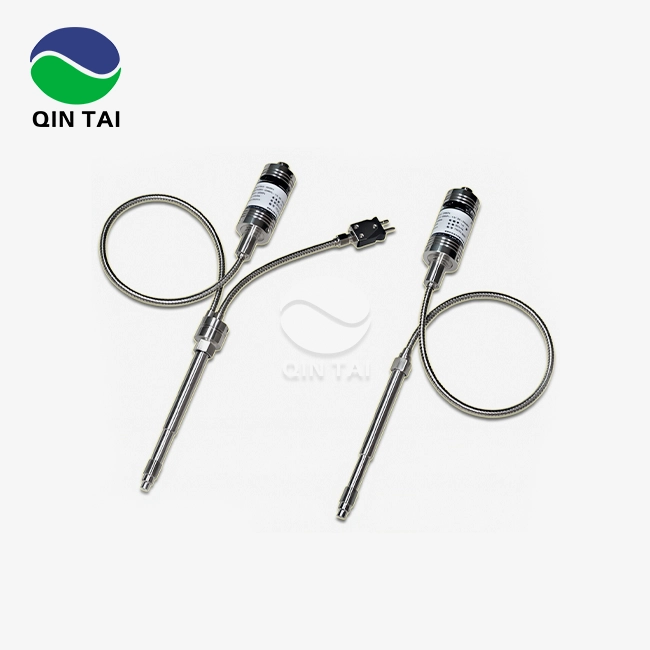
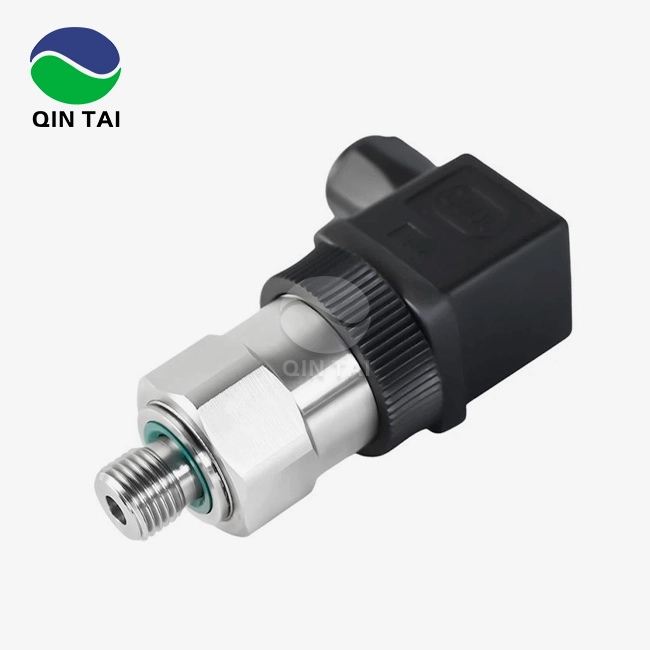
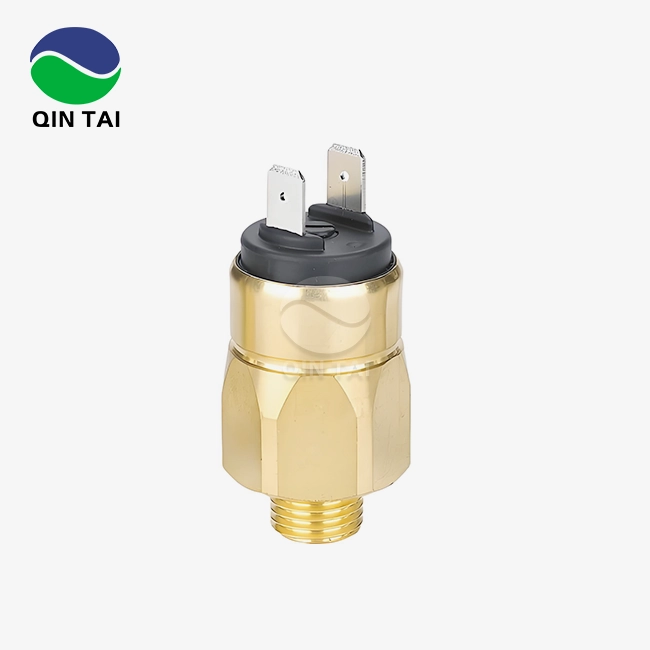
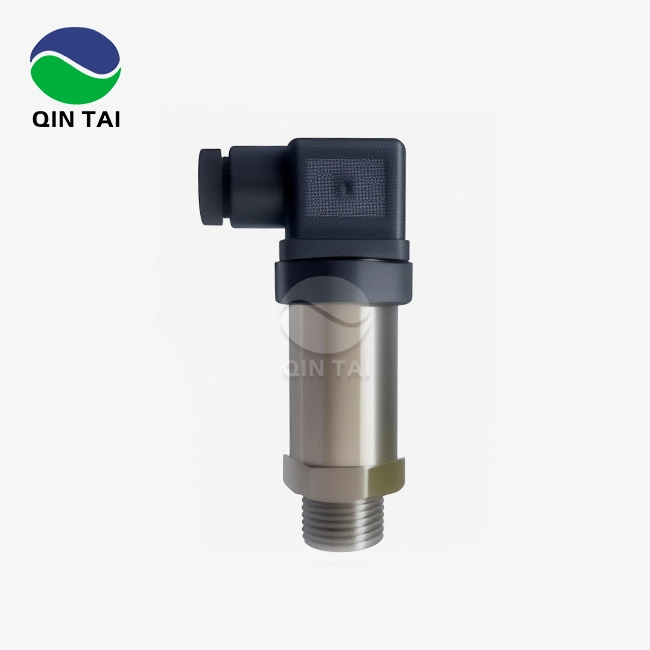

Our customers’ satisfaction speaks for our quality — contact us to experience the same reliable service.