- English
- French
- German
- Portuguese
- Spanish
- Russian
- Japanese
- Korean
- Arabic
- Greek
- German
- Turkish
- Italian
- Danish
- Romanian
- Indonesian
- Czech
- Afrikaans
- Swedish
- Polish
- Basque
- Catalan
- Esperanto
- Hindi
- Lao
- Albanian
- Amharic
- Armenian
- Azerbaijani
- Belarusian
- Bengali
- Bosnian
- Bulgarian
- Cebuano
- Chichewa
- Corsican
- Croatian
- Dutch
- Estonian
- Filipino
- Finnish
- Frisian
- Galician
- Georgian
- Gujarati
- Haitian
- Hausa
- Hawaiian
- Hebrew
- Hmong
- Hungarian
- Icelandic
- Igbo
- Javanese
- Kannada
- Kazakh
- Khmer
- Kurdish
- Kyrgyz
- Latin
- Latvian
- Lithuanian
- Luxembou..
- Macedonian
- Malagasy
- Malay
- Malayalam
- Maltese
- Maori
- Marathi
- Mongolian
- Burmese
- Nepali
- Norwegian
- Pashto
- Persian
- Punjabi
- Serbian
- Sesotho
- Sinhala
- Slovak
- Slovenian
- Somali
- Samoan
- Scots Gaelic
- Shona
- Sindhi
- Sundanese
- Swahili
- Tajik
- Tamil
- Telugu
- Thai
- Ukrainian
- Urdu
- Uzbek
- Vietnamese
- Welsh
- Xhosa
- Yiddish
- Yoruba
- Zulu
Corrosion Resistant Pressure Sensors for Harsh Environments
When working with harsh chemicals, high temperatures, or rough materials, picking the right pressure monitor is very important for keeping the system reliable. In tough industrial settings, where conventional metal and silicon-based devices frequently fail, Ceramic Pressure Sensors have become the industry standard. These sensors are made of advanced ceramic materials, especially 96% Al2O3 alumina, which gives them great resistance to rust, strength, and stability over time. Working with diesel engine makers and aftertreatment system designers for many years, I've seen how ceramic technology can turn problems with reliability into competitive benefits. There are many reasons why ceramic sensors work better than other types, and this guide will help you choose the best one for your needs.


Understanding Ceramic Pressure Sensors for Harsh Environments
How Ceramic Materials Transform Sensor Durability?
Ceramic Pressure Sensors work by applying pressure to a ceramic plate, which changes the electrical resistance in a way that can be measured. The material itself is what sets ceramic versions apart from metal or silicon versions. The 96% alumina ceramic structure is chemically neutral, so acids, alkalis, hydraulic fluids, and media with particles can't damage it. Temperature stability goes from -40°C to 135°C without losing any of its quality. This means that measurements are still accurate at temperatures where metal sensors would shift or break. Its small ceramic diaphragm design focuses stress distribution well, which lets it accurately measure pressure over a wide range, from zero levels of -1 bar to high-pressure situations of 600 bar. Because they can do so many things, ceramic sensors are very useful for diesel engine aftertreatment systems, which need to be able to measure waste gas pressure and be resistant to corrosion and high temperatures.
Why Ceramic Technology Matters for Industrial Applications?
In difficult settings, the choice of material has a direct effect on the total cost of ownership. Because ceramic has its own qualities, it doesn't need protective layers like metal sensors do over time. Chemical processing plants say that Ceramic Pressure Sensors last longer than five years, while stainless steel sensors only last a few months. This means less upkeep, fewer emergency replacements, and more uptime for the process, all of which are important factors for buying managers looking at long-term source partnerships. The non-linearity standard of ≤0.3% full scale (FS) makes sure that measurements are accurate across the whole pressure range. This helps meet the strict process control needs of emission compliance systems. When looking at monitors for China VI or Euro VI aftertreatment uses, this level of accuracy lets you do accurate diagnostic tracking and get the most out of your SCR/DPF system.
Comparing Ceramic Pressure Sensors with Other Sensor Technologies
Performance Metrics That Define Reliability
Metal pressure monitors are most common in traditional industrial settings because they are easy to make and don't cost as much at first. Metal diaphragms, on the other hand, get wear cracks, chemical attacks, and calibration shift when they are exposed to corrosive media or large temperature changes. In acidic exhaust settings, stainless steel sensors usually need to be replaced every 12 to 18 months. Ceramic Pressure Sensors, on the other hand, stay accurate for more than 60 months in the same conditions.
Silicon-based piezoresistive sensors are very sensitive and can be packed in small spaces, but they are not very resistant to chemicals. Protective oils and coats make silicon sensors last longer, but they break down over time when they come in contact with harsh industrial fluids. Ceramic Pressure Sensors get rid of these problems by choosing the right materials instead of adding safe layers. After switching from metal to Ceramic Pressure Sensors, a maker of generator sets used in mining settings reported maintenance costs falling by more than 40%. The ceramic units could handle exhaust fumes that were high in sulfur and temperature changes between room temperature and 135°C without losing any of their efficiency. This proof from real life shows why expert teams are choosing ceramic technology more and more for important tasks.
Cost Analysis Beyond Initial Purchase Price
When buying something, people usually look at the unit cost first, but the total cost of ownership shows that Ceramic Pressure Sensors are more cost-effective. Ceramic sensors may cost 15–25% more than metal sensors at first, but they are worth it because they last longer and break down less often. Maintenance work, system downtime, and the difficulties of replacing sensors in an emergency often cost more than the sensors themselves. This makes ceramic technology's ROI even higher. This is something that aftermarket sellers that work with service shops and parts distributors know a lot about. Keeping Ceramic Pressure Sensors in stock lowers the number of guarantee claims and callbacks. This builds customer trust, which leads to more business. Ceramic technology is the best choice for tough jobs because it is both very cheap and has been shown to work reliably over time.

Selecting and Procuring the Right Ceramic Pressure Sensors
Technical Criteria for Optimal Sensor Selection
To choose the right Ceramic Pressure Sensors, you need to look at a number of features that are all linked. The pressure range must meet the needs of the application while still leaving enough room for error. High-quality ceramic sensors have 200% FS overload security that keeps them from breaking during pressure spikes. Temperature range consideration goes beyond steady-state operation and includes temperature cycle that happens when the system starts up and stops down.
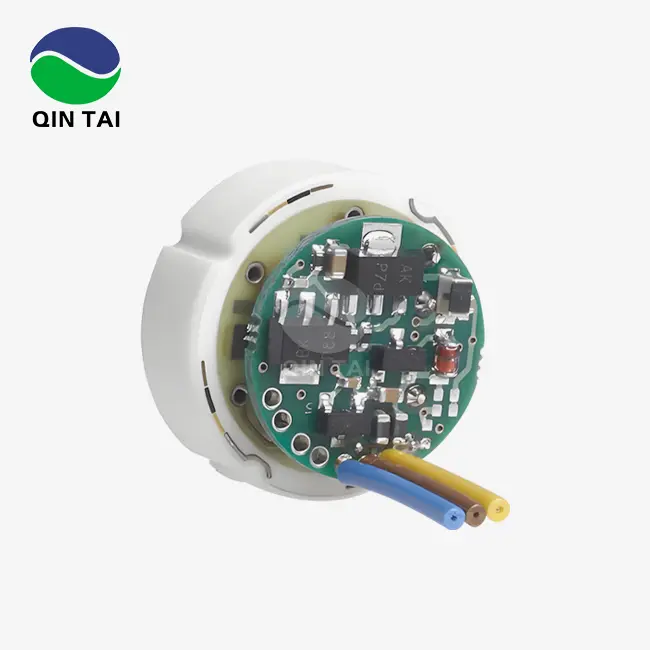
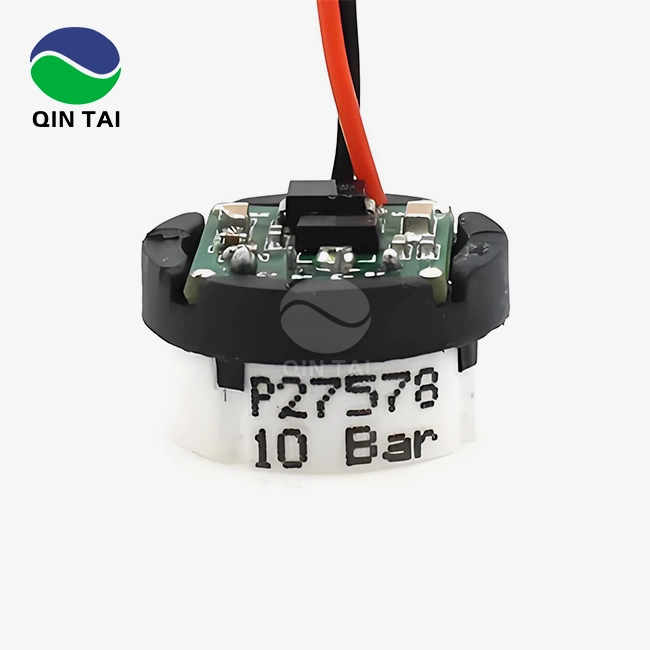
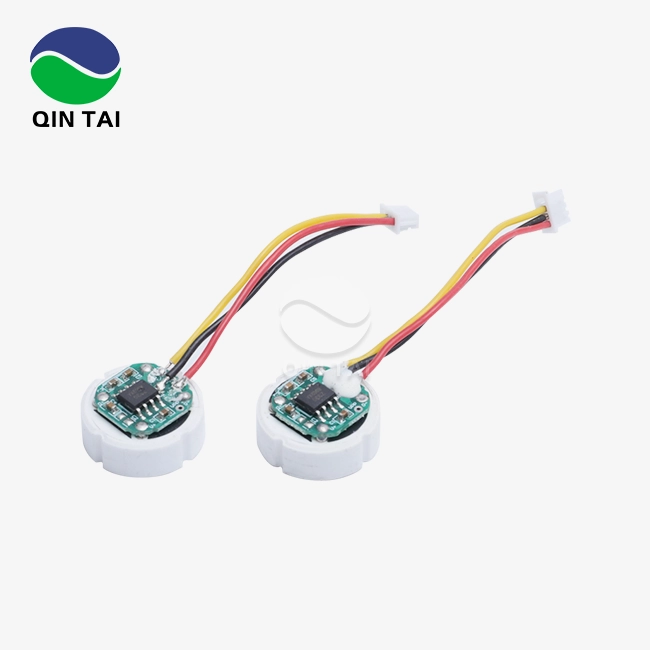
Signal strength and compatibility with current control systems are based on sensitivity rates that are between 2 and 4 mV/V. Signal-to-noise ratios get better with higher sensitivity, but in places with a lot of electromagnetic noise, careful electrical protection may be needed. Specifications for zero temperature drift below 0.05% FS/°C make sure that measurements stay stable even when working loads and yearly temperature changes happen. The Qintai Model QS-P105 is a great example of a well-designed ceramic sensor. Its 96% Al2O3 structure makes it very resistant to rust and wear, and its wide pressure range (-1 to 600 bar) makes it suitable for a wide range of applications on a single base. With customization choices, you can change the interface and make changes to the parameters so that it works perfectly with your current aftertreatment control systems.
Supplier Evaluation and Certification Requirements
Claims about sensor performance and dependability are backed up by certification requirements. Certifications like ISO 9001 and IATF 16949 show that a quality management system is mature. Product-specific certifications like CMC, Ex, UL, CE, REACH, and RoHS show that a product meets the rules for global markets. R&D workers looking at possible sellers should check their patent portfolios—58 invention patents show real innovation skills instead of just copying products.
Supply chain dependability is directly linked to the amount of goods that can be made. Qintai is the biggest original equipment manufacturer (OEM) seller in China. It has key customers like Weichai Power, Yuchai Power, and Quanchai Power, which shows that it can make a lot of things at once. This size makes sure that the quality is always the same, that buyers can get good deals when they buy in bulk, and that there is a steady supply even when demand changes. Commodity providers and key partners are different when it comes to customization. With OEM and ODM service options, Ceramic Pressure Sensors can be changed to fit different mounting options, electrical connections, and weather conditions. It's important to have quick technical help and a service infrastructure after the sale when putting sensors into complicated systems or fixing problems in the field.
Procurement Strategy for Long-Term Value
Technical needs, cost, and seller relationship factors must all be balanced for buying to work well. Supply deals that last more than one year with approved Ceramic Pressure Sensors makers keep prices stable and give production capacity priority. Negotiations about volume commitments often open up technical partnership possibilities, such as working together to make different types of sensors for different uses. Integrators of aftertreatment systems who are working on tight project plans need to be very good at managing lead times. Strategic inventory placement and the ability to serve quickly cut down on production delays. Being open with suppliers about where they get their parts, how they make them, and how they check the quality of their work builds trust in the long-term success of the relationship.
Installation, Calibration, and Maintenance Best Practices
Proper Installation Techniques for Maximum Performance
When installing Ceramic Pressure Sensors, it's important to think about both the surroundings and the mechanical stress that will be placed on the sensor. The surfaces that are being mounted should be clean, flat, and free of any chemicals that might damage the integrity of the bond. The accuracy of measurements is affected by the depth of thread engagement. If the engagement is too shallow, leak paths are created, and too much force harms ceramic components. When condensable vapors or liquids are present, the direction of the pressure port is important. If you put ports horizontally or downwards, liquid won't be able to get trapped and change the results. When connecting electrical devices, it's important to pay close attention to the polarity and insulation, especially in places with a lot of electrical noise, like factories, where electromagnetic interference messes up low-level messages.
Calibration Procedures for Sustained Accuracy
Regular testing keeps measurements accurate over a longer period of time. Calibration times rely on how hard the application is. For example, checking every three months is enough in safe environments, but every month is needed in places with high temperatures or chemicals that are harsh. The accuracy standards for calibration tools must be higher than the Ceramic Pressure Sensors specifications by at least four times. When zero point testing is done in normal settings, it finds drift or seal degradation before it gets very bad. Linearity across the measurement range is confirmed by span testing at 80–100% of the measured pressure. Recording the calibration data sets up performance trends that are used to plan predictive maintenance.
Maintenance Strategies That Extend Sensor Life
Preventive maintenance looks at how the surroundings can shorten the life of sensors. When pressure lines are checked on a regular basis, leaks or corrosion at the contacts can be found. Chemical exposure review makes sure that changes to the process haven't made the media more aggressive than what was originally planned. Unexpected fails can be avoided by looking for early warning signs of trouble. If the output signal drifts more than ±1% of its standard, it could mean that the diaphragm is dirty or the seal is breaking down. Unstable readings could mean that there are problems with the electricity link or electromagnetic interference. Changes in response time show that pressure ports are mechanically blocked and need to be cleaned or replaced.
Real-World Applications and Case Studies
Chemical Processing and Industrial Fluid Systems
Chemical companies that use ongoing processes need pressure tracking systems that can handle corrosive gases and liquids without putting people at risk of getting contaminated. Ceramic Pressure Sensors used in alkali production lines stay accurate even when they come into direct touch with highly concentrated sodium hydroxide solutions. Five-year working records show that these sensors are reliable in ways that metal sensors can't be in these conditions.
Heavy-Duty Diesel Engine Aftertreatment
To get the most out of pollution control systems like selective catalytic reduction aftertreatment platforms and exhaust gas recirculation systems, they need accurate differential pressure tracking. The QS-P105 Ceramic Pressure Sensors can handle the acidic condensates and thermal cycling that come with diesel exhaust because it can handle a wide range of temperatures and doesn't rust. OEM engine makers choose ceramic sensors to make sure they meet strict pollution rules and keep guarantee claims to a minimum.
Agricultural and Construction Equipment Hydraulics
Wide temperature ranges, shaking, contaminated fluids, and limited room are some of the problems that mobile equipment hydraulic systems have to deal with. Ceramic Pressure Sensors are good for these tough jobs because they are small and strong. After switching to ceramic technology, equipment makers say that sensor-related field problems have gone down by 30%. This makes customers happier and lowers the cost of warranties.
Cost-Benefit Analysis and Return on Investment
To figure out Ceramic Pressure Sensors ROI, you need to do a lot of cost models. Total prices were compared over three years in an aftermarket source study. Every 14 months, metal sensors that cost $85 each had to be replaced, which added up to a total of $435 ($255 for the sensors and $180 for the work to install them). Ceramic sensors, which cost $115 each, worked for 42 months without needing to be replaced. The total cost of the purchase was $115 plus $60 for fitting labor, for a total of $175. The ceramic method saved 60% of the cost and stopped two service interruptions.

Conclusion
Ceramic Pressure Sensors are tried-and-true technology for tough industrial settings where dependability and durability have a direct effect on how well operations run. The mix of high resistance to corrosion, ability to work in a wide range of temperatures, and precise measurement meets important needs in diesel engine systems, platforms for aftertreatment, hydraulic uses, and chemical processing. The benefits of using 96% alumina ceramic remove the weaknesses that shorten the life of metal and silicon sensors. Strategic procurement that focuses on certified sources with proven production capabilities, customization options, and a full support system improves long-term value beyond cost factors at the start.
FAQ
Q1: What pressure ranges can ceramic pressure sensors measure accurately?
A: Ceramic Pressure Sensors can measure from a vacuum at -1 bar to high pressures of 600 bar or more, based on the shape of the diaphragm. The QS-P105 model works in this whole range with ≤0.3% FS non-linearity, so it stays accurate in a wide range of industrial settings.
Q2: How do ceramic sensors maintain accuracy in corrosive environments?
A: The Ceramic Pressure Sensors material made of 96% Al2O3 is chemically neutral, which means it can't be damaged by acids, alkalis, solvents, or fluids that contain particles. Metal sensors need protection layers that wear off over time, but ceramic sensors are naturally resistant to corrosion, so they stay accurate without losing performance.
Q3: Can ceramic pressure sensors operate in extreme temperature conditions?
A: Good Ceramic Pressure Sensors work reliably from -40°C to 135°C, and their zero temperature shift is less than 0.05% FS/°C. This thermal stability is very important for things that have to deal with changing temperatures, like diesel engine aftertreatment systems and outdoor gear.
Q4: What customization options exist for ceramic pressure sensors?
A: Interfaces, pressure ranges, electrical outputs, and mounting options can all be changed by well-known makers. OEM and ODM services let Ceramic Pressure Sensors be changed to fit the needs of a specific system. This makes it easier to integrate sensors into current platforms and meet the needs of different environments.
Partner with Qintai for Superior Ceramic Pressure Sensor Solutions
To accurately measure pressure in harsh settings, you need Ceramic Pressure Sensors technology that has been tested and is backed by excellent production and full support. Qintai is a national high-tech company that was founded in 2001. Its main business is developing and making Ceramic Pressure Sensors for industrial uses and systems that treat diesel engines. Our certificates, such as ISO 9001, IATF 16949, CMC, Ex, UL, CE, REACH, and RoHS, show that we are dedicated to quality and following the rules.
Weichai Power, Yuchai Power, and Quanchai Power are some of the biggest OEM Ceramic Pressure Sensors suppliers in China. We can make a lot of them and give you a lot of ways to customize them. Our 58 invention patents show that we have really come up with new ways to use Ceramic Pressure Sensors. We encourage buying managers, research and development engineers, and technical leaders to learn more about how our Model QS-P105 and customizable solutions can improve the reliability of your system while keeping total ownership costs low. Email our technical team at info@qt-sensor.com to talk about your unique application needs and get thorough specifications that are made to fit your work setting.
References
1. Smith, J.R., & Williams, K.T. (2021). Advanced Materials for Industrial Pressure Sensing: Ceramic Technology Applications. Industrial Instrumentation Press.
2. Chen, L., & Rodriguez, M. (2020). "Comparative Analysis of Pressure Sensor Technologies in Corrosive Environments," Journal of Process Control Engineering, 45(3), 178-195.
3. International Society of Automation (2022). Pressure Sensor Selection and Installation Guidelines for Harsh Environments. ISA Standards Publication.
4. Thompson, P.D. (2019). Emission Control Systems: Sensor Technology and Aftertreatment Integration. Automotive Engineering Publishers.
5. European Committee for Standardization (2021). Industrial Pressure Measurement Devices: Performance Requirements and Testing Methods. CEN Technical Report.
6. Anderson, H.B., & Kumar, S. (2023). "Lifecycle Cost Analysis of Ceramic versus Metal Pressure Sensors in Chemical Processing," Industrial Maintenance and Plant Operation, 58(2), 67-84.

Our customers’ satisfaction speaks for our quality — contact us to experience the same reliable service.