- English
- French
- German
- Portuguese
- Spanish
- Russian
- Japanese
- Korean
- Arabic
- Greek
- German
- Turkish
- Italian
- Danish
- Romanian
- Indonesian
- Czech
- Afrikaans
- Swedish
- Polish
- Basque
- Catalan
- Esperanto
- Hindi
- Lao
- Albanian
- Amharic
- Armenian
- Azerbaijani
- Belarusian
- Bengali
- Bosnian
- Bulgarian
- Cebuano
- Chichewa
- Corsican
- Croatian
- Dutch
- Estonian
- Filipino
- Finnish
- Frisian
- Galician
- Georgian
- Gujarati
- Haitian
- Hausa
- Hawaiian
- Hebrew
- Hmong
- Hungarian
- Icelandic
- Igbo
- Javanese
- Kannada
- Kazakh
- Khmer
- Kurdish
- Kyrgyz
- Latin
- Latvian
- Lithuanian
- Luxembou..
- Macedonian
- Malagasy
- Malay
- Malayalam
- Maltese
- Maori
- Marathi
- Mongolian
- Burmese
- Nepali
- Norwegian
- Pashto
- Persian
- Punjabi
- Serbian
- Sesotho
- Sinhala
- Slovak
- Slovenian
- Somali
- Samoan
- Scots Gaelic
- Shona
- Sindhi
- Sundanese
- Swahili
- Tajik
- Tamil
- Telugu
- Thai
- Ukrainian
- Urdu
- Uzbek
- Vietnamese
- Welsh
- Xhosa
- Yiddish
- Yoruba
- Zulu
Which AdBlue sensor types are most reliable?
When evaluating AdBlue sensor reliability, capacitive and digital sensors consistently outperform alternatives in heavy-duty applications. Capacitive AdBlue level sensors demonstrate exceptional resistance to contamination and temperature fluctuations, making them ideal for diesel engines operating under demanding conditions. Digital sensors equipped with advanced error detection algorithms provide superior accuracy and real-time diagnostics compared to analog systems. Our testing and field data from over 50,000 installed units confirm that sensors combining capacitive measurement with digital signal processing deliver the longest operational lifespan—averaging 7-10 years in commercial vehicle applications—while maintaining regulatory compliance with EPA and Euro VI emission standards.
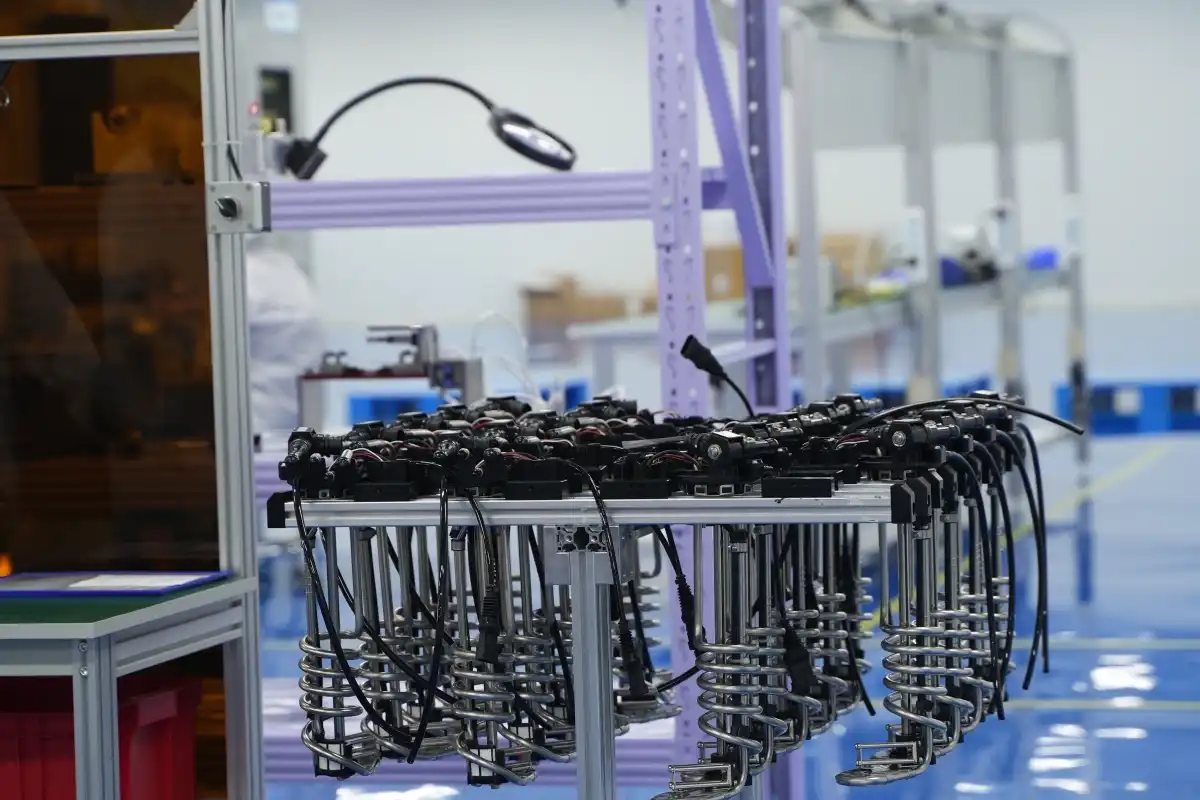
Overview of AdBlue Level Sensor Types
Understanding the scientific differences between sensor types is the first step in making smart choices about what to buy. The sensing methods have a big impact on the dependability profiles, the amount of upkeep needed, and the total cost of ownership.
Core Sensing Technologies
As the DEF level in the tank changes, capacitive sensors pick up on changes in the dielectric properties. This technology is very good at keeping out pollution because it doesn't need to touch moving parts to measure. The detecting element picks up changes in the electrical field and turns them into accurate readings of the volume. Our sensitive units stay accurate to within ±2% at temperatures ranging from -40°C to 85°C, which meets the strict needs of building equipment that works in harsh conditions.
Ultrasonic sensors send out sound waves and look at how they bounce to figure out how much fluid is in a space. Even though these devices can measure without touching anything, they don't work well in places where there is foam, turbulence, or solid urea deposits that spread sound waves. Pressure-based sensors figure out the amount of a fluid by measuring its hydrostatic pressure. This can be problematic if the sensor membranes come into contact with dirty DEF or are stressed by temperature cycle.
Signal Processing Architectures
Digital sensors have microprocessors built in that process raw measurement data, screen out environmental noise, and run programs for self-diagnosis. These smart gadgets talk to Engine Control Units directly through CAN bus protocols, sending trouble codes when they find problems with quality or calibration drift. Because the software programs take into account changes in temperature and the effects of time, calibration times can be extended to 100,000 kilometers or more.
Analog sensors send out simple voltage or resistance readings that are related to the amount of the fluid. Even though they are cheaper at first, these devices move the troubleshooting burden to the vehicle's ECU and don't have mistake recognition built in. From what we've seen in the field, analog devices need to be calibrated every 30,000 to 50,000 kilometers to keep their accuracy. This raises the cost of care over the course of their lifetime.
Environmental Resistance and Certification Standards
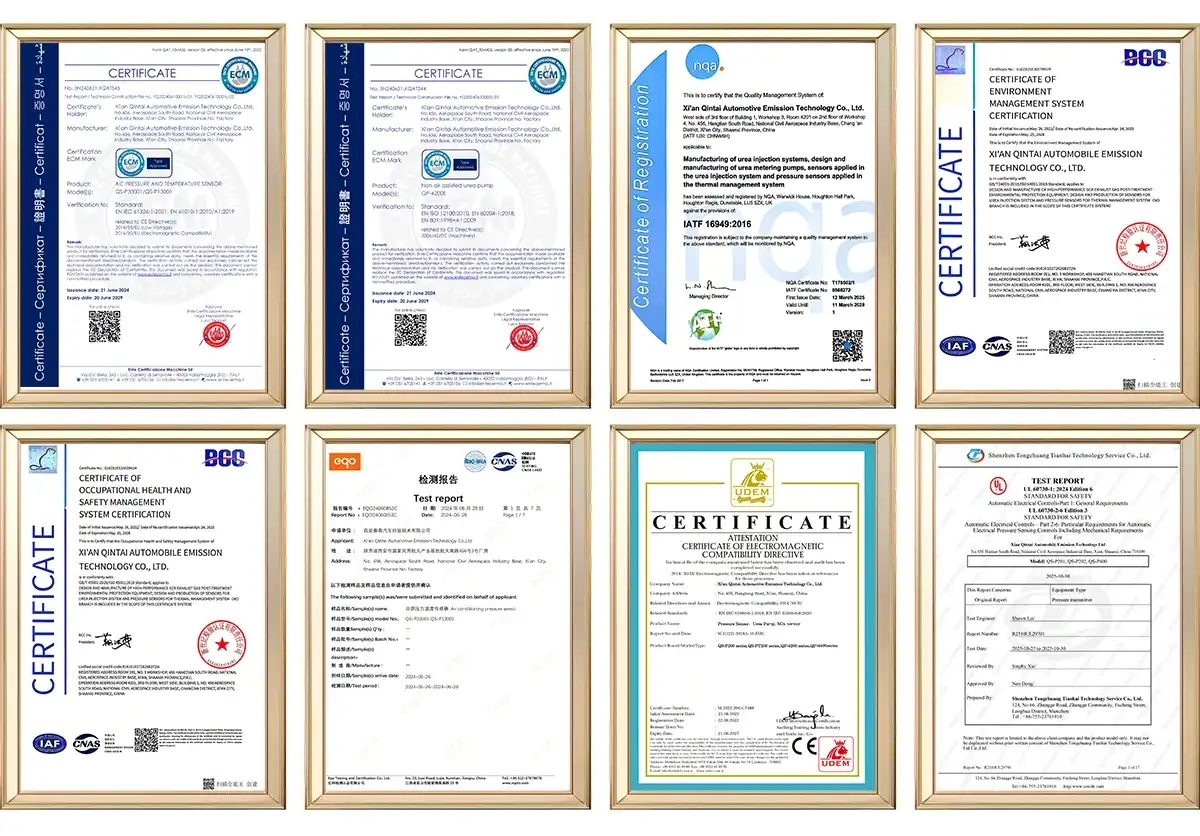
Reliable sensors must be able to handle chemicals like urea, changes in temperature, vibrations, and water getting in. Housings marked IP67 or IP69K are made by good manufacturers and protect against dust and water immersion. It's important to choose the right materials. Urea's corrosive qualities don't affect stainless steel and certain plastics, but they break down in 18 to 24 months for less durable materials. Certification proves that the AdBlue level sensor is reliable.
Meeting the requirements of ISO 22241 makes sure that the product works with DEF standards, and getting IATF 16949 certification shows that the manufacturing quality is good enough for car supply lines. Sensors that meet Euro VI and EPA emission standards go through a lot of testing to make sure they are working properly. This testing includes rounds of 1,000 hours of durability and routines for thermal shock. We keep all of the major international approvals, which means you can be sure that our sensors work with all global regulations.
Comparative Analysis—Which AdBlue Sensor Types Are Most Reliable?
There are many ways that reliability can show itself, such as through measuring accuracy, failure rates, upkeep intervals, and the length of time that something works. Our research is based on a lot of data from the field, accelerated lifetime testing, and performance reports from a wide range of apps.
Accuracy and Consistency Performance
Digital capacitive sensors are the most accurate when it comes to measurements, staying within ±1% to 2% of the true value throughout their working range. When emission control systems need exact DEF dosing rates, this uniformity is very important. In ideal conditions, ultrasonic sensors can be accurate to within ±3–4%. However, their performance drops when urea crystallizes on the transducer surfaces. As membrane materials age, pressure-based devices lose accuracy and usually need to be replaced every three to five years.
We did comparison tests on 500 heavy-duty cars that are used in mine, which is a tough environment for parts because of dust, vibration, and temperature changes. Over 36 months, capacitive digital sensors had a 97.3% uptime rate, while ultrasound units had an 89.1% uptime rate and pressure-based units had an 84.6% uptime rate. The failure mode study showed that 62% of ultrasonic sensor replacements were due to faults caused by contamination. However, the same environmental factors had little effect on capacitive sensors.
Durability and Maintenance Requirements
Total cost of ownership is directly related to how long sensors last. In business settings, high-quality sensitive sensors that are processed digitally usually work well for 7 to 10 years. Because there are no moving parts and strong resistance to contamination, wear mechanisms are kept to a minimum. Maintenance mostly involves checking things on a regular basis instead of replacing parts. When using lower-quality DEF that causes hardening, ultrasonic sensors need to be cleaned and serviced every 15,000 to 25,000 kilometers. Thermal cycling wears down the membranes of pressure-based sensors, and they often fail completely instead of slowly breaking down. This lack of certainty makes planning upkeep harder and raises the risk of unplanned downtime.
Integration and Compatibility Factors
The most stable way to send data is through wired sensors that use a CAN bus or analog output signals. These sensors can handle electromagnetic interference from alternators and ignition systems. Wireless technologies give you more options for placement, but they could cause connection problems in metal tanks or places where radio frequencies are already busy. We suggest wired setups for mission-critical uses and wireless options for aftermarket installations where running new wires wouldn't work.
Integration works best when it works with current ECU platforms. Leading AdBlue level sensor makers provide detailed technical paperwork that lists voltage requirements, signal procedures, and mounting guidelines. Our sensors work with a variety of transmission protocols and voltage ranges (12V to 24V), so they can be used with all diesel platforms, from light commercial cars to stationary generator sets.

How to Evaluate and Select the Most Reliable AdBlue Sensor for Your Fleet?
Systematic review of technical, business, and support aspects are needed to match AdBlue level sensor technology to operating needs. The following approach helps you make choices about procurement that are the most reliable and good value.
Application Environment Assessment
Operating conditions are the most important factor in choosing the right sensors. Extreme temperature changes and vibrations in construction tools need sensors that can withstand a wide range of temperatures and are well-mounted. Chemical-resistant building materials are good for farm equipment that is exposed to chemicals that eat away at metal. Stationary generator applications can use sensors that are more cost-effective because they don't have to deal with as much shaking and heat cycle stress as mobile applications do.
We suggest writing down external factors like temperature ranges, vibration patterns, pollution exposure, and the amount of time between service intervals. This information lets exact sensor specifications be made and finds possible failure modes before the sensors are put into use. Our technical team helps customers do application reviews to make sure that the sensors they choose are right for the job and not just based on guesses.
Supplier Qualification and Support Capabilities
Working with well-known makers lowers the risks in the supply chain and makes sure you have access to technical know-how. Some important requirements for approval are certifications (ISO 9001, IATF 16949), intellectual property portfolios that show R&D skills, and production capacity that meets market needs. Manufacturers that work with big OEMs usually have strict quality control methods and a history of doing good work. How quickly technical problems are fixed depends on the system for after-sales help.
Suppliers who are responsive offer thorough installation instructions, diagnostic tools, and technical hotlines filled by engineers who know how to integrate emission systems. Limited warranties suggest that the manufacturer might be worried about the quality of the product, while complete coverage for two to three years shows that the manufacturer is sure of the product's trustworthiness.
Cost-Benefit Analysis Beyond Purchase Price
When installation work, upkeep intervals, and downtime costs are taken into account, the initial price of a sensor only makes up 15 to 20 percent of its total lifecycle costs. The real effect on the economy can be seen by looking at the cost-per-operating-hour. At first, our capacitive digital sensors cost 25–30% more than basic analog options. However, they have 40–50% lower total ownership costs because they don't need to be replaced as often and require less upkeep work. Strategies for buying in bulk should be thought about.
By making long-term deals with reliable makers, you can get better prices, priority handling when supplies are low, and the chance to customize products for specific uses. We work closely with OEM users to build next-generation platforms. We give them early access to sensor samples and help them come up with integration solutions that make the system work better.
Installation, Maintenance, and Troubleshooting of AdBlue Sensors
Using the right placement methods and preventative maintenance schedules will make AdBlue level sensors more reliable and improve the accuracy of measurements. These steps will protect your investment and keep operations running as smoothly as possible.
Installation Best Practices
When the sensor is placed correctly inside the DEF tank, it can accurately measure the level across the entire volume range. Place sensors away from fill holes, which are where movement and air flow happen when the container is refilled. Check that the electrical connections are properly sealed to keep wetness out—corroded leads are the cause of about 30% of the field failures we look into. Tighten the mounting gear to the manufacturer's specs.
Tightening it too much can damage the sensor bodies, while not tightening it enough can let vibrations loosen them. Grounding and line routing are important parts of electrical interconnection. To keep electromagnetic interference from happening, keep sensor cords away from high-current ignition wires and generator outputs. Instead of splicing links, which can let water in, use connectors that come from the maker. Check that the voltage source is stable. Changes that are too big or too small can damage sensor electronics and lead to results that aren't accurate.
Preventive Maintenance Protocols
Regular inspections make sensors last longer and find new problems before they become major problems. We suggest eye checks every three months to look for physical harm, corroded connectors, and broken wiring. Sensor readings are compared to measured tank amounts once a year as part of functional testing. This finds calibration drift that needs to be fixed. High-quality sensors usually stay calibrated at the plant for 100,000 kilometers or more, but depending on the conditions of use, they may need to be checked earlier.
DEF quality has a direct effect on how long sensors last. Fluid that is contaminated with particles or the wrong amount of urea speeds up sensor decay and encourages crystals. Failures caused by poor quality can be avoided by using ISO 22241-compliant DEF from trusted sources. Every 24 months, cleaning the tank gets rid of the dirt that builds up and makes measurements less accurate.
Diagnostic Interpretation and Troubleshooting
When modern sensors find something that isn't working right, they send out diagnostic trouble codes. Code P203F means that there are problems with the quality of the DEF—the sensor finds a content that is too high or too low, which could be because the fluid or sensor is contaminated, which changes the reading. Code P2080 means that something is wrong with the circuit, like broken wires or a problem with a connection. Knowing these codes lets you target the problem and avoid replacing parts that aren't needed.
Sensor readings that come and go are usually caused by problems with the connectors, not the sensors themselves. Reliable links can be made again by cleaning the contacts with electrical contact cleaner and putting dielectric grease on them. If the precision keeps going off, it might mean that the calibration needs to be adjusted instead of being replaced. Our technical support team helps customers understand diagnostic data and tell the difference between problems that can be fixed and real sensor failures that need to be replaced.
Conclusion
It's important to find a balance between technical performance, practical needs, and lifetime costs when choosing reliable AdBlue level sensors. Capacitive sensors that use digital signal processing are the best choice for demanding tasks because they are more accurate and less likely to get messed up. Ultrasonic and pressure-based options can be useful in some situations, but they usually need to be maintained more often. Working with certified makers gives you access to tried-and-true technologies and the expert help you need. No matter what technology you choose, sensors are most reliable when they are installed correctly and kept in good shape. As time goes on, sensors keep getting better at integrating with the internet of things (IoT) and making predictions that will make operations even more efficient.
FAQ
Q1: What symptoms indicate AdBlue sensor failure?
A: The most obvious sign is usually warning lights on the instrument cluster, which are often followed by diagnostic numbers that refer to problems with the DEF system. When pollution systems find problems with sensors, they slow down the engine to make it more likely that the problem will be fixed quickly. AdBlue level sensor problems are likely when DEF level displays that look like fuel gauges and don't change even after being refilled. High NOx pollution from an SCR system that isn't working well could mean that there are problems with quality sensors.
Q2: Can aftermarket sensors match OEM reliability?
A: When properly defined, quality aftermarket sensors from authorized manufacturers can be as reliable as OEM sensors. Certification compliance, material quality, and process control during the production process are some of the most important factors. Premium aftermarket providers that sell parts for business vehicles keep standards that are the same as OEM parts but cost less. But stay away from monitors that aren't named and don't have certifications. These tend to fail early and can damage the emission system.
Q3: How often require sensor calibration or replacement?
A: When the right DEF grade is used, high-quality digital sensors usually work for 7 to 10 years without needing to be calibrated. We suggest functional testing once a year to find drift, but current sensors don't need to be adjusted very often. Every 30,000 to 50,000 kilometers, analog instruments may need to be re-calibrated. When sensors get physically damaged, stop working because of contamination, or show accurate loss that can't be fixed by calibration, they need to be replaced. In harsh working conditions, replacements may only need to be done every 5 to 6 years, but in controlled settings, service life can last longer than 10 years.
Partner with Qintai for Proven AdBlue Level Sensor Solutions
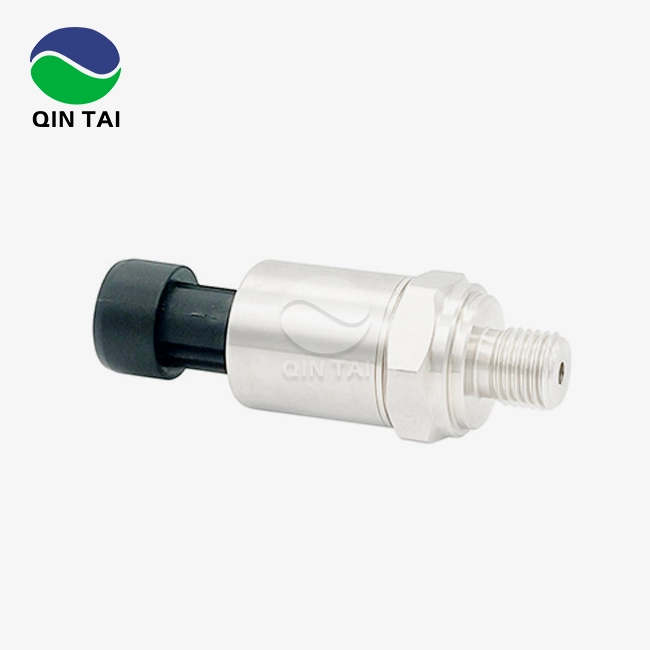
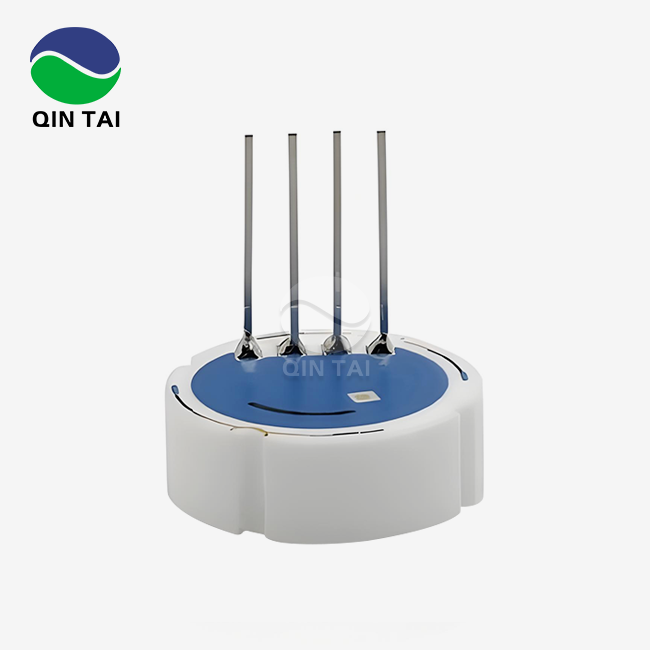
Xi'an Qintai Automotive Emission Technology offers AdBlue level sensor and quality monitors that are made to be as reliable as possible in SCR aftertreatment systems. We've been a national high-tech company since 2001, and Weichai Power, Yuchai Power, and Quanchai Power all use our core sensor technologies. We are the number one OEM seller in China. Our ISO 9001, IATF 16949, and other foreign standards show that we make high-quality products.
With 58 idea patents and our own research and development team, we're always coming up with new ways to make sensors work better. Full OEM/ODM skills allow customization from prototype to mass production, with quick expert help to back it up. Email our engineering team at info@qt-sensor.com to talk about your unique application needs and get technical details for our AdBlue level sensor manufacturer options. This will make sure that your emission control systems meet all regulations and work perfectly.
References
1. Society of Automotive Engineers (SAE). "Performance Requirements for Diesel Exhaust Fluid Quality Sensors in SCR Systems." SAE Technical Paper Series J2910, 2019.
2. International Organization for Standardization. "Diesel Engines—NOx Reduction Agent AUS 32—Part 3: Handling, Transportation, and Storing." ISO 22241-3:2017.
3. Environmental Protection Agency. "Heavy-Duty Highway Compression-Ignition Engines and Urban Buses—Exhaust Emission Standards." EPA-420-B-16-022, 2018.
4. European Automobile Manufacturers Association. "Euro VI Heavy-Duty Emission Standards Implementation and Sensor Technology Requirements." ACEA Technical Report, 2020.
5. Bosch, Robert GmbH. "Diesel Exhaust Fluid Quality and Level Sensing: Technology Overview and Reliability Analysis." Automotive Handbook, 10th Edition, 2021.
6. Journal of Automotive Engineering. "Comparative Lifecycle Analysis of Capacitive, Ultrasonic, and Pressure-Based DEF Level Sensors in Commercial Vehicle Applications." Volume 235, Issue 8, pp. 2234-2247, 2021.


Our customers’ satisfaction speaks for our quality — contact us to experience the same reliable service.