- English
- French
- German
- Portuguese
- Spanish
- Russian
- Japanese
- Korean
- Arabic
- Greek
- German
- Turkish
- Italian
- Danish
- Romanian
- Indonesian
- Czech
- Afrikaans
- Swedish
- Polish
- Basque
- Catalan
- Esperanto
- Hindi
- Lao
- Albanian
- Amharic
- Armenian
- Azerbaijani
- Belarusian
- Bengali
- Bosnian
- Bulgarian
- Cebuano
- Chichewa
- Corsican
- Croatian
- Dutch
- Estonian
- Filipino
- Finnish
- Frisian
- Galician
- Georgian
- Gujarati
- Haitian
- Hausa
- Hawaiian
- Hebrew
- Hmong
- Hungarian
- Icelandic
- Igbo
- Javanese
- Kannada
- Kazakh
- Khmer
- Kurdish
- Kyrgyz
- Latin
- Latvian
- Lithuanian
- Luxembou..
- Macedonian
- Malagasy
- Malay
- Malayalam
- Maltese
- Maori
- Marathi
- Mongolian
- Burmese
- Nepali
- Norwegian
- Pashto
- Persian
- Punjabi
- Serbian
- Sesotho
- Sinhala
- Slovak
- Slovenian
- Somali
- Samoan
- Scots Gaelic
- Shona
- Sindhi
- Sundanese
- Swahili
- Tajik
- Tamil
- Telugu
- Thai
- Ukrainian
- Urdu
- Uzbek
- Vietnamese
- Welsh
- Xhosa
- Yiddish
- Yoruba
- Zulu
Thin Film Pressure Transducers for Industrial Automation
Thin-film pressure sensors are a big step forward in accurate measuring technology. They make it possible for businesses to have complete control over important processes. These automation pressure sensors use thin-film strain gauges that are microfabricated and put directly onto pressure-sensing diaphragms. This gives them levels of accuracy that mechanical devices can't match. Their small size and strong construction make them perfect for harsh industrial settings where reliable performance affects both working efficiency and legal compliance.
Understanding Thin Film Pressure Transducers and Their Role in Industrial Automation
Thin-film technology is very different from other ways of measuring pressure. Sputtered methods are used to place thin layers of metal on ceramic or stainless steel substrates during the production process. When pressure is put on the diaphragm, the thin film is stretched, which changes the resistance in a way that can be predicted and turned into electrical signs. This straight conversion method gets rid of the mechanical links that older sensor designs use to add hysteresis and drift.
Superior Durability and Precision
Thin-film pressure sensors can work in temperatures as low as -40°C and as high as 85°C. This means they can be used in diesel engine aftertreatment systems, hydraulic equipment, and generator sets. The chemical bonding between the film and the base makes them very stable, so measurements will stay the same after millions of pressure cycles. Piezoelectric sensors need to be re-calibrated all the time, but thin-film devices can keep their accuracy for a long time, which cuts down on maintenance costs and downtime.
Integration Capabilities for Modern Control Systems
These sensors can send out a number of different types of signals, such as 4-20mA analog signals, RS485 digital communication, and CAN bus connections. Because of this, it is easy to connect to programmable logic devices, remote control systems, and SCADA platforms. Because makers can change the way signal conditioning circuits work, they can meet the unique voltage ranges and transmission protocols needed by different automation designs.
Application in Emission Control Systems
Thin-film pressure sensors measure the backpressure of the exhaust, the pressure of the urea injection, and the difference in pressure across the diesel particulate screens in SCR aftertreatment systems for diesel engines. Their quick responses—often less than 2 milliseconds—allow real-time changes that make NOx reduction work better while still meeting China VI and Euro VI emission guidelines. Because the sensors are chemically resistant to ammonia, soot, and humidity, they will work reliably for the whole life of the aftertreatment system.
Key Types and Specifications of Automation Pressure Sensors for Industrial Applications
Different sensor technologies are needed for industrial automation, and each one has its own benefits for different measurement problems. Knowing about these differences helps buying managers and R&D engineers choose options that meet performance needs and stay within budget.
Piezoresistive sensors use silicon diaphragms that have resistors built into them. When the diaphragms are mechanically stressed, the resistors change their electrical properties. These devices are great at tracking changes in dynamic pressure, but they need circuits to correct for changes in temperature. Capacitive pressure sensors detect diaphragm deflection by changing the capacitance between electrodes. They are very stable for low-pressure uses, but they don't have as much dynamic range as thin-film options.
Critical Specifications for Procurement Decisions
When looking at different automation pressure sensor choices, a number of technical factors decide which ones are best for heavy-duty uses. Specifications for accuracy usually cover ±0.25% to ±1.0% of full scale, and thin-film sensors always get smaller tolerances. Linearity claims should be checked separately from accuracy claims by procurement teams, since non-linear output shapes make signal processing and testing more difficult.
Operating temperature ranges have a big effect on how reliable something will be in the long run. Specialized packing materials and hermetic closing methods are used for sensors that are designed to work continuously at high temperatures. Specifications for vibration strength are very important for building equipment and heavy trucks where mechanical shock levels can be higher than 100G. Ingress protection grades of IP67 or IP69K make sure that sensors can handle being submerged in hydraulic fluids and being washed under high pressure.
Output Signal Compatibility
People still like analog output sensors because they are easy to wire and work with older control systems. Digital automation pressure sensors that work with Modbus RTU or HART protocols can be used for remote diagnosis, maintenance alerts based on what's likely to go wrong, and logging of multiple parameters. Wireless models that use LoRaWAN or industrial WiFi standards lower the cost of installation in repair projects, but battery life and electromagnetic interference (EMI) must be carefully studied.
Documentation for ISO 9001 quality management systems comes in the form of calibration certificates that can be tracked back to national standards. Explosion-proof standards for generator sets in mines and chemical plants can be met by sensors certified for dangerous sites (ATEX, IECEx, UL). Material approvals that show REACH and RoHS compliance deal with environmental rules that are being applied more and more in foreign markets.
How to Choose the Best Thin Film Pressure Transducer for Industrial Use?
To choose the right pressure measurement solutions, you need to carefully compare the technologies that are offered with the needs of the business. Technical departments set performance standards, buying managers discuss business terms, and management teams accept supplier partnerships based on how well they fit with the company's long-term goals.
Performance Versus Cost Analysis
When compared to mechanical gauges, thin-film pressure sensors are more expensive, but their total cost of ownership is much lower. A diesel engine maker that used thin-film sensors saw a 40% drop in warranty claims linked to SCR system problems. This was directly due to more accurate pressure measurements. The sensors' longer calibration intervals—usually 24 months compared to 6 months for mechanical alternatives—lower the cost of repair work and the number of times the production line has to be stopped.
When considering automation pressure sensor technologies, reaction time is very important for tasks that need closed-loop control. Thin-film devices can settle in less than 5 milliseconds, which lets emissions be controlled and burning optimized in real time. This responsiveness is very important for meeting strict NOx limits during short periods of engine activity that are required by regulatory testing methods.
Supplier Evaluation Criteria
For B2B procurement relationships to work, sellers must show that they can meet OEM standards for manufacturing. Facility checks should be used to make sure that automatic calibration equipment, statistical process control systems, and cleanrooms that are good for putting together sensors are in place before mass production can start. Customization services providers can change the layout of electrical plugs, pressure ports, and mounting brackets to make them easier to fit into current designs.
The ability to provide technical help sets strategic partners apart from commodity providers. Engineers who are quick to respond give advice based on the application, look over installation plans, and fix problems with performance in the field. Throughout the lifecycle of a product, measurement accuracy is maintained by calibration services that include on-site checks with portable dead-weight testers. Warranty terms that show how confident the maker is in the product's reliability—usually 24 to 36 months—protect buyers from failures that happen too soon.
Standards Compliance and Certification
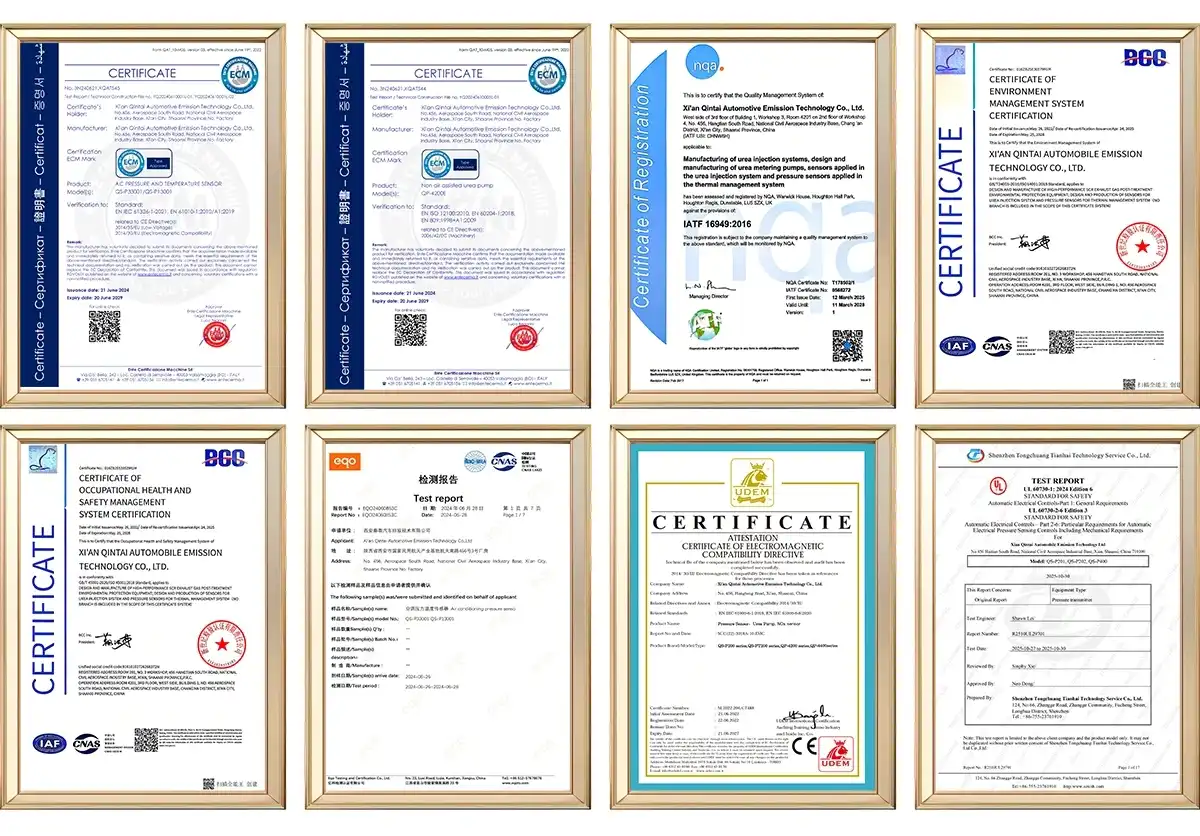
Integrators of aftertreatment systems need sensors that are approved to meet quality standards for the car industry, such as IATF 16949 and VDA 6.3. These certifications show that suppliers have strong quality control systems that include design FMEA, steps for approving production parts, and methods for corrective action. Environmental certifications like ISO 14001 and conflict mineral statements meet the requirements for corporate social responsibility that are being pushed by global OEMs.
The sensor can only be used in certain areas based on its electricity safety approvals. CE marking lets you sell in countries in the European Union, and UL recognition makes it easier to get into North American markets. Products that are meant to be used in dangerous environments need to be certified by ATEX Zone 1 or IECEx. This means that the building and electrical separation barriers have to pass strict tests.

Installation, Calibration, and Maintenance Best Practices for Thin Film Pressure Transducers
The most accurate measurements can be made and sensor problems can be avoided by following the right setup steps. About 60% of performance problems reported in the field during guarantee periods are caused by mistakes during installation. This means that following maker instructions is very important for getting the expected service life.
Mounting and Connection Procedures
Pressure monitors should be put in places where they won't be directly affected by fluids, movement, or temperature changes. Mounting fittings should protect sensor housings from mechanical stress and relieve strain on electrical lines. When applying sealer to pipe threads, be careful not to use thread compounds that clog pressure ports or weaken the seal.
It's important to pay attention to how cables are routed so that electromagnetic interference from ignition systems, variable frequency drives, and radio devices doesn't happen. At the control cabinets, shielded wires with 360-degree shield terminations keep noise from getting into sensitive analog data. Multiple ground links create ground loops that make measurements less stable. This is why systems with multiple sensors need single-point grounding designs.
Calibration Intervals and Techniques
Manufacturers suggest checking the adjustment every 12 to 24 months, based on how harsh the application is. Using movable pressure calibrators for in-house calibration is convenient, but it costs money to buy reference standards and train workers. Third-party calibration labs that are ISO/IEC 17025 certified can provide tracking to national metrology institutes. This makes quality paperwork for audits and regulatory reports stronger.
Zero offset drift and span changes happen slowly as sensors age, so they need to be adjusted every so often. Modern digital automation pressure sensors with EEPROM memory can be calibrated in the field instead of sending units back to the factory. This cuts down on downtime and the cost of shipping. Calibration papers should list the errors at several pressure points across the measurement range. This will show any nonlinearities that affect how well the control system works.
Troubleshooting Common Issues
Most of the time, unstable output signs are caused by issues with the electrical connection rather than sensor breakdowns. Before replacing a sensor, you should check for loose terminal screws, corroded pins, and broken wire insulation. Moisture getting in through damaged cable glands causes periodic faults that get worse in places with a lot of humidity, like engine rooms and outdoor installations.
If the output changes quickly after repair, it could mean that the machine was damaged by overpressure or heat shock. When sensors are exposed to pressure spikes that are higher than their stated limits, they need to be replaced because the internal diaphragm displacement can't be fixed. When thermal cycling goes beyond certain limits, it puts stress on the package, which lowers its long-term stability. This is especially true for sensors made of different materials with different thermal expansion factors.
Future Trends and Innovations in Thin Film Pressure Sensing for Industrial Automation
As technology keeps getting better, requests for better connection, predictive maintenance, and smaller sizes keep changing how industrial pressure sensors work. These new technologies have an effect on buyers' purchasing decisions because they make them think about how they can give them a competitive edge in business efficiency and product differentiation.
IoT Connectivity and Smart Diagnostics
Next-generation automation pressure sensors have wireless transceivers built in, so they can talk to the cloud and run on batteries. These gadgets send information about pressure, error codes, and impending failures to centralized tracking systems. Algorithms that use machine learning look at past performance patterns to find gradual drift that points to approaching failures before measurement accuracy drops too low to be accepted.
Sensor fusion methods that combine pressure readings with temperature, sound, and flow data give full health checks for equipment. Diesel engine makers use these multi-parameter systems for condition-based maintenance plans, which replace service cycles based on time with actions based on data. Even though the original costs of the sensors were higher, they quickly paid for themselves because they cut down on upkeep costs and eliminated unplanned downtime.
Customization and Volume Production
Industrial buyers want application-specific sensor variants more and more, instead of making changes to normal goods from the outside. OEM customers are more likely to buy from suppliers who offer design customization services, such as pressure range optimization, custom port layouts, and housings with the customer's name. Flexible manufacturing systems that use automatic calibration cells and fast prototyping shorten the time it takes to go from idea to production start.
To meet the needs of both just-in-time manufacturing and supply chain resilience, volume price systems and vendor-managed inventory plans are used. Long-term supply deals with agreed-upon prices protect buyers from changes in the market and give suppliers peace of mind about steady order amounts, which helps them invest in capacity. These working relationships are very important because global issues and shortages of parts make the supply chain risky in ways that have never been seen before.
Conclusion
Thin-film automation pressure sensors give current industrial automation systems the accuracy, durability, and ability to be easily integrated that they need. These products work better than others, so they are worth the money for uses that need to follow strict emission rules, have long service times, and need little upkeep. When making decisions about what to buy for automation pressure sensors, buyers should weigh the technical requirements against what the suppliers can do.
They should make sure that the partners they choose offer customization options, quick technical help, and approved quality management systems for their automation pressure sensors. As technologies for industrial connectivity and predictive maintenance improve, companies that choose automation pressure sensor providers that are committed to innovation will have a long-term economic edge.
FAQ
Can automation pressure sensors withstand diesel exhaust environments?
High-quality sensors made for use after treatment have materials that are wetted with stainless steel and airtight closing that is resistant to soot, condensation, and ammonia. Installations for exhaust systems can be done in temperatures up to 150°C. Before the standard is approved, manufacturers should show MTBF data that shows how reliable they are in similar harsh settings.
What signal output works best for SCR system integration?
CAN bus connection lets networks of multiple sensors share a single cable architecture and gives them the ability to do diagnostics. Analog 4-20mA outputs are easy to use and work with engine control units that are already in use. The best option relies on the processor inputs that are available, the limitations of the wiring harness, and the diagnostic features that are needed to fix problems in the field.
Partner with Qintai for Reliable Automation Pressure Sensor Solutions
Qintai Automotive Emission Technology Co., Ltd. has been dedicated to making precise pressure sensors for diesel engines for more than twenty years. Our IATF 16949-certified production facilities give OEM partnerships the stability and tracking they need, and our 58 invention patents show that we are always coming up with new ideas for thin-film sensor technology. We know how important it is for SCR aftertreatment systems to work well under China VI and Euro VI rules because we are the main provider of automation pressure sensors to China's top engine makers, such as Weichai, Yuchai, and Quanchai.
Our expert teams offer full customization services, ranging from changing the electrical interface to creating custom testing ranges, so that our products will work perfectly with the platforms you already have. Contact info@qt-sensor.com to talk about your specific needs and find out how our ability to produce in large quantities, affordable pricing, and quick tech support can make your supply chain more reliable while still meeting the high quality standards that your image requires.
References
1. Webster, J.G., Eren, H. (2018). Measurement, Instrumentation, and Sensors Handbook: Spatial, Mechanical, Thermal, and Radiation Measurement. CRC Press, Second Edition.
2. Barlian, A.A., Park, W.T., Mallon, J.R., Rastegar, A.J., Pruitt, B.L. (2009). Review: Semiconductor Piezoresistance for Microsystems. Proceedings of the IEEE, Volume 97, Issue 3.
3. Norton, H.N. (2014). Sensor and Analyzer Handbook. Prentice Hall Professional Technical Reference.
4. Instrumentation, Systems, and Automation Society (2019). Industrial Pressure Measurement: Best Practices and Selection Guidelines. ISA Technical Report.
5. International Organization for Standardization (2017). ISO 15213:2017 - Micromachining and nanotechnology — Thin-film standard for scanning electron microscope dimensional metrology.
6. Society of Automotive Engineers (2020). SAE J1939 Standards Collection: Recommended Practice for Serial Control and Communications Vehicle Network. SAE International.
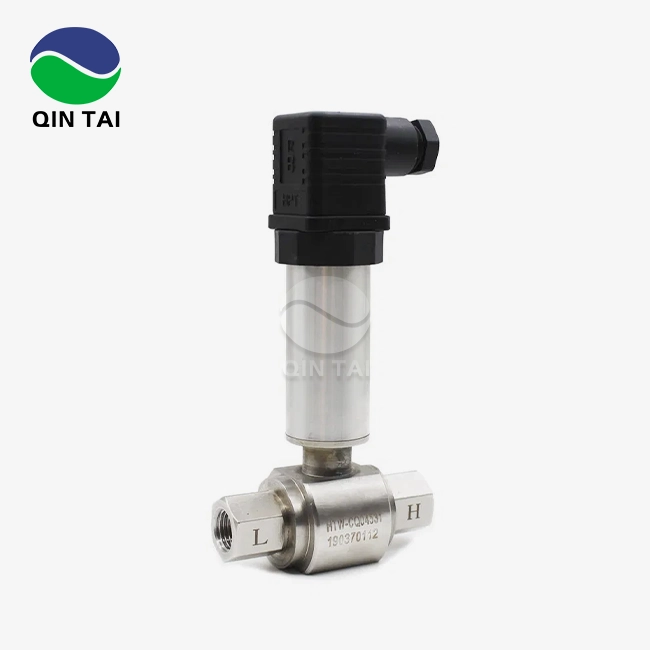
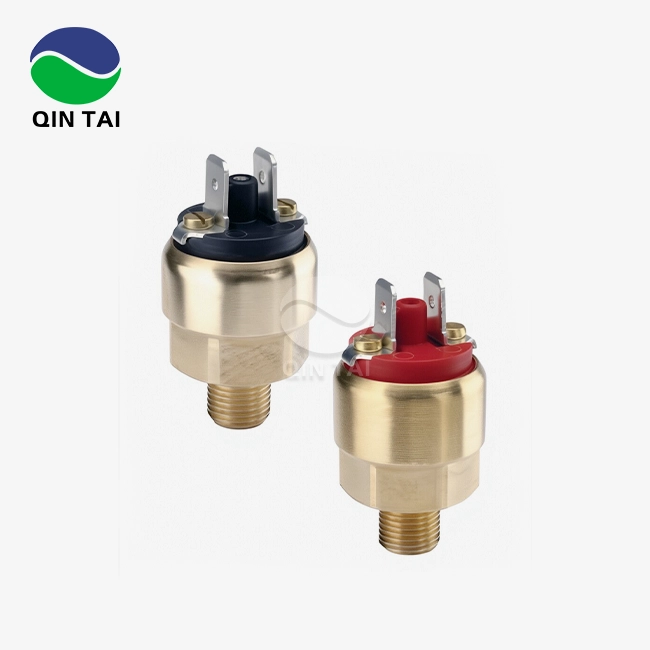
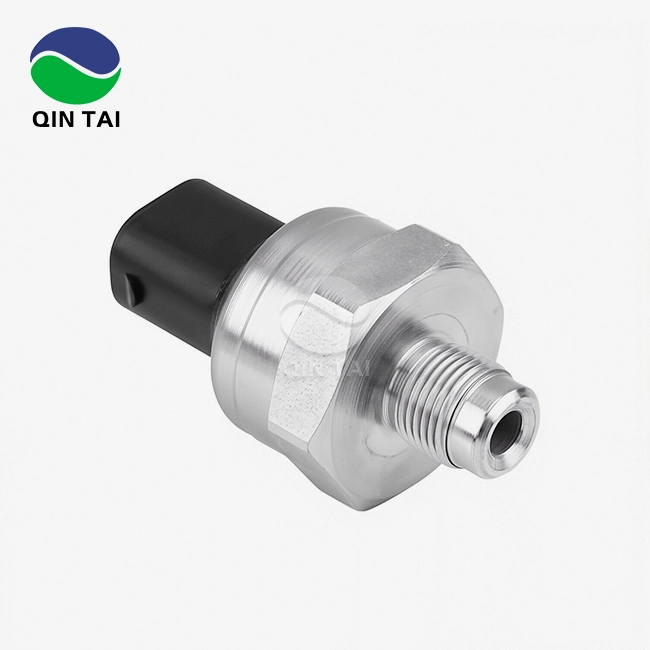

Our customers’ satisfaction speaks for our quality — contact us to experience the same reliable service.