- English
- French
- German
- Portuguese
- Spanish
- Russian
- Japanese
- Korean
- Arabic
- Greek
- German
- Turkish
- Italian
- Danish
- Romanian
- Indonesian
- Czech
- Afrikaans
- Swedish
- Polish
- Basque
- Catalan
- Esperanto
- Hindi
- Lao
- Albanian
- Amharic
- Armenian
- Azerbaijani
- Belarusian
- Bengali
- Bosnian
- Bulgarian
- Cebuano
- Chichewa
- Corsican
- Croatian
- Dutch
- Estonian
- Filipino
- Finnish
- Frisian
- Galician
- Georgian
- Gujarati
- Haitian
- Hausa
- Hawaiian
- Hebrew
- Hmong
- Hungarian
- Icelandic
- Igbo
- Javanese
- Kannada
- Kazakh
- Khmer
- Kurdish
- Kyrgyz
- Latin
- Latvian
- Lithuanian
- Luxembou..
- Macedonian
- Malagasy
- Malay
- Malayalam
- Maltese
- Maori
- Marathi
- Mongolian
- Burmese
- Nepali
- Norwegian
- Pashto
- Persian
- Punjabi
- Serbian
- Sesotho
- Sinhala
- Slovak
- Slovenian
- Somali
- Samoan
- Scots Gaelic
- Shona
- Sindhi
- Sundanese
- Swahili
- Tajik
- Tamil
- Telugu
- Thai
- Ukrainian
- Urdu
- Uzbek
- Vietnamese
- Welsh
- Xhosa
- Yiddish
- Yoruba
- Zulu
Fleet Maintenance Guide to Choosing Reliable Engine Sensors
You can avoid costly downtime and save money on repairs by making sure your fleet has the right engine sensors. These important tracking tools get information from diesel engines in real time, so fleet managers can find problems with performance before they get worse and cost a lot to fix. If you run big trucks, building equipment, farm equipment, or generator sets, you need to know how to find and evaluate sensors that are accurate, long-lasting, and compliant with regulations. This will help you keep your business running smoothly and protect your bottom line.
Understanding Engine Sensor Technology and Types
Modern fleet operations depend a lot on complex tracking systems that give constant information about the state of the engines. Engine sensors are like the eyes and ears of these systems. They pick up important information that helps with repair choices and making the engine run at its best.
Temperature Sensors and Their Critical Role
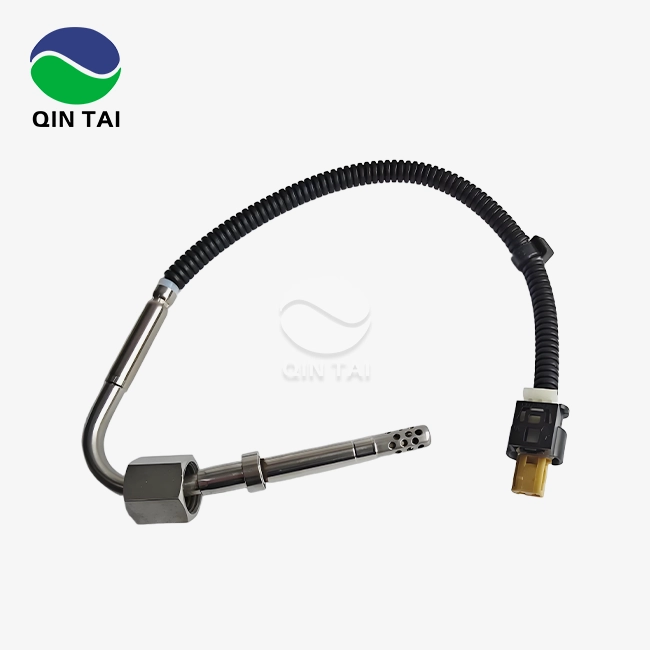
In diesel powertrains, temperature sensors check the amounts of coolant, the state of the oil, and the temperatures of the exhaust gases. To get accurate data that keep things from overheating or breaking, these gadgets use thermocouples or resistance temperature detectors. When the temperature of the water goes above what is safe, these sensors set off alarms that keep engine parts from breaking down completely. When fleet managers buy high-quality temperature tracking, they usually have 15 to 20 percent fewer engine-related breakdowns than when they use standard-grade options.
Pressure Sensors for Comprehensive Monitoring
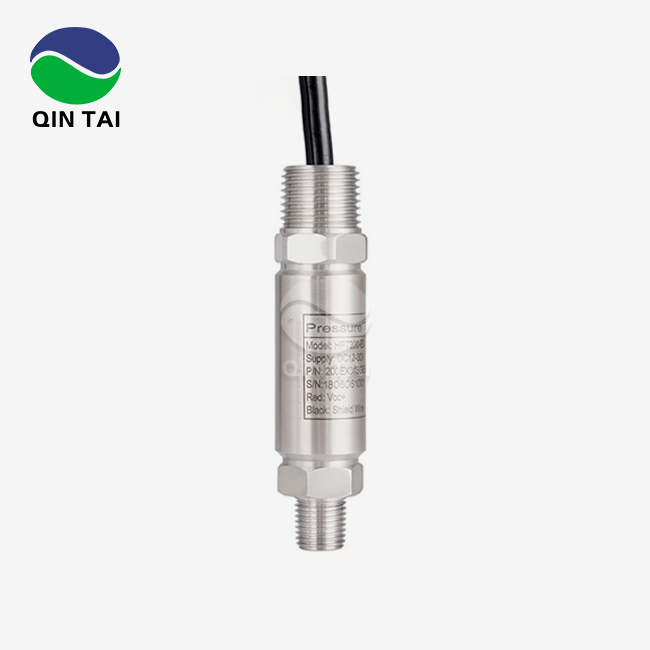
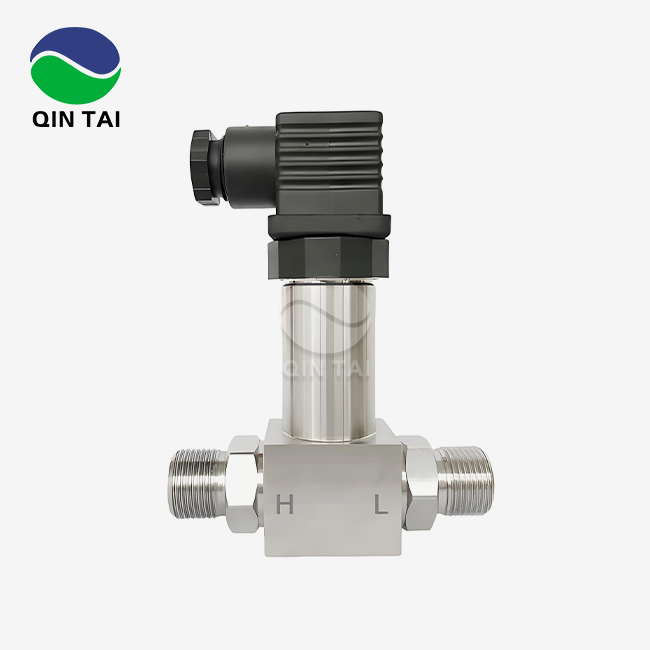
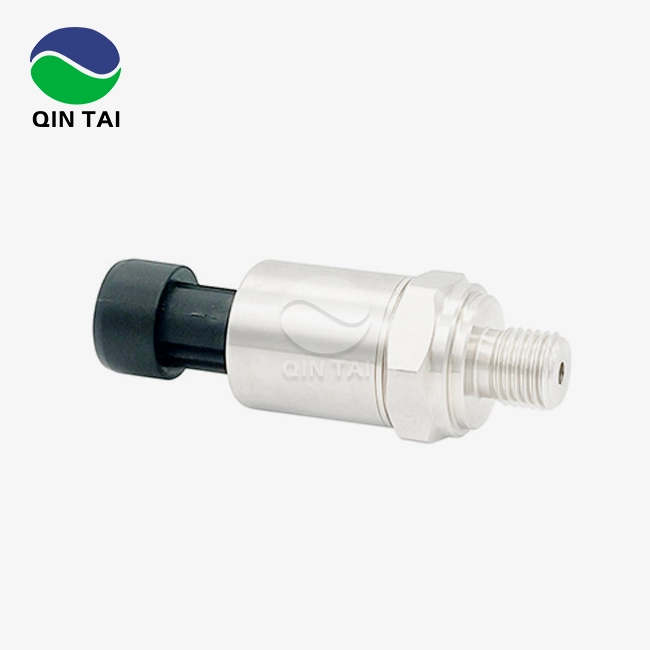
In the engine system, pressure sensors keep an eye on the oil pressure, fuel pressure, boost pressure, and exhaust backpressure. These measures show if the fluids are flowing correctly, the turbochargers are working well, and the aftertreatment systems are keeping the engine running at its best. If an accurate pressure sensor notices a quick drop in oil pressure right away, it can keep the bearings from seizing up and the engine from breaking down completely. Modern technology for tracking pressure has come a long way. It is now much more sensitive and responds faster, which lets engine settings be changed in real time.
NOx Sensors and Emission Control
NOx sensors are a special type of sensor that is needed to meet the emission guidelines for China VI and Euro VI. These devices have two chambers that work together to measure both oxygen and NOx levels at the same time. As exhaust fumes enter the sensor, oxygen is pumped out of the first chamber. NOx molecules then move to a second chamber, where a catalyst figures out how concentrated they are and sends that information to the ECU. One NOx sensor is placed strategically on the turbo side of the Diesel Particulate Filter, and the other is placed strategically on the exit side of the Diesel Oxidation Catalyst. The ECU compares these two signals to find out how well the conversion worked and then changes the amount of urea added to SCR systems based on that. This feedback process makes sure that the rules are followed and also makes the best use of diesel exhaust fluid.
Oxygen and Vibration Sensors in Fleet Applications
Oxygen sensors check the amounts of air and fuel in order to get the best burning, which cuts down on both fuel use and pollution. Vibration sensors pick up on strange movements that mean bearing wear, mounting problems, or soon-to-come mechanical failures. When you combine these different types of sensors, you get a full monitoring system that works with predictive maintenance plans. This way, fleet workers can plan fixes for planned downtime instead of having to deal with breakdowns that happen out of the blue.
How to Choose Reliable Engine Sensors for Fleet Maintenance?
When deciding to buy engine tracking systems, you have to weigh the technical requirements against the needs of the business and your budget. When you use structured factors that are tailored to the problems your fleet faces, the review process is easier to handle.
Accuracy as the Foundation of Reliable Data
The accuracy of sensors has a direct effect on choices about upkeep and following the rules. When readings are off, fixes are done that aren't needed, maintenance is skipped, or pollution rules are broken. When looking at NOx sensors or pressure tracking tools, make sure you ask for detailed information that lists measurement errors and calibration standards. Better sensors usually keep their accuracy within ±2% of their working range, while cheaper ones may lose accuracy by 5–10% over time. This difference is very important when you're in charge of fleets that have to follow strict emission rules and keep their conversion efficiency above 90%.
Durability and Lifespan Considerations
Engine sensors and fleet sensors work in difficult conditions with high and low temperatures, toxic exhaust gases, and constant shaking. These factors make it faster for poorly made parts to break down. Specifications for the materials, protection coatings, and environmental grades should be the main focus of the evaluation. Ceramic elements and high-temperature metals used to make industrial-grade sensors always work better than consumer-grade ones, and they usually last two to three times longer. This longer lifespan means they will need to be replaced less often, which will lower the total cost of ownership.
Compatibility and Integration Requirements
Sensors need to work perfectly with ECU and fleet management systems that are already in place. Before you buy something, make sure that the mounting options, transmission methods, and electrical connectors are all compatible with the tools you need. Aftertreatment system designers like sensors that have flexible interfaces and settings that can be changed to work with a variety of engine platforms. This flexibility gets rid of the need to keep track of different sensor stocks and makes installation easier.
Wired versus Wireless Technology Trade-offs
While wired sensors offer solid, error-free data transfer, they are more difficult to set up. Wireless options give you more options and make upgrading easier, but the signal may weaken in metal-enclosed areas. Wired solutions are usually better for heavy equipment because they are more reliable, but wireless tracking may be better for secondary systems because it saves money on installation.
Warranty Coverage and Supplier Credibility
Manufacturers who offer comprehensive guarantee programs are sure that their products are of high quality. Look for guarantees that cover both production flaws and loss of performance for 24 to 36 months. Just as important is the reliability of the seller, which can be checked by certifications like IATF16949 and ISO9001, as well as product-specific approvals like UL and CE marks. These certifications show that the company follows quality control systems and safety standards for products that are accepted in all foreign markets.

Installation, Maintenance, and Troubleshooting of Engine Sensors
When sensors are installed and maintained correctly, they work better and don't break down early, which can stop the fleet from running.
Step-by-Step Installation Best Practices
Before you start replacing the sensors, you should check the vehicle for trouble codes to make sure you know which part needs work. Most codes include location information and say something like "circuit high," "circuit open," or "sensor out of range." Never take new sensors out of their protected packaging until you are about to place them. NOx sensors are especially sensitive to moisture contamination. Using the diagnostic information, find the broken sensor and carefully remove it with a line wrench so that the exhaust threads don't get damaged. Apply penetrating oil and wait for it to work before applying more force if the sensor still won't come off. Take the electrical module off of the main wiring, which is normally inside the frame rail, and look at the new sensor next to the old one to make sure they are the same. Make sure the electrical connections are clean and secure before installing the new part backwards.
Common Issues and Troubleshooting Techniques
Signal interference is often caused by broken wires, links that have corroded, or electromagnetic interference from electrical parts close by. If sensors give you inconsistent readings, check the wire harnesses for chafing, the connection pins for corrosion, and make sure that everything is properly grounded. If the sensors get damaged from heat or pressure, they need to be replaced right away to get accurate tracking back. Higher-than-normal DEF use and NOx fault codes often mean that sensors are wearing out instead of real pollution problems. This shows how important it is to do a good diagnosis before approving fixes.
Routine Maintenance Protocols
Set up check plans that work with the fleet's service intervals, which are usually every 50,000 to 100,000 miles, but can change based on the conditions. As part of regular maintenance, check the engine sensors and other fleet sensors visually for physical damage, make sure the electrical connections are still tight and free of corrosion, and make sure the mounted gear stays within the torque limits. Calibration checking makes sure that sensors keep giving accurate data for as long as they are used. More regular inspections are good for fleet workers who take care of equipment in harsh environments like mines, farms with lots of dust, or coastal areas where salt can damage the equipment.
Comparing Engine Sensors: Traditional vs Advanced Sensor Technologies
Sensor technology has changed over time, leaving big performance gaps between older designs and newer ones. These gaps have a direct effect on how efficiently fleets work.
Limitations of Traditional Sensor Designs
Traditional sensor designs have a number of problems that come with them. Data dependability is harmed by low accuracy, especially when temperatures are very high or low or when service gaps are long. Response times that are slower cause system changes to be delayed, which makes emission control less effective and increases fuel use. Traditional sensors also don't last as long in harsh settings, so they need to be replaced more often, which raises the cost of upkeep. Many older designs are more sensitive to gases that could be interference, which can lead to false results that require extra troubleshooting steps that aren't needed.
Advantages of Advanced Sensor Technology
New developments in material science have made modern sensing designs much more effective. Better ceramic elements and protected coats can handle corrosive exhaust conditions a lot better than older models. Hydrocarbons and ammonia don't interfere as much with measurements when using advanced signal processing methods. This makes measurements more accurate over a wider concentration range. Real-time data transfer lets the system respond right away, which improves both NOx conversion and fuel economy. These technological advances have real practical benefits: fleets that use advanced sensor technology report 10-15% improvements in the performance of their emission systems and 20-30% reductions in the number of repair visits needed for sensors.
ROI Analysis for Bulk Procurement
The starting cost of more powerful sensors is higher, but the total cost of ownership always comes out in favor of new technology. Think about a fleet of 100 big trucks, each of which needs four sensors. Premium sensors, which cost $180 each instead of the cheaper ones that cost $120, require an initial investment of $24,000 more. But longer service life (5 years instead of 3 years) and less diagnostic work ($150 per incident, or 30% fewer incidents) save $42,000 over the lifetime of the expensive sensor. Volume savings of 15 to 25 percent are usually given for orders over 500 units, which makes buying in bulk even more cost-effective.
Procurement and Supplier Overview for B2B Fleet Clients
Strategic choices about where to get parts for your fleet will decide whether it gets reliable parts and quick help, or it will have to deal with quality problems and supply shortages.
Evaluating Supplier Credentials and Certifications
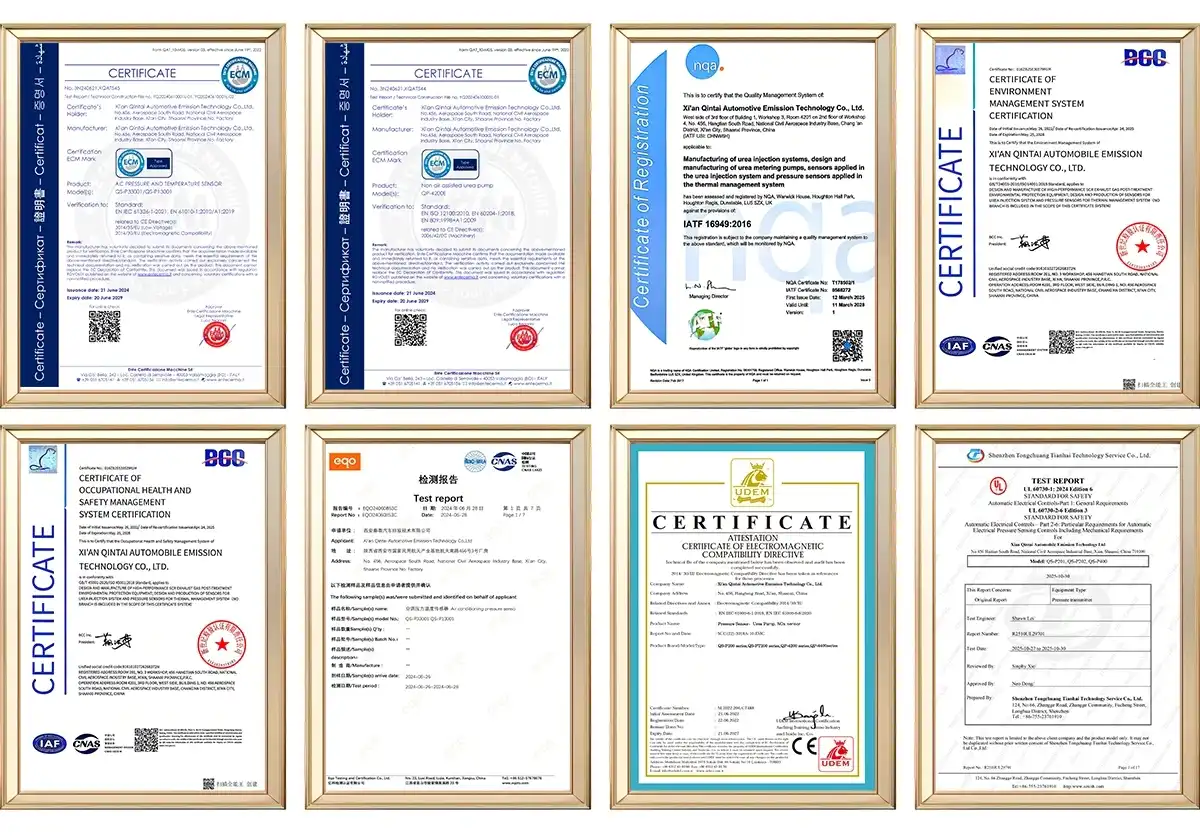
Manufacturers of trusted engine sensors and other fleet sensors have strict quality control systems that are checked by international certifications. IATF16949 certification is only for car quality standards, while ISO9001 approval is for more general quality management practices. Product-specific approvals, like the CE mark for European markets and the UL listing for North American uses, make sure that safety and efficiency standards are met. Suppliers whose engine sensors are used in emission-critical applications should show that their products are compliant with REACH and RoHS. Companies with a lot of patents—ideally 50 or more creation patents—usually do real research and development (R&D) instead of just renaming parts that were made somewhere else.
OEM Partnerships and Supply Chain Reliability
Partners between suppliers and big engine makers can bring suppliers a lot of benefits. These partnerships make sure that goods meet or go beyond OEM requirements and work with engines that are already in production. Companies like Weichai Power, Yuchai Power, and other similar large manufacturers rely on core providers that have shown they can meet strict quality standards and high production volumes. This track record gives you faith in their ability to constantly meet the needs of your fleet.
After-Sales Support and Service Programs
The ability to provide technical help sets excellent providers apart from average ones. Before making a final choice about which provider to buy from, you should find out how well they can help with application engineering, troubleshooting, and guarantee claims. Support teams that are quick to respond and answer technical questions within 24 hours and handle warranty claims within a week keep fleet downtime to a minimum. Specification mismatches can be avoided with flexible return policies, and stocking programs make sure that new parts are always available throughout the duration of a product.
Global Sourcing Considerations
Companies that have been exporting to Europe, North America, and other developed markets for a long time usually keep quality standards that meet foreign standards. Companies that sell their goods in more than 60 countries show that they have the logistical skills and legal knowledge needed for solid business-to-business relationships. When looking at foreign suppliers, make sure they keep stock in regional distribution centers so they can send items more quickly than when they ship directly from the factory.
Conclusion
To pick effective engine sensors, you need to think about technical specs, the reputation of the seller, and the total cost of ownership. It is always easier for fleet managers to get better business results when they choose providers with a track record of being reliable and quick to respond to customer needs. Investing in good sensor technology pays off in a way that can be measured: less downtime, better compliance with emission rules, and longer equipment lifespans. As rules on emissions keep getting stricter and fleet management systems get smarter, it becomes more important to work with providers who offer cutting-edge technology and full support in order to stay competitive.
FAQ
What are the most important factors when selecting NOx sensors for emission compliance?
The most important selection factors are accuracy and longevity. For accurate tracking of emissions and proper SCR system operation, NOx sensors must keep their reading accuracy within ±2%. Sensors should be able to handle exhaust temperatures above 800°C and not break down when exposed to toxic gases. Make sure the seller has sensors that meet the emission standards in your area (China VI, Euro VI, EPA2010) and have the right approvals. Compared to single-function options, dual-chamber designs that measure both oxygen and NOx content at the same time work better. Full warranty coverage and quick expert help keep your investment from breaking down too soon.
How often should fleet operators replace engine sensors?
How often sensors need to be replaced depends on the type of sensor and how it is being used. In average situations, NOx sensors need to be replaced every three to five years or 300,000 to 500,000 miles. High-sulfur fuels, extreme temps, and heavy particulate pollution are all harsh conditions that can speed up wear and tear and may require replacement every 200,000 to 300,000 miles. Sensors for pressure and temperature usually last longer; they can go up to 500,000 to 750,000 miles before they need to be replaced. Instead of closely following distance intervals, keep an eye on diagnostic codes and do regular accuracy checks to see which sensors are getting close to the end of their useful lives. Unexpected breakdowns that mess up processes can be avoided by replacing things before they break down because of poor performance.
Can different sensor brands be mixed within the same fleet?
It is perfectly possible to mix types of sensors, but doing so makes it harder to keep track of inventory and figure out what's wrong. It can be hard for devices from different makers to work together because they use different communication methods, connector designs, and calibration standards. Sticking to a single source makes it easier to get parts, makes sure that all of your vehicles work the same way, and speeds up the training of your technicians. When you buy in bulk from the same manufacturer, you usually get better warranty terms and expert help as well as lower prices. If you have to use more than one brand, keep clear records of which cars have which sensor types. This will help you avoid installation mistakes and make diagnostics easier.
Partner with Qintai for Reliable Engine Sensor Solutions
Xi'an Qintai Automotive Emission Technology Co. Ltd has been making precise sensors and system aftertreatment systems for diesel engines for more than twenty years. We are a maker that is approved by ISO9001, IATF16949, and CE. We supply core engine sensors to China's top power manufacturers and have become the market leader by consistently delivering high-quality products and coming up with new ideas.
Our 58 idea patents show that we can really do research and development (R&D), and our independent engineering team is always improving sensor performance to meet new emission standards. We offer fully customizable solutions from the first planning phase all the way through mass production as part of our OEM and ODM programs. Our industrial-grade products give your fleet the accuracy, longevity, and legal compliance it needs, whether it's pressure sensors, NOx sensors, or a full aftertreatment system integration. Email our technical team at info@qt-sensor.com to talk about your unique needs and find out how our tried-and-true methods can help your fleet run more efficiently.
References
1. Society of Automotive Engineers (2021). Diesel Engine Emission Control Technologies: Sensor Applications and Performance Standards. SAE Technical Paper Series J2403.
2. International Council on Clean Transportation (2022). Heavy-Duty Vehicle Emission Sensors: Technology Assessment and Regulatory Compliance. ICCT White Paper Series.
3. Automotive Electronics Council (2020). Reliability Standards for Automotive Sensors in Harsh Environments. AEC-Q100 Qualification Guidelines.
4. Diesel Technology Forum (2023). Advanced Emission Control Systems: Maintenance and Troubleshooting Guide for Fleet Operators. DTF Technical Manual Series.
5. American Trucking Association (2022). Total Cost of Ownership Analysis for Fleet Maintenance Components. ATA Fleet Management Council Report.
6. European Automobile Manufacturers Association (2021). Sensor Technology Evolution and Impact on Commercial Vehicle Operations. ACEA Technical Research Publication.

Our customers’ satisfaction speaks for our quality — contact us to experience the same reliable service.