- English
- French
- German
- Portuguese
- Spanish
- Russian
- Japanese
- Korean
- Arabic
- Greek
- German
- Turkish
- Italian
- Danish
- Romanian
- Indonesian
- Czech
- Afrikaans
- Swedish
- Polish
- Basque
- Catalan
- Esperanto
- Hindi
- Lao
- Albanian
- Amharic
- Armenian
- Azerbaijani
- Belarusian
- Bengali
- Bosnian
- Bulgarian
- Cebuano
- Chichewa
- Corsican
- Croatian
- Dutch
- Estonian
- Filipino
- Finnish
- Frisian
- Galician
- Georgian
- Gujarati
- Haitian
- Hausa
- Hawaiian
- Hebrew
- Hmong
- Hungarian
- Icelandic
- Igbo
- Javanese
- Kannada
- Kazakh
- Khmer
- Kurdish
- Kyrgyz
- Latin
- Latvian
- Lithuanian
- Luxembou..
- Macedonian
- Malagasy
- Malay
- Malayalam
- Maltese
- Maori
- Marathi
- Mongolian
- Burmese
- Nepali
- Norwegian
- Pashto
- Persian
- Punjabi
- Serbian
- Sesotho
- Sinhala
- Slovak
- Slovenian
- Somali
- Samoan
- Scots Gaelic
- Shona
- Sindhi
- Sundanese
- Swahili
- Tajik
- Tamil
- Telugu
- Thai
- Ukrainian
- Urdu
- Uzbek
- Vietnamese
- Welsh
- Xhosa
- Yiddish
- Yoruba
- Zulu
Why SCR Efficiency Matters in Heavy-Duty Diesel Engines
Maintaining high efficiency in a heavy duty SCR system is a direct link between companies meeting emission standards, keeping costs down, and making sure equipment lasts as long as possible. Through careful urea input and catalytic conversion, Selective Catalytic Reduction technology changes dangerous nitrogen oxides into safe nitrogen and water vapor. When efficiency goes down, NOx reduction rates go down, which can lead to fines from the government, more fuel use, and unplanned downtime. High-quality SCR systems make sure that regulations are followed, protect brand image, and lower the total cost of ownership for building equipment, farm equipment, and business transportation.
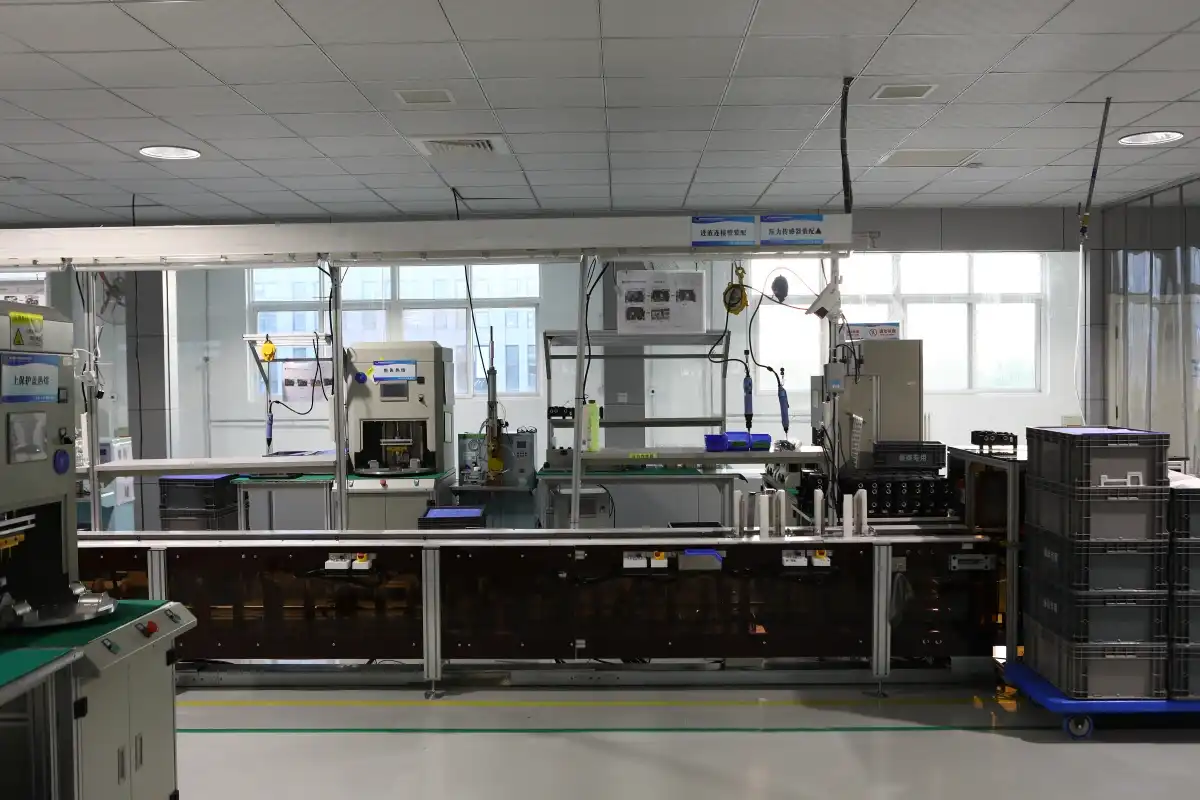
Understanding Heavy Duty SCR Systems and Their Role in Emission Control
Selective Catalytic Reduction systems are the usual way for diesel engines with more than 75 horsepower to reduce NOx emissions. Diesel exhaust fluid, which is also known as AdBlue or DEF, is injected into hot exhaust gases by these aftertreatment treatments. This happens before a catalyst substrate. The fluid breaks down into ammonia, which then mixes with NOx over vanadium, zeolite, or precious metal catalysts, achieving reduction efficiencies of over 95% in the best conditions.
Core Components of SCR Architecture
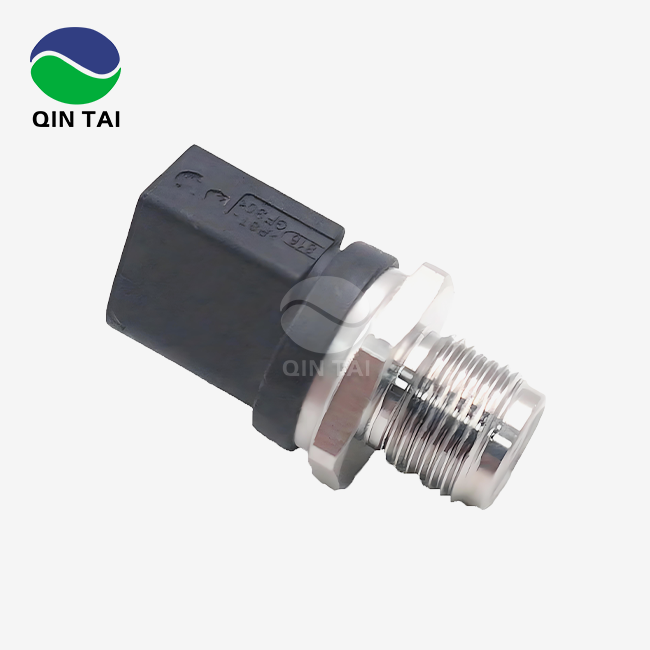
Every heavy-duty SCR system is made up of several parts that work together. The dose tool measures the amount of urea solution based on data about the engine's load, exhaust temperature, and NOx percentage in real time. Before gases enter the catalyst housing, they are spread out evenly in a mixing room. Downstream NOx monitors give closed-loop input, which lets computer control units change the rates of injection on the fly. Temperature sensors keep the catalyst safe from sudden changes in temperature, and pressure sensors, like urea dosing pressure transducers, keep an eye on the purity of the line and find blocks caused by crystallization or contamination.
For precise dosing to stay possible, you need high-quality pressure monitors. They find leaks, air getting in, AdBlue that has stopped, and pumps that aren't working right. This keeps the fluid from being under-dosed, which can cause emission problems, or over-dosed, which loses fluid and fouls exhaust parts. In tough diesel uses, sputtered thin-film pressure sensors are now the best choice because they can handle hydraulic fluids, changes in temperature, and mechanical vibrations.
Integration with Diesel Particulate Filters and Exhaust Gas Recirculation
SCR technology doesn't usually work by itself. These days, aftertreatment systems use both SCR and Diesel Particulate Filters to deal with both NOx and particle matter. The DPF collects soot and needs to be regenerated every so often by burning it off at high temperatures. The SCR handles gaseous emissions. Some makers add Exhaust Gas Recirculation upstream to lower the highest temperatures of combustion. This lowers the original formation of NOx and makes the SCR's job easier. This two-step process makes it possible to meet the requirements of EPA Tier 4 Final and Euro VI, which say that NOx emissions must be less than 0.4 grams per brake horsepower-hour.
Understanding these relationships helps procurement managers and R&D engineers choose parts that will work well in a wide range of job cycles, temperatures, and fuel quality conditions found in global markets.
Key Factors Affecting SCR Efficiency in Heavy-Duty Diesel Engines
Catalyst decay, dose errors, sensor drift, and neglecting operations are some of the things that cause heavy-duty SCR systems to lose efficiency. Finding these factors early on keeps you from having to pay a lot for fixes and not following the rules.
Catalyst Health and Thermal Exposure
In a heavy duty SCR system, catalyst substrates degrade when exposed to sulfur compounds, phosphorus from lubricant additives, and sustained temperatures beyond design limits. Poisoning destroys active sites, reducing NOx conversion efficiency in the heavy duty SCR system. Regular exhaust gas analysis and catalyst inspections reveal performance deterioration before fault codes trigger. Fleets using ultra-low-sulfur diesel often achieve heavy duty SCR system catalyst life exceeding 15,000 operating hours. Conversely, engines running on poor-quality fuel cause accelerated degradation, requiring heavy duty SCR system catalyst replacement every 8,000 hours.
Urea Dosing Precision and Filter Maintenance
Dosing correctly depends on the pump being calibrated, the tip atomizing the fluid, and the fluid not getting blocked. If urea gets dirty, it can clog injectors and leave solid layers in exhaust pipes. Putting in high-efficiency urea filters stops particles from getting in, which protects parts further down the line. System integrity is maintained by replacing the filter on a regular basis, usually every 10,000 miles or as shown by pressure difference monitors. If you don't change clogged filters, they get clogged up and contaminate the dosing valves. This makes injections less accurate and less effective at reducing NOx, which can cancel the guarantee and cause compliance fails.
Sensor Calibration and Diagnostic Capabilities
It is very important for pressure monitors, temperature probes, and NOx testers to stay accurate within very small ranges. Electronic control units make mistakes when figuring out how much ammonia to use because of drift. This can lead to either not enough ammonia, which lets NOx slip, or too much ammonia, which leaves as white smoke. OEMs say that calibration should be done every 500 to 1,000 operating hours, based on how hard the job is. Advanced monitoring software finds problems right away, which lets maintenance plans plan ahead and cut down on unnecessary downtime while also increasing the life of parts.
Buying pressure sensors that are made to work in tough conditions will make sure that you get accurate feedback even when they are exposed to vibrations, sudden changes in temperature, and harmful exhaust condensates. Sputtered thin-film pressure sensors can repeat measurements to within ±0.1% of the full scale and meet the ISO 16750 standards for shock and vibration, which are necessary for building and farming equipment.
Comparing Heavy Duty SCR Systems: Why Efficiency Sets the Best Apart
Procurement pros look at how well heavy-duty SCR systems reduce emissions, how much they cost over their entire life, and how well they can adapt to the job cycles of each fleet. Leading brands set themselves apart by how they make their catalysts, how precisely they dose, and how they incorporate sensors.
Technology Benchmarks Across Major Suppliers
Cummins uses copper-zeolite catalysts that are designed to work well at low temperatures. This lets NOx be changed at exhaust temperatures as low as 200°C. This feature helps transport teams in cities that make a lot of stops and run with light loads. Bosch combines dose valves with air-assisted atomization, which lowers the formation of deposits and increases the time between maintenance visits. Honeywell focuses on modular designs that make it easy to add new features to older platforms. This makes them appealing to aftermarket developers who want to work with a wide range of engine types.
Johnson Matthey specializes in making valuable metal catalysts for fixed power plants that have to work at high loads all the time and need to be very durable. Their formulas don't break down when heated, so the conversion efficiency stays above 90% for more than 20,000 hours in generator sets and backup power units used in mines.
Cost-Benefit Analysis for High-Efficiency Systems
Although premium SCR systems cost more up front, they pay for themselves in the long run by using less fuel, AdBlue, and recovery cycles. The Diesel Technology Forum did a study in 2022 and found that over three years, fleets using high-efficiency SCR configurations had 18% lower overall fluid costs than standard systems. Longer catalyst life meant less need for replacement, and fewer forced regenerations kept the quality of the engine oil and increased the time between drains. These practical savings and the guarantee of compliance make the investment worth it for fleet managers who want to save money.
When you buy a lot of heavy duty SCR systems from the same company, you can get savings, faster technical help, and calibration that is tailored to your needs. OEM relationships make sure that customers can get the newest parts, warranty support, and software updates that improve performance as emission rules change.
Strategies to Optimize SCR Efficiency for Heavy-Duty Vehicle Fleets
To keep the heavy-duty SCR system running at its best, it needs regular repair, high-quality parts, and constant supervision. Fleet managers who use organized optimization tools keep asset values high and reduce downtime caused by emissions.
Maintenance Schedules and Preventive Interventions
Failures that are very bad can be avoided by making a repair schedule based on working hours, mileage, and job severity. Some important jobs are changing the urea filter, cleaning the injectors, inspecting the catalyst, and recalibrating the sensors. Shorter service times help fleets that work in dirty places, like mining or farming, keep contamination from spreading faster. Keeping records of repair tasks helps with warranty claims and shows that you did your job correctly during regulatory checks.
Advancements in Smart Diagnostics and Telematics
Modern SCR systems have telematics platforms built in that send trouble codes, sensor readings, and a history of dosing to management screens in the cloud. Real-time alerts let workers know about problems, like when pressure drops mean lines are frozen or when NOx sensors move means they need to be calibrated. Predictive programs look at how things are used to predict when parts will wear out and plan maintenance to be done before they do. This preventative method cuts down on breakdowns on the side of the road, makes better use of the fleet, and lowers the cost of repairs.
OEM-Tailored Solutions and Customization Options
Customization of sensor inputs, dosing algorithms, and mounting setups is possible by working with makers that offer OEM and ODM services. Customized answers deal with specific problems in specific uses, like working at high elevations in mines or in very cold climates for farming in the north. Full help after the sale, including setting up on-site, training operators, and quick supply of spare parts, makes sure that the system works well and lasts for a long time. Building long-term partnerships with approved heavy duty SCR system providers gives you access to technical support, beta testing for next-generation parts, and better prices on large orders.
Regulatory and Purchasing Considerations for Heavy Duty SCR Systems
To follow emission rules and make smart purchasing choices for a heavy-duty SCR system, you need to know about deadlines for compliance, certification requirements, and seller qualifications.
EPA and International Emission Standards
Under EPA Tier 4 Final guidelines, the US Environmental Protection Agency sets strict NOx limits. Engines with more than 56 kilowatts of power must release no more than 0.4 grams of NOx per brake horsepower-hour. Penalties of more than $37,500 per engine per day are given for not following the rules, which encourages strict obedience. The European Union's Stage V rules set similar limits, but they add extra limits for building machinery's particulate number. Knowing these rules helps choose the right parts, and making sure that systems have enough extra room above the minimum required by law to account for sensor drift and catalyst age is important.
Supplier Selection and Certification Verification
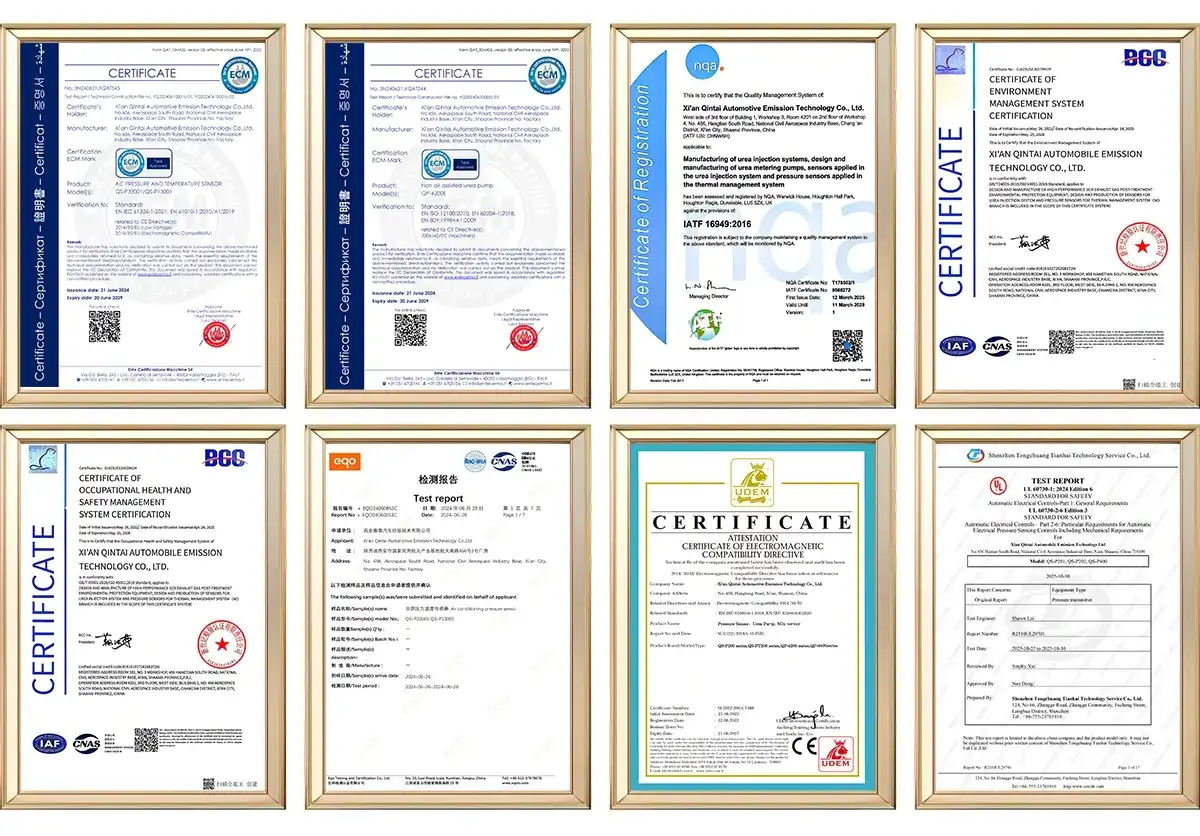
Choosing suppliers with ISO 9001, IATF 16949, and other industry-specific certifications makes sure that the products are made consistently and can be tracked. Requesting third-party test reports verifies promises about emission performance, and reading through the insurance terms makes it clear what is covered for things like sensor failures, software bugs, and catalyst degradation. Checking suppliers' mass production capabilities, wait times, and geographical spread makes sure that supply lines are reliable and can handle operations at multiple sites and emergency replacements.
OEM Parts Versus Aftermarket Alternatives
OEM parts are proven to work with other parts, come with full warranties, and cover responsibility in lawsuits about emissions. As a cost-saving measure, aftermarket parts may not have the right approvals, which can cause safety issues. Total-cost-of-ownership studies, which take into account the original price, the length of the guarantee, and any possible downtime, show how sourcing choices really affect the economy. Large fleets and OEMs that manage multiple product lines may be interested in bulk buying agreements with reputable heavy duty SCR system suppliers for sale. These agreements offer economies of scale while maintaining quality assurance.
Conclusion
Efficiency in heavy duty SCR systems goes beyond regulation compliance and affects prices, equipment life, and caring for the environment. Accurate dosage of urea, strong sensor integration, and preventative maintenance keep NOx reduction rates above 95%, keeping companies from getting fined or having their reputations hurt. When purchasing managers choose qualified suppliers, spend money on advanced diagnostics, and make solutions fit the needs of each application, they gain a competitive edge through lower lifetime costs and higher uptime. As emission standards get stricter around the world, working with experienced manufacturers gives you access to cutting-edge technology, quick expert help, and supply chains that can grow as your business needs them to.
FAQ
How often should SCR sensors be calibrated?
The length of time between calibrations depends on the job severity and what the maker recommends. Most OEMs say that NOx and pressure monitors should be calibrated every 500 to 1,000 hours of use. Fleets that work in difficult conditions like high dust, extreme temperatures, or toxic atmospheres may need to be checked more often. Modern telematics systems keep an eye on sensor drift in real time and send out alerts when numbers go too far off. This lets condition-based repair happen, which makes the best use of resources.
What is the typical lifespan of an SCR catalyst?
How long a catalyst lasts depends on the type of fuel used, how hot it is, and how well it is maintained. Systems that use clean AdBlue and ultra-low sulfur fuel often last longer than 15,000 hours before they need to be replaced. Lifespan is cut to 8,000 hours if it is exposed to sulfur poisoning, phosphorus contamination, or long-term burning. Regular study of exhaust gases shows that conversion efficiency is going down, which lets repairs be planned ahead of time to avoid sudden compliance failures and keep operations running as smoothly as possible.
Do software updates improve SCR emission performance?
Software calibrations improve dosing formulas using data from the field. They do this by taking into account how old parts are and how fuel levels change. Updates make cold-start work better, stop ammonia from slipping, and improve recovery time. Manufacturers put out patches that fix known problems, which makes things more reliable and efficient. Fleets that keep their software up to date get small speed boosts, longer component life, and an easier time meeting changing emission standards. This shows how important it is to keep working with OEMs.
Partner with a Trusted Heavy Duty SCR System Manufacturer
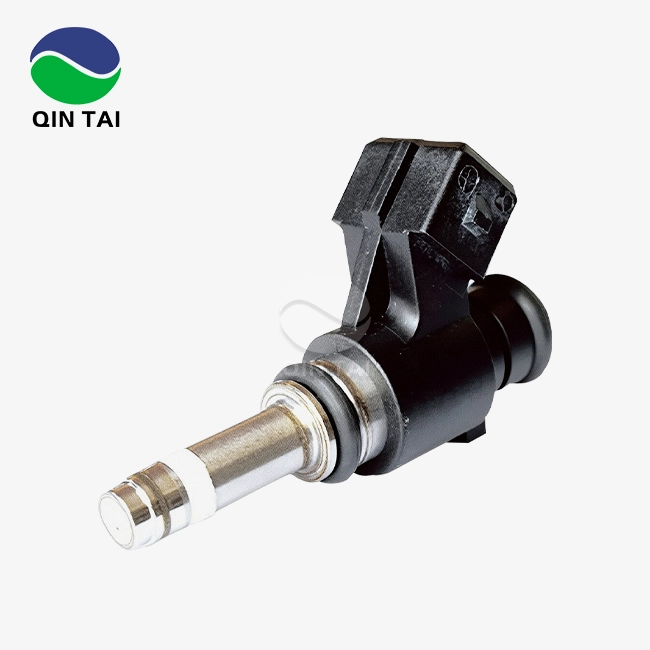
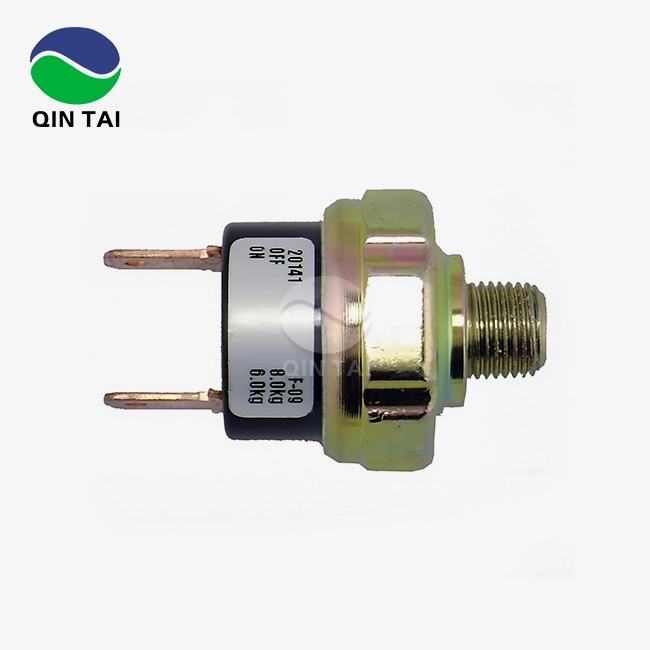
Xi'an Qintai Automotive Emission Technology has a track record of success in making precision sensors and heavy-duty SCR systems for diesel engine OEMs, aftertreatment installers, and business vehicle fleets around the world. Our self-made pressure monitors can handle high vibrations, changing temperatures, and exhaust conditions that are very corrosive. This makes sure that dosing is controlled accurately and the system stays stable over time. We are ISO 9001 and IATF 16949 certified and have 58 idea patents.
We can help with customization from prototyping to mass production and meet the strict standards of EPA and Euro VI. Weichai, Yuchai, and Quanchai Power choose us as their main heavy duty SCR system provider because we have the largest production capacity, produce quickly, and offer full after-sales support. Get in touch with our expert team at info@qt-sensor.com to talk about custom solutions that will improve emission performance, lower running costs, and make sure that all of your heavy-duty diesel applications are in line with regulations. Find out how our world reach and OEM partnerships can help you succeed.
References
1. Diesel Technology Forum, "Total Cost of Ownership Analysis for Advanced Emission Control Systems in Heavy-Duty Fleets," 2022.
2. United States Environmental Protection Agency, "Nonroad Diesel Emission Standards - Tier 4 Final Regulatory Impact Assessment," 2014.
3. Johnson Matthey, "Catalyst Durability and Performance in Stationary Power Generation Applications," Technical White Paper, 2021.
4. Society of Automotive Engineers, "SAE J1455 - Recommended Environmental Practices for Electronic Equipment Design in Heavy-Duty Vehicles," 2020.
5. International Organization for Standardization, "ISO 16750 - Road Vehicles - Environmental Conditions and Testing for Electrical and Electronic Equipment," 2018.
6. European Commission, "Regulation (EU) 2016/1628 on Requirements Relating to Gaseous and Particulate Pollutant Emission Limits for Internal Combustion Engines," 2016.
 Sensor.webp)

Our customers’ satisfaction speaks for our quality — contact us to experience the same reliable service.