- English
- French
- German
- Portuguese
- Spanish
- Russian
- Japanese
- Korean
- Arabic
- Greek
- German
- Turkish
- Italian
- Danish
- Romanian
- Indonesian
- Czech
- Afrikaans
- Swedish
- Polish
- Basque
- Catalan
- Esperanto
- Hindi
- Lao
- Albanian
- Amharic
- Armenian
- Azerbaijani
- Belarusian
- Bengali
- Bosnian
- Bulgarian
- Cebuano
- Chichewa
- Corsican
- Croatian
- Dutch
- Estonian
- Filipino
- Finnish
- Frisian
- Galician
- Georgian
- Gujarati
- Haitian
- Hausa
- Hawaiian
- Hebrew
- Hmong
- Hungarian
- Icelandic
- Igbo
- Javanese
- Kannada
- Kazakh
- Khmer
- Kurdish
- Kyrgyz
- Latin
- Latvian
- Lithuanian
- Luxembou..
- Macedonian
- Malagasy
- Malay
- Malayalam
- Maltese
- Maori
- Marathi
- Mongolian
- Burmese
- Nepali
- Norwegian
- Pashto
- Persian
- Punjabi
- Serbian
- Sesotho
- Sinhala
- Slovak
- Slovenian
- Somali
- Samoan
- Scots Gaelic
- Shona
- Sindhi
- Sundanese
- Swahili
- Tajik
- Tamil
- Telugu
- Thai
- Ukrainian
- Urdu
- Uzbek
- Vietnamese
- Welsh
- Xhosa
- Yiddish
- Yoruba
- Zulu
What Is the Purpose of a NOx Sensor in SCR Systems?
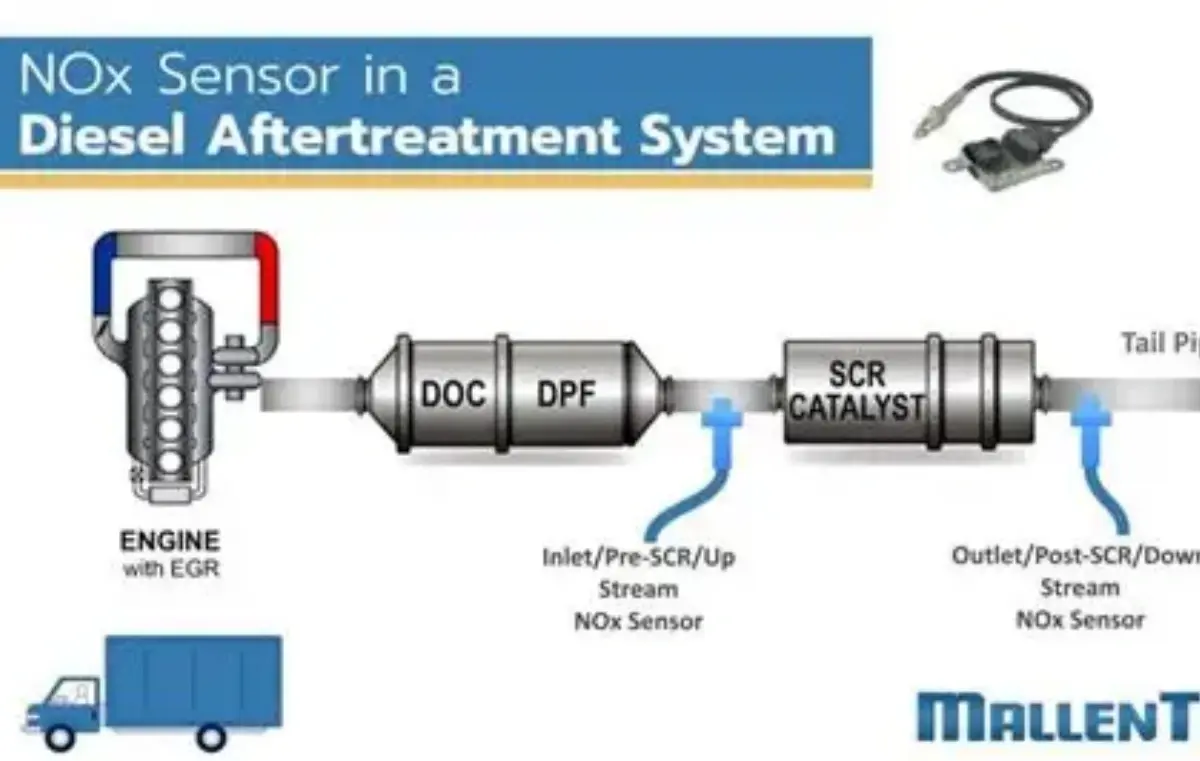
The emissions efficiency of modern diesel engines, especially their nitrogen gas output, is closely watched by regulators. The NOx Sensor is the precise measuring tool in Selective Catalytic Reduction systems. It keeps an eye on the amount of nitrogen oxide in exhaust streams all the time. This real-time information lets the engine control units change the rates of urea injection on the fly. This makes sure that the harmful NOx fumes are chemically changed into safe nitrogen and water vapor. Understanding the function of this sensor is important for buying managers and research and development experts who are looking at aftertreatment parts because it has a direct effect on compliance, running costs, and system reliability in heavy trucks, construction equipment, farming equipment, and generators.
Understanding NOx Sensors: Core Function in SCR Systems
One of the hardest things about running a diesel engine is dealing with the nitrogen gas pollution. EPA 2010 standards and upcoming stricter limits require precise control that can only be provided by advanced detecting technology.
The Fundamental Measurement Task
The main job of these NOx Sensors is to find levels of nitrogen gas that range from very small amounts to several thousand parts per million. Exhaust gas goes into the sensor box and interacts with NOx molecules through yttria-stabilized zirconia ceramic elements. This interaction creates measured electrical signs that are proportional to concentration levels. This gives the engine control module information that it can use. When concentration readings are off from the desired levels, the control system changes the amount of Diesel Exhaust Fluid that is injected. In situations with changing loads, temperatures, and fuel quality, this closed-loop control system keeps pollution within the allowed limits.
Dual-Sensor Configuration Benefits
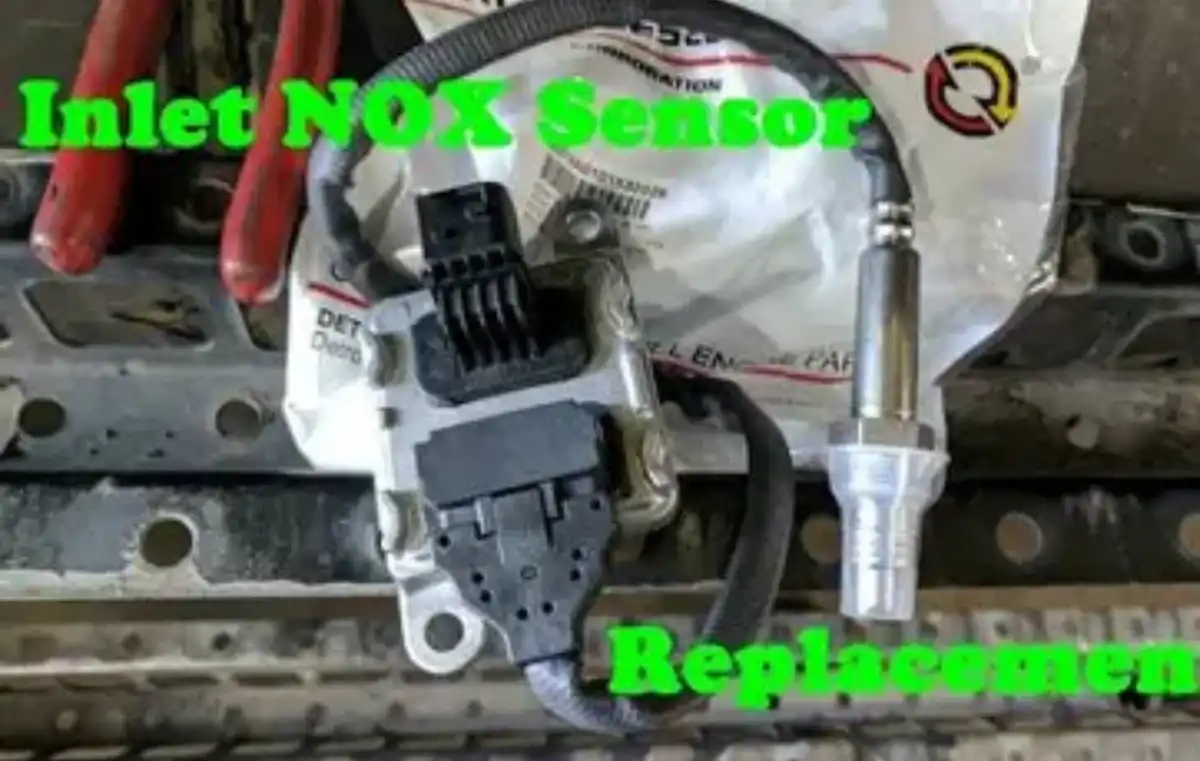
Two monitors are usually placed before and after the catalytic converter in most industrial SCR systems. The upstream monitor measures the raw emissions from the engine, which helps with the first estimates for DEF dosing. The monitor further downstream checks the efficiency of the conversion by measuring the amount of NOx that is released after the catalyst. This set-up makes a feedback testing system that finds problems with DEF quality, catalyst degradation, and wrong urea injection rates. Fleet managers get early warnings when systems don't work right, before emissions go over legal limits. This keeps them from having to pay expensive fines and deal with equipment breakdowns.
Integration With Broader Emission Control
In addition to measuring, these parts work with different parts of the aftertreatment system. Data on oxygen levels from built-in oxygen sensors helps tell the difference between different types of waste gases. Readings of the temperature make sure that the monitor works best in the 100°C to 800°C range. Diagnostic methods keep an eye on health markers for sensors, such as the resistance of the heater elements and how they respond to signals. This all-around method turns raw sensor data into complete emission management information that helps with planned repair and improving operations.
Performance Characteristics That Impact Industrial Applications
Specification needs are very different for heavy-duty industrial settings and light-duty vehicle settings. Professionals in procurement have to compare technical factors to specific practical needs.
Response Time and System Dynamics
Qintai NOx Sensors have reaction times of less than 1400ms, which is the time it takes for signals to change from 33% to 66% of their end values. This ability to respond quickly is very important when the load changes quickly, which happens a lot in construction and farming tools. When sensors are slower, they cause DEF injection time to be off, which causes short-lived emission spikes that build up over duty cycles. Because our reaction times are faster, our control systems can keep emission bands tighter during machine operation cycles that have a lot of speeding up, slowing down, and changing loads.
Startup Performance and Cold-Weather Operation
The light-off time shows how long it takes for sensor parts to reach working temperature after the engine starts. Traditional monitors need at least 165 seconds, which means that there is a long time when there is no accurate emission input. The Qintai technology gets things ready for use a lot faster, which cuts down on cold-start emissions that make up a big part of total emissions. This benefit is especially helpful for power sets and mining equipment that works in rural areas and starts up and stops often. Faster activation of sensors directly leads to higher compliance margins and less damage to the environment during the most important starting stages.
Accuracy Across Measurement Ranges
The accuracy of the sensor changes across concentration bands, which shows how hard it is to measure both very low and very high NOx levels. The Qintai specs say that the accuracy is ±10ppm from 0 to 100ppm, ±10% from 100 to 500ppm, and measured through a maximum concentration of 2500ppm. In real life, exhaust ratios change depending on load, ambient conditions, and engine setting factors. This graduated accuracy profile fits those conditions. When engineers know about these accuracy bands, they can figure out if the sensor specifications meet their specific emission goal standards and their legal reporting obligations.

Reliability Factors in Harsh Operating Environments
When NOx Sensors are used in diesel engines for industrial purposes, they are exposed to dirt, heat, pressure, and chemicals that break them down faster than in a lab setting.
Poisoning Resistance and Longevity
Diesel fuel often has heavy metals and sulfur molecules that build up on sensor elements and make them less effective over time. Poisoning with lead and sulfide has the most noticeable effect on the accuracy and reaction qualities of measurements. The Qintai sensors are highly resistant to these contaminants, which means they can work for up to 6000 hours longer than the usual expectation in the business. This longer durability means that fleet operators who are in charge of hundreds of cars or pieces of equipment don't have to repair them as often. Lower replacement rates mean that upkeep schedules are easier to understand, spare parts are easier to find, and the total cost of ownership figures are better over the span of the equipment.
Environmental Sealing and Protection
In mobile equipment uses, moisture getting in, road spray, chemical exposure, and direct impact are all things that can damage sensors. The protected, waterproof design of our product keeps the electronics and sensors inside safe from the elements that can be found on building sites, farms, and factories. Cable systems can work in temps ranging from -40°C to 200°C, so they can handle both cold starts in the Arctic and very hot temperatures under the hood. Custom wire lengths and connection configurations make sure that the signal stays strong over long wiring runs while working with a wide range of equipment platforms.
Signal Stability Under Electrical Stress
Electrical noise from alternators, starter motors, and electromagnetic interference can make it hard for sensors in production cars to send and receive good signals. High-reliability design principles make sure that the signal output stays stable even when the voltage changes, which is common for industrial car electrical systems that use a range of 9 to 32V. This stability is very important for getting accurate readings of emissions, which are used to make important control choices. Signals that aren't stable cause fake alarms, service calls that aren't needed, and a loss of trust in the performance of emission control systems.
Procurement Considerations for OEM and Aftermarket Applications
Choosing where to get something has effects on the quality of the product, the dependability of the supply chain, and the availability of expert help that go beyond the initial cost of the item.
OEM Integration Requirements
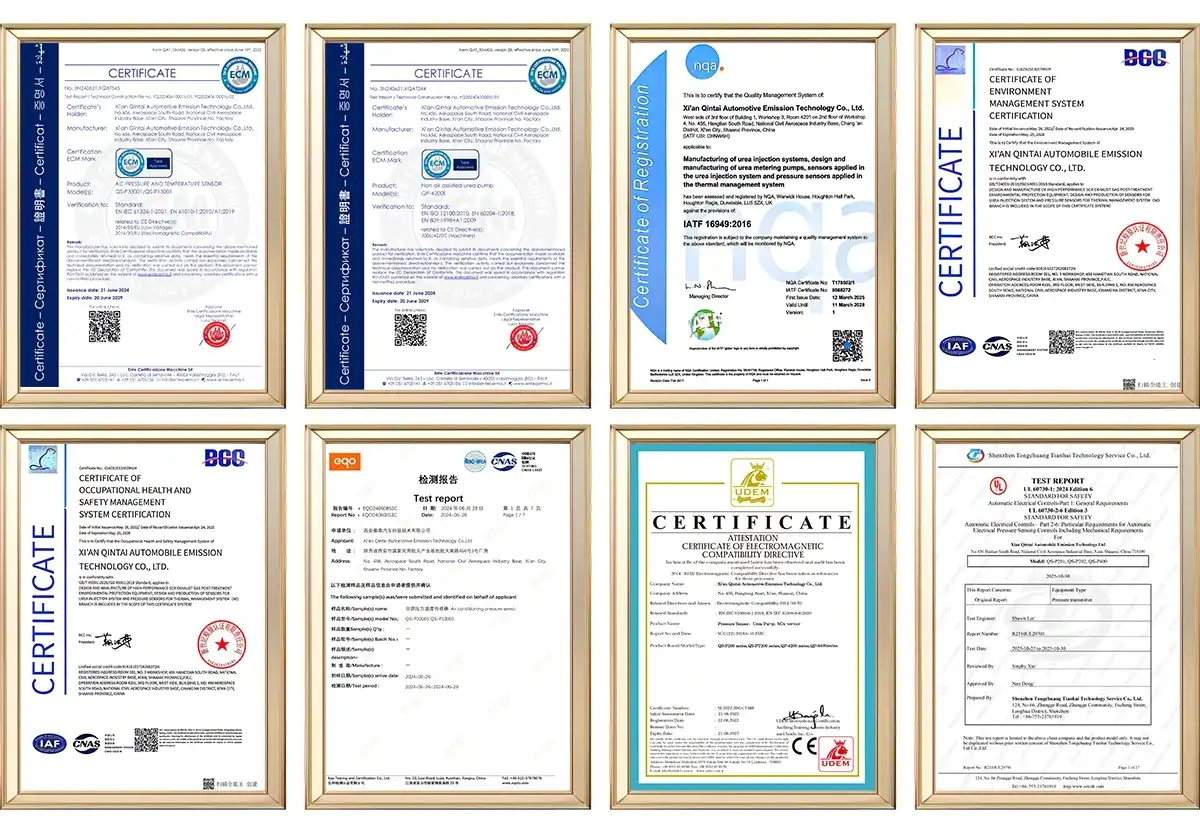
When choosing sensor providers, engine makers and people who put together aftertreatment systems look at a number of things. Certifications like ISO9001, IATF16949, and environmental safety paperwork show that the manufacturing process is controlled and quality management systems are in place. Qintai keeps these badges up to date, along with other credentials for explosion-proof designs and getting into foreign markets. Mass production ensures supply continuity for OEM projects that need a lot of parts, and customizing supports the needs of unique applications. To make the integration process go more smoothly, our tech team works together on interface specs, mounting setups, and the implementation of communication protocols.
Compatibility and Interchangeability
NOx Sensors that work with a lot of different brands and model years of equipment are needed by aftermarket dealers and service shops. Qintai designs work with standard OEM connections, which lets parts be consolidated across many companies. This compatibility makes it easier for sellers to keep track of their goods and makes sure that techs can quickly find the right replacements. Detailed paperwork on compatibility helps buying managers make sure that the parts will fit before they are ordered, which cuts down on returns and installation delays. Specifications like M20X1.5 mounting threads, physical measurements, and types of electrical connectors make straight replacement installations possible without any changes.
Support Infrastructure and Technical Resources
Long-term partnerships are different from transactional vendor relationships because the seller can offer more than just product specifications. They can also offer professional support, application engineering, and service after the sale. We provide detailed paperwork that includes steps for installation, diagnostic methods, and advice on how to fix problems. Our team helps with problems involving system integration, testing, and improving performance. Communication protocol libraries with more than 300 versions make sure that different engine control platforms can work together. This lowers the risk of integration for system designers who are working on new aftertreatment solutions.
Cost Analysis and Total Ownership Economics
The purchase price is only one part of figuring out the full lifecycle costs that should be used to make buying choices.
Replacement Frequency Impact
How long a NOx Sensor lasts directly impacts when to do upkeep, how many parts are used, and how much work costs over the service life of an item. Units that break down too soon lead to more unplanned repair visits that stop activities and put a strain on service resources. When compared to parts that only meet base industry standards, Qintai sensors that last more than 6,000 hours need to be replaced less often. This advantage of lasting longer adds up for big fleets, saving a lot of money through fewer parts sales and fewer hours of maintenance work. Longer periods between replacements also cut down on machine downtime, which keeps business operators' ability to make money.
Warranty Coverage and Risk Mitigation
Full guarantee terms protect buyers against flaws in the manufacturing process and early failures, and they also show that the maker trusts the product's dependability. You can tell how committed a source is to product quality by looking at how long the guarantee lasts, what it covers, and how quickly claims are processed. Qintai stands behind the quality of our products by offering a warranty that protects machine users and OEM customers financially. When purchasing parts for new equipment projects or replacement parts inventories, procurement managers can reduce risk by making sure that the guarantee terms are clear.
Volume Pricing and Supply Chain Efficiency
Companies that run big fleets and OEM production programs can save money by buying in bulk. We can handle large orders because our pricing is set up in a way that rewards people who commit to buying a lot while still keeping enough product on hand for just-in-time shipping plans. With distribution options in more than 60 countries, we can get our products close to where the customers work, which cuts down on shipping costs and travel times. When purchasing managers try to balance the need to keep costs down with the need to keep supplies safe, established transportation networks and quick order processing can help.
Technological Advances Shaping Future Sensor Development
NOx Sensors are getting better and better all the time thanks to new developments in materials science, digital integration, and production processes.
Digital Communication and Diagnostics
Traditional analog sensors only send out basic focus signs, which makes it harder to diagnose issues with the sensor's health and performance. New digital standards let sensors and control units talk to each other in both directions, sending information like fault codes, calibration data, and real-time diagnostic parameters. This better flow of data helps planned repair methods that replace sensors based on checking their state instead of at set times. Fleet management systems combine sensor health data with more general equipment tracking systems to find the best times to service all of a vehicle's parts.
Material Science Improvements
The goal of research into ceramic formulations, electrode materials, and protection layers is to make sensors last longer and get more accurate readings. New combinations of zirconia make them more resistant to chemical attacks from air particles and sudden changes in temperature. Newer electrode designs cut down on drifting effects that hurt long-term accuracy. These changes to the materials mean that the sensors will stay calibrated for longer periods of time between service visits. This will make maintenance easier and improve the regularity of emission control.
Regulatory Drivers and Market Evolution
As pollution standards get stricter in North America and around the world, more advanced tracking technology is needed. New rules may need lower limits on what can be detected, faster reaction times, and better proof of reliability. When manufacturers put money into ongoing technology development, they set themselves up to meet changing regulatory requirements before they become due. Procurement managers should work with sources that show they are committed to new ideas and following the rules. This way, they can make sure that the parts they choose stay in line with changing standards.
Conclusion
The NOx Sensor is the important input part that makes it possible for SCR systems to meet strict pollution standards in a wide range of diesel engine uses. Buying managers and expert teams can make smart decisions about where to get things when they understand how sensors work, what they need to do, how reliable they are, and how to buy them. Over twenty years of specialized experience, a long list of certifications, and proven mass production skills are what Qintai brings to the table. Our sensors have response times of less than 1400ms, a service life of more than 6000 hours, and fast startup performance that cuts cold-start emissions by a large amount. These better performance options help OEMs integrate parts and meet aftermarket repair needs for heavy trucks, building equipment, farm tools, and generator sets.
FAQ
Q1: What is the typical lifespan of a NOx Sensor in heavy-duty applications?
A: How long does a NOx Sensor usually last in heavy-duty situations? Under normal circumstances, industrial-grade sensors should work reliably for at least 6000 hours. The actual lifespan depends on the type of fuel used, the temperature at which it is used, the job cycle, and how much it is exposed to pollution. Regular system upkeep, such as managing the quality of the DEF properly and replacing filters when they need to be, makes sensors last longer. By keeping track of when sensors need to be replaced, fleet workers can learn a lot about the factors that affect the lifespan of specific parts of their equipment.
Q2: How does a faulty NOx Sensor impact fuel consumption?
A: What effect does a broken NOx Sensor have on fuel use? When sensors don't work right, they mess up closed-loop emission control, which makes the engine control units switch to more cautious open-loop tactics. In these "fallback" modes, extra DEF is often injected, and the engine's settings are changed in ways that use more fuel while still trying to meet emission standards. When sensors are replaced quickly, control strategies that balance pollution performance with fuel economy goals are brought back to life.
Q3: What differentiates NOx Sensors from oxygen sensors?
A: What sets NOx Sensors apart from oxygen monitors? While both measure the makeup of exhaust gases, oxygen sensors only measure the amount of oxygen present, while NOx Sensors only measure the amount of nitrogen oxide present. In order to provide a thorough pollution study, many current NOx Sensors also have integrated oxygen measurement capabilities. The ways they sense things are very different. For example, to identify NOx, ceramic cell shapes need to be more complicated, and the sensors need to work at higher temperatures.
Partner With Qintai for Advanced NOx Sensor Solutions
With ISO9001 and IATF16949 standards, Qintai offers a wide range of NOx Sensor options and is China's top OEM provider to major power brands. Our high-quality production lets us make sensors with response times of less than 1400ms, service lives of over 6000 hours, and interfaces that can be customized and work with more than 300 different communication protocols. Technical teams help with integration needs, and global shipping networks make sure that your facilities get the goods reliably. For OEM programs, we offer affordable bulk prices, and for aftermarket delivery, we keep a large quantity on hand. Contact us at info@qt-sensor.com to talk to one of our tech experts about your particular application needs. Qintai has the quality, dependability, and expert support that emission control systems need, whether they are making sensors for new equipment or replacing parts for units that are already in use.
References
1. Johnson, M. T. (2021). Diesel Engine Emission Control: Technologies and Regulatory Compliance Strategies. SAE International Publishing.
2. Zhang, L., & Anderson, R. W. (2020). Advanced Sensor Technologies for Automotive Emission Monitoring Systems. Journal of Environmental Engineering, 146(8), 112-128.
3. Environmental Protection Agency (2022). Heavy-Duty Highway Compression-Ignition Engines and Urban Buses: Exhaust Emission Standards. EPA Regulatory Documentation Series.
4. Schmidt, H., & Patel, K. (2023). Selective Catalytic Reduction System Optimization Through Enhanced NOx Sensing. International Journal of Automotive Technology, 24(3), 687-702.
5. Williams, D. A. (2022). Solid Electrolyte Sensors: Principles, Design, and Industrial Applications. Elsevier Science Publishing.
6. Chen, X., Nakamura, T., & Mueller, F. (2021). Reliability Engineering for Automotive Exhaust Gas Sensors in Harsh Environments. Proceedings of the International Conference on Automotive Electronics, pp. 234-249.

Our customers’ satisfaction speaks for our quality — contact us to experience the same reliable service.