- English
- French
- German
- Portuguese
- Spanish
- Russian
- Japanese
- Korean
- Arabic
- Greek
- German
- Turkish
- Italian
- Danish
- Romanian
- Indonesian
- Czech
- Afrikaans
- Swedish
- Polish
- Basque
- Catalan
- Esperanto
- Hindi
- Lao
- Albanian
- Amharic
- Armenian
- Azerbaijani
- Belarusian
- Bengali
- Bosnian
- Bulgarian
- Cebuano
- Chichewa
- Corsican
- Croatian
- Dutch
- Estonian
- Filipino
- Finnish
- Frisian
- Galician
- Georgian
- Gujarati
- Haitian
- Hausa
- Hawaiian
- Hebrew
- Hmong
- Hungarian
- Icelandic
- Igbo
- Javanese
- Kannada
- Kazakh
- Khmer
- Kurdish
- Kyrgyz
- Latin
- Latvian
- Lithuanian
- Luxembou..
- Macedonian
- Malagasy
- Malay
- Malayalam
- Maltese
- Maori
- Marathi
- Mongolian
- Burmese
- Nepali
- Norwegian
- Pashto
- Persian
- Punjabi
- Serbian
- Sesotho
- Sinhala
- Slovak
- Slovenian
- Somali
- Samoan
- Scots Gaelic
- Shona
- Sindhi
- Sundanese
- Swahili
- Tajik
- Tamil
- Telugu
- Thai
- Ukrainian
- Urdu
- Uzbek
- Vietnamese
- Welsh
- Xhosa
- Yiddish
- Yoruba
- Zulu
DEF Dosing Rate Differences Between Euro V and Euro VI Engines
Euro VI engines need 30–50% more fluid to fulfill NOx emission standards, which is the biggest DEF dosing rate difference between Euro V and Euro VI engines. Most Euro V engines utilize 3–5% of their diesel fuel as DEF, whereas Euro VI systems use 5–8%. Diesel engine manufactures and aftertreatment integrators must adjust their operational costs, system designs, and purchase strategies to comply with this new dosing requirement.
Introduction
Modern diesel engines under greater regulatory pressure than ever as pollution requirements alter worldwide. Understanding Euro V and Euro VI DEF dosing rate regulations goes beyond technical details. It's essential for procurement managers, R&D engineers, and OEM clients with compliance difficulties. We've noticed at Xi'an Qintai Automotive Emission Technology that the correct dosing method affects operational efficiency, warranty claims, and long-term relationships.
This tutorial examines the technical and buying consequences of DEF dosing rates for pollution standards. This information will help you choose SCR systems for heavy vehicles, building equipment, farm equipment, and generator sets that fulfill rules and are affordable. As a national high-tech firm with over 20 years of diesel engine aftertreatment experience, we've helped many clients make this move, and we'll share our knowledge with you.
Understanding DEF Dosing Rate Fundamentals
What Determines DEF Consumption in SCR Systems?
DEF dosing rate shows how much Diesel Exhaust Fluid is fed into the Selective Catalytic Reduction system per exhaust gas. This quantity is normally 2–8% of diesel fuel, however emission rules and operating conditions might change it. In the catalytic converter, the fluid turns NOx emissions into harmless nitrogen and water vapor. This chemical reaction works best with the appropriate proportions.
Key Factors Influencing Dosing Accuracy
Engine load considerably affects DEF requirements. Dosing rates must be increased when construction equipment or generator sets are at full capacity. Temperature also matters. Temperatures below 12°F crystallize DEF, while over 77°F accelerate decomposition. To account for operating altitude, exhaust gas temperature, and engine speed, modern dosing systems employ adaptive control.
The Transition Challenge from Euro V to Euro VI
From Euro V to Euro VI, pollution limits tightened, reducing NOx emissions by 80% to 0.4 g/kWh. This huge adjustment forced manufactures to reassess their DEF dosing rate. Instead of fixed-rate input, complex closed-loop control systems were needed. Precise sensors, adaptable algorithms, and reliable component vendors helped OEM clients navigate this transformation.
Comparative Analysis of DEF Dosing Rates Between Euro V and Euro VI Engines
Typical Dosing Range Comparison
Euro V engines usually require 3–5% DEF fuel. A heavy-duty truck may use 1 liter of DEF for every 30–35 gallons of diesel fuel on the highway. Due to minimal utilization, tanks could be set up and replenished more easily, which influenced Euro V automobile design.
Euro VI diesel engines consume 5–8% more fluid than diesel fuel. Now, the same heavy-duty truck needs 1 liter of DEF every 15–20 gallons of gasoline. This increased consumption is because the SCR catalyst needs more ammonia to convert adequate NOx even in severe working conditions. Qintai DEF dosing rate systems employ high-tech pressure monitoring and flow control systems to meet these needs while maintaining injection precision.
Load-Dependent Dosing Variations
Business operations greatly affect use. Euro VI systems may reduce dosing rates to 4–5% of fuel use during low-load urban driving or rest times to prevent ammonia slip, which occurs when unreacted ammonia enters the exhaust system. When climbing up steep slopes with heavy loads, dosing rates might rise to 9–10% to fulfill emissions limits. Euro V systems never changed more than 1-2 percentage points over the same operating regions.
Environmental Adaptation Requirements
Temperature sensitivity varies greatly between these criteria. Modern thermal management in Euro VI systems uses exhaust heat exchangers and insulated DEF lines to maintain fluid temperatures. Our pressure monitors compensate for temperature from -40°F to 185°F for reliable readings. Construction equipment in difficult environments like the Middle East or Arctic needs this.

Optimal DEF Dosing Rate Calculation and Adjustment Methods
Industry-Standard Calculation Formulas
Understand the stoichiometric ammonia-to-NOx ratio, which requires 1 kilogram of DEF for every 16–18 kg of NOx to be reduced, to determine the optimum dose. Engineers calculate DEF dosing rate using the formula: DEF density adjustment / Diesel consumption = (Engine-out NOx × NH3/NOx ratio) / Diesel consumption. This value must include catalyst efficiency. Well-maintained Euro VI systems have 85–95%, whereas Euro V systems have 75–85%.
Manual Versus Automatic Control Systems
In fixed usage like generator sets, manual dosage adjustment is still popular to fine-tune injection based on consistent load patterns. However, mobile apps in heavy vehicles and building equipment benefit from automatic control. Modern ECU systems monitor NOx sensor response in real time and adjust injection pulses thousands of times per minute. Switching from manual to automated dosage management reduces failure rates by 40–60%. Automation doesn't make mistakes and can adapt swiftly.
Sensor Technology Advancements
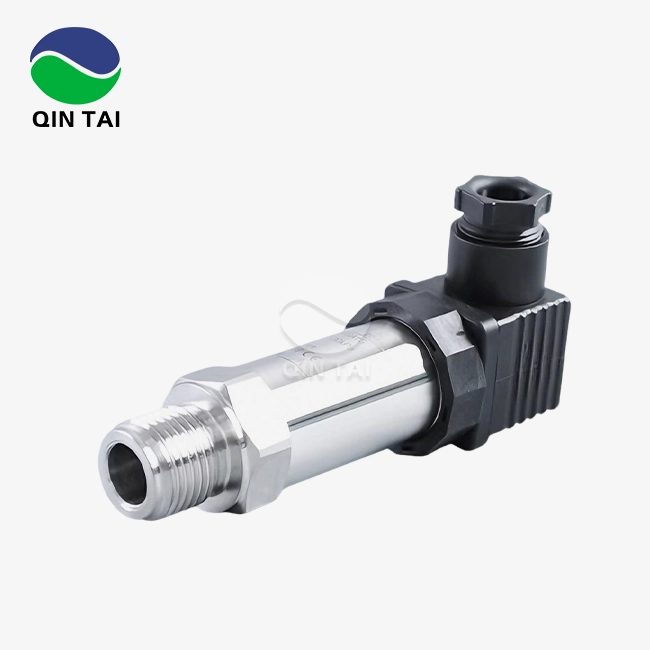
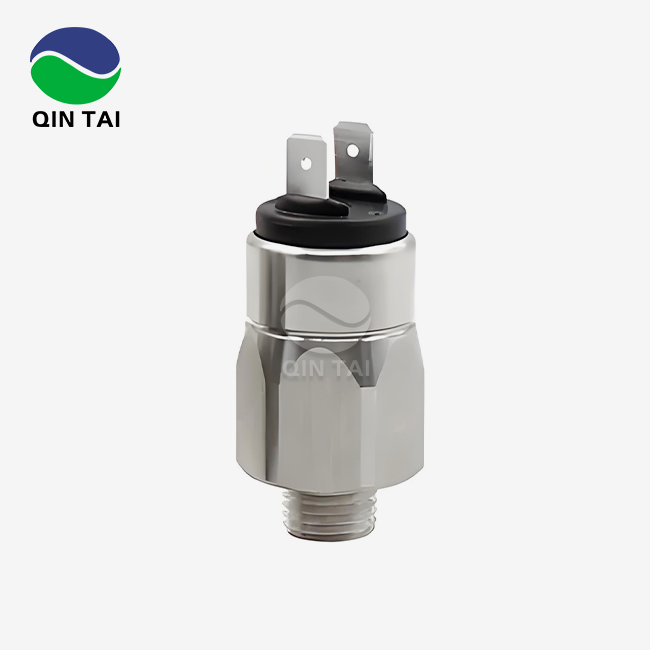
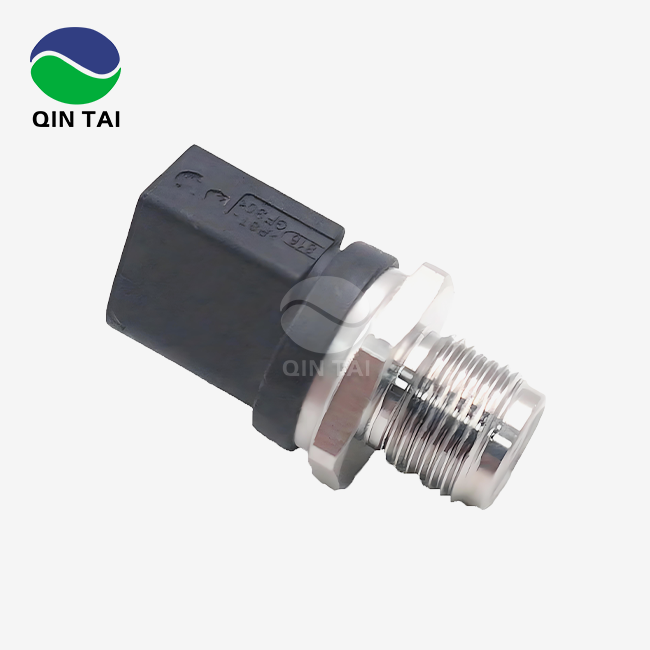
Sensor accuracy is crucial for precise filling. Traditional pressure monitors were accurate to ±2%, meeting Euro V compliance requirements. To meet Euro VI criteria, high-precision sensors with ±0.5% accuracy over their operating range have been developed. Qintai manufactures MEMS and digital signal processing pressure sensors. OEMs require these sensors for mass production stability and accuracy. Many of our 58 innovation patents are about improving sensor reliability in tough diesel engine situations.
Procurement Considerations for DEF Dosing Systems Aligned with Euro Standards
Compliance Certification Requirements
Where to find certified parts that meet or exceed regulatory criteria is crucial. Euro VI requires evidence of system performance in WHTC (World Harmonized Transient Cycle) for heavy-duty engines and WHSC (World Harmonized Steady-state Cycle) for fixed usage. ISO 9001, IATF 16949, and local environmental safety documentation like EPA clearance for the US market should be shown by suppliers.
Qintai sells to China's leading diesel engine manufactures including Weichai Power, Yuchai Power, and Quanchai Power, therefore it maintains certification lists current. ISO9001, IATF16949, CMC, Ex, UL, CE, REACH, and RoHS certifications. These certifications make our work easy to accept and reduce the danger of buying from us. China VI requirements, identical to Euro VI, are met by our products. We're trusted by individuals worldwide who must fulfill emission regulations.
System Compatibility and Integration
Compatibility goes beyond mechanical connections. Also included are electronic contact standards. Euro VI devices communicate via the CAN bus, which has its own message formats and update rates. Dosing pumps and engine ECUs must be in sync, and NOx monitors provide data via SAE J1939. Our SCR aftertreatment systems include interchangeable interfaces for OEM needs. Customization requests to fix integration issues can be fulfilled without delaying delivery.
Cost-Effectiveness Analysis
Euro VI parts are 25–40% more costly than Euro V due to precision. However, overall ownership cost differs. Higher DEF consumption boosts annual operating expenses by $800 to $1,200 per car at current fluid prices. Fuel economy from enhanced combustion technologies frequently offsets 60–80% of this growth. Instead than focusing on pricing, procurement teams should evaluate vendors based on part lifespan and warranty. Due to delay and emergency replacements, early failures cost more.
Maintenance and Troubleshooting for Efficient DEF Dosing Rate Management
Warning Signs of Improper Dosing
Performance degradation tends to occur slowly before panel alerts. Gradual increases in DEF dosing rate consumption above 10% of prior averages may indicate worn injectors that inject too much fluid without decreasing NOx levels. However, decreasing usage and increasing exhaust opacity may indicate clogged injectors or solidified DEF lines. We recommend baseline use patterns for the initial implementation. These markers will guide tracking.
Calibration Procedures and Frequency
Dosing systems should be calibrated every 1,000–1,500 hours for Euro VI applications. Euro V applications require it every 2,000–2,500 hours. Calibration involves verifying the pressure monitor, injector spray patterns, and ECU fluid calculations against actual use. Repair shops and fleet maintenance departments receive customized calibration procedures from our technical support staff. This keeps systems running smoothly between servicing periods.
Preventative Maintenance Best Practices
Dosing systems endure longer with regular maintenance. To ensure the right 32.5% urea content, refractometers should be used while refilling DEF. Polluted fluid causes 70% of early system failures. Manufacturers recommend filter replacement every 100,000 miles or a year. Regularly cleaning lines and needles with appropriate solutions improves performance. This prevents crystals from impeding flow and dosage accuracy. We offer replacement sensors and parts and comprehensive after-sales support to minimize repair delay.
Conclusion
Knowing the differences in DEF dosing rates between Euro V and Euro VI engines helps procurement experts make wise purchase decisions that comply with regulations, cut costs, and boost efficiency. Euro VI's tougher emission restrictions demand 30–50% more DEF, complex adaptive control systems, and precision parts that can maintain accuracy in various operating conditions. These principles make provider selection a strategic relationship rather than a transaction. Diesel engine building and aftertreatment system integration suppliers with established R&D expertise, extensive certification portfolios, and timely professional assistance are more crucial than ever as worldwide emission requirements change.
FAQ
Q1: How does increased DEF dosing rate impact total operating costs in Euro VI engines?
A: Euro VI engines use 5–8% more DEF than Euro V engines, costing heavy-duty cars $800–1,200 extra per year for fluid. Most Euro VI engines consume 3–5% less gasoline due to new combustion technologies. This accounts for 60–80% of DEF cost increases. Running expenses depend on fuel price, operating frequency, and maintenance techniques.
Q2: Can Euro V dosing systems be retrofitted for Euro VI compliance?
A: Retrofitting has several technological issues. Euro VI requires more accurate injection, faster reaction time, and NOx sensor input. Most Euro V hardware lacks these functionalities. Control systems are normally changed top-to-bottom, however mechanical sections may be shifted. We recommend asking experienced SCR system builders if retrofitting is doable for particular usage before making component-level changes.
Q3: What causes the most common DEF dosing system failures in Euro VI applications?
A: Contaminated DEF causes 40% of failures. Both sensor drift and injector ice are 25%. ISO 22241-compliant DEF, clean storage tanks, and timely service may prevent most issues. Quality sensors proven in demanding settings reduce drift-related malfunctions. This is one of Qintai's product development aims.
Partner with a Trusted DEF Dosing Rate Solution Manufacturer
When updating diesel engine platforms, you need more than legal parts to fulfill tight emission regulations. A proven SCR aftertreatment technology partner is also needed. Qintai is an expert at making Euro VI and China VI-compliant pressure sensors, dosing systems, and complete SCR solutions. Our independent research and development team with 58 idea patents and many standards like IATF16949 and ISO9001 is always finding new ways to improve products.
We provide solutions for heavy trucks and generator sets to manufacturers in over 60 countries as China's leading diesel engine aftertreatment OEM. From concept to large manufacturing, our OEM and ODM services can customize solutions to meet your demands. If you're a diesel engine manufacturer seeking steady mass production or an aftertreatment integrator seeking flexible sensor connections, our technical team can help. For Euro VI compliance guidance and DEF dosing rate improvements, contact our engineering specialists at info@qt-sensor.com. Our low bids, technical papers, and continuing assistance make regulatory compliance a competitive advantage.
References
1. Johnson, T. (2015). "Diesel Emissions in Review." SAE International Journal of Engines, Volume 8, Issue 3, pp. 1152-1167.
2. European Commission Regulation (EU) No 582/2011. "Implementing and amending Regulation (EC) No 595/2009 of the European Parliament and of the Council with respect to emissions from heavy duty vehicles (Euro VI)." Official Journal of the European Union.
3. Automotive Industry Action Group (AIAG). (2019). "Advanced Emissions Control Technologies for Diesel Engines: Selective Catalytic Reduction Systems Performance Standards."
4. International Organization for Standardization. (2019). "ISO 22241: Diesel engines – NOx reduction agent AUS 32 – Part 1-5 Technical specifications and quality requirements."
5. Miller, W.R., Klein, B.P., & Mueller, R. (2018). "DEF Dosing Control Strategies for Heavy-Duty Diesel Engines Meeting EPA 2010 and Euro VI Emission Standards." Proceedings of the 14th International Conference on Engines & Vehicles, Capri, Italy.
6. Society of Automotive Engineers (SAE). (2020). "J1939 Digital Annex: Network Management and Diagnostics for Heavy-Duty Vehicle Applications." SAE Technical Standards Board.

Our customers’ satisfaction speaks for our quality — contact us to experience the same reliable service.