- English
- French
- German
- Portuguese
- Spanish
- Russian
- Japanese
- Korean
- Arabic
- Greek
- German
- Turkish
- Italian
- Danish
- Romanian
- Indonesian
- Czech
- Afrikaans
- Swedish
- Polish
- Basque
- Catalan
- Esperanto
- Hindi
- Lao
- Albanian
- Amharic
- Armenian
- Azerbaijani
- Belarusian
- Bengali
- Bosnian
- Bulgarian
- Cebuano
- Chichewa
- Corsican
- Croatian
- Dutch
- Estonian
- Filipino
- Finnish
- Frisian
- Galician
- Georgian
- Gujarati
- Haitian
- Hausa
- Hawaiian
- Hebrew
- Hmong
- Hungarian
- Icelandic
- Igbo
- Javanese
- Kannada
- Kazakh
- Khmer
- Kurdish
- Kyrgyz
- Latin
- Latvian
- Lithuanian
- Luxembou..
- Macedonian
- Malagasy
- Malay
- Malayalam
- Maltese
- Maori
- Marathi
- Mongolian
- Burmese
- Nepali
- Norwegian
- Pashto
- Persian
- Punjabi
- Serbian
- Sesotho
- Sinhala
- Slovak
- Slovenian
- Somali
- Samoan
- Scots Gaelic
- Shona
- Sindhi
- Sundanese
- Swahili
- Tajik
- Tamil
- Telugu
- Thai
- Ukrainian
- Urdu
- Uzbek
- Vietnamese
- Welsh
- Xhosa
- Yiddish
- Yoruba
- Zulu
What to Look for in Heavy-Duty Industrial Temperature Transmitters
Selecting heavy-duty industrial temperature sensors with the right characteristics is crucial for diesel engine performance. Industrial process transmitters give reliable temperature data for emission control systems, which affects China VI and Euro VI compliance. These instruments must remain accurate in SCR aftertreatment environments with extreme temperature fluctuations, vibrations, and contaminants. Buying managers and research and development engineers need well-built, mass-produced receivers with certifications that meet the needs of technical departments during supplier selection and procurement teams during supplier approval. They also need to be able to measure things.
Understanding Global B2B Procurement Dynamics in Temperature Sensing
Industrial sensor purchasing has altered significantly in the past decade. Supply chain transparency today determines a company's competitive edge as much as part standards. Diesel engine manufacturers are increasingly demanding more information about a supplier's manufacturing, quality control, and safety procedures before dealing with them. This adjustment is part of an industry trend toward decreasing risk and working collaboratively rather than purchasing once. Digital platforms have transformed technical managers' temperature transmitter seller analysis. Engineering teams may instantly access technical datasheets, certification portfolios, and compatibility grids on centralized platforms. This accelerates qualification. R&D professionals can do simple testing without procurement teams. This speed reduces sourcing cycles and improves judgments by comparing data.
Sustainability and Certification Requirements
Sustainable manufacturing is part of environmental compliance. Generator set producers and environmental equipment makers are progressively scrutinizing their suppliers' environmental management systems. Temperature transmitter suppliers who follow ISO14001 and RoHS guidelines demonstrate their commitment to responsible manufacture. When management approves a seller, these licenses are considered. This is especially true for OEMs selling in nations with severe environmental rules. Aftertreatment system installers benefit from vendors with comprehensive certifications, such as IATF16949 for automobile quality and CMC for measurement instruments. These guidelines reduce merging risk and speed up SCR and DPF system setup. Technical managers know that certified providers have stronger process controls, reducing field failures and warranty costs.
Strategic Sourcing and Supplier Selection for Temperature Transmitters
Finding reputable temperature sensor providers requires careful consideration of several things. The expert department chooses primarily on performance, but a thorough review considers production capacity, after-sales infrastructure, and financial stability. This all-around technique prevents supply issues from stopping manufacturing lines or delaying project commissioning.
Performance Metrics That Matter
Industrial sensors can accurately monitor temperature even in changing situations, unlike business sensors. Devices in big vehicles and building equipment might experience temperature shock, mechanical vibration, and electromagnetic interference. Transmitters must maintain ±0.5% accuracy from -40°C to 850°C and withstand 50g shock loads. Actual diesel particle filter regeneration monitoring and exhaust gas recirculation circumstances informed these standards. Control device performance depends on response time. To avoid excessive NOx levels when load changes, agricultural equipment manufacturers using closed-loop urea dosage management need receivers with sub-second thermal response. Instead of using lab metrics that may not correctly reflect field performance, buying managers should assess response time requirements under real-world flow velocity and thermal mass circumstances.
Long-term security determines lifecycle cost. Recalibration is expensive and soon wipes out any savings from the initial purchase when an emitter wanders 2°C each year. Industrial process transmitters with drift standards of less than 0.5°C per year and 100,000-hour repair intervals have a lower total cost of ownership while costing more. This distinction matters when project engineers consider backup power usage, when the system's value hinges on its capacity to function constantly with low maintenance.
Manufacturing Capacity and Quality Consistency
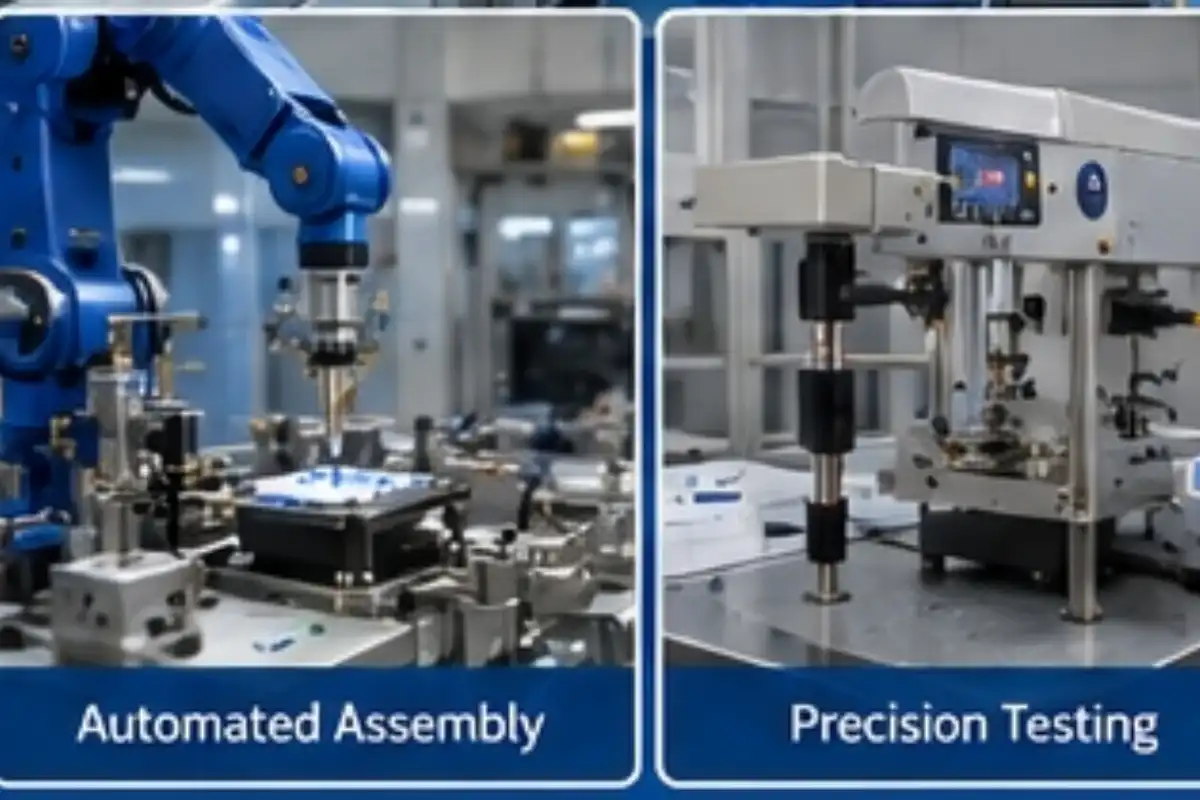
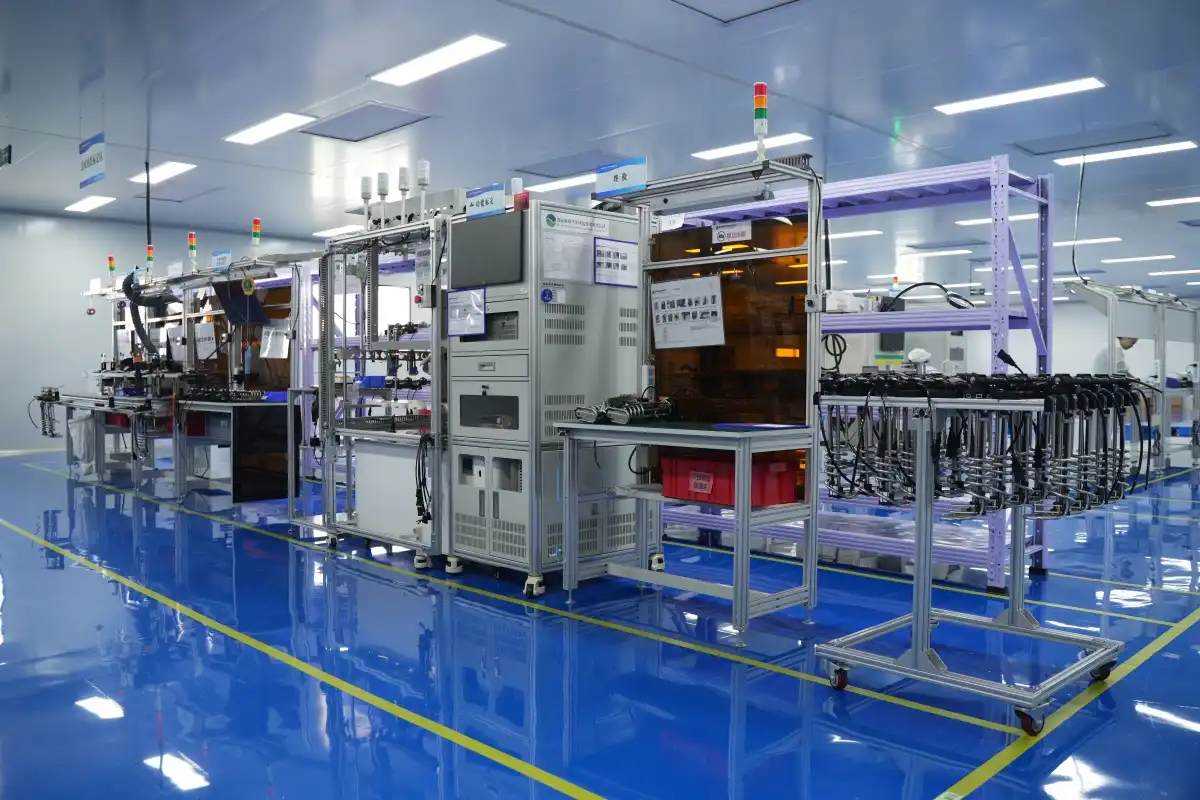
Because of their versatility, OEM suppliers differ from prototype specialists. Diesel engine manufacturers require transmission providers who can increase output without sacrificing quality to satisfy market demand. Production capacity audits should examine automatic manufacturing, statistical process control, and inventory management systems that enable just-in-time delivery plans. Well-established production procedures deliver quality stability. Established suppliers with documented process modifications since 2001 demonstrate ongoing learning and improvement. This level of operational maturity allows product characteristics to be predicted, which is crucial for adding sensors to automated manufacturing lines when size variations delay installation. Supply chain managers realize that buying from known manufacturers is safer than buying from new enterprises.
Leveraging Technology for Procurement Excellence
Modern temperature transmitters employ digital transmission, which changes system operation and diagnosis. The HART system offers remote setup, real-time diagnostics, and predictive maintenance, lowering product lifecycle costs. These technological developments turn transmitters from inert measurement instruments into smart system pieces that boost equipment performance.
Digital Interface and Compatibility
Aftertreatment system designers want sensors with several inputs. Digital Modbus connection and analog 4-20mA output allow temperature sensors to be integrated with existing and new control systems. Engineers spend less time creating systems and may make modifications as control platforms change with this flexibility. Technical managers enjoy software adjustments that let sensors operate better in particular scenarios without changing hardware. Smart troubleshooting detects worn sensors before they cease measuring. Condition-based maintenance is enabled via transmitters that monitor internal circuit stability, moisture incursion, and thermal cycling exposure. This predictability helps repair businesses and component manufacturers save inventory costs by replacing parts based on their actual status rather than time-based plans. Higher productivity decreases total cost of ownership and improves system performance.
Data Analytics and System Integration
Many networked objects send temperature data to cloud-based monitoring systems. Performance trends not visible at the sensor level are shown here. Centralized temperature tracking lets generator set designers identify design flaws. Companies that employ equipment in mines and remote power plants benefit. This analytical power allows single sensor investments to become entire asset management systems with operating information beyond measurement functions.
Solution engineers employ temperature data integration to streamline industrial waste gas treatment systems. Engineers combine temperature trends with pollution levels, NOx conversion efficiency, and reagent consumption to develop the most cost-effective and environmentally friendly method. Industrial process transmitters that deliver high-resolution, timestamp-synchronized data enable these sophisticated analytics. These transmitters do more than measure temperatures.
Ensuring Compliance and Risk Management in Procurement
Compliance with diesel engine rules is essential. According to China VI and Euro VI emission requirements, exhaust gas temperature must be tracked accurately and quickly. Non-certified temperature sensors provide a compliance risk that might delay automotive certifications or cause costly recalls. Purchasing managers must ensure suppliers maintain target market certifications and understand certification maintenance processes to assure compliance when requirements change.
Certification Portfolios and Documentation
Detailed certification documentation streamlines regulator and customer clearance. UL accreditation for North America, CE markings for Europe, and Ex certification for risky regions demonstrate the provider's commitment to worldwide market access. Regular surveillance checks and design control procedures that exceed product quality criteria are needed to maintain these certifications. The extensive paperwork that comes with certified items simplifies vehicle homologation technical files. IATF16949 addresses automobile sector quality needs. It covers manufacturing part approval, advanced product quality planning, and failure mode impacts analysis. IATF16949 is vital to OEMs because it ensures suppliers implement quality management approaches that match automobile manufacture. This clearance reduces merger risk and streamlines product launch.
Supply Chain Continuity Planning
Risk management goes beyond part blueprints to ensure supply. Natural catastrophes, global events, and supplier business failures might delay manufacturing when you employ a single source. Smart procurement strategies assess suppliers' financial stability, range of manufacturing sites, and inventory management to ensure parts are accessible during supply chain disruptions. These elements are especially crucial when employing a generator set when machine downtime is expensive. Supplier audits verify production and quality systems. On-site inspections examine manufacturing tool maintenance, calibration, and process documentation. These assessments verify that suppliers' quality promises are based on their actual skills, not merely objectives. Supplier audits assist project managers launch new facilities by setting performance requirements for supplier management.
Enhancing Supplier Collaboration and Communication
Clear communication and shared goals are essential for long-term relationships. Industrial process transmitters in emission control systems change as engine technology develop and restrictions tighten. Suppliers collaborate to exchange technical expertise throughout development. This speeds up product launch and simplifies sensor integration.
Joint Development Initiatives
Sensor supplier and customer expertise are combined to provide the finest solutions in co-development initiatives. Temperature transmitter manufacturers may provide R&D engineers with unique mounting arrangements, thermal response characteristics, and calibrations for specific applications. People working together can create bespoke solutions that standard parts couldn't. They have a competitive advantage. Sharing success reports clarifies things for everyone. Customers track quality and delivery performance against targets, while providers use field performance data to improve. Joint accountability strengthens connections and promotes progress. Sellers of aftertreatment systems benefit from real-time performance data to help them respond to technical support calls faster.
Feedback Loops and Continuous Improvement
Regular technical discussions between seller and customer engineering teams help improve things and solve new challenges. In tough environments, construction equipment reveals stress effects on sensors that weren't seen in lab experiments. Structured feedback methods employ field data to enhance designs for all clients. Suppliers who participate in joint growth desire long-term collaborations, not one-time agreements. Communication solutions that simplify information sharing reduce project issues. Suppliers with customer portals, real-time order status, technical reference libraries, and application engineering support may assist customers resolve issues themselves. Commercial automobile aftermarket purchasers that require rapid technical knowledge for repairs may do it more easily. Faster service makes consumers happier and more loyal, beyond price.
Conclusion
Consider more than simply specs when choosing an industrial process transmitter or other heavy-duty industrial temperature sensors. You should also consider the supplier's abilities, qualifications, and relationship possibilities. Technical performance standards including accuracy, response time, and stability provide baseline qualifications. Relationship success depends on production capacity, quality consistency, and a collaborative approach. As rules change and systems get more complex, picking a supplier is wise for compliance and competition. Procurement teams prioritize vendors with sophisticated technology, a wide variety of worldwide certifications, and a long-term commitment to working together in difficult diesel engine and emission control uses to ensure long-term success.
FAQ
Q1: What accuracy specifications should I require for SCR system temperature monitoring?
A: Accurate temperature measurements for SCR aftertreatment systems are required within ±2°C or ±0.5% of the 150°C to 650°C operational range. Accuracy is crucial during catalyst light-off and recovery cycles, when temperature management affects conversion efficiency and system lifespan. Make sure accuracy requirements encompass long-term drift. Because calibration stability over 100,000-hour service intervals affects ownership cost and maintenance.
Q2: How do I verify a temperature transmitter supplier's mass production capability?
A: Request proof of your production ability, such as annual workload, manufacturing line setup, and quality control. Building inspections should include supply management, automated assembly, and statistical process control. Discover OEM partnerships that require high-volume deliveries by checking supplier customer listings. Established production businesses have proved they can scale up and maintain quality in enormous volumes.
Q3: What certifications are essential for diesel engine temperature transmitters?
A: In vehicle applications, IATF16949 certification ensures the quality control system meets OEM requirements. Industrial clearances like Ex grades for risky regions, EMC compliance for electromagnetic compatibility, and regional safety markings like UL and CE provide market access. RoHS and REACH compliance indicates environmental responsibility, which is increasingly vital in seller approval. Instead of relying on one-time credentials, monitor certificates regularly.
Partner with Qintai for Industrial Process Transmitter Excellence
Xi'an Qintai Automotive Emission Technology Co. Ltd. has specialized in diesel engine aftertreatment and temperature measuring systems for over 20 years. By testing industrial process transmitters in harsh conditions, we've improved them. This makes us China's leading OEM supplier to Weichai, Yuchai, and Quanchai Power. Our ISO9001, IATF16949, CMC, Ex, UL, CE, REACH, and RoHS certifications demonstrate our commitment to worldwide quality standards and compliance.
Our independent research and development team holds 58 concept patents, demonstrating their constant innovation in sensor technology and manufacturing methods. This technological competence makes OEM and ODM services flexible, allowing product customisation from concept to mass manufacturing. If you require modified mounting connections, application-specific calibrations, or complete system integration support, our skilled team works with your technical department to find the best solutions.
We know diesel engine, aftertreatment system, and generator set manufacturers struggle to obtain supplies. Our quality control systems provide consistent automatic assembly procedures, and our manufacturing capacity allows for scalable supply to meet your development requirements. Get in touch with our team at info@qt-sensor.com to discuss your temperature transmitter needs with an industrial process transmitter manufacturer who cares about your success.
References
1. Johnson, M. & Stevens, R. (2023). Industrial Temperature Measurement: Principles and Best Practices for Emission Control Systems. Process Instrumentation Publishers.
2. Chen, L. (2022). "Thermal Management Strategies in Modern Diesel Aftertreatment Systems," Journal of Automotive Engineering, Vol. 237, pp. 1842-1859.
3. International Society of Automation (2024). ISA-TR100.00.01-2024: Guide for Selecting Temperature Sensors in Industrial Applications. ISA Standards Committee.
4. Peterson, K. & Martinez, A. (2023). Supply Chain Excellence in Industrial Sensor Procurement: Strategic Approaches for OEM Manufacturers. Industrial Press.
5. European Automotive Manufacturers Association (2024). Technical Guidelines for Emission Control System Component Qualification. ACEA Technical Standards Division.
6. Wu, H., Thompson, J. & Schwartz, D. (2022). "Long-term Stability Analysis of Industrial Temperature Transmitters in Diesel Exhaust Environments," Sensors and Transducers International, Vol. 158, No. 4, pp. 67-83.
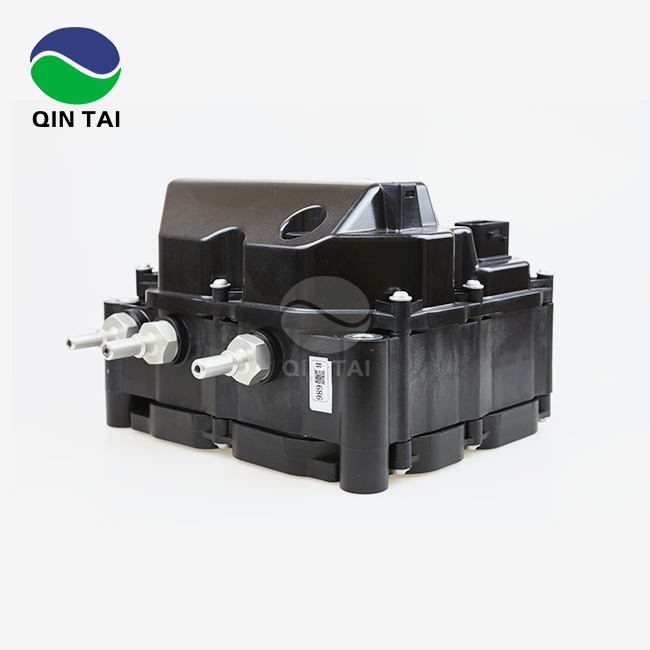
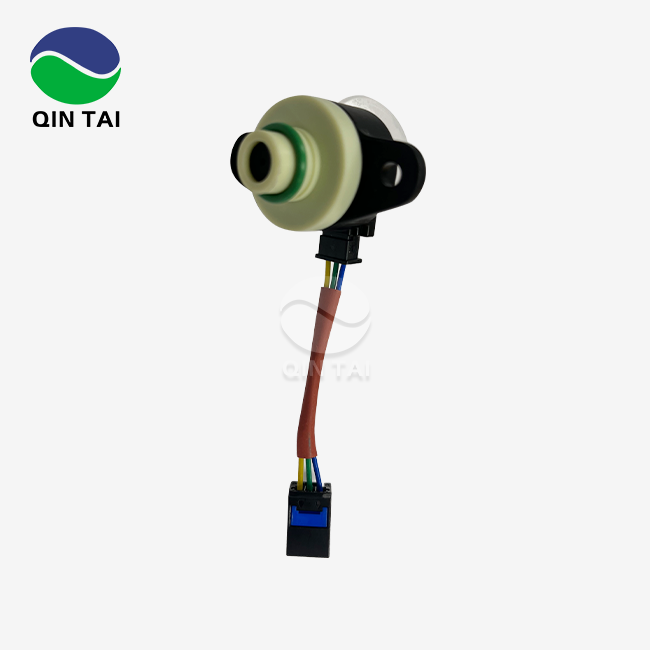
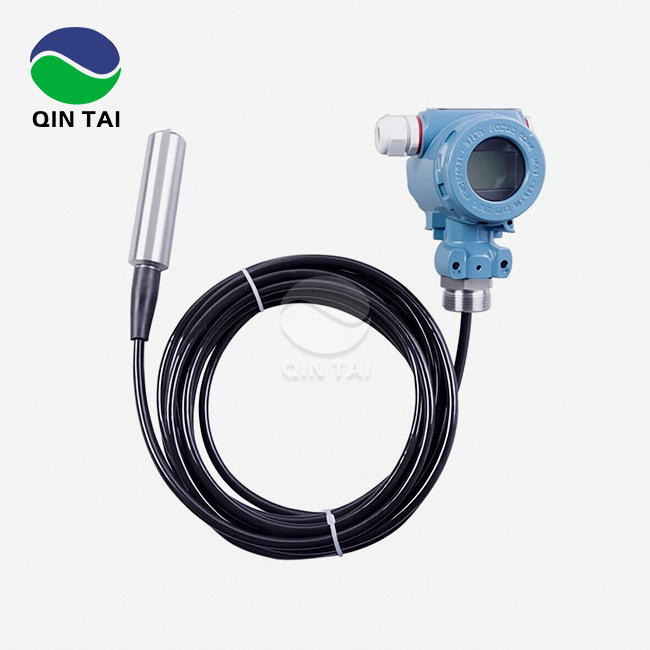

Our customers’ satisfaction speaks for our quality — contact us to experience the same reliable service.