- English
- French
- German
- Portuguese
- Spanish
- Russian
- Japanese
- Korean
- Arabic
- Greek
- German
- Turkish
- Italian
- Danish
- Romanian
- Indonesian
- Czech
- Afrikaans
- Swedish
- Polish
- Basque
- Catalan
- Esperanto
- Hindi
- Lao
- Albanian
- Amharic
- Armenian
- Azerbaijani
- Belarusian
- Bengali
- Bosnian
- Bulgarian
- Cebuano
- Chichewa
- Corsican
- Croatian
- Dutch
- Estonian
- Filipino
- Finnish
- Frisian
- Galician
- Georgian
- Gujarati
- Haitian
- Hausa
- Hawaiian
- Hebrew
- Hmong
- Hungarian
- Icelandic
- Igbo
- Javanese
- Kannada
- Kazakh
- Khmer
- Kurdish
- Kyrgyz
- Latin
- Latvian
- Lithuanian
- Luxembou..
- Macedonian
- Malagasy
- Malay
- Malayalam
- Maltese
- Maori
- Marathi
- Mongolian
- Burmese
- Nepali
- Norwegian
- Pashto
- Persian
- Punjabi
- Serbian
- Sesotho
- Sinhala
- Slovak
- Slovenian
- Somali
- Samoan
- Scots Gaelic
- Shona
- Sindhi
- Sundanese
- Swahili
- Tajik
- Tamil
- Telugu
- Thai
- Ukrainian
- Urdu
- Uzbek
- Vietnamese
- Welsh
- Xhosa
- Yiddish
- Yoruba
- Zulu
What are the top-rated pressure transducers for water management systems?
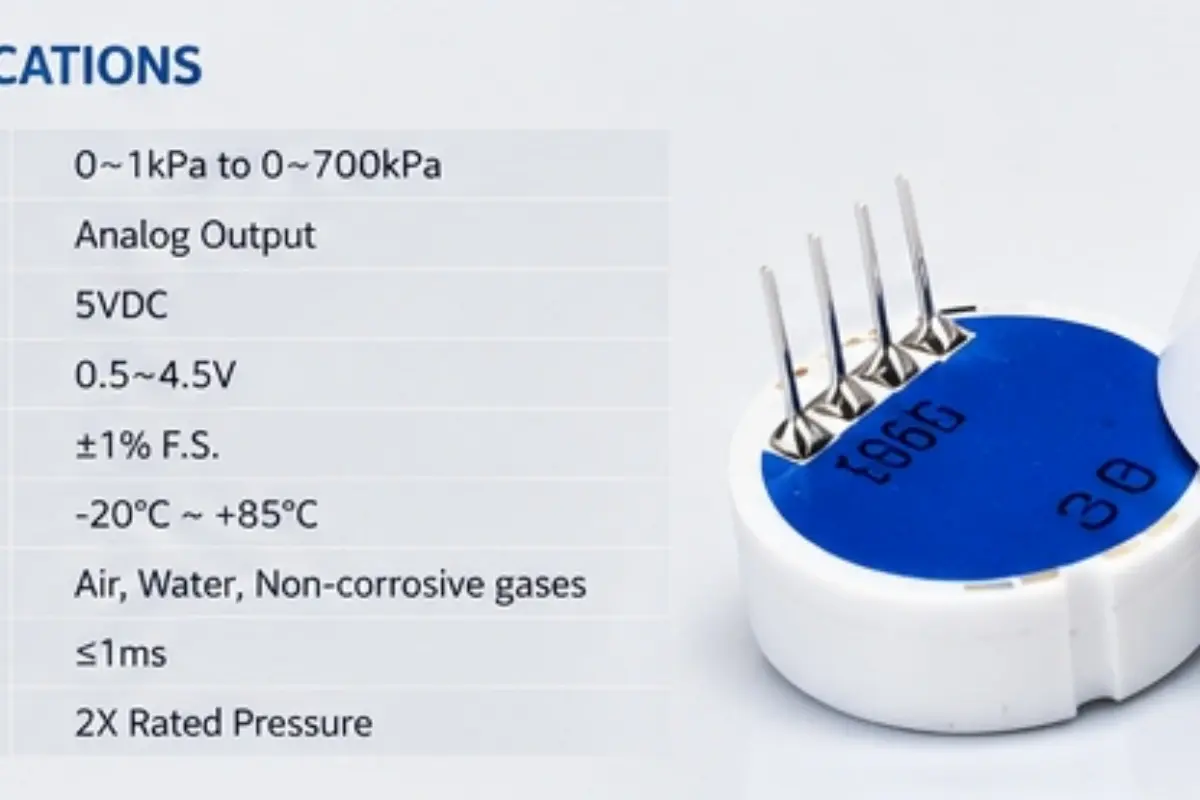
Pressure transducers stand out as crucial monitors that convert hydraulic force into electrical signals that can be detected while examining the finest equipment for monitoring and controlling water systems. The finest units are durable and feature piezoresistive sensors. These devices are accurate to ±0.5%, IP68-waterproof, and produce 4-20 mA or 0-10V. Leading versions from well-known companies employ corrosion-resistant stainless steel 316L, can work from 0 to 700 bar, and can endure high and low temperatures. They are crucial for water distribution, irrigation, and industrial fluid management, where reliability impacts operation.
Understanding Pressure Transducers in Water Management Systems
Modern water infrastructure uses pressure measuring technologies to maintain flow rates, locate leaks, and prevent catastrophic breakdowns. These sensors need a Wheatstone bridge circuit and a strain gauge linked to a diaphragm that is physically deformed. Water pressure bends the diaphragm, straining the gauge and changing its electrical resistance according to force per unit area (P=F/A).
Working Principles and Signal Types
Control systems receive analog millivolt signals (mV/V) or regulated current outputs (4–20 mA) from conversion. Analog versions create 0.2 to 1.2 mV/V at zero pressure, whereas digital versions communicate via SCADA protocols. Piezoresistive elements may alter resistance linearly over a large pressure range, making them popular in water. This ensures dependable performance whether tracking city or agricultural water networks.
Key Transducer Categories for Water Applications
Different sensor sets are needed for water control based on measurements. Suitable for assessing the level of an open tank, gauge pressure transducers measure ambient pressure. Differential models simultaneously compare two pressures. This helps determine a filter's performance when pressure dips between intake and exit. For deep hole installations where air pressure variations may reduce sensor accuracy, absolute pressure sensors must function in a pure vacuum.
Critical Performance Factors
How long water systems endure relies on their environmental resilience. Corrosion prevention prevents damage from chlorinated, salty, or chemical water. Ingress protection ratings IP67 or IP68 assure life in water, and temperature adjustment circuits maintain precision as seasons vary. When the signal is steady, calibration frequency decreases, lowering maintenance costs. Diaphragm materials must withstand frequent water contact without breaking down. This is why business clients that want a product to endure ten years or more prefer ceramic and stainless steel.
Top-Rated Pressure Transducers for Water Management: The Industry Leaders
Few manufacturers fulfill industrial standards, although there are numerous options worldwide. Knowing what makes a product unique helps procurement managers balance budget and technological demands.
Recognized Manufacturers and Product Lines
Sensata Technologies develops titanium-housed underwater sensors for corrosive groundwater. These pressure transducers measure up to 500 bar with ±0.25% accuracy. Their M5800 series offers lightning protection, which is crucial for remote water stations. The Honeywell MLH line's modest size and 4-20 mA outputs make it easy to integrate into control schemes. ABB employs smart sensing that communicates digitally to forecast maintenance by monitoring the status of items. Siemens SITRANS P delivers process compatibility and hygiene standards for drinking water. WIKA's A-10 model is ideal for projects that wish to conserve money without sacrificing performance because to its cheap cost and IP68 protection.
Comparative Analysis of Leading Models
The specs show distinct positions. Honeywell devices have threaded connections that match common pipe fittings, making installation straightforward. Sensata models function effectively in 500-meter-deep water. ABB machines use HART protocol to alter settings remotely, reducing the number of times you need to travel for repairs. Siemens takes cleanliness seriously, and its electropolished wetted components satisfy FDA drinking water contact criteria. Pharmaceutical-grade precision at industrial prices is WIKA's compromise. It attracts mid-sized cities upgrading aging infrastructure. Case studies demonstrate real-world success. A Midwest water district replaced mechanical gauges with Honeywell MLH devices, reducing false alarms by 40%. A California farm installed ABB smart sensors in all irrigation zones. These sensors reduce water waste by 18% by real-time pressure optimization. These results demonstrate that technical needs may be translated into practical advantages with the correct sensors.
Budget Considerations and Value Proposition
$150–$300 entry-level sensors are appropriate for temporary deployments or low-priority tracking. With basic analog outputs, they typically provide ±1% accuracy. Premium models, costing $800-$1,500, include digital diagnostics, five-year warranties, and ±0.25% accuracy. Bulk purchases frequently provide tiered savings. Higher-quality sensors' reduced lifetime costs make buying more than 100 units worthwhile. Time between calibrations is part of the total cost of ownership. Better gadgets need checkups every two years, while cheaper ones need an annual servicing.
How to Choose the Best Pressure Transducer for Your Water Management System?
The selection process should use formal assessment variables that match realistic demands and supply chain capabilities. This strategy prevents costly errors when sensor specs don't match real-world situations.
System-Specific Technical Requirements
For a pressure transducer, pressure range matching prevents sensor damage and ensures accurate readings. Most municipal distribution systems operate between 3 and 10 bar, thus safety sensors must be 16 bar. Sensors in reverse osmosis facilities must withstand 80 bar or more, although industrial cooling systems may manage 25 bar. Overpressure tolerance, generally 150% of maximum capacity, prevents hydraulic shocks when valves close or pumps start. Integration difficulty depends on connection decisions. All modern PLCs can use analog 4-20 mA inputs, however each sensor needs wiring. Digital protocols like Modbus RTU allow many sensors on the same wires, simplifying installation. Wireless options eliminate conduit runs, but battery maintenance adds additional service difficulties.
Environmental Resistance Assessment
Water science impacts material selection. Stainless steel 316L wetted components work well with chlorinated city water, while ocean requires titanium or Hastelloy. Outdoor installations require models with -40°C to +85°C ratings because to the broad temperature range. Humid valve vaults and pump stations require IP68 housings with Gore-Tex vent holes to equalize barometric pressure without letting moisture in.
Procurement and Supply Chain Factors
Predictable lead times effect project strategies. Well-known manufacturers ship standard configurations in two weeks and bespoke specs in eight. Contacting consignment inventory providers ensures that emergency replacements will arrive within 24 hours, lowering downtime costs that often exceed sensor prices. The guarantee should cover manufacturing defects for three years, and technical support should be provided via phone and email during business hours. Large-scale enterprises benefit from bulk purchase. Buying 50 or more comparable units can minimize unit costs by 20–30% and ensure spare parts can be utilized in subsequent installs. Using a single pressure transducer family simplifies technician training and diagnosis. Enrolling manufactures in OEM partnership programs allows private labeling, bespoke calibration, and co-development of customized versions.
Installation, Calibration, and Maintenance Best Practices for Water System Pressure Transducers
Proper placement affects sensor life and measurement accuracy. Following the manufacturer's recommendations while adjusting to local conditions prevents malfunctions and provides reliable results.
Installation Guidelines
Efficiency depends greatly on mount position. Pressure transducers on horizontal pipe runs with process lines facing the side prevent silt from clogging diaphragms. Avoid rough sections near pumps or curves to reduce signal noise from vibrations. By threading sensors into isolation valves, they may be removed and calibrated without system shutdown. Overtightening can harm housings and change zero points, therefore controlled torque, generally 40–60 Nm, prevents this. Electrical links need shielding. Separating sensor cables from high-voltage motor feeds prevents electromagnetic interference. Use grounded steel tube for increased noise resistance. Conductor integrity is protected by cable bend angles above manufacturer minimums. This is crucial for jacketed cables with weak coaxial topologies.
Calibration Methodology
Direction, temperature, and torque impacts are corrected by establishing accurate zero points after installation. After disconnecting the sensor from the process pressure and allowing the temperature stable for 30 minutes, adjust the zero output to the manufacturer's specifications, generally 4.00 mA for current loops or 0.20 mV/V for ratiometric devices. Some devices include inbuilt calibration signals accessible by shorting pins. These signals replicate 80% full-scale pressure to assess span without external pressure sources. We calibrate annually against authorized criteria to maintain accuracy. Deadweight tests give trackable norms, although tiny pressure calibrators are better in the field. Calibration data can reveal drift tendencies that help you forecast replacements. Replace sensors that shift more than ±2% each year, rather than constantly adjusting them.
Maintenance and Troubleshooting
To prevent significant issues, checkups are scheduled every six months. Visible damage includes electrical connection corrosion, water entering wire jackets, and diaphragm damage from overpressure. Cleaning technique links eliminate biofilm that prevents diaphragms from sensing pressure. Unstable readings indicate loose wiring, slowly shifting readings indicate diaphragm wear, and total signal loss indicates power source failure. Verification checks continuity, input voltage, and outputs to recognized pressure sources to find problems. Detailed maintenance records indicate patterns across sensor groups, speeding analysis.
Conclusion
You must balance scientific criteria, environmental considerations, and purchase challenges when choosing water system pressure transducer equipment. The best gadgets feature durable piezoresistive technology. They are precise and durable, making the initial investment worthwhile because they require less maintenance and greater process control. Understanding transducers helps individuals make sensible decisions when enhancing public infrastructure, company procedures, or new installations. Partnering with experienced makers with complete technical support ensures sensor deployment and performance throughout their lifecycles, converting their talents into operational excellence.
FAQ
Q1: Which pressure transducer types work best for water management systems?
A: Gauge pressure transducers are most frequent in open tanks and pipelines when air pressure is sufficient. Differential models track filter blockages by comparing source and downstream pressures. Absolute sensors perform best in sealed systems and deep hole deployments where air pressure variations might cause errors. Submersible IP68 versions may go in tanks and ponds.
Q2: How does temperature affect sensor accuracy in water applications?
A: Sensor element resistance and fluid density change with temperature. When the operating range varies, high-quality sensors contain temperature adjustment circuits to maintain accuracy. Compensated devices reduce errors to ±0.5%, but uncompensated instruments may have ±3% drift across 50°C ranges. Setting operating temperature ranges to field circumstances avoids accuracy.
Q3: Can these transducers integrate with SCADA and IoT platforms?
A: Today's devices link in various ways. Digital protocols like Modbus RTU, HART, and Profibus offer two-way troubleshooting and parameter setting. Standard SCADA inputs accept 4-20 mA analog signals. New LoRaWAN or NB-IoT wireless models transfer data to clouds. This allows remote monitoring and maintenance planning for scattered water networks.
Partner with Qintai for Reliable Pressure Transducer Solutions
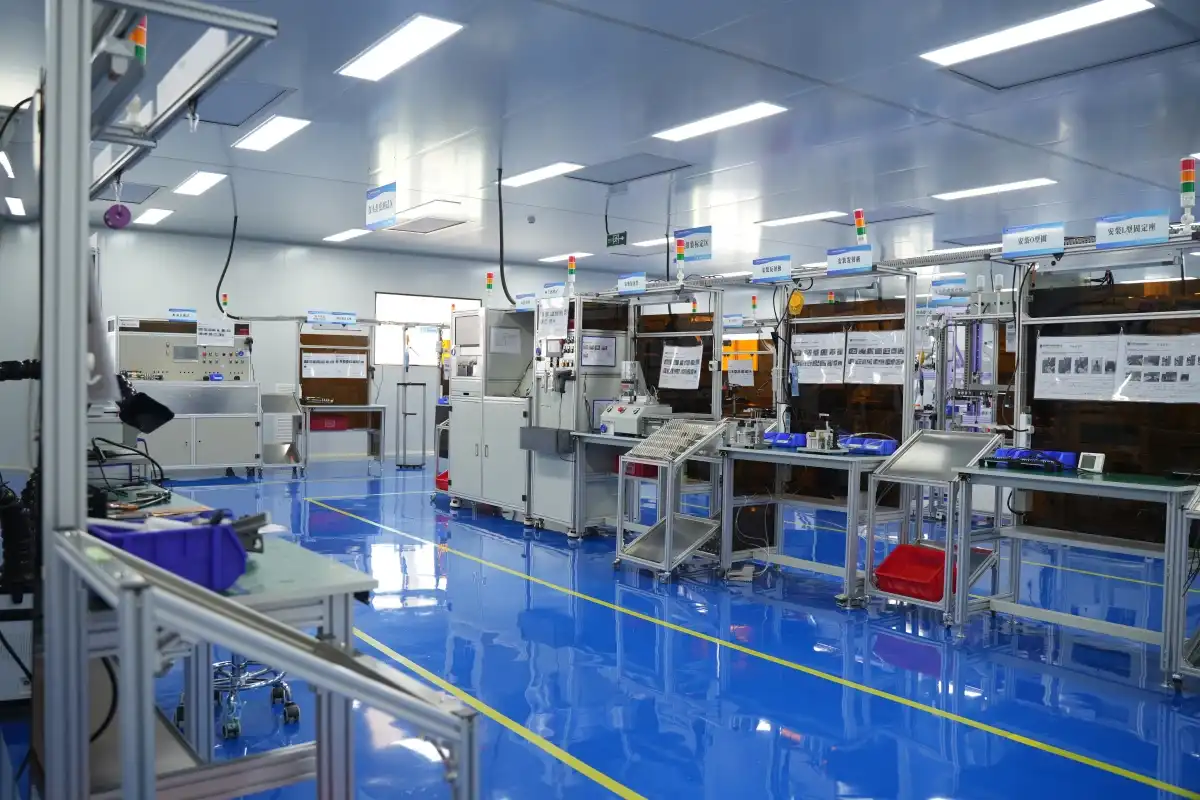
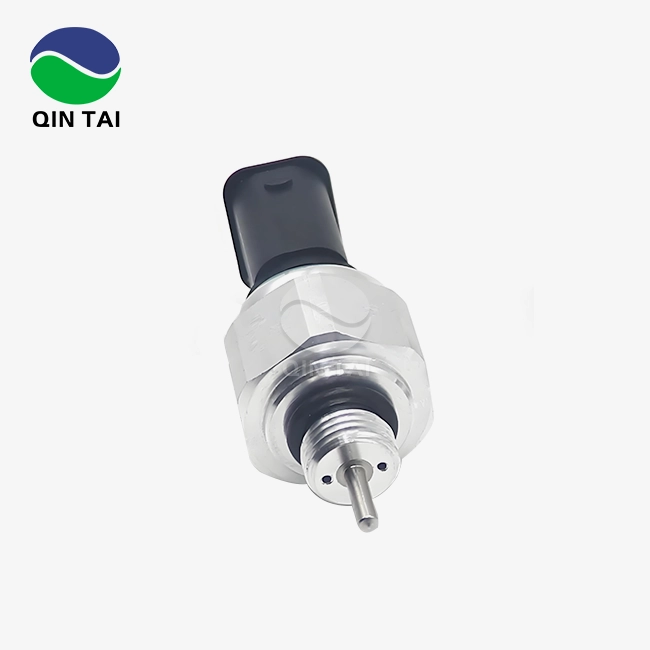
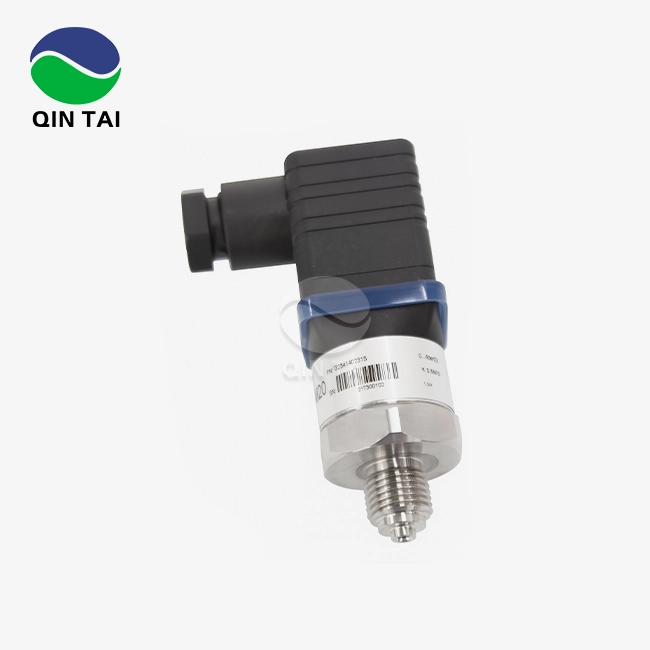
Qintai produces dependable pressure transducers. They are ISO9001, IATF16949, and CE certified and have been in business for almost 20 years. Our R&D team develops sensors for harsh water management environments. These sensors feature adaptable interfaces, measurement ranges, and output settings for various system designs. We deliver China's top automotive sensor OEM quality to industrial water usage. We offer competitive prices and reliable inventory for bulk purchases.
Procurement managers and technical personnel seeking dependable sensing solutions benefit from our comprehensive range of services, from specification help to post-installation technical support. We can conduct custom calibration, private labeling, and application-specific adjustments that catalog items can't. Our worldwide distribution network ensures that North American projects receive materials fast, and our bilingual technology staff ensures that everyone can communicate during the procurement process. Reach our application engineers directly at info@qt-sensor.com to discuss your water management sensing requirements. Request a customized quote for volume orders, and discover how Qintai's pressure sensing technology can enhance your system reliability while optimizing your total cost of ownership.
References
1. Johnson, M. & Chen, L. (2021). Piezoresistive Sensor Technology in Industrial Water Systems. International Journal of Hydraulic Engineering, 45(3), 234-251.
2. American Water Works Association. (2022). Pressure Monitoring Standards for Municipal Distribution Networks. AWWA Manual M47, Denver, CO.
3. Schmidt, R. (2020). Comparative Analysis of Transducer Accuracy in Water Treatment Applications. Process Instrumentation Quarterly, 18(2), 67-82.
4. National Institute of Standards and Technology. (2023). Calibration Procedures for Pressure Transducers in Aqueous Environments. NIST Special Publication 1200-8, Gaithersburg, MD.
5. Williams, T. & Patel, S. (2022). Corrosion Resistance of Sensor Materials in Potable Water Systems. Materials Science in Water Engineering, 12(4), 445-460.
6. European Committee for Standardization. (2021). Industrial Pressure Sensors: Performance Requirements for Water Management. EN 13876:2021, Brussels, Belgium.


Our customers’ satisfaction speaks for our quality — contact us to experience the same reliable service.