- English
- French
- German
- Portuguese
- Spanish
- Russian
- Japanese
- Korean
- Arabic
- Greek
- German
- Turkish
- Italian
- Danish
- Romanian
- Indonesian
- Czech
- Afrikaans
- Swedish
- Polish
- Basque
- Catalan
- Esperanto
- Hindi
- Lao
- Albanian
- Amharic
- Armenian
- Azerbaijani
- Belarusian
- Bengali
- Bosnian
- Bulgarian
- Cebuano
- Chichewa
- Corsican
- Croatian
- Dutch
- Estonian
- Filipino
- Finnish
- Frisian
- Galician
- Georgian
- Gujarati
- Haitian
- Hausa
- Hawaiian
- Hebrew
- Hmong
- Hungarian
- Icelandic
- Igbo
- Javanese
- Kannada
- Kazakh
- Khmer
- Kurdish
- Kyrgyz
- Latin
- Latvian
- Lithuanian
- Luxembou..
- Macedonian
- Malagasy
- Malay
- Malayalam
- Maltese
- Maori
- Marathi
- Mongolian
- Burmese
- Nepali
- Norwegian
- Pashto
- Persian
- Punjabi
- Serbian
- Sesotho
- Sinhala
- Slovak
- Slovenian
- Somali
- Samoan
- Scots Gaelic
- Shona
- Sindhi
- Sundanese
- Swahili
- Tajik
- Tamil
- Telugu
- Thai
- Ukrainian
- Urdu
- Uzbek
- Vietnamese
- Welsh
- Xhosa
- Yiddish
- Yoruba
- Zulu
Best Temperature Sensors for Harsh Industrial Environments Today
For demanding industrial applications, specialists prefer temperature sensors that are accurate, dependable, and long-lasting. Modern industrial environments, such diesel engine exhaust systems and heavy machinery, expose instruments to poisonous fumes, intense vibrations, and unclean particles. Meeting pollution limits, running operations effectively, and keeping equipment safe depend on sensor selection. Selective Catalytic Reduction (SCR), Diesel Particulate Filter (DPF), and Exhaust Gas Recirculation (EGR) systems perform best with new exhaust gas temperature sensors and Engine Control Units (ECUs). Manufacturers can achieve tight emission rules while optimizing engine performance.
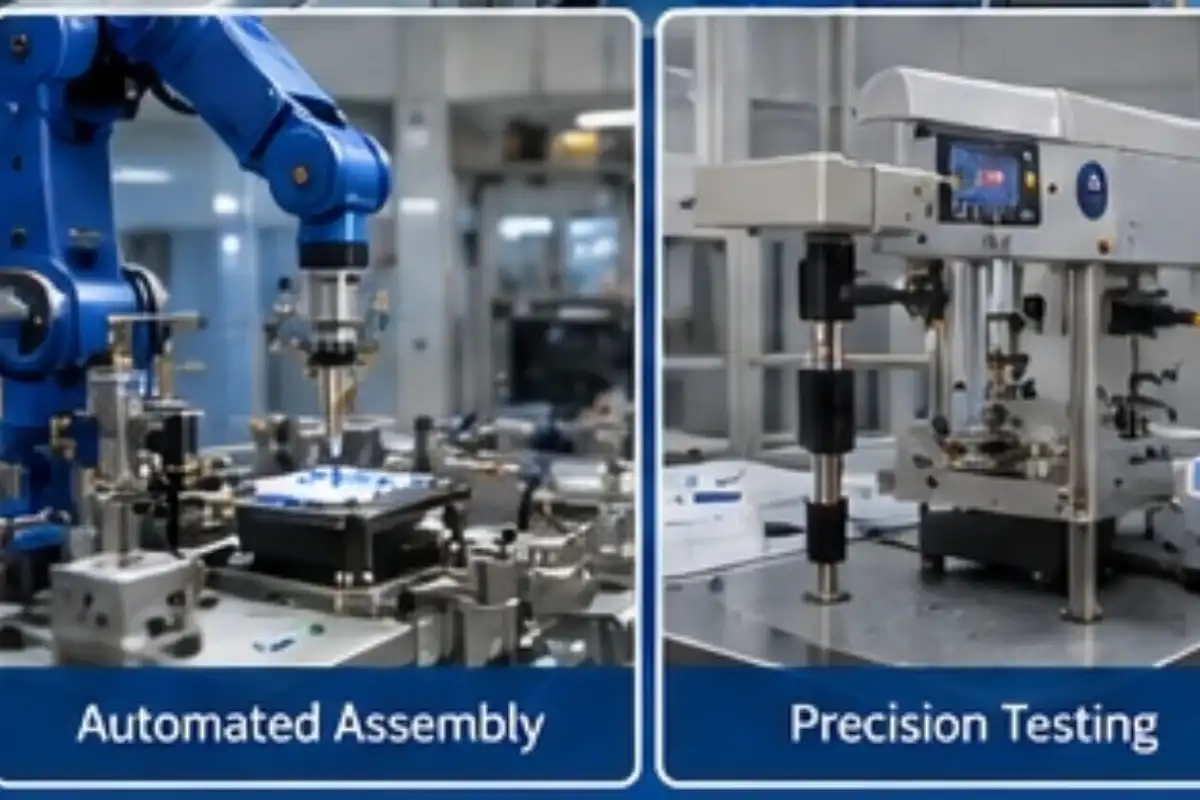
Understanding Temperature Sensors in Harsh Industrial Settings
Poorly manufactured sensors fail fast in industrial situations. Extreme temperature swings from -40°C to over 1200°C, persistent dampness, abrasive dust, mechanical shaking, and chemical corrosion from exhaust fumes or industrial fluids are hard conditions. These factors accelerate sensor degradation, causing measurement mistakes, housing failures, and premature replacement.
Key Temperature Sensor Technologies
The thermoelectric effect creates voltage at measurement joints where two different metals meet. These temperature sensors are suitable for above 600°C and fast reactions. Diesel exhaust temperatures rise throughout regeneration cycles, making them ideal for tracking. They withstand stress and pressure due to their simplistic construction.
RTDs predictably measure temperature by altering platinum or nickel resistance. RTDs are ideal for precision industrial operations that require temperature control because to their accuracy of ±0.1°C throughout a wide temperature range. They can't be employed in fast-changing air environments since they're more costly and slower than thermocouples. Thermometer ceramic semiconductors alter resistance greatly with temperature. Thermistors are sensitive and affordable for narrow temperature ranges below 300°C, but they are unstable for demanding industrial situations and difficult to calibrate.
Common Performance Challenges
Long-term exposure to high temperatures or pollutants changes a sensor's characteristics and reduces measurement accuracy. Mechanical breakdowns occur when weak construction materials crack under heat, cold, or chemicals. Electromagnetic fields from heavy machinery and electrical systems disrupt analog sensor signals. This causes inaccurate measurements, making control system decisions tougher. These issues can be resolved by carefully selecting sensors for the context and purpose.
Criteria for Choosing the Best Temperature Sensors for Industrial Use
To pick the proper devices, check their performance characteristics and make sure they fit your company demands. varied purposes need varied precision. To achieve government regulations, waste gas temperature monitoring systems require ±2°C precision, whereas general equipment protection systems may withstand ±5°C variances. Response time is crucial in constantly changing environments where diesel engines shift from idle to full load in seconds. Therefore, sensors that can detect temperature changes within 100–500 milliseconds are essential.
Operational Range and Durability Specifications
Temperature sensors must perform reliably in their intended applications. Diesel exhaust uses are heated to 200°C to 650°C during operation. Regeneration temperatures can exceed 800°C. The sensor casing and internals must withstand these extremes and remain calibrated. IP ratings indicate how well an item seals against the environment. IP67 sensors repel dust and may be immersed in water for a short period, while IP69K sensors are safe against high-pressure, high-temperature washdown operations used to maintain agricultural and construction equipment.
Sensor lifespan in hazardous environments depends on material. Diesel exhaust and accumulated sulfur compounds won't corrode stainless steel housings. Plastics break at high temperatures, whereas ceramic insulators stay put. Similar chemical resistance is needed for connectors. Gold-plated connectors prevent corrosion from weakening electrical connections. These variables significantly lower ownership costs by extending replacement intervals and reducing maintenance.
Certification and Compliance Standards
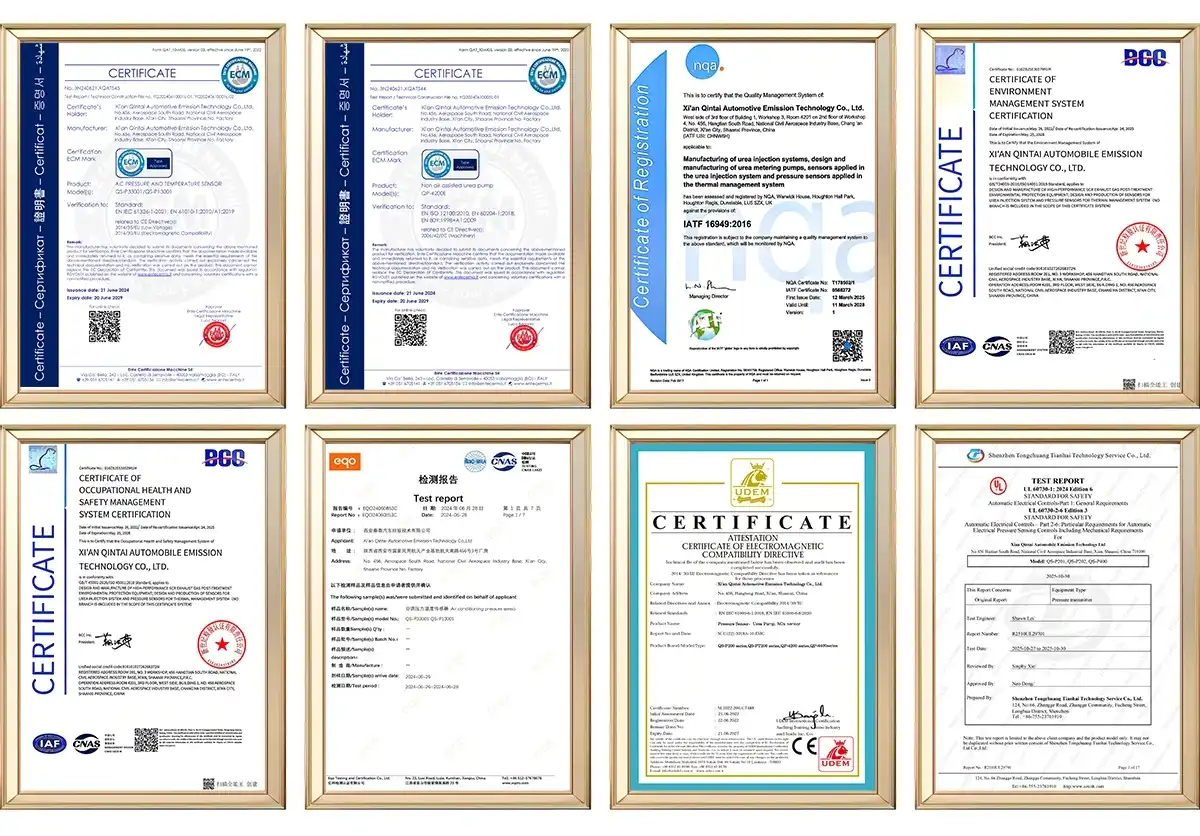
Quality assurance certifies that sensors operate and are created consistently. The ISO 9001 certification indicates planned quality management, while the IATF 16949 certification addresses automobile supply chain demands and ensures sensors satisfy OEM reliability criteria. In hazardous environments like mines and chemical processing facilities, ATEX and IECEx certifications allow sensors to be utilized. ATEX traceability links calibration accuracy to measurement standards. This is crucial for pollution monitoring and government recordkeeping.
The total cost of ownership study helps procurement managers reconcile the initial purchase price with the ongoing operating expenditures. Premium sensors with longer calibration intervals, superior environmental resistance, and manufacturer support reduce ongoing upkeep and unexpected downtime expenses by considerably more than the initial price differential. Supplier agreements that provide professional assistance, fast replacements, and complete warranty coverage bring value beyond unit pricing.
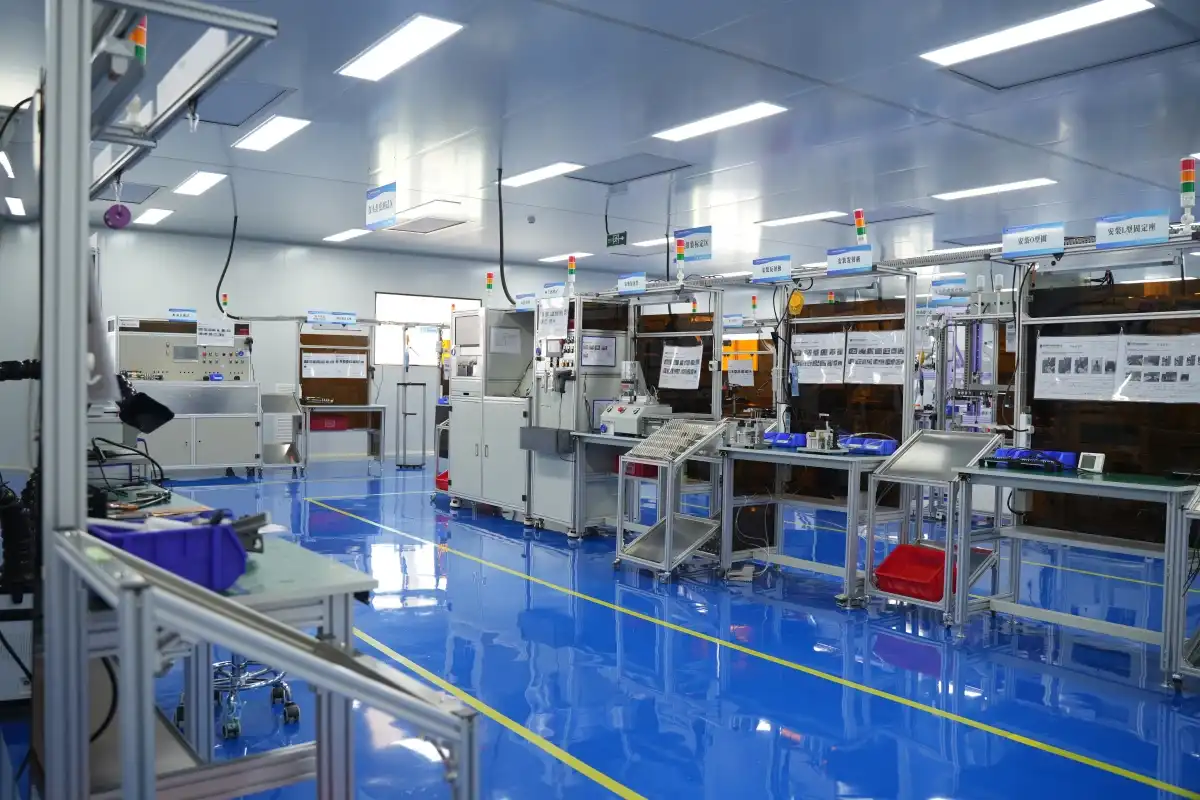
Comparison of Leading Temperature Sensor Solutions for Industrial Environments
Industry's two main temperature measuring devices are thermocouples and RTDs, both with their unique advantages. Thermocouples are simple and dependable since they generate thermoelectric energy without power. Type K thermocouples consisting of nickel-chromium and nickel-aluminum alloys can track exhaust gases accurately from -200°C to 1260°C. Type N thermocouples live longer in severe exhaust circumstances because they are more stable and oxidation-resistant at high temperatures. They're less precise than RTDs and can ruin results if extension wires don't match or thermocouple joints wear out.
RTD Advantages and Trade-offs
Platinum sensor elements' linear resistance-temperature correlations make RTDs precise and reliable. The Pt100 and Pt1000 RTDs can measure temperatures from -200°C to 850°C to within 0.1°C when correctly set. This makes them ideal for precision applications. RTDs require a stimulation current that can induce self-heating errors, and they respond slower to temperature changes than thermocouples, making them unsuitable for rapid exhaust temperature changes. More costly parts and sophisticated signal processing circuits raise system expenses. This applies notably to multi-point measurement applications requiring several sensors.
Digital versus Analog Signal Processing
Digital temperature sensors filter signals and convert from analog to digital inside the enclosure. They deliver measurement data via CANbus or digital output signals. Electromagnetic interference doesn't affect digital signals like it does with analog voltage or current outputs, improving noise prevention. Connecting to contemporary ECUs via standard communication ports simplifies cabling and enables sophisticated diagnostics like sensor health checks and problem detection.
Low-cost applications and ancient voltage or current signal systems still employ analog sensors. Conditioning thermocouple millivolt outputs and RTD resistance readings requires additional circuitry. This makes the system more difficult but allows easy integration with your control system. Control loops that need to function rapidly benefit from analog inputs, which allow measurement without digital sampling.
Industry-Leading Manufacturers and Real-World Performance
Famous firms like Omega Engineering, Honeywell, and Siemens create several goods for many sectors. Scientific data, application engineering, and factory testing certificates that meet national requirements are available from these companies. Their reputations are based on decades of performance in millions of demanding industrial installations.
For exhaust aftertreatment, Qintai Automotive Emission Technology makes diesel engine sensors that operate well with SCR and DPF systems. These parts fulfill high car qualification criteria including IATF 16949 and can manage diesel exhaust issues like soot accumulation, sulfur contamination, and fast regeneration temperature variations. After millions of hours in heavy vehicles, construction equipment, farm equipment, and generator sets, real-world testing with Weichai Power and Yuchai Power indicates the product is dependable.
Best Practices for Installation, Calibration, and Maintenance in Industrial Environments
Installation quality affects sensor performance and lifespan. When installing a sensor, make sure it has adequate temperature contact with the medium being monitored and avoid vibrational or mechanically stressed areas. In diesel exhaust systems, sensors before the turbocharger experience the greatest temperatures and roughest gas flow. This requires mounting them to prevent exhaust gas escapes. Sensors before and after DPF systems offer accurate regeneration management by monitoring filter temperature during active regeneration cycles.
Environmental Protection Strategies
Process medium and temperature sensors are separated by protective thermowells. This prolongs sensor life in acidic or fast-moving gas streams. High-temperature metal thermowells can withstand exhaust gas flow mechanical stresses and include threaded or flanged sensor attachment holes for easy replacement without system shutdown. Using sealed pipe fittings and IP-rated junction boxes protects electrical connections from water, which degrades signal quality and speeds connector corrosion. Mechanical stress can destroy sensor connections in vibrating mobile equipment, but cable strain relief prevents it.
Calibration Procedures and Standards
The manufacturer pre-calibrates most exhaust gas temperature sensors and provides accuracy standards and origin certifications. However, periodic testing ensures reliable measurements throughout the sensor's life. Using portable temperature calibrators or comparing thermometer readings might reveal sensor drift that requires replacement. Automotive applications increasingly use ECU-based diagnostics to monitor sensor responses and warn of calibration issues or imminent failure.
To add additional sensors to control schemes, the ECU may need to be reprogrammed or changed. Setting typical sensor characteristics using diagnostic scan tools lets technicians clear error codes and start learning. Accurate calibration dates, replacement histories, and performance trends are essential for predictive maintenance programs that replace sensors based on real condition rather than random time intervals.
Troubleshooting Common Sensor Issues
Rusty connections or cables or a failed sensor cause signal loss. Look at the connections to start systematic troubleshooting. Next, resistance or voltage readings verify circuit connection and sensor function. Signals that come and go frequently indicate loose connections or wire damage that needs better handling and strain relief.
Slow temperature measurements that don't reflect reality are measurement drift. Comparing questionable sensors to standard values might reveal calibration issues that require replacement. Soot on diesel exhaust sensor tips stops exhaust gases from reaching the receiving element. The sensor responds slowly and precisely. Regular inspection and cleaning during planned maintenance restores performance without replacement. Preventive maintenance checklists should include checking sensor housings for corrosion or mechanical damage, electrical connections and seals, sensor readings to system norms to find drift, and operating hours or thermal cycles to determine sensor lifespan. These methods improve sensor reliability and reduce abrupt malfunctions that shut down equipment or affect emission compliance.
Procurement Strategies for Buying Industrial Temperature Sensors
Procurement personnel must trust supplier networks to buy temperature sensors for production or aftermarket usage at competitive costs and fast shipment. Major US sensor manufacturers have several certified distributors. Local stock allows these wholesalers to promptly fill prototype development and production ramp requirements. Established wholesalers preserve application engineering tools to assist choose and integrate sensors, which is more valuable than having items.
Supplier Evaluation Criteria
Checking product approvals ensures sensors fulfill application demands and regulator standards. Electrical requirements, material measurements, temperature ranges, accuracy criteria, and environmental scores make wise product comparisons feasible with comprehensive datasheets. TE Connectivity and Maxim Integrated provide performance curves, mounting orientations, and integration guidelines to simplify design. Elite suppliers differentiate themselves from regular products merchants with post-sale support. Rapidly resolving integration or field issues reduces engineering time and expedite project completion. Calibration services from Fluke ensure sensor accuracy throughout time. Quality systems accept traceable certifications. Warranty schemes that cover early failures demonstrate the manufacturer's confidence in the product and reduce expenses.
OEM Customization Advantages
Standard stock sensors may be used for many basic jobs, but tailored solutions frequently function better and cost less. OEMs like Qintai enable you personalize the electrical interface, mounting arrangement, connection length, and environmental protection. Custom temperature sensors remove unnecessary features and increase cost, but they incorporate essential aspects for application success.
Flexible minimum order amounts help you test prototypes and start small-scale production without buying much inventory. A robust supplier connection makes it easy to plan capacity and negotiate pricing as production rates climb, lowering costs and making the firm more competitive. Long-term relationship strategies satisfy both parties.
We promote cooperative development to increase product performance and manufacturing efficiency. When OEM engine producers make thousands of units every month, bulk manufacturing is crucial. Competent suppliers use statistical process control and comprehensive testing to ensure every sensor fulfills standards before shipping. On-time delivery and supply chain stability prevent production line interruptions, which disrupts the manufacturing strategy. This implies source reliability is as crucial as product quality.
Conclusion
To pick the finest temperature sensors for challenging industrial applications, consider application demands, performance, weather stability, certification compliance, and total cost of ownership. In diesel engine pollution control systems, exhaust gas temperature sensors show how exact readings, stability at high temperatures, and long-term reliability may help fulfill standards and function effectively. Procurement managers and engineers can make smart choices that improve equipment performance and lower lifetime costs by comparing thermocouples and RTDs, digital signal processing to analog signal processing, and partnering with qualified suppliers that offer technical support and customization.
FAQ
Q1: How often should industrial temperature sensors be calibrated?
A: The importance and use of the application determine the calibration interval for industrial temperature sensors. To maintain legality, carbon compliance sensors should be checked annually. General workplace tracking may prolong calibration to 24–36 months based on consistent test results. High-temperature or corrosive environments require more frequent checks, perhaps every 6–12 months. Diesel exhaust temperature sensors last 60,000–90,000 miles. However, diagnostic tracking can detect performance issues early, enabling preventative maintenance.
Q2: What distinguishes thermocouples from RTDs in harsh industrial applications?
A: Due to their ease of construction, thermocouples can resist mechanical shock better than RTDs in hot environments exceeding 800°C. Their rapid response makes them suitable for dynamic temperature tracking in diesel exhaust systems, where engine load changes temperatures quickly. RTDs are more accurate and stable for precision industrial operations that need tight thermal control within moderate temperatures. The best sensor depends on the application's temperature range, accuracy, reaction time, and cost.
Q3: Are digital temperature sensors more reliable than analog versions in harsh environments?
A: Digital sensors are useful in industrial locations with high electrical noise and electromagnetic interference that corrupts analog data. Signal processing in the sensor scenario eliminates wire-run noise. This guarantees measurement accuracy. Digital connection allows sophisticated testing like sensor health checks and fault detection that analog outputs cannot. Analog sensors are inexpensive and dependable for simple measuring needs if properly grounded and shielded. The decision depends on system architecture, control infrastructure, and noise immunity.
Partner with Qintai for Industrial-Grade Temperature Sensor Solutions
With a global presence, Qintai supplies high-quality commercial temperature sensors to diesel engine OEMs, aftertreatment system installers, and industrial equipment manufacturers. Our exhaust gas temperature sensors have been tested in difficult conditions and proven reliable. ISO 9001, IATF 16949, and other international standards support them. Weichai, Yuchai, and Quanchai Power benefit from our high-volume production and quality control. We're China's top diesel engine OEM. Our autonomous research and development team, which has 58 concept patents, improves sensor technology by delivering tailored solutions for each application. Contact our engineering team at info@qt-sensor.com to discuss your temperature sensor needs, acquire technical data, or explore OEM opportunities.
References
1. Johnson, M. R. (2021). Industrial Temperature Measurement: Principles and Applications. Technical Publishing House.
2. Anderson, K. L., & Chen, W. (2022). "Temperature Sensor Technologies for Automotive Emission Control Systems," Journal of Automotive Engineering, 236(4), 892-908.
3. Smith, R. T. (2020). Harsh Environment Sensor Design and Deployment Strategies. Industrial Press.
4. European Automotive Manufacturers Association. (2023). Emission Control Technology Standards and Compliance Guidelines. ACEA Technical Report.
5. Williams, J. P., & Kumar, S. (2021). "Comparative Analysis of Thermocouple and RTD Performance in High-Temperature Industrial Applications," Sensors and Instrumentation International, 18(2), 145-162.
6. National Institute of Standards and Technology. (2022). Temperature Measurement Calibration Procedures and Traceability Standards. NIST Special Publication 250-83.
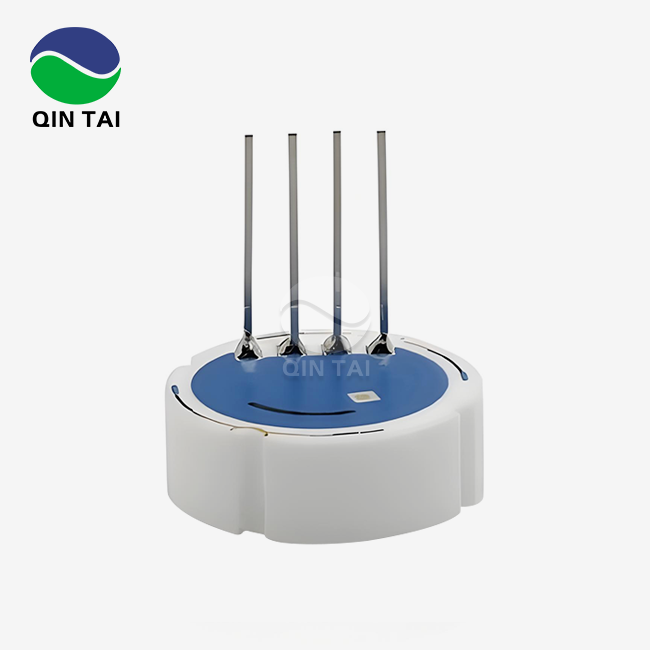
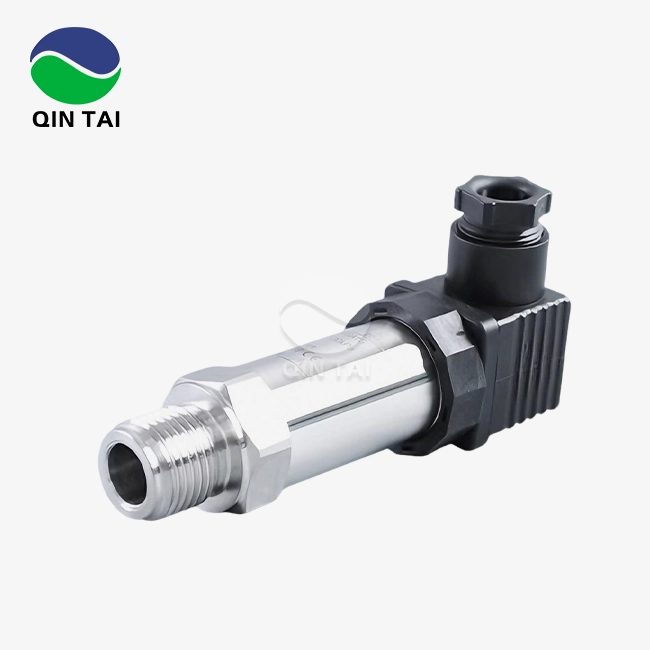
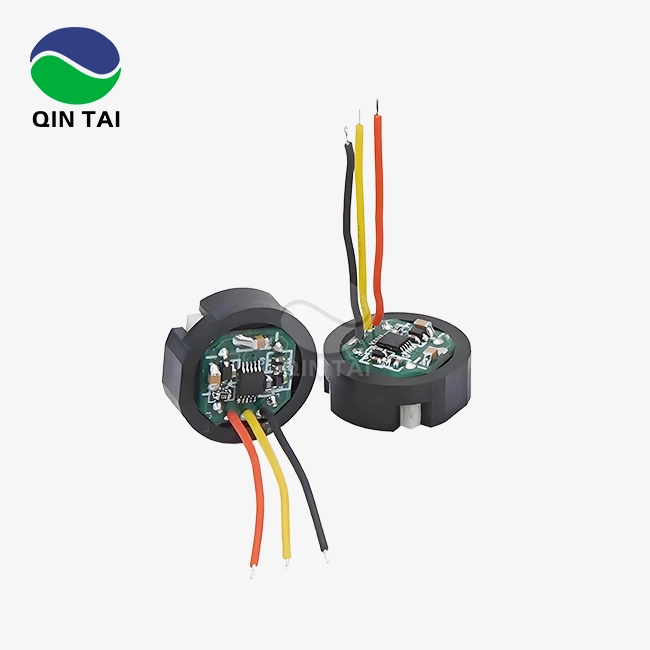
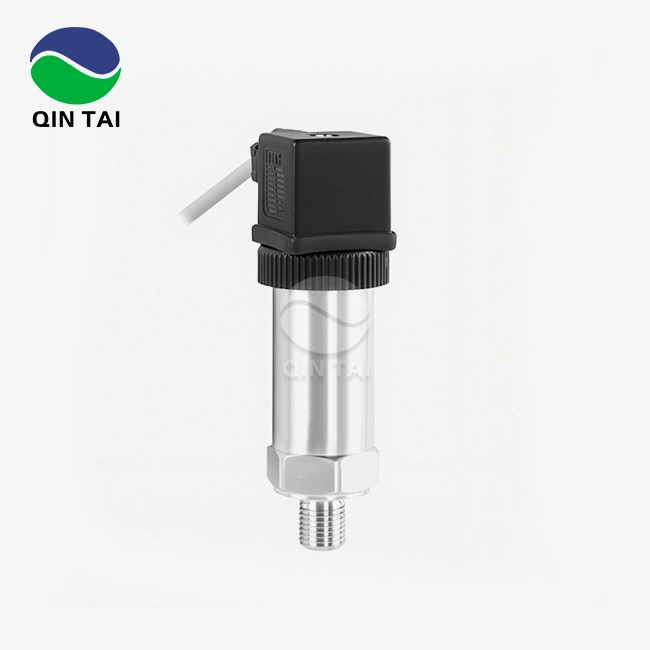

Our customers’ satisfaction speaks for our quality — contact us to experience the same reliable service.