- English
- French
- German
- Portuguese
- Spanish
- Russian
- Japanese
- Korean
- Arabic
- Greek
- German
- Turkish
- Italian
- Danish
- Romanian
- Indonesian
- Czech
- Afrikaans
- Swedish
- Polish
- Basque
- Catalan
- Esperanto
- Hindi
- Lao
- Albanian
- Amharic
- Armenian
- Azerbaijani
- Belarusian
- Bengali
- Bosnian
- Bulgarian
- Cebuano
- Chichewa
- Corsican
- Croatian
- Dutch
- Estonian
- Filipino
- Finnish
- Frisian
- Galician
- Georgian
- Gujarati
- Haitian
- Hausa
- Hawaiian
- Hebrew
- Hmong
- Hungarian
- Icelandic
- Igbo
- Javanese
- Kannada
- Kazakh
- Khmer
- Kurdish
- Kyrgyz
- Latin
- Latvian
- Lithuanian
- Luxembou..
- Macedonian
- Malagasy
- Malay
- Malayalam
- Maltese
- Maori
- Marathi
- Mongolian
- Burmese
- Nepali
- Norwegian
- Pashto
- Persian
- Punjabi
- Serbian
- Sesotho
- Sinhala
- Slovak
- Slovenian
- Somali
- Samoan
- Scots Gaelic
- Shona
- Sindhi
- Sundanese
- Swahili
- Tajik
- Tamil
- Telugu
- Thai
- Ukrainian
- Urdu
- Uzbek
- Vietnamese
- Welsh
- Xhosa
- Yiddish
- Yoruba
- Zulu
How DEF Urea Pumps Work in Modern SCR Diesel Systems
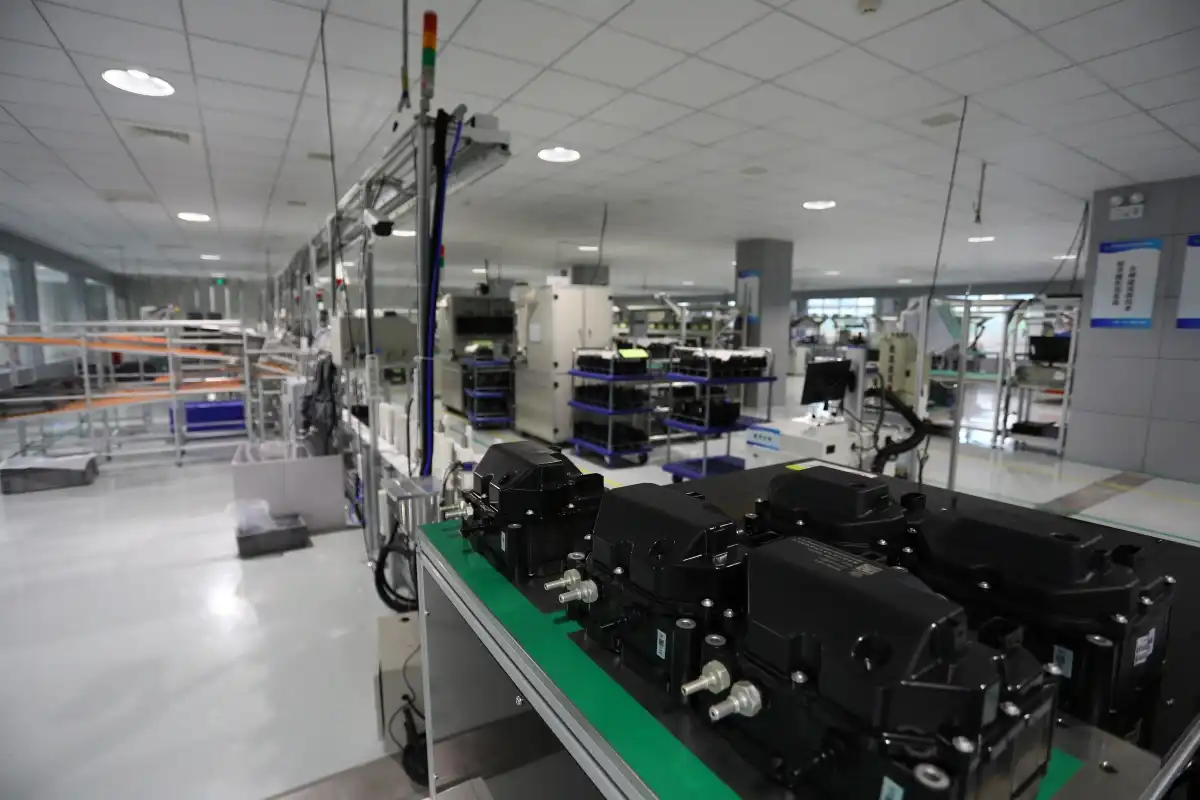
The SCR urea pump is the key component of current diesel emission control systems. It carefully supplies diesel exhaust fluid at the proper timing and pressure to reduce harmful NOx emissions. It turns crystalline urea solution into a fine mist that enters the exhaust stream. Chemical reactions inside the selective catalytic reduction catalyst convert pollutants into harmless nitrogen and water vapor. Purchasing managers and R&D engineers may purchase dependable parts that fulfill regulatory criteria and perform heavy-duty applications by understanding this procedure.
Core Operating Principles of DEF Delivery Systems
The Fluid Journey from Tank to Exhaust
DEF SCR urea pumps control AdBlue fluid flow. Before applying pressure, the pump filters fluids from the holding tank to remove contaminants. Pressurized fluid reaches dosage. How much to feed is determined by real-time engine data. The mechanical pieces and computer controls must work together to give the catalyst the proper quantity of reducing agent.
Pressure Regulation and Flow Control Mechanics
Modern SCR urea pumps maintain 4–9 bar system pressure, depending on engine and aftertreatment design. As engine load fluctuates, the pressure control valve adjusts output. When demand declines, a recycling pipe returns fluid to the tank. This prevents system overpressure. This closed-loop design protects vital parts and saves energy, which procurement teams consider when selecting suppliers to save costs.
Thermal Management in Subzero Environments
The SCR urea pump box's heaters prevent solution freezing during chilly starts. The device monitors fluid temperature and activates heating when it approaches -11 degrees Celsius, the freezing point. Dosing begins when the solution becomes liquid. This prevents crystals from harming injection needles. Generator set producers that work in harsh conditions benefit from freeze protection since it extends part life.
Integration with Engine Control Architecture
ECU Communication Protocols and Signal Processing
The engine management system tells the SCR urea pump when and how much to inject using CAN bus standards. NOx sensors before and after the catalyst provide continual emission data. The ECU compares these measurements to the desired values and adjusts DEF supply to maximize conversion efficiency. This closed-loop control ensures the engine satisfies China VI and Euro VI requirements and adapts to fuel quality and engine wear.
Sensor Compatibility and System Diagnostics
DEF tank quality sensors monitor fluid and pollutants. Heat control choices are made using temperature monitors throughout the aftertreatment system. When input values are out of range, the pump module outputs fault codes. Aftertreatment system builders require strong sensor compatibility to function with current automotive designs. Diagnostic tools reduce service break repair time, helping supply chain managers accomplish their goals of speedy shipment and professional assistance.

Component Architecture and Design Features
Compact Integration of Multiple Functions
Modern SCR urea pumps feature one body that pumps, filters, heats, and controls pressure. This combination simplifies installation and reduces circuit fluid leaks. Building and farming tools have limited under-hood area, therefore the tiny footprint works. Repair shop purchasing managers enjoy this design because it simplifies supply tracking and reduces the amount of new parts needed to fix the system.
Material Selection for Chemical Compatibility
AdBlue is harmful and requires particular materials along its course. Most pump housings are composed of durable glass-filled nylon or stainless steel. Seals and diaphragms employ fluoroelastomers because they are flexible at high and low temperatures and prevent fluid leakage. Parts vendors consider failure rates and guarantee costs when adding new products to their inventories. The materials chosen affect such things.
Dosing Precision and Emission Performance
Metering Accuracy Across Operating Conditions
The dosage machine injects 0.5 to 10 liters of DEF per hour, depending on engine size and load. Metering accuracy tolerances are within 5% of objective values across this range. The precision prevents under-dosing, which allows NOx slip, and over-dosing, which consumes DEF and may leave ammonia stains on downstream parts. Technical teams scrutinize supplier bids for calibration data because dosage uniformity determines output engine certification.
Response Time and Transient Performance
Acceleration raises engine-out NOx levels in milliseconds. Before fumes reach the exhaust, the SCR urea pump must respond rapidly to ECU directives to enhance DEF supply. Response speeds under 200 milliseconds cover the catalyst during short-term activity. Big trucks working in cities with frequent speed changes need this performance feature. R&D professionals utilize transient response as a critical performance measure when validating parts from different manufacturers.
Reliability Factors and Durability Testing
Cycle Life and Component Wear Patterns
Rapid life tests make industrial-grade SCR urea pumps perform like they've been injected millions of times in tough conditions. Testing finds diaphragm fatigue, valve seat corrosion, and bearing wear as the primary failures. Following ISO 16750 automobile standards, quality manufacturers test and track the average time between failures of over 15,000 working hours. Generator producers that require stable backup power consider these durability parameters when choosing long-term suppliers.
Environmental Adaptability and Contamination Resistance
SCR urea pumps must operate from -40 to +85 degrees Celsius to achieve performance criteria. Filtration systems remove 10 micron particles, preventing sensitive parts from wearing out rapidly. Pumps can quickly lose efficiency if the tank rusts if the wrong fluid is used. Strong design elements that can tolerate mild contamination reduce field failure rates. This alleviates merchants' concerns regarding after-sales assurances when selecting department parts.
Maintenance Requirements and Service Intervals
Routine Inspection and Filter Replacement
Manufacturers recommend changing the DEF filter every 120,000–240,000 kilometers, depending on the operational conditions. Visually inspecting fluid quality and tank cleanliness during frequent servicing trips prevents many SCR urea pump issues. Some contemporary systems contain filter limit sensors that alert the dashboard when to change the filter. Easy installation reduces service times, which is vital for repair firms that seek happy customers and cheap staff expenses.
Troubleshooting Common Performance Issues
Air leaks in suction lines or damaged pump seals can reduce dosage accuracy. If fluid temperature fault codes appear, the heated element or monitor is likely damaged. Technical service bulletins provide systematic diagnostic tools to swiftly identify fundamental issues. Technical support from component vendors influences which brands aftermarket firms stock.
Customization Options for OEM Applications
Interface Flexibility and Parameter Adjustment
Aftertreatment system integrators need SCR urea pumps with chassis-adaptable mounting brackets, connection locations, and fluid port arrangements. Software parameters including pressure setpoints, heating techniques, and diagnostic restrictions must be adjustable for optimal engine calibration. When suppliers allow this, integration is easier and new automotive platforms are launched faster. For component suppliers, technical managers like sellers who customize quickly with engineering.
Scalability for Different Power Classes
Farm and mine diesel engines of 75 and 600 kilowatts, respectively, need DEF supply capacity commensurate to their power. OEMs may standardize purchases across product lines while optimizing each application by adopting SCR urea pump families with similar interfaces but varied flow rates. This scalability decreases approval costs and simplifies supply chain management for huge manufacturing organizations' procurement departments that source parts from diverse divisions.
Regulatory Compliance and Certification Standards
Meeting Stringent Emission Thresholds
Heavy-duty diesel NOx emissions can't exceed 0.40 g/kWh, whereas Euro VI limits it to 0.46. SCR systems must convert over 95% of the time, regardless of circumstances, to meet these targets. The SCR urea pump directly delivers DEF at the proper time and volume, enabling excellent performance. ISO 9001 and IATF 16949-certified part suppliers have quality control systems that can regularly fulfill these demanding criteria.
Documentation and Traceability Requirements
OEMs must get test reports, material certificates, and manufacturing tracking papers for every batch of parts. Products comply with worldwide environmental regulations through REACH and RoHS verification. Suppliers using a certification system reduce procurement risk and speed up management clearance of new vendor partnerships.
Technological Advancements in Next-Generation Systems
Enhanced Diagnostic Capabilities
Modern SCR urea pumps contain sensors that monitor internal components, allowing for pre-planned repairs. Vibration analysis technologies can detect bearing wear before it breaks. Monitoring electrical current suggests heating element wound protection is failing. These diagnostic advances follow industry trends toward linked cars and telematics-based fleet management.
Energy Efficiency Improvements
Optimised motor designs and clever control programmes save 30% more power than prior versions. Less energy draw reduces generator load, saving gasoline. This efficiency is crucial for generator sets since parasitic losses directly affect fuel consumption while running 24/7. Project engineers use these operating savings and part beginning costs when calculating total cost of ownership.
Global Sourcing Strategies for Industrial Procurement
More and more, procurement experts are under pressure to locate economical suppliers with the technical capabilities and manufacturing capacity they require. As pollution requirements tighten, it's crucial to swiftly locate parts that fulfill them without affecting vehicle economy or the company's bottom line. Look beyond certifications to identify the finest vendors. Look at their production talents, technological support infrastructure, and long-term partnership potential.
Diversifying suppliers reduces risk, while dealing with fewer providers saves time and money. A strategic partnership with a skilled maker lets a corporation personalize goods, obtain priority when supplies are limited, and handle field difficulties. Communicating and being reliable across product development cycles strengthens these connections. Environmental protection equipment manufacturers working on industrial exhaust cleanup projects need suppliers with application and system integration experience. Solution engineers require partners that understand how DEF dosing systems interact with ammonia slip catalysts and DPF renewal processes. Suppliers who supply precise technical papers and timely engineering speed up project execution and reduce design errors that delay commissioning.
Conclusion
Clean diesel technology that preserves the environment and promotes industry production requires SCR urea pumps. How these compact machines combine mechanical accuracy, thermal management, computer controls, and chemical processes illustrates how far engineering has come to fulfill emission requirements. These parts' purchases impact the car's performance, cost, and regulatory risk. Companies that prioritize suppliers with technical expertise, high-quality production, and strong customer service may handle changing emission rules and maintain market share.
FAQ
Q1: What distinguishes high-quality urea pumps from economy alternatives?
A: Premium SCR urea pumps feature parts that are carefully manufactured with tighter tolerances, constructed of modern materials that don't break down with chemicals, and tested in many difficult conditions. These qualities make the meters more accurate, last longer, and break down less often in the field than cheaper versions that satisfy requirements but cease operating after a time.
Q2: How does pump performance affect overall SCR system efficiency?
A: Dosing precision impacts catalyst conversion efficiency because too little DEF allows NOx slip and too much loses fluid and risks ammonia breakout. Increase response time during brief operations to reduce acceleration-related emission jumps. Reliable operation at high temperatures ensures consistent performance across seasons and placement locations.
Q3: What support infrastructure should buyers expect from component suppliers?
A: Tech documents including installation manuals, diagnostic procedures, and troubleshooting flowcharts streamline service operations. Responsive application-specific tech support speeds field problem resolution and integration. Ensuring enough spare parts and reasonable wait periods reduces end-user downtime and preserves the brand's reputation across the distribution chain.
Partner with a Trusted SCR Urea Pump Manufacturer
Xi'an Qintai Automotive Emission Technology can solve your diesel aftertreatment demands with 20 years of engineering and industry quality expertise. Our SCR urea pumps fulfill heavy-duty application criteria for dependability, precision, and legality. They are certified by IATF 16949, ISO 9001, and worldwide safety standards. As the leading OEM provider to major Chinese engine manufacturers, with a growing presence in over 60 countries, we understand technical intricacies, cost structures, and long-term relationship demands that create sound purchase decisions. We personalize for individual needs and ensure large-volume projects have what they need with our in-house R&D and mass manufacturing. Contact our tech team at info@qt-sensor.com to learn how Qintai SCR urea pump technology may improve your pollution control design and make you more competitive in increasingly regulated markets.
References
1. Johnson, M. R., & Anderson, P. K. (2021). Selective Catalytic Reduction Systems for Heavy-Duty Diesel Engines: Design, Integration, and Performance Optimization. Society of Automotive Engineers International.
2. Environmental Protection Agency. (2020). Technical Review of Heavy-Duty Diesel Emission Control Technologies: NOx Reduction Strategies and Component Performance. EPA Office of Transportation and Air Quality.
3. Zhang, L., & Schmidt, H. (2022). "Precision Dosing Control in Diesel Exhaust Fluid Delivery Systems: Impact on SCR Catalyst Efficiency and Durability." International Journal of Automotive Engineering and Technologies, 11(3), 142-158.
4. European Automobile Manufacturers Association. (2019). Euro VI Implementation Guide: Aftertreatment System Requirements and Component Specifications for Commercial Vehicles. ACEA Technical Standards Division.
5. Williams, D. J., Chen, Y., & Patel, S. (2023). "Material Selection and Corrosion Resistance in Urea Dosing Systems: Long-Term Reliability Considerations." SAE International Journal of Fuels and Lubricants, 16(2), 87-104.
6. Zhao, F., & Mueller, T. (2021). Thermal Management Strategies for Diesel Exhaust Fluid Systems in Extreme Climate Applications. Springer International Publishing.
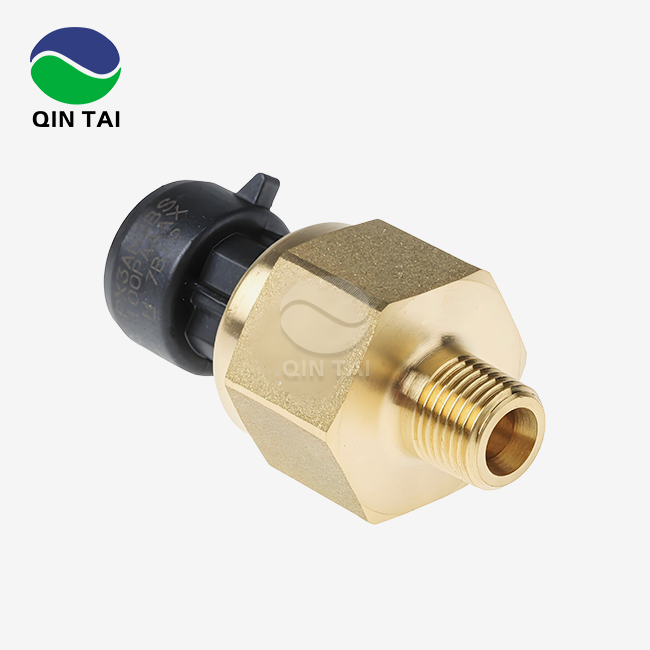
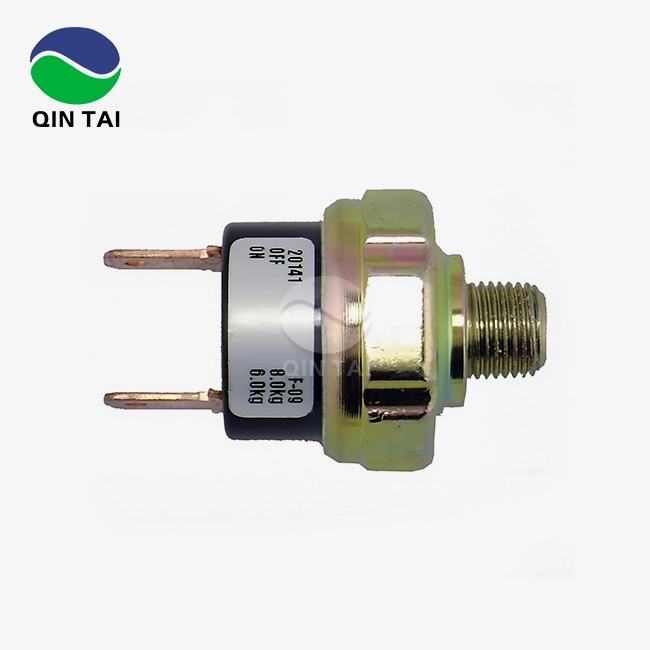
 Sensors.webp)

Our customers’ satisfaction speaks for our quality — contact us to experience the same reliable service.