- English
- French
- German
- Portuguese
- Spanish
- Russian
- Japanese
- Korean
- Arabic
- Greek
- German
- Turkish
- Italian
- Danish
- Romanian
- Indonesian
- Czech
- Afrikaans
- Swedish
- Polish
- Basque
- Catalan
- Esperanto
- Hindi
- Lao
- Albanian
- Amharic
- Armenian
- Azerbaijani
- Belarusian
- Bengali
- Bosnian
- Bulgarian
- Cebuano
- Chichewa
- Corsican
- Croatian
- Dutch
- Estonian
- Filipino
- Finnish
- Frisian
- Galician
- Georgian
- Gujarati
- Haitian
- Hausa
- Hawaiian
- Hebrew
- Hmong
- Hungarian
- Icelandic
- Igbo
- Javanese
- Kannada
- Kazakh
- Khmer
- Kurdish
- Kyrgyz
- Latin
- Latvian
- Lithuanian
- Luxembou..
- Macedonian
- Malagasy
- Malay
- Malayalam
- Maltese
- Maori
- Marathi
- Mongolian
- Burmese
- Nepali
- Norwegian
- Pashto
- Persian
- Punjabi
- Serbian
- Sesotho
- Sinhala
- Slovak
- Slovenian
- Somali
- Samoan
- Scots Gaelic
- Shona
- Sindhi
- Sundanese
- Swahili
- Tajik
- Tamil
- Telugu
- Thai
- Ukrainian
- Urdu
- Uzbek
- Vietnamese
- Welsh
- Xhosa
- Yiddish
- Yoruba
- Zulu
What Is a Urea Pump and Why Does SCR Need One to Work?
Modern diesel engines must fulfill severe emission requirements worldwide, forcing them to innovate. Selective Catalytic Reduction (SCR) uses urea pumps for accurate supply. It pumps DEF or AdBlue from storage tanks to the dosing module at specified pressures. This element ensures urea solution is utilized properly. Urea solution converts harmful nitrogen oxides (NOx) into harmless nitrogen and water vapor. SCR systems can't reduce NOx to US EPA or China VI/Euro VI criteria without a working urea pump.
Understanding the Urea Pump and Its Function in SCR Systems
Diesel exhaust aftertreatment requires the proper chemical concentrations. Engine exhaust gases have variable temperatures and NOx levels depending on load. The urea pump system sends AdBlue at optimal flow rates in response to these adjustments. This gives the catalyst enough reductant to operate.
Core Operating Principles
Electronics power the urea pump. Engine Control Unit (ECU) instructions determine dosage. Sensors report temperature, NOx, and exhaust flow rates to the ECU in real time. The controller then instructs the pump to adjust delivery pressure and flow volume to maximize conversion efficiency regardless of engine circumstances. The combination of mechanical pump mechanics and computer controls meets pollution regulations and prevents DEF overuse.
Critical System Components
The urea pump has three primary components. The pump motor generates hydraulic pressure that transports fluid from the tank to delivery lines. Built-in sensors report temperature, pressure, and flow rate to control systems. Even when AdBlue's freezing point is -11°C, the heating portion stops the fluid from freezing, allowing delivery. All of these pieces work together to ensure heavy vehicles, building equipment, and generator sets perform consistently under different situations.
Why SCR Technology Requires Dedicated Pumps?
AdBlue doesn't suit generic dosage equipment. Standard pumps can't handle acidic urea solutions. Seals and other pump parts degrade with time. Purpose-built urea pumps are constructed of materials that don't break down in chemicals, maintain ideal injector atomization pressure, and have freeze protection for cold areas. These discrepancies should be considered by mass production procurement managers when selecting aftertreatment solutions.
Key Components and Installation Process of Urea Pumps
Equipment reliability affects system uptime and repair costs. Understanding internal building helps technical teams identify the proper pieces during purchase. For OEMs and fleet operators, better materials and technical design extend service intervals and minimize TCO.
Internal Architecture and Materials
Modern urea pumps are tiny and house the pump body, filter elements, and heating systems. Rust-resistant metals make the pump body durable enough to withstand urea chemicals. Chemical- and heat-resistant elastomers are employed in diaphragm systems. Seal materials are flexible and leak-proof from -40°C to 85°C. These material selections affect durability. Premium heavy-duty components can last over 500,000 km.
Installation Best Practices
Place and connect correctly to avoid failures. Place the pump unit away from road debris and high vibrations. Make sure supply lines have enough slack for frame bending without stress areas. To maintain signal integrity, connect electrical lines using waterproof connectors and properly engage pins. Bleed air from supply lines at first fitting to prevent pump damage from cavitation. Follow the manufacturer's torque guidelines for mounting nuts to prevent housing warping, which might damage internal clearances and sealing surfaces.
Maintenance Protocols
Regular maintenance keeps things working properly and increases their lifespan. The manufacturer recommends replacing filter elements every 150,000 kilometers or once a year for dusty equipment. Every three months, examine electrical links for corrosion or loose leads that might disrupt control signals. Check DEF quality since unclean fluid wears precision parts faster. Maintaining thorough maintenance records helps with warranty claims and identifying trends that indicate systemic technical issues.
Troubleshooting and Identifying Faulty Urea Pumps
Early performance decrease detection prevents roadside repairs or legal issues. Maintenance personnel can swiftly locate and solve new problems when they can diagnose them, reducing downtime. Knowing the forms of failure helps you decide whether to mend or replace.
Common Failure Symptoms
Several symptoms indicate a deteriorating urea pump. Misfunctioning warning lights and DEF delivery diagnostic error codes might create dosing issues. Crystalline layers surrounding linkages indicate leaks that evaporate and crystallize urea. More DEF than fuel may indicate high pressure or dosage control failure. The worst consequence is when emission system problems reduce engine power. This directly impacts corporate productivity and revenue.
Diagnostic Procedures
Root causes are best found through systematic review. Look for diagnostic issue codes using appropriate scan tools and record how frequently and under what conditions they occur. Measure supply line pressure with precise gauges and compare to manufacturer's recommendations. Check electrical connections and cable leads for damage, corrosion, or improper wiring. Check heater circuit resistance for cold-weather safety. These methods assist techs distinguish pump, sensor, and control system issues.
Repair Versus Replacement Analysis
Economic variables drive repair decisions. Replace damaged parts to solve simple issues like clogged filters or loose connections. The pump system must be changed if there is excessive internal wear, a damaged housing, or a failed electrical part. Compare effort costs to parts costs while making judgments. Complex rebuilds may cost more and last less than replacements. Warranty coverage affects these numbers since approved service channels can repair broken parts for free throughout the warranty period.
Comparing Different Types of Urea Pumps for SCR Systems
Technology choice influences system integration and long-term performance. Engineers must consider pricing, supply chain, and pump layout when selecting parts for new machines. Understand technology differences to identify the optimal pump power-to-application fit.
Electric Versus Mechanical Actuation
Electric urea pumps are popular nowadays because they are compact and easy to control electrically. The ECU sends PWM commands to these devices, which adjust flow rates to match NOx production. Mechanical pumps driven by engine accessories are straightforward, but they lack the exact dose needed to fulfill emission regulations. Electric versions allow enhanced diagnosis and control techniques that alter with the circumstance since they communicate flawlessly with CAN bus protocols. Their greater initial cost is offset by better emission compliance and lower DEF consumption due to enhanced dosing.
Pressure Range Considerations
The correct pressure specs depend on the application. At 5–9 bar, the injection nozzle may atomize smaller amounts. This improves fuel-exhaust gas mixing, increasing conversion efficiency. These systems work well with high-performance engines in highway automobiles, where NOx reduction is crucial. Low-pressure alternatives below 5 bar are sufficient for generator sets, where exhaust temperatures and flow rates are essentially constant. Equipment manufacturers must match pump pressure to injection requirements and catalyst position in the exhaust system.
Leading Manufacturer Comparisons
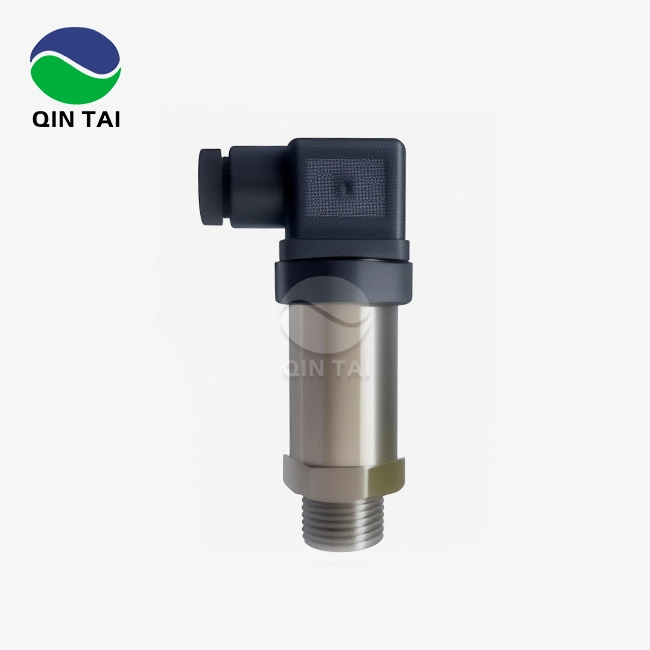
Global vendors target certain customer segments with their products and services. Bosch systems work well for European OEMs since they integrate with their engine control tools. Denso sells compact products for Asian markets with limited space. Delphi's North American heavy-duty products can withstand severe-duty bullets. Wabco provides comprehensive system integration for industrial vehicle applications. Qintai urea pumps are dependable due to their tiny, integrated pump, heating, and filtration systems. This ensures correct dosage at all temperatures with less energy and noise.
Procurement Guide: How to Choose and Buy the Right Urea Pump?
Choosing the proper crucial urea pump components might effect product production time and cost. Structured evaluation processes help buying managers balance technological needs and budgets. Comprehensive procurement criteria provide legal compliance and help the organization compete in target markets.
Technical Specification Priorities
The flow rate must exceed the engine's full-load DEF consumption, which is normally 5–20 liters per hour depending on size and power output. Injectors need pressure with room to spare. This prevents part aging from reducing performance. Voltage range, current draw, and transmission protocol compatibility determine integration difficulty with present control designs. In small spaces, mounting footprint and connecting places limit packing options. Weather in all target markets must be considered when setting temperature working ranges, especially for northern cold-start reliability.
Supplier Evaluation Criteria
Works with well-known manufacturers offers technical support and reliable supply lines. ISO 9001 and IATF 16949 certifications demonstrate process quality control. Examine patent portfolios that demonstrate R&D spending and technical leadership. Check the quantity and location of factories to ensure product production and a solid supply chain. Look at after-sales assistance, including professional advice, warranty conditions, and replacement part availability. All of these factors impact the overall cost of ownership, which extends beyond part prices.
Volume Purchasing Strategies
Bulk sales can save money, but inventory management is key. Negotiate framework agreements that determine prices based on annual volume guarantees. Cost savings should be compared to inventory expenses. Review vendor-managed inventory programs. To maintain manufacturing and avoid capital waste on parts, sellers stock up. Consider two sources providing critical parts. This will reduce supply interruptions and keep suppliers inexpensive. Contract inventory and just-in-sequence delivery increase cash flow and production efficiency in facilities that create several goods.
Conclusion
Current diesel powertrains must fulfill pollution regulations in many conditions, and urea pumps are crucial. Due to their design, control, and compatibility with bigger SCR systems, they differ from other dosage instruments. When comparing providers, buyers should consider how technological variations, installation requirements, and care effect total cost of ownership. Heavy vehicle, building machinery, and power generating firms must acquire parts from credible companies with the proper technology and expertise to create them as emission laws tighten worldwide.
FAQ
Q1: How often should urea pumps be serviced?
A: Maintenance times depend on machine use and manufacturer recommendations. Filter pieces must be replaced every 150,000 kilometers or a year for dusty machinery. Check electrical links for corrosion and loose wires every three months. Check DEF quality because unclean fluid accelerates wear. Full urea pump repairs are frequent every 400,000–600,000 kilometers in heavy use. However, superior designs outlast these criteria.
Q2: Can standard dosing pumps substitute for specialized urea pumps?
A: AdBlue-handling elements are missing from generic pumps. Standard equipment can't manage urea's acidity, lacks freeze protection, and can't maintain atomization pressure. Replacement parts can't be used in emission-compliant systems since they employ non-rusting materials, heating elements, and ECU-compatible control interfaces.
Q3: What causes urea pump failures?
A: Contaminated DEF crystallizing inside channels, electrical connection corrosion disrupting control signals, and temperature cycle seal deterioration are frequent problems. Cold temperatures can freeze fluid and harm the pump if not protected. Poor replacement parts accelerate wear. Regular maintenance and DEF quality control prevent most early issues.
Partner with Qintai for Reliable Urea Pump Solutions
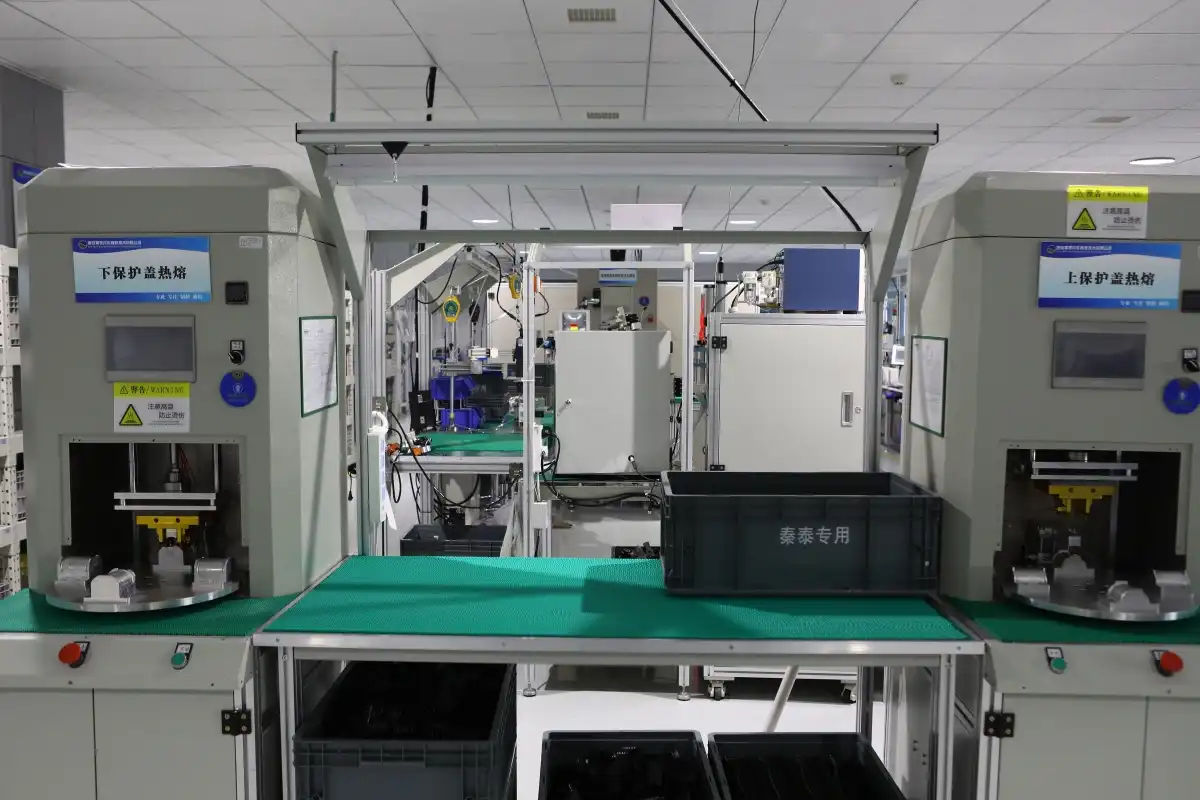
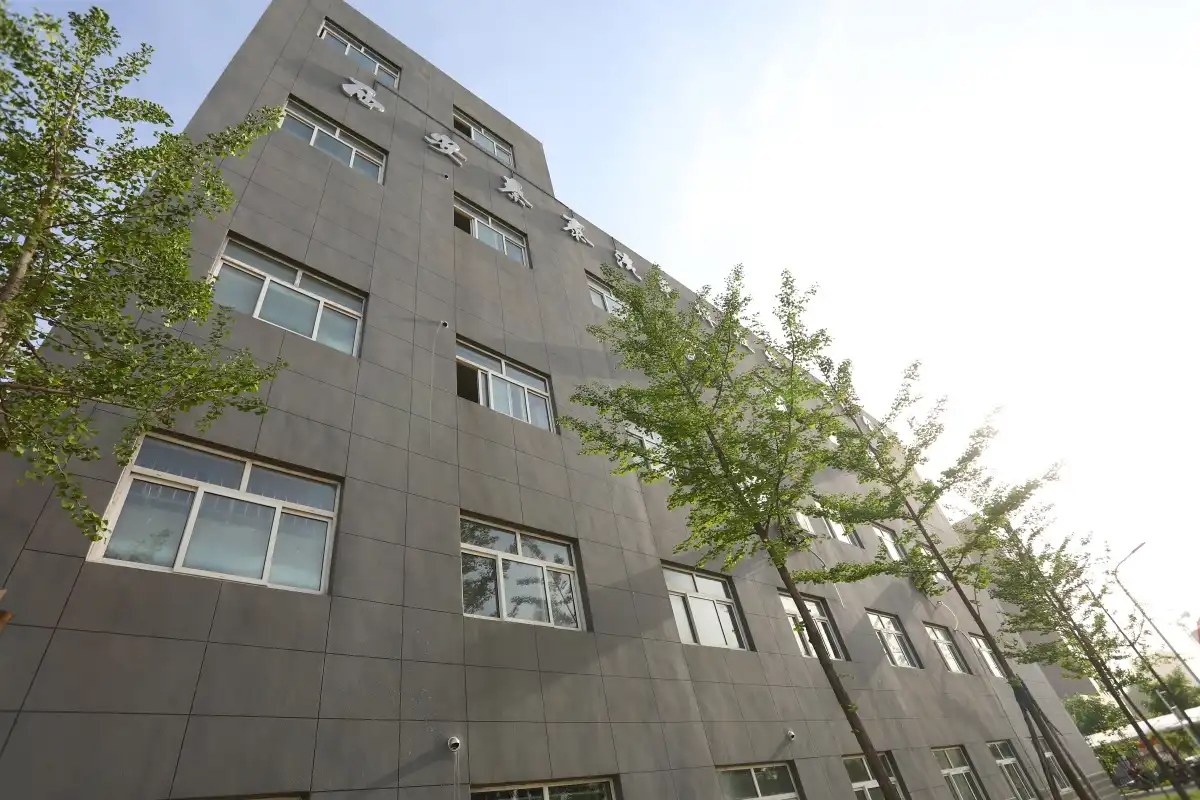
Xi'an Qintai Automotive Emission Technology can suit your SCR system demands with their proven urea pump technology. Our tiny, streamlined designs with pump mechanisms, filters, and heating elements provide precise dosing at all temperatures with freeze protection and minimal energy consumption. With over twenty years of expertise in diesel engine aftertreatment systems, we are China's leading OEM vendor for Weichai, Yuchai, and Quanchai Power. Our manufacturing expertise offer large-scale production and specialized solutions for specific applications with ISO 9001, IATF 16949, and other international certifications. Our experts can help you with new components or system integration at any point in a product's lifespan. Contact our trained engineers at info@qt-sensor.com to discuss your buying needs and learn why top producers worldwide prefer Qintai for urea pumps that fulfill high emission regulations.
References
1. Johnson, M. (2023). "Selective Catalytic Reduction Systems: Design and Operation." SAE International Journal of Engines, Vol. 16, Issue 4, pp. 445-462.
2. Environmental Protection Agency (2022). "Heavy-Duty Highway Compression-Ignition Engines and Urban Buses: Exhaust Emission Standards." EPA Regulatory Documents, Washington, DC.
3. Schmidt, R. and Weber, K. (2023). "AdBlue Dosing Precision in Modern SCR Systems." Automotive Engineering International, Vol. 131, No. 3, pp. 28-35.
4. Liu, H., Chen, Y., and Zhang, W. (2024). "Reliability Analysis of Urea Dosing Components in Heavy-Duty Applications." International Journal of Automotive Technology, Vol. 25, pp. 187-201.
5. European Automobile Manufacturers Association (2023). "Euro VI Emission Standards: Technical Requirements and Compliance." ACEA Technical Report, Brussels, Belgium.
6. Patterson, D. (2024). "Cold-Weather Performance of SCR Aftertreatment Systems." Journal of Diesel Engine Technology, Vol. 42, No. 1, pp. 112-128.

Our customers’ satisfaction speaks for our quality — contact us to experience the same reliable service.