- English
- French
- German
- Portuguese
- Spanish
- Russian
- Japanese
- Korean
- Arabic
- Greek
- German
- Turkish
- Italian
- Danish
- Romanian
- Indonesian
- Czech
- Afrikaans
- Swedish
- Polish
- Basque
- Catalan
- Esperanto
- Hindi
- Lao
- Albanian
- Amharic
- Armenian
- Azerbaijani
- Belarusian
- Bengali
- Bosnian
- Bulgarian
- Cebuano
- Chichewa
- Corsican
- Croatian
- Dutch
- Estonian
- Filipino
- Finnish
- Frisian
- Galician
- Georgian
- Gujarati
- Haitian
- Hausa
- Hawaiian
- Hebrew
- Hmong
- Hungarian
- Icelandic
- Igbo
- Javanese
- Kannada
- Kazakh
- Khmer
- Kurdish
- Kyrgyz
- Latin
- Latvian
- Lithuanian
- Luxembou..
- Macedonian
- Malagasy
- Malay
- Malayalam
- Maltese
- Maori
- Marathi
- Mongolian
- Burmese
- Nepali
- Norwegian
- Pashto
- Persian
- Punjabi
- Serbian
- Sesotho
- Sinhala
- Slovak
- Slovenian
- Somali
- Samoan
- Scots Gaelic
- Shona
- Sindhi
- Sundanese
- Swahili
- Tajik
- Tamil
- Telugu
- Thai
- Ukrainian
- Urdu
- Uzbek
- Vietnamese
- Welsh
- Xhosa
- Yiddish
- Yoruba
- Zulu
How Urea Pumps Work in Selective Catalytic Reduction Systems
Modern diesel emission control uses an SCR urea pump to carefully inject DEF or AdBlue to the exhaust stream. There, catalytic processes convert harmful nitrogen oxides into safe nitrogen and water. This crucial portion must conduct correct dosing at 50 bar and under extreme temperatures. Understanding how these pumps function helps engineers and purchasing managers pick solutions that fulfill EPA 2010 and Euro VI emission regulations.
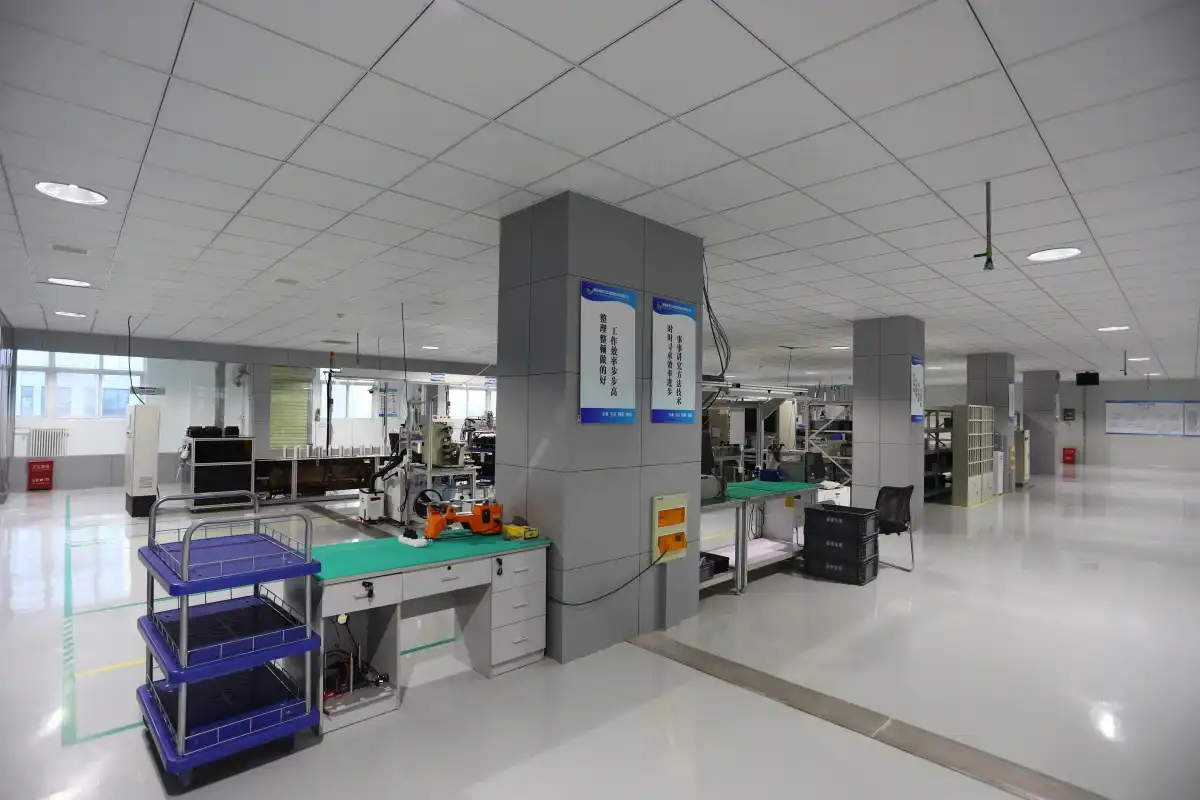
Understanding SCR Urea Pumps: Principles and Components
Urea dosing pumps transfer DEF from the holding tank to the dosing portion under regulated pressure. Precise engineering breaks the urea solution into small droplets to interact with as many exhaust gases as possible before they reach the catalyst.
The Core Working Mechanism
In heavy-duty SCR systems, diaphragm and plunger pumps are most popular. Camshafts or hydraulic pressure move a diaphragm pump's flexible membrane. This pumps fluid during the input stroke and releases it during the discharge stroke. The cushion shields moving parts from acidic urea, making its design chemically friendly. Plunger pumps generate high input pressures for atomization with moving pistons. The computer control unit calculates DEF needs based on engine load, exhaust temperature, and NOx sensor data and directs the pump to deliver it. Motors operated by solenoids may adjust dosage rates in milliseconds to match engine conditions.
Essential Components and Their Functions
The pump casing is comprised of corrosion-resistant stainless steel or specific polymers that can withstand DEF exposure. Internal seals prevent leaks and maintain system pressure. Poor seals cause pressure loss and dosage errors, reducing service life. Integrated heating elements improve cold-weather operations. DEF freezes at 12°F (-11°C), thus it must thaw before usage. Modern SCR urea pumps feature heating channels in the pump body, feed lines, and dosing module.
The control software's embedded sensors monitor fluid temperature and switch on heaters during cold beginnings to warm the system before injection. The freeze protection theory makes emissions lawful year-round and parts safe. The filter prevents trash from blocking precision nozzles or damaging seals in downstream sections. These filters, generally near the tank outlet or pump housing, may collect 10 micron particles. Checking the filter regularly prevents flow restrictions that reduce pump performance.
Pressure Regulation and Flow Control
Spray atomization at the injection tip works best with constant distribution pressure. Pump pressure controls adjust output to system demands. Between 30 and 50 bar is typical for heavy-duty usage. Extra DEF is returned to the tank using return lines. This keeps the fluid cool and prevents hardening in stagnant areas. The dosing module acts as the final delivery point, housing the injection nozzle and often incorporating additional heating and purge functions. Purge cycles activate during shutdown, clearing DEF from lines and the nozzle to prevent crystal formation that would block subsequent injection events. This automated maintenance extends component life and reduces service interventions.
Maintenance and Troubleshooting for Optimal SCR Urea Pump Performance
How effectively a system is maintained affects its reliability and emission control. Many owners don't recognize the need of regular maintenance until they need expensive repairs or fail emission testing. SCR urea pumps need maintenance and repairs to work well.
Preventive Maintenance Strategies
Pump longevity is due to DEF quality. Infected or fractured fluid accelerates corrosion, crystallization, and seal damage. To maintain fluid stability, use ISO 22241-certified DEF and store it out of the sun and high temperatures. Check product times to avoid utilizing outdated ones that might damage system parts. Visually inspect the pump and connections during servicing. DEF leaks can cause white crystalline coatings around fittings and seals. These crystals occur when leaking fluid leaves concentrated urea that can corrode metal surfaces. Fixing leaks soon prevents more harm. Based on application difficulty, filters should be changed every 25,000 to 50,000 miles. Clogged filters make the pump work harder, causing problem codes and quicker wear. Clean filters protect the dosage system.
Common Issues and Solutions
Air entering supply lines or faulty check valves allowing backflow frequently cause flow fluctuations. Bleeding the system releases air, and replacing the check valve restores flow. Pressure testing reveal air leaks. Electrical difficulties cause pumps to not switch on or function strangely. Diagnose tools read fault codes to determine what went wrong, such as failed wire harness connections, solenoid coils, or control module contact.
Checking voltage and ground lines may cure many electrical issues without replacing items. DEF systems struggle most with crystallization. When fluid evaporates in hot locations or the system is inactive, crystals develop. Running the engine regularly circulates fluids and distributes heat, preventing crystals. Special cleaning procedures can remove crystallization without damaging parts, but in extreme circumstances, the tip or line may need to be replaced.
Installation Best Practices
Air pockets don't form when the fixing is angled correctly, making beginning tougher. You may avoid thread damage and leaks by following torque standards during installation. A specific manufacturer makes chemically compatible fittings and hoses with system-appropriate pressures. Pins must touch and seals must be solid for electrical linkages to operate. Moisture causes corrosion in connectors, preventing power and communications. Links are saved by dielectric grease in diesel equipment's tough circumstances.
Comparing SCR Urea Pumps: Choosing the Best Solution for Your Application
To pick the correct tools, you must understand how different styles suit certain processes. A comprehensive assessment is needed since no pump works optimally in all situations. Selecting the right SCR urea pump requires evaluating performance, reliability, and technical integration.
Pump Technology Comparison
Due to its simplicity, diaphragm pumps are easy to service and chemically resistant. Separate fluid flow prevents mechanical parts from rusting, extending their life in difficult environments. These low-pressure pumps work well with light to medium-duty diesel engines in farm equipment and power sets. Plunger pumps boost pressure for large engines in vehicles and construction equipment. Straight mechanical motion allows accurate flow rate control across a wide range of flows.
Fluids touch moving parts, hence improved materials and seals are needed for appropriate service intervals. Because spinning rollers squeeze flexible tubes and propel fluid ahead, peristaltic pumps have no internal seals or valves. This design eliminates wear spots, however it operates at lower pressures, therefore it's only for smaller engines or backups. Due to wear, the tube must be replaced periodically.
Brand Considerations and System Compatibility
Many North American and European OEMs choose Bosch systems because of their innovative control methods and sturdy hardware. Their tiny dosage modules integrate the pump, heater, and nozzle into one serviceable device. Bosch's parts and technical assistance make it a safe choice for fleet operators who wish to minimize downtime. Cummins developed the UA2 system for its engines. The tuning and electrical integration are improved and function smoothly.
This innovative strategy reduces emissions as much as possible but hinders platform collaboration. Designed system matching simplifies installation and configuration for Cummins powertrain operators. The Qintai technical team has developed SCR urea pumps that operate with Bosch ECU control schemes and offer flexible connections for aftertreatment system installation. The compact, integrated pump, filter, and heater combine to save space and make installation easier. Our products fulfill China VI and Euro VI emission standards for large vehicles, building equipment, and generator sets.
Performance Metrics That Matter
How efficiently pollution control works depends on correct dosage. Improved pumps maintain tolerances of ±3% over their operational range. Temperature compensation algorithms adjust supply rates to maintain accuracy from cold beginnings to continual high-load operation when fluid viscosity varies. Durability measurements include cycle life ratings in millions of injection rounds.
Premium pumps may be used over 50 million times, or 300,000 kilometers off-road. Seal materials and methods affect these figures. The energy an automobile needs influences its performance, especially in frequent starts and stops. Working low-power pump motors and heating elements reduce parasitic electrical demands. Equipment rooms and operator cabs with limited access benefit from Qintai urea pumps' low energy and noise consumption.
Procurement Guide: What to Consider When Buying SCR Urea Pumps?
Strategic purchasing affects project and business expenses. Purchasing managers must weigh several aspects to acquire the greatest value. There are several critical factors to consider when buying an SCR urea pump for commercial applications.
Critical Evaluation Criteria
Pricing differs greatly between direct manufacturer connections and various sales channels. When they commit to volume, OEMs may secure tiered pricing that decreases unit cost by a lot. For stock to not tie up working capital, minimum order quantities must match production plans and inventory levels. Lead times determine production planning flexibility. Shorter domestic shipping gaps are crucial for just-in-time production. Global shopping might save money, but you must plan ahead and store up in case of shipment delays.
Qintai stocks basic configurations and delivers important models rapidly. The startup enables customers design bespoke application interfaces. Product warranty demonstrates that the manufacturer trusts it to work. Business warranties are usually one year, but two- or three-year guarantees indicate superior quality control and field-tested concepts. Knowing what the warranty doesn't cover will save you hassle when making a claim—contaminated DEF or poor fitting typically voids the warranty.
Supplier Relationship Considerations
Authorized manufacturer agreements ensure product authenticity and guarantee validity. Fake parts can cause early failures and emission breaches in worldwide supply chains. Verify with the producer or recognized distribution networks to prevent these hazards. Because they provide technical support, value-added partners vary from commodity vendors. Application engineers may aid with system integration, repairing, and custom calibration, speeding up and lowering development expenses.
Qintai's professional engineering staff provides technical assistance and direct communication lines to fix problems swiftly. The after-sales care structure determines long-term ownership expenses. Equipment functions best when replacement parts are readily available, repair service networks are established, and field help is prompt. You may spot coverage gaps before they disrupt operations by checking a supplier's service area in your area.
Cost-Benefit Analysis Framework
The cost of ownership exceeds the car's MSRP. Dependability influences maintenance, replacement parts, and machine downtime costs for different pump designs. A high-quality pump that lasts twice as long costs 30% more, but it saves a lot over time. Financial risks from regulatory compliance can be severe.
Failed emission tests result in penalties, equipment limitations, and perhaps fleet shutdown until the issue is resolved. Investment in compliance, tried-and-true practices reduces these risks. This is crucial for owners in regulated areas. Energy economics impacts various usage differently. Stable work cycle generators utilize a lot of electricity during their lifespans. Therefore, low-power pump designs are cheaper. Because they utilize less electricity, mobile devices with low alternator power can use smaller charging systems.

Future Trends and Innovations in SCR Urea Pump Technology
Aftertreatment system technology is improving as emission regulations tighten worldwide. Keeping up with trends helps buying teams foresee market changes and make profitable buys. Innovation in SCR urea pump technology focuses on intelligence and efficiency.
Smart Monitoring and Predictive Maintenance
IoT sensors turn pumps into connected equipment that disclose their status. Real-time monitoring of delivery pressure, flow rates, temperature, and electrical parameters enables condition-based maintenance instead of time-based programs. Analytics systems identify issues before they fail, so service is scheduled for planned downtime rather than emergency repairs. Machine learning algorithms analyze fleet performance data to uncover trends that improve part lifespan predictions. These insights enhance inventory management by ensuring that vital spares arrive when wear signals indicate they need to be replaced. Fleet managers reduce unexpected downtime and extra inventory expenditures.
Advanced Materials and Design Evolution
Rust-resistant coatings and base materials extend pump life in severe environments. Advanced polymer composites and ceramic parts can withstand chemical and heat cycles that degrade other materials. These innovations benefit mining, marine, and industrial engine applications that need tough conditions or extreme temperatures. Compact integration is improving with innovative designs that fit more functionality in fewer locations. Pressure monitoring, temperature tracking, and diagnostics make the system more dependable and reduce external wiring. Fewer parts mean reduced production costs and fewer failure points.
Regulatory Landscape Evolution
California's Advanced Clean Trucks law and similar initiatives worldwide mandate zero-emission automobiles for specific applications, which might impact diesel equipment sales. Diesel engines are still essential for heavy-haul trucks, off-road construction, and distant power production when batteries can't fulfill energy efficiency requirements. SCR systems will evolve to achieve tougher NOx reduction targets in long-term applications. Due to severe emission limitations imposed by Stage V in Europe and Tier 4 Final in North America, off-road vehicles are under pressure. Pump providers who understand global standards prepare their clients for compliance wherever they work.
Conclusion
Learning how to operate, maintain, and pick an SCR urea pump helps procurement staff balance performance, dependability, and cost. Technology improves with smart tracking tools, improved materials, and tighter regulatory integration. Partnerships with experienced manufacturers that provide professional assistance, proven quality control, and swift after-sales service ensure emissions criteria are fulfilled and equipment operates properly. Even as diesel engines get greener, the basic urea pump is needed to clear up waste emissions.
FAQ
Q1: How does the pump handle freezing conditions?
A: Built-in heaters and freeze safety logic defrost AdBlue before sending it. When fluid temperatures approach freezing, temperature sensors switch on heating elements throughout the circuit. The control module delays dose instructions until solution temperature validates fluidity. Pump parts and injection needles are protected. When purge is off, lines are cleared. This prevents fluid freezing during soaks. Without assistance, this full heat management maintains the system ready as temperatures fluctuate with the seasons.
Q2: What advantages do Qintai urea pumps offer?
A: These standards support Qintai's tight quality control, making its SCR urea pumps dependable. Fitting and reducing leaks are easy with the heater, filter, and pump in one tiny package. Built-in freeze protection and purge provide accurate dosage at all temperatures. minimal energy consumption reduces power system demands, and minimal noise improves operator conditions. Aftertreatment system producers may integrate more easily with strong ECU compatibility, notably with Bosch systems. These features satisfy OEMs' demands for security, regularity, and mass production.
Q3: What is the typical service life expectation?
A: A decent pump may survive 50 million pumping rounds, or 300,000 off-road miles, if maintained. DEF quality, usage area, and maintenance affect service life. Extreme temperatures, filthy fluid, and uneven operation reduce life. However, controlled conditions with clean DEF and scheduled service intervals routinely surpass maker expectations.
Partner with Qintai as Your Trusted SCR Urea Pump Manufacturer
Qintai Auto Emission Tech. Ltd. has over 20 years of expertise making SCR urea pumps that exceed global diesel engine producers' demanding requirements using innovative production methods. As China's leading OEM provider for Weichai Power, Yuchai Power, and Quanchai Power, we understand the importance of environmental regulations, cost reduction, and smooth operations. Our independent R&D team constantly innovates to improve our goods. They have 58 invention patents and many standards, including IATF16949 and REACH. We collaborate with OEM and ODM partners and offer open design to ensure our solutions fit with your aftertreatment systems. Qintai's proven quality and timely support may aid your emission control plan as your single source of SCR urea pumps. Contact our engineering team at info@qt-sensor.com to discuss your application needs.
References
1. Johnson, M. & Peterson, R. (2021). Diesel Emission Control Systems: Technology and Engineering Fundamentals. SAE International Press.
2. European Automobile Manufacturers Association (2020). Selective Catalytic Reduction in Heavy-Duty Diesel Applications: Technical Standards and Best Practices.
3. Environmental Protection Agency (2022). Nitrogen Oxide Control Technologies for Diesel Engines: Compliance Guide for Manufacturers.
4. Chen, L., Williams, K., & Bradford, S. (2023). Advanced Materials in Automotive Emission Control Components. Journal of Automotive Engineering, 237(4), 892-907.
5. International Organization for Standardization (2019). ISO 22241: Diesel Engines — NOx Reduction Agent AUS 32 — Parts 1-5.
6. Anderson, T. (2022). Predictive Maintenance in Commercial Vehicle SCR Systems: Data Analytics and IoT Applications. Commercial Vehicle Technology Quarterly, 15(2), 45-62.
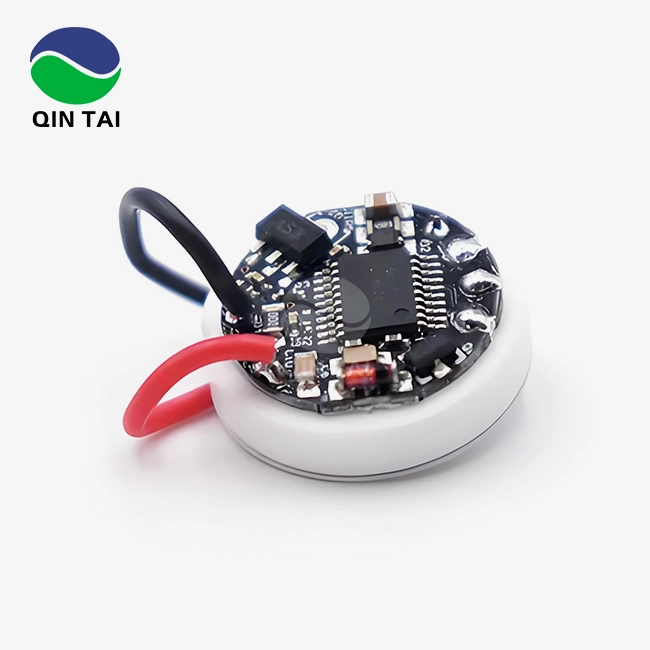

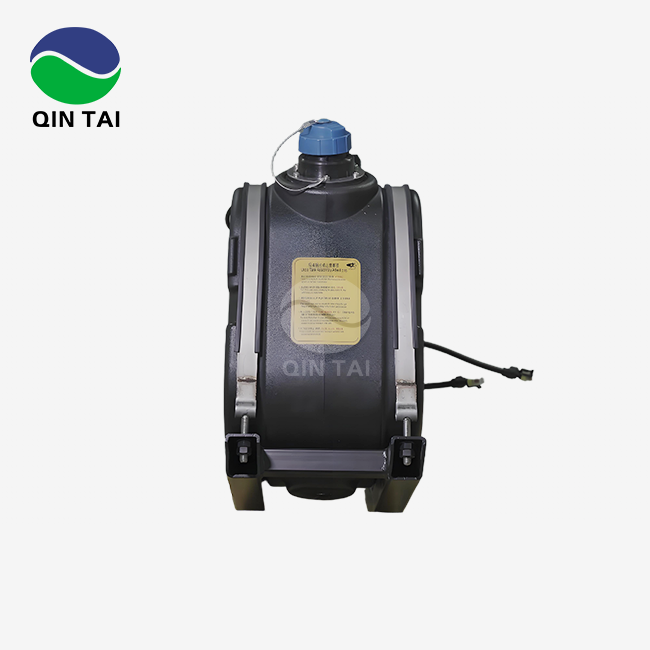

Our customers’ satisfaction speaks for our quality — contact us to experience the same reliable service.