- English
- French
- German
- Portuguese
- Spanish
- Russian
- Japanese
- Korean
- Arabic
- Greek
- German
- Turkish
- Italian
- Danish
- Romanian
- Indonesian
- Czech
- Afrikaans
- Swedish
- Polish
- Basque
- Catalan
- Esperanto
- Hindi
- Lao
- Albanian
- Amharic
- Armenian
- Azerbaijani
- Belarusian
- Bengali
- Bosnian
- Bulgarian
- Cebuano
- Chichewa
- Corsican
- Croatian
- Dutch
- Estonian
- Filipino
- Finnish
- Frisian
- Galician
- Georgian
- Gujarati
- Haitian
- Hausa
- Hawaiian
- Hebrew
- Hmong
- Hungarian
- Icelandic
- Igbo
- Javanese
- Kannada
- Kazakh
- Khmer
- Kurdish
- Kyrgyz
- Latin
- Latvian
- Lithuanian
- Luxembou..
- Macedonian
- Malagasy
- Malay
- Malayalam
- Maltese
- Maori
- Marathi
- Mongolian
- Burmese
- Nepali
- Norwegian
- Pashto
- Persian
- Punjabi
- Serbian
- Sesotho
- Sinhala
- Slovak
- Slovenian
- Somali
- Samoan
- Scots Gaelic
- Shona
- Sindhi
- Sundanese
- Swahili
- Tajik
- Tamil
- Telugu
- Thai
- Ukrainian
- Urdu
- Uzbek
- Vietnamese
- Welsh
- Xhosa
- Yiddish
- Yoruba
- Zulu
How Effective Is SCR in Lowering Diesel NOx Emissions Today?
SCR technology is one of the finest techniques to reduce diesel engine nitrogen gas emissions. Modern Selective Catalytic Reduction systems can reduce NOx by 85%–95% under optimal conditions. They convert harmful diesel emissions into nitrogen gas and water vapor using precise chemical procedures. This works best with a well-assembled system, excellent monitors, and consistent diesel exhaust fluid (DEF) dosages. Procurement managers and engineers must follow the guidelines while selecting components.
Understanding Diesel NOx Emissions and Their Impact
Air nitrogen interacts with oxygen in diesel engines at high temperatures to form nitrogen oxides. Nitric oxide and nitrogen dioxide—NOx toxins—make up most of these diesel emissions. The proportion varies with engine load, temperature, and fuel efficiency. This hinders emission control strategies.
Health and Environmental Consequences
Nitrogen oxide molecules create ground-level ozone and particulate matter, which harm city dwellers' health. Long-term exposure causes asthma, heart disease, and lung function loss in weak persons. Acid rain, ecological changes, and reduced sight are environmental consequences.
Regulatory Landscape for Heavy-Duty Applications
The US Environmental Protection Agency (EPA) regulates NOx in Tier 4 off-road equipment and highway autos (EPA 2010 standards). Heavy automobiles cannot exceed 0.20 grams per brake horsepower-hour. Construction and farming equipment have comparable restrictions. These standards require manufacturers to employ sophisticated aftertreatment technologies across all product categories. Euro VI requirements for international markets reflect this level of regulation, putting pressure on countries to limit emissions.
SCR Technology Fundamentals and Operating Principles
Ammonia from diesel exhaust fluid combines with NOx molecules on a catalyst in Selective Catalytic Reduction, significantly reducing diesel emissions. DEF is added to exhaust before the catalyst chamber. This heat converts the solution into gas and breaks down urea into ammonia. Ammonia then breaks down NOx into molecular nitrogen and water vapor without utilizing exhaust oxygen.
Component Architecture and System Integration
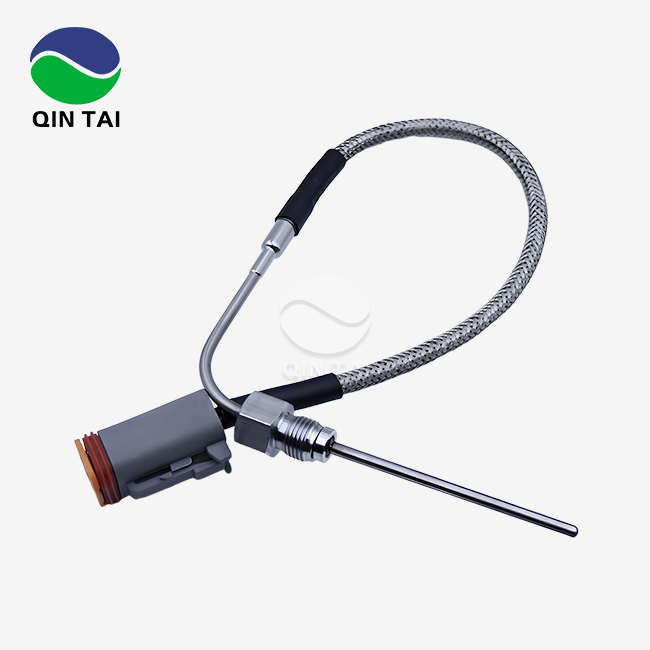
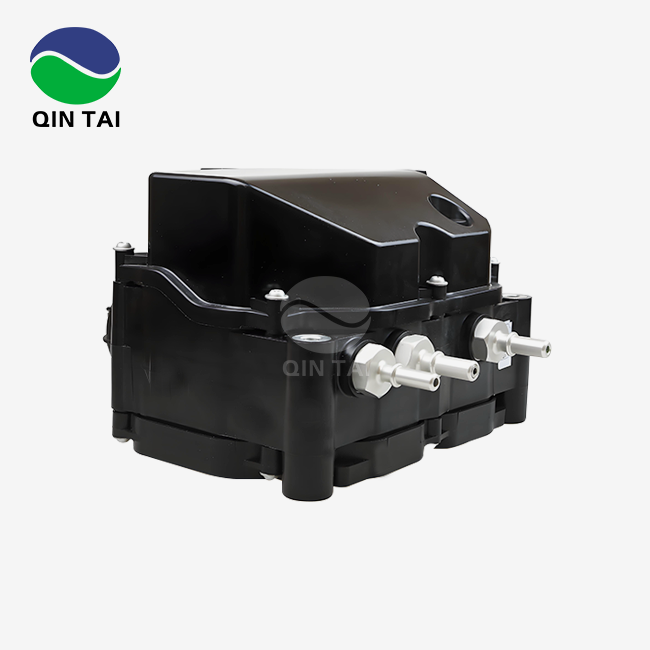
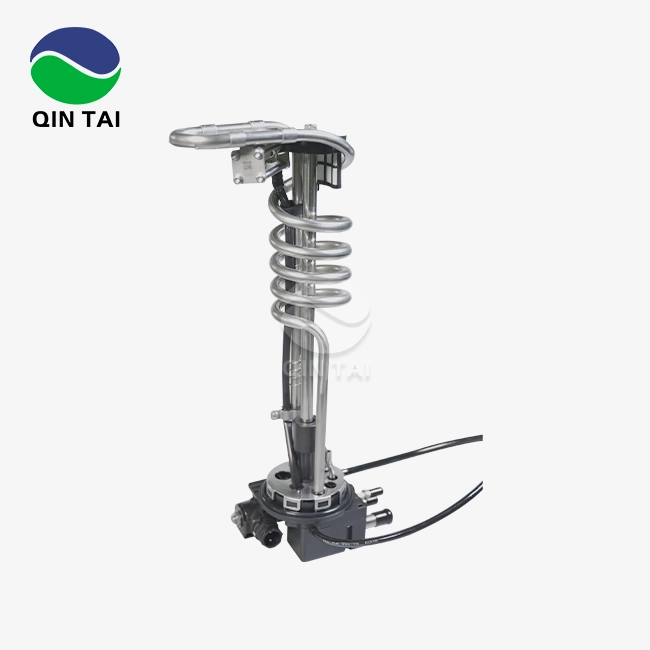
A complete SCR system comprises numerous interdependent pieces. DEF storage tank, dosage pump, and injection nozzle work together to provide correct quantities of fluid dependent on exhaust conditions in real time. Because the catalyst box comprises ceramic substrates coated with precious metal combinations, reduction can occur. Exhaust gas temperature sensors monitor system temperature to ensure processes occur within 250°C to 450°C.
Sensor Technology and Closed-Loop Control
Modern SCR systems employ dual-chamber NOx monitors. Sensors are upstream and downstream of the catalyst. The upstream monitor analyzes engine exhaust nitrogen oxide. DEF dosage formulae begin here. The Engine Control Unit calculates injection timing and quantity using this data. Downstream monitors measure residual NOx to assess conversion efficiency. A feedback method adjusts dosage parameters on the fly. This closed-loop design prevents under- and over-dosing. Under-dosing creates compliance issues, while over-dosing slips ammonia and forms exhaust crystals.
Comparative Performance Against Alternative Technologies
SCR systems reduce NOx better than EGR systems since they don't impair fuel economy. While SCR operates continuously while the engine is running, lean NOx trap catalysts need to be regenerated, which costs fuel and generates heat. SCR supplements diesel particle filters, which remove soot, not nitrogen. DPF and SCR reduce particle and air pollution when combined.
Evaluating the Effectiveness of SCR in Contemporary Applications
Field data from commercial vehicle lines demonstrates that SCR systems routinely reduce NOx by over 90%. A 2023 study of 500 heavy-duty autos in North America indicated 92% conversion efficiency over 100,000 miles of servicing intervals. Construction tool manufacturers say their machines function well in variable-load conditions but poorly when not in use for a long period because exhaust temperatures fall below catalyst activation thresholds.
Factors Influencing Reduction Efficiency
Because polluted fluid or the improper urea proportion makes it difficult for the reduction process to get ammonia, DEF quality affects conversion rates for controlling diesel emissions. Effectiveness drops dramatically below 200°C and over 500°C, making operational temperature restrictions crucial. Driving habits greatly affect performance. Temperatures stay consistent on highways, which is ideal for long-term NOx conversion, but stop-and-go activity in cities makes system adjustment tougher. Performance steadily diminishes during continuous high-temperature exposure, and catalyst age and status impact long-term efficiency.
Real-World Case Studies from Industrial Applications
Generator manufacturers believe SCR stationary power systems reduce NOx steadily over time. SCR-equipped underground mining enterprises can achieve tight ventilation criteria while maintaining output. Agricultural machinery OEMs have integrated tiny SCR units into compact designs. The technology is versatile across several use scenarios.
Practical Considerations for Procuring SCR Systems and Components
There are several vendors of aftertreatment components worldwide, from combination systems to sensors. Tier 1 vendors assemble proven SCR modules with catalysts, dosage units, and control electronics for OEMs. Aftermarket integrators typically acquire catalysts, sensors, and dosing gear from many vendors to get the optimum price-to-performance ratio.
Selection Criteria for B2B Procurement Teams
Performance must meet application-specific emissions, engine size, and duty cycles. Regional safety certifications include EPA approval for US sales, Euro VI homologation for European sales, and China VI certification for Chinese activity. The total cost of ownership should include the original cost of the parts, how much DEF they consume, how often they need repairs, and the warranty terms. Along with product specs, suppliers are rated on how fast they react to technical assistance inquiries, how effectively they alter items for OEM usage, and how well they manufacture huge numbers for major projects.
Technical divisions of diesel engine manufacturers utilize validation testing to ensure product suitability. The buying departments negotiate the best costs, and management accepts seller relationships if they can form a long-term collaboration. This choosing process involves numerous phases, thus component vendors must meet the demands of various stakeholders.
Supply Chain and Aftermarket Considerations
Delivering swiftly is crucial for aftermarket shops, where inventory turnover and installation urgency dictate purchase decisions for diesel emissions components. Sensor compatibility across SCR catalyst types provides service shops and parts dealers with diverse equipment additional alternatives. System designers can link common parts to proprietary control architectures without any reengineering using adjustable interface settings. These important elements are generally considered alongside technical requirements when choosing a provider.
Maintenance and Optimization of SCR Systems for Sustained NOx Reduction
SCRs need frequent maintenance to replace fluids and hardware. DEF quality checks maintain the dosing system clean and ensure exhaust treatment produces enough ammonia. The efficiency of conversion is reduced by catalyst tests for physical damage, thermal deterioration, or chemical poisoning. Cleaning nozzles, adjusting pumps, and emptying lines maintains injection control in dosing systems.
Proactive debugging fixes typical failures before they cripple the system. Injection of too much DEF or low exhaust temperature causes dose hardware crystals. Clean the lines and recalibrate the equipment to remedy this. Sensor drift causes incorrect NOx measurements that affect closed-loop control, thus they must be changed depending on mileage or working hours. Fixing the cause of oil or water leaks clogging the catalyst face is more critical than replacing the item.
New diagnosis tools combine connected car data and machine learning algorithms to predict part failure before emissions exceed the limit. Temperature sensor panels measure heat across catalyst zones, revealing deterioration regions that regular tracking systems miss. NOx sensor reaction time studies can detect electrode aging before failure. These predictive maintenance solutions reduce unnecessary downtime and extend part life by determining when to replace them.
Conclusion
SCR technology reduces NOx in diesel emissions from engines used in transportation, construction, farming, and power generation. Modern systems may attain 85% to 95% conversion rates with well selected components, integration, and regular maintenance. When buying SCR solutions, procurement experts need consider more than price and performance. They should also consider how effectively the supplier supports innovation, their commitment to a long-term relationship, and sensor accuracy. SCR will remain the most common diesel engine NOx reduction technology for the next decade as pollution requirements tighten. Future compliance and operations success depend on prudent purchase decisions now.
FAQ
Q1: How does SCR cost-effectiveness compare to alternative NOx reduction technologies?
A: Though more costly than EGR-only systems, SCR systems utilize less gasoline because they optimize the combustion process better. DEF costs 2%–3% of diesel fuel. The extra expense is substantially smaller than the penalty for breaking the regulations. SCR systems are cheaper to own than lean NOx trap systems that need to be regenerated every seven years.
Q2: What DEF quality standards matter for procurement specifications?
A: ISO 22241, the worldwide diesel exhaust fluid standard, restricts contaminants and urea to 32.5%. Buyer contracts should state this standard and require batch testing proof. Fluid quality assurance is crucial yet often overlooked when buying DEF since tainted DEF can harm catalysts and fail dosing systems.
Q3: How do regional regulations affect SCR component procurement strategies?
A: The US EPA license procedure differs from Euro VI and China VI approval processes, therefore alternative component versions may be needed. Buyers for worldwide markets should ask vendors if they have multi-regional certifications or need various component numbers for each regulatory jurisdiction. This affects product management, technical paperwork, and post-sale support.
Partner with Qintai for Advanced Emission Control Solutions
Xi'an Qintai Automotive Emission Technology Co. Ltd has designed and manufactured diesel emissions control SCR aftertreatment systems and precision monitors for over 20 years. Even in high-volume production, our ISO9001 and IATF16949-certified manufacturing techniques ensure quality. This provides our OEM partners Weichai Power, Yuchai Power, and Quanchai Power the most dependable products.
A successful emission control application requires more than parts. Technical assistance, changeability, and post-sale support are included. Our independent research and development team has 58 invention patents and constantly improves sensor accuracy, temperature resistance, and integrating system performance. Qintai can provide upstream NOx sensors to accurately regulate DEF usage, downstream tracking to monitor conversion efficiency, and exhaust gas temperature sensors to optimize catalyst thermal management.
As China's largest diesel emissions control part vendor, we provide the same technical expertise and relationship to our growing European, Middle Eastern, and South American clients. We can provide custom sensor sets, interface protocols, and mounting designs for your aftertreatment system as part of our OEM and ODM services. Contact our technical staff at info@qt-sensor.com to learn how Qintai's pollution control products may improve company performance and legal compliance.
References
1. Johnson, T. V. (2022). "Review of Selective Catalytic Reduction (SCR) and Related Technologies for Mobile Applications." SAE International Journal of Engines, 15(4), 487-512.
2. Environmental Protection Agency. (2023). "Heavy-Duty Highway and Nonroad Engine Emission Standards and Certification Requirements." EPA Technical Report Series EPA-420-B-23-001.
3. Zhang, L., Wang, H., & Chen, Y. (2023). "NOx Sensor Technology Advances for Diesel Engine Emission Control Systems." Sensors and Actuators B: Chemical, 378, 133156-133168.
4. European Automobile Manufacturers Association. (2022). "Euro VI Heavy-Duty Vehicles: Emissions Performance and Technology Assessment." ACEA Research Report, Brussels, Belgium.
5. Cavataio, G., Girard, J., & Lambert, C. (2023). "Long-Term Durability and Performance of SCR Catalyst Systems in Commercial Vehicle Applications." Catalysis Today, 414, 25-39.
6. International Organization for Standardization. (2021). "Diesel Engines — NOx Reduction Agent AUS 32 — Quality Requirements (ISO 22241-1:2019)." International Standard, Geneva, Switzerland.


Our customers’ satisfaction speaks for our quality — contact us to experience the same reliable service.