- English
- French
- German
- Portuguese
- Spanish
- Russian
- Japanese
- Korean
- Arabic
- Greek
- German
- Turkish
- Italian
- Danish
- Romanian
- Indonesian
- Czech
- Afrikaans
- Swedish
- Polish
- Basque
- Catalan
- Esperanto
- Hindi
- Lao
- Albanian
- Amharic
- Armenian
- Azerbaijani
- Belarusian
- Bengali
- Bosnian
- Bulgarian
- Cebuano
- Chichewa
- Corsican
- Croatian
- Dutch
- Estonian
- Filipino
- Finnish
- Frisian
- Galician
- Georgian
- Gujarati
- Haitian
- Hausa
- Hawaiian
- Hebrew
- Hmong
- Hungarian
- Icelandic
- Igbo
- Javanese
- Kannada
- Kazakh
- Khmer
- Kurdish
- Kyrgyz
- Latin
- Latvian
- Lithuanian
- Luxembou..
- Macedonian
- Malagasy
- Malay
- Malayalam
- Maltese
- Maori
- Marathi
- Mongolian
- Burmese
- Nepali
- Norwegian
- Pashto
- Persian
- Punjabi
- Serbian
- Sesotho
- Sinhala
- Slovak
- Slovenian
- Somali
- Samoan
- Scots Gaelic
- Shona
- Sindhi
- Sundanese
- Swahili
- Tajik
- Tamil
- Telugu
- Thai
- Ukrainian
- Urdu
- Uzbek
- Vietnamese
- Welsh
- Xhosa
- Yiddish
- Yoruba
- Zulu
How NOx Sensors Differ from O2 Sensors in Diesel Exhaust Systems
To control diesel exhaust aftertreatment, technical professionals and buying teams must understand diesel NOx sensors vs oxygen (O2) sensors. A diesel NOx sensor is a heated electrochemical device that continually measures exhaust nitrogen oxide. Typically, ceramic zirconia elements detect NO and NO₂ at temperatures ranging from 700°C to 800°C. O2 sensors measure fume oxygen levels to monitor air-fuel mixture ratios and improve burning efficiency. Nitrogen oxide sensors are accurate instruments for advanced aftertreatment systems like SCR that meet severe emission criteria like EPA 2010 and Euro VI. O2 sensors focus on fuel efficiency and fundamental pollution management.
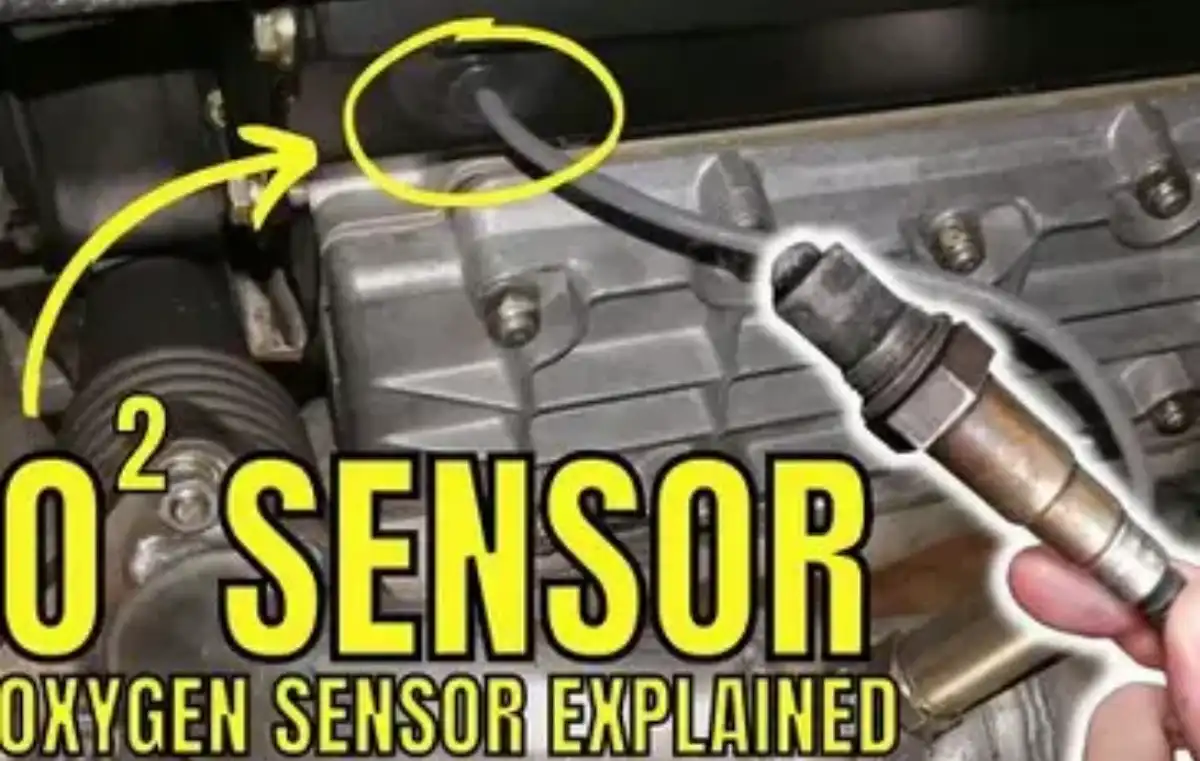
Understanding the Role of NOx and O2 Sensors in Diesel Engines
To function effectively, new diesel engines need different sensors. Knowing what each sensor performs helps avoid costly mistakes when buying parts or building the system.
Core Function Differences Between NOx and O2 Sensors
Diesel engines feature oxygen monitors from the early 2000s. They monitor for residual oxygen levels between 0 and 25% and give voltage signals to the ECU to indicate rich or lean combustion. This feedback loop adjusts fuel injection speed and EGR valve placement to reduce particulates and heat loss. O2 monitors react in milliseconds to exhaust composition variations between 300°C and 650°C.
Diesel NOx sensors serve varied purposes. The NOx content is carefully measured between 0 and 1500 ppm with an accuracy of ±5 to 10 ppm, depending on the kind. Many cells in these sensors segregate oxygen and NOx before electrochemical measurement. They must function at greater temperatures and with more sophisticated circuits. The information travels directly to SCR control units, which accurately control AdBlue and DEF additions. This prevents under- and over-dosing, which can cause emission failures and ammonia slide or solid deposits.
Physical Location and System Integration
Oxygen monitors are usually installed before the turbo to check the primary air-fuel ratio, after the DPF to verify regeneration efficiency, and occasionally in the EGR circuits. Placement is straightforward because they're tiny and don't need high temperatures. Diesel NOx sensors are sensible upstream and downstream of the SCR catalyst. The upstream sensor monitors catalyst-hitting raw NOx. This helps the ECU determine urea injection. A closed-loop sensor downstream evaluates conversion efficiency, varying with load circumstances, ambient temperature, and catalyst age. The two sensors communicate using CAN bus protocols to provide NOx concentration, heater current, impedance, and self-test findings in accordance with EPA and Euro VI regulations.
Signal Output and ECU Communication
Oxygen monitors output 0V to 5V analog or digital signals, depending on generation. The ECU interprets these indicators by comparing findings to pre-set maps. Complex data sets are needed to monitor diesel NOx sensors. Modern diesel NOx sensors contain microcontrollers that correct calibration, change temperature, and filter cross-sensitivity in real time. NOx levels are reported in ppm or mg/m³, coupled with air oxygen levels for internal confirmation.
This helps the ECU distinguish sensor drift from emissions variations. This data feature helps OBD systems track a vehicle's emissions performance during its lifespan and transmit fault codes when conversion efficiency goes below permissible limits. These sensors can diagnose and communicate over CAN at fast rates, making them crucial for guarantee compliance and fleet management.
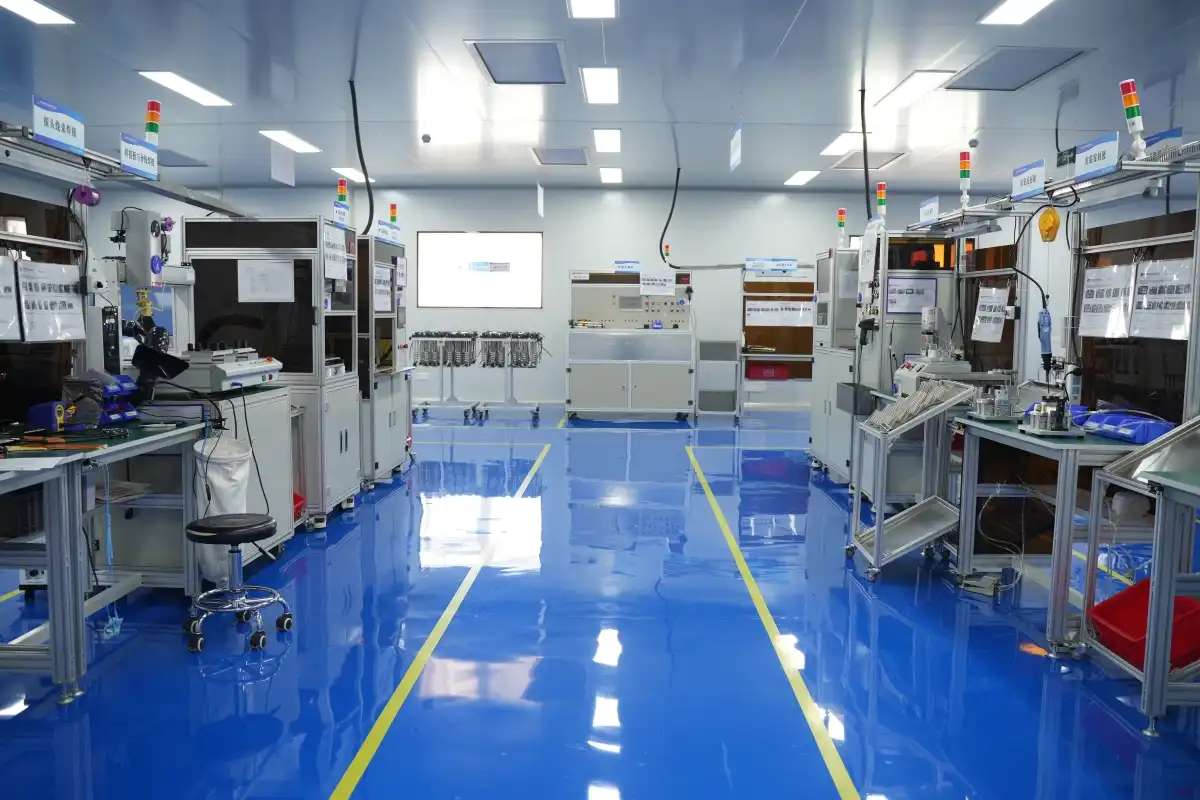
Common Issues and Troubleshooting of Diesel NOx Sensors
Knowing how things break down helps procurement and maintenance teams plan repair cycles and reduce unplanned downtime. The engine may detonate, use more DEF, or store diagnostic issue codes like P2201 or P229F that indicate sensor circuit difficulties or illogical numbers if the diesel NOx sensor fails.
Typical Failure Symptoms and Diagnostic Codes
When a diesel NOx sensor fails, drivers may see panel indicators, engine power loss, or excessive AdBlue use. DTCs are stored by the ECU. The P2200 codes indicate sensor circuit issues, whereas the P229X codes indicate performance issues including poor reaction or out-of-range figures. Rusty connections or cracked heating elements can produce intermittent defects that change numbers during thermal cycling. If the SCR system can't monitor emission compliance, diesel NOx sensors can become limp-mode immediately, affecting production. Oxygen sensors degrade.
Testing Methods and Service Life Management
Troubleshooting diesel NOx sensors requires live CAN data reading tools. Technicians should maintain 12V DC source voltage, check heater resistance (2–8 ohms, depending on design), and monitor sensor reaction time as load varies. Reaction times should be under one second; delays indicate worsening pollution. Carbon buildup or heat degradation is visible to the naked eye on the detecting tip. However, many modern sensors include protective coverings that obscure them.
Program intensity determines service gaps. Heavy-duty vehicles in stop-and-go city traffic may need new tires every 150,000 to 200,000 miles, while highway truckers regularly go beyond 250,000. Generator sets that remain put wear out differently, and sensor life varies on fuel quality and operational temperature. Writing down failure patterns improves repair plans and identifies systemic issues like poor gasoline quality or cooling system issues that accelerate wear.
Distinguishing Sensor Faults from System Problems
NOT all NOx-related fault numbers suggest a diesel NOx sensor is faulty. Wiring harness damage, ECU software flaws, and SCR catalyst failure might seem as sensor problems. Sensors must be transferred upstream to downstream to see if the problem follows the component to correct. Electrical breakdowns can be separated from mechanical ones by monitoring socket voltage drop and comparing many sensors used in the same way. Ammonia cross-sensitivity can potentially cause misleading readings. Even when the sensor is operating properly, ammonia slip from overdosing or catalyst overload creates high NOx readings downstream. Understanding these distinctions prevents unnecessary replacements and speeds up root cause discovery.
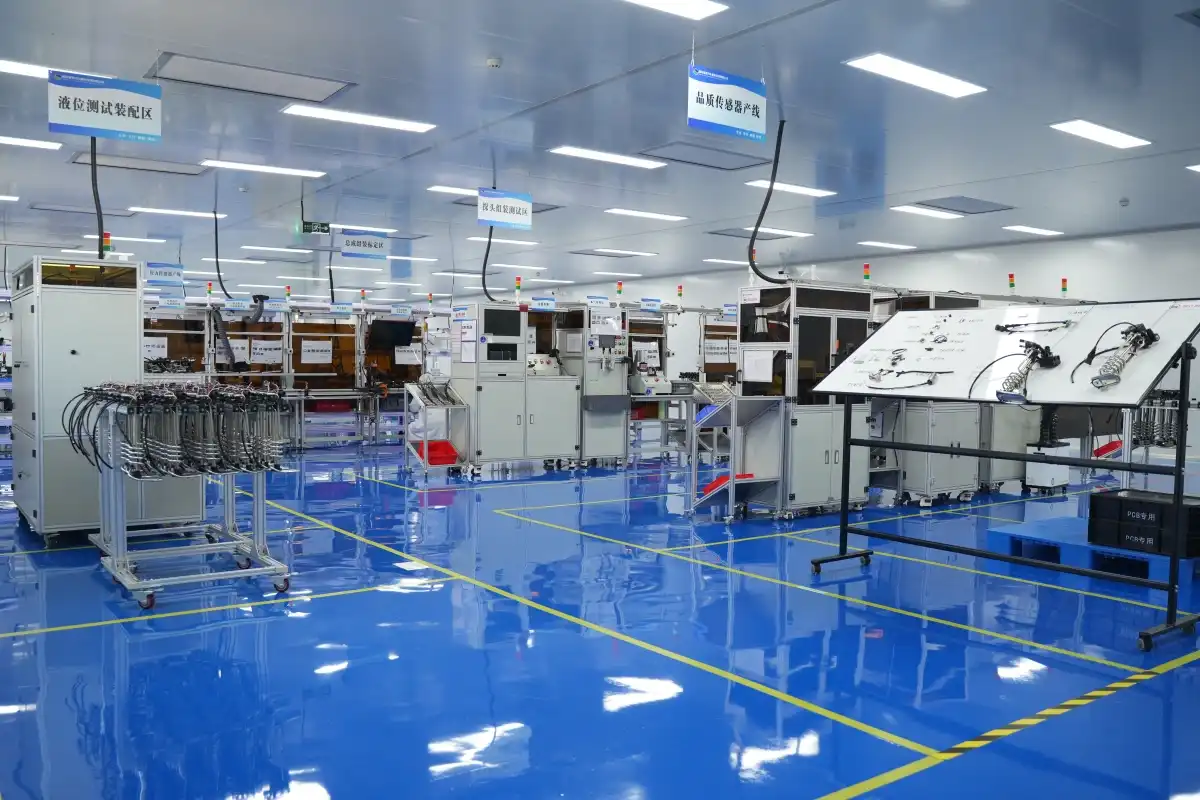
Comparing Diesel NOx Sensors and O2 Sensors for Procurement
Procurement staff must consider performance criteria, pricing, and suppliers while buying these sensors.
Performance Metrics and Regulatory Requirements
Oxygen monitors must be precise for air-fuel ratio management. They may operate in lean or rich combustion and respond in milliseconds. In current systems with several sensors, their failure impacts fuel economy and particle generation but seldom causes rapid compliance breaches. The precision of diesel NOx sensors influences regulatory compliance.
NOx readings must be precise enough to demonstrate pollution below 0.20 g/bhp-hr for EPA certification of heavy-duty engines. During in-use testing, sensor drift of 20–30 ppm might compromise certification. Precision requires cross-sensitivity, temperature adjustment accuracy, and stability. Sensors in building equipment must stay calibrated at -40°C to +850°C and withstand 20G vibrations. These rigorous regulations make high-end diesel NOx sensors 5–10 times more expensive than oxygen sensors.
OEM Versus Aftermarket Considerations
Purchasing managers compare OEM and non-OEM sensors. Bosch, Denso, and Continental OEM diesel NOx sensors have confirmation data proving they fulfill OEM criteria. The connection pin arrangement and ECU software compatibility are included. These firms include installation torque requirements, electrical features, and 12- to 24-month or 100,000-mile warranties.
Fleet operators that utilize several sensors prefer aftermarket sensors since they are 30–50% cheaper. Quality varies greatly. Trustworthy aftermarket providers confirm test cells and maintain ISO/TS 16949 accreditation. Lower-tier manufacturers may employ inexpensive ceramic materials that move over time or scrimp on temperature adjustment. Procurement teams should request cross-sensitivity, reaction time, and heat cycle durability tests before placing large purchases.
Leading Suppliers and Product Differentiation
Several corporations dominate the worldwide market, each with their particular advantages. Bosch diesel NOx sensors are used in construction and mining due to their superior heating control algorithms and heavy-duty connections. Denso products are tiny and fast, making them suitable when packaging space limits sensor placement. Continental has projected diagnostic features that estimate service life based on historical usage. This allows replacement planning.
New Asian suppliers have cheap costs and satisfy Euro VI criteria, but their technical support and delivery networks may be inferior to well-known companies. To calculate total cost of ownership, go beyond unit pricing. You should also know how often items fail, how fast insurance claims are processed, and if cross-reference data is accessible for many brands. Technical assistance must respond rapidly during integration, especially when building sensor interfaces for proprietary SCR systems or modifying pinouts for aftermarket applications.
Procurement Considerations for Diesel NOx Sensors in Global B2B Markets
Diesel NOx sensors for OEM manufacturing lines or aftermarket distribution should meet requirements, have a stable supply chain, and allow technological modification.
Selecting Sensors for Specific Emission Standards
Sensor measurements vary per market according to restrictions. Off-road vehicles must have sensors that can detect NOx levels as low as 0.1 ppm according to EPA Tier 4 Final and diesel NOx sensors that stay accurate for up to 700,000 km according to Euro VI Stage D. China VI standards are similar to Euro VI standards, but they require more cold-start tracking, which requires sensors to respond faster to temperature changes. The measurement ranges, transmission techniques, and connector types vary by location, so purchasers must know the market rules to acquire the proper sensors.
Volume Purchasing and Customization Options
OEMs buying more than 10,000 sensors per year can negotiate connection layouts, cable lengths, and mounting bracket designs. Qintai provides technical support for sensor connection adaption to ECU designs. This allows sensors and electronics to operate smoothly. Sensor calibration factors can be adjusted at the factory for certain catalyst formulae or exhaust system geometry. They are more accurate and require less field testing. In most volume price schemes, discounts start at 5,000 units, then 25,000, then 100,000. For OEMs with just-in-time production schedules, long-term contracts that cover many model years lock in pricing and guarantee part availability. Flexible production is achieved by releasing orders and setting up exchange inventory arrangements with less working capital.
Supplier Evaluation Criteria
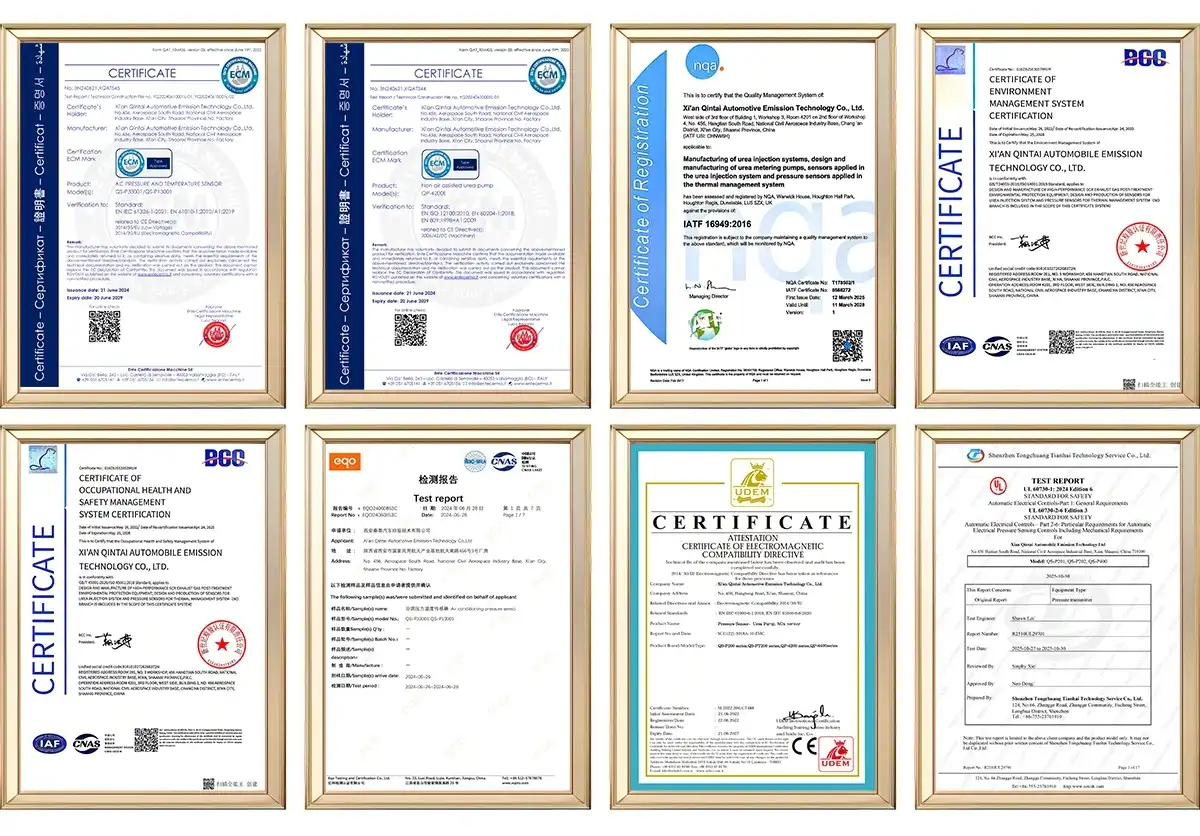
Certification qualifications evaluate sellers. ISO 9001 guarantees fundamental quality, whereas IATF 16949 certifies a developed automobile quality system. Product certifications like EPA clearance letters, Euro VI type-approval papers, and CARB Executive Orders demonstrate compliance. Suppliers should readily provide test findings for temperature changes, vibrations, and electromagnetic fields. After-sales support infrastructure is important when picking a supplier.
Technical hotlines with SCR system integration specialists speed up troubleshooting, and regional warehouses speed up warranty replacements. Clear guarantee conditions that cover production and field issues save unexpected expenditures. Quality, delivery, and technological roadmaps can be discussed at yearly business reviews with important suppliers. Buyers may benefit from new technologies without provider disruptions by partnering with suppliers developing next-generation sensors.
Future Trends and Technological Advances in Diesel Sensor Technologies
As regulations tighten and digital automotive systems are incorporated, pollution detecting technology evolves swiftly.
Material Innovations and Sensor Longevity
Next-generation diesel NOx sensors employ ceramic alloys that are less susceptible to sulfur poisoning and higher thermal shock resistance. These materials increase durability by 30–40%. This helps ultra-low-sulfur gasoline and biodiesel blend users. A better coating keeps sensing elements clean during DPF renewal. Reduces bogus issue codes and lengthens maintenance.
Integration with Telematics and Predictive Maintenance
Modern devices increasingly monitor their own health. Sensors can predict failure weeks in advance by monitoring resistance, reaction time, and heater power usage. Fleet management systems get this data via telematics gateways. Planning repairs beforehand reduces unexpected downtime. Sensors become active asset management components when integrated.
Regulatory Evolution and Procurement Impacts
Euro VII guidelines, which take effect in 2026, will cut passenger car NOx limits to 0.035 g/km and incorporate real-driving emissions testing at more temperatures. Sensors must operate better in low temperatures and switch off lights faster to fulfill these aims. The EPA is also considering ultra-low NOx heavy-duty engine rules. Dual-range monitors that can correctly detect 5–1500 ppm are needed. Procurement teams must engage with manufacturers early on to figure out when new technologies will be available and to obtain the next generation of items needed to produce a new automobile in three to five years.
Conclusion
Knowing how diesel NOx sensors vary from O2 sensors helps procurement and technical managers choose suppliers. Oxygen sensors monitor the air-fuel ratio to promote combustion, while diesel NOx sensors provide accurate pollution management to comply with regulations. These instruments need diverse methods to be acquired since they vary in difficulty, effectiveness, and cost. Assessing suppliers' qualifications, customization, and after-sales support ensures long-term supply chain security. New technologies provide longer-lasting, smarter sensors. Thinking ahead lets buyers satisfy shifting emission regulations while lowering ownership expenses.
FAQ
Q1: What is the primary difference between NOx and O2 sensors?
A: Oxygen sensors measure atmospheric oxygen to improve engine fuel efficiency and particulate management. diesel NOx sensors measure exhaust gas NOx to enable the SCR system perform and fulfill EPA and Euro VI regulations.
Q2: How often should diesel NOx sensors be replaced?
A: Replacement timeframes vary on application difficulty. Highway automobiles endure 200,000–250,000 miles, whereas heavy-duty building equipment may need to be replaced after 150,000 miles. Fuel quality and load frequency determine stationary generator patterns. Sensors typically endure 15,000–20,000 hours.
Q3: Can aftermarket NOx sensors match OEM performance?
A: Quality aftermarket sensors from approved manufacturers can perform similarly when tested. Test results should indicate accuracy, cross-sensitivity, and heat durability. Premium aftermarket sensors are safe and save 30–50%, but OEM sensors are approved for all ECUs and come with technical assistance.
Partner with Qintai for Reliable Diesel NOx Sensor Solutions
Qintai is a trusted diesel NOx sensor manufacturer with over 20 years of experience working with OEMs and aftermarket dealers worldwide. Our industrial-grade sensors fulfill EPA, Euro VI, and China VI requirements and are IATF 16949 and ISO 9001 certified. Leading Chinese OEM supplier. Our research and development allows us adapt sensor interfaces, measurement ranges, and transmission techniques to your pollution control system.
We offer fair rates, open shipping, and stock in important marketplaces to ensure supply for bulk purchases. From connector adaptation to ECU calibration, our engineering team provides comprehensive technical support. Qintai makes sensors for heavy-duty vehicles, building equipment, generator sets, and industrial emissions that are warrantied and tested in severe conditions. Discuss diesel NOx sensor needs with our staff. Get complete specs, sample units, and big order pricing quotes at info@qt-sensor.com. Let us demonstrate how our pollution sensor expertise can benefit your supply chain and ensure product compliance.
References
1. Stone, R. (2022). Brief Overview of Internal Combustion Engines. Fifth Edition. Warrendale, PA, houses SAE International.
2. M. Khair and W. A. Wang. (2023). How to control diesel emissions. 2nd Print. Warrendale, PA, houses SAE International.
3. A look into Selective Catalytic Reduction (SCR) and associated mobile app technology. The 14th SAE International Journal of Engines featured 1371–398.
4. Rules (EU) 2018/858 from the European Parliament and Council on authorizing and monitoring motor vehicles and trailers.
5. US Environmental Protection Agency. (2020). Heavy-duty engine and automobile restrictions reduce new car emissions. 40 CFR Parts 85, 86, and 1036 include the Federal Register.
6. ISO is the International Organization for Standardization. (2021). ISO 11183:2021 measures diesel engine gaseous and particle emissions. Geneva, Switzerland.
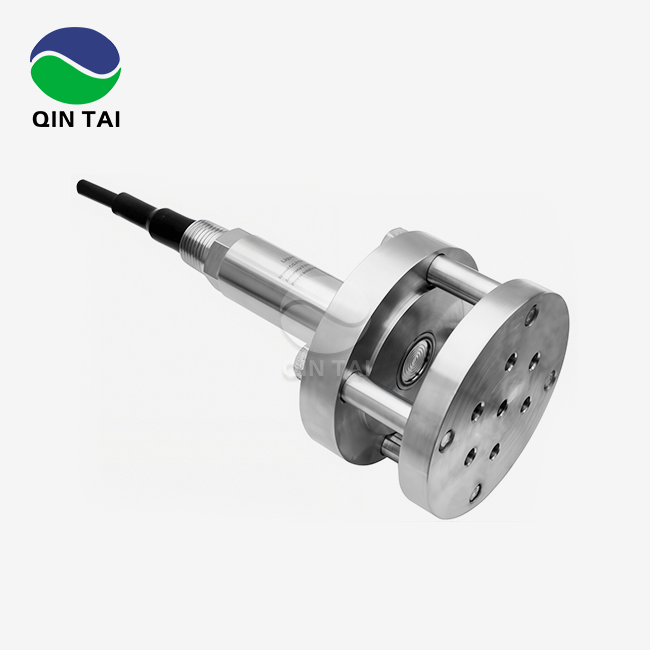
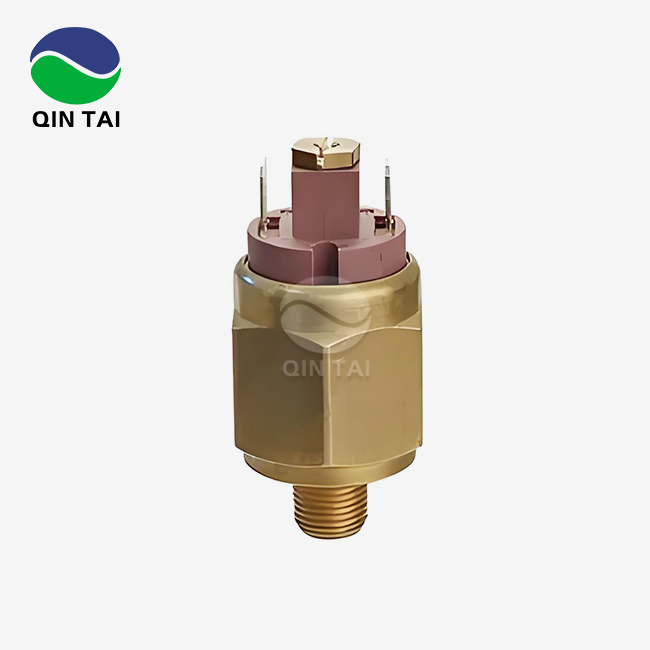
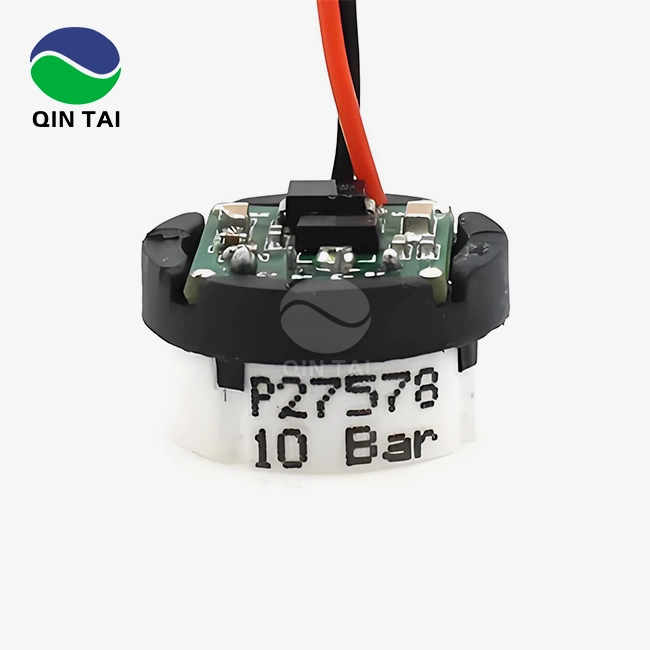
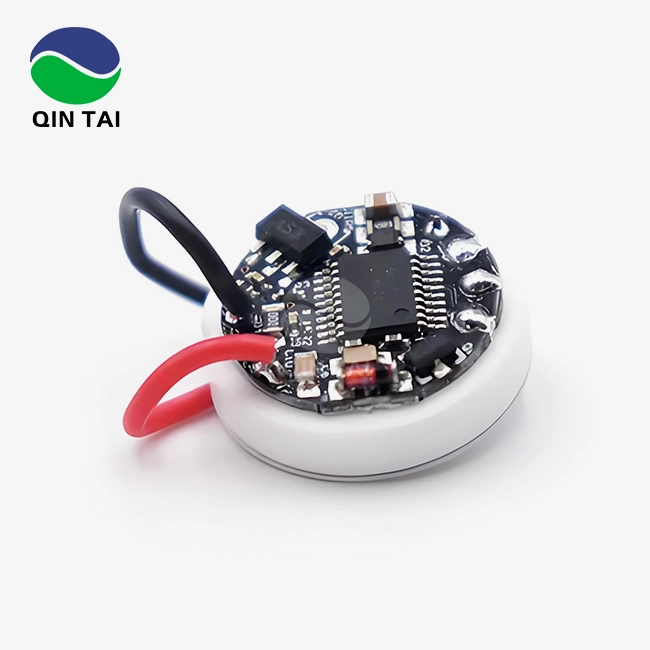

Our customers’ satisfaction speaks for our quality — contact us to experience the same reliable service.