- English
- French
- German
- Portuguese
- Spanish
- Russian
- Japanese
- Korean
- Arabic
- Greek
- German
- Turkish
- Italian
- Danish
- Romanian
- Indonesian
- Czech
- Afrikaans
- Swedish
- Polish
- Basque
- Catalan
- Esperanto
- Hindi
- Lao
- Albanian
- Amharic
- Armenian
- Azerbaijani
- Belarusian
- Bengali
- Bosnian
- Bulgarian
- Cebuano
- Chichewa
- Corsican
- Croatian
- Dutch
- Estonian
- Filipino
- Finnish
- Frisian
- Galician
- Georgian
- Gujarati
- Haitian
- Hausa
- Hawaiian
- Hebrew
- Hmong
- Hungarian
- Icelandic
- Igbo
- Javanese
- Kannada
- Kazakh
- Khmer
- Kurdish
- Kyrgyz
- Latin
- Latvian
- Lithuanian
- Luxembou..
- Macedonian
- Malagasy
- Malay
- Malayalam
- Maltese
- Maori
- Marathi
- Mongolian
- Burmese
- Nepali
- Norwegian
- Pashto
- Persian
- Punjabi
- Serbian
- Sesotho
- Sinhala
- Slovak
- Slovenian
- Somali
- Samoan
- Scots Gaelic
- Shona
- Sindhi
- Sundanese
- Swahili
- Tajik
- Tamil
- Telugu
- Thai
- Ukrainian
- Urdu
- Uzbek
- Vietnamese
- Welsh
- Xhosa
- Yiddish
- Yoruba
- Zulu
NOx Sensor Maintenance Strategies to Improve Emission Compliance
Today's laws need strict pollution compliance. NOx sensors are the initial defense against NOx. They provide real-time data that keeps diesel engines, heavy trucks, and construction equipment in compliance with EPA 2010 and Euro VI. To ensure accuracy, minimize downtime, and avoid expensive fines, emissions compliance sensors, especially NOx sensors, must be maintained regularly. Without adequate maintenance, even the latest sensor technology might fall out of calibration. This can trigger bogus fault codes and compromise emission control systems. Qintai has witnessed strategic maintenance improve sensor performance from problem-solving to compliance-management. This article offers advice on making NOx sensors more dependable, longer-lasting, and compliant.
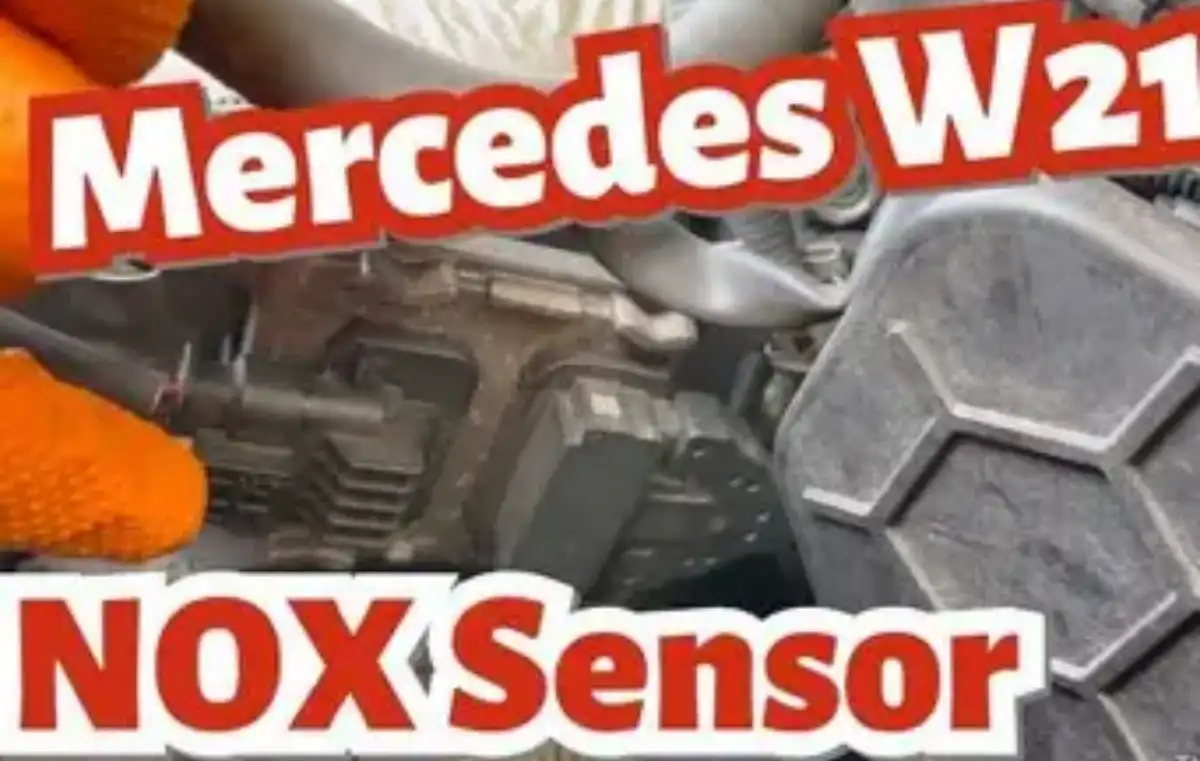
Understanding NOx Sensors and Their Role in Emission Compliance
NOx monitors assess exhaust nitrogen oxide and are accurate instruments in SCR and aftertreatment systems. NOx sensors measure environmental contaminants, unlike oxygen sensors, which measure air-to-fuel ratios. Zirconia-based electrochemical cells distinguish NOx from other exhaust components in these devices. ECU systems can utilize this information to adjust urea levels for optimal catalytic conversion.
Why NOx Sensors Matter for Regulatory Compliance?
Global emission limitations for nitrogen oxides, which produce smog and harm health, are high. The EPA limits NOx emissions to 0.20 grams per brake horsepower-hour for heavy-duty engines. All European markets have Euro VI restrictions. Constant tracking by NOx sensors allows engines react fast to fuel quality, load, and temperature changes. Sensor failures or incorrect results might cause DPF and SCR system failures. This produces excessive emissions and engine deceleration.
Differentiating NOx Sensors from Other Emissions Monitoring Devices
NOx sensors just measure pollution, whereas urea pressure sensors ensure the proper quantity of AdBlue is provided and diesel exhaust temperature sensors safeguard aftertreatment equipment. Sensors that detect exhaust gas temperature between -40°C and +150°C prevent thermal runaway during DPF renewal. Fuel rail pressure sensors monitor combustion efficiency but don't record emissions. Because they are so specialized, NOx monitors must ensure that emission-control technologies function and don't only help.
Applications Across Commercial and Industrial Vehicles
Urban heavy-duty package delivery vehicles start and stop their engines often, straining their pollution systems. Construction equipment in mines encounters dust and shocks that degrade sensors. Agricultural equipment's load fluctuates seasonally, therefore sensors must be accurate during low- and high-use. Generator sets used as backup power must be reliable to stay put. Off-road equipment mounting that doesn't shake and naval generator rust protection require separate maintenance.
Key NOx Sensor Maintenance Strategies to Enhance Performance
Sensors need regular maintenance to avoid unexpected failures that might halt operations. We recommend coordinated inspection procedures depending on operational activities and environmental exposure.
Establishing Inspection Schedules Based on Usage Patterns
Fleets that move often should check their emissions compliance sensor every 50,000 kilometers, whereas stationary generator sets can wait 1,000 hours. Technicians examine electrical cables for corrosion, secure sensors, and check DTCs for intermittent failures during inspections. Carbon accumulation or heat staining on sensor tips indicate failure. Keeping inspection results helps determine when to replace sensors before they cease working.
Cleaning Techniques for NOx Sensor Longevity
Sensor measurements are affected by soot. This can cause ECUs to overdose urea or start regeneration prematurely. Controlled compressed air is better for tiny particle removal, although sensor type matters. Chemical cleaning with specific solvents removes stubborn deposits without damaging ceramics or protective housings. Abrasive procedures that scrape sensor surfaces and leave small holes where contaminants can reside permanently are not advised. Testing equipment ensures that cleaned signals operate before resuming operation.
Troubleshooting Common NOx Sensor Faults
Signal drift is tiny changes between what the sensor broadcasts and receives over time. This is mainly caused by sensor reference cell aging. Road debris and rats damage electrical connections, causing intermittent open circuits that confound monitoring equipment. Unmeasured air from exhaust leaks before the sensors affects NOx values and causes false-positive compliance to fail. Systematic troubleshooting begins with comparing standard sensor output to known good equipment. Exhaust system pressure and wire continuity testing follow.
Installation and Calibration Best Practices
Sensors that leak exhaust gases and devices that harm closing washers may be avoided by using the proper torque requirements. Sensor placement in exhaust streams matters. Sensors downstream of DPF systems incur too much backpressure during regeneration, while those near turbochargers experience heat shock. OEM diagnostic tools calibrate sensor values in a controlled setting. This helps identify drift during subsequent maintenance. We recommend exhaust-temperature anti-seize chemicals for quicker removal without thread damage.
Understanding Sensor Lifespan and Replacement Triggers
Most NOx sensors normally last 160,000 kilometers. Their lifetime may be reduced to 100,000 kilometers under severe conditions. When sensor reaction times exceed the manufacturer's tolerance, like with sluggish load adapting ECUs, replacement is required. No matter the mileage, road hazards or exhaust system issues require immediate replacement. Proactive replacement techniques measure sensor costs against fines for breaking the laws. Replacements before sensors fail during traffic inspections are generally wise.
Comparing NOx Sensor Technologies and Choosing the Right Solution
Choosing the proper sensor technology requires balancing efficiency, affordability, and system compatibility.
Technological Variations in NOx Sensor Design
Two chambers separate oxygen and NOx detection in modern emissions compliance sensor monitors. This improves accuracy when exhaust makeup varies. Although cheaper, single-chamber sensors can be impacted by ammonia slip in SCR systems, reducing their accuracy. Wide-band NOx sensors respond faster, making them ideal for transient emissions testing. Narrow-band sensors are better for steady-state applications like stationary generators. Knowing these distinctions helps procurement managers match sensor capabilities to real operations instead of over-specifying for anticipated outcomes that may not happen.
Performance Benchmarks Across Leading Brands
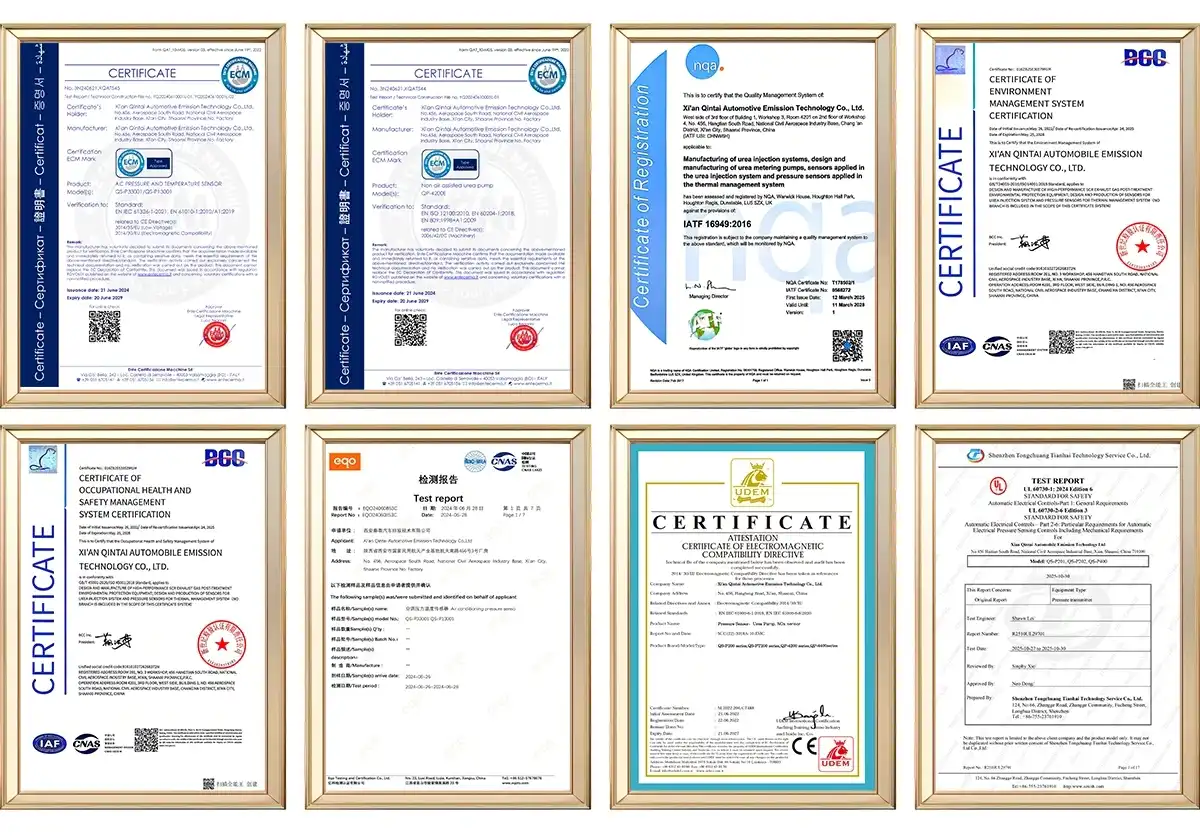
The most popular OEM NOx monitors are Bosch since they can withstand severe temperatures and are unaffected by sulfuric fuel compounds. Denso variations make compact packages that fit in tight spaces. Continental sensors' innovative tools simplify troubleshooting for all technicians. Delphi products are affordable for secondary usage when purchase price is more significant than ownership cost. Cheap Qintai sensors are as dependable as OEM ones. ISO9001 and IATF16949 standards ensure sensor quality, which pleases buying teams.
Matching Sensor Specifications to Application Requirements
Urban delivery cars need fast sensor responses to capture short-lived pollution peaks when speeding. Long-haul tractors benefit from sensors that require more time between services during cross-country travels, reducing maintenance. Mining tools require durable housings that can withstand shaking and dust. Phosphorus-tolerant monitors are needed for biodiesel-powered agricultural equipment. These application-specific considerations assist restrict sensor selections beyond catalog requirements to tackle real-world practical difficulties.
Procurement and Supply Chain Considerations for NOx Sensors
Good supply chain management ensures sensors are available without high storage or emergency shipment costs.
Strategies for Bulk Purchasing and Supplier Partnerships
Buy emissions compliance sensors in bulk from manufacturers to save 15–30% on each unit. When silicon chip shortages or worldwide issues produce market shortages, long-term supply partnerships ensure product availability. We develop OEM connections by offering flexible minimum order quantities that allow manufacturing plan adjustments at reasonable prices. Technical coordination throughout product development ensures that sensor parameters match evolving engine designs to avoid costly production ramp-up adjustments.
Warranty Coverage and Replacement Parts Availability
Full warranty plans cover sensor failures caused by manufacturing problems rather than wear and tear. Standard coverage is 24 months or 100,000 kilometers, however clients can extend it for risk reduction. Distributors who carry replacement components nearby reduce downtime from weeks to days when sensors fail. Qintai has North American and European distribution hubs. Most sensor kinds may be delivered following business day by these facilities, ensuring fleet efficiency.
Managing Lead Times and Logistics Efficiency
Standard NOx sensors ship within 48 hours of confirmation. Adjustments for individual usage require 4-6 weeks for manufacturing equipment and quality assurance. Average shipping time from Asian manufacturing to US distribution centers is 28 days. Thus, annual demand fluctuations must be anticipated. Air freight expedite decreases flight time to 72 hours but triples handling expenses, so only use it in crucial downtime. A safety stock level of 30 days of regular consumption protects against supply chain disruptions without locking up too much capital in inventories.
Advanced Maintenance Tips and Future Trends to Maximize Sensor Efficiency
New technologies are replacing planned maintenance with predictive analytics that can anticipate and resolve issues.
Leveraging IoT and Telematics for Predictive Maintenance
Central tracking systems get real-time NOx sensor data from connected cars. Algorithms can detect performance decline trends that humans cannot. Machine learning methods use signal noise to predict sensor failure 500 to 1,000 hours in advance. This allows replacements to be scheduled during normal service rather than on the roadside in an emergency. Telematics integration lets fleet managers monitor hundreds of car sensors from a dashboard. They can focus maintenance on devices displaying early danger indicators and lengthen sensor service intervals.
Emerging Sensor Materials and Integrated Designs
The latest generation of sensors can function from -50°C to +900°C due to their thermal shock-resistant ceramic surfaces. NOx, PM, and ammonia slip tracking are integrated in one building. This simplifies installation and decreases system cost. Silicon carbide electronics replace silicon elements, allowing sensors to perform in harsher circumstances without cooling. This material innovation will let the sensors live 50% longer than before while maintaining accuracy during prolonged use.
Embedding Long-Term Maintenance Best Practices
Effective maintenance plans include scheduled repairs and condition-based servicing based on sensor performance data. Documentation systems that maintain sensor data throughout a vehicle's lifespan demonstrate trends linking operational characteristics to quicker wear. This information aids preventative measures like exhaust system upgrades and fuel improvements. Training technicians in diagnostic procedures reduces the frequency of incorrect diagnoses that spend resources on replacing functional sensors. Instead of setting inventory rules, maintenance and buying departments may collaborate to create the optimum substitute component stocking plans based on real-world failure data.

SENSOR+TEST, June 9 – 11, 2026
We look forward to your visit,warmly welcome to our booth 1-634!
Get your free ticket online now:
https://www.sensor-test.de/service/ticket/?52790
Conclusion
Strategic NOx sensor maintenance affects diesel-powered fleets and industrial equipment pollution compliance, operating downtime, and total cost of ownership for every emissions compliance sensor. Regular inspections, proper cleaning, and sensor replacement can prevent costly compliance failures and extend their lifespan. Using the proper technology and matching the sensor's powers to the application increases performance and cost. Supply chain relationships with authorized emissions compliance sensor manufacturers ensure that spares are always accessible and that customers may obtain professional advice for the life of a device. IoT diagnostics and novel sensor materials will improve pollution control systems as predictive maintenance technologies improve. Companies that prioritize regular sensor repair can fulfill changing legal requirements with minimal operational disruptions.
FAQ
Q1: How often should NOx sensors be inspected?
A: How awful the application is and the regulations determine how often you inspect. City-based heavy-duty autos should be examined every 50,000 kilometers, and stationary generator sets every 1,000 hours. Construction equipment in dusty mines must be examined every three months due to quicker contamination, regardless of mileage. Fleet managers should follow manufacturer-recommended baseline inspection plans. They should then adjust depending on prior failure data and diagnostic issue codes in their vehicle group.
Q2: What causes premature NOx sensor failures?
A: Thermal shock from sudden temperature changes, chemical contamination from sulfur compounds in substandard diesel fuel, and physical damage from road debris or improper installation are major causes of failure. Sensors are clogged by soot from incomplete burning and unmeasured oxygen from exhaust leaks ahead of them. Moisture in rusted joints or wire harnesses rubbing against automobile parts cause electrical difficulties. Improved gasoline quality, exhaust system repair, and proper installation can extend sensor life.
Q3: Can NOx sensors be cleaned and reused?
A: Many NOx sensors may be thoroughly cleaned to remove surface particles and restore functionality, but the kind of contamination and sensor design determine their performance. Compressed air and specific cleaning solutions may remove light soot, extending service life by 20,000 to 30,000 kilometers. Replacement is needed because heavy carbon buildup or chemical poisoning from leaded gasoline additives damages sensor elements permanently. The accuracy of recovered sensors is validated after cleaning using diagnostic instruments. We recommend cleaning as a temporary remedy while you prepare a permanent sensor replacement.
Partner with Qintai for Reliable Emissions Compliance Sensor Solutions
Industrial-grade NOx sensors from Qintai are for business cars and stationary electricity. We use ISO9001 and IATF16949-certified manufacturing procedures to maintain quality from prototypes to mass production. As the principal OEM provider to Weichai Power, Yuchai Power, and Quanchai Power, we know how difficult it is for procurement managers to balance performance consistency and cost competitiveness daily.
From sensor selection to installation, troubleshooting, and warranty management, our experts assist applications. We retain ready-to-ship supplies in North America and Europe to promptly ship normal models and help clients with special needs. If you require an emissions compliance sensor provider for fleet retrofits or alternative choices for new engine programs, Qintai provides the technical expertise and trusted supply chain. Contact info@qt-sensor.com to discuss your application needs and receive volume and shipping prices.
References
1. United States Environmental Protection Agency (2023). Heavy-Duty Highway Compression-Ignition Engines and Urban Buses – Exhaust Emission Standards. EPA Emission Standards Reference Guide.
2. Society of Automotive Engineers International (2022). SAE J2403: NOx Sensor for On-Board Diagnostics of NOx Emission Control Systems. SAE Technical Standards Board.
3. International Council on Clean Transportation (2023). Real-World Emissions Performance of Heavy-Duty Diesel Vehicles Equipped with SCR Systems. ICCT White Paper Series.
4. Diesel Technology Forum (2022). Best Practices for Diesel Emissions Control System Maintenance. Industry Technical Guidelines.
5. European Automobile Manufacturers Association (2023). ACEA Position Paper on NOx Sensor Technology Requirements for Euro VI Compliance. Brussels: ACEA Publications.
6. National Renewable Energy Laboratory (2022). Diesel Exhaust Aftertreatment System Durability and Performance Assessment. NREL Technical Report NREL/TP-5400-84219.


Our customers’ satisfaction speaks for our quality — contact us to experience the same reliable service.