- English
- French
- German
- Portuguese
- Spanish
- Russian
- Japanese
- Korean
- Arabic
- Greek
- German
- Turkish
- Italian
- Danish
- Romanian
- Indonesian
- Czech
- Afrikaans
- Swedish
- Polish
- Basque
- Catalan
- Esperanto
- Hindi
- Lao
- Albanian
- Amharic
- Armenian
- Azerbaijani
- Belarusian
- Bengali
- Bosnian
- Bulgarian
- Cebuano
- Chichewa
- Corsican
- Croatian
- Dutch
- Estonian
- Filipino
- Finnish
- Frisian
- Galician
- Georgian
- Gujarati
- Haitian
- Hausa
- Hawaiian
- Hebrew
- Hmong
- Hungarian
- Icelandic
- Igbo
- Javanese
- Kannada
- Kazakh
- Khmer
- Kurdish
- Kyrgyz
- Latin
- Latvian
- Lithuanian
- Luxembou..
- Macedonian
- Malagasy
- Malay
- Malayalam
- Maltese
- Maori
- Marathi
- Mongolian
- Burmese
- Nepali
- Norwegian
- Pashto
- Persian
- Punjabi
- Serbian
- Sesotho
- Sinhala
- Slovak
- Slovenian
- Somali
- Samoan
- Scots Gaelic
- Shona
- Sindhi
- Sundanese
- Swahili
- Tajik
- Tamil
- Telugu
- Thai
- Ukrainian
- Urdu
- Uzbek
- Vietnamese
- Welsh
- Xhosa
- Yiddish
- Yoruba
- Zulu
How to Reduce NOx Sensor Failures Through Proper Maintenance
NOx sensor maintenance helps diesel engines comply with China VI and Euro VI emission standards. Diesel engine manufacturers and aftertreatment system installers may reduce sensor failures and maintain system functionality with frequent inspections, proper installation, and environmental protection. This technology extends sensor life, improves Selective Catalytic Reduction (SCR) system efficiency, reduces unexpected downtime, and lowers heavy vehicle, construction, agricultural, and generator set overall ownership costs.
Understanding Global B2B Procurement Challenges in Emission Control Systems
Finding diesel engine pollution control parts is harder than ever for procurement professionals. Rapidly changing regulatory regimes in North America and Europe tighten regulation. Heavy vehicle OEM supply chain managers must balance certification with cost control while maintaining mass manufacturing. Problems with the supply chain have indicated poor sensor purchase practices. Many buying managers realized that their backup suppliers lacked IATF16949 certification or SCR interfaces. Sensor integration takes longer when sensor requirements didn't match ECU transmission techniques, resulting in costly redesign cycles.
Special issues arise in the service area. Repair shops and parts vendors must provide a variety of parts for multiple automotive platforms, but sensor compatibility makes it difficult to choose. When a sensor fails in remote building equipment, supply speed is as crucial as price. Generator set builders for mines hate idle backup power system wait periods. Environmental compliance complicates matters. OBD standards require real-time NOx conversion efficiency monitoring. The precision of the sensors affects obeying the guidelines. Technical divisions evaluate suppliers based on failure rate and adaptability, while buying departments analyze volume-based rates. Management values a supplier's history and potential for collaboration. These issues are related and need procurement techniques that involve supplier transparency, technical testing, and risk mitigation.
Strategic Sourcing and Supplier Management for Critical Emission Components
Good seller reviews start with certification verification. The ISO9001 and IATF16949 standards demonstrate that the quality management system can produce vast quantities of consistent quality. CMC, CE, REACH, and RoHS-certified suppliers obey the standards in various areas, reducing import risks and responsibility concerns. Performance tracking goes beyond delivery. It also covers technical support response time. Supplier engineering teams should be able to change settings under short development deadlines when SCR system designers encounter sensor compatibility issues during prototyping. Technical managers like suppliers that offer application-specific testing results and integrate, which speeds system validation.
You need many certified sources to reduce danger, especially when planning NOx sensor maintenance. Only utilizing one supplier increases risk, but employing several without screening them increases quality fluctuation. This is best done by building partnerships with makers that invest heavily in R&D, as indicated by concept patents and independent engineering. Stable suppliers have 20 years or more in business and relationships to diesel engine manufacturers.
Data analytics solutions identify early warning patterns, track sensor batch failure rates, and link performance to operational contexts to aid sourcing. Supplier systems with real-time inventories and technical papers speed up purchase. This is especially true for aftermarket dealers managing several items. Suppliers must collaborate on development initiatives to form strategic ties. Generator set producers collaborate with sensor vendors to design parts for high-temperature environments. This cooperation technique reduces field failures and boosts firm competitiveness.
Leveraging Technology in Procurement Processes
Modern purchasing systems integrate supplier performance data with predictive analytics. This helps purchasing managers estimate part quantities based on production plans and usage trends. Automation technologies simplify buy order processing, reducing routine work and specification errors. By keeping test findings, compliance documentation, and certification proof in one location, e-procurement solutions simplify things. When auditors or technical teams review sensor specs during equipment certification, instant access to supplier documents facilitates clearance.
Digital integration expertise from tech-savvy suppliers are valuable. Modern NOx sensors use established protocols to communicate with signal conditioning circuits and ECUs. Installation and testing can be faster when vendors provide thorough technical documents, diagnostic tool compatibility information, and software setup assistance.
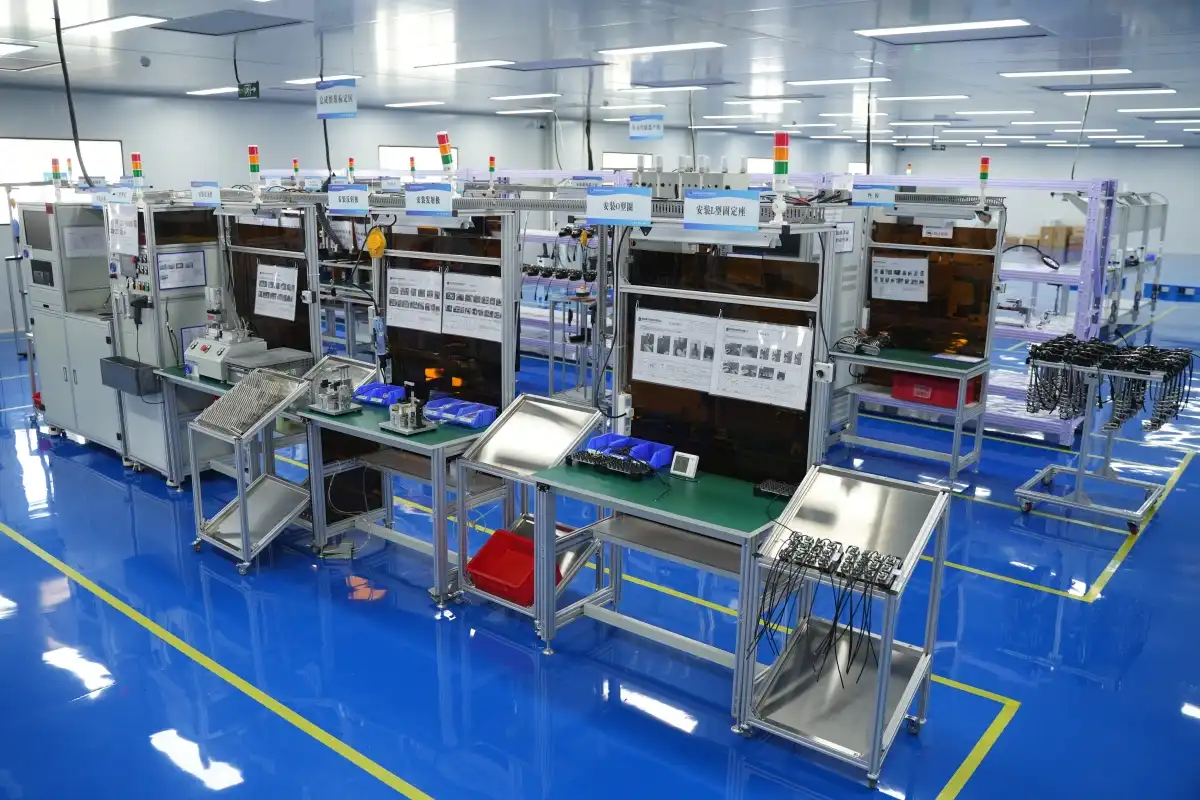
Artificial intelligence is used in procurement to analyze market pricing trends, develop cost-saving sourcing arrangements, and predict supply issues based on geopolitics. These technologies help buyers make faster judgments in shifting global markets. Working with providers who invest in manufacturing technology ensures consistent output, which OEMs need for large production. Automated testing equipment checks sensor function before shipping. This reduces production-stopping faults.
Compliance, Risk Management, and Sustainability
Regulatory compliance is managed throughout the supply chain. Diesel engine manufacturers selling in several markets require sensor vendors who know local approval regulations. Knowing EPA standards, European type approval processes, and Chinese certification techniques reduces the danger of violating them and streamlines market entrance. Supplier audits should include quality and environmental practices. Corporate social responsibility issues are becoming more relevant in OEM purchasing decisions as stakeholders drive them to make supply chains more sustainable. Suppliers who eliminate waste, promote energy economy, and responsibly source materials support these aims.
Risk management must include component failure. To comply with pollution regulations, monitor technology must evolve. Suppliers provide OEMs with technological roadmaps to plan product modifications and maintain stock current when they commit to R&D. Those with 58 or more product patents demonstrate innovation, which helps long-term relationships.
Trade regulatory changes usually cause issues. Tariffs, export regulations, and trade agreements affect landing costs and delivery reliability. Having factories or partnerships in many regions reduces the risk of conducting business in one nation. Along with cost and quality, source assessment matrices also include environmental and social control considerations. Suppliers that disclose their environmental initiatives and production methods help purchasing teams balance these priorities.
Core Maintenance Practices That Prevent Sensor Failures
NOx sensor maintenance requires knowledge of how they break. Sensors perform in hostile exhaust settings with temperatures exceeding 600°C, pollutants, humidity, and mechanical vibrations. The zirconia ceramic sensor element fails due to high temperatures, poor DEF quality, or fitting damage. Field failures are greatly reduced by pre-installation checks. Checking the automobile side connections for corrosion, ensuring sure the wiring harness is intact, and cleaning the exhaust system mounting threads helps prevent fitment issues. Leaving the protective caps on until they are fitted keeps the sensing element clean during storage and handling.
Installing anything correctly requires following the manufacturer's torque guidelines. Too much torque damages ceramic parts, while too little torque causes exhaust leaks that contaminate sensors and give false data. Shaking can damage harnesses, therefore cables must be routed away from heat sources and sharp edges and secured with the original fastening clips. Grease or spray oils contaminate sensor elements, causing premature failure. Using troubleshooting tools to make modifications after installation ensures ECU communication. Adding additional sensors to the engine's management system using SCN coding sets precise NOx measurement standards. To restart the device, issue codes must be cleared and stable readings confirmed.
Regular maintenance plans should include sensor checks at service intervals. Visual inspections might reveal damaged cables, rusted connections, and exhaust system leaks that reduce sensor performance. Diagnostic scans can detect conversion efficiency loss before fault codes and engine derate circumstances by comparing sensor values upstream and downstream. Managing condensation protects sensors with short task cycles or frequent cold starts. Thermal stress from exhaust moisture damages ceramic parts when sensors heat up fast. Follow engine warm-up routines and empty the exhaust system to extend sensor life in these working conditions.
DEF quality control prevents contaminants from sticking to sensors. Clean DEF storage systems and certified Diesel Exhaust Fluid protect SCR catalysts and sensors. DEF contamination generates layers that make NOx measurement tougher. This causes excessive DEF and sensor failure. Environment affects maintenance. Equipment utilized on dusty construction sites needs more frequent connection checks and cleaning. Generator sets in naval or seaside situations corrode faster, requiring greater protection and replacement. Sensors can be protected during storage of seasonal agricultural equipment.
Recognizing Warning Signs and Implementing Corrective Actions
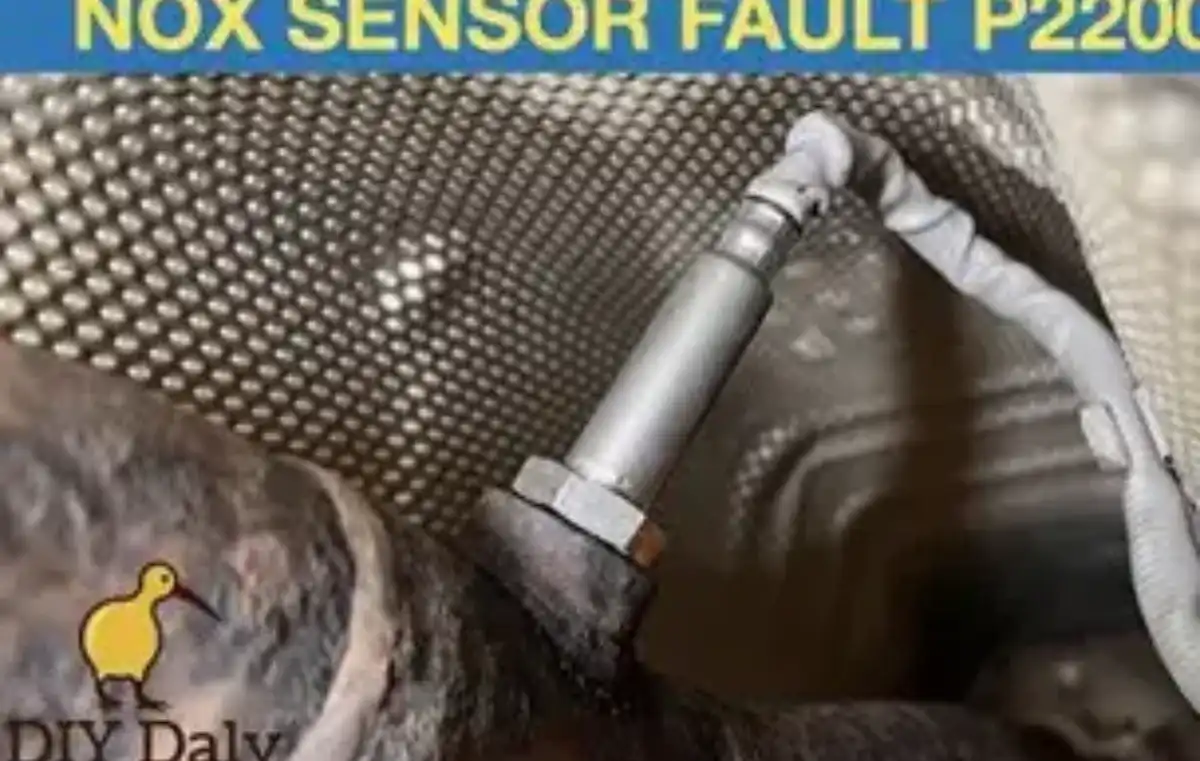
Early sensor degradation detection prevents system malfunctions. Dashboard warning lights indicate sensor faults, although fault codes typically trigger before performance changes. Since DEF use has increased, monitors are reporting incorrect readings, resulting in too much urea injection. Sensor issues may cause SCR system failure when engine power or fuel economy decrease. Diagnostic problem numbers specify the issue. Codes that indicate sensor readings, circuit issues, or conversion efficiency failures are used to troubleshoot. If one sensor deviates from projected values, you can discover the faulty section by comparing live data streams from upstream and downstream sensors.
Besides electrical tests, physical observation is useful. Discolored sensor housings indicate exhaust leak or catalyst heat. Sensor elements with white crystalline coatings reveal DEF contamination. Fault codes that come and go are often caused by cable damage, bent sensor threads, or poor electrical connections, making investigation harder. Replacement with OEM-equivalent sensors that have been validated will ensure system compatibility.
Uncertified aftermarket sensors may produce inaccurate data that make emissions regulations difficult to satisfy and void equipment warranties. Checking part numbers against equipment standards prevents costly errors. Good documentation aids fleet management. Write down sensor installation dates, failure methods, and failure times to detect trends. If a fleet's sensors fail too rapidly under specific scenarios, they can modify their maintenance frequency, investigate practical variables that accelerate wear, or consider different sensor specs that would function better.
Technical Specifications and Performance Optimization
Knowing how sensors are assembled helps repairmen locate failure points during NOx sensor maintenance. The zirconia ceramic cell detects oxygen ion concentration to measure NOx in the air. This electrolytic process requires careful temperature control. Built-in warming components allow this. When heaters fail, sensors can't achieve operating temperature, causing errors and problem codes. Signal conditioning circuits convert sensor data into ECU-readable signals. Bad wires or grounds cause electrical noise, which messes up these signals and causes occasional issues. Sensors become more dependable with regular electrical system maintenance, such as battery and alternator checks.
Sensor location influences performance and lifespan. Sensors located near turbochargers experience high temperatures. However, exhaust cooling reduces measurement accuracy when sensors are too far downstream. The OEM assembly instructions ensure the sensors perform within their design limitations. Different sensors require different calibrations. When the engine is off, several sensors self-calibrate using atmospheric measurements.
Upstream exhaust leaks cause calibration shift by preventing accurate atmospheric sampling. Proper exhaust system maintenance maintains sensor accuracy throughout their lifespan. Compatibility concerns influence software interfaces. Engine ECUs from various manufacturers communicate and store data differently. Sensors must meet ECU specifications for data transfer. Custom SCR system integrators need sensors with ECU platform-compatible interface settings.
Partnering with Reliable Sensor Manufacturers for Long-Term Success
Choose companies with a track record in diesel emission control technologies to ensure high-performance parts. Key suppliers to major diesel engine manufactures must demonstrate their ability to support high-volume OEM manufacturing with excellent output. In this niche, vendors excel in technical support. Technicians can quickly resolve integration issues during SCR system development. Application-specific testing, compatibility validation, and setup assistance reduce development risks and product launch pressure when providers supply them.
Manufacturing certifications assure quality objectively. IATF16949 certification covers statistical process control, measurement system analysis, and manufacturing part approval procedures for automobile quality management. These systems ensure sensors fulfill reliability, performance, and physical restrictions regardless of production. Salespeople who invest in innovation are likely to last. R&D-funded companies develop sensor technology that comply with evolving pollution laws. Intellectual property portfolios with many concept patents demonstrate technical expertise and provide you an edge in enhancing performance, durability, and cost.
Global delivery networks enable international trade. Multi-continental suppliers may provide multinational OEMs more localized technical support, faster shipment, and easier handling. Regional storage reduces wait times, which is crucial for aftermarket wholesalers who must complete orders rapidly. Free customization suits unique uses. Mining generator set builders require monitors that can withstand shaking and pollution. Agricultural machinery OEMs seek solutions for lengthy storage and seasonal operation trends. Suppliers that enable engineers adjust specifications provide parts for these harsh conditions.

SENSOR+TEST, June 9 – 11, 2026
We look forward to your visit,warmly welcome to our booth 1-634!
Get your free ticket online now:
https://www.sensor-test.de/service/ticket/?52790
Conclusion
Complete care plans that include NOx sensor maintenance, placement, regular inspection, and environmental protection can reduce NOx sensor failures. Understanding sensor construction, recognizing early warning indications, and preventing failure helps extend part life and maintain emission limits. Strategic supply agreements with competent manufactures that give technical assistance, customization, and proven quality systems make diesel engine usage reliable and long-lasting.
FAQ
Q1: How often should NOx sensors be inspected during routine maintenance?
A: How often you inspect depends on how awful and where the software is utilized. Heavy-duty autos that travel far should have their sensors examined every 50,000 miles or annually during normal maintenance. Construction equipment used in dusty environments should be evaluated every 500 hours for connections and cable stability. Generators used exclusively while not in use must be examined before the busy season. Diagnostic scans at regular service periods detect performance decline before it appears. Replace parts before they break suddenly.
Q2: What causes most NOx sensor failures in diesel applications?
A: Thermal stress from condensate contact, DEF contamination, and installation damage cause most failures. When dampness touches heated ceramic sensor parts, temperatures change fast. This generates fissures that reduce measuring accuracy. Diesel exhaust fluid pollutants clog sensor parts and disrupt electrical operations. Bad fitting procedures, such as employing too much force, bending the wires, or putting dirt on them, cause many early failures. Exhaust leaks upstream of equipment allow in atmospheric air, skewing results and accelerating deterioration.
Q3: Can NOx sensors be cleaned or must they be replaced when contaminated?
A: Most NOx sensors can't be cleaned if dirt gets inside the ceramic detecting element. The electrochemical measuring principle requires pristine surfaces that can't be cleaned without harming delicate parts. Outside deposits on housings or joints can be carefully cleaned, but contamination within requires replacement. Fixing sensors is less beneficial than preventing issues by maintaining the exhaust system, installing everything correctly, and using appropriate DEF. Using authorized OEM-equivalent components to replace obsolete ones ensures precise measurements and system compliance.
Q4: How do I verify NOx sensor compatibility with different SCR system configurations?
A: It must fulfill physical dimensions, electrical connector arrangement, ECU transfer protocol, and measurement range to be compatible. OEM parts catalogs allow straight replacement. Custom SCR system integrators need sensors with adjustable interface settings and signal output data. Dependable sensor manufacturers provide compatibility grids that illustrate how different sensor models function with engine systems and ECUs. Before buying, ask vendors for application engineering advice to match standards.
Partner with Qintai for Superior NOx Sensor Solutions and Maintenance Support
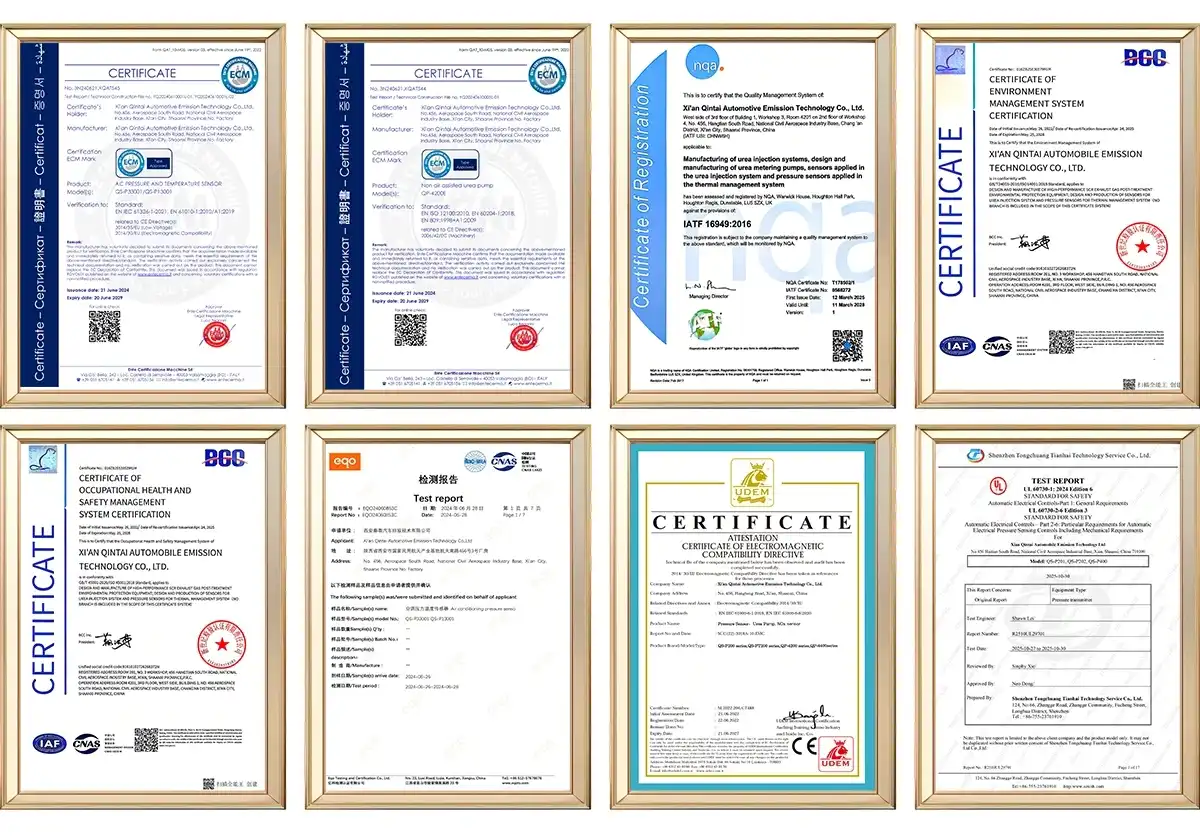
China's largest NOx sensor seller, Qintai, has over 20 years of diesel engine aftertreatment expertise. Our sensors are engineered to last and perform correctly for heavy vehicles, building equipment, farm tools, and generator sets. Our ISO9001, IATF16949, CMC, Ex, UL, CE, REACH, and RoHS certifications ensure quality security that satisfies OEM standards. A primary supplier to Weichai, Yuchai, and Quanchai Power, we hold 58 innovation patents. We can support both conventional apps and unique solutions to business challenges using our technological skills. Contact our technical team at info@qt-sensor.com to learn how Qintai's NOx sensor manufacture and maintenance expertise may help you maximize pollution control system performance and minimize total cost of ownership.
References
1. Johnson, M. & Williams, R. (2022). Diesel Engine Emission Control Systems: Design, Operation and Maintenance. Society of Automotive Engineers International.
2. Chen, L., Zhang, H., & Liu, Y. (2021). "Failure Analysis of Automotive NOx Sensors in Heavy-Duty Diesel Applications," Journal of Emission Control Science and Technology, 7(3), 245-261.
3. European Automobile Manufacturers Association. (2023). Guide to Selective Catalytic Reduction System Maintenance and Component Longevity. ACEA Technical Report 2023-04.
4. Mitchell, K. (2022). "Optimizing SCR System Performance Through Preventive Sensor Maintenance," Diesel Progress North American Edition, 88(5), 34-39.
5. American Trucking Associations Technology & Maintenance Council. (2023). Recommended Practice for NOx Sensor Installation and Service. TMC RP 1138A.
6. Zhang, W., Kumar, S., & Anderson, P. (2021). Advanced Diagnostics for Diesel Aftertreatment Systems: Sensor Technologies and Failure Prevention Strategies. International Council on Clean Transportation White Paper.
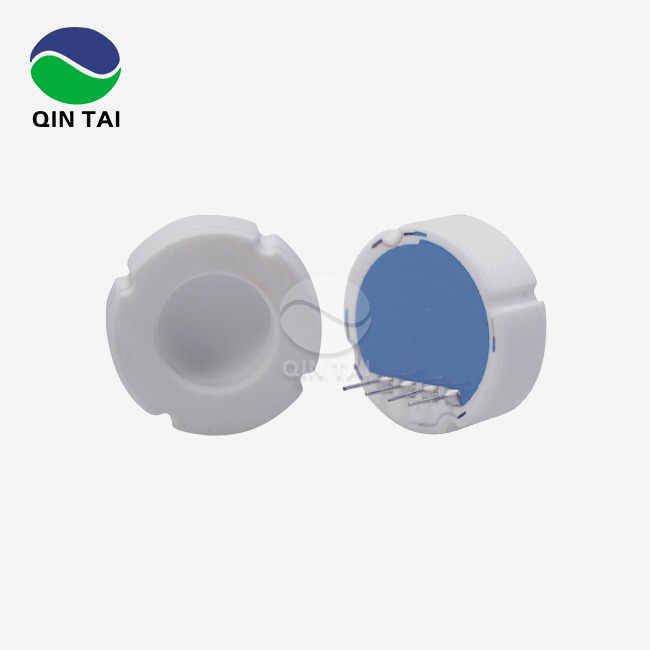
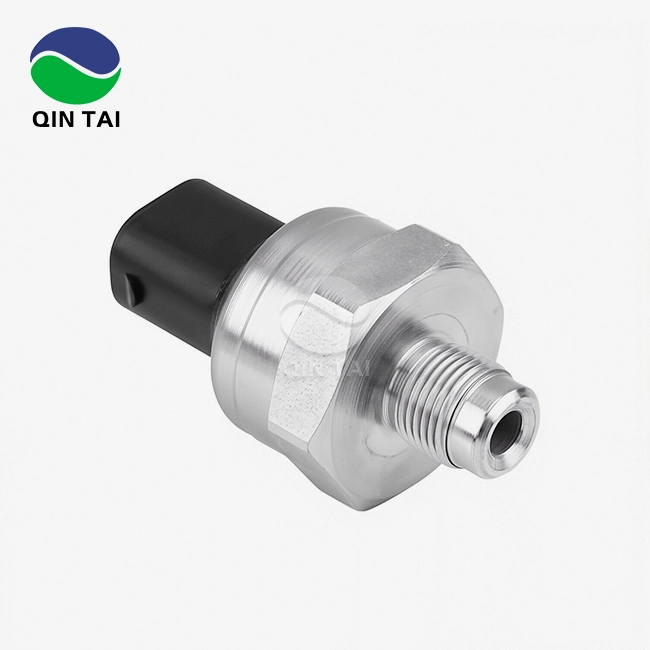
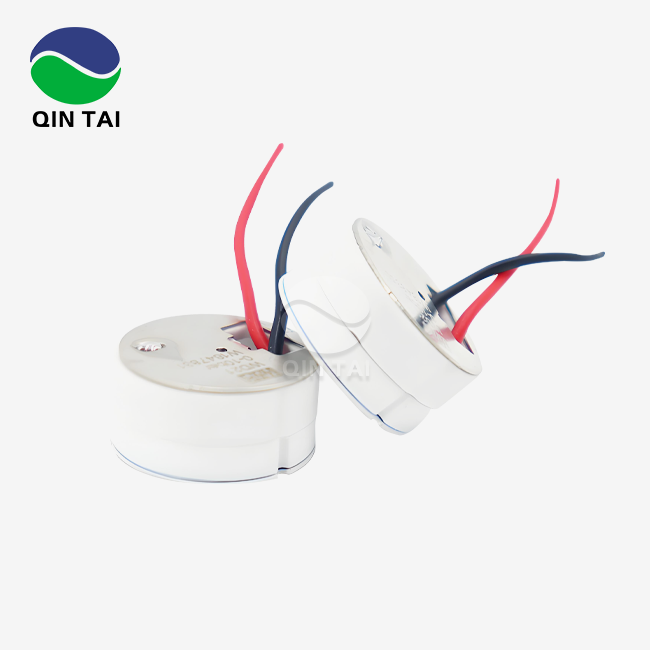

Our customers’ satisfaction speaks for our quality — contact us to experience the same reliable service.