- English
- French
- German
- Portuguese
- Spanish
- Russian
- Japanese
- Korean
- Arabic
- Greek
- German
- Turkish
- Italian
- Danish
- Romanian
- Indonesian
- Czech
- Afrikaans
- Swedish
- Polish
- Basque
- Catalan
- Esperanto
- Hindi
- Lao
- Albanian
- Amharic
- Armenian
- Azerbaijani
- Belarusian
- Bengali
- Bosnian
- Bulgarian
- Cebuano
- Chichewa
- Corsican
- Croatian
- Dutch
- Estonian
- Filipino
- Finnish
- Frisian
- Galician
- Georgian
- Gujarati
- Haitian
- Hausa
- Hawaiian
- Hebrew
- Hmong
- Hungarian
- Icelandic
- Igbo
- Javanese
- Kannada
- Kazakh
- Khmer
- Kurdish
- Kyrgyz
- Latin
- Latvian
- Lithuanian
- Luxembou..
- Macedonian
- Malagasy
- Malay
- Malayalam
- Maltese
- Maori
- Marathi
- Mongolian
- Burmese
- Nepali
- Norwegian
- Pashto
- Persian
- Punjabi
- Serbian
- Sesotho
- Sinhala
- Slovak
- Slovenian
- Somali
- Samoan
- Scots Gaelic
- Shona
- Sindhi
- Sundanese
- Swahili
- Tajik
- Tamil
- Telugu
- Thai
- Ukrainian
- Urdu
- Uzbek
- Vietnamese
- Welsh
- Xhosa
- Yiddish
- Yoruba
- Zulu
How Dirty Exhaust Conditions Affect NOx Sensor Performance
Dirty air makes NOx sensors unreliable and inaccurate. Exhaust gas sensor systems lose their capacity to detect carbon soot, sulfur deposits, oil residue, and unburned fuel particles. Pollutants adhere to sensitive ceramic surfaces and block gasses. They also disrupt electrochemical processes essential for nitrogen oxide measurements. Signal drift, sluggish reaction times, and incorrect readings create engine control issues. When procurement managers and R&D engineers understand the relationship between clean exhaust and sensor integrity, they can make smarter purchases, forecast when repairs are needed, and pick sensors that function well in tough environments in heavy-duty applications.
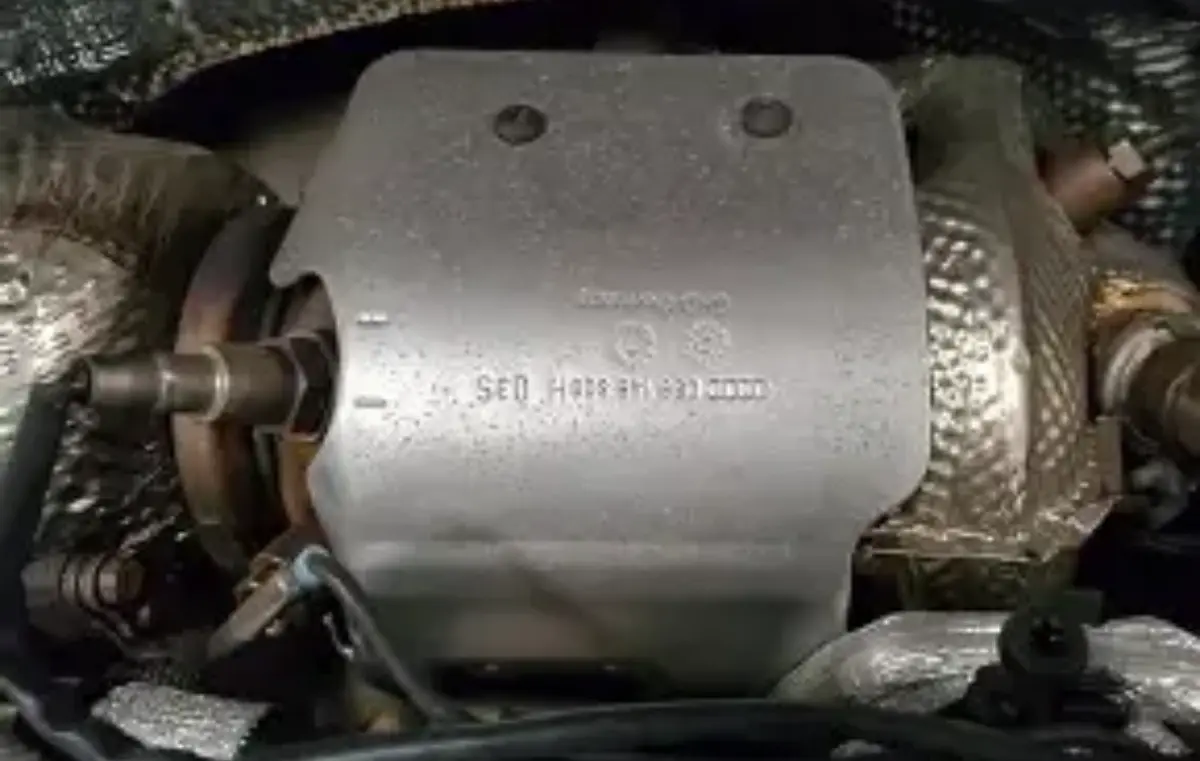
Understanding NOx Sensors and Their Role in Emissions Control
What Are NOx Sensors and How Do They Work?
Due to its real-time nitrogen oxide measurement, diesel aftertreatment systems need NOx monitors. These specialized sensors focus on particular contaminants rather than burning efficiency, unlike oxygen sensors. Two-chamber electrochemical cells measure oxygen and NOx independently in modern NOx monitors. This offers the ECU correct data. The ECU uses this data to adjust Selective Catalytic Reduction (SCR) systems, identify the optimal diesel exhaust fluid pumping rates, and fulfill China VI and Euro VI pollution requirements. Putting them upstream and downstream of the SCR catalyst offers closed-loop control for optimal aftertreatment.
Differences Between Heated and Unheated Sensor Variants
Temperature management affects sensor performance and speed. Heated NOx sensors instantly heat the detecting elements to the optimal operating temperature of 650°C to 850°C. This device speeds up engine shutoff in cold weather and stabilizes performance when exhaust temperature varies. Unheated versions use exhaust heat, which works effectively when exhaust temperatures are always high but not when load is low or duty cycle fluctuates regularly. Procurement professionals must examine applicant profiles. Hot designs may work better for idle building equipment, whereas constant-load generator sets may perform better without heat.
OEM Versus Aftermarket Sensor Options
The quality differential between OEM and aftermarket sensors severely impacts system stability. Well-known OEM sensors are extensively tested to ensure optimal operation. They must function with electromagnetic fields and last in polluted exhaust conditions. These products employ platinum electrodes, alumina ceramics, and high-temperature wire harnesses to withstand temperature and chemical changes. Cheaper aftermarket choices vary in quality. Mass manufacturing requires suppliers to demonstrate product consistency. This is possible with statistical process controls and comprehensive certification portfolios. Looking at suppliers' quality management systems can help balance cost and performance efficiency.
How Dirty Exhaust Conditions Affect NOx Sensor Performance?
Common Contaminants in Diesel Exhaust Streams
Many pollutants can reduce the performance of an exhaust gas sensor in real life. Botched burning deposits carbon soot on sensors, impeding gas flow. Even ultra-low-sulfur gasoline forms sulfate deposits that harm sensor catalytic surfaces. For antique engines with oil waste, phosphorous and zinc are added to form glass-like ceramic coatings. High temperatures form unburned hydrocarbon residues into rigid, unremovable carbon layers. Various contaminants induce various failures. Soot weakens signals, sulfur poisoning causes enduring sensitivity loss, and oil-based layers produce unpredictable, hard-to-diagnose errors.
Signal Degradation Mechanisms and Their Consequences
In polluted sensor designs, many degradation routes begin. Blocking diffusion barriers limits gas passage to measuring electrodes. So NOx values look lower than they are. Chemical poisoning alters electrode catalytic activity, altering sensor calibration curves and biasing measurements. When heated repeatedly to renew ceramic surfaces, they can crack, causing electrical shorts or open circuits. When sensors don't respond quickly (readings are several seconds behind real exhaust conditions) or don't respond at all, the automobile goes into limp mode. Diesel engines inject AdBlue based on precise NOx input. Damaged sensors cause over-injection or under-injection, resulting in illegal pollution. This hinders compliance and functioning.
Impact on Engine Management and Fuel Efficiency
Contemporary diesel engine control systems require accurate monitor data to maximize several aspects. The ECU must utilize safe calibration techniques that reduce performance when NOx monitors deliver weak values, so it can't assess aftertreatment performance. AdBlue overdose enhances operating costs and damages downstream catalysts by letting ammonia through. Without adequate injection, the automobile doesn't fulfill emission limits and may be fined or inspected. Sensor issues create diagnostic trouble codes that reduce engine power to protect it and impact pollution. The total cost of ownership rises, production drops, and unplanned maintenance occurs. Realizing these chain reactions supports investing money on contamination-resistant sensor technology and pre-planned repairs.
Diagnosing and Testing NOx Sensors Under Harsh Exhaust Conditions
Essential Diagnostic Tools and Procedures
NOx sensor troubleshooting requires more than scan tools. Live sensor voltage, heater current, and internal resistance measurements from professional diagnostic instruments indicate contamination severity. According to oscilloscope study, healthy sensors change concentrations around 200–300 milliseconds, but fouling units take longer. Before initiating large purchases, procurement teams might employ bench testing techniques to check sensor samples from potential suppliers for contamination. This procedure is ideal for checking aftermarket choices or new vendors that claim their items are contamination-resistant.
Interpreting Common Fault Codes and Root Causes
Diagnostic issue codes indicate the problem's source for an exhaust gas sensor, but more investigation is needed to determine the cause. "NOx sensor circuit range/performance" code P2201 may indicate an obsolete sensor, corroded cabling, or exhaust system issues that modify gas composition. By distinguishing between a broken sensor and a system issue, you may save unnecessary parts replacement. Measure exhaust backpressure, look at DPF regeneration history, and look at fuel usage patterns to discover the failure reasons. Standardizing sensor performance in clean systems helps engineering teams evaluate deterioration. This systematic strategy reduces false diagnoses and aids data-driven sensor supplier warranty claims and performance criteria discussions.
Establishing Replacement Intervals for Optimal Performance
Sensor reliability and cost are balanced in scheduled repair programs. Sensors on off-road building and farming equipment in high-soot locations should be changed every 60,000 to 90,000 km. Highway trucks with cleaner combustion can go 100,000 to 150,000 miles between service appointments. By monitoring fleet failure rate trends, you can determine the optimal time to swap sensors, preventing surprise breakage and premature disposal of functional ones. By buying in volume from suppliers with established replacement plans, buying teams may receive better pricing and always have supply. Condition-based replacement of sensors using telematics data and maintenance planning systems replaces them when performance metrics drop below acceptable levels rather than reaching random range targets.
Best Practices for Procurement and Supplier Selection of NOx Sensors
Evaluating Contamination Resistance and Durability Features
Modern sensors have contamination-specific safety measures. Multi-layer diffusion barriers with regulated porosity keep gas flow open while blocking big particles. Smartly controlling airflow with self-cleaning covers prevents soot buildup. Some manufacturers wrap electrodes with ceramic to prevent oil and sulfur toxicity. Procurement experts should request contamination test data from vendors to assess sensor performance following regular contaminant mixtures. Accelerated aging approaches mimic 150,000 miles of service to determine whether designs maintain metrics. Even with reduced pricing, suppliers without proof data are more likely to fail to satisfy your demands.
Certification Requirements and Compliance Verification
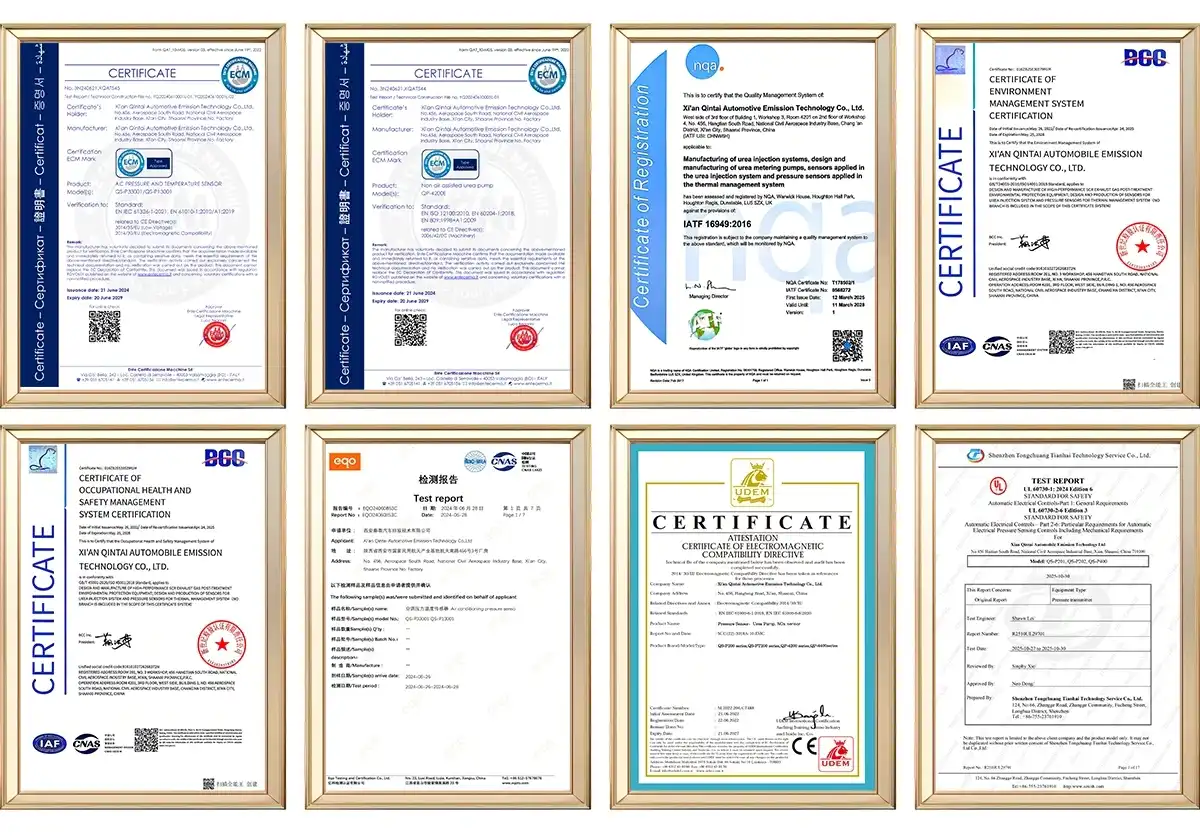
For an exhaust gas sensor, meet pollution levels and part licensing criteria to comply with regulations. Sensors must fulfill GB specifications for China VI. For Euro VI usage, sensors must be ECE type approved. A separate lab tests electromagnetic compatibility to ensure sensors won't be affected by local electrical systems. OEMs seeking environmental sustainability are increasingly relying on REACH and RoHS certifications to control harmful compounds. ISO/TS 16949 or IATF 16949 accreditation indicates a supplier's mature quality management, which is crucial for mass manufacturing. The procurement procedure should need certification verification before supplier approval. Protects against bogus parts and reduces guarantee claims.
Strategic Sourcing and Bulk Purchasing Considerations
Managing the worldwide sensor supply chain requires monitoring complexity and product use. Customized sensor versions with different electrical connections or temperature ratings might take 12–16 weeks to produce. This requires proper forecasting and buffer stock arrangements. Buying from fewer main suppliers simplifies negotiations, quality control, and technical assistance. Volume commitment transactions frequently lower prices by 15–25% over spot sales. This directly affects product prices. Supply risk exists with single-source programs. Qualifying backup suppliers for key sensor families offers you options in case of problems. Distribution connections with regional warehouses save freight costs and delivery times for servicing parts that must be accessible rapidly to prevent equipment failure.
Installation, Maintenance, and Calibration of NOx Sensors in Dirty Exhaust Settings
Proper Installation Techniques for Contaminated Environments
Where the sensor is positioned affects pollutant exposure and measurement accuracy. Monitors in exhaust regions with uneven flow patterns increase mixing and reduce stratification, but they also let particles in. Gravity removes thermal cycle soot from vertically positioned sensors with downward-pointing tips. Anti-seize chemicals make threads simpler to remove, but silicone-based treatments can damage sensor parts if used too much. Sealing electrical connections using heat shrink and routing them away from hot surfaces protects them from the environment. Installation instructions generally provide torque levels for sealing. Not tightening enough might produce exhaust leaks that affect measurements, and too much can break the ceramic.
Maintenance Strategies to Extend Operational Lifespan
Diesel exhaust temperature sensors are sensitive to tune changes, making cleaning difficult. However, preventative maintenance checks for system conditions that might harm sensors. Monitoring the DPF regeneration regularly prevents particulate matter buildup, reducing soot exposure. Tracking engine oil usage lets you identify which engines need attention before pollution damages sensors. Keeping gasoline sulfur levels under limits prevents poisoning from spreading. The sensor heater is turned sometimes when the engine is idling in some maintenance schedules. This dissolves deposits before they solidify. By tracking maintenance chores and sensor performance data, institutions may learn which methods work best and improve their maintenance operations.
Calibration Protocols and System Integration Best Practices
After factory calibration, most contemporary NOx monitors save their correction factors in EEPROM memory. This categorization data compensates for unit manufacturing discrepancies, so they may be utilized interchangeably without field calibration. After replacing sensors, diagnostic tools must instruct the ECU how to recognize the new sensor to obtain the correct adjustment factor. In certain aftertreatment systems, the ECU must be "adapted," or put through controlled operating cycles to understand how the sensors function.
Integration with engine control systems requires careful communication. For instance, CAN bus timing factors, message IDs, and data scaling must meet OEM specifications. Even if sensors are physically put correctly, mismatched software might cause communication issues. Software should be compatible with all engine systems in procurement requirements to avoid integration issues.

SENSOR+TEST, June 9 – 11, 2026
We look forward to your visit,warmly welcome to our booth 1-634!
Get your free ticket online now:
https://www.sensor-test.de/service/ticket/?52790
Conclusion
NOx sensors, a critical type of exhaust gas sensor, fail most often in heavy-duty diesel applications due to exhaust contamination. By understanding contamination, diagnosing it, and choosing a supplier, buying managers may make smarter decisions that minimize total cost of ownership. Choose sensors for difficult environments, specify replacement periods depending on data, and install them appropriately to maintain emissions compliance measurement accuracy. How sensor technology is chosen and maintained determines whether aftertreatment systems last or fail early. As global emission regulations tighten, contamination-resistant sensor technologies become more crucial. This implies that supplier relationships and procurement knowledge become increasingly vital to operations.
FAQ
Q1: How do contaminated exhaust conditions specifically damage NOx sensors?
A: Contaminated NOx sensors can fail in several ways. Soot particles obstruct diffusion routes, making exhaust gas arrive at sensor devices slower and distorting statistics. As sulfur molecules chemically degrade platinum catalyst surfaces, they become less responsive. Oil-derived phosphorus and zinc form glass-like coatings that protect wires from gas. Together, these factors delay reaction time, add measurement inaccuracy, and render the sensor worthless, requiring replacement.
Q2: What replacement intervals should be expected in high-contamination applications?
A: Sensor lifespan depends on application harshness. Clean diesel highway vehicles can last 100,000–150,000 miles, while unclean building equipment has to be changed every 60,000–90,000 miles. This includes seasonal high-load agricultural equipment. Tracking failure rates to set fleet member replacement plans reduces upkeep costs and prevents issues. Regular diagnostic tests are better than random mile intervals for monitoring a car's condition and determining its replacement.
Q3: Can NOx sensors be cleaned or must they always be replaced?
A: Not all exhaust gas temperature sensors can be cleaned, including NOx monitors. You can't access their complex diffusion barriers, reference tanks, and electrochemical cells without messing up calibration. Cleaning the sensor may harm fragile ceramic elements and embed dirt deeper. Replacement remains the sole choice when pollution decreases performance below tolerable. This constraint emphasizes the need for contamination-resistant designs and preventive maintenance to reduce fouling.
Partner with Qintai for Advanced Exhaust Gas Sensor Solutions
Qintai Auto Emission Tech. Ltd can assist you acquire NOx sensors with 2001-year expertise. We produce the best exhaust gas sensors in China, therefore Weichai, Yuchai, and Quanchai Power buy our core pollution control parts. We dominate the home market. Our research and development includes creating novel sensor systems for applications like backup generator sets that must be as dependable as industrial equipment.
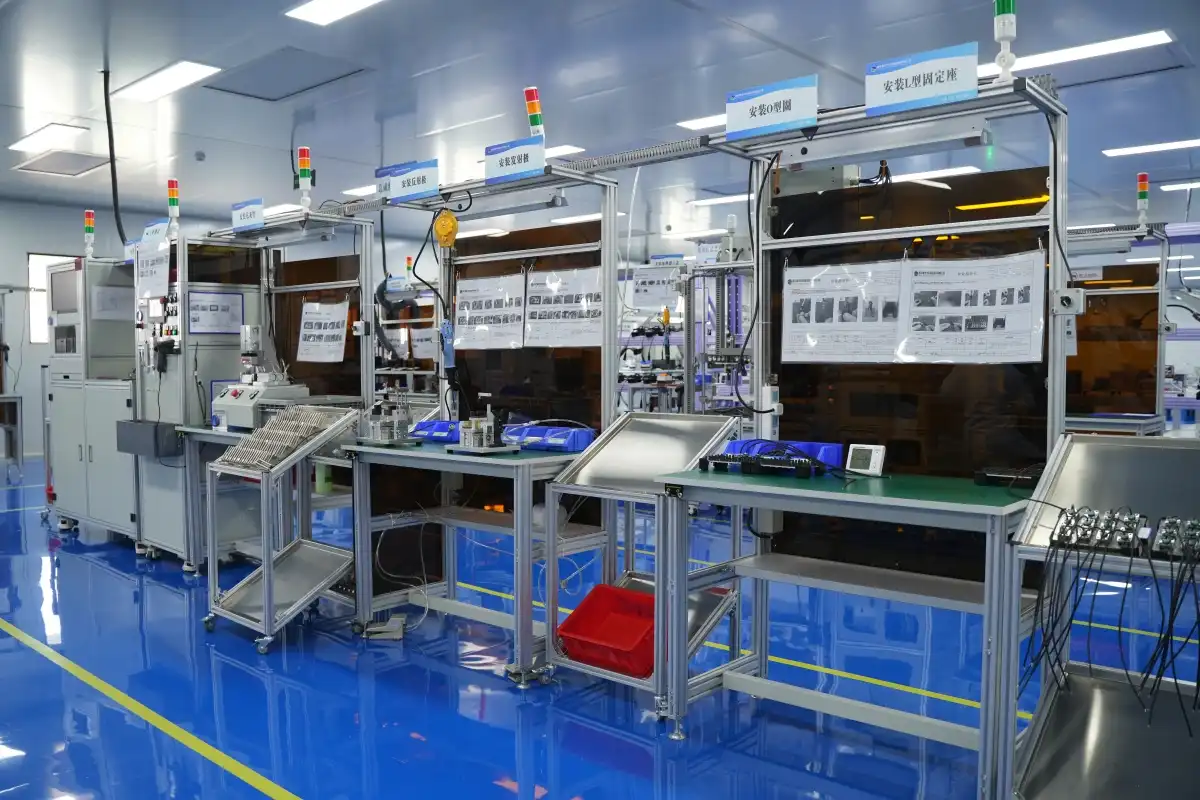
For mass manufacturing, our plant employs ISO9001 and IATF16949 quality processes to ensure consistency and tracking. Our products fulfill global emission control regulations owing to their 58 innovation patents and REACH, RoHS, and CMC certifications. Technical support teams assist installers increase sensor performance in complete aftertreatment systems shortly after the sale.
We urge purchase managers, R&D professionals, and supply chain workers to collaborate. Whether you require OEM bulk supply arrangements or sensor variations for specialized needs, our engineering team can help you combine performance, longevity, and cost. Contact info@qt-sensor.com to discuss your technical demands and acquire product details to qualified vendors.
References
1. Society of Automotive Engineers International. "NOx Sensor Technology for Diesel Engine Emission Control Systems." SAE Technical Paper Series, 2021.
2. Environmental Protection Agency. "Heavy-Duty Engine and Vehicle Standards and Highway Diesel Fuel Sulfur Control Requirements." Federal Register Documentation, 2020.
3. International Council on Clean Transportation. "Sensor Technologies for Real-Time Emission Monitoring in Heavy-Duty Vehicles." ICCT Working Paper Series, 2022.
4. Automotive Engineering International. "Diesel Aftertreatment Component Reliability in High-Contamination Environments." SAE Publications, 2023.
5. Journal of Emission Control Science and Technology. "Impact of Fuel Quality on NOx Sensor Lifespan and Calibration Stability." Springer Academic Press, 2021.
6. Diesel Technology Forum. "Best Practices for Maintenance and Diagnostics of SCR System Components." Industry Technical Guidelines, 2022.

Our customers’ satisfaction speaks for our quality — contact us to experience the same reliable service.