- English
- French
- German
- Portuguese
- Spanish
- Russian
- Japanese
- Korean
- Arabic
- Greek
- German
- Turkish
- Italian
- Danish
- Romanian
- Indonesian
- Czech
- Afrikaans
- Swedish
- Polish
- Basque
- Catalan
- Esperanto
- Hindi
- Lao
- Albanian
- Amharic
- Armenian
- Azerbaijani
- Belarusian
- Bengali
- Bosnian
- Bulgarian
- Cebuano
- Chichewa
- Corsican
- Croatian
- Dutch
- Estonian
- Filipino
- Finnish
- Frisian
- Galician
- Georgian
- Gujarati
- Haitian
- Hausa
- Hawaiian
- Hebrew
- Hmong
- Hungarian
- Icelandic
- Igbo
- Javanese
- Kannada
- Kazakh
- Khmer
- Kurdish
- Kyrgyz
- Latin
- Latvian
- Lithuanian
- Luxembou..
- Macedonian
- Malagasy
- Malay
- Malayalam
- Maltese
- Maori
- Marathi
- Mongolian
- Burmese
- Nepali
- Norwegian
- Pashto
- Persian
- Punjabi
- Serbian
- Sesotho
- Sinhala
- Slovak
- Slovenian
- Somali
- Samoan
- Scots Gaelic
- Shona
- Sindhi
- Sundanese
- Swahili
- Tajik
- Tamil
- Telugu
- Thai
- Ukrainian
- Urdu
- Uzbek
- Vietnamese
- Welsh
- Xhosa
- Yiddish
- Yoruba
- Zulu
Preventive Maintenance Tips for Long-Lasting NOx Sensors
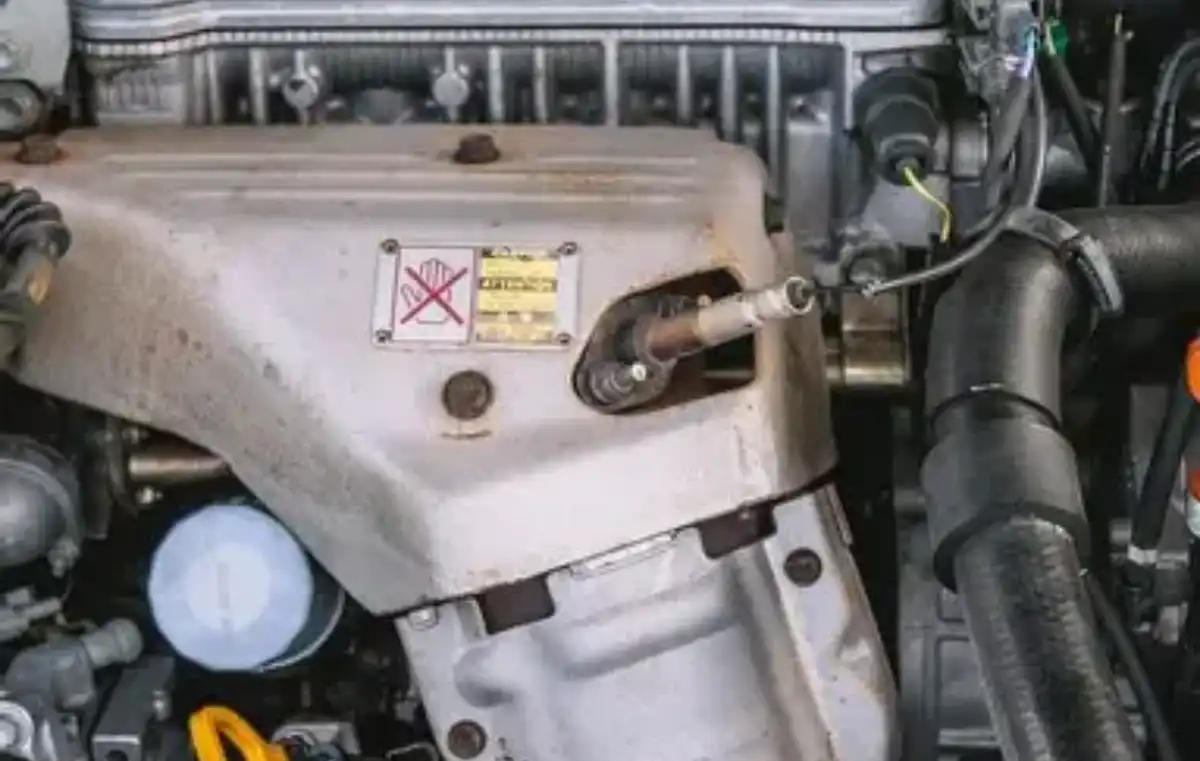
Maintaining a durable NOx sensor requires understanding its operational demands and implementing systematic preventive care practices. These sensors, critical for diesel engine aftertreatment systems, measure nitrogen oxide concentrations to ensure compliance with stringent emissions standards like EPA 2010, China VI, and Euro VI. Proper maintenance extends sensor lifespan, reduces unexpected failures, and protects your investment in emission control technology. Through strategic inspection schedules, environmental protection measures, and calibration protocols, operators can achieve consistent performance while minimizing total cost of ownership across heavy-duty truck fleets, construction equipment, generator sets, and industrial applications.
Introduction
Modern diesel engines use NOx sensors to fulfill higher environmental regulations while running efficiently. Monitors are Selective Catalytic Reduction's eyes. They monitor exhaust gas composition and inject Diesel Exhaust Fluid precisely. The upstream sensor at the turbo outlet measures engine NOx, while the downstream sensor after the SCR catalyst checks treatment effectiveness. Two sensors provide a feedback loop that enhances urea dosage and prevents system failure.
Purchasing managers and R&D staff must save expenses while obeying rules. A durable NOx sensor failure can cause problem codes, warning lights, and engine failure, rendering the equipment useless. When procurement staff understand preventive maintenance, they can make smarter sensor, provider, and long-term service plan selections. This article addresses the challenges OEMs, aftertreatment programmers, and aftermarket service providers encounter when trying to get sensors to perform in harsh industrial environments.
Understanding NOx Sensor Durability and Common Failure Causes
What Makes a NOx Sensor Durable?
Advanced construction and materials engineering produce a durable NOx sensor. A zirconia ceramic cell that functions at temperatures above 700°C needs a heating element to maintain detection conditions. Signal filtering circuits communicate with the Engine Control Unit via voltage outputs and conventional techniques. Safe ceramic coatings and sturdy connection designs keep water and vibrations out of high-quality sensors.
Environmental Stressors That Compromise Sensor Life
In many respects, harsh working circumstances accelerate sensor loss. When heated and cooled between room temperature and 800°C exhaust gas, ceramic pieces undergo mechanical stress. Botched burning particles pile up on sensor surfaces, hindering gas movement and skewing data. Chemical contaminants including sulfur compounds, unburned fuels, and lubricant oil ash react with readily damaged materials.
Vibration from an engine or bad road can destroy electrical connections and delicate clay constructions. Construction equipment in dusty mines becomes soiled rapidly. Generators used continually for weeks create deposits quicker than autos used sometimes. Farm implements exposed to fertilizer fumes can be damaged by ammonia and other metal-degrading substances. These real-life scenarios explain why sensor lifespan varies so greatly between applications while having the identical elements.
Recognizing Early Warning Signs
Before failing, sensors exhibit indicators of deterioration. Inconsistent DEF use or abrupt fluid consumption indicate accuracy loss. P2201, P2202, P229E, and P229F error codes indicate circuit issues or erroneous readings. The check engine light illuminates when the upstream-downstream sensor difference exceeds limitations. Response time delays prevent the control system from responding to load changes. Diagnostic difficulty numbers reveal loss causes. A P2201 code indicating upstream sensor circuit difficulties may indicate dirty ceramic parts rather than a failed electrical system. Cleaning up pollution can restore function without replacing it. Understanding these data reduces unnecessary investment and aids maintenance planning.
Preventive Maintenance Strategies to Extend NOx Sensor Life
Establishing Routine Inspection Schedules
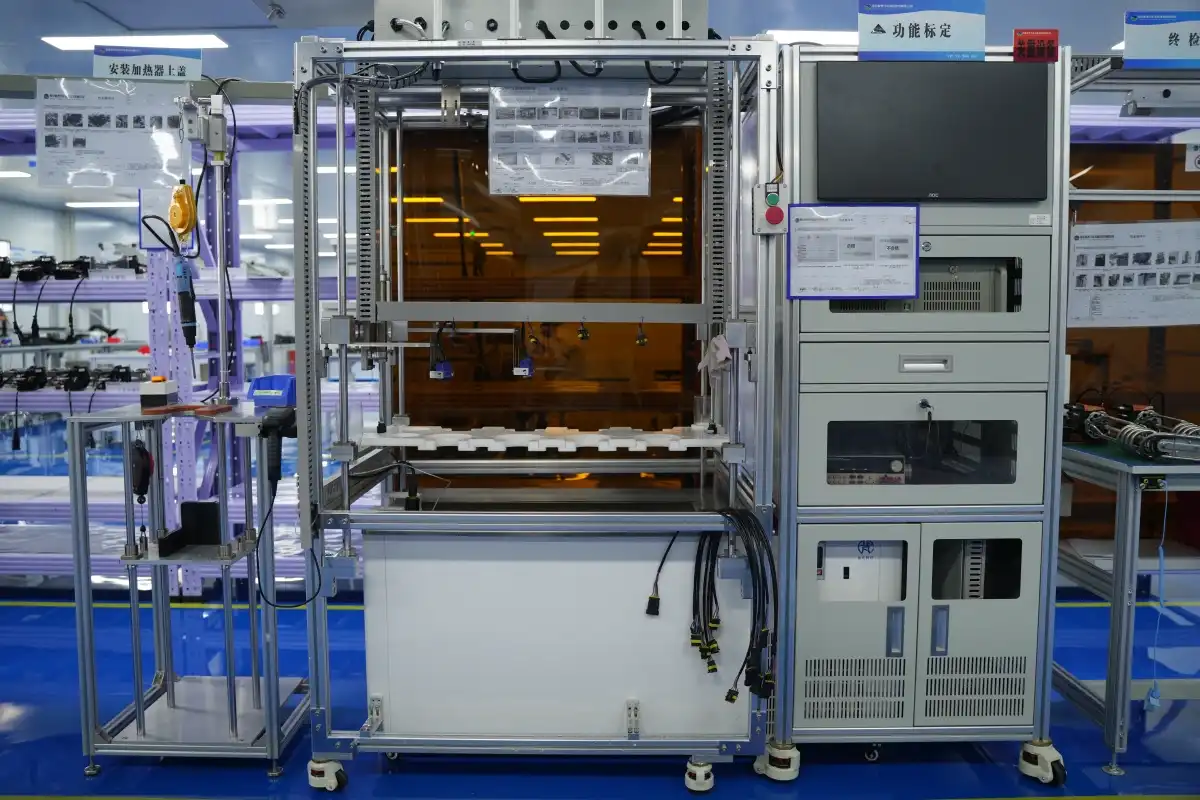
Systematic inspections catch problems before they become significant failures. For continuous duty usage, we recommend a visual check every 500 hours or three months. Technicians should check connections, wire harness rubbing, and exhaust leaks around sensors. Sensor data from an OBD-II scanner might reveal performance patterns. Comparing current findings to sensor installation values shows continuous drift. Generator set users benefit from sensor checks added to oil maintenance and filter replacements. Fleet managers can schedule checks during preventive maintenance to maximize tool use. Checks create historical data that can be utilized to support warranty claims and identify common equipment issues.
Proper Cleaning and Handling Procedures
Contaminated sensors may easily be cleaned and reused. Avoid electrical harm to sensitive circuits by disconnecting the battery before touching it. To remove the sensor, use the proper bolts and avoid breaking ceramic pieces with too much force. Durable NOx sensor cleaners designed for that purpose remove carbon deposits without damaging delicate materials. Do not use compressed air on ceramic items since it might cause invisible fractures. After cleaning, let sensors air-dry before reinstalling. Anti-seize powder prevents galling in metal exhaust housing threads. Torque ratings range from 30 to 45 Nm, depending on thread size. ECU learns and adjusts to new sensor when battery is reconnected. Driving with varying loads completes tuning. These simple measures extend sensor life by 30–50% in unclean or dusty environments.
Environmental Protection Measures
Protecting gadgets from severe environments keeps them operating. Maintaining exhaust system temperatures prevents condensation, which accelerates corrosion. Fixing coolant leaks or EGR valves prevents glycol from entering sensors. Chemicals harm ceramic surfaces less when high-quality diesel fuel with little sulfur is used. Following the Diesel Particulate Filter replacement plan prevents soot buildup. Construction and farming tool repair businesses should teach clients sensor-safe upstream maintenance. The exhaust aftertreatment system fails when the air filter is clogged with dirt. Explaining these linkages builds customer relationships and reduces concerns about early sensor failures caused by poor maintenance.
Calibration and Monitoring Systems
Modern aftertreatment systems calibrate software to maintain device accuracy over time. Regular diagnostic tool adjustment helps rectify sensor features that vary over time. Some current systems automatically zero-point correct under specific situations. Telematics tracking warns you when sensor values exceed typical ranges in real time. This allows preemptive maintenance. Aftercare system developers are choosing sensors with built-in diagnostics that feed vehicle health data to fleet management systems. This feature allows maintenance to go from emergency repairs to scheduled downtime. Hi-tech sensors for mission-critical applications increase tool availability, making them worth the investment.
Comparison of Durable NOx Sensors versus Traditional and Low-Cost Alternatives
Performance and Lifespan Differences
Differences in NOx sensor quality affect total cost of ownership. Entry-level sensors operate initially but fail rapidly when exposed to heat and dirt. Premium Durable NOx sensors are accurate for over 8,000 hours due to their protective coatings, stronger materials, and sturdy construction. Traditional OEM sensors are affordable and last 5,000–6,000 hours. Testing conducted according to EPA criteria reveals that failure rates vary. Low-cost choices have 3–4 times greater guarantee claim rates than well-known brands. Temperature cycle tests shock sensors from 20°C to 800°C. Improved ceramic compositions withstand fatigue better. These controlled reviews help purchasers choose reliability above price.
Impact on Emissions Compliance and Efficiency
Sensor accuracy determines how successfully the device reduces harmful emissions. A defective sensor that displays inaccurately low NOx levels uses too little DEF, allowing unlawful emissions. Overdoing to squander expensive fluid and leak ammonia results from incorrect high readings. Both managers face regulatory risks and lost productivity larger than any cost savings from cheaper parts. OEM engine manufacturers use sensors to evaluate aftertreatment systems for emissions certification. Unapproved additions might void your warranty and make emissions compliance difficult. Purchasing managers should check for ISO 9001 production standards, IATF 16949 vehicle quality standards, and regional permissions like CE marking for European markets before buying new sensors.
Cost-Benefit Analysis for B2B Buyers
A complete cost study goes beyond the purchase price. A $280 durable NOx sensor that lasts 8,000 hours is better than a $180 one that needs to be replaced after 4,000 hours. Consider replacement expenses, downtime while the vehicle is repaired, and emissions violation fines. Suppliers with longer warranties and fast expert support reduce risk and overall ownership costs. You may achieve bulk discounts and ensure quality across large fleets by dealing directly with manufacturers for bulk purchasing programs. An aftertreatment system integrator can obtain customization, expert training, and priority handling during supply issues from a vendor. As pollution laws tighten and sensor technology improves, these link variables become more essential.
How to Choose and Procure Durable NOx Sensors for Your Business?
Defining Technical Requirements
Sensor parameters should meet application demands to avoid reliability and speed issues. Working temperature range, reaction time, measurement precision, and communication protocol are critical. Heavy-duty vehicles need continuous-temperature sensors between 650°C and 850°C. When first started, stationary generator sets may need broader measurement ranges to accommodate rich burning. Testing sensors at -40°C to +85°C is necessary for hard construction tool use. Physical constraints including thread size, mounting length, and connection location affect installation compatibility. Electrical characteristics must fulfill ECU voltage source, signal type, and diagnostic transmission criteria. Aftertreatment system integrators should provide detailed specification documents to buying teams to ensure a perfect match for a durable NOx sensor.
Evaluating Supplier Capabilities
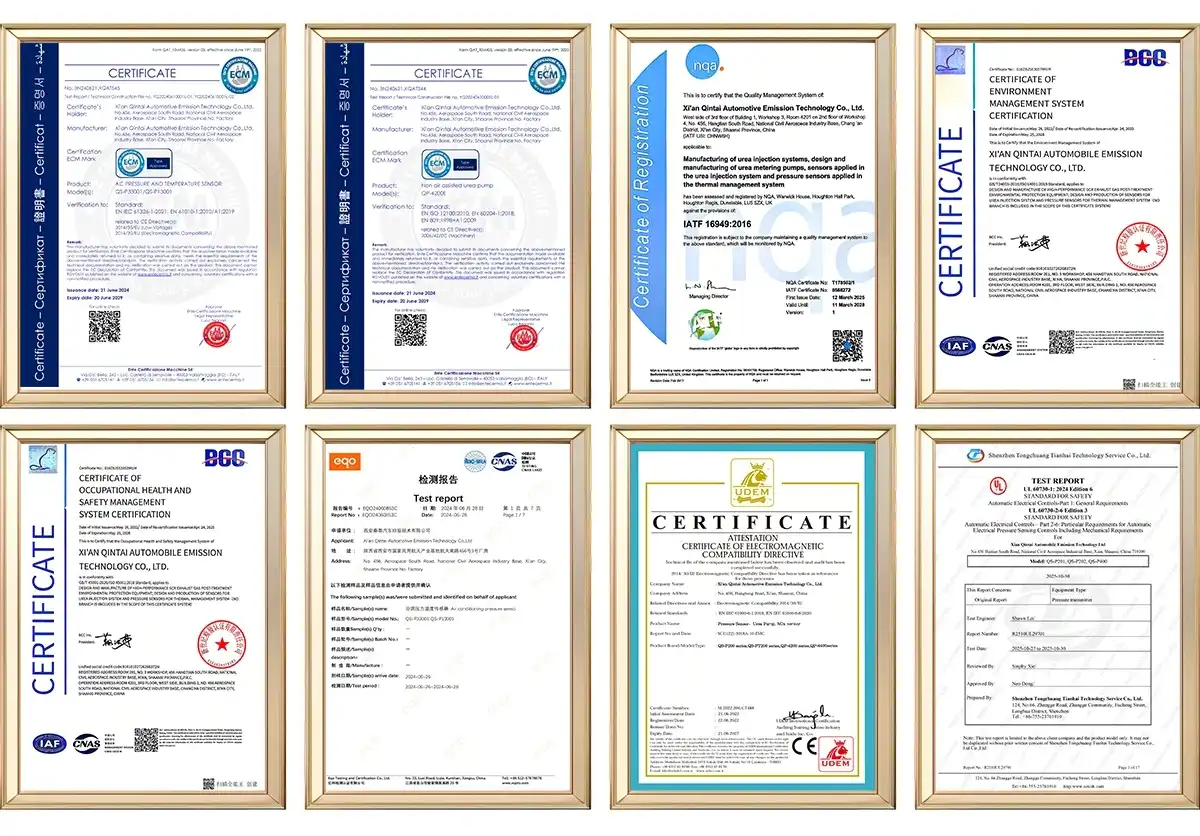
Finding the proper production partner goes beyond product requirements. Find vendors with ISO 9001, IATF 16949, and business-specific certifications. Manufacturing capacity matters when planning production ramps or demand surges. Supply planning depends on standard versus unique design lead times. Technical support distinguishes great suppliers. Application professionals that understand diesel engine aftertreatment systems aid with integration issues. Full documentation, including installation, troubleshooting, and calibration instructions, reduces training and speeds rollout. Manufacturers give 12-36-month guarantees to demonstrate their product durability.
Procurement Best Practices
You must understand the market and supplier prices to achieve acceptable terms. Multi-year contracts with volume guarantees assure priority assignment and consistent rates. Consignment inventory arrangements reduce operational capital if parts are available. Partnerships last when payment conditions balance buyer financial aims and supplier cash flow demands. B2B procurement tools simplify supply chain management and vendor management. Many merchants are available on digital markets, so you can rapidly compare prices and check their capabilities. However, direct partnerships with important suppliers sometimes provide greater technical support and customization than middlemen. Finding the right mix of these strategies boosts operational efficiency and cost.
Future-Proofing Your NOx Sensor Strategy: Trends and Innovations
Smart Sensors with Enhanced Diagnostics
Microprocessors in next-generation NOx sensors provide enhanced monitoring. Device self-monitoring functions monitor heater resistance, cell impedance, and reaction characteristics. These sensors send more health data than a "pass" or "fail" signal. Condition-based care swaps parts depending on wear rather than randomly. Predictive algorithms use performance patterns to estimate the remaining useful life of a durable NOx sensor. Wireless connections eliminate the need for expensive wiring harnesses in retrofits. Bluetooth-enabled devices deliver data to mobile diagnostic equipment, making remote diagnosis easier. These technological advances are especially useful for mining, farming, and marine applications where cable communications might fail due to harsh circumstances.
Regulatory Evolution and Performance Standards
More accurate and dependable sensors are needed as environmental rules tighten worldwide. The US EPA seeks to cut heavy-duty engine NOx restrictions to 0.02 g/bhp-hr. This requires sensors that can properly measure below 10 ppm. European Stage VI requirements include greater in-use conformity testing and similar regulations. Chinese regulations require corporate vehicles to have sensors for remote pollution monitoring. Work with providers investing in R&D to remain ahead of regulatory changes. Manufacturers in industry working groups and standards committees learn about new regulations before they become official. Instead of only matching requirements, procurement plans should prioritize suppliers that are open to new ideas.
Integration with IoT and Predictive Maintenance
NOx sensors become fleet management data sources with connected vehicle platforms. Telematics offers real-time sensor performance tracking across equipment groupings. Analytics systems seek for frequent failure modes or poor working circumstances. Maintenance staff receive automated alerts to respond before problems arise. The practical benefits go beyond problem-free. Data shows solutions to boost fuel efficiency, reduce DEF consumption, and extend service intervals. Offering hardware and software together gives equipment producers competitive advantages that allow them to charge more. Consumers increasingly consider the full system when making purchases rather than just part specs.
Conclusion
Durable NOx sensors become assets that aid regulatory compliance and operating efficiency with preventive maintenance. Regular checkups, proper cleaning, and keeping sensors out of hostile conditions can extend their lifespan and minimize their total cost of ownership. High-quality sensors are more dependable and consistent, making them worth the extra money. Strategic partnerships with manufacturers that provide technical assistance, certifications, and innovation may help organizations succeed in a changing regulatory environment. Sensors in predictive maintenance systems boost equipment availability and provide data-driven insights that improve aftertreatment system performance in several industries.
FAQ
Q1: How often should NOx sensors undergo preventive maintenance?
A: How and how often equipment is utilized determines inspection intervals. Eye exams are recommended every 500 hours for building equipment and long-haul vehicles. Generators and other stationary equipment benefit from quarterly checkups and service. In dusty or busy environments, monthly evaluations may be needed. Monitoring a durable NOx sensor during regular repair helps identify issues before they occur.
Q2: Can cleaning restore function to contaminated NOx sensors?
A: Many dirty sensors may be fixed with proper cleaning. Carbon and particle accumulation may be removed without damaging ceramics with specialized cleaners. To avoid damaging sensitive pieces, handle the operation cautiously. Sensors with damaged ceramics or corroded connections should be replaced, not cleaned. Regular cleaning prevents contaminants from causing permanent damage.
Q3: What warranty terms should buyers expect from quality manufacturers?
A: Depending on the sensor grade and application harshness, leading manufacturers provide 12-36 month warranties. High-quality industrial sensors have 24-month warranties for continued usage. The warranty should cover replacements for manufacturing defects or premature breakdowns under normal working circumstances. To maximize machinery uptime, top vendors provide timely technical support and replacement. Understanding the warranty conditions before buying prevents surprises and demonstrates that the vendor believes the product's durability.
Partner with Qintai for Premium Durable NOx Sensor Solutions
Qintai manufactures the most durable NOx sensors since it has led China in diesel engine aftertreatment technology for 20 years. Our ISO 9001, IATF 16949, and other international certificates ensure product quality consistency between batches. As the principal supplier of Weichai Power, Yuchai Power, and Quanchai Power, we know how to satisfy OEM users' dependable demands. Our independent research and development team develops novel materials and methods to make sensors more durable. Their innovative inventions are protected by 58 concept patents.
Our OEM and ODM services are versatile and customizable to your technological demands. This applies to specialized connections, mounting configurations, and calibrations for your specific use. Our capacity to create a lot of items at once ensures a consistent supply of materials for large projects, and our pricing are competitive to help you minimize costs. We provide after-sales service in over 60 countries through our global distribution network. This includes expert guidance, installation assistance, and fast guarantee support. Contact info@qt-sensor.com to discuss your durable NOx sensor needs and obtain bulk discounts.
References
1. International Organization for Standardization. (2021). Quality Management Systems for Automotive Suppliers: IATF 16949 Implementation Guidelines. Geneva: ISO Press.
2. United States Environmental Protection Agency. (2022). Heavy-Duty Engine and Vehicle Standards: Technical Review of NOx Sensor Requirements. Washington, DC: EPA Office of Transportation and Air Quality.
3. Society of Automotive Engineers. (2020). J2403: NOx Sensor Performance Specifications for Diesel Aftertreatment Systems. Warrendale, PA: SAE International.
4. Majewski, W.A., & Khair, M.K. (2023). Diesel Emissions and Their Control: Second Edition. Warrendale, PA: SAE International Publishing.
5. European Automobile Manufacturers Association. (2021). ACEA Position Paper on Euro VII Emission Standards and Sensor Technology Requirements. Brussels: ACEA Technical Committee.
6. Zhang, L., & Wang, H. (2022). "Durability Assessment of Nitrogen Oxide Sensors Under Thermal Cycling and Chemical Contamination." International Journal of Automotive Engineering, 13(4), 287-302.


Our customers’ satisfaction speaks for our quality — contact us to experience the same reliable service.