- English
- French
- German
- Portuguese
- Spanish
- Russian
- Japanese
- Korean
- Arabic
- Greek
- German
- Turkish
- Italian
- Danish
- Romanian
- Indonesian
- Czech
- Afrikaans
- Swedish
- Polish
- Basque
- Catalan
- Esperanto
- Hindi
- Lao
- Albanian
- Amharic
- Armenian
- Azerbaijani
- Belarusian
- Bengali
- Bosnian
- Bulgarian
- Cebuano
- Chichewa
- Corsican
- Croatian
- Dutch
- Estonian
- Filipino
- Finnish
- Frisian
- Galician
- Georgian
- Gujarati
- Haitian
- Hausa
- Hawaiian
- Hebrew
- Hmong
- Hungarian
- Icelandic
- Igbo
- Javanese
- Kannada
- Kazakh
- Khmer
- Kurdish
- Kyrgyz
- Latin
- Latvian
- Lithuanian
- Luxembou..
- Macedonian
- Malagasy
- Malay
- Malayalam
- Maltese
- Maori
- Marathi
- Mongolian
- Burmese
- Nepali
- Norwegian
- Pashto
- Persian
- Punjabi
- Serbian
- Sesotho
- Sinhala
- Slovak
- Slovenian
- Somali
- Samoan
- Scots Gaelic
- Shona
- Sindhi
- Sundanese
- Swahili
- Tajik
- Tamil
- Telugu
- Thai
- Ukrainian
- Urdu
- Uzbek
- Vietnamese
- Welsh
- Xhosa
- Yiddish
- Yoruba
- Zulu
NOx Sensor vs O2 Sensor: Key Differences Every Technician Should Know
Diesel aftertreatment system and heavy-duty automobile fleet managers must understand NOx sensors and O2 sensors. In emission control, both sections measure waste gasses but have distinct uses. To comply with EPA 2010 and China VI environmental regulations, the NOx sensor measures nitrogen dioxide. This directly impacts selective catalytic reduction system performance. However, O2 sensors alter air and fuel levels during combustion to conserve fuel and reduce pollutants before aftertreatment. By understanding these variations, procurement managers and engineers can purchase the proper product, avoid misdiagnosis, and obey rules in a variety of settings, from building equipment to generator sets.
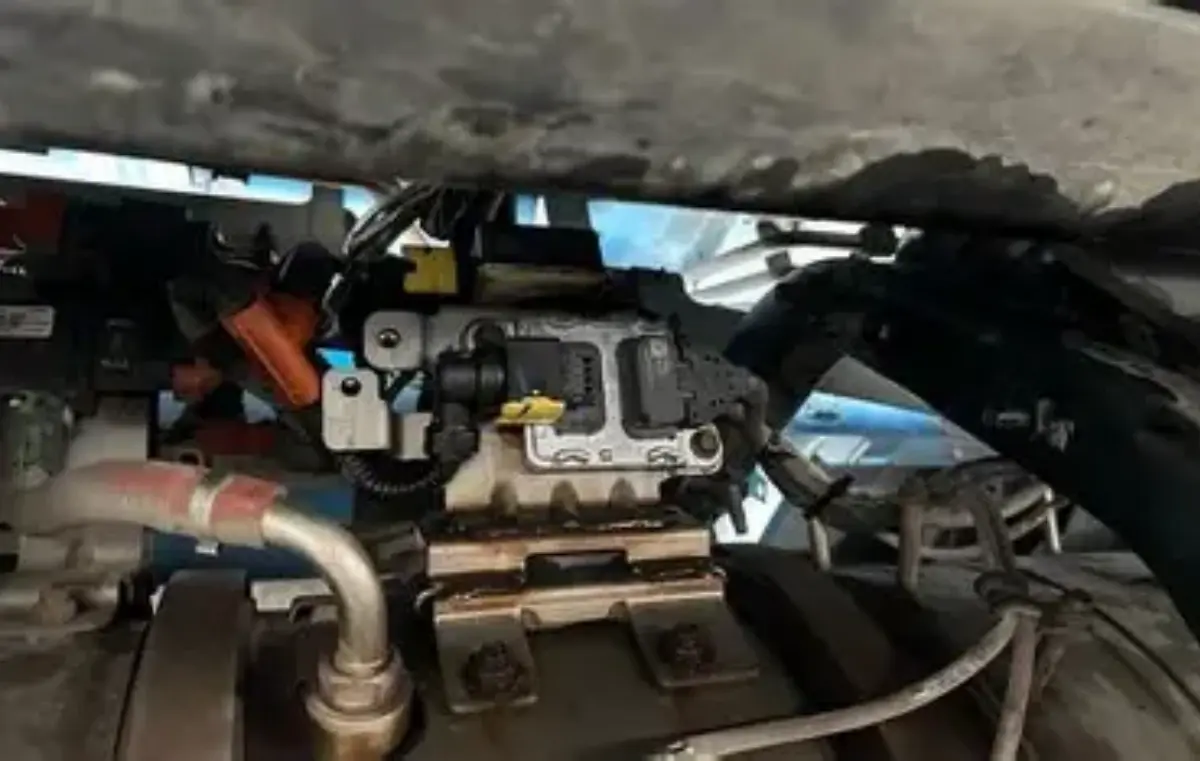
Understanding the Basics of NOx Sensor and O2 Sensor
What Is a NOx Sensor and Its Function?
Using high-tech NOx sensors, pollution tracking systems analyze nitrogen oxides in diesel exhaust streams. Closed-loop selective catalytic reduction system control relies on this sensor to deliver real-time feedback to the ECU. Modern heavy-duty automobiles include two sensors: one upstream, before the SCR catalyst, detects engine emissions, and the other downstream, examines the aftertreatment system. Based on these data, the ECU calculates the right quantity of diesel exhaust fluid to utilize to maintain conversion efficiency above permissible limits. Incorrect NOx sensor monitoring prevents aftertreatment systems from changing urea injection rates. This can cause check engine lights, performance decreases, and compliance issues that disable pricey equipment.
How O2 Sensors Support Combustion Optimization?
O2 sensors measure exhaust gas oxygen levels to help the engine control system optimize burning. Based on oxygen levels in exhaust gas and air, these devices generate voltage indications using zirconia ceramic elements that conduct oxygen ions at high temperatures. Based on engine load, the ECU adjusts fuel injection speed and quantity for stoichiometric or lean-burn combustion. How effectively the O2 sensor works affects fuel usage, engine power, and particulate matter generation. Although they indirectly manage pollution, their main objective is to enhance combustion, not to quantify particular pollutants for government reporting.
Placement and Integration in Exhaust Systems
The locations of these sensors indicate their exhaust design roles. O2 sensors are usually positioned near the turbocharger outlet or exhaust manifold, where temperatures rise fast after a cold start. This positioning provides immediate input for burning fine-tuning during warm-up. Strategically positioned NOx sensors around the SCR catalyst. The input sensor measures baseline emissions upstream while the exit sensor checks catalyst function downstream. Some newer systems incorporate O2 sensors in the aftertreatment portion to verify DEF input and prevent ammonia leakage. Maintenance crews may better identify sensor-related fault codes and choose cables based on length and environmental protection by knowing these positioning requirements.
Comparative Analysis: NOx Sensor vs O2 Sensor
Operating Principles and Sensor Technologies
NOx sensors employ multi-chamber yttria-stabilized zirconia ceramic structures. The mechanism pumps ions through the first chamber to adjust oxygen levels. In the second chamber, it catalyzes nitrogen oxide breakdown and measures the oxygen ion current. This modern approach can directly measure nitrogen oxide levels as low as 10 parts per million, making it more difficult than oxygen measurement. O2 sensors employ basic zirconia-based electrochemical cells to transmit voltage signals proportional to air oxygen levels. This tried-and-true technique has improved over decades. Wideband versions now measure more accurately over a larger range.
Signal Characteristics and Response Times
The ECU uses calibration tables to interpret O2 sensor analog voltages after thermal equilibrium. Responses average 100–300 milliseconds. Sensor voltage varies fast when fuel level is rich or lean, feeding closed-loop fuel management algorithms. NOx sensors transmit current-based signals to ECUs, requiring more complicated signal conditioning circuits and built-in control modules. Due to multi-stage detection, they have longer measurement cycles, although current designs make them quick enough for real-time SCR control. The sensor's heaters must maintain a temperature over 650 degrees Celsius, using more electricity than O2 sensors. Electrical and thermal demands effect wire harness standards and vehicle electrical system design.
Environmental Factors and Durability Challenges
Both types of sensors perform under harsh circumstances, but their failure mechanisms and contamination sensitivity differ. Temperature variations, silicon poisoning from fuel additives, and carbon fouling in rich combustion can destroy O2 sensors. Replacements occur every 60,000–100,000 miles, depending on task cycles and fuel quality. NOx sensors also face urea, particulate matter, and temperature shock during renewal events. Complex regions inside are more prone to contamination than O2 sensors, which can manage it. Check sensor surfaces regularly for diesel exhaust fluid hardening, a typical cause of problems. Longevity considerations directly affect total cost of ownership. NOx sensors are harder to build and have more complicated computer interfaces, thus they cost more to replace.
Common Fault Codes and Diagnostic Symptoms
When sensors malfunction, technicians detect specific troubleshooting tendencies. O2 sensor defects tend to produce circuit performance issues, sluggish reaction times, and illogical signal readings. Cars with rough running, poor gas mileage, and failed pollution testing can still be driven. NOx sensors provide signals related to SCR system performance, poor conversion efficiency, or logic errors when they fail.
Modern pollution control standards require lowering an engine's output when the NOx sensor fails, therefore it must be serviced immediately. Regular testing and live data stream scan tools are needed to distinguish electrical sensor issues from mechanical contaminants. Mistaking a NOx sensor problem for an O2 sensor problem wastes time and money and makes automobiles non-compliant. Technicians must know how to work on these two systems.
Selecting the Right Sensor for Your Application
Evaluating Durability and Replacement Intervals
Consider how long sensors will endure in different operational circumstances while buying. Naval generator sets in corrosive environments or construction equipment in dusty conditions require sensors with better environmental protection ratings. For continuous fixed power task cycles, industrial-grade NOx sensors feature tougher housings and better connection sealing than highway truck equivalents. O2 sensors perform similarly in all settings, although hot wideband models are preferable.
Planning replacement intervals should include fleet operational data, not just manufacturer claims. Low-duty equipment can safely continue longer between checkups, but high-use organizations may create preventative replacement plans every 3,000 hours to minimize unexpected problems. Developing relationships with sensor suppliers that can advise you on how to utilize their devices in certain scenarios will help you manage inventory and avoid buying pricey equipment in emergencies.
OEM Versus Aftermarket Considerations
You must consider the quick cost savings against performance guarantee and warranty difficulties when choosing between OEM and aftermarket sensors. OEM sensors fulfill all engine development program standards and function with the vehicle's settings. This is especially significant for NOx sensors, whose values directly impact compliance and aftertreatment system lifespan.
Reputable aftermarket suppliers supply OEM-quality sensors at cheaper prices. Still, sensors must have IATF 16949 certification and government permits. Procurement managers with several fleets employ a range of methods. They may require OEM sensors for highway trucks that must pass roadside checks but accept excellent aftermarket off-road equipment. Sensors are plagued by counterfeits. The market must establish seller qualification techniques that verify technical support, warranty terms, and batch consistency to stop them.
Brand Positioning and Quality Standards
A few well-known players with superior engineering and consistent quality dominate the worldwide emission sensor market. Bosch leads the market with its OEM alliances and diesel aftertreatment expertise. Special signal processing methods in their NOx sensors improve accuracy across a broader temperature range. Continental develops NOx sensors and ammonia sensors for next-generation SCR systems. Many automakers acquire parts from NGK because it specializes in ceramic technology used in O2 sensors and NOx sensors.
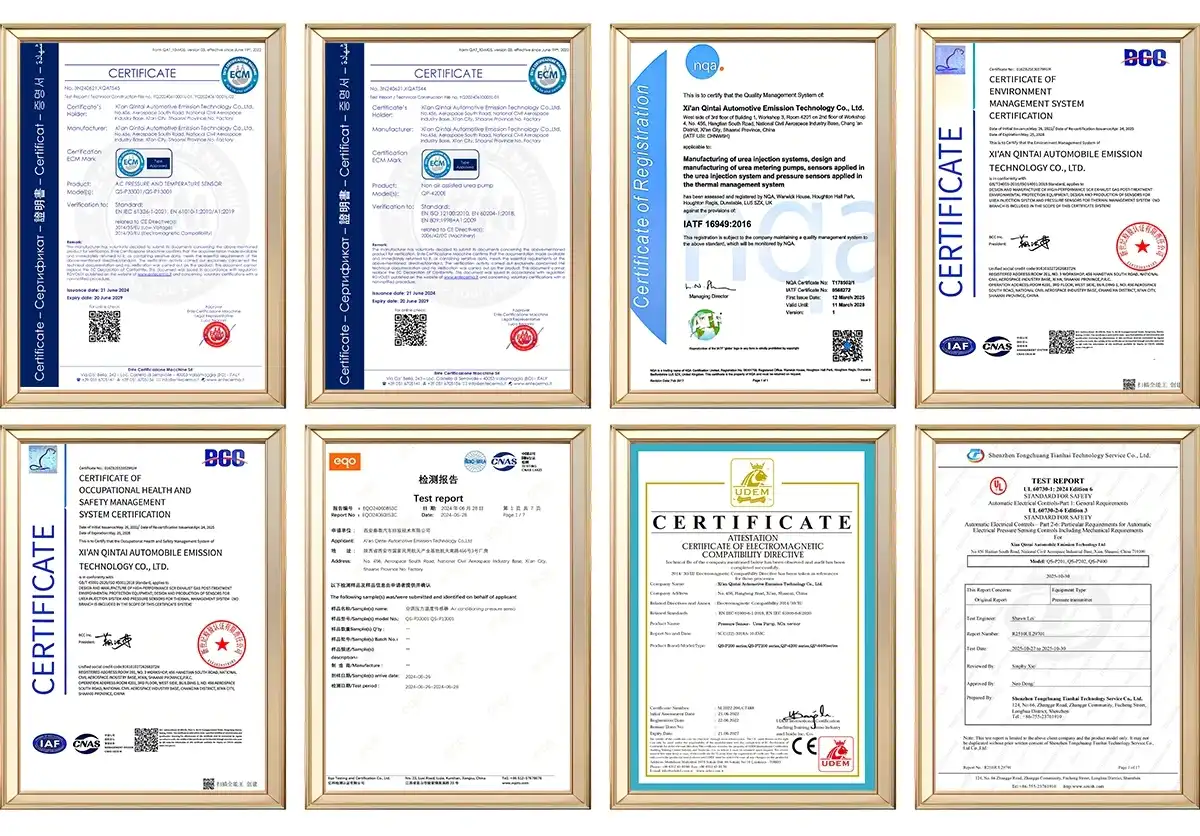
Checking sensor manufacturers' certificates might indicate their maturity. ISO 9001 quality management sets the norm, while IATF 16949 certificate for automobile production control displays modern systems. Suppliers that comply with REACH and RoHS demonstrate environmental concern beyond regulatory regulations. They have invested in sustainable manufacturing practices, which serious procurement specialists are increasingly seeking.
Maintenance, Diagnosis, and Troubleshooting Tips
Systematic Diagnostic Approaches for Nitrogen Oxide Sensors
Addressing NOx sensor difficulties requires rigorous troubleshooting to distinguish electrical issues from performance loss. Diagnostics begin with preserved fault codes and freeze-frame data to determine what happened when errors occurred. Monitor sensor data using a diagnostic scan tool as the engine runs at different speeds. When the SCR catalyst operates properly, NOx measurements should shift with engine speed and load, with upstream sensors reading greater than downstream sensors.
Readings that don't make sense or stay the same indicate sensor failure, not wiring. Electrical integrity is checked by measuring heater circuit resistance and supply voltage before rejecting the sensor unit. Many diagnostic errors occur because individuals don't check for DEF or SCR trigger quality issues that might create sensor failure symptoms. Avoid unnecessary sensor replacements by evaluating DEF content with a refractometer and dosage system crystallization.
Cleaning Techniques and Preventive Maintenance
When contamination is simply surface-level, NOx sensors can respond well to attentive maintenance, while O2 sensors seldom do. Taking out the sensor and inspecting the shielded tube for urea or carbon accumulation might help diagnose. Cleaning with clean water and delicate brushes removes debris and dust without damaging ceramics. However, strong mechanical or chemical cleaning will disable the sensor.
Some fleet maintenance programs include sensor reviews and removal during service intervals. This lets you clean them before they get filthy and cause errors. Cleaning diesel exhaust fluid and replacing crystallizing dosage injectors reduces fleet sensor contamination. Trends in sensor failures by automobile identification number indicate reoccurring issues that should be addressed further up the chain rather than replaced repeatedly. These precautions reduce the number of sensors needed and improve system reliability.
Distinguishing Between Sensor Types During Diagnosis
These sensors seem similar, thus technicians unfamiliar with contemporary aftertreatment designs may confuse them. Both include threaded housings and electrical connectors, while NOx sensors have larger connecting bodies for additional circuits. Before disconnecting sensors, check wire designs to avoid identification errors. On closed-loop operation, O2 sensors reveal voltage changes on real-time data panels as air-fuel ratio changes. As exhaust temperature and engine load fluctuate, NOx sensors display modest changes.
If you insert an O2 sensor in lieu of a NOx sensor, the ECU will instantly generate incorrect signal codes since it expects different electrical characteristics. Parts offices must implement stringent inventory control systems that employ part identifiers and specifications instead of generalizations. Giving workers visual identification tools that identify connection differences and where they should be put speeds up diagnostics and reduces difficulties once the improper part is installed.
Future Trends and Innovations in Emission Sensing
Advanced Materials and Design Improvements
Research into the next generation of NOx sensor technologies aims to extend their lifespan and improve readings in tough settings. Different ceramics may be better at withstanding thermal shocks during fast regeneration, say researchers. Sensor elements with nanomaterial layers may be less susceptible to fuel additive and lubricant toxicity.
Some experimental designs employ brief bursts of high temperature to burn off built-up layers without removal. Miniaturization reduces sensor thermal mass to speed up warming and save heater power. These revisions address fleet operators' concerns about sensor replacement costs and cold start emissions regulations. Procurement managers should monitor patent documents and industry gatherings showcasing innovative technology. They may prepare their firms for competitive developments this way.
Integration With Telematics and Predictive Diagnostics
As sensor technologies and linked vehicle systems combine, proactive fleet management is conceivable. Today, engine control units may transfer sensor health and performance data to telemetry systems for analysis. Machine learning algorithms detect wear and tear before it fails. It enables condition-based replacement schedules. Remote diagnostics lets engineering support teams view sensor data from remote autos without local specialists' help.
Some aftertreatment system manufacturers give fleet managers tracking services. These programs alert managers to potential issues before they affect ratings. This prediction approach turns sensors into data sources that assist asset managers achieve their aims. Buy telematics-compatible sensors to operate with modern fleet control systems. Advanced warranty programs that employ real use patterns instead of date time use data from these devices.
Regulatory Evolution and Strategic Procurement
More precise NOx measurements are needed as global pollution rules tighten. The EPA's heavy-duty greenhouse gas requirements cover previously exempt automobiles. This expands the market for aftertreatment devices. As Asian firms establish sensor production skills, China's National VI emission requirements drive demand. European Real Driving Emissions requires road-based sensor accuracy testing with portable measuring instruments.
These data indicate a constant increase in sensor purchases and greater performance criteria. Future-focused purchasing managers network with talented suppliers worldwide. This strengthens supply chain resilience. You may avoid throwing away old stock by monitoring rules in target markets to prepare for specification changes that need part redesign. By joining industry associations, you may obtain early access to new standards and discuss strategy with engineering partners.

SENSOR+TEST, June 9 – 11, 2026
We look forward to your visit,warmly welcome to our booth 1-634!
Get your free ticket online now:
https://www.sensor-test.de/service/ticket/?52790
Conclusion
Current diesel engine and aftertreatment system technicians must distinguish NOx sensors from O2 sensors. O2 sensors optimize combustion through air-fuel ratio input. However, NOx sensors provide precise SCR control for regulatory compliance. Knowing how they operate, where to put them, and how they break down allows you to diagnose issues more accurately and make intelligent purchase decisions.
Good supplier ties become increasingly vital as pollution standards tighten worldwide and monitor technologies improve with new materials and telematics. Choosing the correct monitor types, implementing preventative maintenance schedules, and employing predictive diagnostics helps minimize ownership costs while ensuring compliance. Current emission sensors are so difficult that they demand creators with actual engineering expertise, several qualifications, and a dedication to customer success throughout the product's lifespan.
FAQ
Q1: Can I Substitute an O2 Sensor for a NOx Sensor?
A: These sensors seem identical but are not interchangeable. Single-chamber O2 sensors detect just oxygen, while complicated multi-chamber NOx sensors monitor only nitrogen oxides. Connectors, electrical signals, and ECU transfer mechanisms vary. If you install an O2 sensor instead of a NOx sensor, the SCR system will malfunction and you'll obtain quick fault codes, which might lead to engine deratings and regulatory violations.
Q2: What Replacement Intervals Do Commercial Fleets Typically Follow?
A: Replacement depends on usage frequency and location. Highway vehicles replace NOx sensors every 300,000 to 500,000 miles, but harsh weather or DEF quality issues might accelerate failure. After 100,000–150,000 miles, O2 sensors' reaction times slow down and decrease their performance. Work hours, not kilometers, are tracked by off-road vehicles. Depending on exhaust temperature and particle exposure, NOx sensors should be checked every 3,000 to 5,000 hours.
Q3: What Causes Most Nitrogen Oxide Sensor Failures?
A: Urea crystals cause most failures, which occur when DEF quality declines or dosage mechanisms malfunction. When the DPF regenerates, heat shock stresses ceramics. This is especially true for sensors experiencing abrupt temperature fluctuations. Leaks of engine oil or water poison sensors. Electrical heater circuit issues or connection corrosion cause 30% of field failures. Preventive maintenance that monitors DEF quality and dosing system purity extends sensor life and minimizes replacement costs.
Partner With Qintai for Reliable Emission Sensor Solutions
Choosing a dependable NOx sensor maker affects your fleet's compliance and efficiency. Xi'an Qintai Automotive Emission Technology Co. Ltd. has over 20 years of diesel aftertreatment and emission sensor experience. Their 58 invention patents and certifications, such IATF 16949, demonstrate their innovation. Since we are the leading OEM source for Weichai, Yuchai, and Quanchai powertrains, we know what heavy-duty uses like construction machinery, farming equipment, and generator sets need. Our independent research and development team develops sensor solutions for customized integration. This involves replacing connections, lengthening cables, and increasing environmental protection rates. At info@qt-sensor.com, you may discuss bulk pricing for NOx sensors, OEM collaboration opportunities, and engineering advice that converts sensor selection into a competitive advantage.
References
1. Society of Automotive Engineers. (2021). Diesel Exhaust Aftertreatment Systems: Design, Performance, and Diagnostics. SAE International Technical Paper Series.
2. Environmental Protection Agency. (2020). Heavy-Duty Highway Compression-Ignition Engines and Urban Buses—Exhaust Emission Standards. EPA Regulatory Guidance Document 420-B-20-009.
3. Bosch Mobility Solutions. (2022). Automotive Sensors Technology Handbook: NOx and Lambda Sensor Systems for Diesel Applications. Robert Bosch GmbH Technical Publication.
4. International Organization for Standardization. (2019). Road Vehicles—Electrical and Electronic Equipment—Environmental Conditions and Testing (ISO 16750). ISO Technical Standards.
5. Continental Automotive Systems. (2023). Advanced NOx Sensing Technologies for Next-Generation Emission Control. Continental AG Engineering White Paper.
6. Zhang, H., Wang, L., & Chen, Y. (2022). "Comparative Analysis of Zirconia-Based Sensor Technologies in Diesel Aftertreatment Applications." International Journal of Automotive Technology, 23(4), 1127-1139.

Our customers’ satisfaction speaks for our quality — contact us to experience the same reliable service.