- English
- French
- German
- Portuguese
- Spanish
- Russian
- Japanese
- Korean
- Arabic
- Greek
- German
- Turkish
- Italian
- Danish
- Romanian
- Indonesian
- Czech
- Afrikaans
- Swedish
- Polish
- Basque
- Catalan
- Esperanto
- Hindi
- Lao
- Albanian
- Amharic
- Armenian
- Azerbaijani
- Belarusian
- Bengali
- Bosnian
- Bulgarian
- Cebuano
- Chichewa
- Corsican
- Croatian
- Dutch
- Estonian
- Filipino
- Finnish
- Frisian
- Galician
- Georgian
- Gujarati
- Haitian
- Hausa
- Hawaiian
- Hebrew
- Hmong
- Hungarian
- Icelandic
- Igbo
- Javanese
- Kannada
- Kazakh
- Khmer
- Kurdish
- Kyrgyz
- Latin
- Latvian
- Lithuanian
- Luxembou..
- Macedonian
- Malagasy
- Malay
- Malayalam
- Maltese
- Maori
- Marathi
- Mongolian
- Burmese
- Nepali
- Norwegian
- Pashto
- Persian
- Punjabi
- Serbian
- Sesotho
- Sinhala
- Slovak
- Slovenian
- Somali
- Samoan
- Scots Gaelic
- Shona
- Sindhi
- Sundanese
- Swahili
- Tajik
- Tamil
- Telugu
- Thai
- Ukrainian
- Urdu
- Uzbek
- Vietnamese
- Welsh
- Xhosa
- Yiddish
- Yoruba
- Zulu
Understanding NOx vs O2 Sensors in SCR and Emission Systems
Modern diesel engines manage pollutants using innovative systems to fulfill stringent environmental regulations. Nitrogen and oxygen sensors are key to these systems. The SCR NOx sensor is crucial for monitoring exhaust nitrogen oxide during treatment. We can precisely regulate urea input in Selective Catalytic Reduction systems. At the same time, oxygen sensors monitor waste gas composition to optimize the SCR catalyst and combustion process. The environment and business benefit from this cooperation.
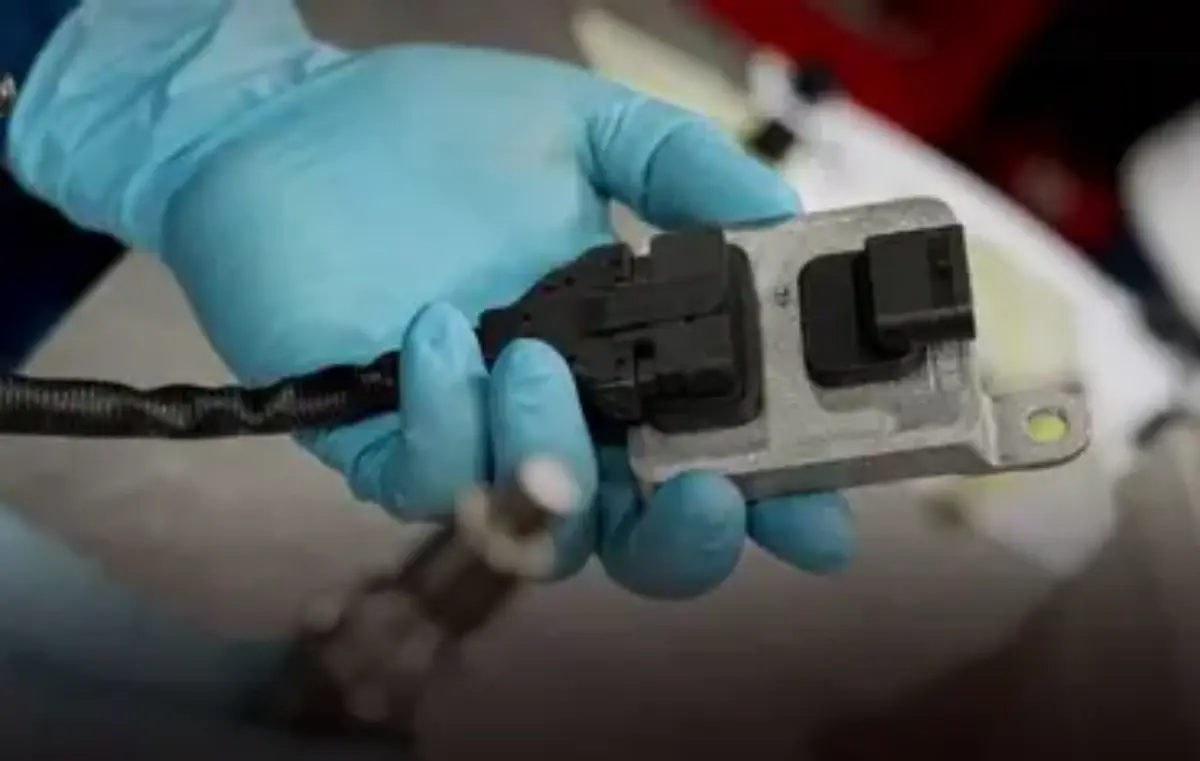
Fundamentals of NOx and O2 Sensors in SCR Systems
Knowing what each sensor performs helps procurement managers and R&D professionals choose heavy-duty pollution control parts.
The Role of Nitrogen Oxide Sensors in Emission Control
Nitrogen oxide monitors measure diesel exhaust's harmful NOx constituents. The ECU uses real-time data from these sensors to calculate the precise quantity of DEF needed to safely convert NOx into nitrogen and water vapor. SCR NOx sensors are typically used in pairs—one before and one after the catalyst. A closed-loop control system constantly examines conversion efficiency.
How Oxygen Sensors Complement SCR Performance?
Oxygen sensors measure exhaust gas oxygen levels. This impacts burning quality and SCR catalyst efficiency. These sensors assist the ECU optimize engine performance and oxygen for SCR chemical reactions by measuring air and fuel levels. A feedback loop between gas mileage and emissions is created by this two-sensor approach.
Why Are NOx and O2 Sensing Technologies Different?
Both sensors detect exhaust under difficult conditions, but their approaches differ. SCR NOx sensors measure NOx exclusively using yttria-stabilized zirconia ceramic elements with different chambers after regulating air oxygen. However, oxygen sensors give voltage signals depending on air and exhaust gas oxygen levels. Expert teams can comprehend why comprehensive emission control requires both types of sensors by understanding these technical distinctions.
Sensor Placement and System Integration
Sensor placement affects measurement accuracy and system speed. Between the engine and SCR catalyst is the upstream SCR NOx sensor. It measures raw NOx. To monitor change, the downstream monitor is placed after the catalyst. The exhaust manifold or turbocharger outlet frequently houses oxygen sensors. Due to its clever position, the ECU can optimize fuel injection, turbocharger boost, and DEF dosage for pollution management under varying loads.
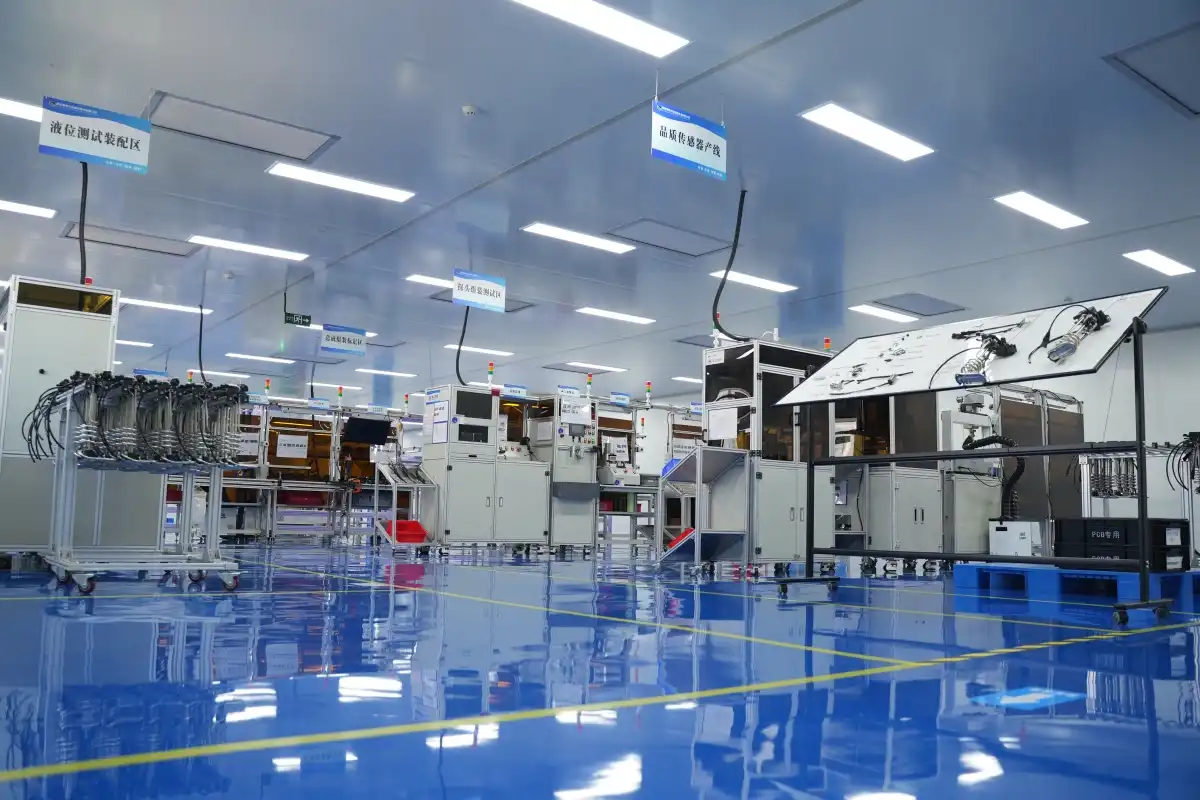
How SCR NOx Sensors Work & Their Importance in Emission Systems?
Nitrogen oxide sensors employ complicated electrochemical ideas applied for automobiles.
The Chemical Sensing Process Explained
Diffusion-blocking barriers split SCR NOx sensor portions. An oxygen pump cell transports oxygen ions through zirconia ceramic to maintain oxygen levels in the first chamber, which receives exhaust gas. The gas then enters the NOx detection chamber, where a catalytic electrode splits nitrogen oxides into nitrogen gas and oxygen ions. The sensor releases oxygen ions, which generate an electric current proportional to NOx. This two-step procedure ensures accurate NOx readings regardless of exhaust stream oxygen levels.
Compliance with Global Emission Standards
US, European, and Chinese diesel engine manufacturers must follow EPA Tier 4, Euro VI, and China VI standards. NOx must be reduced by over 90% compared to earlier engines. Because they can reliably detect nitrogen gas, SCR systems may achieve these high targets while maintaining engine performance. Heavy truck firms, building equipment, farm gear, and generator sets need good sensors to avoid fines and operate in restricted markets.
Advantages Over Traditional Emission Control Methods
Controlling emissions used to require recirculating exhaust gas and adjusting combustion speed, which harmed fuel efficiency and engine life. SCR NOx sensors and SCR technologies let engines run at peak performance while managing emissions. Pollution control and combustion optimization improve fuel efficiency and exhaust quality, lowering engine costs and environmental effect. Data from downstream monitors allows predictive maintenance by detecting catalyst deterioration before pollutant limits are reached.
Impact of Sensor Placement on Performance
Upstream sensors must withstand high exhaust temperatures and respond rapidly to engine load changes. This sensor aids DEF injection estimations. To verify system operation, downstream sensors must detect NOx levels of less than 10 parts per million in colder circumstances after the catalyst. Distance between sensors, catalyst quantity, and exhaust flow variation effect system reaction time. Procurement teams should consider these factors while examining sensor specifications for vehicle usage.
Common Issues and Troubleshooting for SCR NOx Sensors
Maintenance teams and technical management must understand sensor failure and diagnosis to meet emission requirements and decrease downtime.
Recognizing Symptoms of Sensor Malfunction
Specific diagnostic fault codes reveal SCR NOx sensor decrease on automobile panels. Signs include incorrect NOx measurements, excessive DEF consumption, dosage errors, and engine power loss. Drivers may observe electricity shortages or pollution warning lights. To safeguard the emission system, the ECU may restrict engine power if sensor readings are off.
Testing Procedures and Diagnostic Tools
Correct assessment requires the appropriate tools and methodologies. Technicians should examine wire harness stability and electrical connections before rejecting sensors. A multimeter can measure heater circuit resistance and signal output. Modern diagnostic tools display real-time sensor data so you may compare upstream and downstream findings to discover issues. Sensor resistance is commonly 6–12 ohms for heater circuits, and NOx levels affect signal values. Many modern sensors feature built-in diagnostics that alert the ECU to sensor issues.
Sensor Lifespan and Maintenance Best Practices
Nitrogen oxide sensors in commercial automobiles typically last 160,000–240,000 km under normal conditions. Fuel type, maintenance, and location affect lifespan. If unclean from engine oil, fuel additives, or water leaks, sensors might last much less. Regular exhaust system inspections, immediate oil leak repairs, and low-ash engine oils can extend sensor life. When calculating the total cost of ownership for different sensor brands, buying teams should include sensor replacement frequency.
Proactive maintenance programs monitor and replace sensors to prevent expensive equipment from breaking down unexpectedly. Fleet managers can determine whether engines or operating circumstances cause sensors to fail faster by tracking sensor performance. This data-based service system reduces costs and ensures emission compliance.
Comparative Insights: Choosing the Right SCR NOx Sensor for Your Fleet
Procurement must balance performance, budget, and supplier reliability for the optimal total cost of ownership for the SCR NOx sensor.
OEM Versus Aftermarket Sensor Considerations
OEM sensors are supported by vehicle manufacturers and guaranteed to operate with other automobile parts. These monitors are expensive yet undergo rigorous reliability tests. Aftermarket choices can save 30–50% and offer a range of quality. Quality aftermarket sensors from well-known companies typically function as well as OEM sensors, but buying teams should verify certification and warranty coverage. Sometimes aftermarket sensors don't function due to different connections or calibration.
Leading Manufacturer Comparison
Several nitrogen gas sensor firms have proven track records. Heavy-duty diesel sensors from Bosch cover several applications. Denso sensors are durable and thermal shock-resistant in various loads. Continental prioritizes integrated solutions with better monitoring. Each manufacturer has strengths in product choice, skilled service, and regional availability. Along with product criteria, procurement staff should evaluate suppliers' responsiveness and local expertise.
Pricing Structures and Volume Discounts
Single sensors cost $200–$600, depending on manufacturer and use. Graduate discounts are typically offered for substantial purchases. You can save 15–30% at 25, 50, and 100 units. Long-term supply arrangements sometimes offer better prices and first dibs on scarce parts. When building supplier relationships, buying managers should discuss more than unit costs. Payment arrangements, goods consignment programs, and technical support should be discussed.
Evaluating total cost of ownership goes beyond the purchase price. It also contains the sensor's projected lifetime, the warranty, and the cost of failure-related downtime. A somewhat more costly sensor that has been tested and has timely technical assistance is typically preferable than the cheapest choice that may need to be replaced or mended more often.
How to Effectively Procure SCR NOx Sensors for Your Business?
Strategic procurement procedures provide a consistent supply of components while maintaining quality across all production stages and minimizing expenses for SCR NOx sensors.
Defining Your Sensor Requirements
A comprehensive list of vehicle demands based on use and operating circumstances is the first step to purchase. Heavy automobiles on the roadway have distinct sensor demands than hot and rattled construction equipment. Generator sets with stable loads need monitors with long-term stability rather than fast reaction. The procurement parameters should include target market-relevant working temperature range, reaction time, connection type, mounting design, and safety certifications.
Evaluating Supplier Credentials and Support
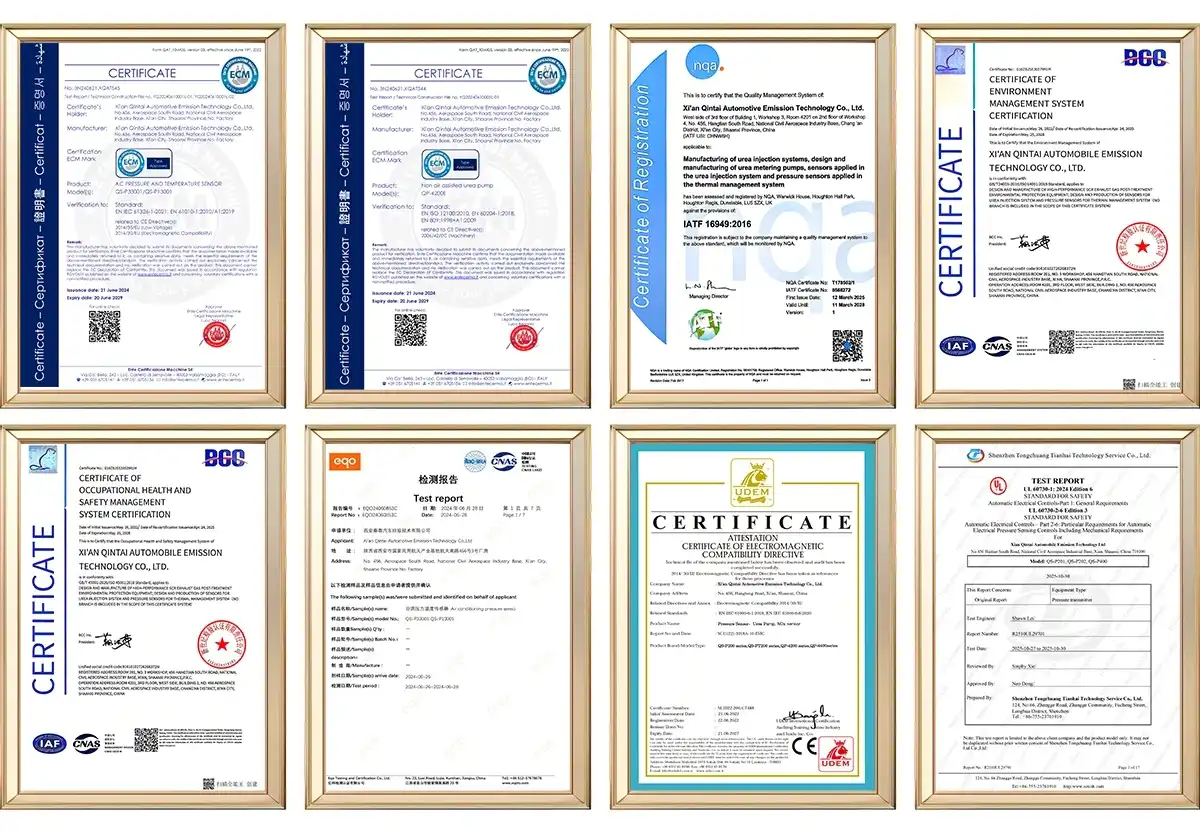
Supplier selection goes beyond product parameters. It also includes the supplier's production and service capabilities. Quality certifications like ISO9001 and IATF16949 demonstrate proven quality management procedures. Suppliers should produce approvals and tests to demonstrate emission compliance in target locations. Supportive IT teams that can answer integration inquiries and handle field issues are crucial. Buying teams should request client examples and case studies of the product's success in similar scenarios.
Streamlining the Purchase Process
Structured stages reduce wait times and errors, improving procurement efficiency. Initial queries should clarify the application's demands, quantity, and delivery date. Official quotations should contain unit costs, payment conditions, wait periods, minimum order amounts, and warranties. Discuss the contract's quality, testing, packing, and acceptance requirements. Establish clear channels for discussing order tracking, technology, and quality. Regular supplier reviews assist maintain quality and improve processes.
Building long-term connections with reliable providers provides benefits beyond purchasing. Customers may tailor goods, get early access to new technology, and adjust to demand changes with preferred providers. These ties are even more vital when part shortages hurt the market.

SENSOR+TEST, June 9 – 11, 2026
We look forward to your visit,warmly welcome to our booth 1-634!
Get your free ticket online now:
https://www.sensor-test.de/service/ticket/?52790
Conclusion
Modern diesel pollution control uses SCR NOx sensors and oxygen sensors to allow SCR systems to reduce NOx to unprecedented levels while maintaining engine performance. Knowledge of these sensors' roles, how they work, and what to consider when purchasing and maintaining them helps procurement experts make wise selections. As emission regulations tighten worldwide, buying high-quality sensors from well-known firms is the best approach to ensure long-term compliance, efficiency, and a market edge.
FAQ
Q1: What is the typical lifespan of nitrogen oxide sensors in commercial vehicles?
A: Business vehicle SCR NOx sensors normally last 1.6 million to 2.4 million kilometers in heavy-duty diesel engines. The longevity depends on fuel, engine maintenance, and setting. Sensors last longer in well-maintained engines using high-quality diesel fuel and low-ash lubricants. However, severe circumstances or oil contamination might shorten their lifespan.
Q2: How do OEM sensors compare to aftermarket alternatives?
A: OEM sensors are certified to function with other parts and fulfill car manufacturer criteria, providing insurance security. Compatible aftermarket sensors from recognized companies generally operate as well for 30–50% less. Validation testing, warranty coverage, and expert assistance make the difference. Procurement teams should check aftermarket certifications and supplier speed before making large acquisitions.
Q3: What maintenance practices extend sensor operational life?
A: Constant exhaust system soundness checks prevent pollutants from destroying sensors too quickly. Sensor elements can be protected by tuning the engine, resolving oil use issues immediately, and using the manufacturer's recommended low-ash engine oils. By preventing extended sitting and ensuring DEF quality, sensor-harming deposits can be prevented. Regular diagnostic scans can detect performance degradation early, allowing replacements when needed.
Partner with Qintai for Reliable SCR NOx Sensor Solutions
Qintai can help with emission control with over 20 years of expertise in SCR aftertreatment systems and sensor technology. Our high-quality SCR NOx sensors are supplied to Weichai Power, Yuchai Power, and Quanchai Power, China's largest OEMs. We manufacture Euro VI, EPA, and China VI sensors in IATF16949-certified plants. These sensors have been extensively tested and work. Our research and development staff and 58 concept rights allow us to provide custom solutions for every application, from big vehicles to generator sets. Our offices in over sixty locations allow us to deliver fast, experienced service and dependable supply chain performance. Contact info@qt-sensor.com to discuss your SCR NOx sensor needs and how our OEM-quality solutions may enhance emission system performance and minimize costs.
References
1. Majewski, W.A., & Khair, M.K. (2023). Diesel Emissions and Their Control. SAE International Press.
2. Johnson, T.V. (2022). "Review of Vehicular Emissions Trends." SAE International Journal of Engines, 15(4), 487-506.
3. Environmental Protection Agency. (2023). Nitrogen Oxides (NOx) Control Regulations for Heavy-Duty Highway Engines. EPA Publications.
4. Ballinger, T., Manning, W., & Walker, A. (2021). "Selective Catalytic Reduction Technology for Diesel Engine Applications." Journal of Automotive Engineering, 235(8), 2145-2161.
5. International Organization for Standardization. (2022). ISO 16183:2022 Heavy-Duty Vehicles – Measurement of Gaseous Emissions from Raw Exhaust Gas and of Particulate Emissions. ISO Standards.
6. Zhang, R., & Chen, L. (2023). "Advanced NOx Sensor Technologies for Next-Generation Emission Control Systems." Sensors and Actuators B: Chemical, 378, 133156.
 Sensor.webp)

Our customers’ satisfaction speaks for our quality — contact us to experience the same reliable service.